Henfield
Sussex ridge-top village between river meadows and the Downs
Photo © Ray Smallwood, Google Maps
Henfield sits on a low sandstone ridge in the Adur valley, with the ground falling away on either side to the flood meadows of the River Adur and, beyond them, the long green wall of the South Downs. The High Street still follows its medieval line, lined with tile-hung cottages, a handful of timber-framed buildings and a scatter of independent shops, and the parish has been settled since at least Saxon times, with the name recorded in a charter of 770 AD. It is very much a working village rather than a tourist set piece, which is part of its appeal: people live here, farm around it, and walk their dogs along the same lanes that connected Henfield to Bramber and Steyning centuries ago.
What draws visitors is the setting rather than any single sight. Henfield lies just north of the South Downs National Park boundary, close enough to be a genuinely useful base for walking or cycling the Downs without the traffic and crowds of villages directly on the escarpment. The Adur valley itself is a haven for wading birds and waterfowl, the Sussex Wildlife Trust has its headquarters on the village's southern edge, and a web of footpaths and the old railway-line-turned-cycleway known as the Downs Link pass close by, linking the town to Shoreham on the coast and Guildford inland. It is a place best explored slowly, on foot or by bike, with plenty of good pub food waiting at the end of it.
Top things to do in Henfield
Henfield rewards a slow wander more than a checklist of sights, but there is a good spread of things to see in and around the village, from local history to open countryside.
- Woods Mill Nature Reserve — headquarters of the Sussex Wildlife Trust, just south of the village off the A2037, with ancient woodland, wetlands, a millpond thick with dragonflies and damselflies, and a nature trail that is especially good for families in summer.
- Henfield Museum — a small, volunteer-run museum in the village hall covering local history from prehistoric flints to the village's role in early conservation movements, along with costume and photographic archives.
- The Downs Link — a largely traffic-free walking and cycling path along a disused railway line, running from Shoreham-by-Sea to Guildford and passing along the edge of Henfield, ideal for an easy circular walk or a longer ride.
- River Adur towpaths — flat riverside paths across the water meadows south of the village, good for birdwatching and a gentle stretch of the legs, with views back up to the ridge Henfield sits on.
- South Downs National Park — the escarpment rises a few miles south of the village, with Devil's Dyke and the Jack and Jill windmills both within easy reach for a proper downland walk.
- Henfield Common — a pocket of green space on the edge of the village used for informal recreation and dog walking, part of the wider common land that has surrounded Henfield for centuries.
- St Peter's Church — the parish church, with parts dating back to the 12th century, sitting at the heart of the old village alongside some of Henfield's oldest timber-framed buildings.
Getting to Henfield
Henfield sits just off the A281 between Horsham and Brighton, with the A283 also passing nearby, so it is an easy drive from most of West Sussex and the northern edge of Brighton and Hove. There is no railway station in the village itself; the nearest mainline stations are Hassocks and Shoreham-by-Sea, both roughly a twenty-minute drive away, with regular services to Brighton, Gatwick and London. Local bus services connect Henfield to Horsham, Burgess Hill and Brighton. For anyone arriving on two wheels or on foot, the Downs Link path offers a car-free route in from Shoreham to the south or Guildford to the north.
Best time to visit Henfield
Late spring through to early autumn is the most rewarding time to visit, when the water meadows along the Adur are green and full of birdlife, Woods Mill's ponds are busy with dragonflies, and the surrounding South Downs are at their best for walking. Summer weekends bring a steady flow of walkers and cyclists using the Downs Link, while autumn brings good colour to the ancient woodland at Woods Mill. Winter has its own appeal for a quieter visit, with crisp walks over the Downs and open fires in the village pubs, though the river meadows can flood after heavy rain.
Where to stay in Henfield
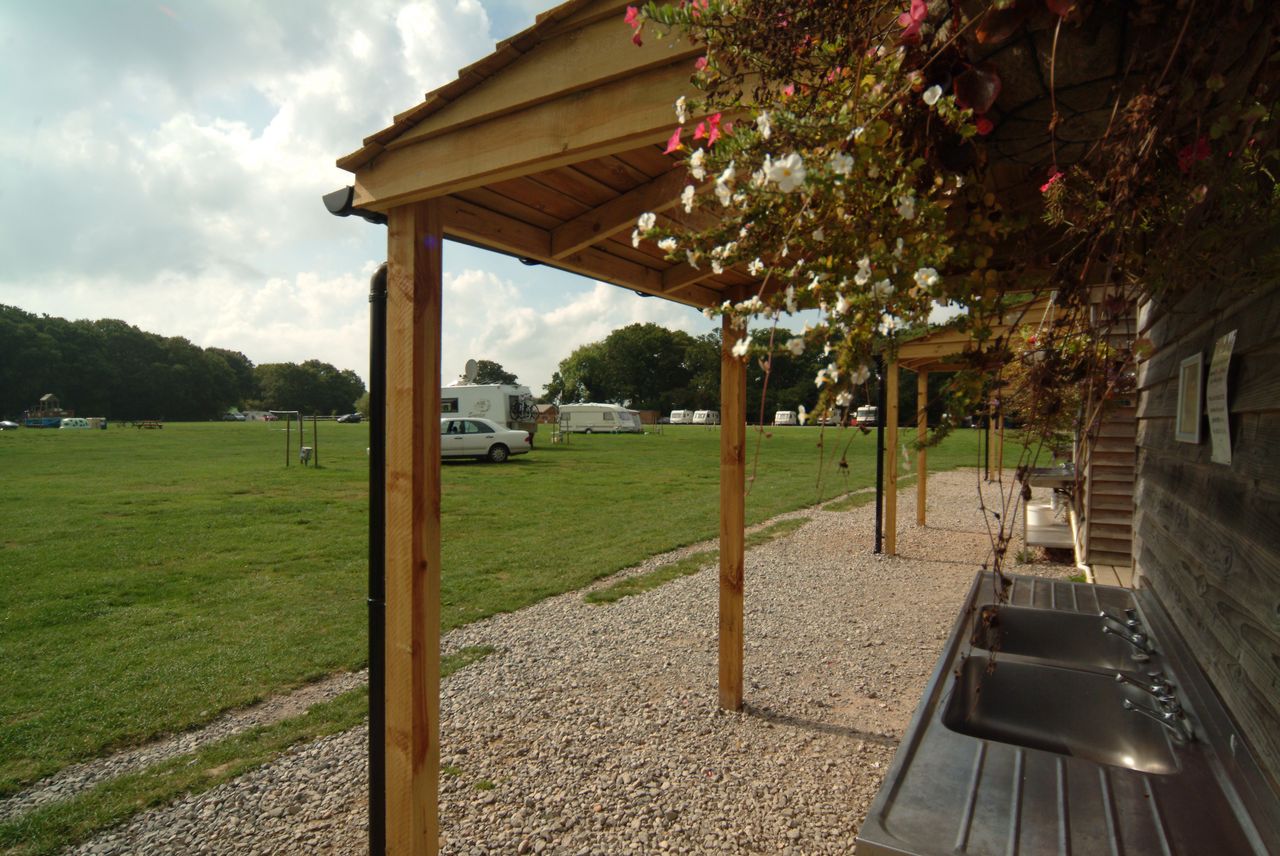
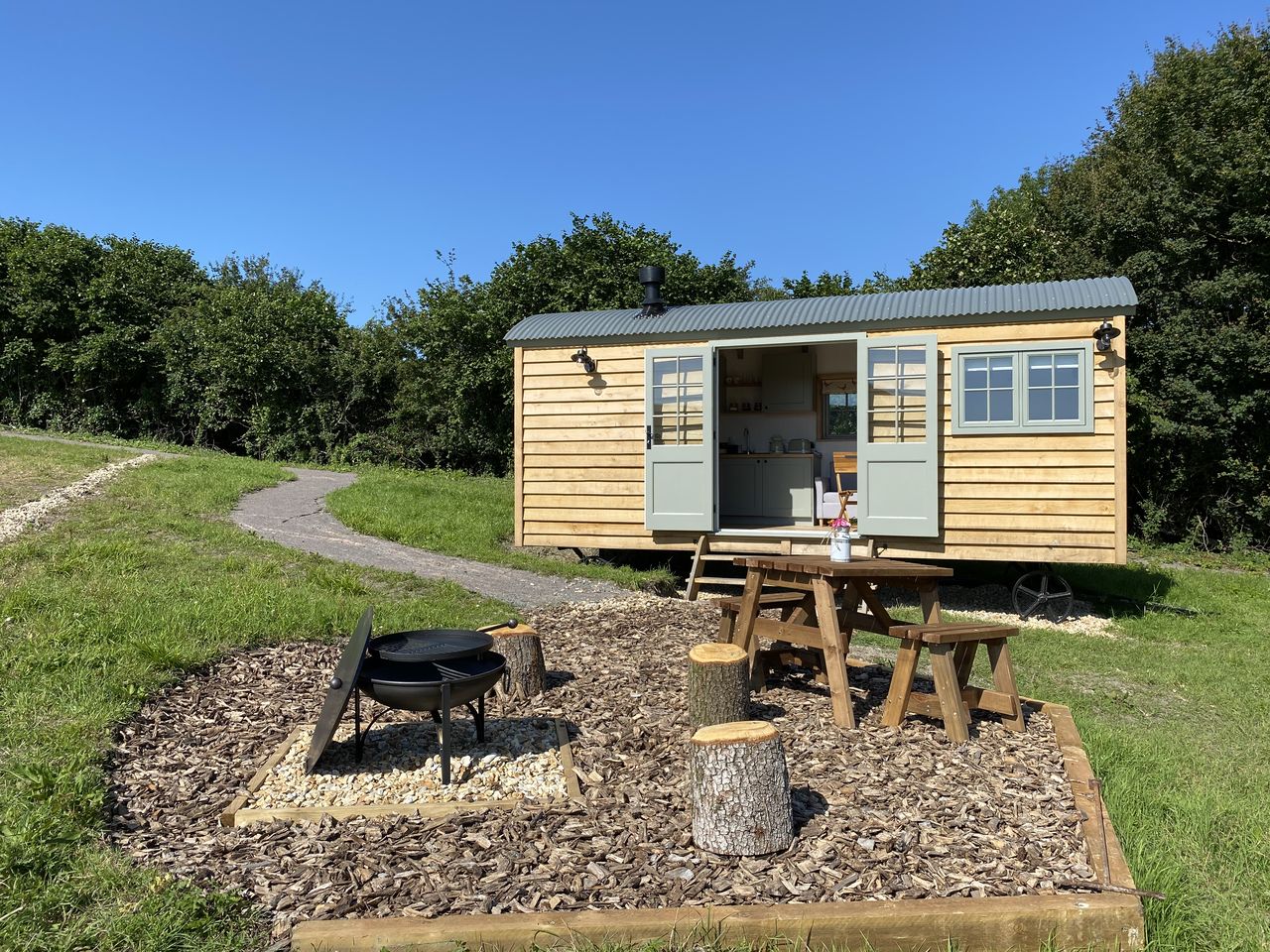
Henfield itself has a small choice of bed and breakfasts and pub rooms rather than large hotels, in keeping with its size, while a wider range of country inns, guesthouses and small hotels can be found in the surrounding villages and market towns of Steyning, Storrington and Horsham. Camping and glamping sites are dotted around the Adur valley and the northern fringe of the South Downs, making the area popular with people looking to combine a rural stay with walking or cycling access to the National Park.
Food and drink in Henfield
For a village of its size, Henfield has an unusually strong run of pubs, among them the 16th-century coaching inn The White Hart on the High Street, along with The Wheatsheaf, The Plough and The Old Railway, the last of these sitting right on the Downs Link and popular with walkers and cyclists refuelling mid-route. A short drive away at Muddleswood, on the road up towards the Downs, the Ginger Fox has built a strong reputation locally for its food. The village also has a scatter of everyday cafes and a bakery along the High Street for a quieter stop.