Hornsea
Yorkshire's biggest lake, a Blue Flag beach, one unhurried seaside town
Photo © brandyandcoke rumandcoke, Google Maps
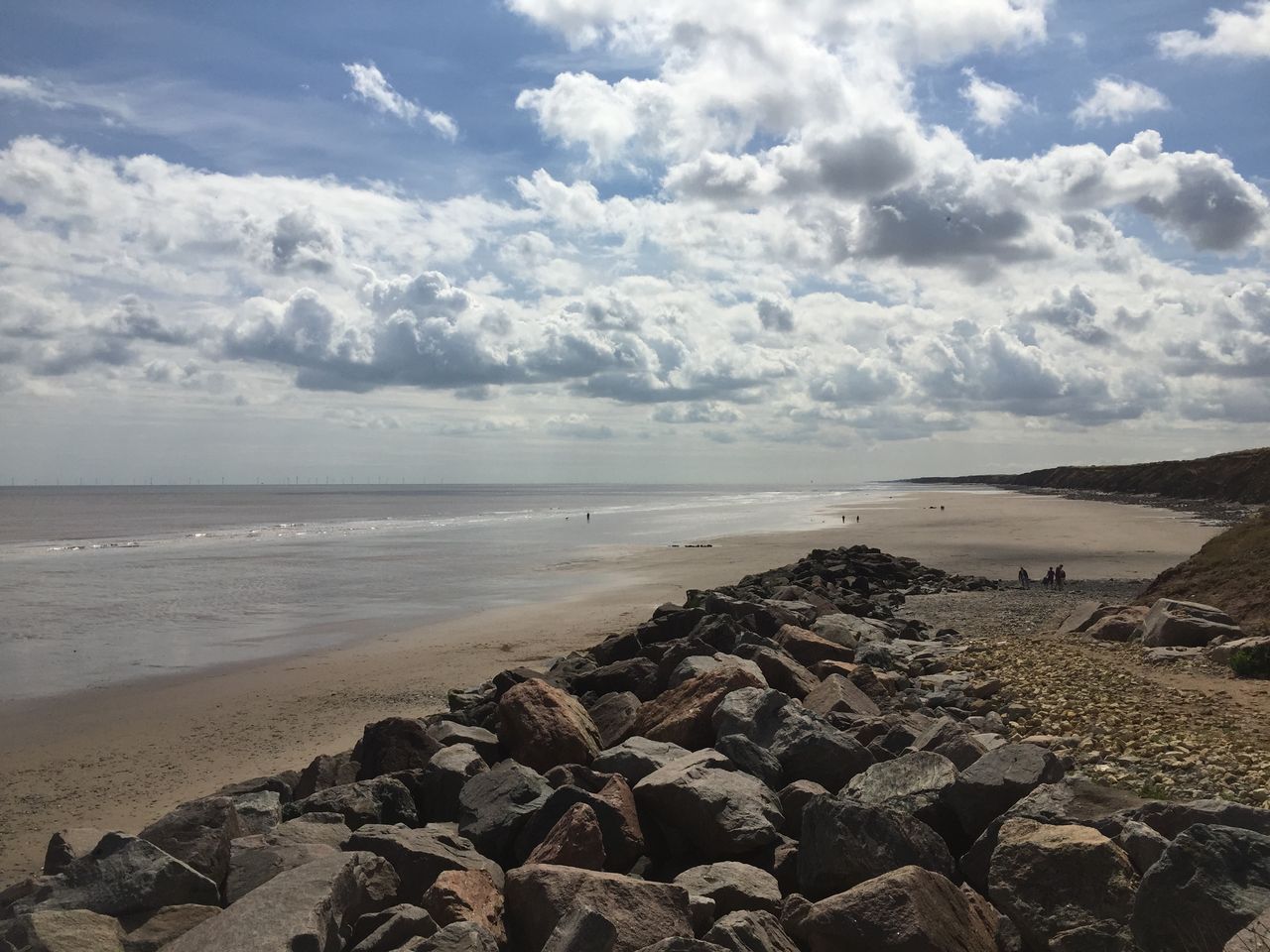
Hornsea sits on the Holderness coast of the East Riding of Yorkshire, a small and unassuming seaside town that punches well above its size. To the east, a long shingle-and-sand beach runs beneath a Victorian promenade, backed by landscaped gardens and timber breakwaters that have watched the North Sea roll in for well over a century. To the west, barely a few minutes' walk from the shops, Hornsea Mere spreads out as Yorkshire's largest natural freshwater lake, a completely different landscape of reedbeds, willows and open water that feels a world away from the coast.
The town itself grew up around fishing and, later, the pottery industry that made the Hornsea name known across the country. That heritage is still visible in the streets of independent shops and cafes around Newbegin and Market Place, while the old railway line that once carried day-trippers from Hull has been reborn as a popular walking and cycling trail. Hornsea is unpretentious and easy to like: a proper English seaside town with a lake at its back door and some of the flattest, most rewarding coastal and countryside walking in the East Riding right on the doorstep.
Top things to do in Hornsea
Hornsea rewards a slow visit. Between the mere, the museum and the beach, there is enough to fill several days without ever needing a car.
- Hornsea Mere — Yorkshire's largest freshwater lake, ringed by footpaths and reedbeds and home to over 250 recorded bird species, from mute swans to kingfishers and wintering wildfowl; boat trips, rowing boats and a lakeside cafe make it easy to spend a whole afternoon here.
- Hornsea Museum — set in an 18th-century farmhouse with a dovecote and walled garden, this small independent museum traces the town's history from fishing village to seaside resort, with a strong collection on the Hornsea Pottery works that once employed much of the town.
- Hornsea Pottery heritage — although the original factory closed in the 2000s, its legacy is still stitched through the town, from vintage pieces in local shops to displays at the museum; collectors regularly travel to Hornsea specifically to hunt out old pottery in its charity shops and antique stalls.
- The promenade and seafront gardens — a classic Yorkshire prom with a Blue Flag beach, restored Victorian shelters, crazy golf and landscaped floral gardens that make a fine spot for an ice cream between paddles in the sea.
- Hornsea Rail Trail and the Trans Pennine Trail — Hornsea marks the eastern, coastal terminus of the 215-mile Trans Pennine Trail, which runs all the way to Southport on the Irish Sea; locally, the old Hull to Hornsea railway line has been converted into a flat, traffic-free walking and cycling route through the surrounding countryside.
- Hornsea Freeport (Hornsea Village) — a purpose-built outlet shopping village laid out like a small town square, with a mix of high street and outlet brands, useful on a wet-weather day.
- Burton Constable Hall — a Grade I listed Elizabethan mansion a short drive inland, with grounds landscaped by Capability Brown, period interiors and a working walled garden, well worth combining with a day at the coast.
Getting to Hornsea
Hornsea has no railway station of its own today, the old line to Hull having closed in the 1960s, so the easiest approach is by road. The town sits on the B1244 and B1242, around 30-40 minutes' drive from Hull via the A165, and roughly an hour and a half from Leeds or York. The nearest mainline stations are in Hull, from where regular bus services run out to Hornsea. There is pay-and-display parking along the seafront and near the Mere, and the flat terrain makes the town easy to explore on foot or by bike once you have arrived.
Best time to visit Hornsea
Summer, from June to August, is peak season, when the beach, promenade and Mere are at their busiest and warmest, and Hornsea's handful of seafront cafes and ice cream parlours are in full swing. Spring is ideal for birdwatching at the Mere, as migrant species pass through and resident colonies become active again. Autumn brings quieter beaches and good conditions for walking the Rail Trail, while winter is popular with birders chasing the Mere's wintering wildfowl, though many smaller attractions reduce their hours out of season.
Where to stay in Hornsea
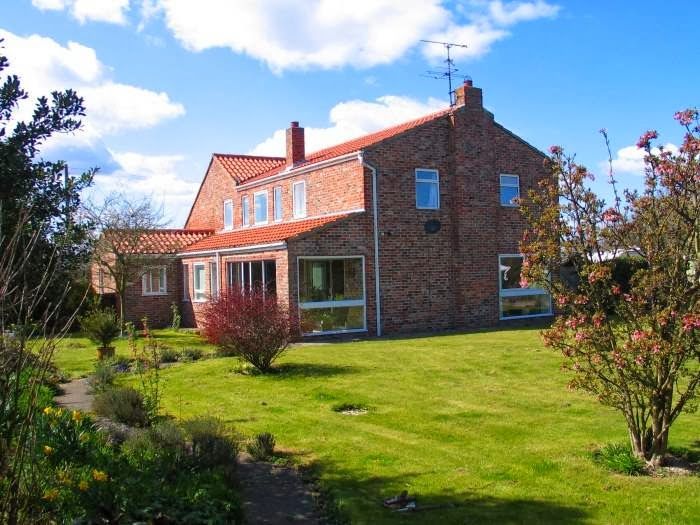
Accommodation in Hornsea tends toward small independent guesthouses, seafront bed and breakfasts, and a scattering of static caravan and touring parks just outside town, reflecting its identity as a low-key family resort rather than a large hotel destination. Self-catering cottages and apartments close to the promenade are popular with couples and families wanting sea views, while those touring the wider Holderness coast often use Hornsea as a quieter, more affordable base than Bridlington or Scarborough further up the coast.
Food and drink in Hornsea
The seafront and Newbegin are home to Hornsea's best-known food stops, including the long-running Rose's Fish Restaurant, a proper chip shop and sit-down restaurant that has served the town for decades. The Marine Hotel and several pubs along the front serve classic seaside pub food with sea views, while independent cafes around the Market Place and near Hornsea Mere are well placed for a pot of tea after a walk around the lake. For something more casual, the promenade's ice cream parlours and kiosks are a Hornsea institution in their own right.