Market Harborough
A market town on stilts, in the heart of the Welland Valley
Photo © Tetik Traveller, Google Maps
Market Harborough sits in the gentle Welland Valley on the Leicestershire-Northamptonshire border, a market town that grew rich on wool and leather and still carries the compact, walkable charm of its medieval street plan. The High Street fans out from the church in a pattern that has barely changed since the town was granted its market charter in 1204, lined with Georgian shopfronts, independent boutiques and the odd surviving coaching inn.
What sets Harborough apart from its East Midlands neighbours is how much of its working history is still visible. The corset and underwear factories that made Symington's a household name across the British Empire still stand, the Grand Union Canal's Market Harborough Arm still terminates at a restored wharf full of narrowboats, and the town's single most photographed building is a 400-year-old schoolroom balanced on wooden posts. It is a town built for slow exploration on foot, with the rolling farmland and villages of the Welland Valley opening up in every direction beyond the ring road.
Top things to do in Market Harborough
Harborough rewards an afternoon of wandering, and the surrounding villages and waterways add a full weekend of options.
- The Old Grammar School — the town's emblem: a timber-framed building from 1614 raised on octagonal wooden posts, originally built this way so that farmers' wives could use the sheltered ground floor as a butter market while pupils were taught upstairs.
- St Dionysius Church — a soaring 14th-century parish church whose spire dominates the skyline; step inside for the medieval stonework and stained glass, and note how closely it stands beside the Old Grammar School in Church Square.
- Harborough Museum — housed in the old Symington's corset factory on Adam and Eve Street, with displays on the town's underwear-manufacturing heyday (including the famous Liberty Bodice) alongside the Hallaton Treasure, one of Britain's most significant Iron Age hoards.
- Foxton Locks — a short drive or towpath walk from town, this flight of ten locks arranged as two staircases of five is one of the great set pieces of the English canal network, lifting boats 75 feet up the hillside; the remains of the Victorian boat lift and a café make it a popular family outing.
- Union Wharf and the Welland Valley towpath — the restored canal basin where the Market Harborough Arm meets its terminus, now ringed by waterside apartments and moored narrowboats, with towpath walks following the River Welland out into open country.
- Welland Park — a Victorian riverside park with a rose and sensory garden, play areas and a café, ideal for stretching legs beside the water without leaving town.
- The High Street and Commons — independent shops, cafés and a Wednesday and Saturday market fill the wide, gently curving street that has served as Harborough's commercial heart for eight centuries.
Getting to Market Harborough
Market Harborough sits just off the A6 and within easy reach of the A14 and M1, making it a straightforward drive from Leicester, Northampton, Kettering and Coventry. The town has its own railway station on the Midland Main Line, with direct East Midlands Railway services to London St Pancras International taking as little as 56 minutes and running roughly hourly through the day, as well as connections north to Leicester, Derby, Nottingham and Sheffield. There is no nearby airport of note, so most visitors arrive by road or rail.
Best time to visit Market Harborough
Spring and summer suit the town best, when the towpaths along the Welland and the Grand Union Canal are at their most pleasant and Welland Park's gardens are in full bloom. Foxton Locks gets busy with boaters and day-trippers on warm weekends, so an early start or a weekday visit is more peaceful. Market days (Tuesday, Friday and Saturday) bring extra life to the High Street, while the town's Victorian and Christmas events add a festive pull in late November and December.
Where to stay in Market Harborough
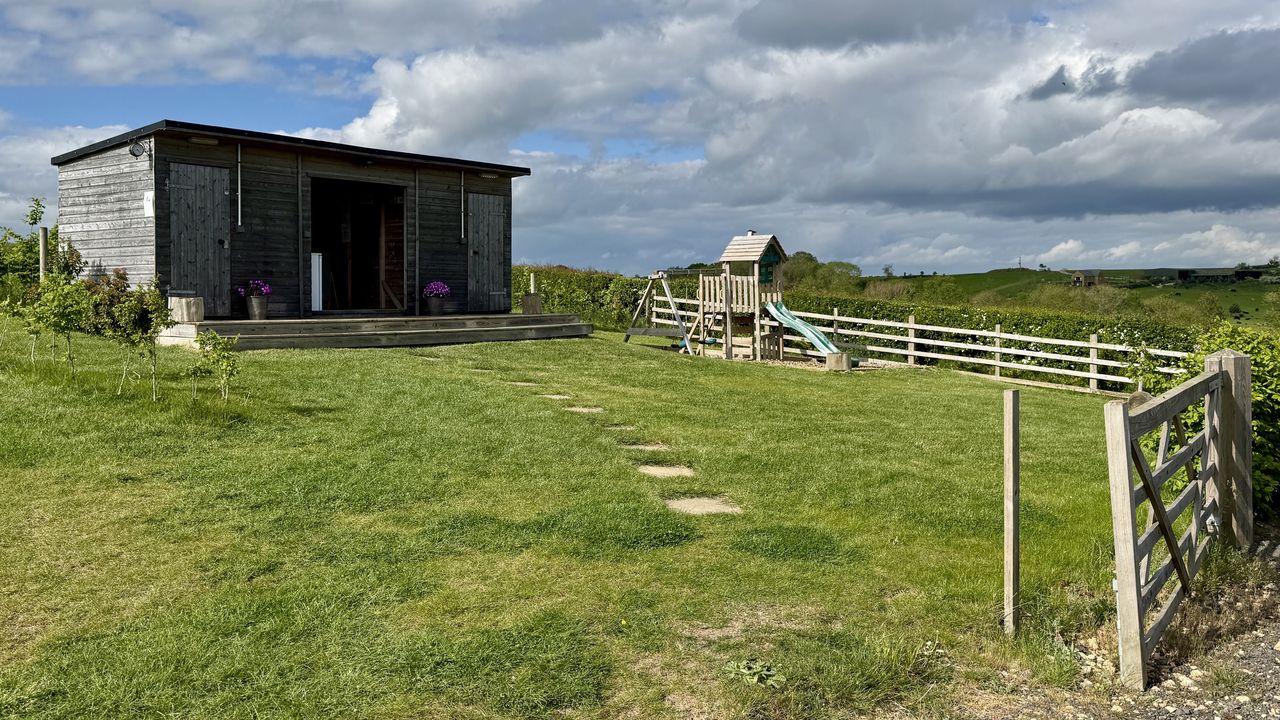
Accommodation in and around Market Harborough runs from historic coaching inns to farmhouse B&Bs in the surrounding villages, with the nearby countryside offering a handful of small campsites and glamping stays for those who prefer to be under canvas rather than a roof.
Food and drink in Market Harborough
The Three Swans on the High Street is the town's best-known address, a Grade II* listed 16th-century coaching inn with cask ales, a courtyard pizza oven and both formal restaurant and relaxed bar dining. Elsewhere the High Street and surrounding lanes hold a good spread of independent cafés, bakeries and pubs, while Union Wharf's waterside setting makes for a scenic spot for a drink after a walk along the canal.