North York Moors
Heather moorland, steam trains and a smuggler's coast
Photo © Google Maps contributors, Google Maps
The North York Moors covers roughly 554 square miles of north-east Yorkshire, running from the Hambleton and Cleveland Hills in the west to a 26-mile stretch of cliff-backed coastline in the east. It was designated a national park in 1952 and holds the largest continuous tract of heather moorland in England and Wales. That single fact shapes almost everything about a visit: the colour of the hills in late August, the sheep that wander unfenced across the roads, the long straight ridgeways that carry traffic from one dale to the next, and the sheer sense of space you get standing on a plateau where nothing interrupts the horizon.
What surprises most first-time visitors is the variety packed into a compact area. Within a forty-minute drive you can go from open moor at 1,400 feet to a fishing village wedged into a ravine, from the ruins of a Cistercian abbey to a working steam railway, from managed conifer forest to a natural amphitheatre carved by springs. The dales cut north and south into the moorland plateau, and each one feels several degrees gentler than the ground above it. Farndale is famous for its wild daffodils, Rosedale for its ironstone ruins, Eskdale for the little railway that threads the valley floor, and Bilsdale and Bransdale for being almost entirely empty.
It is also a landscape with a long industrial memory, which is not what people expect from a national park. Alum was quarried from the coastal cliffs for three centuries, ironstone was mined in Rosedale and Eskdale and shipped out on a railway built along the moor top, and jet was cut from the shales above Whitby to supply the Victorian mourning trade. The kilns, spoil heaps and abandoned trackbeds left behind now make some of the best walking routes in the park, so a day out here usually turns out to have more history in it than you had planned for.
Getting to North York Moors
There is no station inside the park's southern half, so most journeys involve a train to a gateway town and a short drive or bus. From London King's Cross, LNER reaches York in about two hours; from York, Northern services run to Malton in 25 minutes and to Thirsk in around 20. The Coastliner 840 bus is genuinely useful here, linking Leeds and York with Malton, Pickering, Thornton-le-Dale and Whitby, and it crosses the moor over the Blue Bank with big views on the descent.
Whitby itself is served by the Esk Valley Line from Middlesbrough, a slow and beautiful 90-minute run with request stops at Danby, Glaisdale, Egton and Grosmont — useful if you want to walk one way and ride back. Middlesbrough is reached directly from Manchester and Leeds by TransPennine Express, and from London by changing at York or Darlington.
By road, the A1(M) and then the A64 serve Malton and Pickering; the A19 runs up the western edge for Thirsk, Osmotherley and Teesside; the A170 crosses the south of the park through Helmsley and Pickering; and the A171 links Middlesbrough, Whitby and Scarborough across open moor. Be aware that Sutton Bank on the A170 is a one-in-four climb with tight hairpins and is closed to caravans and large trailers year-round. Moor-top roads such as Blakey Ridge drift badly in snow and are among the first to close in winter.
Parking is mostly pay-and-display: national park car parks at Sutton Bank and the Danby Moors Centre, a toll charge for the Dalby Forest Drive, and busy village car parks at Helmsley, Hutton-le-Hole and Robin Hood's Bay, where you should not attempt to drive down into the village. Whitby operates a park-and-ride from the edge of town in summer, which is far less stressful than hunting for a space near the harbour. For flights, Teesside International is closest at around 25 miles from the northern boundary, with Leeds Bradford about 60 miles away and Newcastle roughly 70.
Best time to visit North York Moors
Spring is the quiet favourite. From late March into April the wild daffodils along the Dove in Farndale draw walkers to a three-mile riverside path, lambs fill the dale fields, and the coast is bright without being crowded. Woodland at Rievaulx and Ryedale fills with bluebells in May, and the long daylight makes evening walks possible.
Summer brings the crowds to Whitby, Robin Hood's Bay and Goathland, and the steam railway runs its fullest timetable. If you want the moors at their most photogenic, aim for mid-August into early September, when the ling heather turns the plateau purple for two or three weeks — the single most distinctive sight the park has to offer. Whitby Regatta in August and the Whitby Folk Week are worth planning around, or avoiding, depending on your temperament.
Autumn suits walkers best. September and October bring settled light, bracken turning bronze, larch colour in Dalby and Cropton forests, and far more availability in the good inns. The coast stays mild well into October, and the Cleveland Way is at its most pleasant when the ground is firm but the sun is low.
Winter is cold, empty and often rewarding. The park is part of an International Dark Sky Reserve, and the annual Dark Skies Festival in February makes a virtue of the long nights with stargazing events across the moors. Expect short days, moorland roads that close with drifting snow, and some rural pubs on reduced hours — but also Whitby in the rain with the abbey lit up, and dale-bottom inns with the fire going.
Where to go
Popular destinations in North York Moors
About North York Moors’s towns and villages
The North York Moors and their wider North Yorkshire surroundings take in historic cities, spa towns and fishing ports. York offers medieval streets and grand city walls, while Harrogate and Ripon provide a more genteel pace, with elegant architecture and cathedral heritage. Knaresborough, perched above the River Nidd, and Richmond, guarded by its Norman castle, both suit those wanting market-town charm with dramatic settings.
Towards the coast, Whitby and Scarborough combine bracing sea air with harbours, clifftop abbeys and traditional seaside amusements. Inland, Thirsk and Pickering make convenient bases for exploring the moors and steam railways, while Skipton, Settle and Ingleton open onto the Yorkshire Dales, offering walking, limestone scenery and quieter village life. Together these towns and villages suit visitors seeking either lively market days or peaceful countryside retreats.
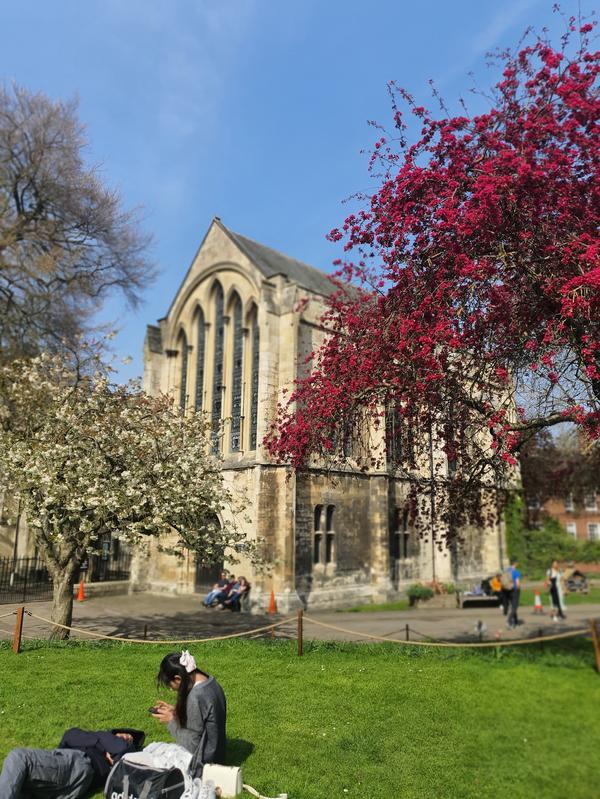
York
146 stays · 135 cottages · 64 campsites
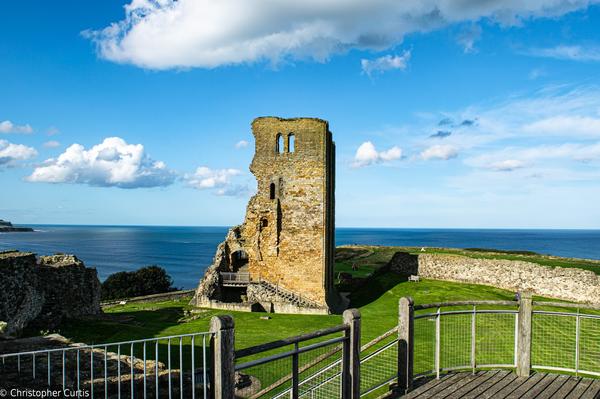
Scarborough
102 stays · 32 campsites · 17 things to do
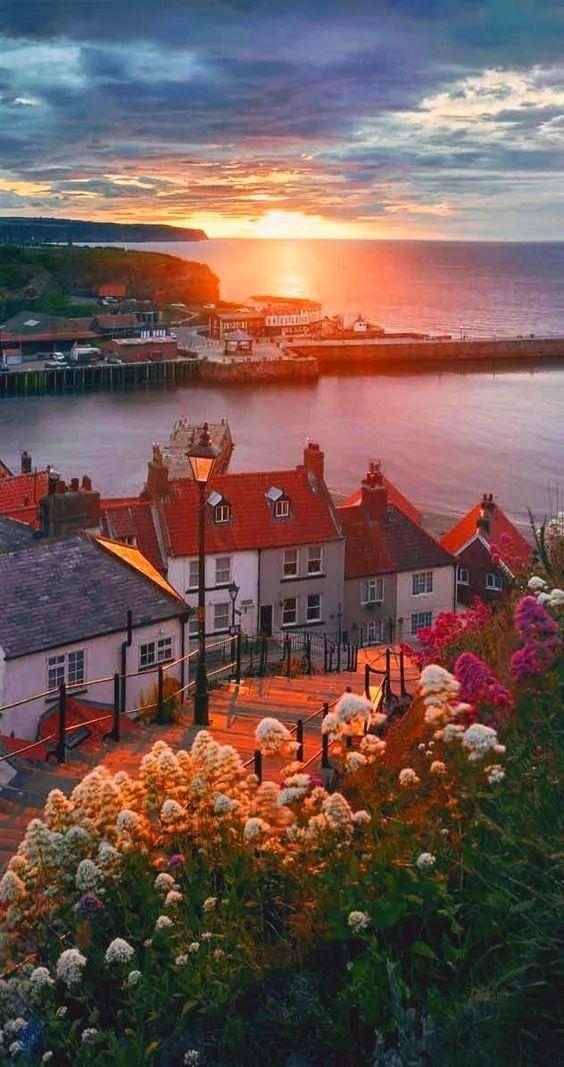
Whitby
95 stays · 21 campsites · 19 things to do
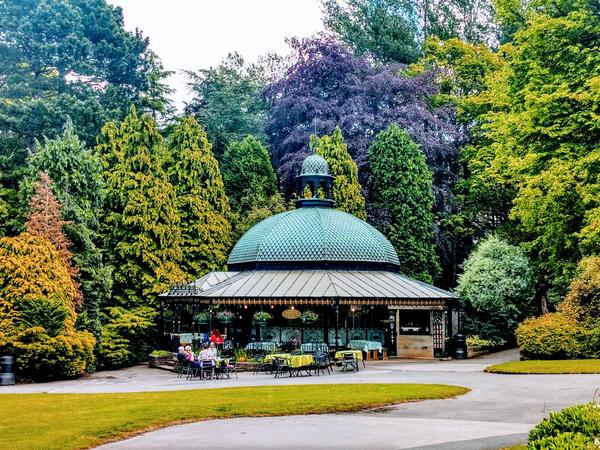
Harrogate
53 stays · 13 campsites · 20 things to do
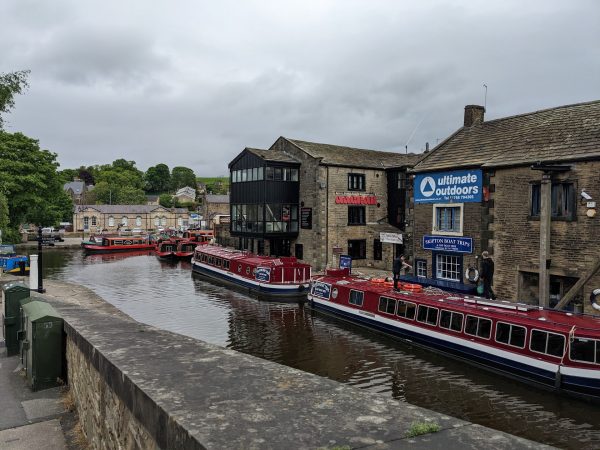
Skipton
35 stays · 21 campsites · 11 things to do
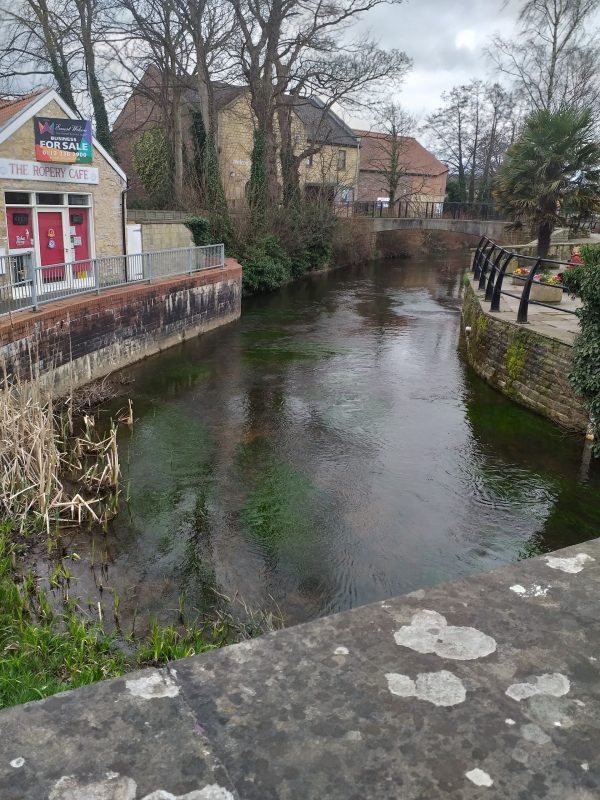
Pickering
20 stays · 25 campsites · 3 things to do
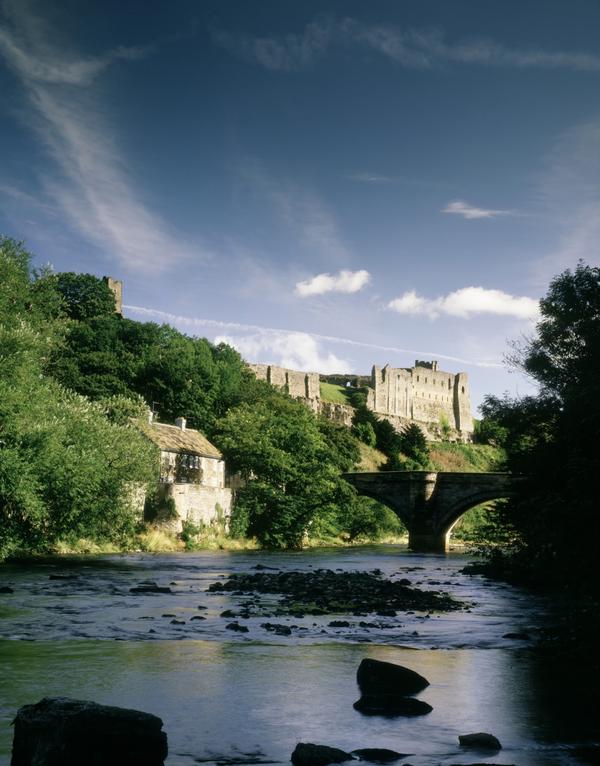
Richmond, North Yorkshire
30 stays · 10 campsites · 5 things to do
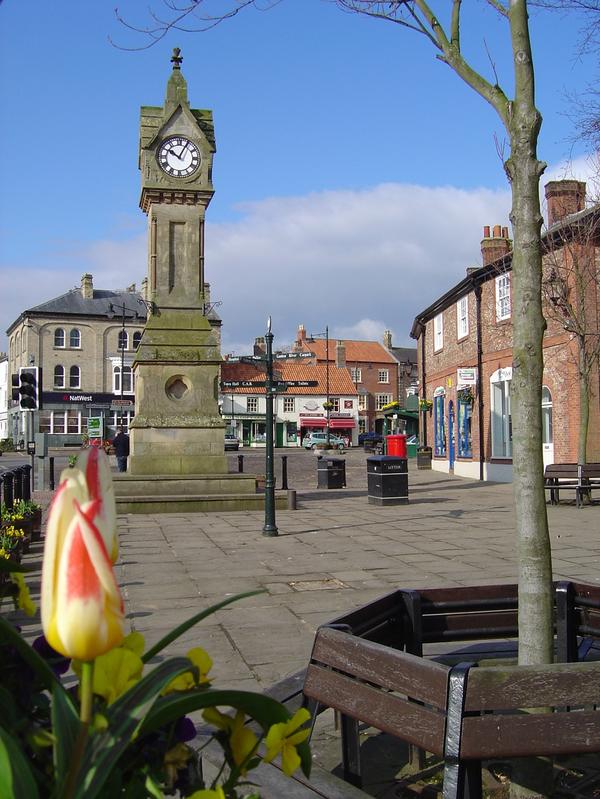
Thirsk
19 stays · 13 campsites · 6 things to do
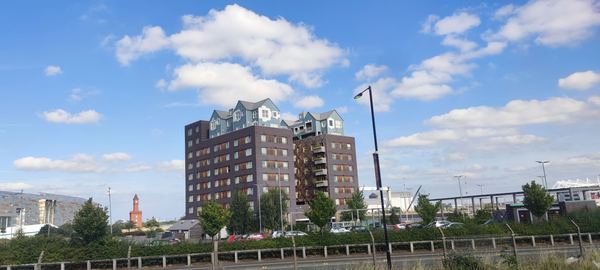
Middlesbrough
17 stays · 2 campsites · 16 things to do
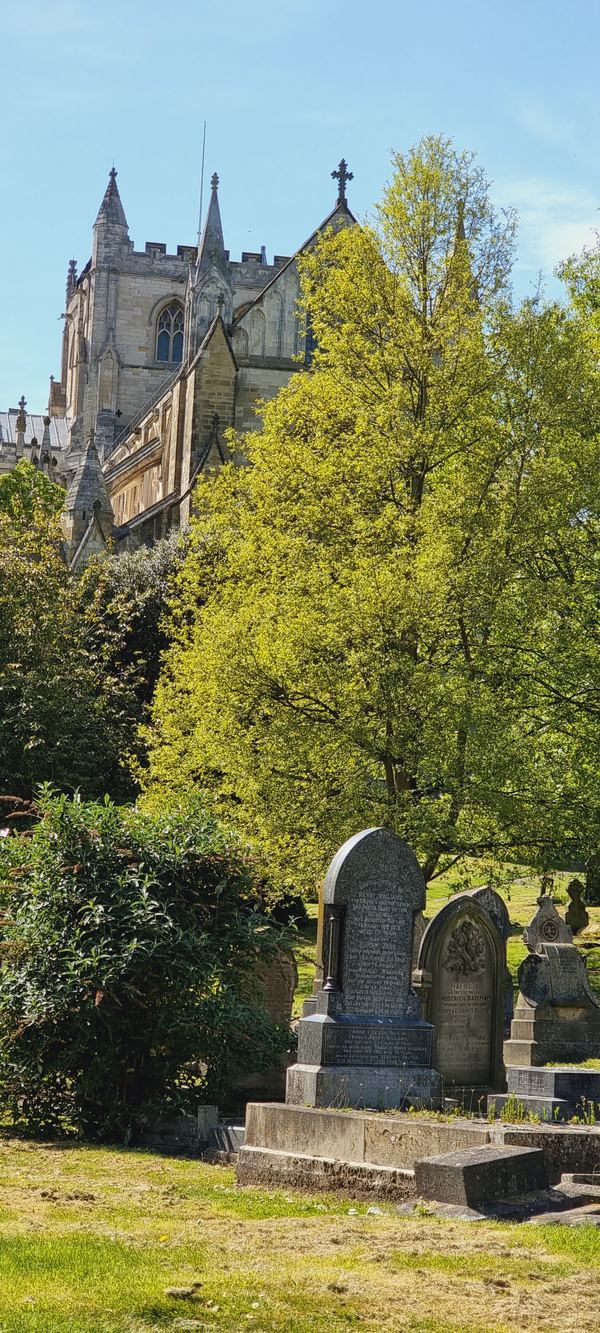
Ripon
16 stays · 9 campsites · 6 things to do
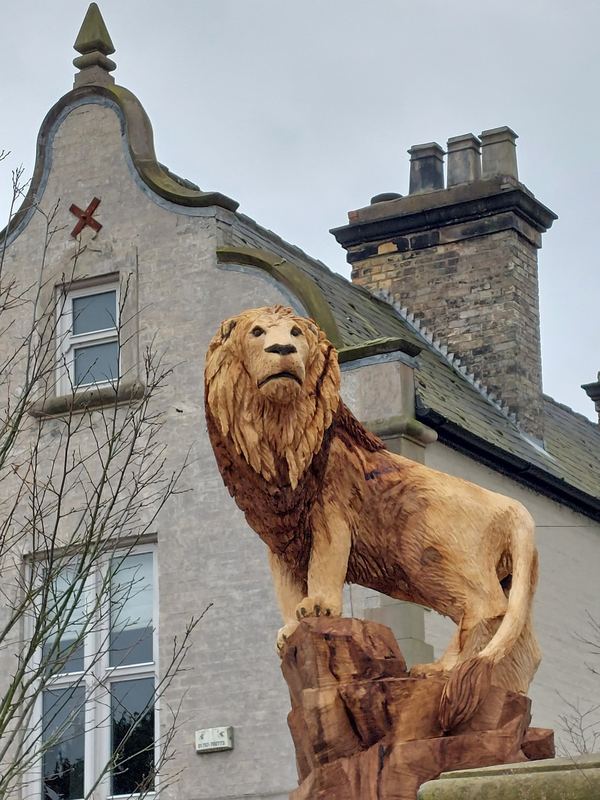
Malton
10 stays · 11 campsites · 5 things to do
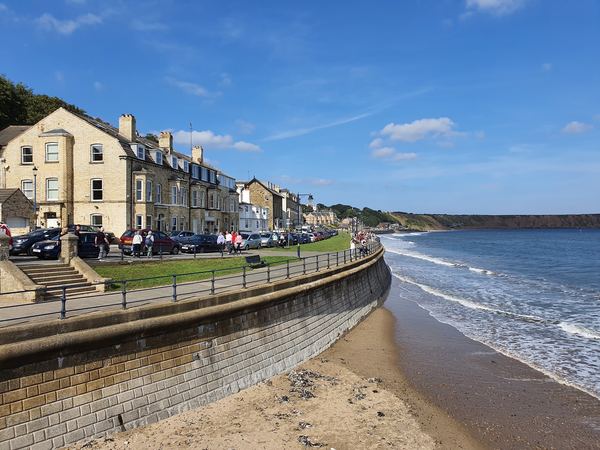
Filey
15 stays · 5 campsites · 3 things to do
Where to stay in North York Moors(816)
All hotels in North York Moors →About staying in North York Moors
Accommodation across the North York Moors ranges from grand hotels to modest guesthouses, and where you base yourself depends largely on what kind of trip you're after. York offers the widest choice, from The Grand and Rudding Park's country-house comforts to smaller townhouse stays like The Coal Merchants House and Guy Fawkes Inn, all within reach of the Minster and city walls.
On the coast, Whitby and Robin Hood's Bay have a more informal character, with B&Bs such as Dillons of Whitby, Aldebaran and Lee-Side suited to walkers and weekend visitors drawn by the abbey, harbour and cliff paths. Filey adds a quieter seaside alternative nearby.
Inland, Harrogate brings a spa-town elegance, with places like Ascot House Hotel and Franklin Mount Boutique Guesthouse making a comfortable stopover before or after exploring the moors themselves.
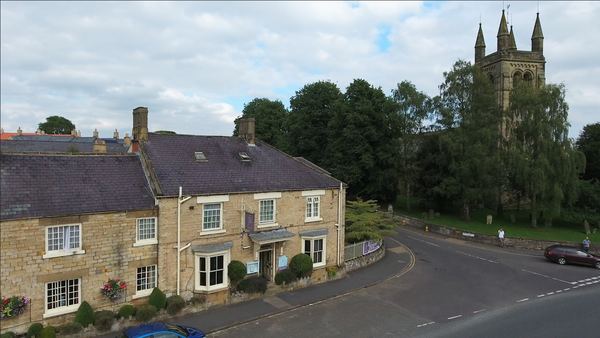 8.7
8.7
Feversham Arms Hotel & Verbena Spa
High Street, Helmsley
from £210/night
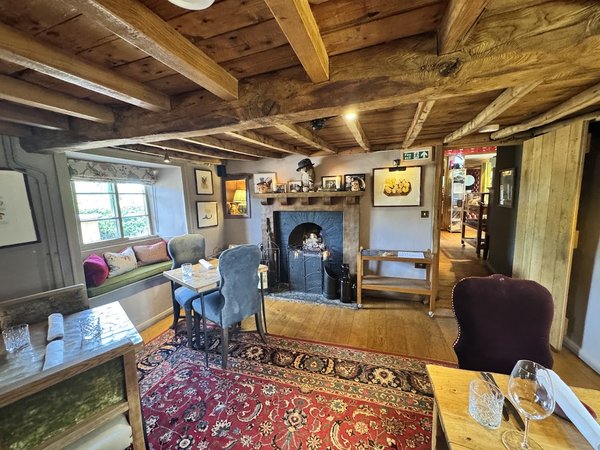 9.0
9.0
The Star Inn at Harome
Harome, near Helmsley
from £220/night
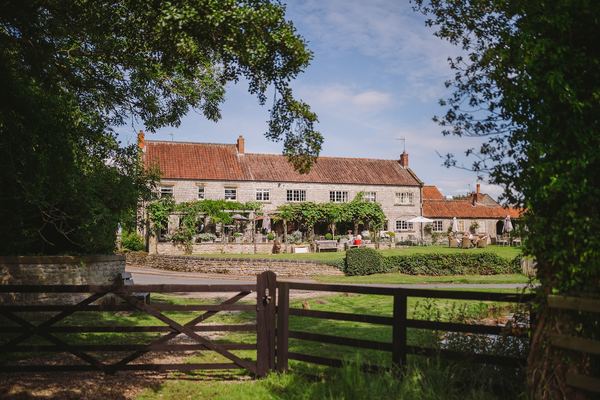 9.0
9.0
The Pheasant Hotel
Harome, near Helmsley
from £175/night
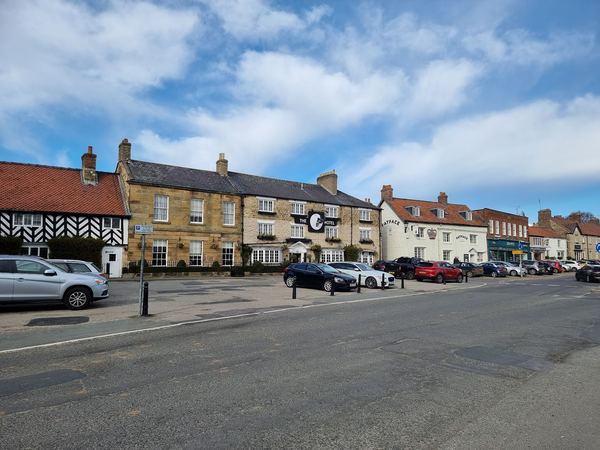 8.5
8.5
The Black Swan Helmsley
Market Place, Helmsley
from £120/night
 8.9
8.9
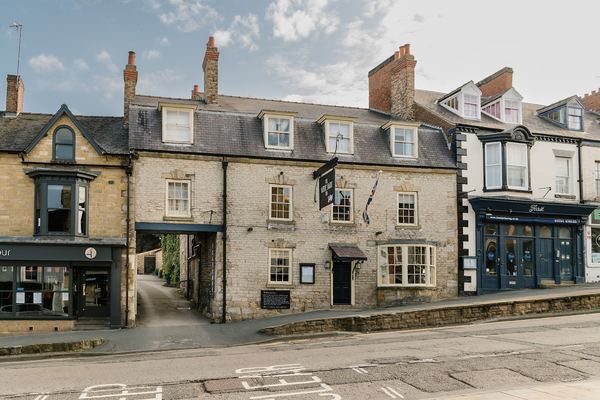
The White Swan Inn
Market Place, Pickering
from £155/night
 8.8
8.8
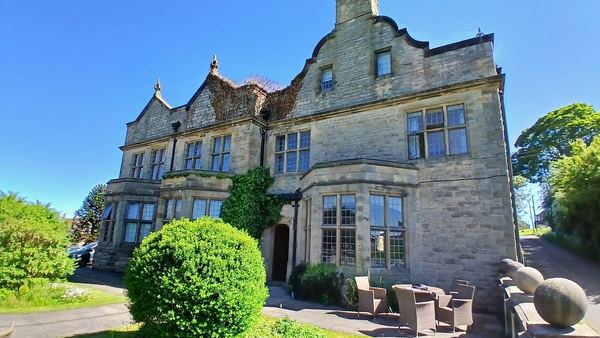
Dunsley Hall Country House Hotel
Dunsley, near Whitby
from £130/night
 9.4
9.4
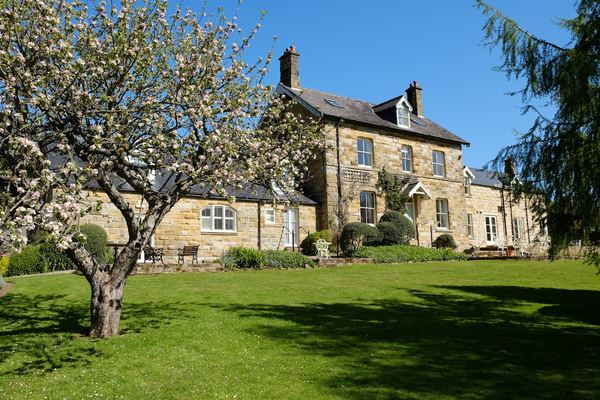
Broom House at Egton Bridge
Egton Bridge, Eskdale
from £115/night
 9.2
9.2
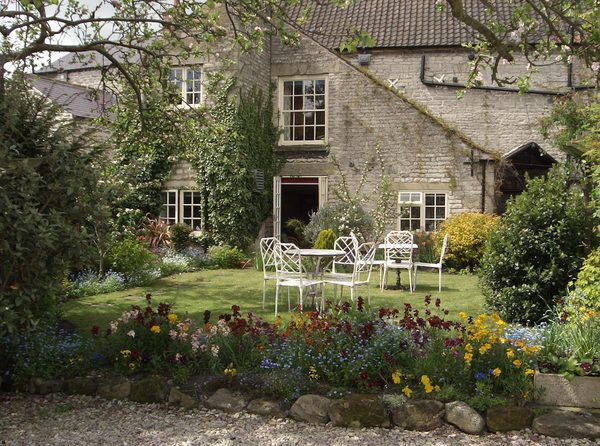
Bramwood Guest House
Hallgarth, Pickering
from £95/night
Things to Do in North York Moors(213)
All attractions in North York Moors →About things to do in North York Moors
The North York Moors and the towns beyond its edges hold a wide mix of days out, from ancient landmarks to modern activity centres. York is the obvious hub, with York Minster and the Jorvik Viking Centre anchoring a city that rewards a full day or two, while quirkier options like The Wizard Walk of York and Star Street Escapes suit an afternoon between sights.
Further out, Ripon and Richmond offer smaller-scale heritage, including the Ripon Museum Trust and Richmond's own trail-based Mystery Treasure Trail, good for families wanting something interactive rather than a straight museum visit. Harrogate and Skipton lean towards a gentler pace, useful if you're basing a trip around walking or market towns.
For more active pursuits, Raven Tree Top Adventure and KidsPaintball Leeds sit alongside trapeze sessions at All Bars Flying Trapeze Club, giving the region a genuine spread between quiet historic sites and outdoor adrenaline. Choosing between them often comes down to whether you want a city day, a countryside outing, or something with a bit more physical challenge.
Where to Eat in North York Moors(2,160)
All restaurants in North York Moors →About eating out in North York Moors
Eating out around the North York Moors ranges from stone-built inns tucked into dales villages to more ambitious kitchens making the most of local game, seafood landed along the coast, and produce from the surrounding farms. Market towns and moorland villages tend to have at least one good pub serving proper meals alongside the pints, and these are often the best bet after a day's walking.
Choice widens considerably where the moors meet larger towns, with wine bars, curry houses and neighbourhood restaurants sitting alongside traditional pub dining. Booking ahead is worthwhile at the smaller, well-regarded places, particularly at weekends when both locals and visitors are competing for tables.
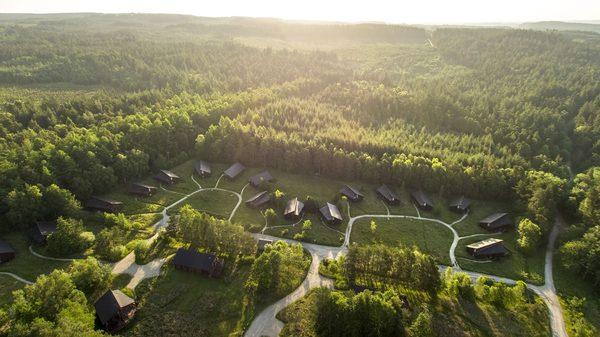
Cropton Cabins
Cropton · ⭐ 4.6
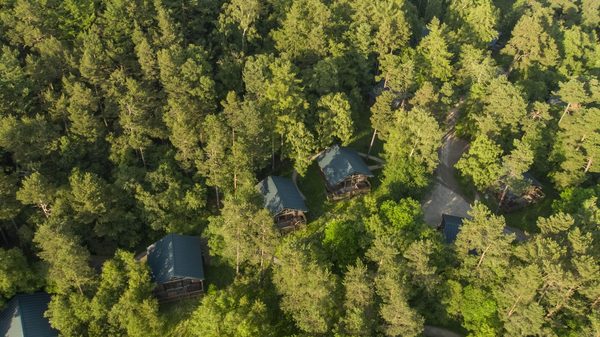
Keldy Cabins
Cropton · ⭐ 4.5
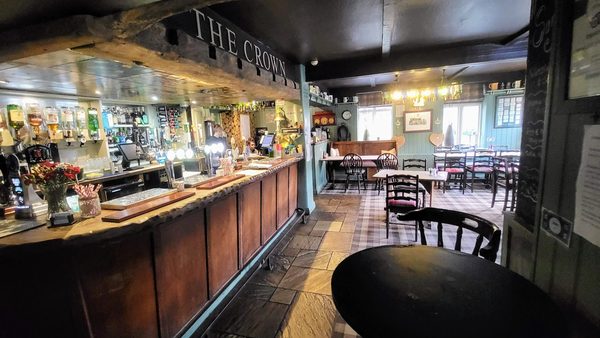
The Crown
Hutton Le Hole · ⭐ 4.7
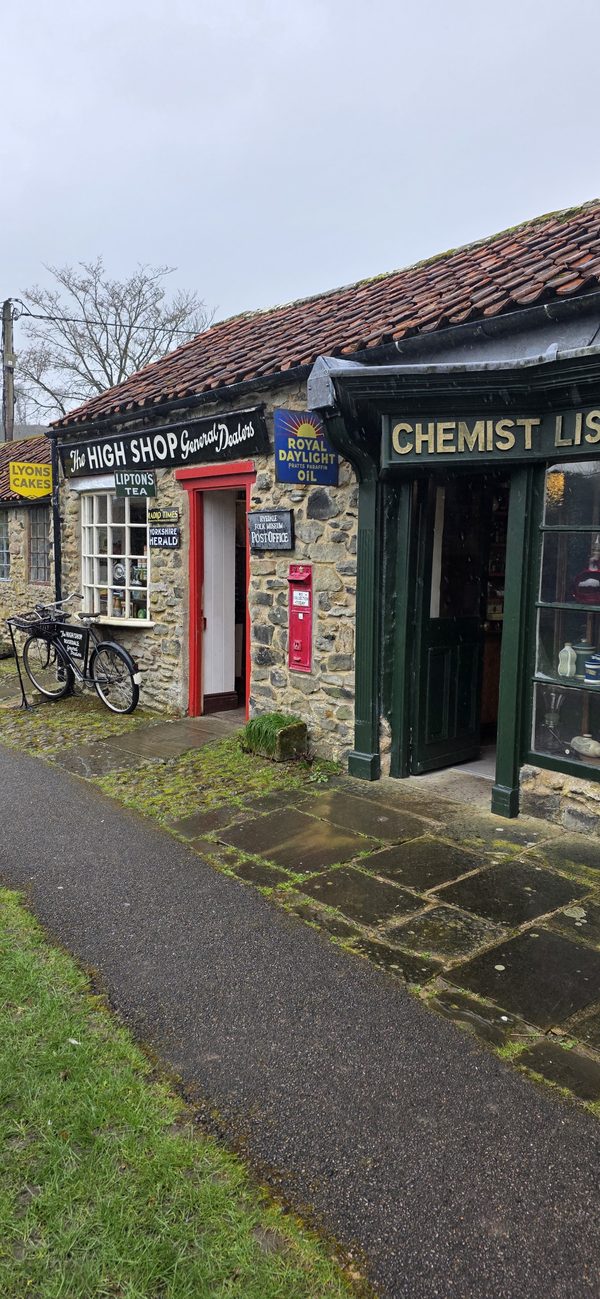
Shop On The Green
Hutton Le Hole · ⭐ 4.5
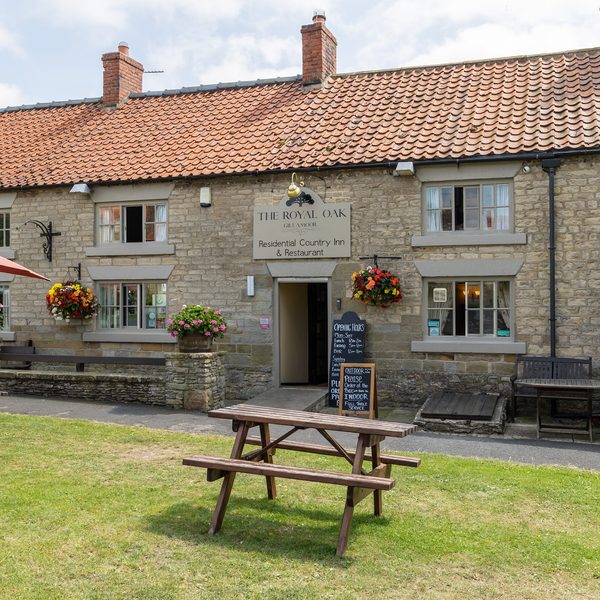
The Royal Oak
Gillamoor · ⭐ 4.7
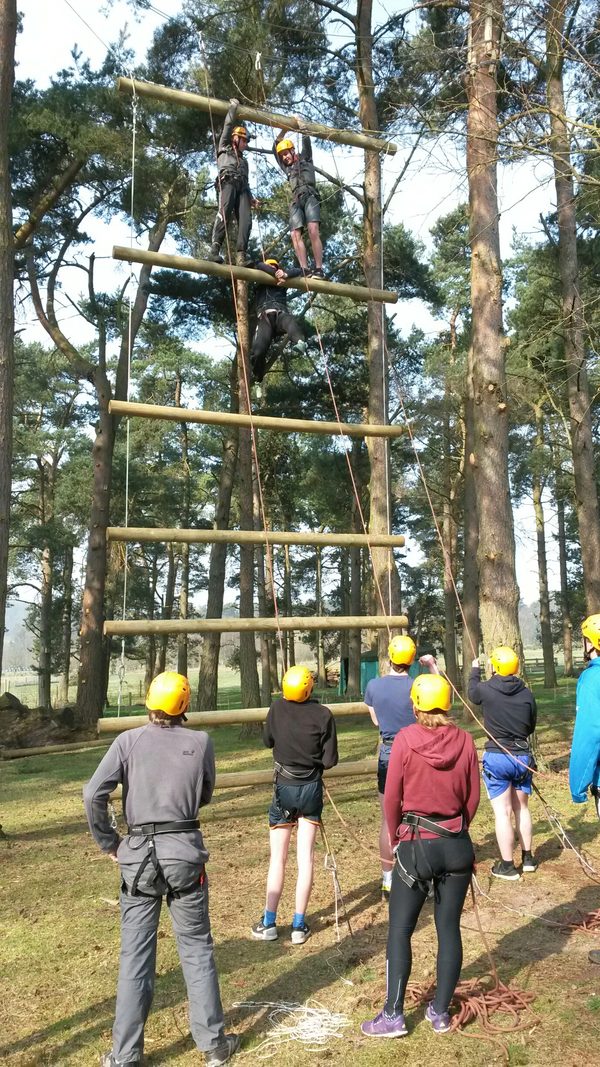
Peat Rigg Activity Centre
Cropton · ⭐ 4.6
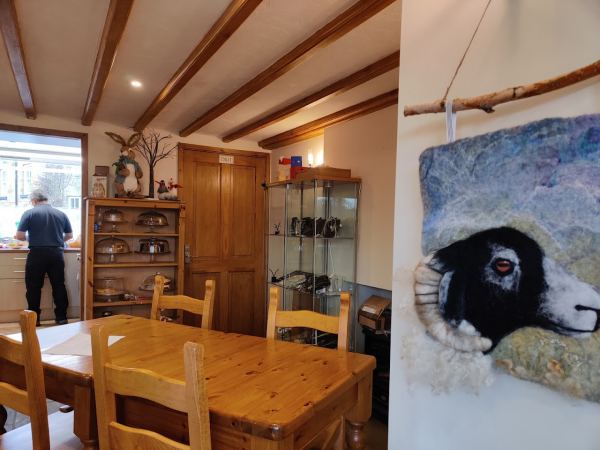
Beck View Tea Rooms And Village Shop
Whitby · ⭐ 4.5
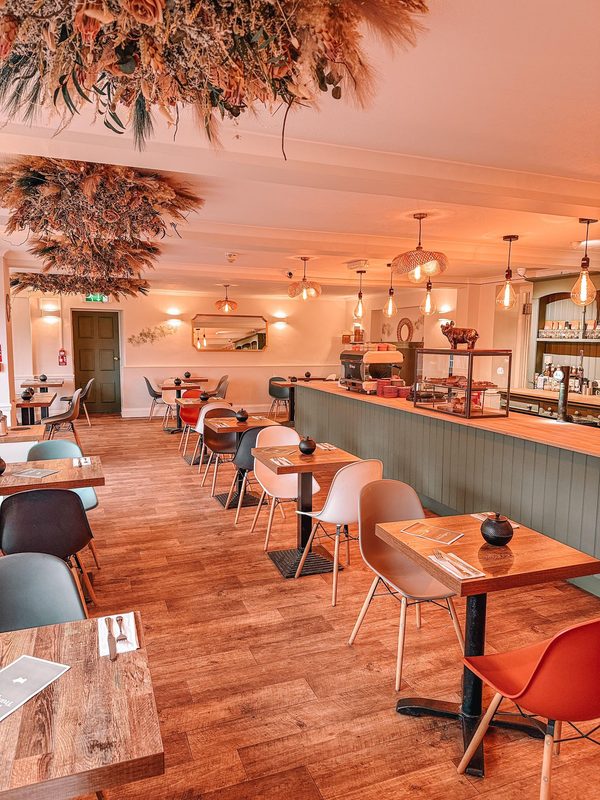
The Truffled Hog Danby Lodge
Whitby · ⭐ 3.9
Attractions Near North York Moors
All attractions in North York Moors →Worth the trip — within 50 miles of North York Moors.
 6 mi
6 mi
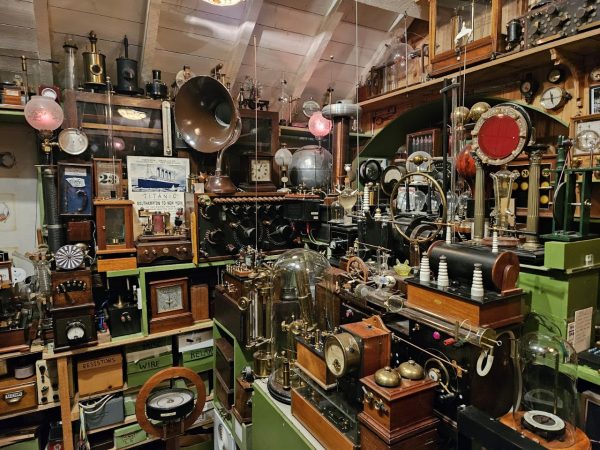
Museum of Victorian Science
Whitby · ⭐ 4.8
 6 mi
6 mi
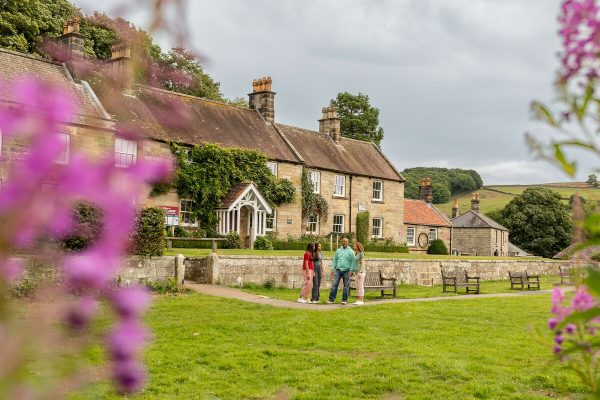
The Moors National Park Centre
Whitby · ⭐ 4.5
 8 mi
8 mi
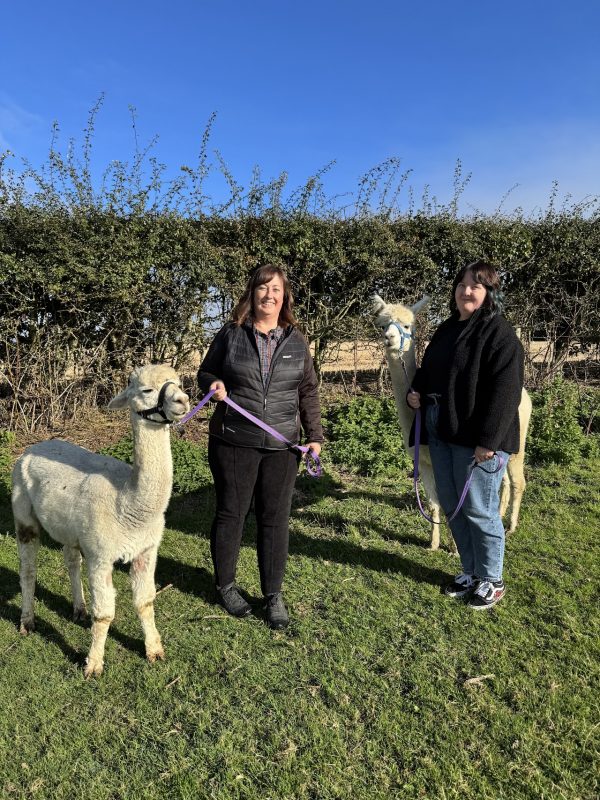
Joe's Alpaca Walks - North Yorkshire
New York · ⭐ 5.0
 10 mi
10 mi
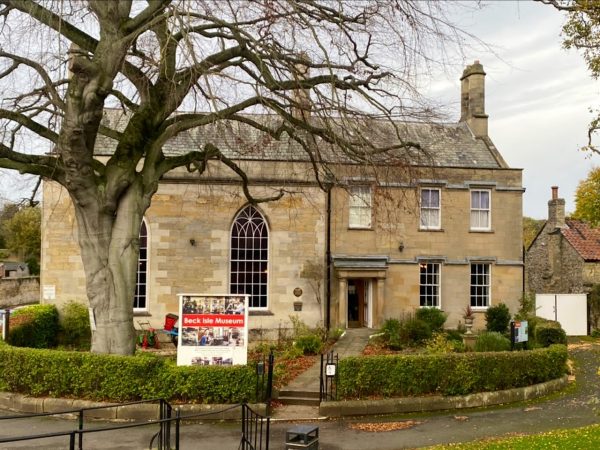
Beck Isle Museum
Pickering · ⭐ 4.8
 10 mi
10 mi
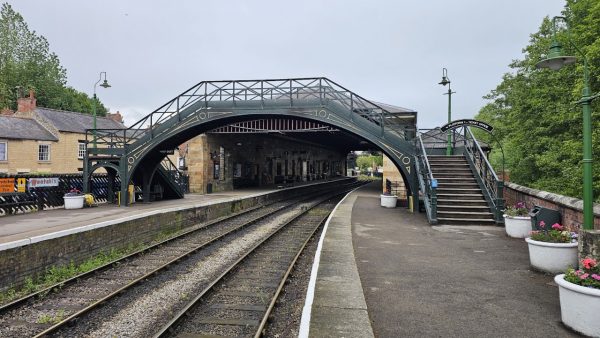
North Yorkshire Moors Railway
Pickering · ⭐ 4.7
 10 mi
10 mi
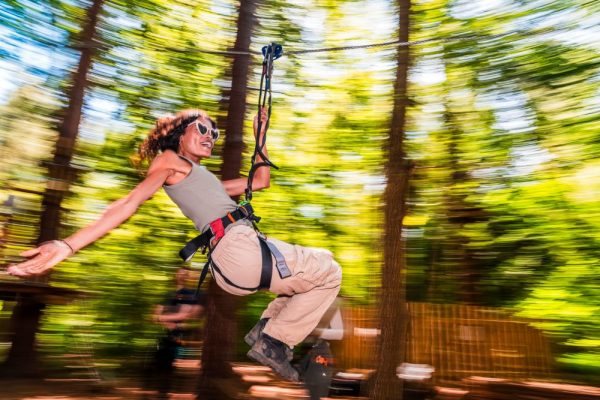
Go Ape Dalby
Dalby · ⭐ 4.8
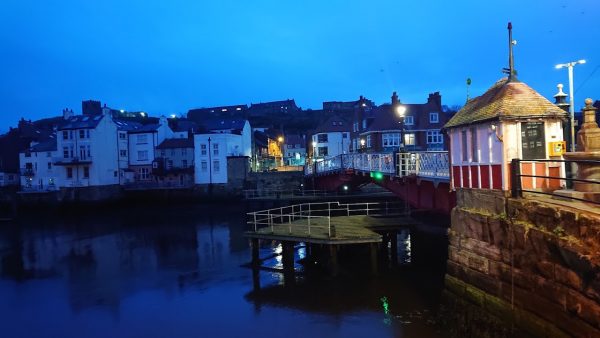
Helmsley Mystery Treasure Trail
Helmsley · ⭐ 5.0
 11 mi
11 mi
Huntfun Whitby
Whitby · ⭐ 4.9
Camping in North York Moors(662)
All campsites in North York Moors →About camping in North York Moors
The North York Moors and their fringes offer a huge range of places to pitch a tent or settle into a pod, from working farms turned campsites to purpose-built glamping retreats. Around Pickering, Snainton and Thirsk you find sites within easy reach of the moorland villages and the North Yorkshire Moors Railway, while Whitby's coastal campsites, such as those near Littlebeck like Alum House, suit visitors wanting cliffs and beaches close by.
Further west, towns like Leyburn, Richmond and Skipton sit closer to the Yorkshire Dales, so sites such as Nethergill Farm and Malhamdale Glamping make sense as a base for walking country rather than the moors themselves. Helmsley Meadows and Church Farm Camping fall more centrally, handy for exploring both landscapes.
Choosing between them often comes down to style as much as location: simple, quiet farm pitches like Bridge House Campsite sit alongside smarter glamping such as Hunmanby Follies Posh Pods or Cherish Glamping. Sites near York, including Skipbridge Farm Glamping and Aldwark Bridge Glamping, suit those wanting the city and the moors within one trip.
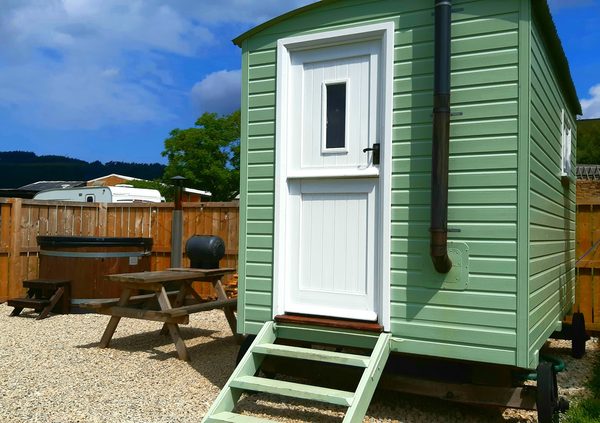
Low Bell End Farm Certificated Site
Pickering · ⭐ 4.7
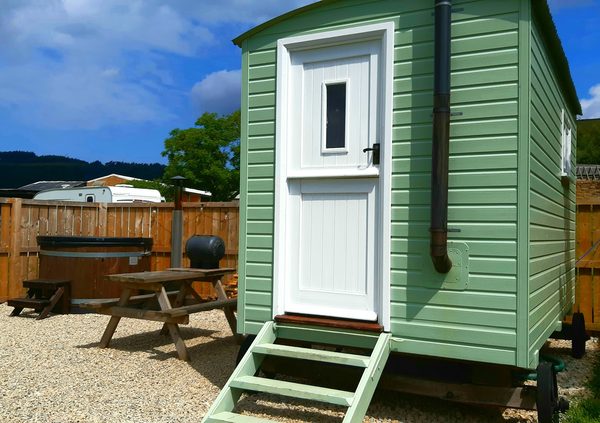
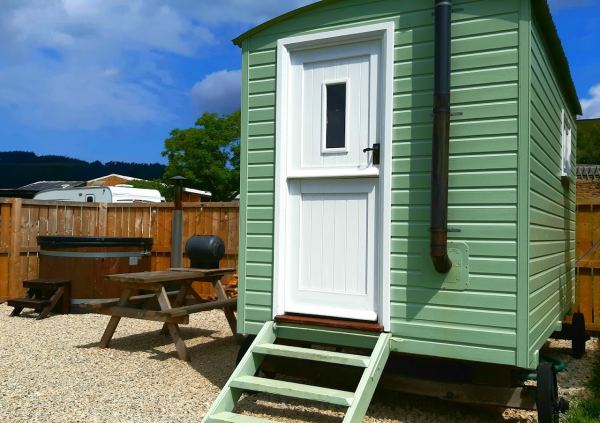
Low Bell End Farm Certificated Site
⭐ 4.7
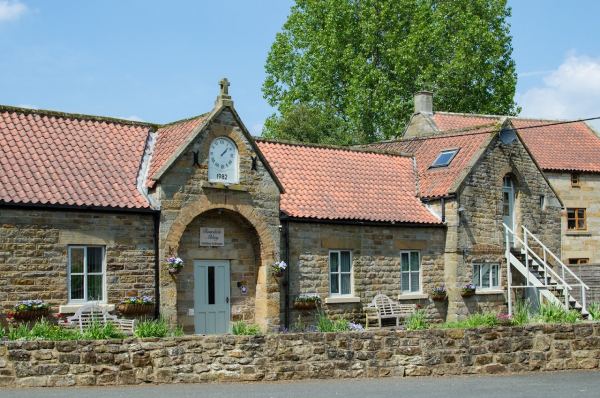
Bluebell Caravan Site
Pickering · ⭐ 4.7
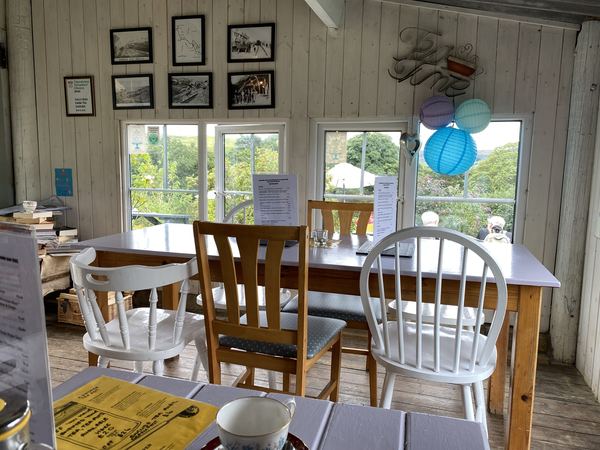
Rosedale Abbey Caravan and Camping Park
Pickering · ⭐ 4.6
Dale Head Farm Shepherds Hut
⭐ 4.7 · from £120/night
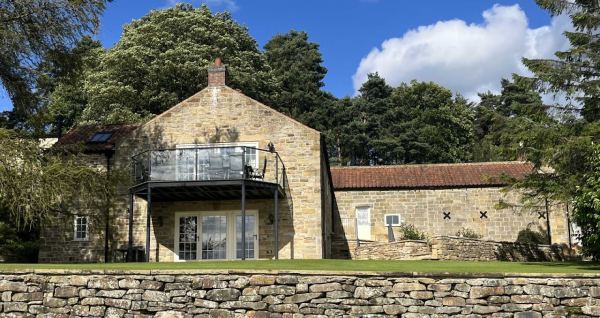
The Barn at Rigg End
Pickering · ⭐ 5.0
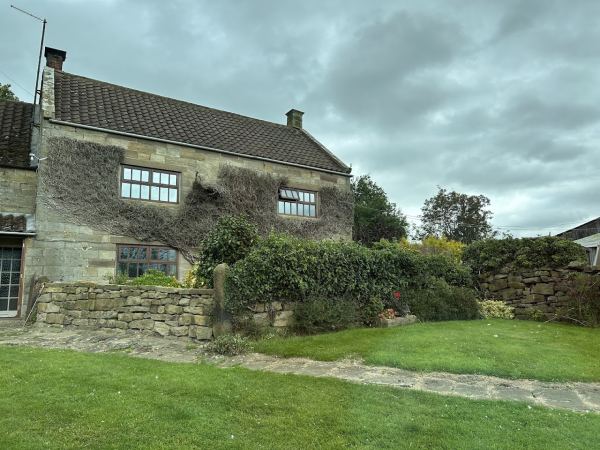
Wild Slack Farm (Certificated Location)
Whitby · ⭐ 4.8
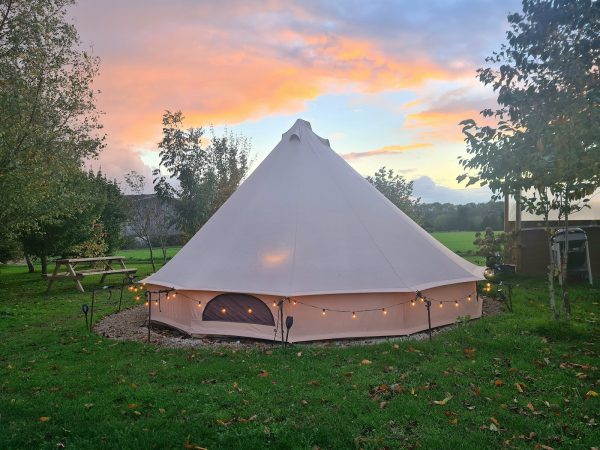
Hutton Le Hole Caravan Park
⭐ 4.8 · from £61/night
Self-Catering Cottages in North York Moors(1,847)
All cottages in North York Moors →About cottages in North York Moors
Self-catering is the way most visitors settle into the North York Moors, and the choice runs from stone cottages tucked into moorland villages to converted barns and mill buildings near the coast. Names like Chainbridge Cottage, Paper Mill Cottage and The Millsteam Barn hint at the industrial and farming past that shaped so many of these conversions, now fitted out for holidays rather than work.
Inland villages around the moors suit walkers wanting a fire to come back to, while properties nearer Whitby and the coastal towns work well if you want easy access to beaches alongside the heather. Places such as Orchard Retreat or Pasture House give a sense of the quieter, garden-set options, whereas something like Gallivantin Cottage suggests a more compact bolthole for two.
With so many cottages spread across North Yorkshire, it is worth thinking about how central you want to be to Helmsley, Pickering or the coast, since travel times across the moors can be longer than the map suggests.
Rohan Cottage
2 bed · sleeps 4 · from £503
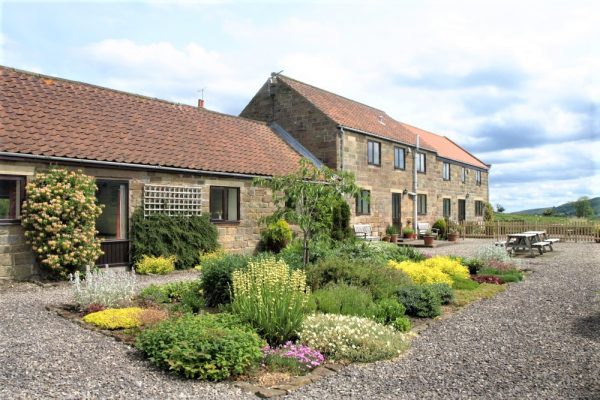
Hill Farm Holiday Cottages
2 cottages · from £627
Crown Gardens
4 bed · sleeps 7 · from £597
Priory Cottage
2 bed · sleeps 4 · from £437
Rowan Cottage
2 bed · sleeps 4 · from £347
Primrose Villa
2 bed · sleeps 4 · from £483
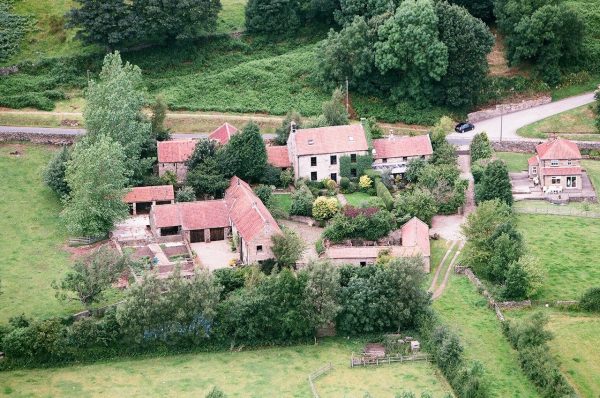
Red House Farm Cottages
3 cottages · from £567
The Stable
2 bed · sleeps 4 · from £557
Common questions about North York Moors
How many campsites are there in North York Moors?
We list 2 campsites in and around North York Moors, of which 2 take tents and 2 offer glamping.
Are there dog-friendly campsites in North York Moors?
Yes — 2 of the 2 campsites we list in North York Moors accept dogs, including Vale of Pickering Caravan Park and Middlewood Farm Holiday Park.
Which campsites in North York Moors have electric hook-up?
2 of the 2 campsites we list in North York Moors offer an electric hook-up.
Where can I stay in North York Moors?
We list 8 hotels, B&Bs and guest houses in and around North York Moors. Prices start from around £95 a night.