Stafford
History, heathland and canals at Staffordshire's quiet county town
Photo © Pus - uLa, Google Maps
Stafford sits quietly at the heart of Staffordshire, a county town that has been getting on with business since Anglo-Saxon times without ever quite shouting about it. The River Sow loops around the town centre, and the pedestrianised streets around Market Square and Greengate Street still follow their medieval layout, lined with black-and-white timber frontages that hint at centuries of wool and shoe trading. It is the kind of place where a morning wandering the shops and a churchyard can easily turn into an afternoon exploring the surrounding countryside.
What makes Stafford a useful base is its position: the M6 and West Coast Main Line put the Peak District, the Welsh borders and the pottery towns of Stoke-on-Trent all within a short hop, while Cannock Chase, one of England's smaller Areas of Outstanding Natural Beauty, begins almost on the town's doorstep. Add a genuinely significant slice of history in the town centre itself and Stafford earns its keep as somewhere to linger rather than just pass through on the motorway.
Top things to do in Stafford
Stafford's compact centre packs in a surprising amount of history, and the surrounding countryside adds walking, wildlife and grand estates to the mix.
- Stafford Castle — a Norman motte first raised by William the Conqueror's allies to keep the local population in check, rebuilt in stone in the 19th century and now a striking ruin with a visitor centre and sweeping views over the county from its hilltop site.
- Ancient High House — reputedly the largest timber-framed town house still standing in England, built in 1595 and once host to King Charles I during the Civil War; it now holds period rooms and changing exhibitions on the town's past.
- Izaak Walton's Cottage — a thatched cottage near Shallowford linked to the Stafford-born author of The Compleat Angler, one of the most reprinted books in the English language, set in quiet gardens that reward anglers and readers alike.
- Shugborough Estate — a National Trust mansion and working farm a few miles east of town, with formal gardens, parkland walks along the Trent and Mersey Canal, and the curious Shepherd's Monument in its grounds.
- Cannock Chase — heathland, ancient oak woods and a resident herd of fallow deer just south of Stafford, criss-crossed by way-marked walking and mountain-biking trails and home to a moving First World War German war cemetery.
- Stafford town centre and Market Square — a browse round the covered market, independent shops and the parish church of St Mary's, whose unusual octagonal tower is a local landmark.
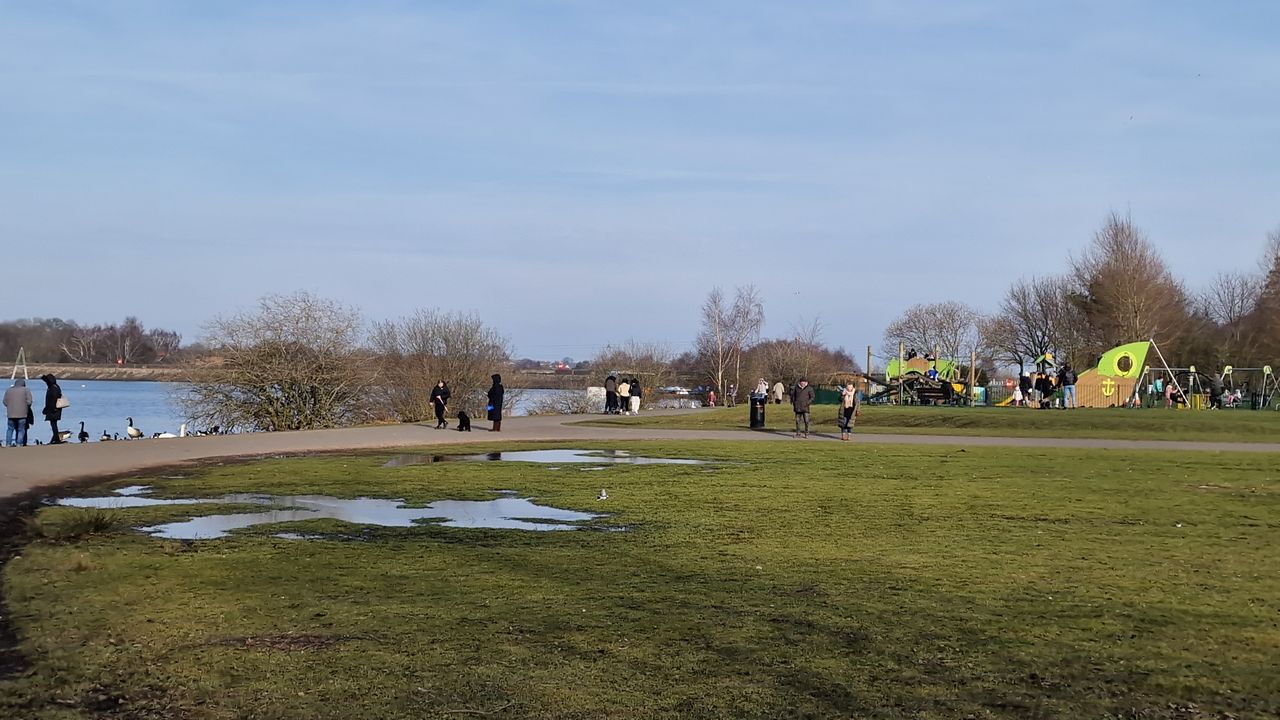
- Victoria Park — a well-kept riverside park beside the Sow, with formal flower beds, a bandstand and pleasant walks that make a good bookend to a day of sightseeing.
Getting to Stafford
Stafford sits directly on the M6, roughly midway between Birmingham and Manchester, so arriving by car is straightforward from most of the country; the A34 and A513 also feed in from the surrounding Staffordshire villages. Stafford railway station is a major stop on the West Coast Main Line, with fast services from London Euston taking around one hour twenty minutes, and regular connections to Birmingham, Manchester, Crewe and North Wales. The town centre is small enough to explore entirely on foot once you arrive, and local buses cover the villages and attractions just outside it, including routes towards Cannock Chase.
Best time to visit Stafford
Late spring through early autumn suits Stafford best, when Shugborough's gardens and Cannock Chase's woodland are at their most colourful and the town's outdoor market and riverside park are at their liveliest. Summer brings the town's festivals and open-air events to Victoria Park, while a crisp autumn day on Cannock Chase, with bracken turning bronze and deer more visible among the trees, is one of the county's quieter pleasures. Winter has its own appeal too, with the timber-framed streets and castle ruins looking suitably atmospheric, though some estate attractions reduce their opening hours out of season.
Where to stay in Stafford
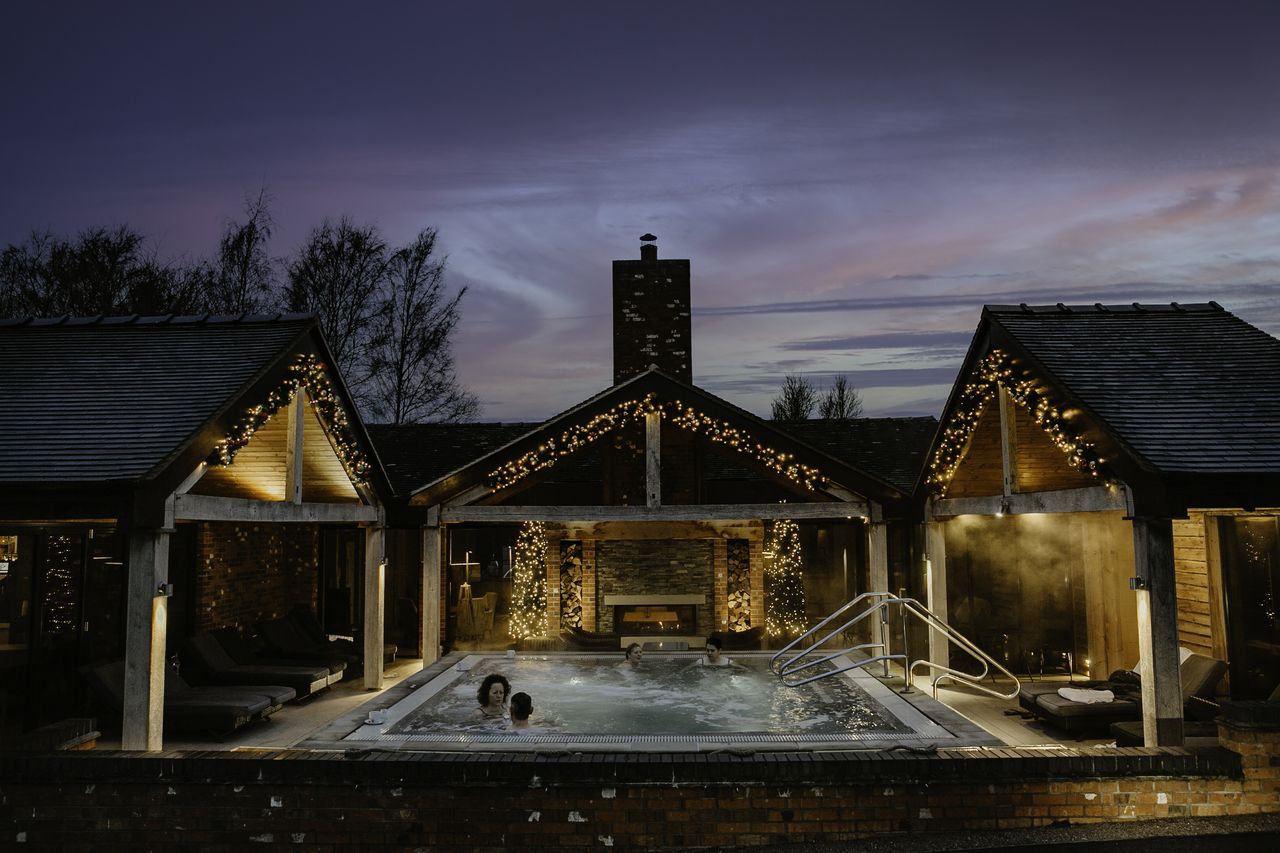
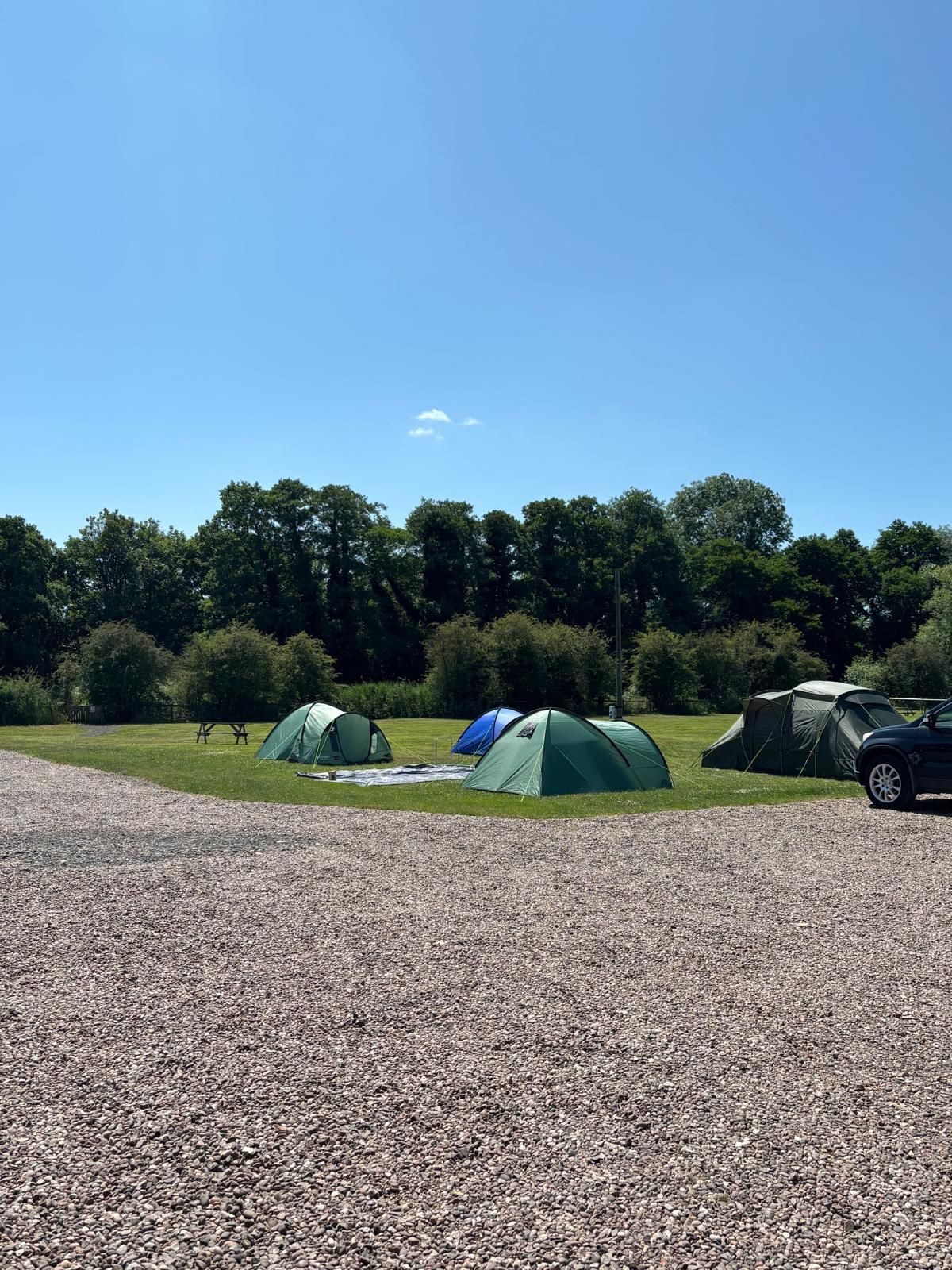
Stafford offers a practical spread of accommodation for a town its size, from chain hotels close to the M6 and railway station convenient for business trips or overnight stops, to smaller independent guesthouses tucked into the streets around the historic centre. Just outside town, converted farmhouses and country inns towards Cannock Chase and the Staffordshire villages suit those wanting a quieter base with easy access to walking country, while self-catering cottages in the surrounding countryside work well for longer stays exploring the wider county.
Food and drink in Stafford
The town centre has a solid mix of independent cafes and pubs alongside the usual high street names, with Market Square and Greengate Street a good starting point for a browse. The Sun Inn and The Radford Bank are among the town's longer-standing pubs for a pint after a day at the castle, while the indoor market on Market Street is worth a visit for local produce and a quick, unfussy lunch. For something more rural, the pubs scattered through the villages around Cannock Chase and along the Staffordshire and Worcestershire Canal make a good stop after a walk, often with beer gardens overlooking the water or the heath.