Swadlincote
Where the National Forest grew from coal and clay
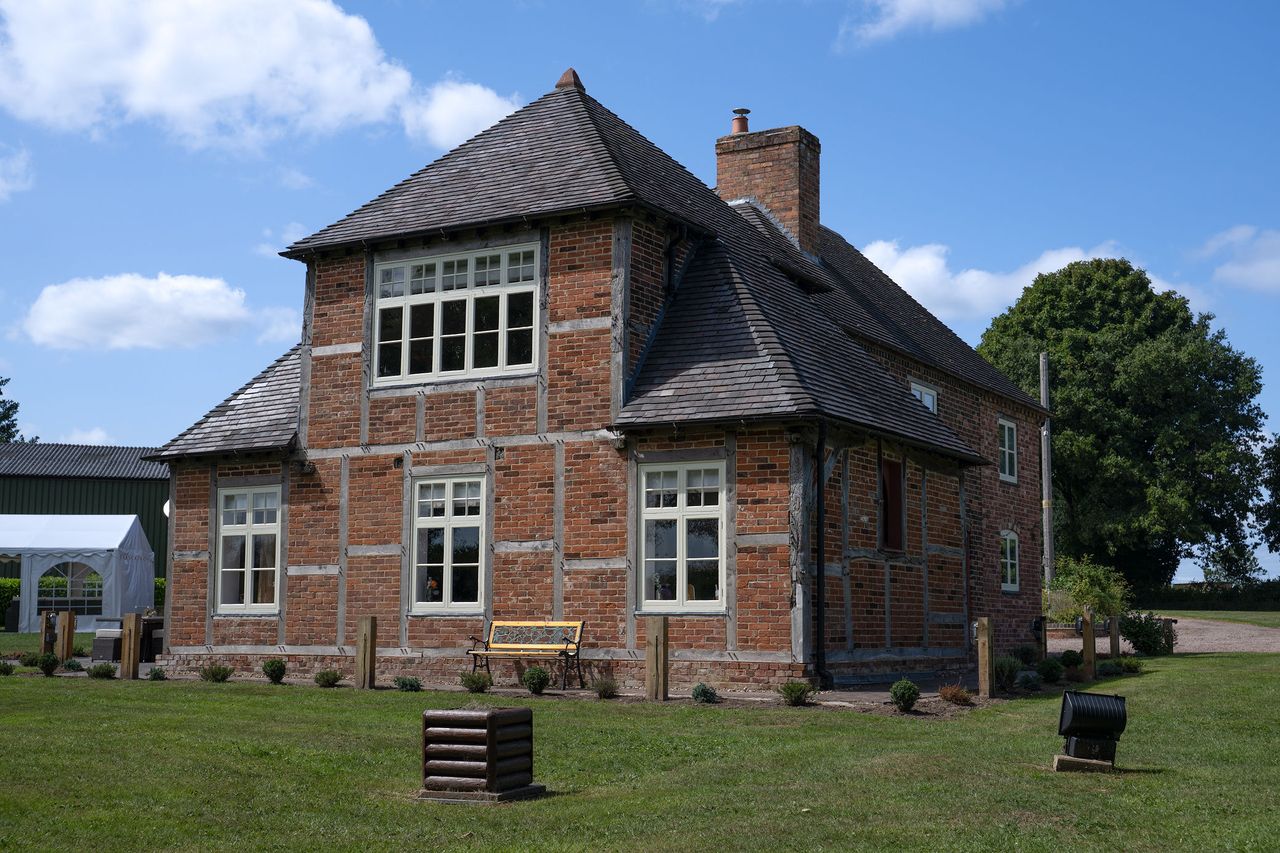
Photo © Dinky Buys, Google Maps
Swadlincote sits in the south-eastern corner of Derbyshire, close to the borders of Leicestershire and Staffordshire, on the gently rolling ground between the Trent Valley and the edge of the Peak District. For much of the last two centuries this was a working town, its skyline marked by bottle kilns and colliery headstocks as clay and coal were dug from the ground beneath it. Today the pits and claypits have gone, and in their place stands one of England's boldest environmental projects: the National Forest, a 200-square-mile belt of new woodland stretching across Derbyshire, Leicestershire and Staffordshire, planted since 1990 over land that industry left behind.
That transformation is what makes Swadlincote worth a second look. It is not a chocolate-box market town, and it doesn't pretend to be one. It is a working town that has quietly rebuilt itself around trees, lakes and cycle trails, while still keeping hold of the pottery and mining heritage that shaped it. Sharpe's bottle kiln still stands in the town centre, former colliery land at Conkers has become one of the National Forest's flagship attractions, and old clay workings at Rosliston have been turned into a forest park with fishing lakes and woodland walks. For visitors, that combination of industrial memory and new green space, all within easy reach of the A38 and A50, makes Swadlincote an unusual and rewarding base in the East Midlands.
Top things to do in Swadlincote
Swadlincote's attractions reflect its two lives: the pottery and mining town it was, and the National Forest town it has become. Here are the best of both.
- Sharpe's Pottery Museum — Housed beneath a Grade II-listed bottle kiln in the town centre, this museum tells the story of Thomas Sharpe's pottery works, founded in 1821 and famous for inventing the 'wash down' water closet. It's a genuinely local story, remaining on the same site for 200 years, and gives real context to the industry that built the town.
- Conkers — A short drive away at Moira, Conkers was built on a former deep coal mine and is one of the earliest and best-loved attractions in the National Forest. Its 120 acres combine treetop walkways, an assault course, a miniature railway and over 100 indoor interactive exhibits, making it a genuine day out rather than a quick stop.
- Rosliston Forestry Centre — A 140-acre site on the Derbyshire-Staffordshire border where 120,000 trees were planted in the 1990s among older woodland. Expect way-marked walks, cycle trails with bike hire, a fishing lake, play areas, and six forest lodges for those who want to stay overnight among the trees.
- Swadlincote Woodlands — Reclaimed colliery land right on the edge of town, now a network of paths and open grassland popular with dog walkers and cyclists. It's a good example of how thoroughly the old industrial landscape has been reworked into everyday green space.
- Maurice Lea Memorial Park and Eureka Park — Two of the town's main public parks, both well kept and useful for a gentle stroll, a picnic, or letting children run off energy between other stops.
- National Forest Way — A long-distance walking trail running the length of the National Forest, with a stretch connecting Moira to Rosliston through the countryside around Swadlincote. Even a short section gives a good sense of how much tree cover has gone in over the past three decades.
- Swadlincote Ski and Snowboard Centre — A dry slope centre offering skiing, snowboarding and tobogganing, useful for a change of pace and popular with local families year-round regardless of the weather outside.
Getting to Swadlincote
Swadlincote is well placed for road travel, sitting close to the junction of the A38, A50 and A511, which puts it within easy reach of Derby, Burton upon Trent, Leicester and the wider Midlands motorway network. By car it is a straightforward run from the M42 and M1 via the A50 or A511.
There is no railway station in Swadlincote itself; the nearest mainline station is Burton upon Trent, on the line between Birmingham and Derby, around five miles away. From Burton, local buses run into the town centre, with the journey taking around thirty minutes, or a taxi in around ten to fifteen minutes. If you're travelling by public transport it's worth checking bus times in advance, as services can be less frequent in the evenings and on Sundays.
Best time to visit Swadlincote
Spring and summer show Swadlincote at its best, when the National Forest's tree cover is in full leaf and outdoor attractions like Conkers, Rosliston and the Ski Centre's outdoor activities are all in full swing. Long summer days are ideal for combining a woodland walk with time at a lake or park.
Autumn brings genuine colour to the forest as the newer plantations mature, and is a quieter time to explore the walking trails without summer crowds. Winter is more low-key, though the dry ski slope keeps running whatever the weather, and Sharpe's Pottery Museum offers an indoor option on a cold or wet day.
Where to stay in Swadlincote
Accommodation around Swadlincote leans towards practical, family-friendly options rather than boutique hotels, reflecting its position as a base for exploring the National Forest rather than a destination in itself. Forest lodges at Rosliston Forestry Centre put you directly among the trees, with woodland walks from the door. In the town and surrounding villages you'll find a handful of pubs with rooms and budget hotel options convenient for the A38/A50 corridor, while camping and glamping sites in the wider National Forest area suit those who want to make the most of the outdoor surroundings.
Food and drink in Swadlincote
Swadlincote's dining scene is unpretentious and varied. In town, Prezzo offers reliable stone-baked pizza and pasta with a family-friendly menu, while a small Japanese restaurant serves sashimi, sushi and tempura for something different. For a proper pub meal, the Wheel Inn on the A511 at Midway and the Mill Wheel on the edge of Hartshorne are both popular with locals for hearty food in a relaxed setting, and Catchems has a strong local reputation for its Sunday roasts. Further afield in the surrounding villages, the Cricketts Inn and the Black Lion add to a decent spread of traditional pub dining, so you're rarely far from a good meal after a day exploring the forest.