Causeway Coast
Basalt columns, blue-flag sand and whiskey since 1608
Photo © Admission, Google Maps
The Causeway Coast runs for roughly thirty miles along the northern edge of Northern Ireland, from the long sands of Portstewart and Portrush eastward through Bushmills and Ballintoy to the harbour town of Ballycastle. It is a short stretch of country by any measure, and yet it holds a UNESCO World Heritage Site, a distillery licensed in 1608, a ruined cliff-edge castle, two of the most admired links golf courses anywhere, and a run of beaches that would be internationally famous if the water were ten degrees warmer. The whole thing can be driven in an afternoon. Very few people who come here actually do that, because the coast rewards slowness far more than it rewards efficiency.
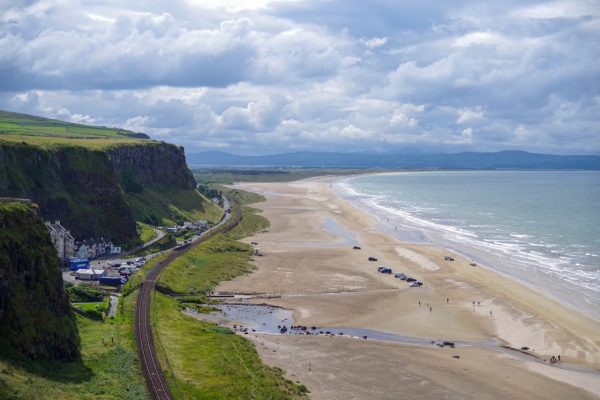
The landscape is what happens when volcanic rock meets the open Atlantic. Basalt headlands drop straight into deep water, then give way without warning to a mile of pale sand; white chalk shows beneath the black cliffs at Whiterocks; small harbours hide in folds in the rock where boats can only just be got in and out. Turn inland and it goes green and quiet within a mile - hedged lanes, dairy farms, and the Glens of Antrim rising away to the east. The weather changes constantly and the light changes with it, which is why photographers keep returning and why every local you meet will advise you to carry a coat whatever the forecast says.
Culturally the coast comes in two halves that sit fifteen minutes apart. Portrush and Portstewart are seaside resorts with Victorian bones and a young, surf-flavoured energy, busy from Easter through to October and loud on a warm Saturday. Bushmills, Ballintoy and Ballycastle are villages first and visitor destinations second, places where the pub is still the social centre and where the Ould Lammas Fair matters a good deal more than any tourist board campaign. Both versions are worth your time, and the best trips here take in some of each.
Getting to Causeway Coast
There is no direct rail link from Great Britain, so most visitors from England, Scotland and Wales arrive by air or by sea. Flying is quickest: Belfast International sits roughly fifty miles from Portrush, about an hour and a quarter by car up the M2 and A26, with flights from most major British cities taking around an hour and twenty minutes. City of Derry Airport is closer still at about thirty miles, though it serves fewer routes. Belfast City Airport is convenient for the city but adds twenty minutes to the drive north.
By sea, ferries run from Cairnryan in Scotland to Belfast and Larne in about two hours, which suits anyone bringing a caravan, a camper or a boot full of surfboards. From Belfast the drive north takes a little over an hour.
Trains from Belfast Grand Central reach Coleraine in around an hour and fifteen minutes, and the short branch line on to Portrush takes roughly twelve minutes more, dropping you a few streets from the harbour. Coleraine is the hub for buses along the coast, and the Ulsterbus 172 and Goldliner 221 services link Coleraine, Portrush, Bushmills, the Giant's Causeway and Ballycastle, which makes a car-free trip perfectly workable in summer.
Driving the coast road itself is part of the appeal, but parking is the pinch point. The Giant's Causeway car park is reserved for ticket holders, Ballintoy and Whitepark Bay have small awkward car parks that fill by ten in the morning, and Portrush parking is metered and heavily contested in July and August. Arriving early, or using the Causeway Rambler bus, saves a great deal of circling.
Best time to visit Causeway Coast
Spring is arguably the best-kept secret of the coast. April and May are statistically among the driest months, the cliff paths are lined with thrift and sea campion, the seabirds are back on the ledges at Rathlin, and the crowds at the Causeway have not yet arrived. Sea temperatures are still bracing, so bring a wetsuit if you plan to swim.
Summer brings long northern evenings, with light in the sky past ten o'clock in late June, plus lifeguards on the main beaches and the full ferry and bus timetable. It is also when Portrush and Portstewart are busiest and when accommodation prices peak, particularly around the North West 200 motorcycle races in May and the Ould Lammas Fair in Ballycastle at the end of August.
Autumn is quietly excellent. September often holds settled weather, the water is at its warmest of the year for swimmers and surfers, and prices drop sharply once the schools go back. October brings bigger Atlantic swell, which surfers welcome and walkers should respect.
Winter is for storm-watchers and whiskey drinkers. Days are short, some smaller attractions and cafes close or shorten hours, and the rope bridge shuts frequently in gales. In exchange you get empty beaches, dramatic light and hotel rates at half their August level.
Where to stay in Causeway Coast(8)
All hotels in Causeway Coast →About staying in Causeway Coast
Choosing a base on the Causeway Coast comes down to a simple question: do you want a town around you in the evening, or do you want silence and a sea view? Both are available within a fifteen-minute drive of each other, which is one of the real advantages of a stretch of coast this compact. You can stay in a village of four hundred people and still be at a proper restaurant in twenty minutes.
Portrush is the busiest and best-connected option. It has the railway station, the largest concentration of bars and restaurants, two beaches inside the town boundary and Royal Portrush on its doorstep. That makes it the obvious pick for golfers, for families who want ice cream and amusements within walking distance, and for anyone arriving without a car. The trade-off is noise on summer weekends and parking that requires patience.
Portstewart offers much the same convenience at a lower volume, with a Victorian promenade, a two-mile strand and a more grown-up feel. Bushmills is the choice if the Giant's Causeway and the distillery are your priorities, since both are within a couple of miles, and the village keeps a genuine local pub culture. Portballintrae is quieter again, a small crescent bay with a short walk to Bushfoot beach and Dunluce Castle visible along the cliffs.
Further east, Ballycastle is the value option and the gateway to Rathlin Island and the Glens of Antrim, with a decent range of hotels and guest houses and prices noticeably below the western resorts. Ballintoy and Whitepark Bay suit walkers above all else.
Book early for May, when the North West 200 races fill every bed for miles, and for any week in which a major golf event is running. Outside those peaks, September and early October usually deliver the best combination of weather, availability and price on the whole coast.
 8.9
8.9
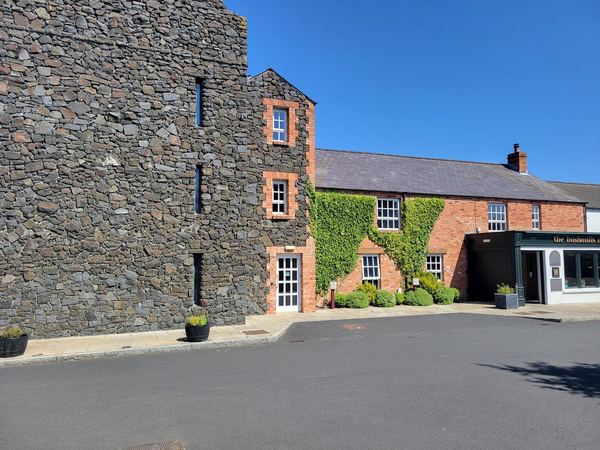
The Bushmills Inn Hotel
Bushmills village, two miles from the Causeway
from £165/night
 9.0
9.0
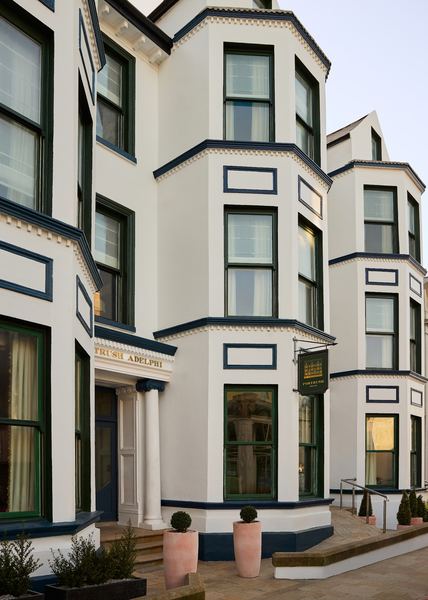
Portrush Adelphi
Portrush town centre, near the harbour
from £190/night
 9.1
9.1
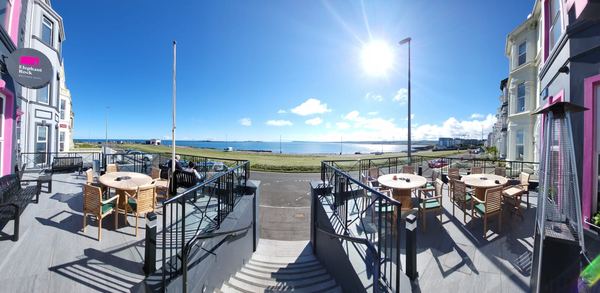
Elephant Rock Hotel
Central Portrush, close to the beaches
from £90/night
 8.7
8.7
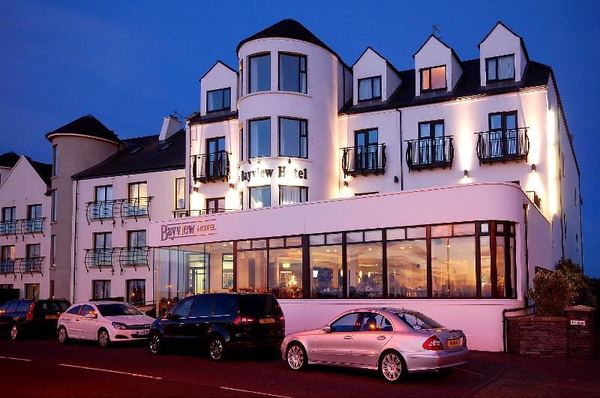
Bayview Hotel
Portballintrae, on the bay near Bushmills
from £125/night
 8.4
8.4
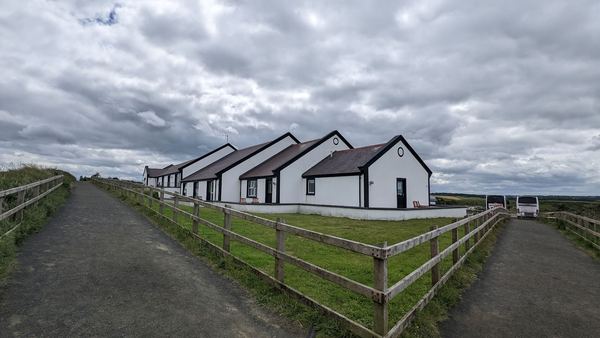
The Causeway Hotel
At the Giant's Causeway World Heritage Site
from £120/night
 8.3
8.3
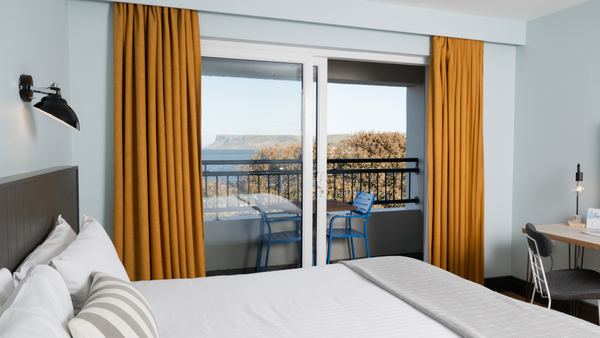
Marine Hotel Ballycastle
Ballycastle seafront, beside the beach
from £110/night
 9.0
9.0
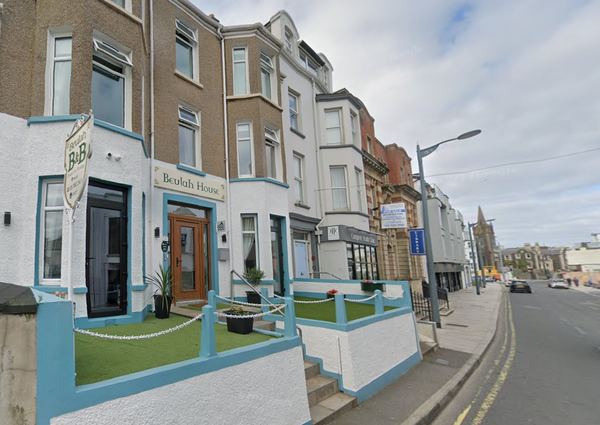
Beulah House
Causeway Street, central Portrush
from £85/night
 9.2
9.2
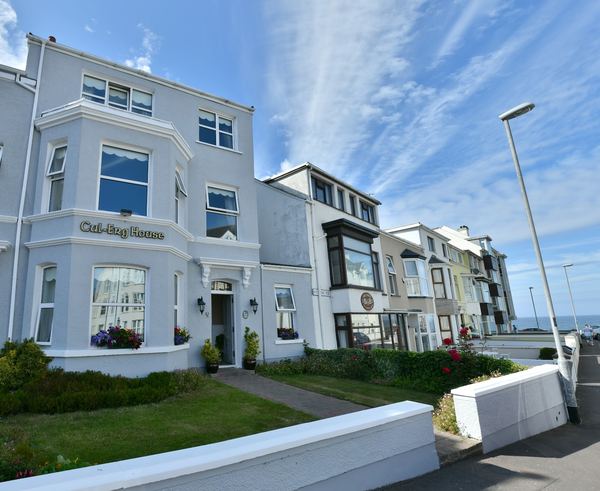
Cul-Erg House
Atlantic Circle, Portstewart
from £95/night
Things to Do in Causeway Coast
All attractions in Causeway Coast →Top things to do in Causeway Coast
The headline sights are genuinely worth the queue, but the quieter ones between them are what make a week here work.
- The Giant's Causeway - Northern Ireland's first UNESCO World Heritage Site, where more than 40,000 interlocking basalt columns step down into the sea. The National Trust visitor centre at 44 Causeway Road charges around 16 pounds for adults and 8 pounds for children, with family tickets near 40 pounds and free entry for members; the coastline itself is open from dawn to dusk.
- Old Bushmills Distillery - the holder of a distilling licence granted in 1608, still producing whiskey in the village two miles inland from the stones. Tours run through the mash house and warehouses and finish with a tasting.
- Carrick-a-Rede Rope Bridge - a swaying span strung across a chasm to a small fishing island, first rigged by salmon fishermen. Timed tickets are essential in summer and the crossing closes in high wind.
- Dunluce Castle - a gaunt medieval ruin balanced on a basalt stack between Portrush and Bushmills, with sea caves running underneath it and a lost seventeenth-century town buried in the field behind.
- The Dark Hedges - an avenue of beeches planted in the eighteenth century near Armoy, familiar to Game of Thrones viewers as the Kingsroad. Park at the nearby estate rather than on the road itself.
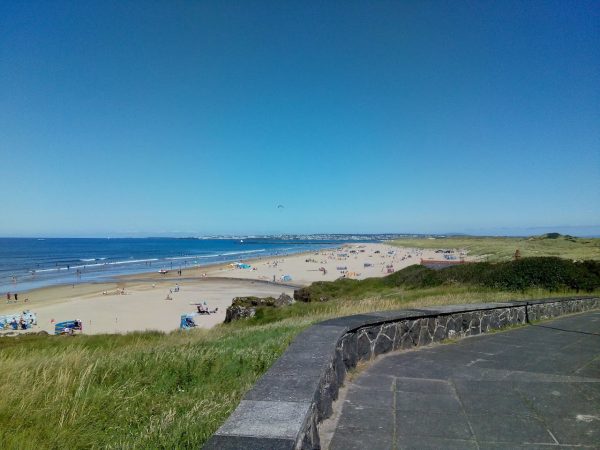
- Portstewart Strand - two miles of firm sand backed by high dunes and managed by the National Trust, one of the few beaches in the UK you can still drive onto.
- Rathlin Island - reached by ferry from Ballycastle harbour, a low L-shaped island with an upside-down lighthouse, a huge seabird colony and a resident population of a few hundred.
- Royal Portrush Golf Club - host of The Open in 2019 and again in 2025, and the reason a good share of the coast's visitors arrive at all. Neighbouring Portstewart and Castlerock offer links golf with easier tee sheets.
Where to Eat in Causeway Coast
All restaurants in Causeway Coast →Food and drink in Causeway Coast
North Antrim eats well, and increasingly it eats local. Dulse, a dried purple seaweed gathered from the rocks, is still sold by the bag at Ballycastle's market and at the Ould Lammas Fair, where it is traditionally paired with yellowman, a brittle honeycomb toffee made to a closely guarded recipe. Local seafood means crab and lobster from the small harbours, langoustines landed nearby, and hake or turbot on better menus.
In Portrush, the Ramore complex above the harbour has anchored the town's eating scene for decades, running from the informal Ramore Wine Bar to the Harbour Bistro and the Asian-leaning Neptune and Prawn, all of them busy and none of them taking bookings in the usual way. Babushka, the little cafe out on the harbour wall, does coffee and traybakes with the best view in town.
Portstewart has Morelli's, an Italian-Irish ice cream parlour on the promenade run by the same family for well over a century, and Harry's Shack, a timber cabin on the National Trust strand that grills fish over charcoal and has become one of the most sought-after tables on the coast. Book well ahead.
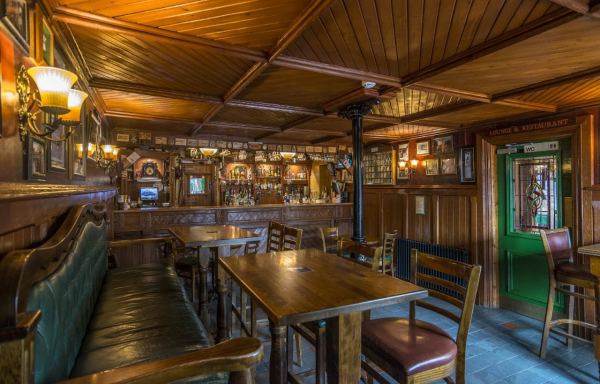
Bushmills naturally revolves around whiskey. The Bushmills Inn serves seriously good local produce beside a peat fire, and the distillery's own tasting rooms are the place to work out whether you prefer the ten-year-old single malt or the Black Bush blend. In Ballycastle, Ursa Minor Bakehouse has built a national reputation on sourdough and pastries, and Broughgammon Farm on the edge of town sells rose veal, cabrito goat and seasonal produce direct from the yard. Farmers markets in Ballycastle and Coleraine are the best single stop for cheese, soda bread and jam to take back to a cottage or a tent.

Attractions Near Causeway Coast
All attractions in Causeway Coast →Worth the trip — within 50 miles of Causeway Coast.
Cheeky Chimps
Coleraine · ⭐ 4.5
Portstewart Strand
Portstewart · ⭐ 4.8
 9 mi
9 mi
Castlerock Beach
Coleraine · ⭐ 4.7
 10 mi
10 mi
Downhill Beach
Derry-Londonderry · ⭐ 4.8
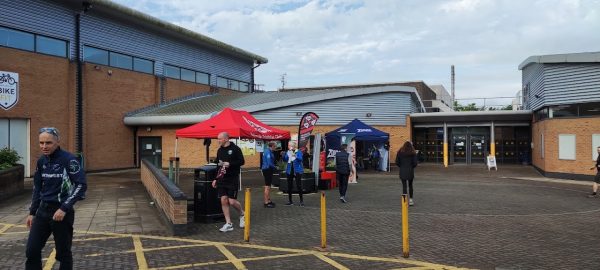 11 mi
11 mi
Kidz Ahoy at Roe Valley LC
Limavady · ⭐ 4.6
 11 mi
11 mi
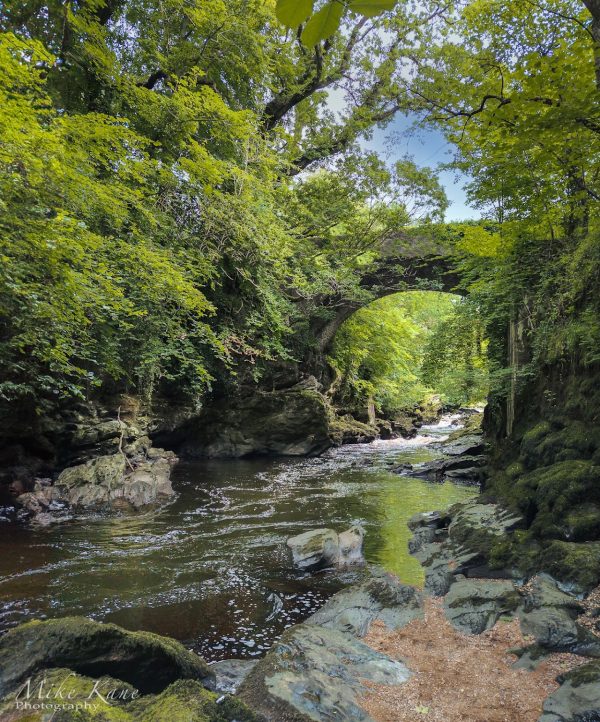
Roe Valley Country Park
Derry-Londonderry · ⭐ 4.8
 11 mi
11 mi
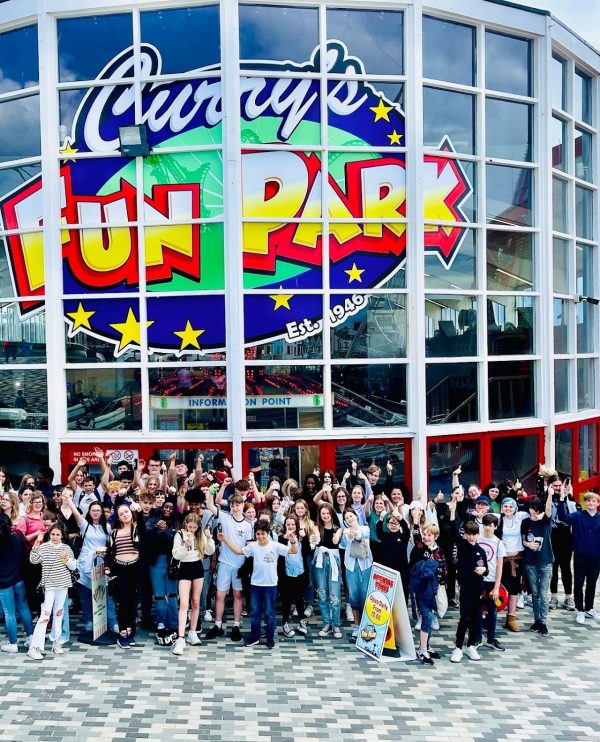
Curry's Fun Park Portrush
Portrush · ⭐ 4.3
 11 mi
11 mi
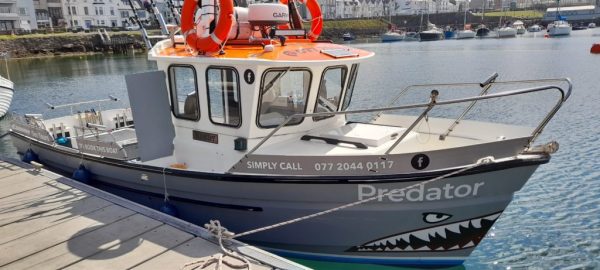
Portrush Sea Tours
Antrim · ⭐ 5.0
Camping in Causeway Coast(2)
All campsites in Causeway Coast →About camping in Causeway Coast
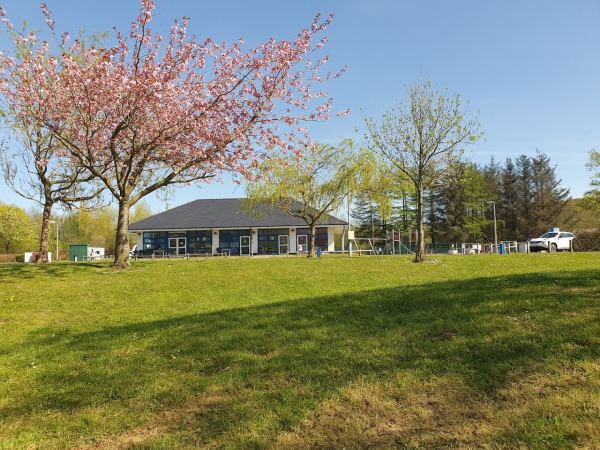
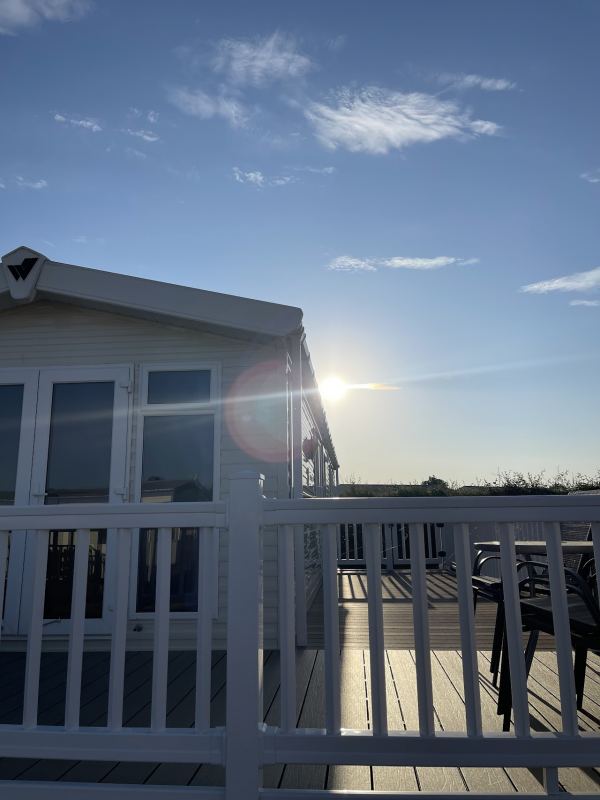
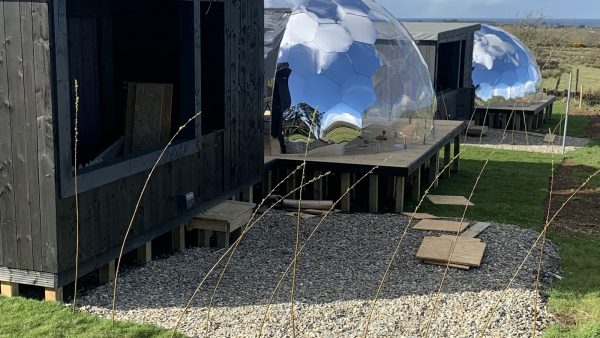
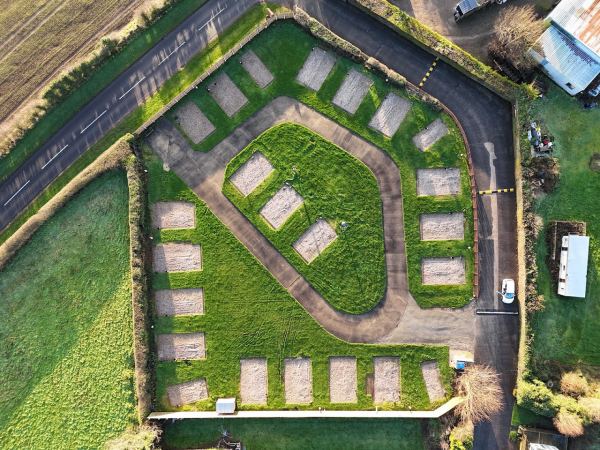
Camping on the Causeway Coast is rewarding and occasionally humbling. The land is exposed volcanic upland running straight into the open Atlantic, with nothing between north Antrim and Iceland, so wind is the defining condition rather than rain. Pitches on the seaward side of a site will be beautiful and loud; a spot with a hedge or an earth bank behind it will make for a far better night's sleep. Bring proper pegs, guy out everything, and treat a lightweight festival tent as unsuitable here at any time of year.
Ground conditions vary sharply. The council parks and the commercial sites along the coast tend to have hard standings and well-drained grass, while farm sites inland sit on heavier soil that holds water after a wet spell. Sea fog can roll in and out within an hour, and a bright morning frequently turns to horizontal drizzle by lunchtime, so a decent windbreak, a stove that works in a breeze and a spare set of dry clothes matter more than they would in southern England.
Wild camping is not a legal right in Northern Ireland. Unlike Scotland, there is no general access legislation, and all land here is either privately owned, farmed or held by the National Trust and the Forest Service, all of whom prohibit informal overnight camping. Pitching on dunes, beaches or clifftop paths risks a fine and does real damage to fragile marram systems. The practical answer is either a formal site or, occasionally, a farmer's permission asked for in person.
May through September is the workable season, and most sites open around Easter and close in late September or October. May and June are usually the driest months and bring near-endless daylight in midsummer, with light lingering past ten in the evening. July and August are warmest but need booking weeks ahead, especially around the Ould Lammas Fair. September delivers the warmest sea, the emptiest pitches and the best value of the year.
Self-Catering Cottages in Causeway Coast(29)
All cottages in Causeway Coast →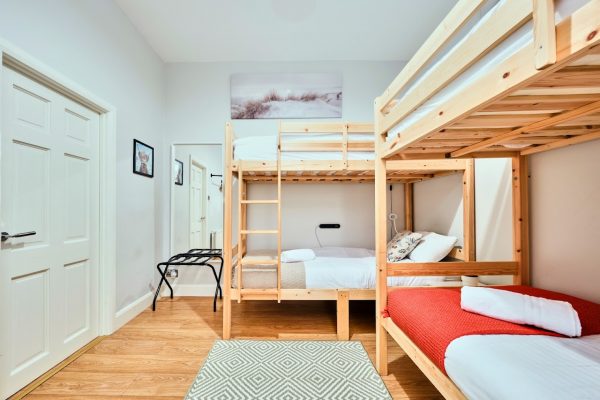
Portrush By The Sea - No.1 Dunluce Green Apartments
2 bed · sleeps 6 · from £543
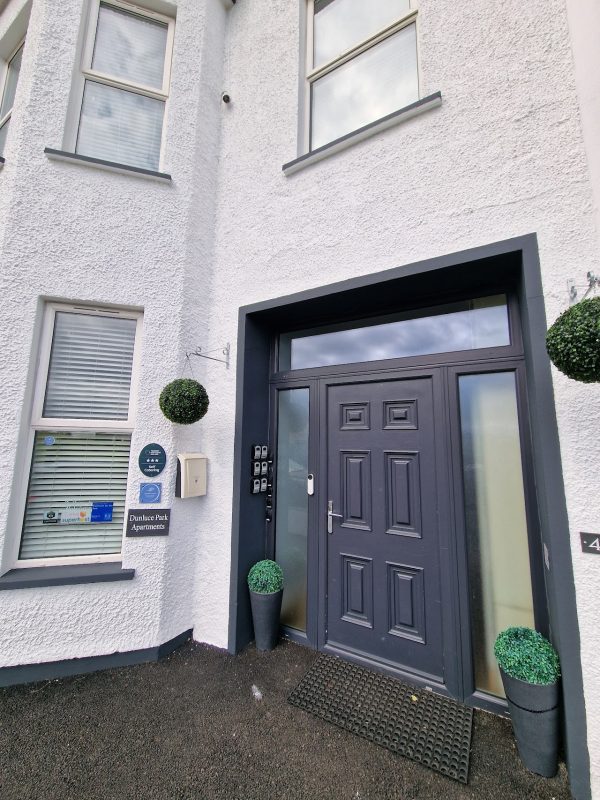
Portrush By The Sea
2 cottages · from £527
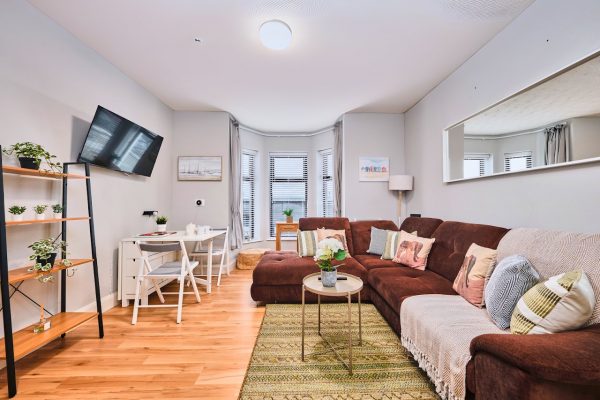
Portrush By The Sea - No.1 Golf Terrace Apartments
1 bed · sleeps 4 · from £527
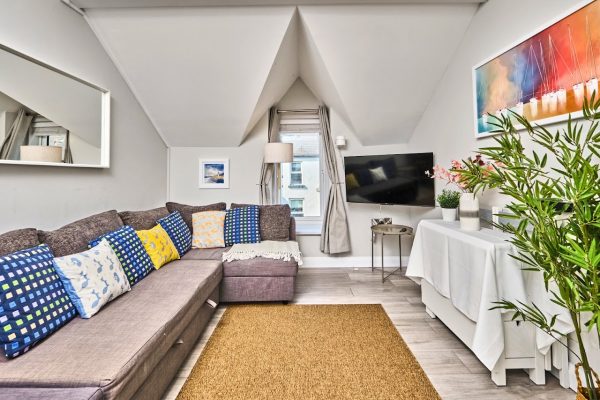
Portrush By The Sea - No.1 Princess Blue Apartments
1 bed · sleeps 4 · from £527
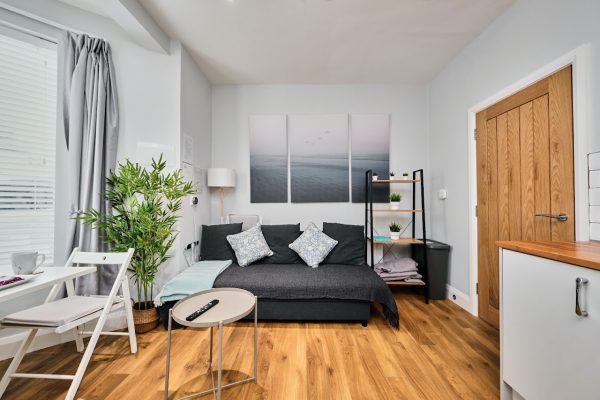
Portrush By The Sea - No.1 Princess Green Apartments
1 bed · sleeps 4 · from £527
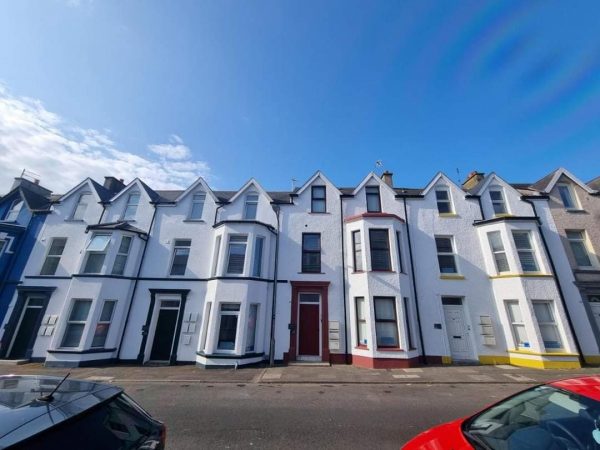
Portrush By The Sea
3 cottages · from £527
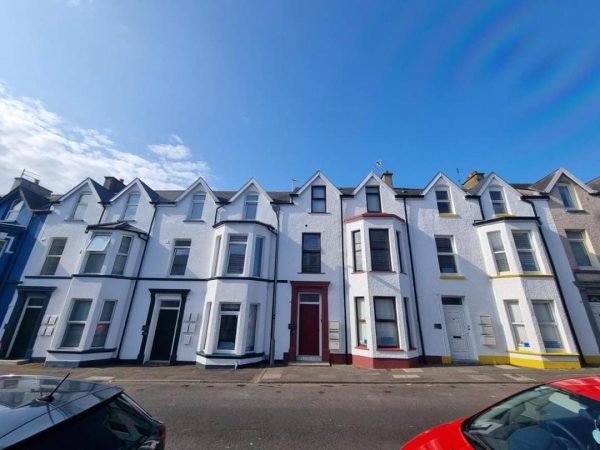
Portrush By The Sea - No.1 Princess Yellow Apartments
1 bed · sleeps 4 · from £527
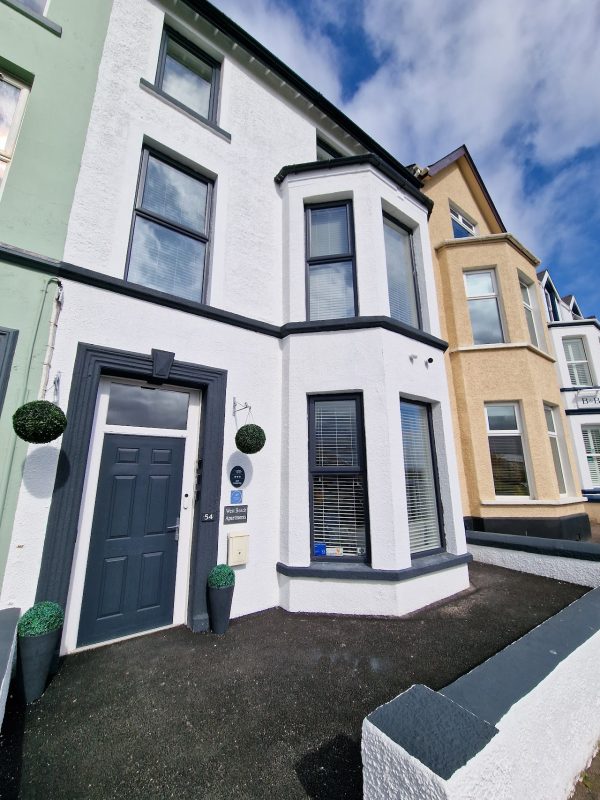
Portrush By The Sea - No.1 West Beach Apartments
1 bed · sleeps 4 · from £527
Common questions about Causeway Coast
How many campsites are there in Causeway Coast?
We list 2 campsites in and around Causeway Coast, of which 1 take tents.
Are there dog-friendly campsites in Causeway Coast?
Yes — 2 of the 2 campsites we list in Causeway Coast accept dogs, including Ballyness Caravan Park and Carrick Dhu Holiday Park.
Which campsites in Causeway Coast have electric hook-up?
2 of the 2 campsites we list in Causeway Coast offer an electric hook-up.
How many holiday cottages are there in Causeway Coast?
We list 29 self-catering cottages in and around Causeway Coast.
Can I take a dog to a holiday cottage in Causeway Coast?
Yes — 2 of the 29 Causeway Coast cottages we list allow pets.
Are there large holiday cottages in Causeway Coast for groups?
Yes — the largest cottage we list in Causeway Coast sleeps 8.
Where can I stay in Causeway Coast?
We list 8 hotels, B&Bs and guest houses in and around Causeway Coast. Prices start from around £85 a night.