Lyth Valley
Damson orchards and quiet fells between Kendal and Windermere
Photo © tony johnson, Google Maps
The Lyth Valley sits in the gentler, southern fringe of the Lake District, running roughly between Kendal and the shores of Windermere. It's a landscape of low limestone hills, green pasture and whitewashed farmhouses rather than dramatic peaks, and that's exactly its appeal: this is a valley to potter through rather than conquer. Villages like Crosthwaite, Winster and Underbarrow are scattered along narrow lanes, each barely more than a church, a pub and a scatter of farms, with the bulk of Whitbarrow rising along the valley's western side.
What makes the Lyth Valley genuinely distinctive is its damsons. The valley's mix of limestone soil and sheltered microclimate has suited damson trees since Victorian times, and the small orchards dotted between farmhouses still produce the Westmorland damson, a variety recognised by the Slow Food Foundation's Ark of Taste. Every April the blossom turns the valley white, and every autumn the fruit is picked for jam, gin, chutney and the valley's own damson beer. It's a working agricultural landscape as much as a scenic one, and that quiet, unshowy character sets it apart from the busier honeypots further north.
Getting to the Lyth Valley
The valley lies just off the A5074, which connects Kendal to Bowness-on-Windermere, making it an easy detour rather than a destination you pass through by accident. Kendal, the nearest town, sits on the West Coast Main Line with regular trains from Oxenholme station (a few minutes outside Kendal) to London, Manchester and Scotland. By road, leave the M6 at Junction 36 for Kendal, then follow the A5074 south-west into the valley; it's around a 15-minute drive from the motorway. There's no rail station in the valley itself, so a car is the most practical way to explore the lanes and villages once you arrive, though Kendal and Windermere both have bus links into the surrounding area.
Best time to visit the Lyth Valley
April is the valley's signature month, when the damson blossom is out and Damson Day brings the villages to life. Late summer into early autumn, particularly late August through September, is harvest time for the damsons themselves, and also brings settled weather for walking on Whitbarrow and around the wider Lake District. Summer months are busiest in nearby Windermere and Bowness, so the Lyth Valley makes a quieter base even in peak season. Winter is markedly quiet, with bare orchards and short days, but the pubs and limestone scenery still have their appeal for those who prefer the valley without the crowds.
Where to stay in Lyth Valley
All hotels in Lyth Valley →About staying in Lyth Valley
Hotel choice within the Lyth Valley itself is deliberately small-scale: a couple of historic coaching inns rather than a run of chain hotels, which is part of the valley's appeal for anyone wanting a quiet base away from the busier parts of the Lake District. The Punch Bowl Inn at Crosthwaite, a 17th-century inn beside the parish church, and the Mason's Arms at Strawberry Bank, a 16th-century inn with views over the neighbouring Winster valley, both offer a handful of individually styled rooms alongside well-regarded restaurants, so dinner and a bed are covered in one stop.
For more choice, Kendal and Windermere both sit within about a fifteen-minute drive and offer a fuller range, from budget guesthouses to larger lakeside hotels, along with easier access to shops, trains and the busier lake-based attractions. Staying in Kendal also makes sense for anyone splitting their time between the Lyth Valley and the wider Lake District, since it sits on the main road and rail routes into the national park. Wherever you base yourself, the valley's small size means nowhere is ever more than a short drive from its orchards, pubs and walking routes.
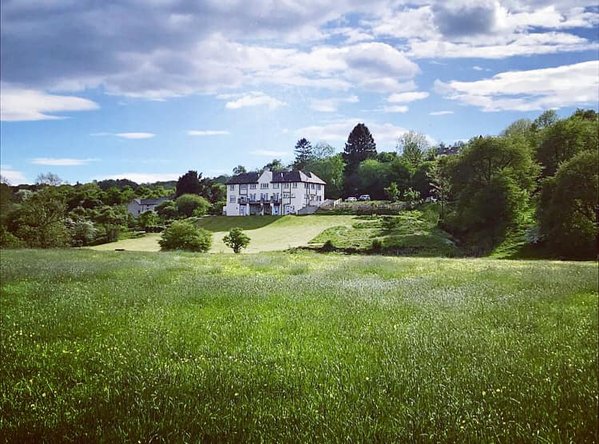
Lyth Valley Country House
A5074, Kendal
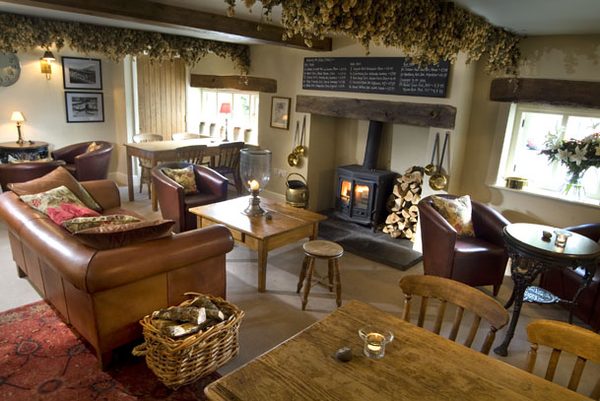
The Punch Bowl Inn
Crosthwaite, Kendal
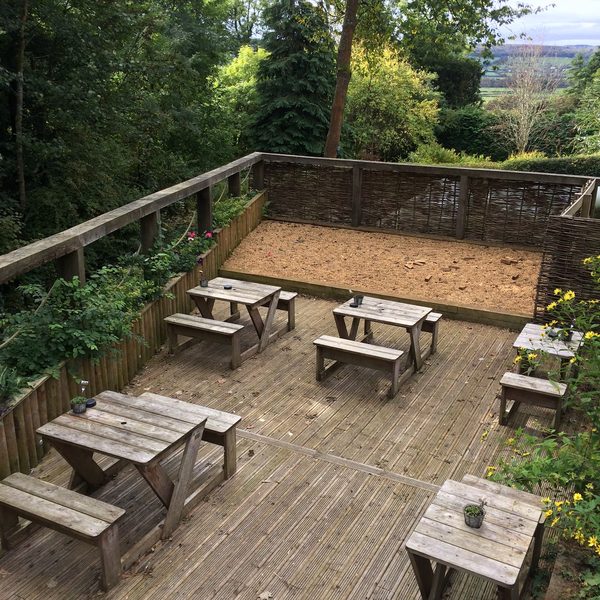
The Wheatsheaf Inn
The Wheatsheaf Inn, Kendal
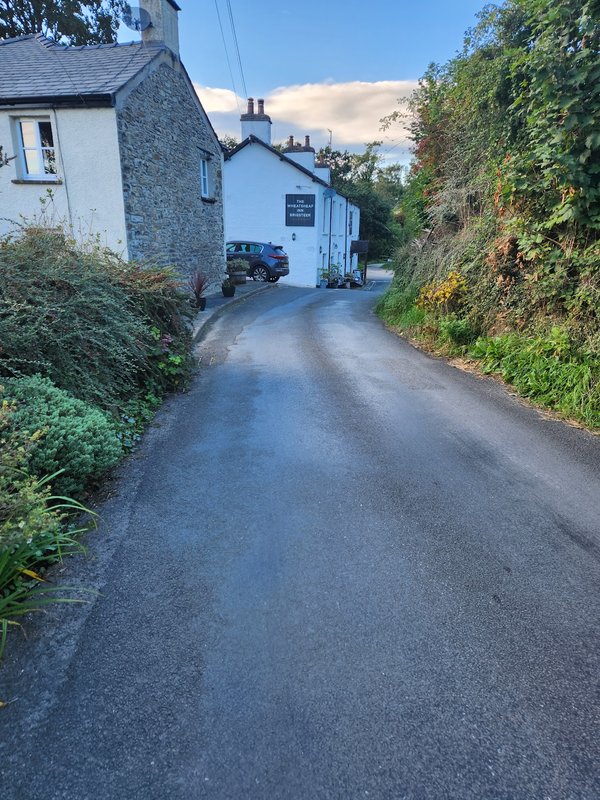
Plumtree House
Park End Lane, Brigsteer
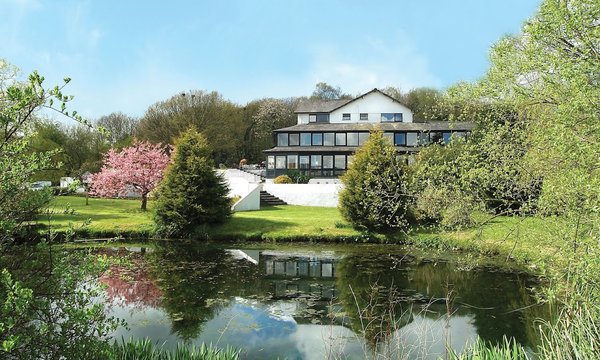
Damson Dene Hotel
Crosthwaite, Bowness-on-Windermere
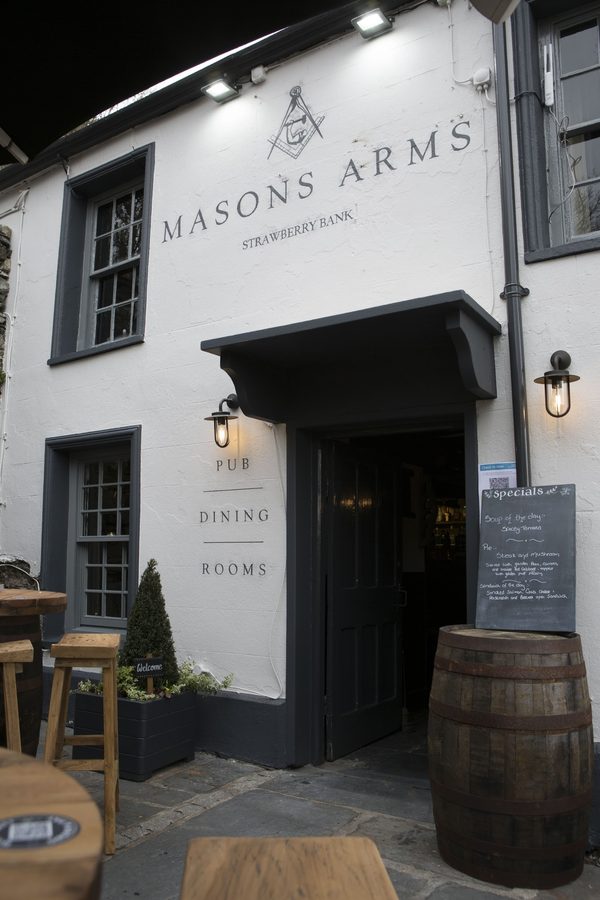
Masons Arms
Strawberry Bank, Cartmel Fell
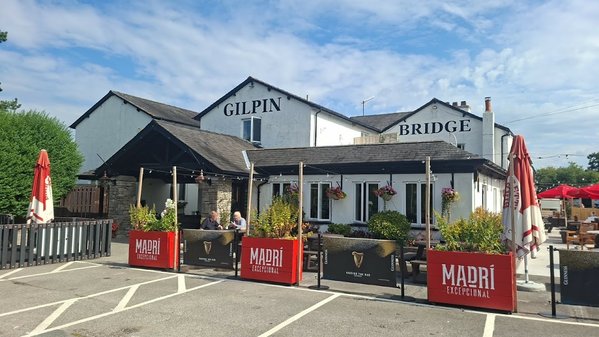
Gilpin Bridge Inn
Bridge End, Kendal
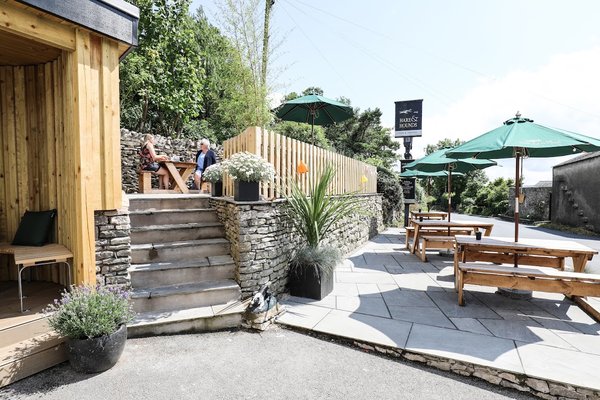
The Hare and Hounds Levens
Church Rd, Kendal
Things to Do in Lyth Valley
All attractions in Lyth Valley →Top things to do in the Lyth Valley
The valley rewards slow exploration on foot or by bike more than a checklist of attractions, but there's still plenty worth seeking out.
- Damson Day, Crosthwaite — held on the third Saturday of April by the Westmorland Damson Association, this country fair coincides with the blossom and draws around 3,000 visitors for guided orchard walks, morris dancing, local food stalls and craft demonstrations.
- Whitbarrow Nature Reserve — a limestone escarpment on the valley's western edge, jointly managed by Cumbria Wildlife Trust, Forestry England and the Lake District National Park Authority. It holds a significant slice of Britain's limestone pavement, with rich wildflowers, butterflies and views across to Morecambe Bay.
- Crosthwaite Parish Church — St Mary's sits at the heart of the valley next to the Punch Bowl Inn, and is a good starting point for low-level walks through the orchards and up onto the fells.
- Levens Hall and Gardens — an Elizabethan house on the valley's southern approach, near Kendal, known for its topiary garden first laid out in the 1690s, among the oldest of its kind still growing to its original design.
- Kendal — the valley's nearest market town, with its castle ruins, the Abbot Hall art gallery and museum, and independent shops along the historic yards running off the high street.
- Windermere and Bowness — the Lake District's largest lake is a short drive over the valley's eastern rim, giving easy access to lake cruises, watersports and the busier tourist centres of Bowness and Windermere town.
- Damson orchard walks — informal footpaths link the valley's farms and orchards; blossom time in April and harvest in late August to September are the best windows to see the trees at their most photogenic.
Where to Eat in Lyth Valley
All restaurants in Lyth Valley →Food and drink in the Lyth Valley
Given the valley's reputation, damsons turn up widely on menus and farm shop shelves in season, alongside jams, gins and the traditional damson beer brewed to mark Damson Day. The Punch Bowl Inn at Crosthwaite is the valley's best-known dining destination, a 17th-century inn holding two AA rosettes under chef Arthur Bridgeman Quinn. The Mason's Arms at Strawberry Bank, a 16th-century inn on the valley's edge, is another long-standing favourite for Lake District cooking with views over the Winster valley. The Derby Arms at Witherslack, just south of the valley, is a dog-friendly pub known for a relaxed atmosphere and solid pub food. For everyday shopping and a wider choice of cafes and restaurants, Kendal is the nearest town.
Attractions Near Lyth Valley
All attractions in Lyth Valley →Worth the trip — within 50 miles of Lyth Valley.
 1 mi
1 mi
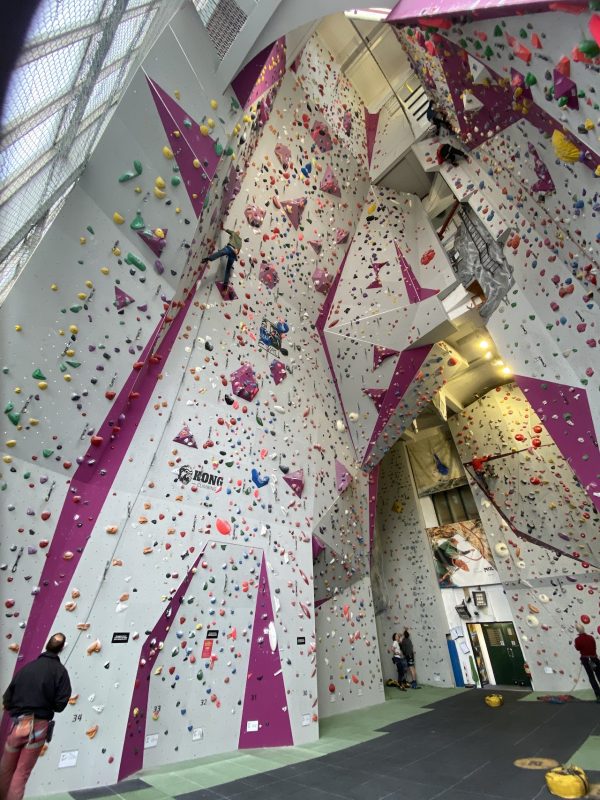
Lakeland Climbing Centre
Kendal · ⭐ 4.9
 3 mi
3 mi
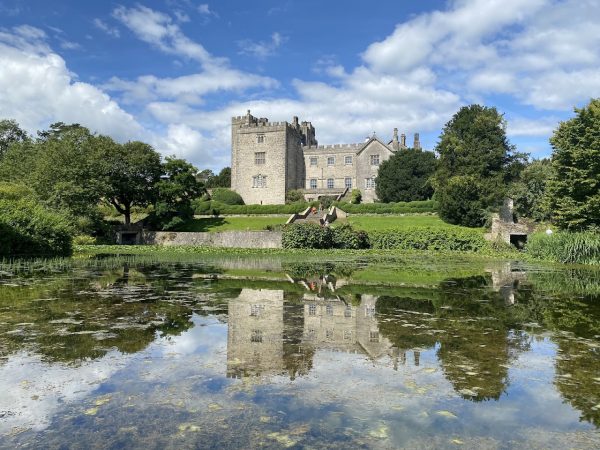
Sizergh Castle - National Trust
Kendal · ⭐ 4.6
 4 mi
4 mi
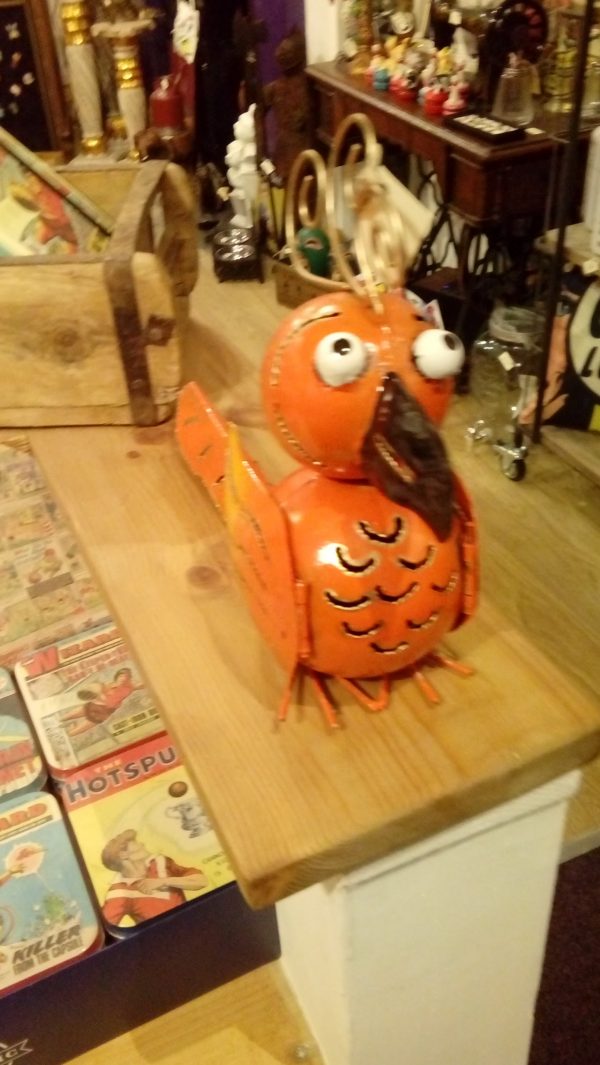
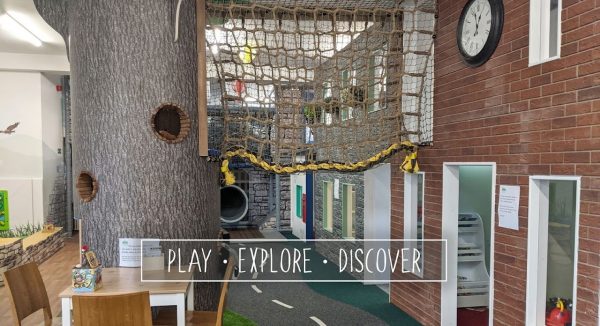
Curious About Kendal
Kendal · ⭐ 4.7
 4 mi
4 mi
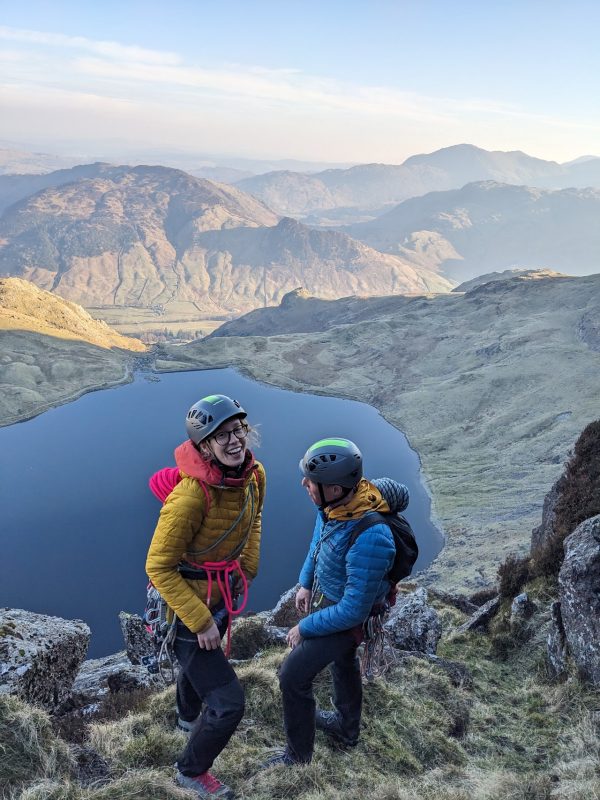
Climb 365
Lake District · ⭐ 4.9
 4 mi
4 mi
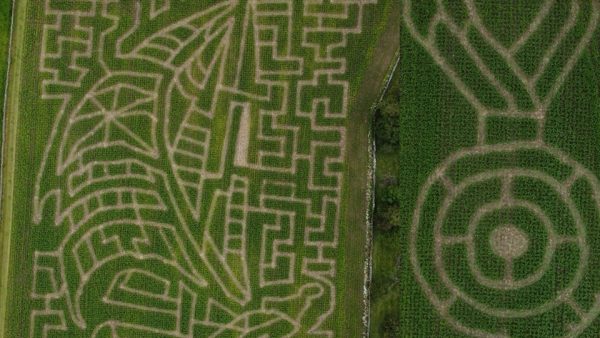
Lakeland Maze Farm Park
Kendal · ⭐ 4.7
 5 mi
5 mi
Outside in Cumbria
Burton in Kendal · ⭐ 4.7
 5 mi
5 mi
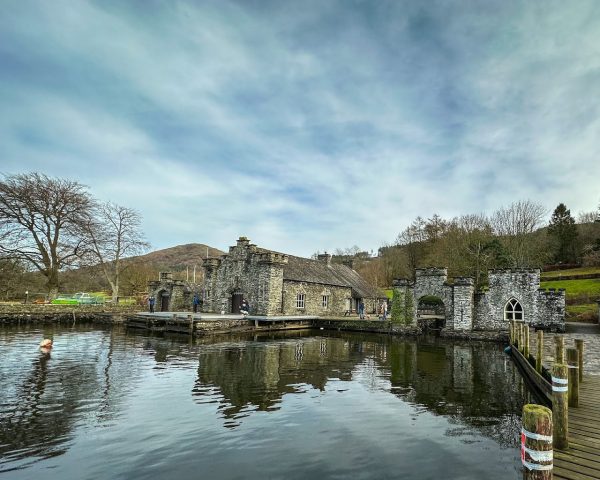
Fell Foot Park
Windermere · ⭐ 4.8
 5 mi
5 mi
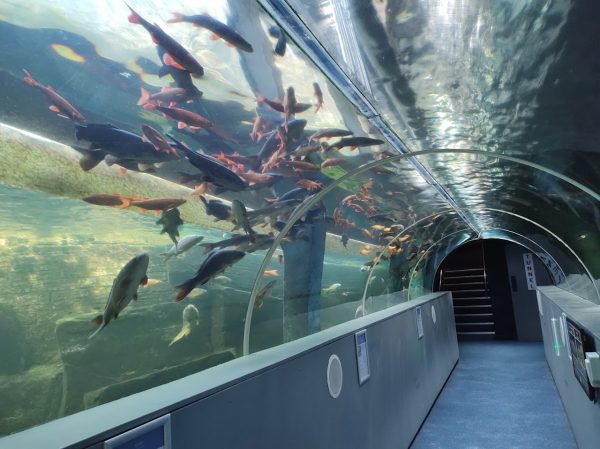
Lakes Aquarium
Ulverston · ⭐ 4.2
Camping in Lyth Valley(1)
All campsites in Lyth Valley →About camping in Lyth Valley
Camping in the Lyth Valley means small, farm-based sites rather than big holiday parks, which suits a valley built around orchards and quiet lanes rather than large-scale tourism. As with everywhere in England, wild camping is illegal without the landowner's permission, so stick to registered campsites, certified sites (small, simple pitches on farmland, often limited to five pitches under Camping and Caravanning Club rules) or the handful of glamping options in and around the valley. The terrain here is gentler than the high fells further north, low limestone hills and pasture rather than mountain, which makes it a comfortable spot for families and less experienced campers, though Whitbarrow's limestone pavement can still be uneven and slippery underfoot after rain.
Spring, particularly April when the damson blossom is out, is a lovely time to camp here, and Damson Day itself makes a good focus for a short trip. Late summer into early autumn brings the harvest and generally the most settled weather for pitching a tent, though like the rest of Cumbria the valley sees plenty of rain year-round, so a decent waterproof setup matters whatever the season. Midges can be an issue on still summer evenings near the wetter, low-lying parts of the valley. For those who'd rather skip the tent, glamping options in the wider area range from shepherd's huts to fully-equipped pods, giving a taste of the valley's peace and quiet without the packing list, and can be a good option if the Cumbrian weather turns during a stay.
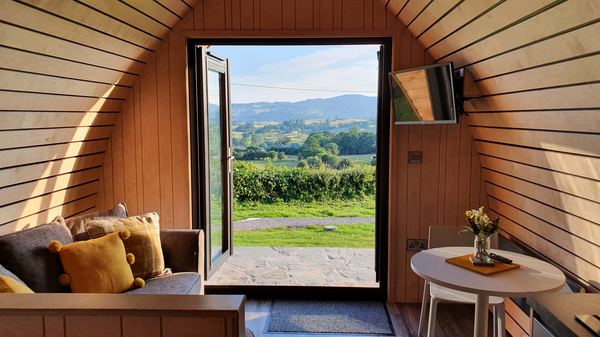
Damson View Glamping
⭐ 5.0 · from £230/night
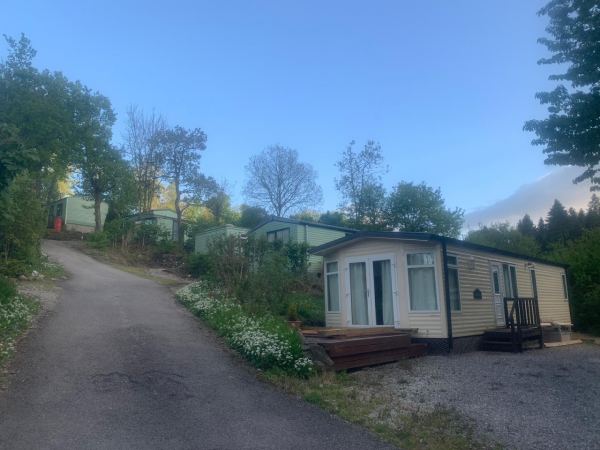
Lambhowe Caravan Park
⭐ 4.8
Bulman Strands Caravan Park
⭐ 5.0
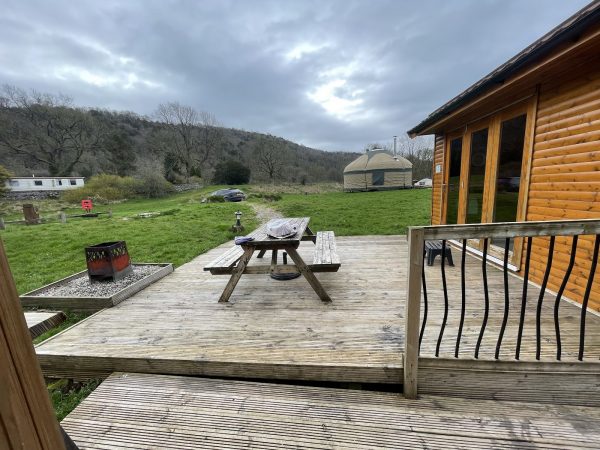
Moss Howe Farm
⭐ 4.6 · from £19/night
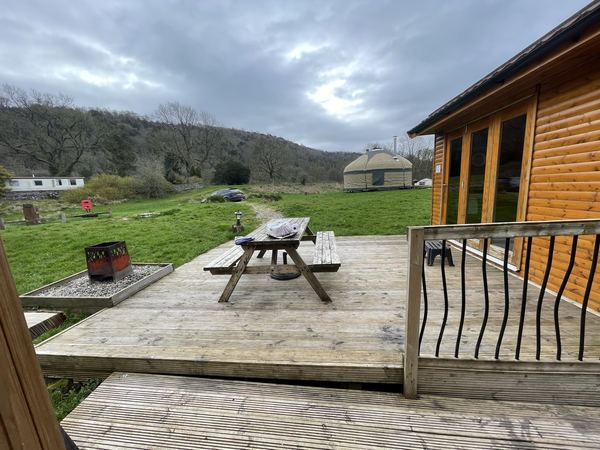
Moss Howe Farm Campsite
⭐ 4.6
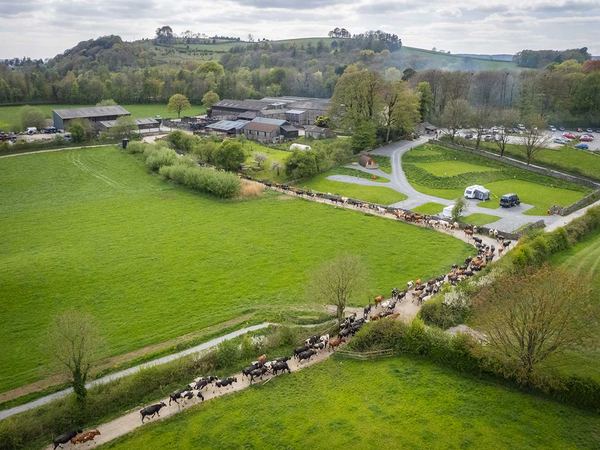
Sizergh Caravan and Camping
⭐ 4.6
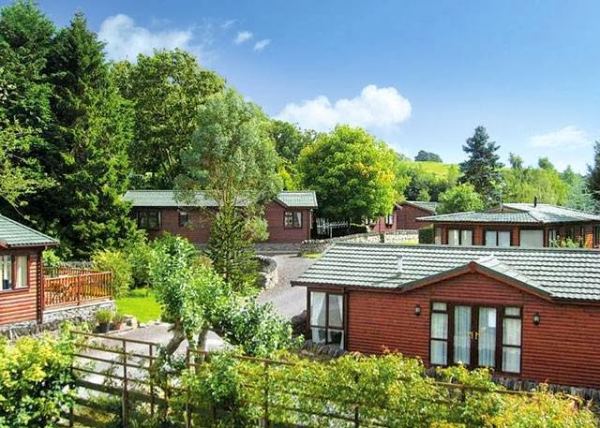
Pound Farm Park
⭐ 4.6
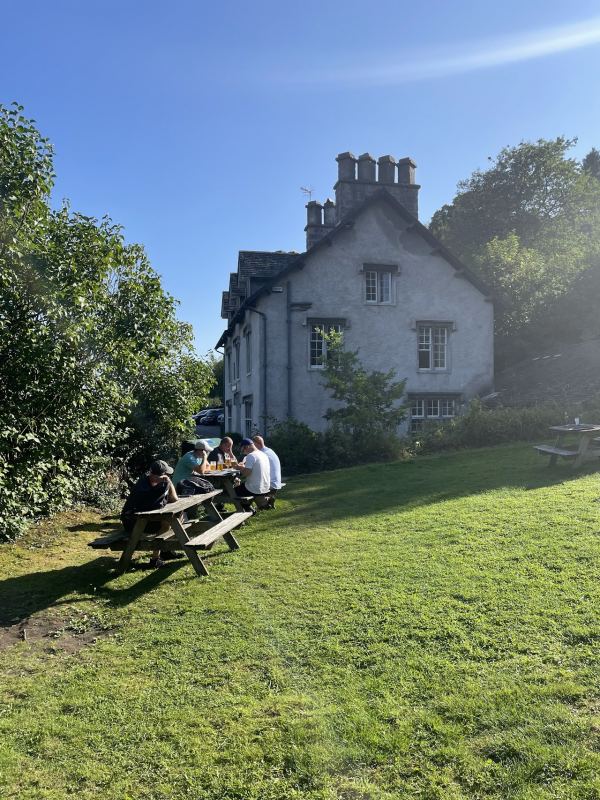
River Gilpin at Valley End Certificated Location
⭐ 4.7 · from £25/night
Self-Catering Cottages in Lyth Valley
All cottages in Lyth Valley →Tarn Bank
3 bed · sleeps 6
Rock Cottage
2 bed · sleeps 4 · from £367
Puddle Duck Cottage
1 bed · sleeps 2 · from £807
Sunnyside
2 bed · sleeps 4 · from £463
Lavender Cottage
2 bed · sleeps 4
Old Chapel
2 bed · sleeps 4 · from £423
Old Chapel Apartment
2 bed · sleeps 4 · from £463
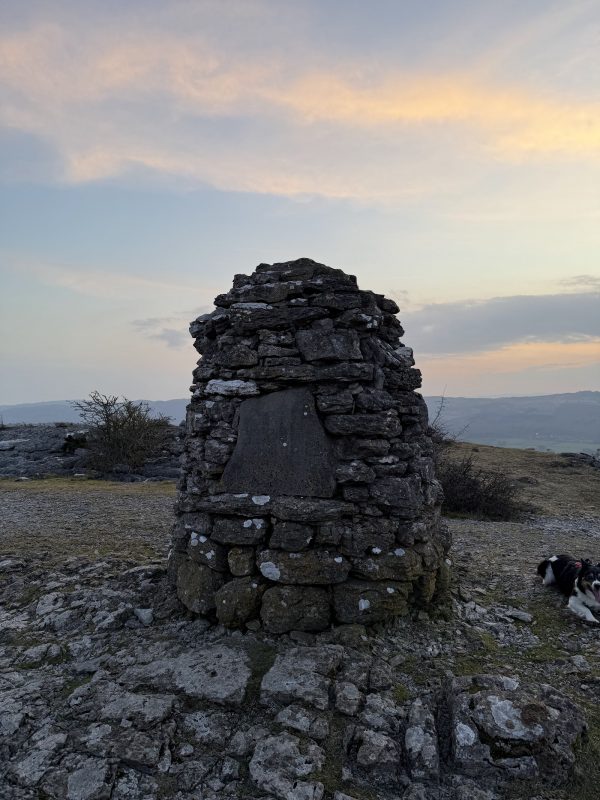
Whitbarrow
1 bed · sleeps 2
Common questions about Lyth Valley
How many campsites are there in Lyth Valley?
We list 1 campsites in and around Lyth Valley, of which 1 offer glamping.
Are there dog-friendly campsites in Lyth Valley?
Yes — 1 of the 1 campsites we list in Lyth Valley accept dogs, including Damson View Glamping.