Chiddingly
A hidden High Weald village at the end of a country lane
Photo © Paul Kidd, Google Maps
Chiddingly is the kind of East Sussex village you have to mean to find. There is no through-road of any significance, just a web of narrow lanes twisting between hedgerows and shaws in the High Weald, an Area of Outstanding Natural Beauty whose name comes from the old English for "high forested land". The village itself is recorded in the Domesday Book of 1086 as Cetelingei, "the place of Cedd's people", and for centuries it made its living from farming and from ironworking, with a forge once run by the French family at nearby Stream Farm supplying the Wealden iron industry.
Today Chiddingly is a scatter of weatherboarded and tile-hung houses around a small green, a village shop, a well-loved pub and a parish church whose slender spire is visible for miles across the surrounding farmland. It sits almost equidistant between Lewes and Hailsham, close enough to Glyndebourne to hear the interval bell on a still summer evening, yet far enough into the Weald to feel genuinely rural. Walkers, cyclists and anyone chasing a slower pace of life tend to like it here; day-trippers who only know the Sussex coast are often surprised by how quickly the land folds into quiet farmland once you turn inland.
Getting to Chiddingly
Chiddingly is most easily reached by car, being a few miles north of Hailsham and roughly eight miles east of Lewes via a network of B-roads and country lanes; sat-nav is useful here, as several approaches are single-track. The nearest mainline railway stations are Berwick and Glynde, both on the Lewes to Eastbourne line, from where a taxi or a fairly brisk walk across country completes the journey; Lewes station itself, with more frequent services to London and Brighton, is a similar distance away by road. There is no direct bus service into the village itself, so most visitors do arrive by car.
Best time to visit Chiddingly
Late spring and summer show the Weald at its best, with hedgerows and woodland in full leaf and long evenings for a walk or a drink in the pub garden; this is also Glyndebourne season, so the roads and pub can be busier on performance evenings. Autumn brings good colour to the Weald's oak and beech woodland and is a favourite time for walkers, while winter has its own quiet charm, with the church spire often the only landmark rising above misty fields. As with much of inland Sussex, the lanes can be muddy after wet weather, so waterproof boots are worth packing whatever the season.
Where to stay in Chiddingly
All hotels in Chiddingly →About staying in Chiddingly
Chiddingly is not a village of big hotels, and that is rather the point. What accommodation exists nearby tends to be small-scale and characterful: bed and breakfasts in converted farmhouses, a handful of self-catering cottages tucked among the oast houses and weatherboarded barns typical of the Weald, and pub rooms in the surrounding villages for visitors who want a proper local base. Staying in or very near Chiddingly means quiet nights, big skies and the sound of the church clock rather than traffic, which suits walkers, Glyndebourne-goers and anyone simply wanting to disappear into rural Sussex for a few days.
For a wider choice of hotels, from country-house options to reliable chain hotels, Lewes and Hailsham are both within easy reach and make sensible bases if you want Chiddingly and its surrounding attractions on your doorstep without being limited to the village's modest options. Lewes in particular combines historic character with a good range of places to eat and stay, while still leaving you a short drive from Chiddingly, Glyndebourne, Michelham Priory and the open country of the High Weald. Whichever you choose, booking ahead is sensible in summer, when Glyndebourne's opera season and the region's popularity with walkers can fill rooms well in advance.
The May Garland Inn
Eastbourne Road, Chiddingly Road, Heathfield

Travelodge Hellingly Eastbourne
A22 Boship Farm Roundabout, Eastbourne
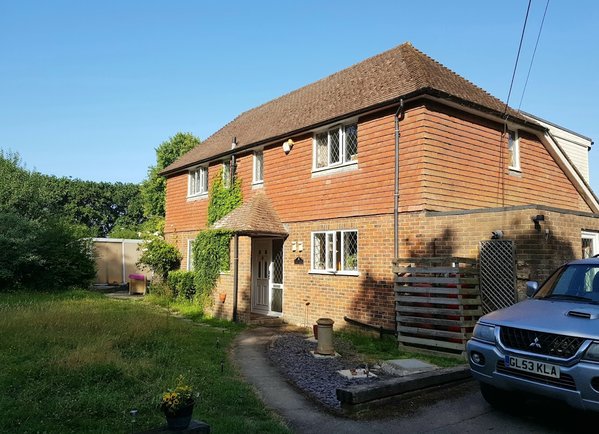
West Lodge B&B
Lower Dicker, Hailsham

The Albany Lions Hotel
Grand Parade, Eastbourne

The Mansion Lions Hotel
1 Grand Parade, Eastbourne
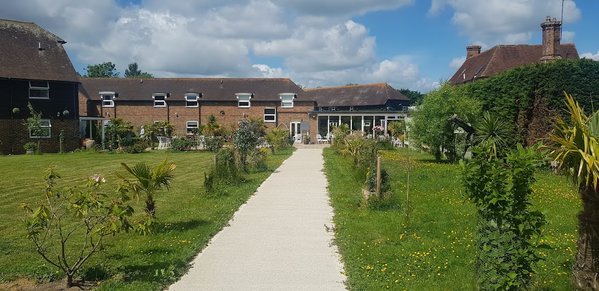
Boship Lions Farm hotel
Lower Dicker, Hailsham
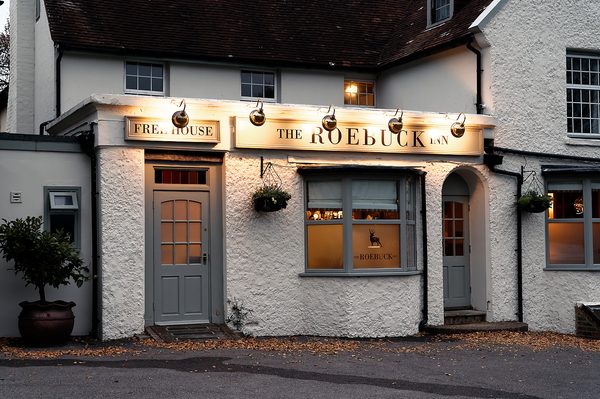
The Roebuck Inn
Lewes Road, Laughton
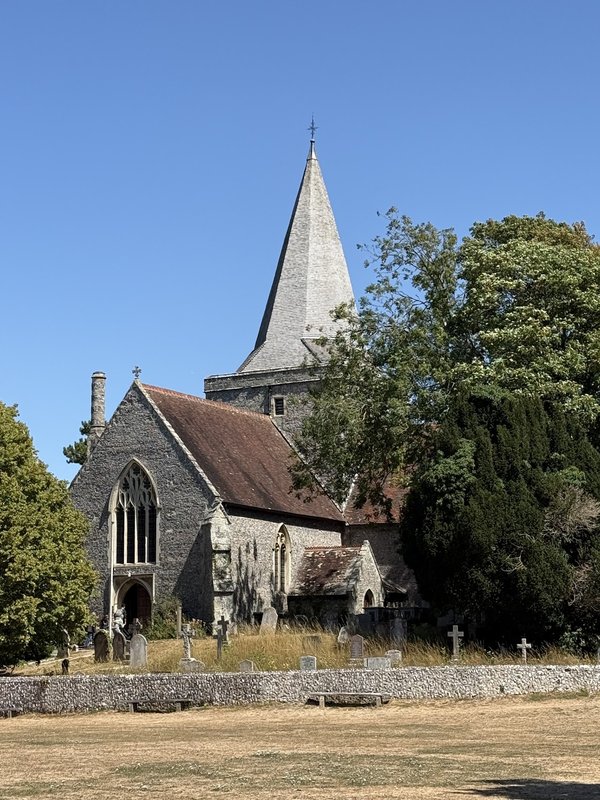
Beechwood B&B
Eastbourne Road, Lewes
Things to Do in Chiddingly
All attractions in Chiddingly →Top things to do in Chiddingly
Chiddingly rewards people who enjoy wandering rather than ticking off sights, but there is a genuine cluster of interest within a short drive.
- Chiddingly Church — The grade I listed parish church dates largely from the 13th century, though Norman masonry found during 19th-century restoration suggests an earlier building on the site. Its 128-foot stone spire, added in the 15th century, carries the Pelham buckle badge, and inside is the elaborate Jefferay Monument to Sir John Jefferay, Chief Baron of the Exchequer under Elizabeth I.
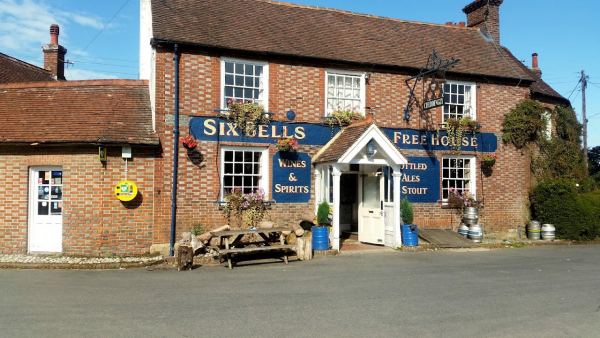
- The Six Bells — A coaching inn licensed since 1730, known for its open fires, oak beams, live music several nights a week and a genuinely mixed crowd of locals, walkers and bikers.
- Glyndebourne — The famous country-house opera house lies a few miles to the west, near Lewes; even if opera is not your thing, the surrounding parkland and the sight of black-tie picnics on the lawns each summer season is a Sussex institution worth knowing about.
- Bentley Wildfowl & Motor Museum — A short drive away near Lewes, combining wetland gardens, a large wildfowl collection and a museum of vintage cars and carriages, all set in parkland that is particularly lively during spring hatching season.
- Michelham Priory — A moated Tudor house built within the 14th-century gatehouse of an Augustinian priory, surrounded by England's longest medieval moat and seven acres of gardens, a few miles south-east near Hailsham.
- Lewes — The county town, with its Norman castle, antiques shops, independent bookshops and the steep, cobbled Keere Street, makes an easy and rewarding half-day out.
- High Weald walking country — Chiddingly sits within the High Weald AONB, and the network of footpaths radiating from the village through oak woodland, shaws and small fields is reason enough for many visitors to come.
Where to Eat in Chiddingly
All restaurants in Chiddingly →Food and drink in Chiddingly
The Six Bells is the obvious focus of village life, serving Harvey's Best Bitter alongside a changing guest ale and home-cooked pub food in a room full of oak beams and open fires; it has hosted live music for years and, according to local lore, once had Pablo Picasso as a visitor. Beyond the pub, options in the village itself are limited, and most visitors combine a trip here with lunch or dinner in nearby Lewes, Hailsham or one of the other Weald villages, which offer a wider choice of cafes and restaurants.
Attractions Near Chiddingly
All attractions in Chiddingly →Worth the trip — within 50 miles of Chiddingly.
 1 mi
1 mi
Blackberry Farm
Lewes · ⭐ 4.5
 3 mi
3 mi
Michelham Priory and Gardens
Hailsham · ⭐ 4.6
Knockhatch Adventure Park
Hailsham · ⭐ 4.6
Knockhatch Ski & Snowboard Centre
Hailsham · ⭐ 4.6
 4 mi
4 mi
Arlington Court
Arlington · ⭐ 5.0
 4 mi
4 mi
Hailsham Leisure Centre
Hailsham · ⭐ 4.1
 5 mi
5 mi
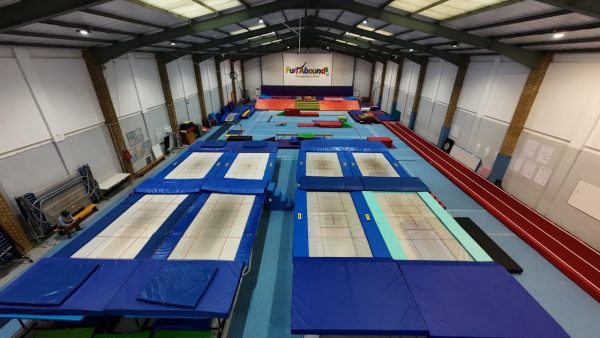
Fun Abounds Trampoline Centre
Uckfield · ⭐ 4.2
 6 mi
6 mi
Drusillas Park
Polegate · ⭐ 4.6
Camping in Chiddingly(1)
All campsites in Chiddingly →About camping in Chiddingly
Chiddingly sits within the High Weald, an Area of Outstanding Natural Beauty of rolling farmland, ancient oak woodland and narrow sunken lanes, and it is exactly the kind of landscape that tempts people to pitch a tent somewhere scenic and unofficial. It is worth being clear that wild camping is illegal in England without the landowner's permission, Sussex included, so any camping here needs to be on a proper site or with explicit consent from whoever owns the land. The good news is that the surrounding Weald and the coast beyond Hailsham and Eastbourne have a healthy spread of campsites and glamping options, many making the most of the same high hedgerows, farm buildings and views that make the area special in the first place.
Golden Cross, just a couple of miles from Chiddingly, has a touring and camping park that makes a genuinely convenient base for exploring the village, Glyndebourne, Michelham Priory and Bentley Wildfowl & Motor Museum without a long drive each morning. Further afield towards Lewes, Hailsham and the Sussex coast there is a broader choice, ranging from simple grass pitches to glamping pods, safari tents and shepherd's huts aimed at people who want the High Weald experience without the full camping kit list.
The terrain here is gently undulating rather than dramatic, with clay soils that can turn heavy after rain, so most campers find late spring through to early autumn the most comfortable window, roughly May to September, when the ground is firmer and the evenings long enough to enjoy a fire pit or a walk before dark. Midsummer coincides with the Glyndebourne opera season, which brings a distinct flavour to the area, and with the Weald's woodland at its most lush. Whatever time of year, the appeal of camping around Chiddingly is the same: quiet, dark skies, the sound of owls rather than traffic, and some of Sussex's best walking straight from the tent flap.
Chiddingly Camp and Caravan Park
⭐ 4.7
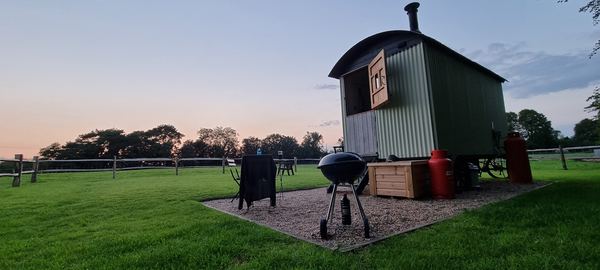
Hale Farm Campsite
⭐ 4.8 · from £30/night
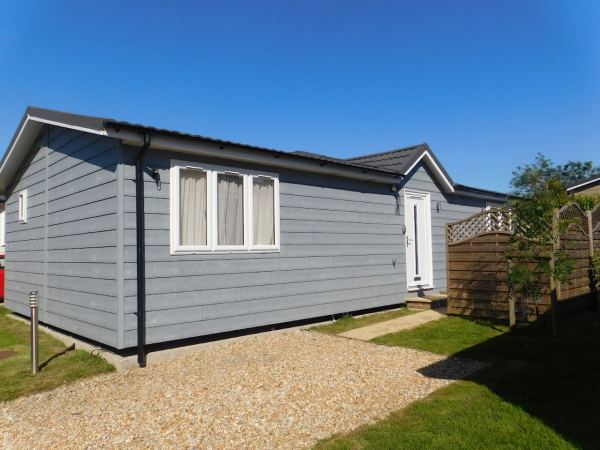
Golden Cross Park
⭐ 4.4
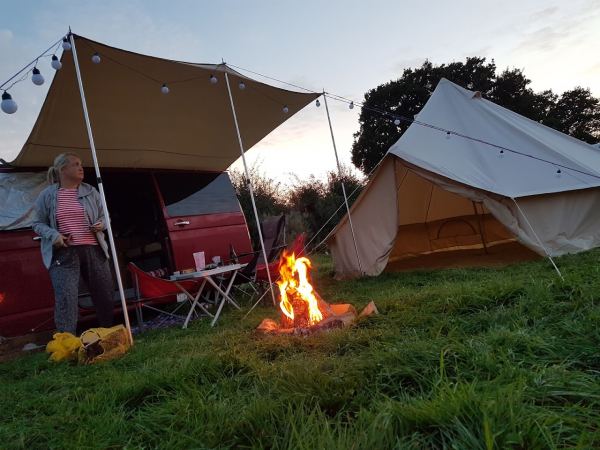
The Old Mill Caravan Park - Hailsham
⭐ 4.6
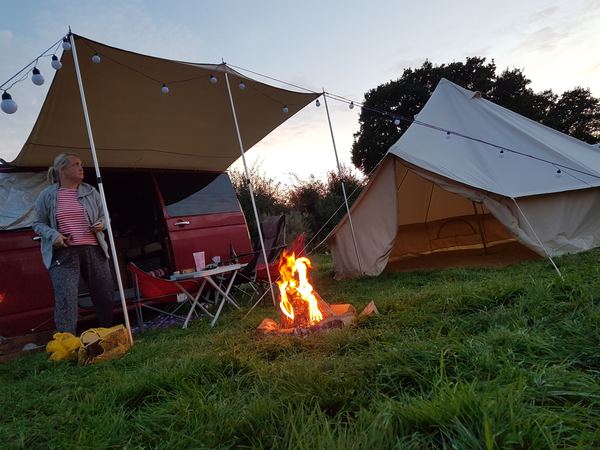
Oakfield Farm Campsite
⭐ 4.6 · from £30/night
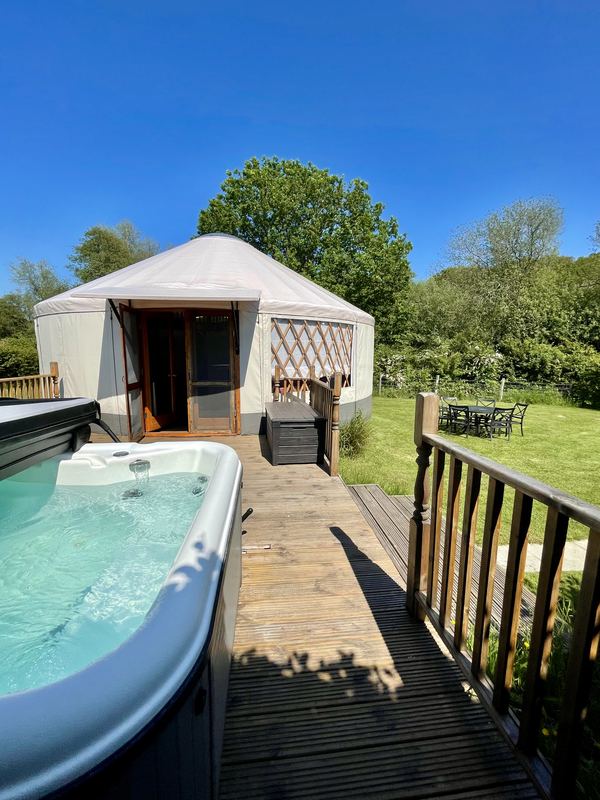
Graywood Canvas Cottages
⭐ 4.8 · from £636/night
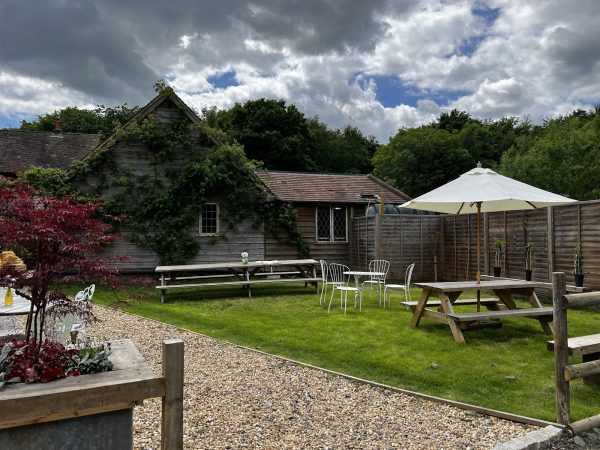
Dernwood Farm Wild Camping
⭐ 4.8 · from £24/night
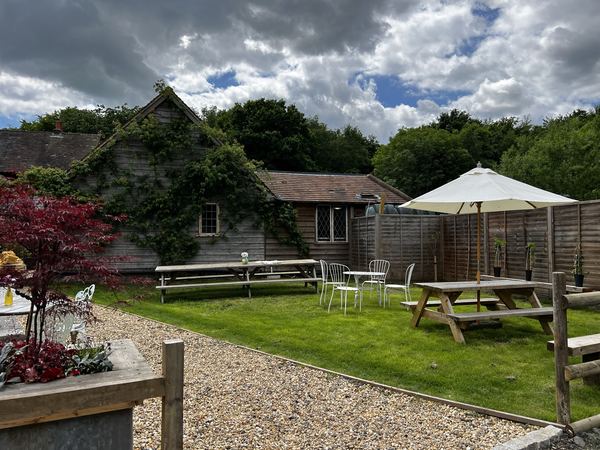
Dernwood Farm
⭐ 4.8
Self-Catering Cottages in Chiddingly
All cottages in Chiddingly →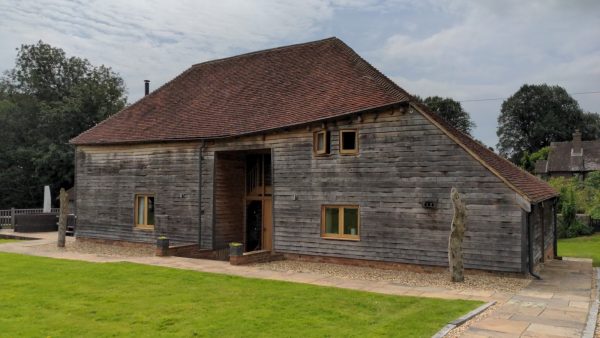
Hale Barn
4 bed · sleeps 8 · from £1,162
Buttercup Hut
1 bed · sleeps 2 · from £443
Hale Dairy
2 bed · sleeps 4 · from £651
Wisteria Cottage
1 bed · sleeps 2 · from £467
Hornbeam
1 bed · sleeps 2 · from £417
Oak
1 bed · sleeps 2 · from £417
Willow
1 bed · sleeps 2 · from £417
The Old Thatch
2 bed · sleeps 4 · from £413
Common questions about Chiddingly
How many campsites are there in Chiddingly?
We list 1 campsites in and around Chiddingly, of which 1 take tents and 1 offer glamping.