Gower Peninsula
Britain's first protected coast, nineteen miles of it
Photo © James Yapp, Google Maps
The Gower Peninsula reaches west from Swansea into the Bristol Channel, nineteen miles long and barely five across at its widest. In 1956 it became the first place in Britain to be designated an Area of Outstanding Natural Beauty, and the reasoning is obvious the moment you crest Cefn Bryn and see the whole of it laid out: limestone headlands on the south coast, dune systems and burrows to the west, and a huge tidal salt marsh along the northern shore where the Loughor estuary drains away twice a day.
What makes Gower unusual is the density. Most British coastlines make you drive for an hour between highlights. Here you can walk from a Norman castle ruin to a beach that regularly tops national polls in about twenty-five minutes, and the character changes completely every couple of miles. The south coast is all pale cliffs, tucked coves and clear green water. The west end at Llangennith and Rhossili is wide, wind-scoured and given over to surfers. The north is quieter, muddier and more agricultural, with cockle-gathering villages and sheep grazing on the marsh.
It has been inhabited for a very long time. Paviland Cave on the south coast produced the so-called Red Lady of Paviland, a ceremonial burial dated to roughly 33,000 years ago and the oldest known in western Europe. Neolithic tombs sit on the commons, Iron Age forts occupy the headlands, and the Normans left a chain of small castles along the northern edge. All of it is reachable on foot, because the Wales Coast Path runs the full circumference and the interior is criss-crossed by common land you are free to wander.
Getting to Gower Peninsula
Swansea is the gateway and the only realistic rail hub. Great Western Railway runs direct from London Paddington in around three hours, with services roughly hourly; Cardiff Central is about an hour away by train, Bristol Temple Meads around two. Transport for Wales links Swansea to Carmarthen, west Wales and the Heart of Wales line north.
From Swansea railway station the peninsula begins about four miles west. First Cymru's Gower Explorer buses cover most of it: the 118 to Llangennith and Llanmadoc, the 117 to Rhossili, the 116 towards Oxwich and Port Eynon, and the 14 or 2A to Mumbles and Langland. Services are decent in summer and thin in winter, so check timetables if you are relying on them.
By car, leave the M4 at junction 42 for Mumbles and the south coast, or junction 47 for the northern route via Gowerton. The A4118 is the main artery down the southern side towards Port Eynon; the B4295 runs along the north through Llanrhidian to Llangennith. The roads narrow sharply beyond Parkmill and there are long stretches of single track with passing places at the western end, so allow more time than the mileage suggests. Sat navs sometimes route you down farm tracks in north Gower — follow signposts instead.
Parking is the main constraint in summer. The National Trust car park at Rhossili, the council car park at Oxwich and the beach car parks at Port Eynon and Llangennith all fill by mid-morning in July and August. Arriving before nine or after four makes an enormous difference. Cardiff Airport is roughly fifty miles east, about an hour and a quarter by road; Bristol Airport is around ninety miles.
Best time to visit Gower Peninsula
Spring is arguably the peak of it. April and May bring bluebells across Bishopston Valley, gorse in flower on the commons and clear light with none of the summer haze. Sea temperatures are still bracing but the coast path is quiet and accommodation is noticeably cheaper than July.
Summer is when the beaches earn their reputation and when everything is open, from lifeguard cover on the main bays to the Gower Show in early August and the Gower Festival concerts in the parish churches. It is also genuinely busy, with queues on the approach roads at weekends. Book accommodation months rather than weeks ahead.
Autumn suits walkers and surfers best. September often holds the summer weather with a fraction of the crowds, the sea is at its warmest, and by October the Atlantic starts producing the swell that makes Llangennith and Langland worthwhile. Sunsets over Rhossili in late autumn are the reason a lot of people keep coming back.
Winter is short on daylight and long on weather, but the peninsula does not close. Storm-watching from the clifftop above Worm's Head is a legitimate day out, several pubs keep proper fires going, and the salt marsh fills with wintering waders. Expect wind rather than deep cold — Gower rarely sees hard frost.
Where to stay in Gower Peninsula(9)
All hotels in Gower Peninsula →About staying in Gower Peninsula
Choosing where to base yourself on Gower comes down to a single question: do you want to be inside the landscape or on the edge of it? The peninsula is small enough that nowhere is more than about forty minutes from anywhere else, but the roads are narrow and slow in high season, and the difference between a five-minute walk to the beach and a twenty-minute drive plus a fight for a parking space is considerable in July.
The south coast between Parkmill and Port Eynon is the practical middle ground. You are close to Three Cliffs Bay, Oxwich and Pennard, the lanes are manageable, and you can reach Rhossili in half an hour or Mumbles in twenty minutes. This is where most of the peninsula's hotels and country houses sit, several of them in Victorian or older buildings with substantial grounds.
The western end around Rhossili, Llangennith and Llanmadoc is the choice if the coast path and the surf are the point of the trip. Accommodation is thinner and more basic, mostly inns and farmhouses, but you get first light on Rhossili Down and the beach to yourself before the day visitors arrive. Be realistic about the driving: the last few miles are single track, and a supermarket run means going back towards Swansea.
Inland villages such as Reynoldston, Cilibion and Llanrhidian are underrated. They sit on or near Cefn Bryn with quick access to both coasts, they tend to be cheaper, and the pubs are where you will actually meet people who live here. Mumbles and Langland at the eastern gateway offer the widest choice of rooms and by far the best evening options, which matters if you are travelling without a car or with teenagers who want more than a beach.
Self-catering is popular on Gower and often the better value for groups or longer stays, particularly outside school holidays. Whatever you choose, book early — the peninsula has limited stock, and summer weekends go months in advance.
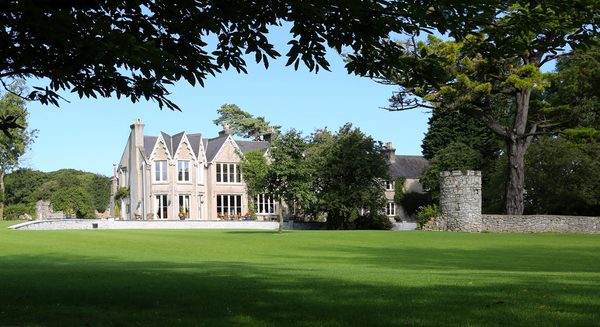 8.9
8.9
Parc-le-Breos House
Parkmill, central south Gower
from £135/night
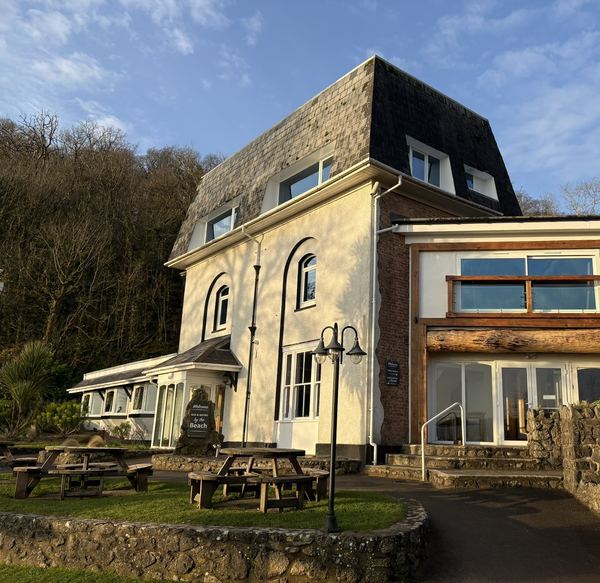 8.4
8.4
Oxwich Bay Hotel
Oxwich, beachfront south Gower
from £130/night
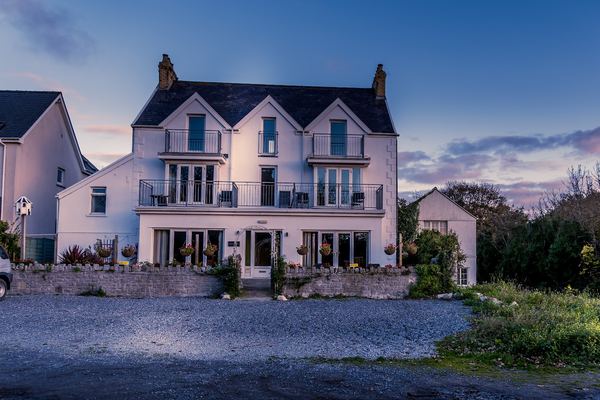 9.1
9.1
Culver House
Port Eynon, south Gower
from £120/night
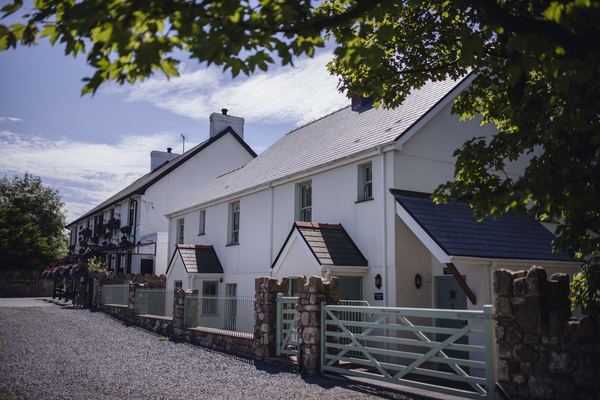 8.6
8.6
King Arthur Hotel
Reynoldston, on Cefn Bryn
from £105/night
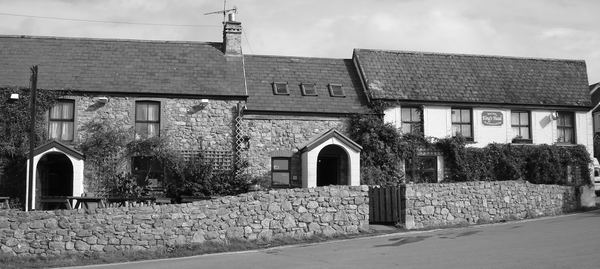 8.7
8.7
King's Head
Llangennith, west Gower
from £115/night
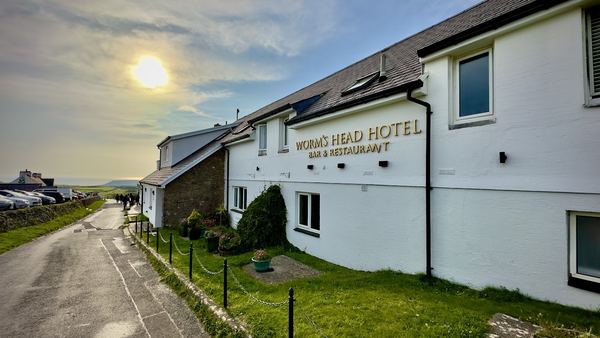 8.2
8.2
The Worm's Head Hotel
Rhossili, clifftop, west Gower
from £110/night
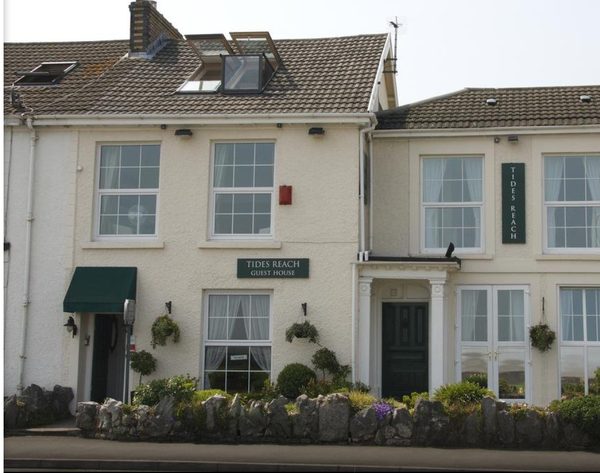 9.4
9.4
Tides Reach Guest House
Mumbles seafront, east Gower
from £115/night
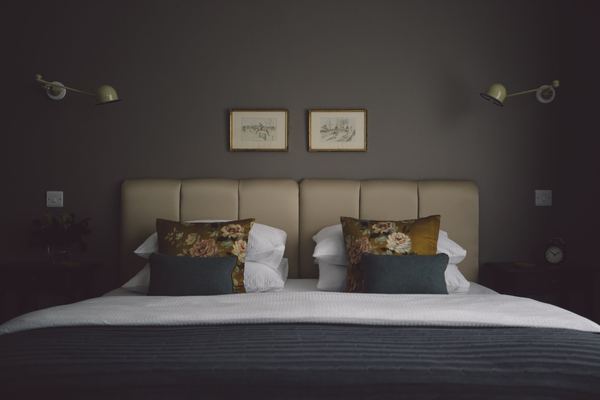 9.6
9.6
Langland Cove
Langland Bay, near Mumbles
from £95/night
Things to Do in Gower Peninsula
All attractions in Gower Peninsula →Top things to do in Gower Peninsula
Gower rewards slow exploration, but these are the places that define it.
- Rhossili Bay and Worm's Head — Three miles of west-facing sand backed by Rhossili Down, with the serpentine tidal island of Worm's Head at its southern tip. The causeway is walkable for roughly two and a half hours either side of low water; check the tide times at the coastguard hut before you commit, because people do get stranded.
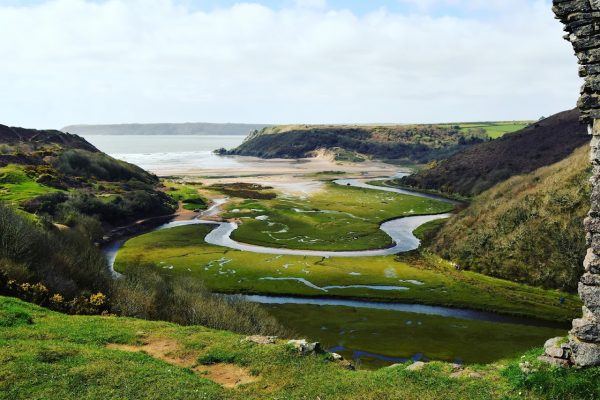
- Three Cliffs Bay — Probably the most photographed view in Wales. Pennard Pill winds through the dunes, a stone arch pierces the triple limestone peaks, and the ruined Pennard Castle looks down over the lot. Approach from Penmaen or Parkmill; there is no road access to the beach itself.
- Oxwich Bay — A long, sheltered, gently shelving beach with a nature reserve of dunes, marsh and woodland behind it. It is the most family-friendly stretch on the peninsula, with a car park directly behind the sand and a tiny medieval church, St Illtyd's, hidden in the trees at the eastern end.
- Cefn Bryn and Arthur's Stone — The old red sandstone ridge that forms the spine of Gower, known locally as the Backbone. A short walk from the Reynoldston road brings you to Maen Ceti, a Neolithic burial chamber whose enormous capstone splits into two, with views over both coasts.
- Llangennith and surfing — The peninsula's surf capital, where Atlantic swell arrives with nothing in its way. Several schools run lessons for complete beginners from the beach at Hillend, and the village pub keeps the whole thing pleasantly unpretentious.
- Weobley Castle — A fortified manor house rather than a true castle, standing above the north Gower marsh with long views across the estuary to Carmarthenshire. It is in the care of Cadw and sits on a working farm that raises salt marsh lamb.
- Whiteford Burrows and lighthouse — A National Trust dune reserve at the north-western tip, with a long walk out through pine plantation and marram to reach the last cast-iron lighthouse of its kind in Britain, visible only at low tide.
- Mumbles and Oystermouth Castle — The peninsula's eastern gateway, a Victorian seaside village with a pier, a substantial castle ruin above the rooftops and a promenade that runs all the way round Swansea Bay.
Where to Eat in Gower Peninsula
All restaurants in Gower Peninsula →Food and drink in Gower Peninsula
Gower has two genuinely distinctive local products. Gower salt marsh lamb, grazed on the samphire and sea aster of the Loughor estuary, carries protected designation status and appears on menus across the peninsula from spring onwards. Penclawdd cockles have been gathered from the same marsh for centuries, traditionally served with laverbread — a purée of boiled seaweed, rolled in oatmeal and fried, and far better than the description suggests.
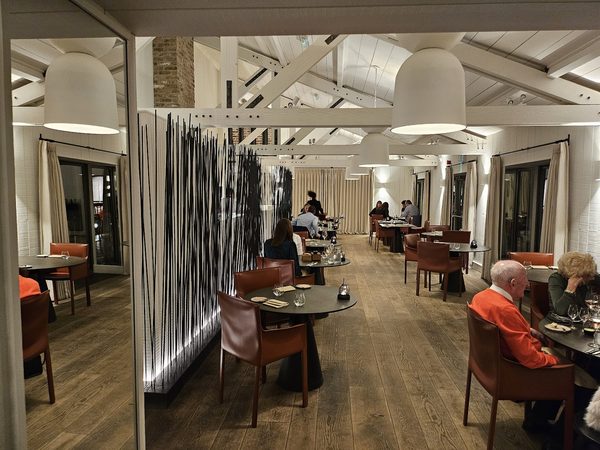
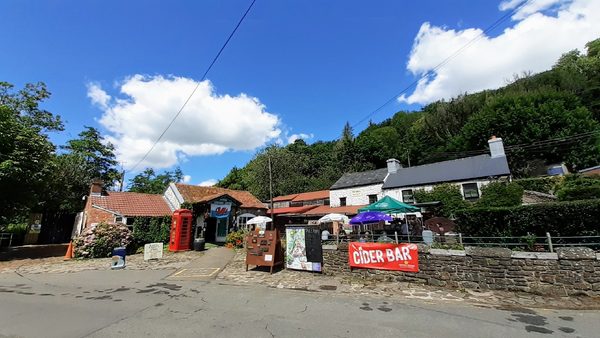
At the top end, the Beach House at Oxwich holds a Michelin star and cooks almost entirely from Welsh producers, with the bay filling the windows. Parc-le-Breos at Parkmill runs a rosette-standard dining room in a Victorian hunting lodge. For pub food with a view, the King Arthur at Reynoldston, the King's Head at Llangennith and the Britannia at Llanmadoc are all reliable, and the Worm's Head Hotel above Rhossili has the finest beer garden outlook in Wales.
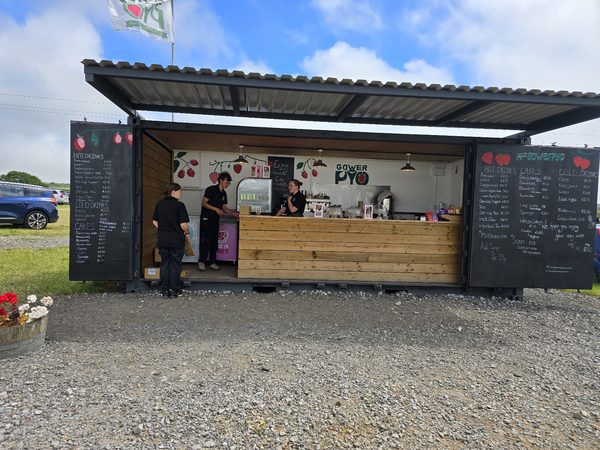
In Mumbles, Joe's has been making its famous ice cream since 1922 and Verdi's does coffee and Italian food over Swansea Bay. Swansea Market, the largest indoor market in Wales, is the place to buy cockles, laverbread and Welsh cakes cooked on the griddle in front of you. Gower Brewery at Crofty supplies Gower Gold to most of the local pubs, and there are farm shops and honesty boxes selling eggs, vegetables and cakes along the lanes across the whole peninsula.
Attractions Near Gower Peninsula
All attractions in Gower Peninsula →Worth the trip — within 50 miles of Gower Peninsula.
Oxwich Bay Beach
Swansea · ⭐ 4.6
 3 mi
3 mi
Three Cliffs Bay Beach
Southgate · ⭐ 4.6
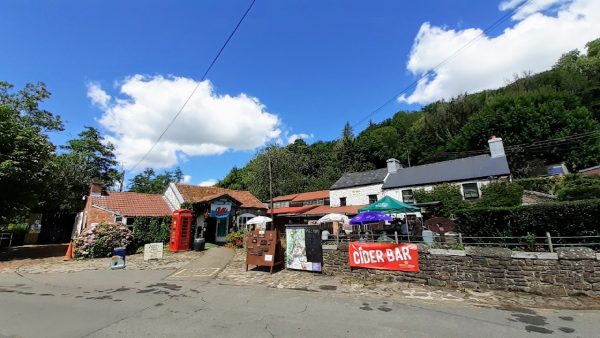
Gower Coast Adventures
Swansea · ⭐ 4.6
 3 mi
3 mi
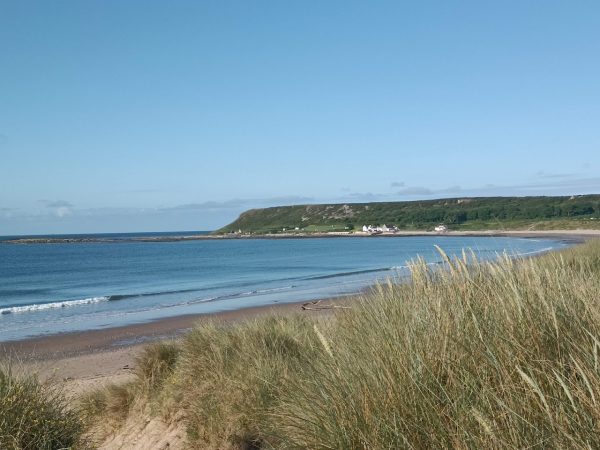
Gower Heritage Centre
Swansea · ⭐ 4.4
 4 mi
4 mi
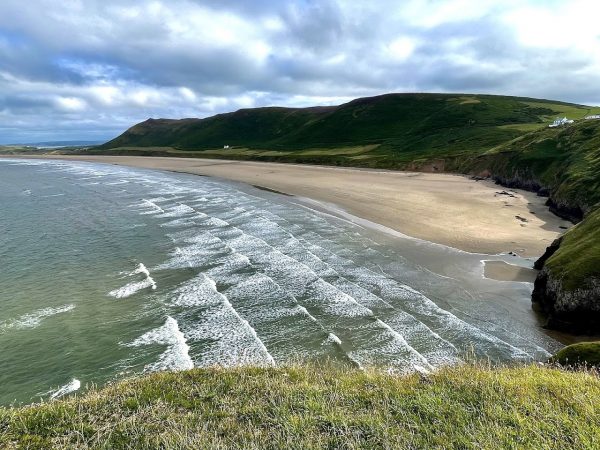
Port Eynon beach
Horton · ⭐ 4.6
 4 mi
4 mi
Rhossili Bay Beach
Swansea · ⭐ 4.9
 5 mi
5 mi
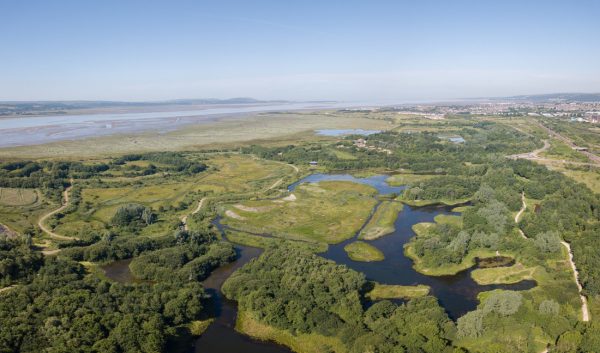
WWT Llanelli Wetland Centre
Llanelli · ⭐ 4.6
Rhossili and South Gower Coast
Rhossili · ⭐ 4.9
Camping in Gower Peninsula
All campsites in Gower Peninsula →About camping in Gower Peninsula
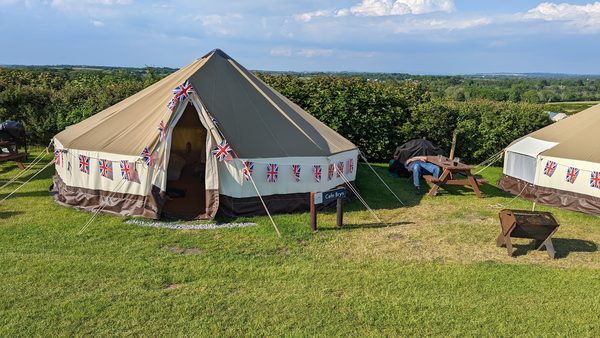
Gower is one of the best camping destinations in Britain, and it knows it. The peninsula supports a cluster of long-established, family-run sites, several of them on working farms that have been taking tents since the 1920s. What you get for your money here is position: clifftop pitches above Three Cliffs Bay, dune-backed fields a few hundred yards from Rhossili's three miles of sand, and headland sites where the sun goes down straight into the Atlantic.
The terrain is mostly gently sloping farmland on limestone, which drains well and stays firm after rain — a genuine advantage over the boggier parts of Wales. Pitches are usually generous grass, with hardstanding available at the larger parks for motorhomes and caravans. The catch is wind. Gower's south and west coasts are fully exposed to Atlantic weather with no shelter for three thousand miles, so bring proper pegs, guy out everything and pick a pitch with a hedge if there is any forecast at all. Sea fog can roll in on summer mornings and burn off by ten.
Be clear about the law: wild camping is not legal in Wales without the landowner's permission. Common land on Cefn Bryn and Rhossili Down is not an exception, and the National Trust, which owns a large share of the coastline here, actively discourages it. There are enough good campsites within a few miles of every major beach that there is no real need.
The season generally runs from late March or early April to the end of October, with a handful of sites open all year. May, June and September are the sweet spot — long days, settled weather, warm sea and none of the August crush. July and August are excellent but busy, and the best sites are booked out by spring, with some opening the following year's diary as early as the previous autumn. Book ahead and arrive early enough to get your pegs in before the light goes.
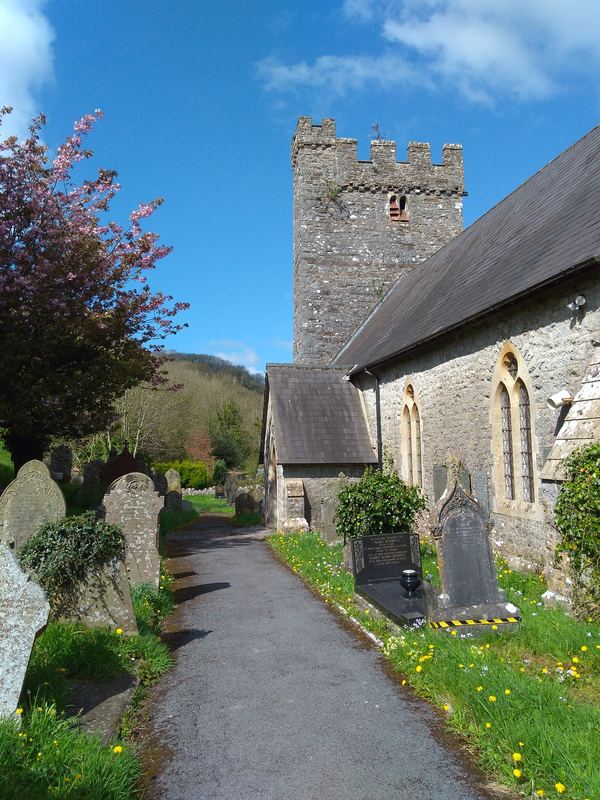
Crickton Farm Camping
⭐ 4.8 · from £20/night
Perriswood Farm
⭐ 4.8
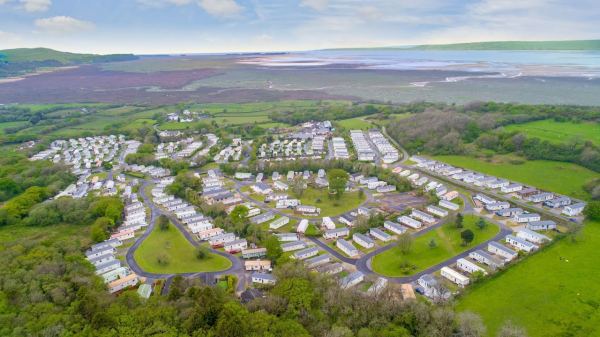
Llanrhidian Holiday Park
⭐ 4.6
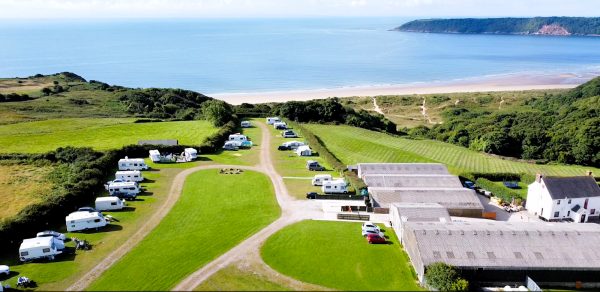
Nicholaston Farm Caravan and Camping
⭐ 4.8
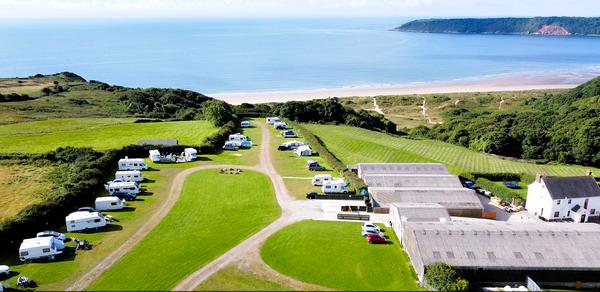
Nicholaston Farm Camping and Caravan Park
⭐ 4.8 · from £18/night
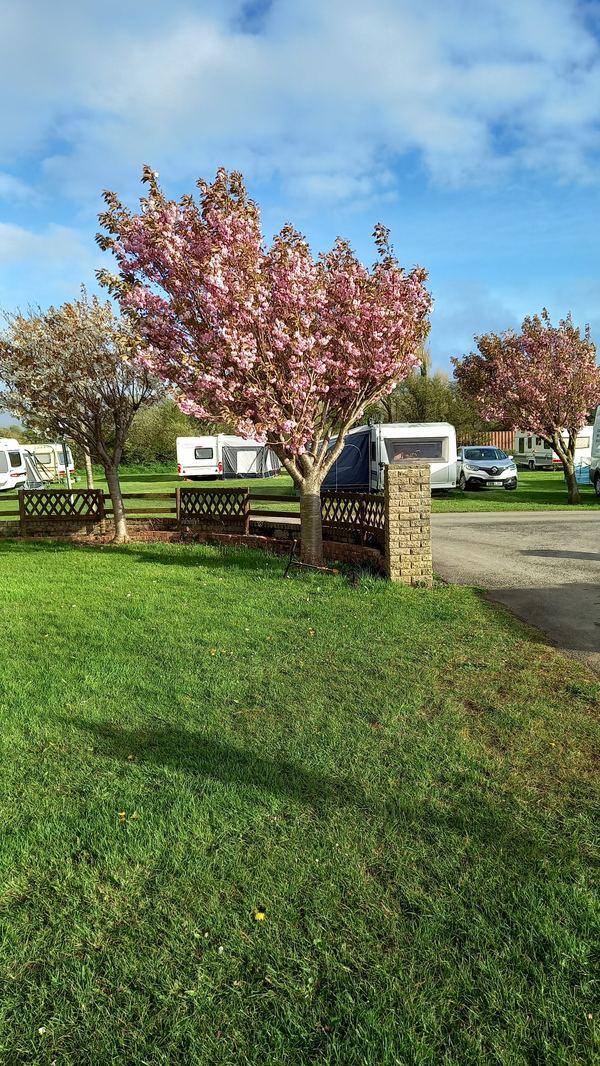
Gower Farm Touring and Camping Park
⭐ 4.3
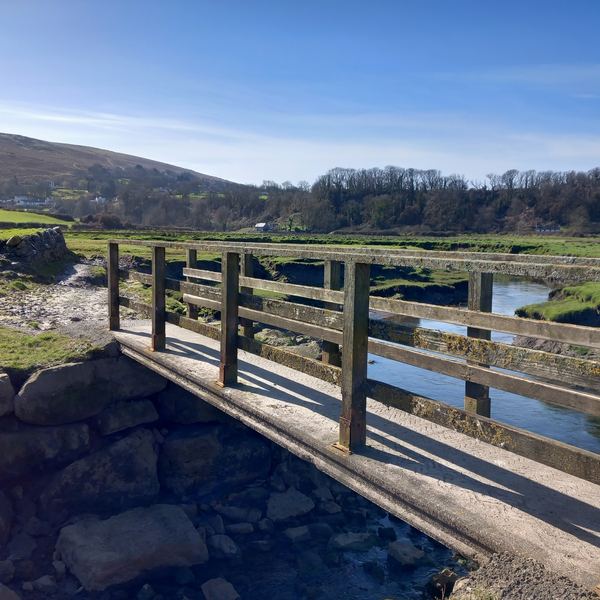
Oxwich Camping Park
⭐ 4.5
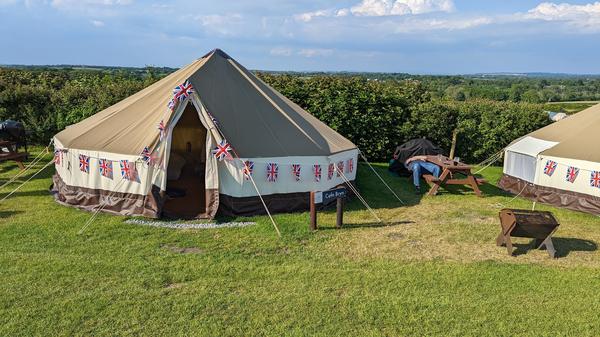
Three Cliffs Bay Caravan and Camping Site
⭐ 4.6 · from £30/night
Self-Catering Cottages in Gower Peninsula
All cottages in Gower Peninsula →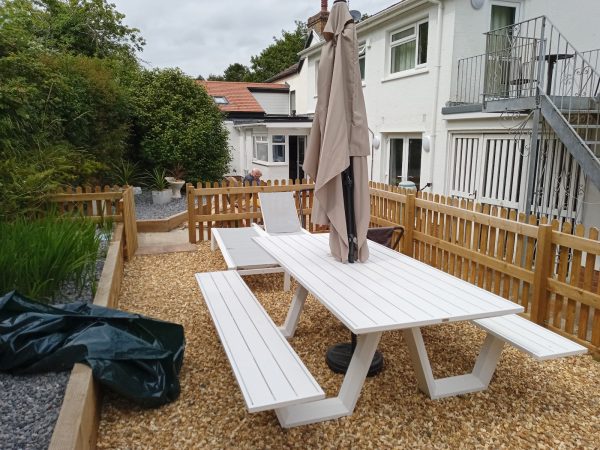
BrynView
3 bed · sleeps 6
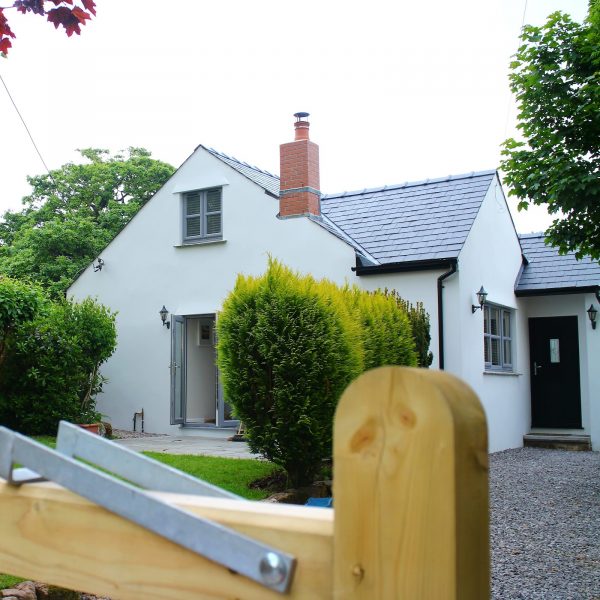
Windsmoor Cottage on Gower
3 bed · sleeps 6 · from £771
Jones’ Cottages
3 cottages
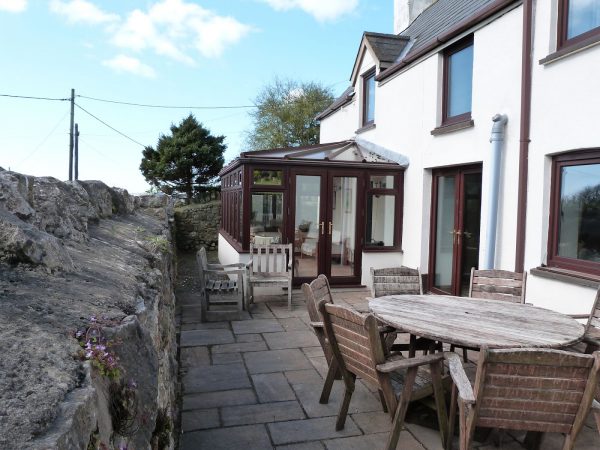
Horton Farm House
5 bed · sleeps 10 · from £837
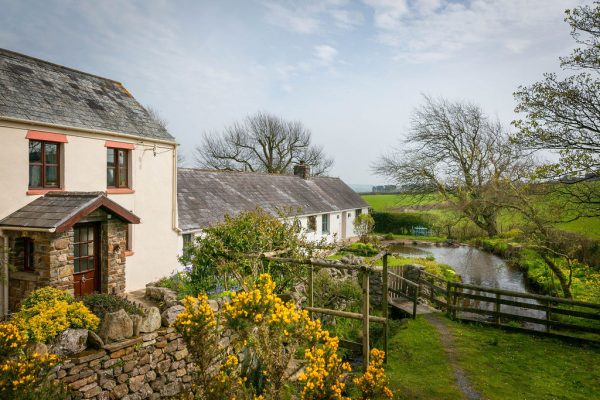
Tankey Lake Farm- Teal
1 bed · sleeps 2 · from £413
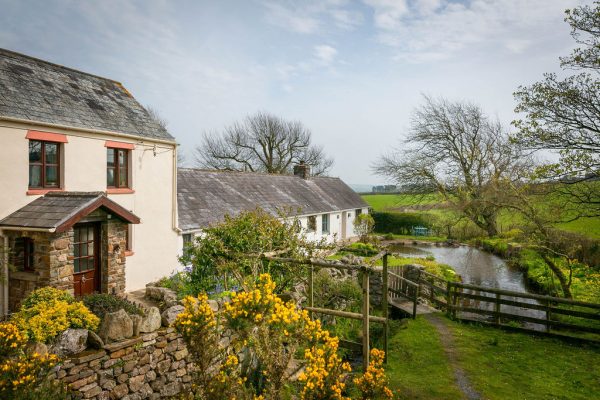
Tankey Lake Farm - Mallard
2 bed · sleeps 4 · from £487
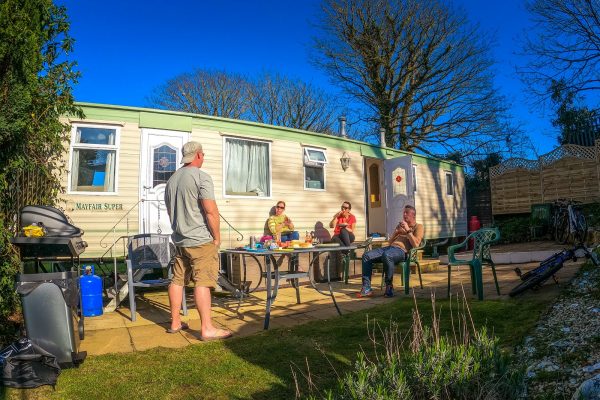
Bungalow Highfields
2 bed · sleeps 6 · from £777
Primrose Hill
3 bed · sleeps 6
Common questions about Gower Peninsula
Where can I stay in Gower Peninsula?
We list 9 hotels, B&Bs and guest houses in and around Gower Peninsula. Prices start from around £95 a night.