Isle of Arran
Scotland in miniature, one ferry crossing away
Photo © Google Maps contributors, Google Maps
Isle of Arran sits in the Firth of Clyde within sight of the Ayrshire coast, close enough for a straightforward morning ferry crossing yet different enough in character to feel like a proper departure. Geologists have long prized it for cramming the granite peaks of the Highlands and the softer farmland of the Lowlands onto one island barely 20 miles long, a contrast that gave rise to its old nickname, Scotland in miniature. The result is a place where a walker can be scrambling over exposed rock on Goatfell by mid-morning and sitting down to cullen skink in a harbourside pub by early evening.
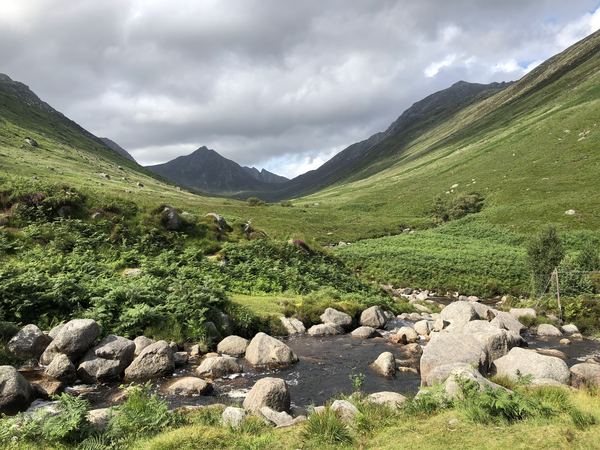
The island's population is concentrated in a handful of villages strung around the coast road, with Brodick as the main port and the closest thing Arran has to a town centre. Inland and to the north the land rises sharply into a ring of granite peaks that draw hillwalkers and geologists in equal measure, while the softer southern half of the island holds golf courses, farmland and a run of quiet sandy beaches. Wildlife is a genuine draw here too: red squirrels persist in the woods around Brodick and Lochranza, golden eagles hunt the high ground, and the coastal waters host basking sharks, dolphins and seals through the summer months.
What keeps people coming back is the pace. Arran has no motorways, no traffic lights and only one road of any real size, the A841 that loops the coastline. Visitors settle into a rhythm dictated by tides, ferry times and daylight, and the island rewards those who slow down to match it, whether that means a full day on Goatfell, an afternoon at a distillery, or simply watching the light change over Brodick Bay.
Getting to Isle of Arran
Arran is reached by CalMac ferry from Ardrossan on the Ayrshire coast to Brodick, a crossing of a little under an hour that runs several times a day year-round; a seasonal summer service also links Claonaig on the Kintyre peninsula to Lochranza in around 30 minutes, useful for anyone touring the west coast and Argyll.
By rail, ScotRail runs direct trains from Glasgow Central to Ardrossan Harbour in around 55 minutes, timed to connect with the ferry, so the journey works well as a single ticket from Glasgow to Brodick door to door in a little over two hours. From London, the most straightforward route is Avanti West Coast from Euston to Glasgow Central, a journey of around four and a half hours, before picking up the Ardrossan connection; overnight Caledonian Sleeper services from London to Glasgow are also an option for an early arrival.
Drivers reach Ardrossan via the A78 from Glasgow or the M74/A71 from the south, with long-stay parking available near the ferry terminal, though many visitors choose to leave the car on the mainland and get around Arran by the island's local bus network or by bike instead, since distances are short. The nearest airport is Glasgow Prestwick, roughly 30 minutes' drive from Ardrossan, with Glasgow International a little further but better served by long-haul and European routes.
Best time to visit Isle of Arran
Spring brings bluebells to the woodland around Brodick and Glen Rosa, lambing on the hill farms, and noticeably quieter roads and ferries than the summer peak, making April and May a good window for walkers keen on Goatfell without the crowds.
Summer is Arran at its busiest and best resourced, with long daylight hours ideal for the full Arran Coastal Way, boat trips to Holy Isle running regularly, and the best odds of spotting basking sharks and dolphins offshore; book accommodation and ferry crossings well ahead for July and August.
Autumn brings a red squirrel and birdlife spectacle in the woods, russet colour on the hillsides, and some of the calmest sea conditions of the year for coastal walking, alongside noticeably lower prices once the school holidays end.
Winter is quiet and often wet or windy, with some seasonal attractions closed, but it suits visitors after log fires, whisky tastings without a queue, and dramatic weather over Goatfell watched from a warm pub window; ferries can occasionally be disrupted by high winds, so it pays to check sailings before travelling.
Where to stay in Isle of Arran(8)
All hotels in Isle of Arran →About staying in Isle of Arran
Where to base yourself on Arran usually comes down to whether you have a car and what you want the island to revolve around. Brodick, as the ferry port, is the easiest option for visitors arriving on foot, putting shops, a golf course and the castle grounds within walking distance and leaving the island's bus network on your doorstep for day trips further afield. It also has the widest spread of accommodation, from a large employee-owned resort with pools and spa facilities to boutique hotels a few minutes from the pier and long-established guest houses on quiet side streets.
Further round the coast, Lamlash offers a calmer alternative with sea views towards Holy Isle and a strong choice of places to eat, while Lochranza in the north suits anyone building a trip around the distillery, the castle ruins and the red deer that graze the golf course each evening. The west and south coasts, around Blackwaterfoot and Kilmory, are quieter again and better suited to golfers, families after a beach base, and visitors touring by car who don't need to be near the ferry. Wherever you choose, distances on Arran are short enough that no location puts the rest of the island far out of reach, so it is worth picking a base on character and view rather than worrying too much about central position.
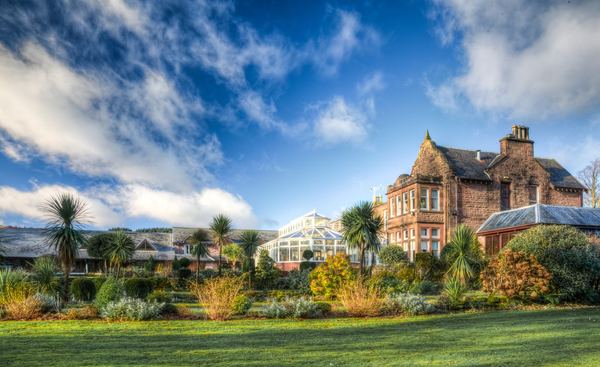 8.9
8.9
Auchrannie Resort
Auchrannie Road, Brodick
from £160/night
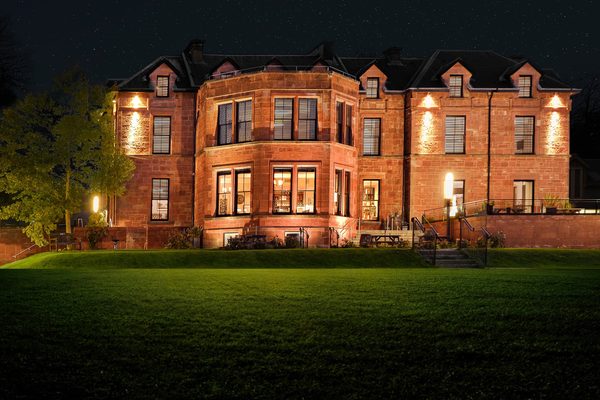 8.8
8.8
The Douglas Hotel
Shore Road, Brodick, opposite the ferry terminal
from £155/night
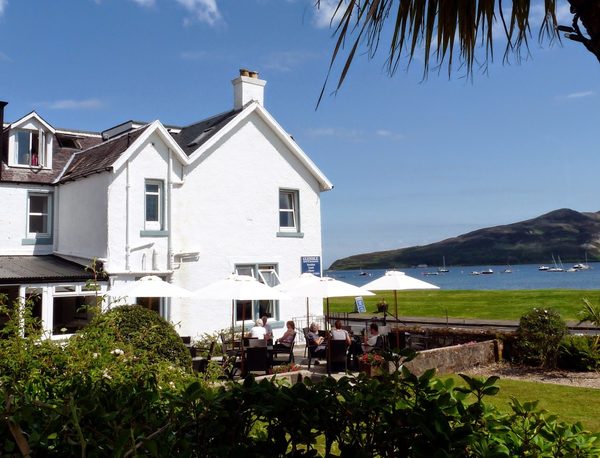 9.0
9.0
Glenisle Hotel
Shore Road, Lamlash
from £150/night
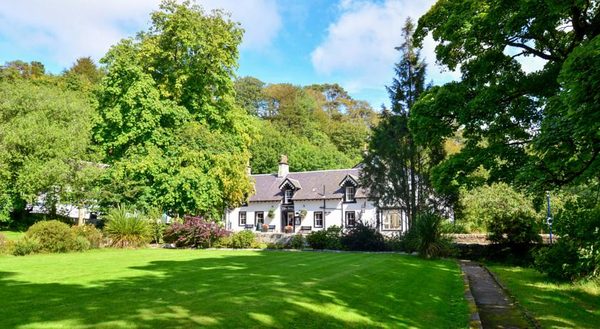 8.2
8.2
The Lagg Hotel
Kilmory, south Arran
from £110/night
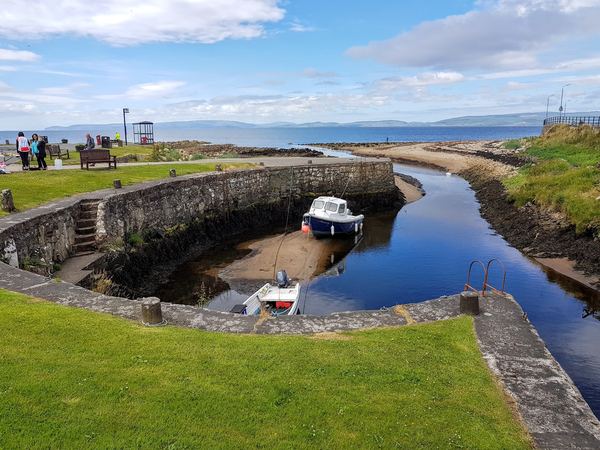 8.0
8.0
Kinloch Hotel
Blackwaterfoot, west coast
from £120/night
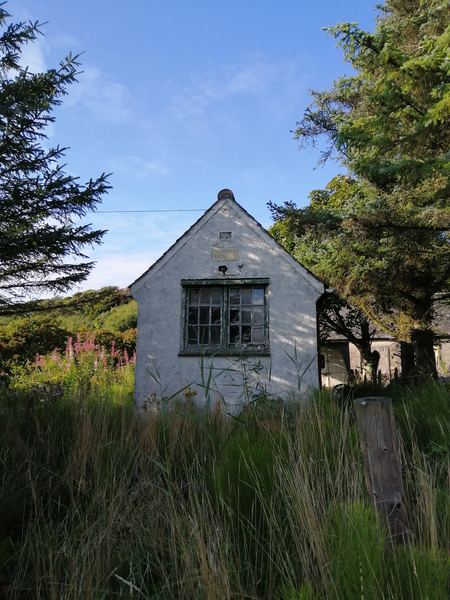 7.9
7.9
The Kildonan Hotel
Kildonan, south coast, on the seafront
from £105/night
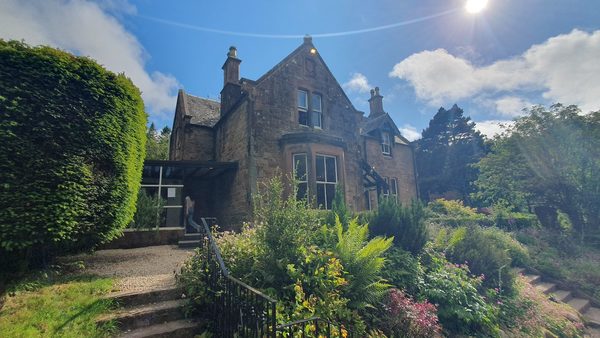 8.1
8.1
Ormidale Hotel
Brodick, 15-minute walk from the ferry terminal
from £90/night
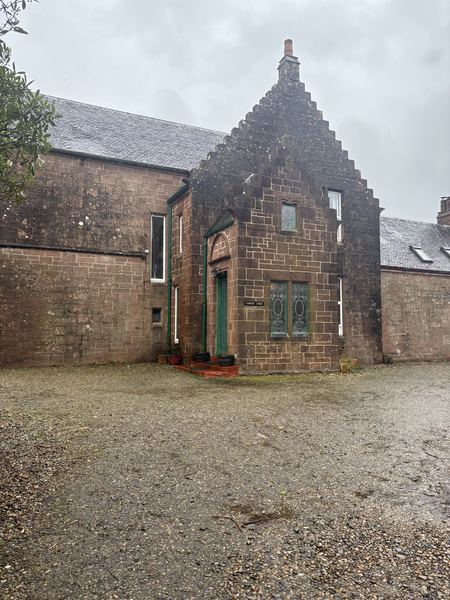 9.2
9.2
Rosaburn Lodge Guest House
Brodick, beside the Rosaburn river
from £95/night
Things to Do in Isle of Arran
All attractions in Isle of Arran →Top things to do in Isle of Arran
Arran packs a surprising range of things to do into a small area, from castles and distilleries to some of the best hillwalking in the Firth of Clyde.
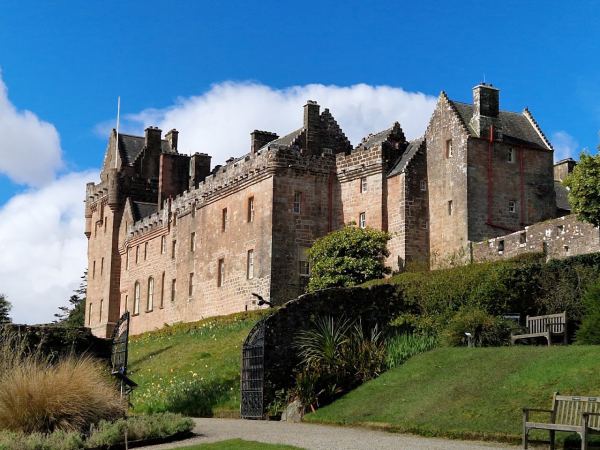
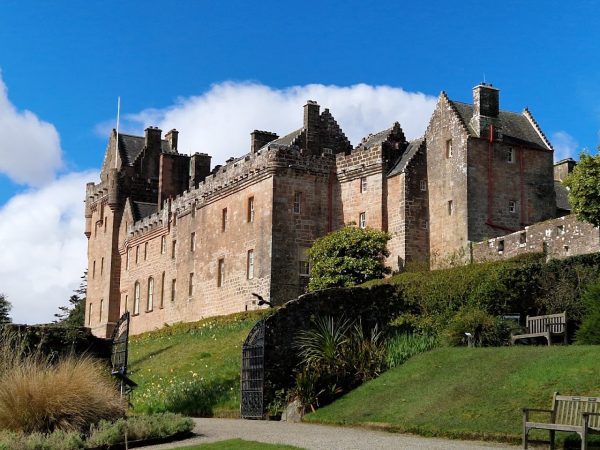
- Brodick Castle and Country Park is the island's grandest building, a red sandstone pile set in gardens and woodland above Brodick Bay, cared for by the National Trust for Scotland and well worth a couple of hours even for visitors who usually skip historic houses.
- Goatfell is Arran's highest peak at 874 metres, a demanding but non-technical walk from Brodick or Corrie that rewards a clear day with views stretching to the Ayrshire coast, Ben Lomond and, on the best days, Ireland.
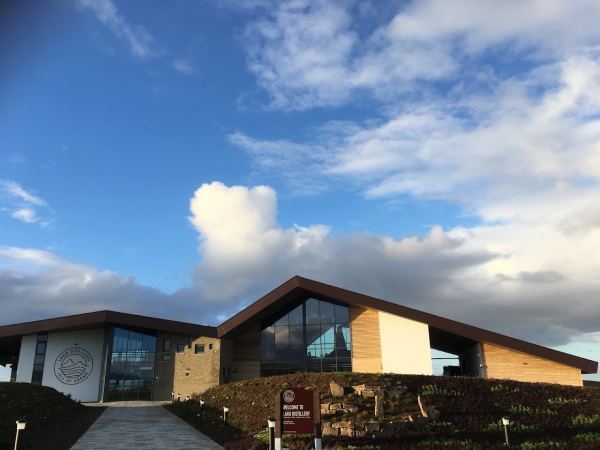
- Isle of Arran Distillery at Lochranza was the island's first legal distillery in almost 160 years when it opened in the 1990s, and its tours and tastings sit beside the ruined castle at the head of the loch.
- Lagg Distillery in the south of the island is the newer, sister operation producing a heavily peated single malt, with its own visitor centre and café at Kilmory.
- Machrie Moor Standing Stones is a Bronze Age site on the west coast where several stone circles survive in open moorland, reached by an easy walk across farmland.
- The Arran Coastal Way circles the entire island at sea level, and walkers can pick off any stretch of it for an afternoon without committing to the full 65-mile route.
- Kildonan and Blackwaterfoot beaches give the island its sandy shoreline, with Kildonan in particular known for seal sightings on the rocks just offshore and views to Pladda lighthouse and Ailsa Craig.
- Whiting Bay and Holy Isle pair a pleasant beach village with boat trips across to Holy Isle, home to a Buddhist retreat centre and free-roaming Eriskay ponies and Soay sheep.
Where to Eat in Isle of Arran(9)
All restaurants in Isle of Arran →Food and drink in Isle of Arran
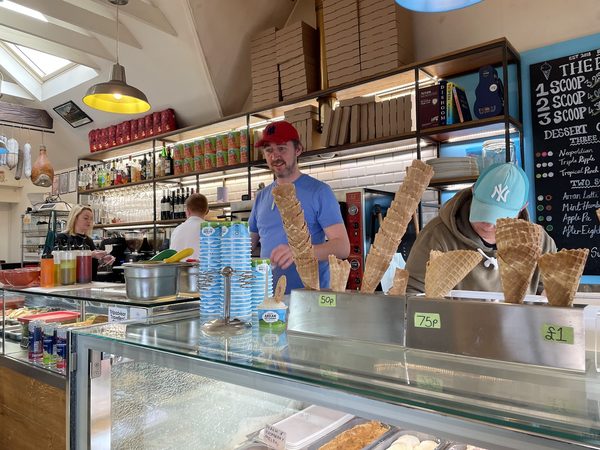
Arran has built a food and drink reputation well beyond its size, anchored by two working distilleries, Isle of Arran at Lochranza and Lagg at Kilmory, both offering tours and tastings alongside their visitor cafés. The island also has a long-standing cheese-making tradition at the Island Cheese Company near Brodick, whose cheddars flavoured with whisky, garlic and herbs turn up on menus across Scotland, and a smokehouse producing smoked salmon and kippers using traditional methods.
Seafood is the obvious specialism given the surrounding waters, with local langoustines, scallops and crab appearing on menus from harbourside pubs to hotel restaurants, and the Kildonan Hotel in particular known locally for its fish and chips. Brodick's shops and the island's farmers' markets sell Arran oatcakes, preserves and honey, while Wooley's of Arran bakes shortbread and biscuits on the island that have become one of its best-known exports.
For a casual meal, harbour villages such as Lamlash and Whiting Bay have a good spread of cafés and pubs serving locally landed seafood and Arran beef, while Brodick's bars and hotel restaurants offer the widest evening choice for visitors staying near the ferry.
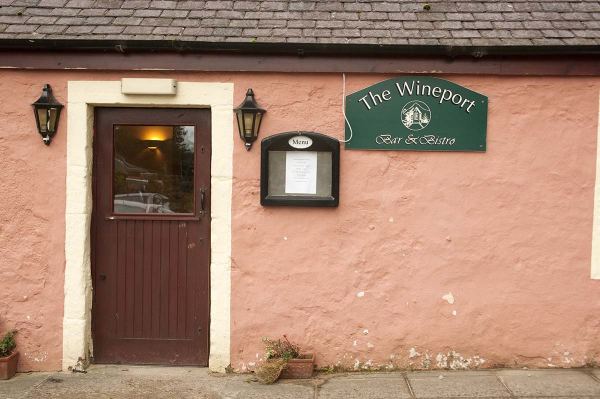
Attractions Near Isle of Arran
All attractions in Isle of Arran →Worth the trip — within 50 miles of Isle of Arran.
 3 mi
3 mi
Brodick Castle and Country Park
Brodick · ⭐ 4.6
 11 mi
11 mi
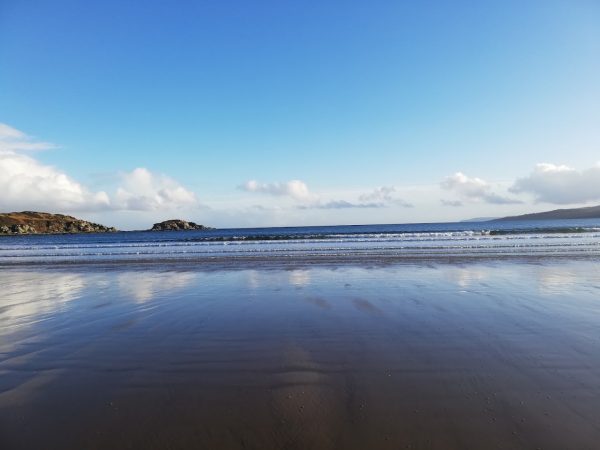
Carradale Beach
Campbeltown · ⭐ 4.7
 15 mi
15 mi
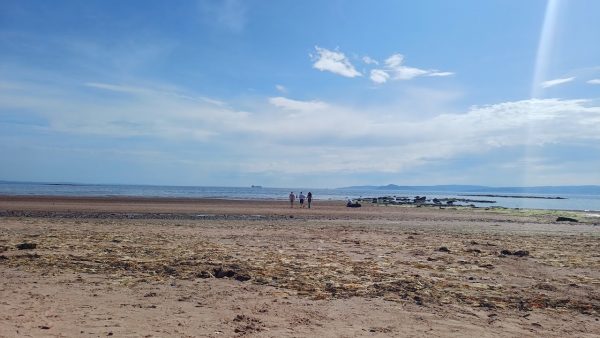
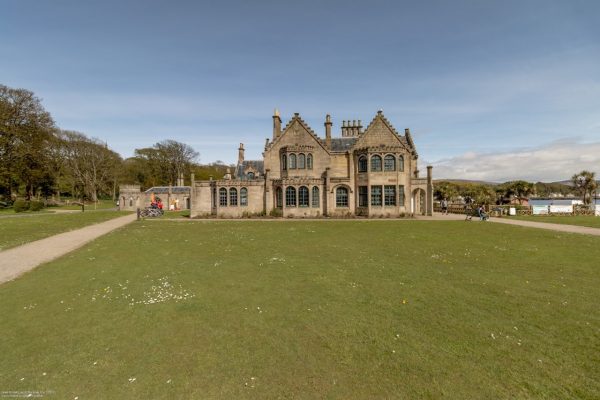
Seamill Beach
West Kilbride · ⭐ 5.0
 16 mi
16 mi
Garrison Funfair Millport
Millport · ⭐ 4.6
 16 mi
16 mi
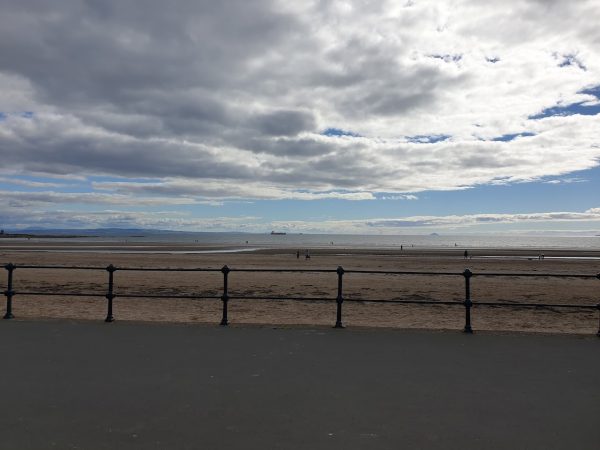
Ardrossan Beach
Ardrossan · ⭐ 4.6
 17 mi
17 mi
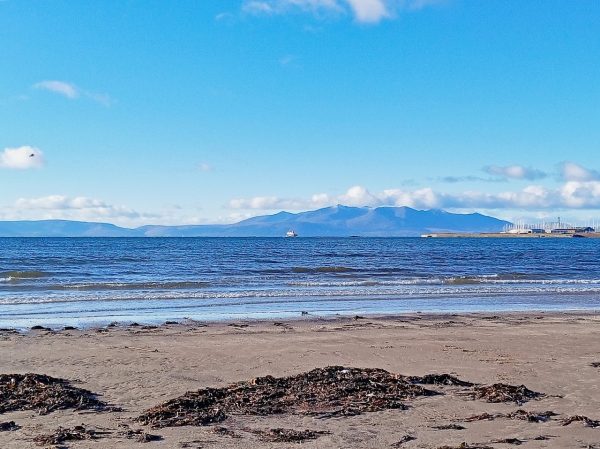
Saltcoats Beach
Saltcoats · ⭐ 4.5
 18 mi
18 mi
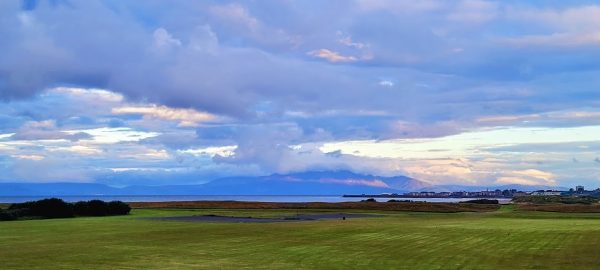
Stevenston Beach
Stevenston · ⭐ 4.6
Ettrick Bay
Rothesay · ⭐ 4.9
Camping in Isle of Arran(9)
All campsites in Isle of Arran →About camping in Isle of Arran
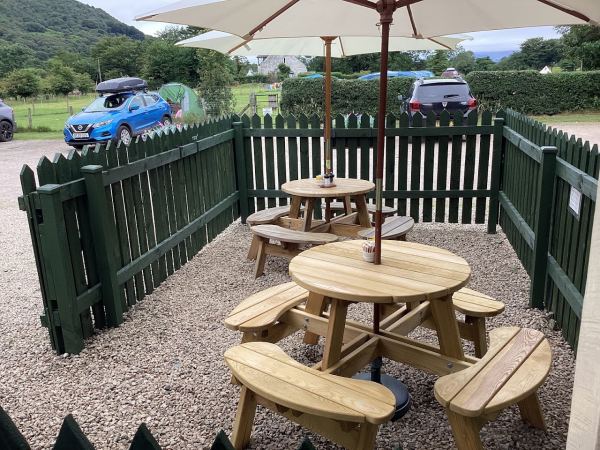
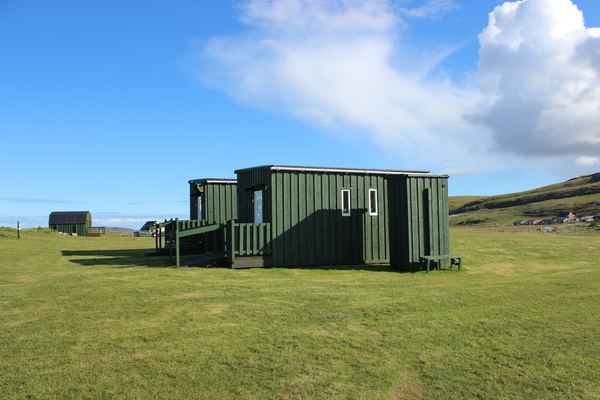
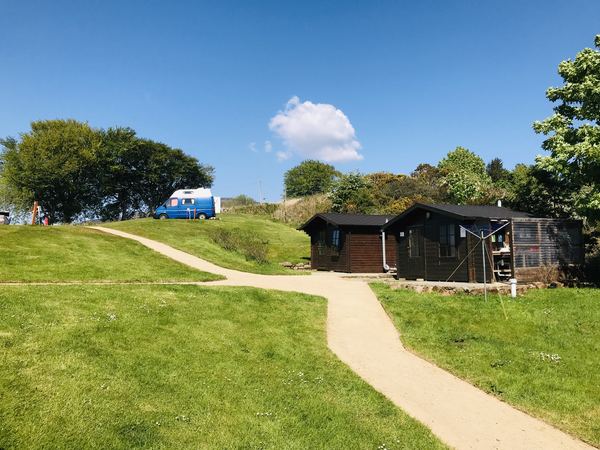
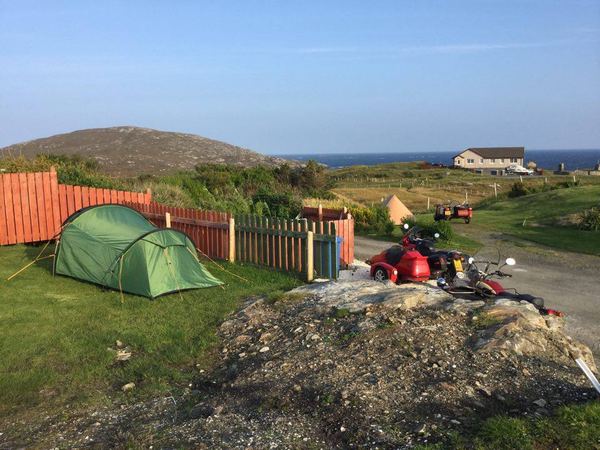
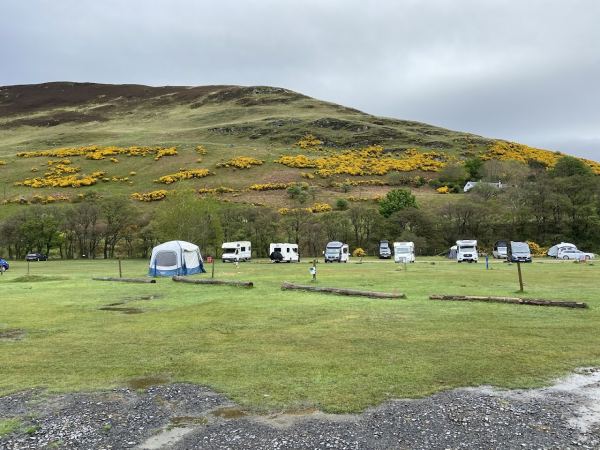
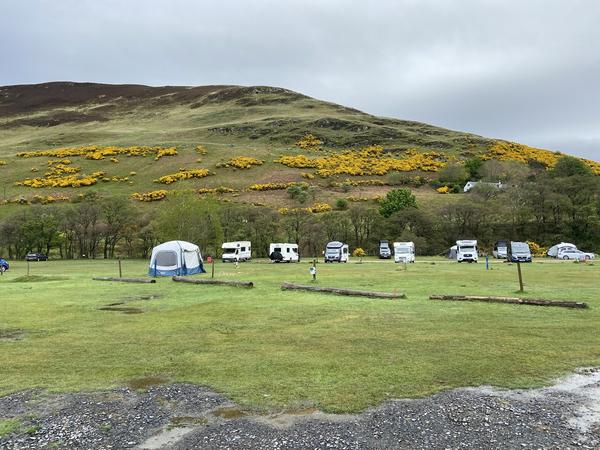
Arran's terrain makes for varied camping, from level, sheltered pitches close to sandy beaches in the south to more exposed sites in the shadow of the northern hills. Ground tends to be well drained but can turn soft after heavy rain, and the island's Atlantic-facing coast means wind off the sea is a bigger factor for tent campers than in more sheltered inland spots, so a sturdy tent and secure pegging matter more here than on a typical Lowland site. Scotland's right to roam extends to wild camping on open hill and moorland, and it is legally permitted across most of Arran away from the small exclusion zone around Lochranza and Brodick introduced to manage popular spots such as Glen Rosa, provided campers follow the Scottish Outdoor Access Code on group size, fires and waste.
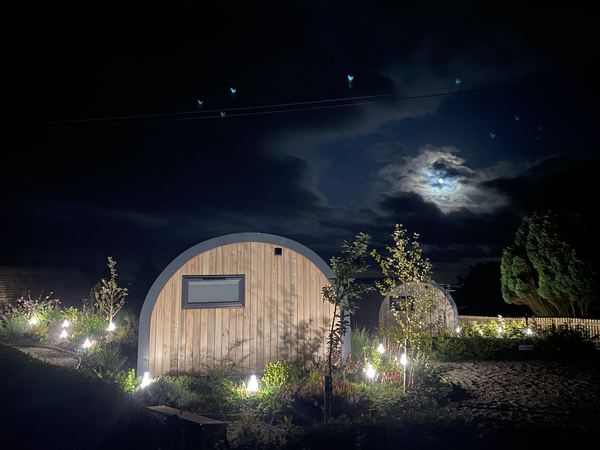
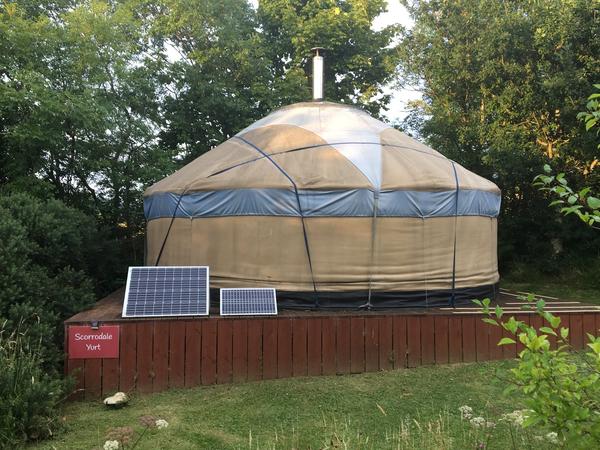
For those after a proper pitch rather than a wild one, the island has a small number of established sites offering electric hook-up, showers and, in some cases, glamping alternatives for anyone put off by the forecast. May, June and September tend to bring the most settled weather and the best combination of long daylight and manageable midge numbers, while July and August are busiest and warmest but also the peak season for midges in still, humid conditions inland. Winter camping on Arran is possible but limited, since several sites close over the off-season and the exposed northern half of the island can see genuinely severe weather rolling in off the Firth of Clyde.
Self-Catering Cottages in Isle of Arran
All cottages in Isle of Arran →Old Steading
3 bed · sleeps 6 · from £493
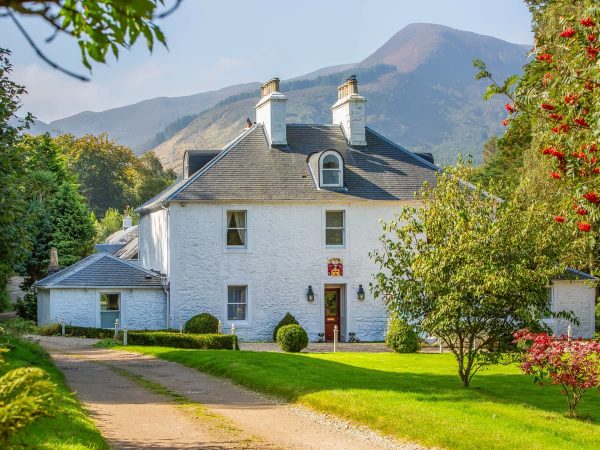
Kilmichael House
6 bed · sleeps 10 · from £2,042
Cloy Lodge
4 bed · sleeps 8 · from £1,152
Glen Rosa Lodge
4 bed · sleeps 8 · from £867
Heathfield Cottage
2 bed · sleeps 4 · from £473
Heathfield House
5 bed · sleeps 10 · from £1,057
Bay View
4 bed · sleeps 8 · from £867
An Cala
5 bed · sleeps 8 · from £1,356
Common questions about Isle of Arran
How many campsites are there in Isle of Arran?
We list 9 campsites in and around Isle of Arran, of which 9 take tents and 4 offer glamping.
Are there dog-friendly campsites in Isle of Arran?
Yes — 5 of the 9 campsites we list in Isle of Arran accept dogs, including Raven's Gully and Barra Sands Campsite.
Which campsites in Isle of Arran have electric hook-up?
4 of the 9 campsites we list in Isle of Arran offer an electric hook-up.
Where can I stay in Isle of Arran?
We list 8 hotels, B&Bs and guest houses in and around Isle of Arran. Prices start from around £90 a night.
Where can I eat in Isle of Arran?
We list 9 restaurants, pubs and cafes in and around Isle of Arran.