Isle of Wight
Chalk cliffs, sailing towns and a short hop from the coast
Photo © JoJo Sims, Google Maps
The Isle of Wight sits in the English Channel a few miles off the Hampshire coast, separated from the mainland by the Solent. It measures roughly 23 miles across and 13 miles top to bottom, which sounds small until you try to drive it on an August afternoon behind a caravan. The island is diamond-shaped, ringed by around 70 miles of coastal path, and split down the middle by a chalk ridge that runs from Culver Cliff in the east to the Needles in the west.
That ridge is the reason the island feels like several places at once. North of it you get creeks, woodland and the yachting towns of Cowes and Yarmouth, where the water is sheltered and the sailing culture runs deep. South of it the land tips towards the Channel and the weather changes character: Ventnor and the Undercliff sit in a natural sun-trap warm enough for palms and subtropical planting, while the west coast around Compton and Brook takes the full weight of Atlantic swell and draws surfers, kite-flyers and fossil hunters in equal measure.
More than half the island is designated a National Landscape, and it holds UNESCO Biosphere Reserve status. Red squirrels survive here because grey squirrels never made the crossing. Dinosaur bones wash out of the southwest cliffs with enough regularity that the island is often called one of the richest dinosaur sites in Europe. Alongside all that is an unapologetically traditional seaside side to the place, with Victorian piers, thatched cottages, donkey-era amusement parks and beach huts. The two versions sit next to each other without much friction.
Getting to Isle of Wight
There is no bridge or tunnel, so every journey involves a ferry. Three operators run between them, and which one you use depends mainly on where you are coming from and whether you are bringing a car.
From London, the fastest route is by rail from London Waterloo to Portsmouth Harbour, a journey of around one hour forty-five minutes to two hours. The station sits directly beside the Wightlink FastCat terminal, and the catamaran crosses to Ryde Pier Head in about 22 minutes. From Ryde you can pick up the Island Line train south to Brading, Sandown and Shanklin, or the bus network to almost everywhere else. Hovertravel also runs from Southsea to Ryde in around ten minutes, the only commercial passenger hovercraft service left in the world.
If you are driving, Wightlink's Portsmouth to Fishbourne car ferry takes about 45 minutes and lands you close to Ryde and Newport. Red Funnel runs Southampton to East Cowes in around an hour, which suits arrivals from the Midlands and the north via the M3. The shortest vehicle crossing is Wightlink's Lymington to Yarmouth route, roughly 30 to 40 minutes across the western Solent, and the natural choice if you are coming through the New Forest or heading for West Wight.
Book vehicle crossings well in advance for summer weekends and for festival periods, when fares climb steeply and sailings sell out. Plenty of visitors leave the car on the mainland instead: the island's bus network is genuinely useful, and foot-passenger fares are a fraction of the car price. Parking in Cowes, Ventnor and Yarmouth is tight in high season, so a car is more of a liability than an asset in the town centres. Southampton Airport is the nearest airport, around 20 minutes by road from the Red Funnel terminal.
Best time to visit Isle of Wight
Spring is arguably the island at its best. April and May bring bluebell woods, cliff-top gorse in flower, and coastal paths that are dry underfoot but not yet busy. Ferry fares are lower than in summer, and the southern coast around Ventnor warms early thanks to the shelter of the Undercliff.
Summer is the island's loud season. School holidays, Cowes Week sailing in early August and the Isle of Wight Festival in June all push accommodation prices up and fill the ferries. Beaches at Sandown, Shanklin and Ryde get properly busy, though the west coast and the inland downs stay comparatively quiet. If you want the classic bucket-and-spade version of the island, this is when to come — just book everything early.
Autumn suits walkers. September often holds warm sea temperatures and settled weather with far fewer people about, and October gives you the coastal path in decent light with woodland colour inland. Many attractions run reduced hours from late October, so check before travelling.
Winter is quiet and cheap, with a good number of hotels and restaurants closing or trimming their opening days. What remains is bracing: storm-watching at the Needles, empty beaches at Compton, and pub fires in Yarmouth and Brighstone. Ferry services keep running year-round, though rough weather can disrupt the hovercraft and the fast catamarans more than the car ferries.
Where to go
Popular destinations in Isle of Wight
About Isle of Wight’s towns and villages
Cowes and East Cowes face each other across the Medina estuary, their sailing heritage still evident in the crowded marinas, while Ryde offers a lively seafront with its long pier and sandy beach. Yarmouth, on the western side, keeps a quieter harbour feel, close to Freshwater with its coastal walks towards the cliffs, and Brighstone and Chale further along the south-west coast suit those wanting village life away from the crowds.
Sandown and Shanklin form the island's classic seaside resorts, with sweeping beaches and traditional entertainment, while Ventnor's terraced streets climb a dramatic hillside above a more secluded bay. Inland, Brading offers a glimpse of older island history, and Bembridge combines a working harbour with a relaxed coastal pace, rounding out a mix of towns suited to both busy family holidays and calmer retreats.
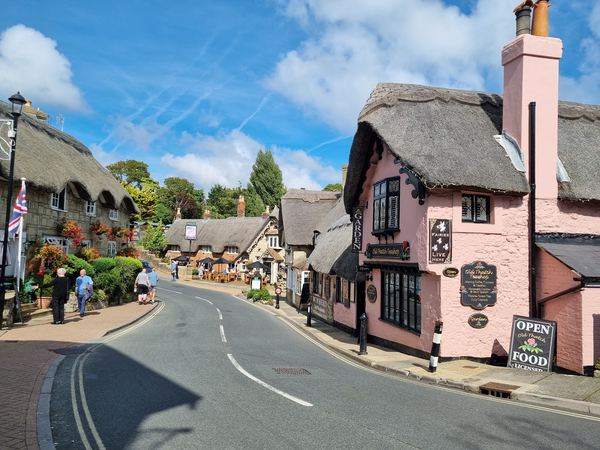
Shanklin
43 stays · 4 things to do
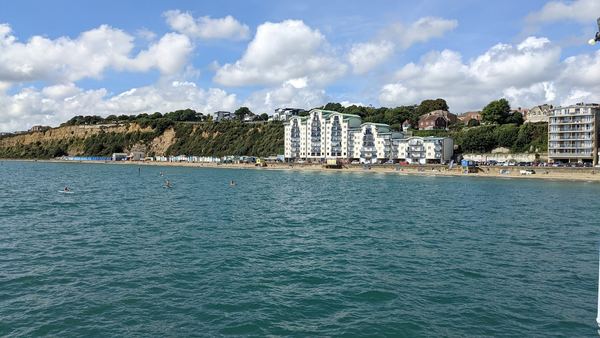
Sandown
27 stays · 3 things to do
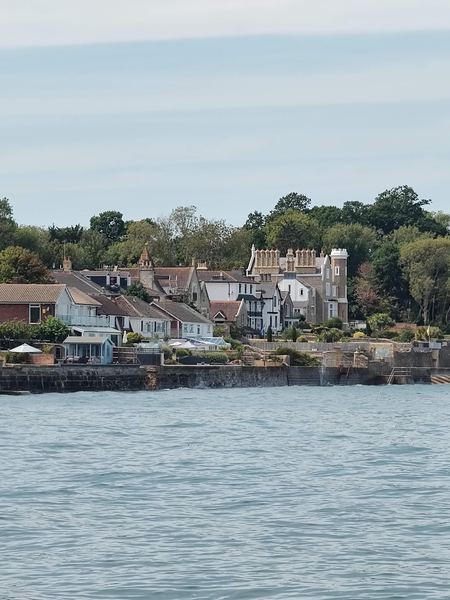
Ryde
15 stays · 9 things to do
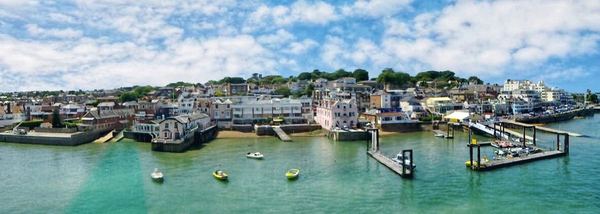
Cowes
15 stays · 2 things to do
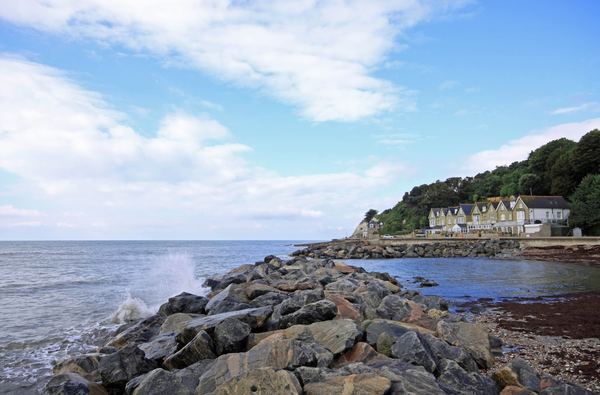
Ventnor
11 stays · 5 things to do
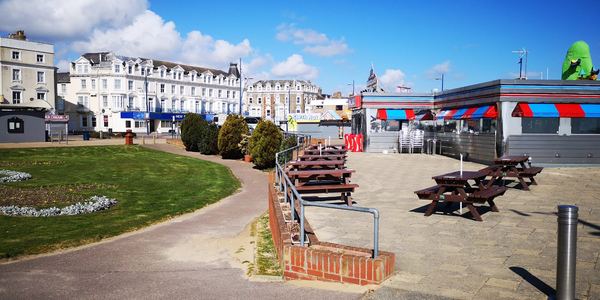
Yarmouth
3 stays · 6 things to do
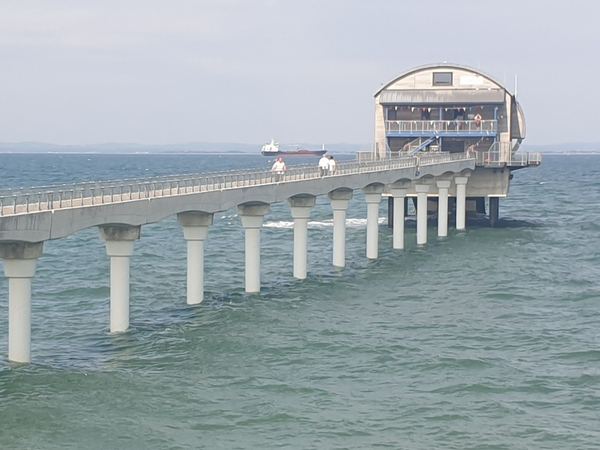
Bembridge
5 stays · 3 things to do
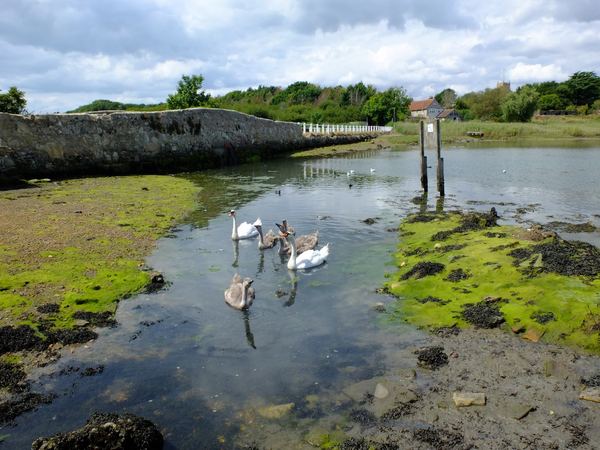
Freshwater
6 stays · 1 things to do
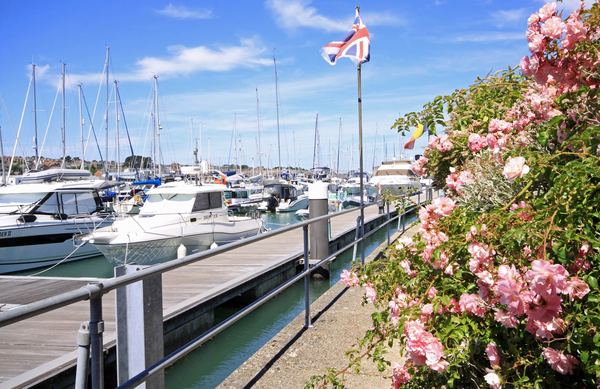
East Cowes
2 stays · 2 things to do
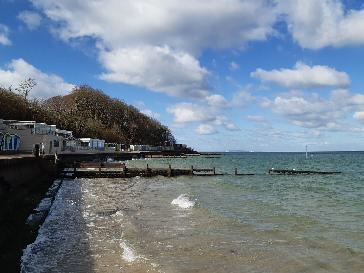
Totland
4 stays
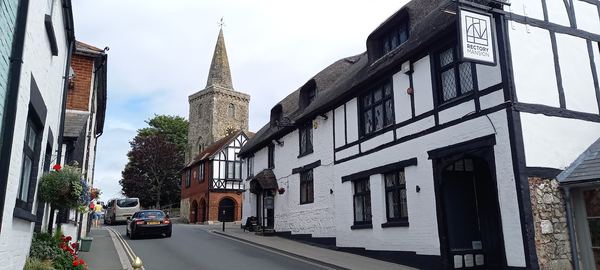
Brading
1 stays · 2 things to do
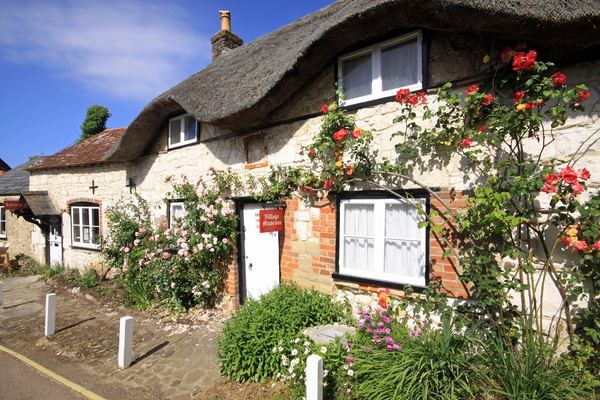
Brighstone
1 stays · 2 things to do
Where to stay in the Isle of Wight(164)
All hotels in Isle of Wight →About staying in the Isle of Wight
The Isle of Wight has long catered to seaside holidaymakers, and its hotels and B&Bs reflect that heritage, from grand Victorian guest houses to small family-run rooms just streets from the beach. Ryde and Shanklin hold the biggest concentrations, with Shanklin's clifftop setting drawing places like Haven Hall Hotel and Foxhills of Shanklin, while Ryde's town and seafront mix offers options such as St Georges House and The Miclaran.
Beyond these two towns, smaller guest houses and B&Bs are scattered across the island, useful for those basing themselves near a particular walk, beach or attraction rather than a main resort. The Birkdale Guest House, Martlets B&B, Osborne Lodge and Ivy Hall give a sense of the range, mostly modest in size and often close to the coast. Choosing between them usually comes down to whether you want to be within walking distance of a promenade and amenities, or prefer a quieter spot inland or in a smaller village.
 9.6
9.6
Ventnor Bay House
Clifftop above Ventnor Haven
from £150/night
 9.4
9.4
Foxhills of Shanklin
Victoria Avenue, Shanklin
from £110/night

Calverts Hotel
Quay Street, Newport

Castle Lodge Guest House
54 Castle Road, Newport

Abingdon Lodge Hotel
20 West Street, Ryde

Dorset Hotel
31 Dover Street, Ryde

Ryde Castle Hotel by Greene King Inns
The Esplanade, Ryde

Houseboat Harbourside View
Embankment Rd, Bembridge
Things to Do in the Isle of Wight(48)
All attractions in Isle of Wight →About things to do in the Isle of Wight
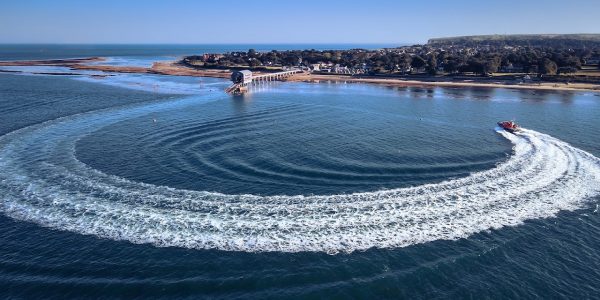
The Isle of Wight packs a wide range of days out into a small space, from coastal heritage sites to activity centres built around the island's cliffs, farmland and water. Bembridge alone offers a good example of that mix, with its Lifeboat Station and Heritage Centre sitting close to family farm attractions like Tapnell Farm further west.
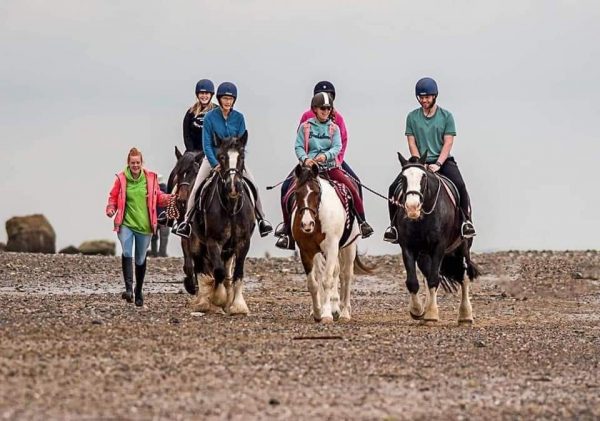
Outdoor pursuits are well represented too, with Goodleaf Tree Climbing, the Butterfly Paragliding School and Wight Karting appealing to visitors after something more active, while Sallys Riding School and the Donkey Sanctuary suit those travelling with children or animal lovers of any age. Smaller museums, such as Brighstone Village Museum, add a quieter, local angle.
Given the spread across Cowes, Ryde, Ventnor, Yarmouth and beyond, it is worth grouping choices by area to cut down on travel, since the island's roads are rarely fast even over short distances. Coastal towns tend to combine attractions with beaches and harbours, making it easy to build a full day around one base.


Where to Eat in the Isle of Wight(405)
All restaurants in Isle of Wight →About eating out in the Isle of Wight
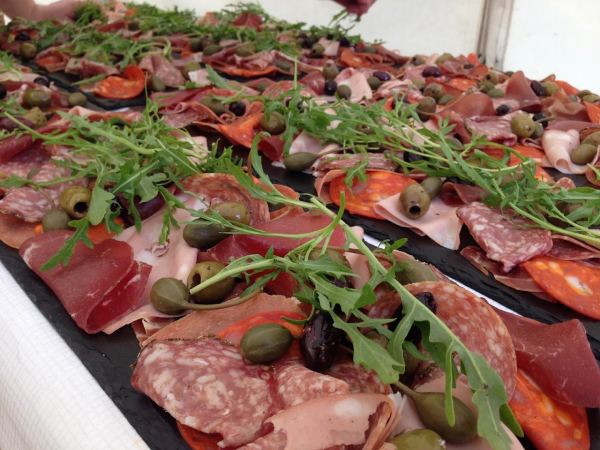
The Isle of Wight's eating and drinking scene runs from beach cafés and old-fashioned tearooms to tandoori houses and Thai kitchens, with plenty of pubs that have been serving the same seafront or village green for generations. Sandown has a good spread of casual spots for after-beach food, while smaller places around Northwood and the wider island tend towards local pubs and cafés with a slower pace.
What suits you often depends on where you're staying and whether you want a proper sit-down meal or something quick between attractions. Places like Tradewinds Beach Cafe or Safe Harbour Cafe work well for a coastal lunch, while Cardinals, Bahar Tandoori or Khao Yai Thai Restaurant offer a change of pace in the evening. Country pubs and tearooms such as The Old World Tearooms or Freshwater Bay House suit a longer, unhurried stop, and it's worth booking ahead in summer when island towns get busy.


Attractions Near the Isle of Wight
All attractions in Isle of Wight →Worth the trip — within 50 miles of Isle of Wight.
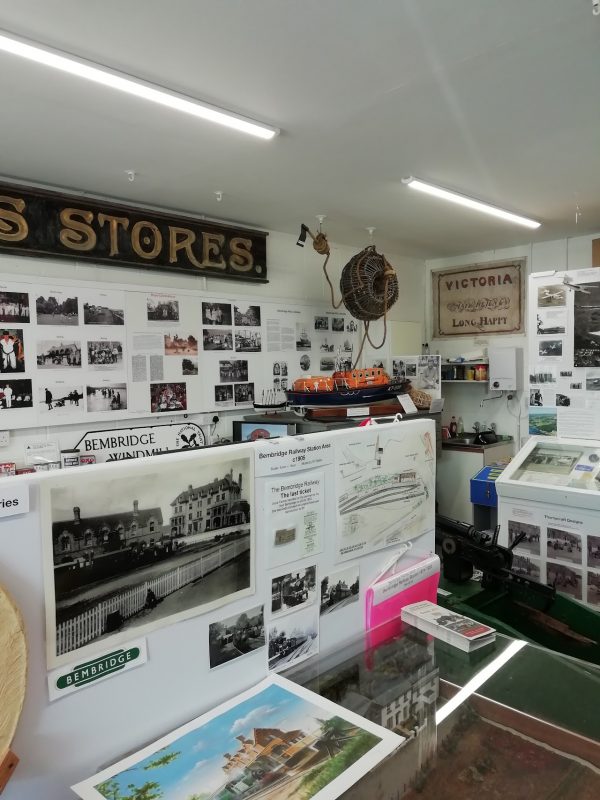
Bembridge Heritage Centre
Bembridge · ⭐ 4.7
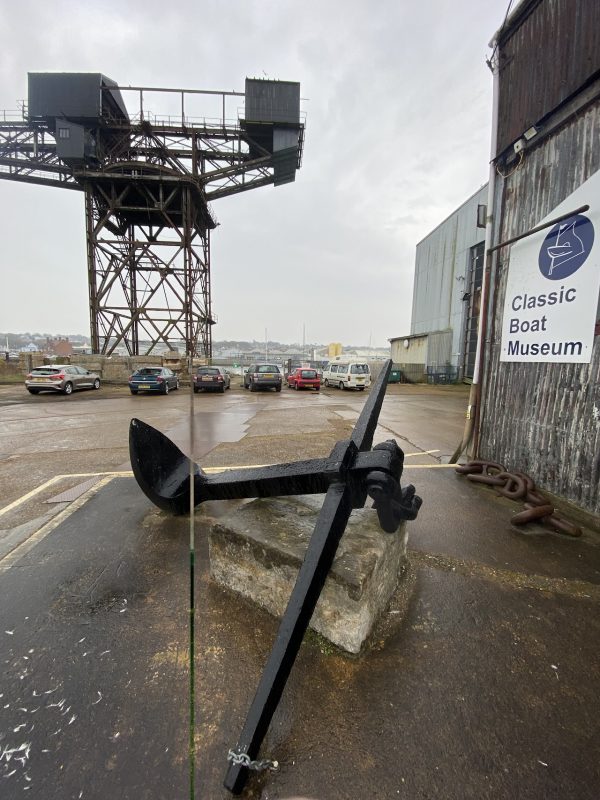
Classic Boat Museum Cowes
East Cowes · ⭐ 4.7
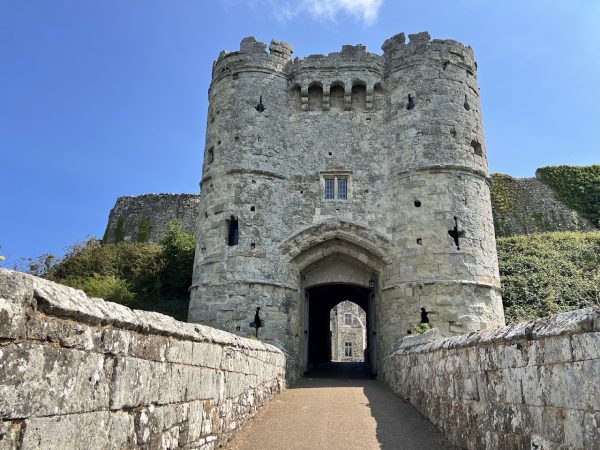
Carisbrooke Castle
Isle of Wight · ⭐ 4.6
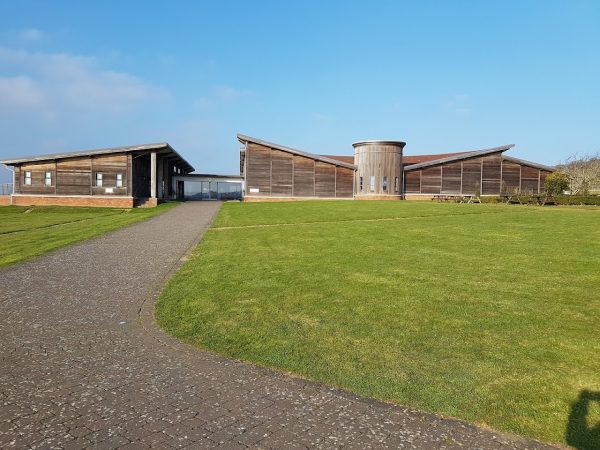
Brading Roman Villa
Brading · ⭐ 4.6
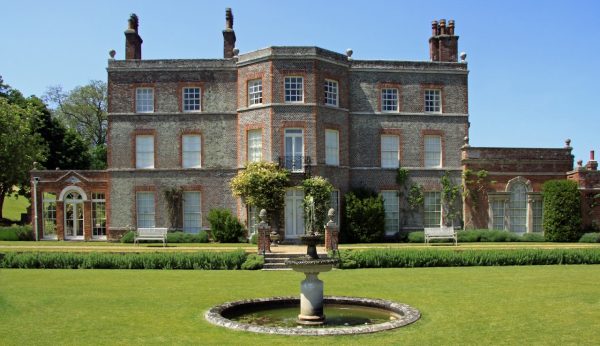
Nunwell House and Gardens
Brading · ⭐ 4.6
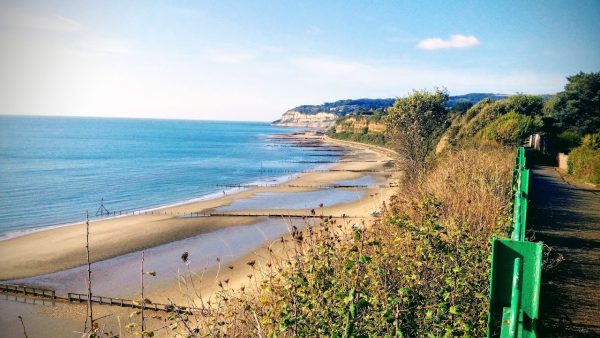
Shanklin Beach
Isle of Wight · ⭐ 4.5
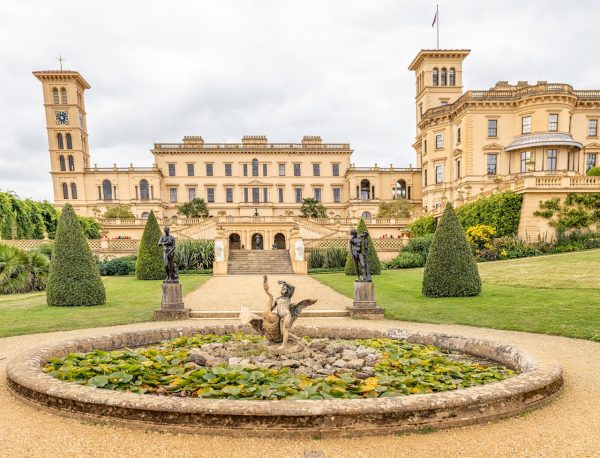
Osborne House
East Cowes · ⭐ 4.5

Shanklin Seafront Complex
Shanklin · ⭐ 4.5
Camping in the Isle of Wight(61)
All campsites in Isle of Wight →About camping in the Isle of Wight
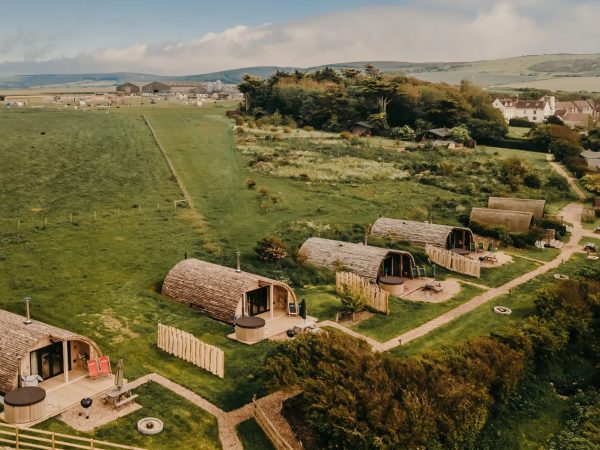
The Isle of Wight has been a caravanning and camping favourite for generations, and its 62 sites here range from simple farm pitches to well-equipped glamping stays. Places like Kingates Farm, Pigsty Farm and Sibbecks Farm keep things rural and low-key, while newer arrivals such as The Ark Park and Camp Corve lean towards yurts, shepherd's huts and pre-erected tents for those who'd rather not put up a tent themselves.
Location matters more than most people expect on an island this size. Coastal spots put you within easy reach of beaches and the ferry ports, while inland farms around the Downs, such as Springfield Oaks or Kingston Smallholding Goat Farm Campsite, offer quieter surroundings and often some contact with animals or a working smallholding. Windmill Campersite suits those touring by camper van rather than settling for a week.
Families tend to gravitate towards sites with space to roam and a bit of activity nearby, while couples after something different might prefer Glamping at Island Riding Centre or Rusty Meadow for their more individual settings. Given the spread across the island, it's worth thinking about which coast or town you want as a base before booking.

Glamping at Island Riding Centre
⭐ 5.0 · from £660/night

Pigsty Farm
⭐ 5.0 · from £18/night
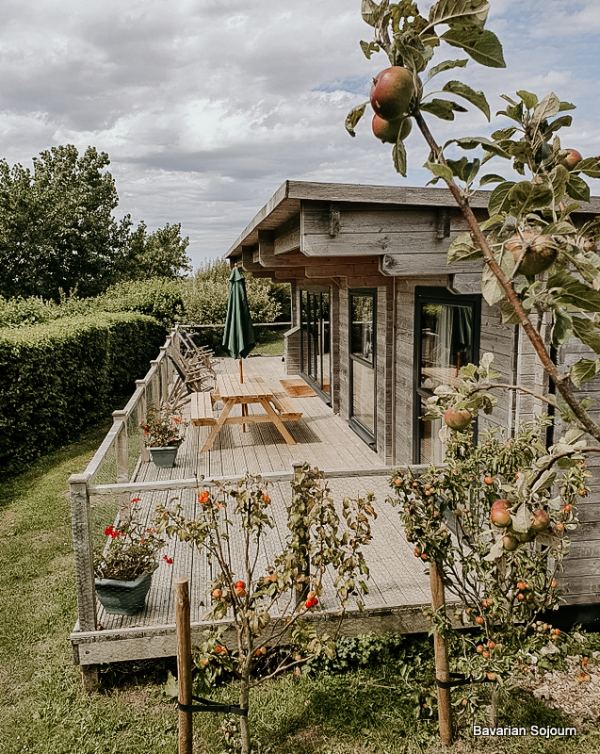
Tom's Eco Lodge
Yarmouth · ⭐ 4.8

Old Mill Caravan Park
Ryde · ⭐ 4.8

Fort Spinney Holiday Chalets
Sandown · ⭐ 4.8
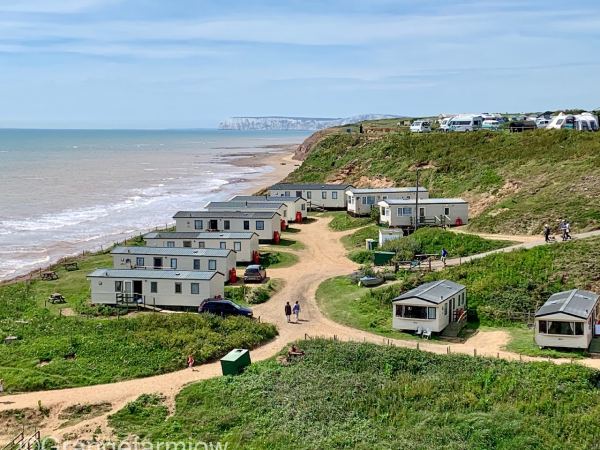
Grange Farm
Newport · ⭐ 4.7
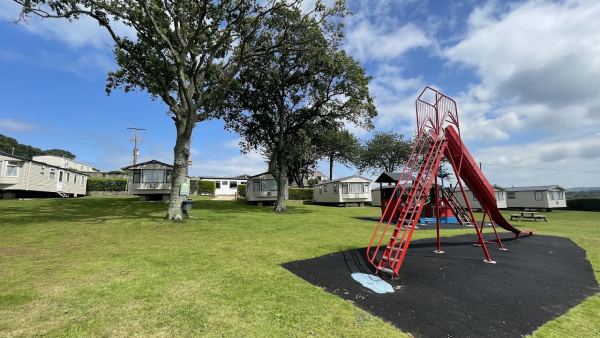
Cheverton Copse Holiday Park
Sandown · ⭐ 4.7
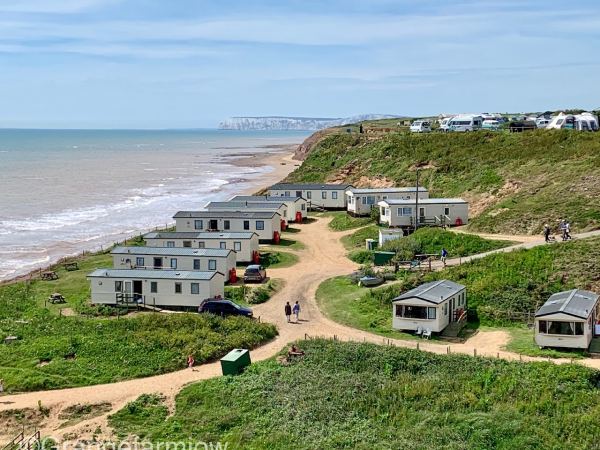
Gurnard Pines Holiday Village
Newport · ⭐ 4.7
Self-Catering Cottages in the Isle of Wight(339)
All cottages in Isle of Wight →About cottages in the Isle of Wight
The Isle of Wight has long been a self-catering island, with cottages spread right around the coast and inland through villages and farmland. Places like Seaport Cottage or No 7 North suit those wanting to be within walking distance of harbours and beaches, while others sit further inland for a quieter base with easier access to the whole island by car.
The range runs from traditional stone cottages such as Whitestones or Bodwen Corner Cottage to apartments like Reef Apartments - Dory and more unusual stays, including yurts at Kids Love Yurts - Robin. With 342 properties across the island, it's worth thinking about which coast suits your plans, as the Solent shore and the more exposed south differ considerably in character.
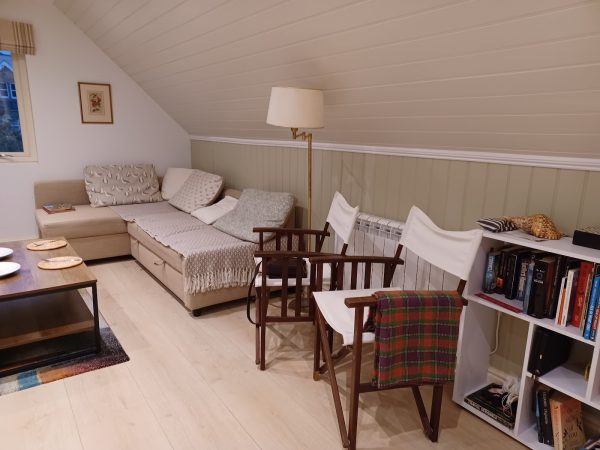
Bakers Retreat
Freshwater · 1 bed · sleeps 2 · from £367
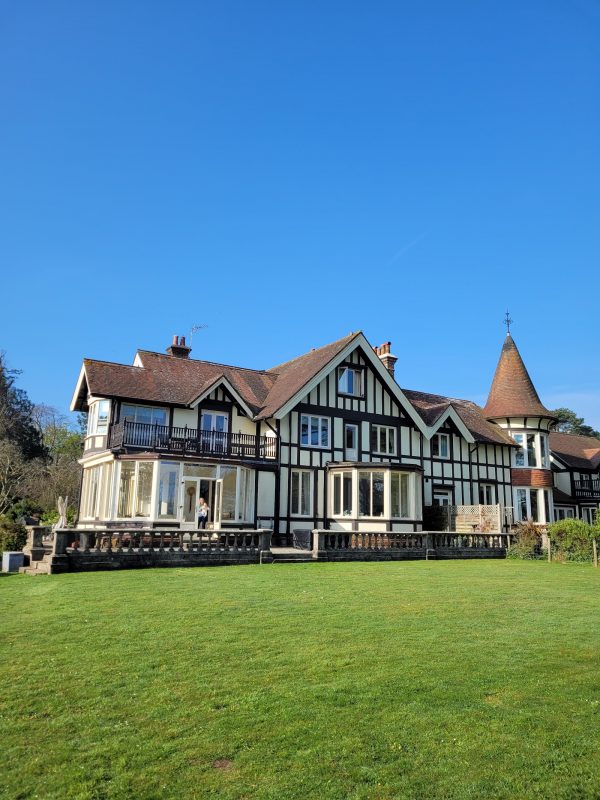
Bodwen
Ryde · 7 bed · sleeps 14 · from £4,555
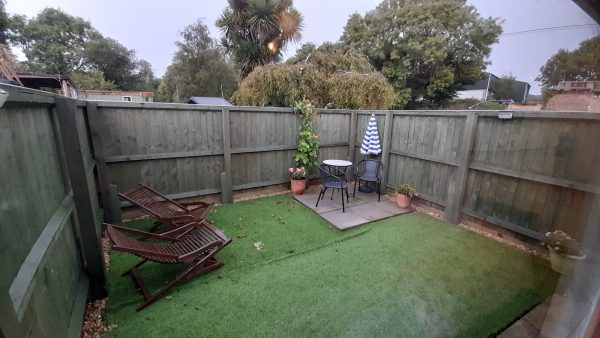
Holly Cottage
Ventnor · 1 bed · sleeps 3
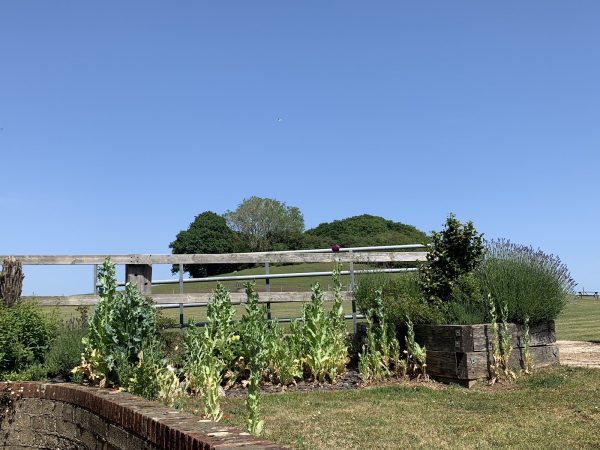
Queen Bower Farm Lodge
Sandown · 2 bed · sleeps 5 · from £1,008
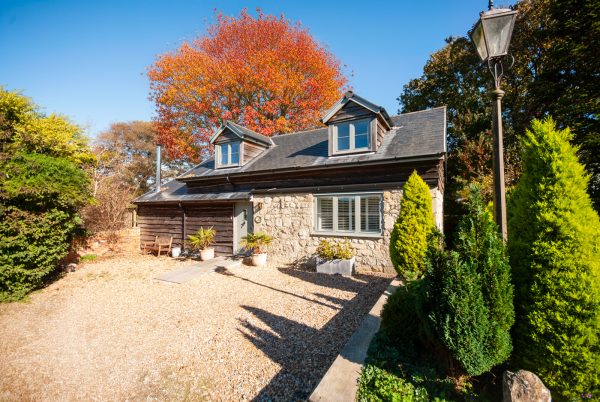
Red Squirrel Cottage
Ventnor · 3 bed · sleeps 6 · from £1,186
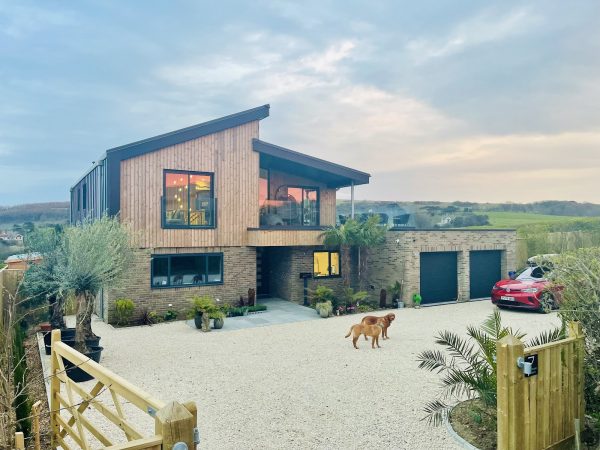
Monument House
Totland Bay · 5 bed · sleeps 10 · from £2,002
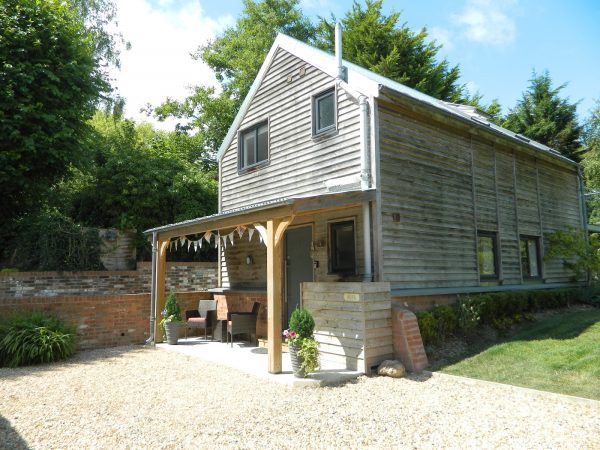
Priory Barn
Freshwater · 2 bed · sleeps 5 · from £453
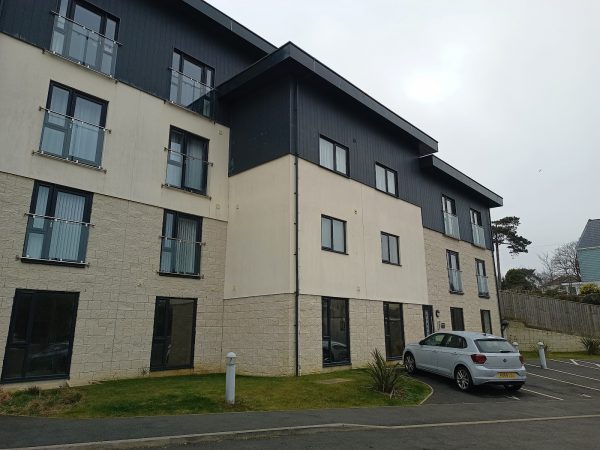
Royal Cliff Apartments - Seascape
Sandown · 1 bed · sleeps 2 · from £507
Common questions about Isle of Wight
How many campsites are there in Isle of Wight?
We list 60 campsites in and around Isle of Wight, of which 43 take tents and 23 offer glamping.
Are there dog-friendly campsites in Isle of Wight?
Yes — 23 of the 60 campsites we list in Isle of Wight accept dogs, including The Ark Park and Windmill Campersite.
Which campsites in Isle of Wight have electric hook-up?
29 of the 60 campsites we list in Isle of Wight offer an electric hook-up.
How many holiday cottages are there in Isle of Wight?
We list 339 self-catering cottages in and around Isle of Wight.
Can I take a dog to a holiday cottage in Isle of Wight?
Yes — 176 of the 339 Isle of Wight cottages we list allow pets.
Are there large holiday cottages in Isle of Wight for groups?
Yes — the largest cottage we list in Isle of Wight sleeps 16.
Where can I stay in Isle of Wight?
We list 22 hotels, B&Bs and guest houses in and around Isle of Wight. Prices start from around £95 a night.
What is there to do in Isle of Wight?
We list 8 attractions and things to do in and around Isle of Wight.
Where can I eat in Isle of Wight?
We list 329 restaurants, pubs and cafes in and around Isle of Wight.