Ludlow
Timber-framed streets and a castle above the Teme
Photo © Google Maps contributors, Google Maps
Ludlow sits where the River Corve meets the River Teme in south Shropshire, a few miles from the Welsh border and ringed by the low hills of the Marches. The town grew up around a Norman castle built to guard this frontier country, and its street plan has barely shifted since the Middle Ages: a grid of burgage plots running down from the castle and market place to the two rivers, lined with buildings that have been added to and refronted for eight centuries without ever being knocked down. Georgian facades sit on medieval timber frames, and the result is one of the highest concentrations of listed buildings anywhere in England.
What makes Ludlow more than a pretty stopover is how much of it still works as a town rather than a museum piece. The market square fills on Mondays, Fridays and Saturdays with stalls selling produce from the surrounding farms, the independent shops on Broad Street and Corve Street trade in books, antiques and food rather than chain retail, and the pubs are proper locals as much as they are destinations for visitors. Ludlow's reputation as a food town, built up over the past three decades, is not a marketing invention: for a period in the 1990s and 2000s it held more Michelin stars per head than almost anywhere in Britain, and the food festival it now runs every September draws producers and cooks from across the Marches.
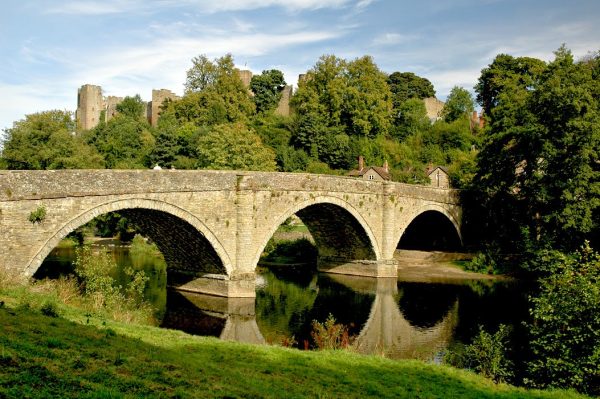
The castle and the parish church of St Laurence anchor the town physically and historically. Below them, Dinham and Ludford Bridge lead out to the river meadows and the wooded slopes of Whitcliffe, giving Ludlow a rural edge that is walkable from the market square in ten minutes. It is a compact, walkable town that rewards slow visits: wandering the streets, working through a market day, and using it as a base for the wider Marches rather than ticking off sights in an afternoon.
Getting to Ludlow
Ludlow has its own railway station on the Welsh Marches Line, with regular services north to Shrewsbury and south to Hereford; from Shrewsbury there are connections to Birmingham and on to London, and the journey from London Euston or Paddington typically takes around three hours with one or two changes. Direct services to Cardiff and Manchester also run along the same line via Hereford and Shrewsbury respectively. By road, Ludlow sits on the A49 between Shrewsbury and Hereford, with the A4117 and A489 bringing traffic in from Kidderminster and the Clee Hills to the east; the M5 and M6 are both around 45 minutes' drive away via Worcester or Telford. The town has several car parks close to the centre, including ones by the castle and off Corve Street, though spaces fill quickly on market days and during the June festival. The nearest airport is Birmingham, roughly an hour and a half away by car, with Bristol and Cardiff both a little over two hours.
Best time to visit Ludlow
Spring brings bluebells to Mortimer Forest and the Marches hillsides and is a quiet, mild time to walk before the summer crowds arrive. Summer is Ludlow's busiest season, built around the Ludlow Festival in late June and early July, with open-air theatre in the castle grounds and a fringe programme spread across the town's pubs and venues; book accommodation well ahead if visiting during the festival. Autumn is arguably the town's best season for visitors who come for food rather than events: the Ludlow Food Festival in September fills the castle grounds and market square with producers, and the surrounding Marches countryside turns gold as the weather cools. Winter is quiet and characterful, with the timber-framed streets particularly atmospheric under Christmas lights and open fires in the pubs, though some rural attractions and shorter opening hours apply outside the main season.
Where to stay in Ludlow(20)
All hotels in Ludlow →About staying in Ludlow
Ludlow's compact centre means most visitors choose between staying inside the old town walls or a short drive out in the surrounding countryside, and both work well because nothing in Ludlow is really far from anything else. A room on or near Broad Street or the Bull Ring puts the castle, church and market on your doorstep, ideal if you want to walk everywhere and finish each day in a different pub without needing a car. The riverside around Ludford Bridge and Dinham offers a quieter version of the same convenience, with the Teme and Whitcliffe Common a few minutes' walk away and the town centre just as close. Anyone travelling with a car, or wanting a country house setting with grounds, gardens and a slower pace, is better served by the handful of hotels just outside town in Bromfield and Overton, a five to ten minute drive from the market square.
Ludlow's accommodation reflects its history as a market and coaching town rather than a resort: the options are historic inns with rooms above the bar, restaurant-led properties where the kitchen is as much the point as the bed, and a small number of country house hotels set in their own grounds. There is no large chain hotel presence, which keeps the town's character intact but means it is worth booking ahead, particularly around the Ludlow Festival in June and July and the Food Festival in September, when the town's limited room count fills quickly. Prices are generally lower than comparable market towns further south in the Cotswolds, and even the most upmarket options remain modestly sized rather than sprawling, in keeping with the town around them.
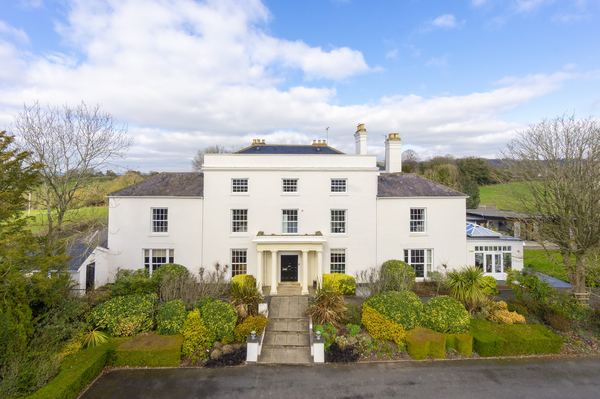 8.9
8.9
Fishmore Hall
Fishmore, edge of Ludlow
from £165/night
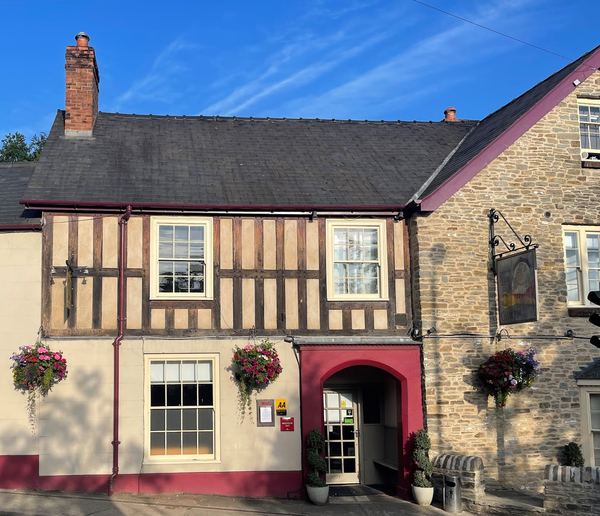 8.7
8.7
The Charlton Arms
Ludford Bridge, by the River Teme
from £110/night
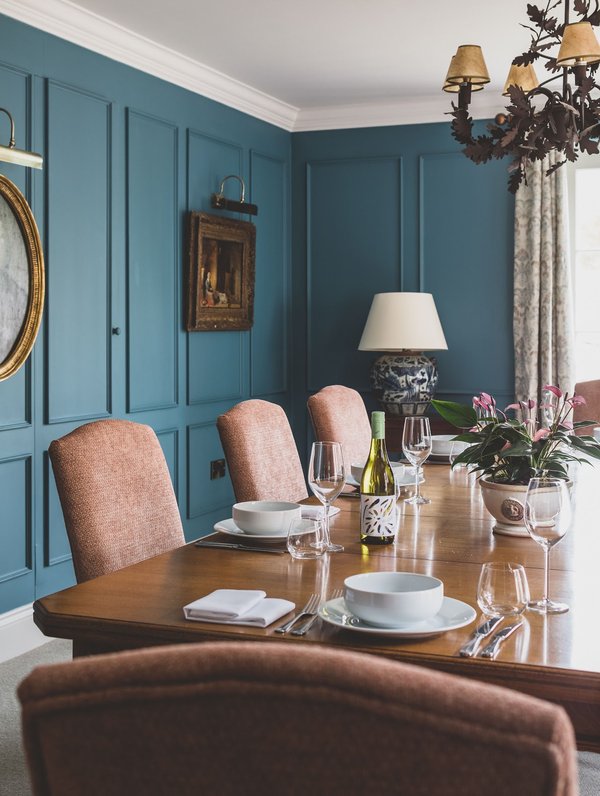 8.6
8.6
The Clive Arms
Bromfield, Oakly Park Estate, near Ludlow
from £130/night
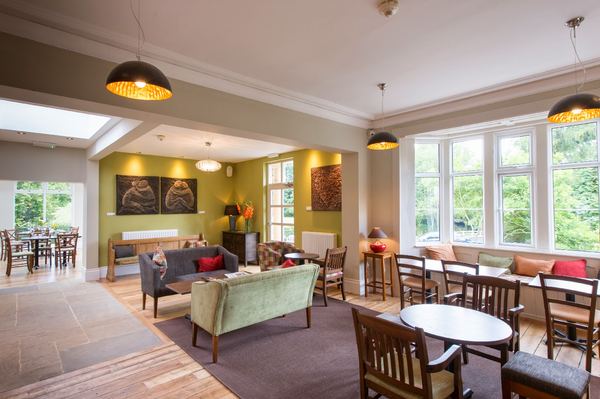 8.4
8.4
The Cliffe at Dinham
Dinham, below Ludlow Castle
from £100/night
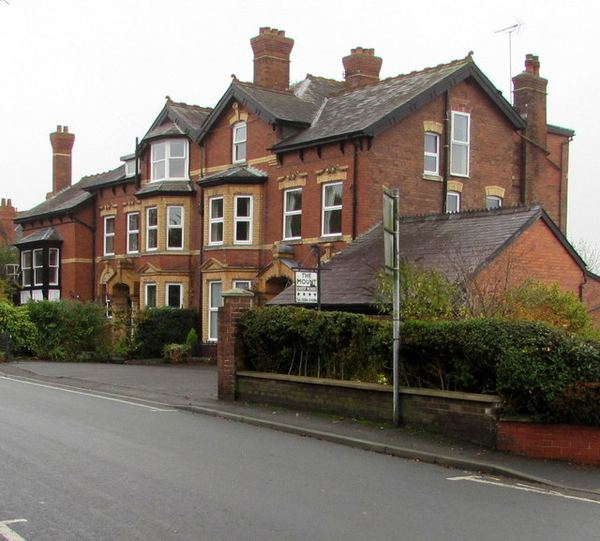 9.2
9.2
The Mount Guest House
Gravel Hill, near Ludlow town centre
from £85/night
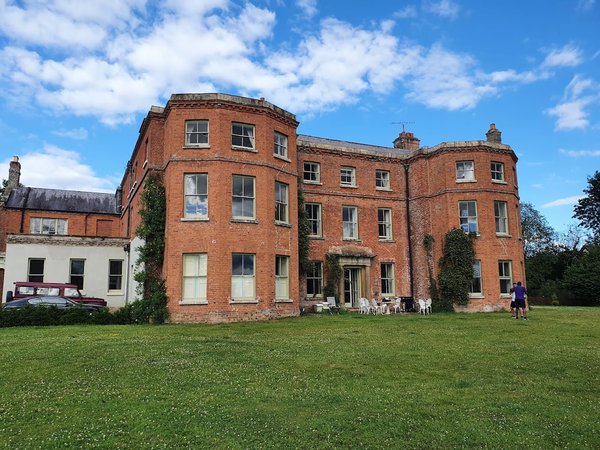
Caynham Court
Caynham Court, Ludlow
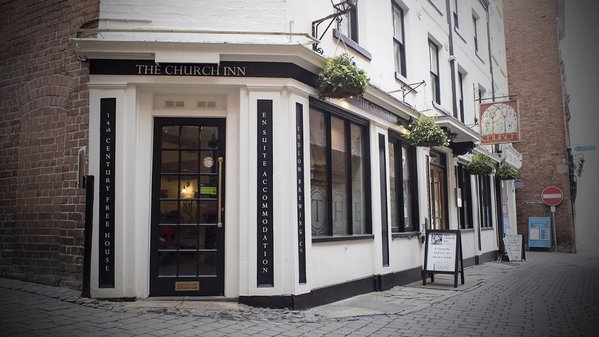
Church Inn
The Church Inn, Ludlow
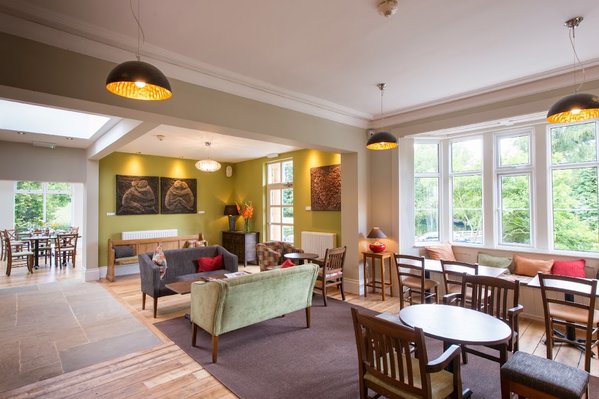
Dinham Hall
9 Dinham, Ludlow
Things to Do in Ludlow(3)
All attractions in Ludlow →Top things to do in Ludlow
Ludlow's sights are concentrated enough to explore on foot, with the surrounding countryside adding half-day and full-day options.
- Ludlow Castle is a substantial Norman and medieval ruin overlooking the Teme, once a seat of the Council of Wales and the Marches and the place where Catherine of Aragon lived as a young bride; its grounds host the Ludlow Festival each June, including open-air theatre in the castle's inner bailey.
- St Laurence's Church, known locally as the Cathedral of the Marches, is the largest parish church in Shropshire, with medieval misericords and stained glass, and a tower that can be climbed for views across the rooftops to the Clee Hills.
- Broad Street is regularly cited as one of the finest streets in England, a curving run of Georgian-fronted, timber-framed buildings dropping down to the Broadgate, the town's only surviving medieval gate.
- Ludlow Market operates on the square on Mondays, Fridays and Saturdays, with a dedicated food and craft market on other days, and remains the best way to see what the surrounding farms and producers are turning out that week.
- Whitcliffe Common, across Dinham Bridge from the castle, is common land with waymarked paths giving the classic postcard view back across the river to the castle and church.
- Mortimer Forest, a few miles south of town, offers waymarked walking and mountain biking trails through Forestry England woodland on the edge of the Clee Hills, with red kites frequently overhead.
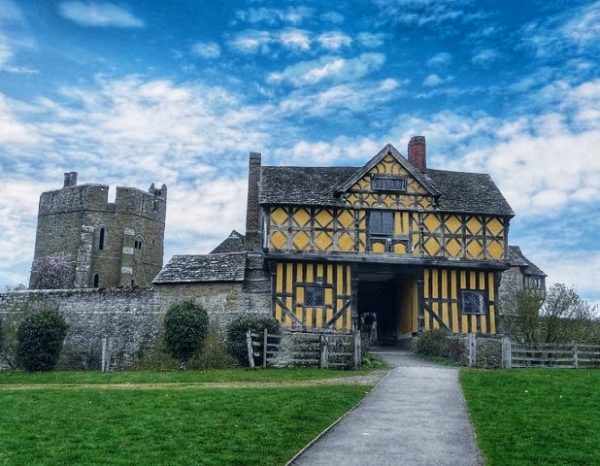
- Stokesay Castle, a well-preserved thirteenth-century fortified manor house just outside Craven Arms, is a short drive north and one of the best-preserved medieval houses in the country.
- The Buttercross and Ludlow Museum, in the eighteenth-century market hall at the top of Broad Street, gives a compact introduction to the town's history and geology before heading out to explore it.
Where to Eat in Ludlow
All restaurants in Ludlow →Food and drink in Ludlow
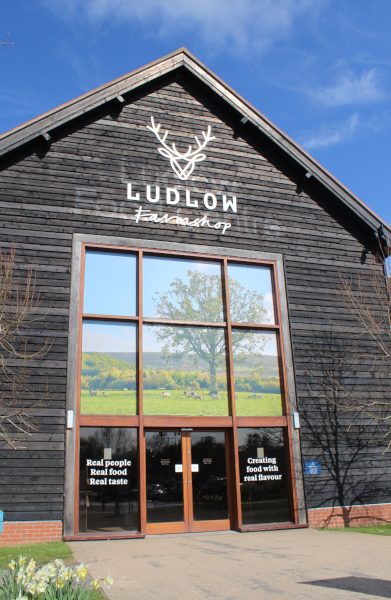
Ludlow's food reputation rests on genuine depth rather than a handful of headline restaurants. The Ludlow Farmshop, on the edge of town, sells meat, cheese and produce from farms within a short radius, and independent butchers and delicatessens on Corve Street and Broad Street trade in the same local supply chains that stock the town's restaurants and pubs. The Ludlow Food Festival each September remains the best single showcase, bringing several hundred producers into the castle grounds and market square for a weekend of tastings, talks and a beer and cider festival that runs alongside it. Several of the town's pubs and inns double as serious kitchens: riverside spots by Ludford Bridge and Dinham serve modern British menus built around Marches lamb, beef and game, while the historic coaching inns on the Bull Ring and Corve Street combine real ale with kitchens that take their food as seriously as their beer. For a smaller-scale taste of the town, the weekly markets and the cafes tucked into Ludlow's timber-framed buildings are as good a way as any to understand why this small Marches town became a byword for British food long before the rest of the country caught up.
Attractions Near Ludlow
All attractions in Ludlow →Worth the trip — within 50 miles of Ludlow.
 2 mi
2 mi
Ludlow Food Centre
Bromfield · ⭐ 4.3
 6 mi
6 mi
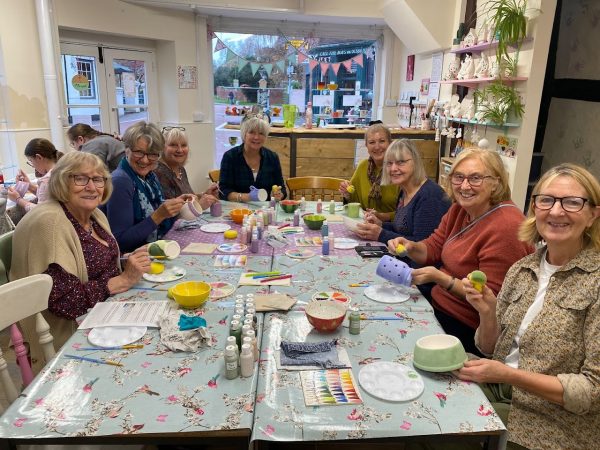
Pitter Potter Tenbury Wells
Tenbury Wells · ⭐ 5.0
 7 mi
7 mi
Stokesay Castle
Craven Arms · ⭐ 4.7
 7 mi
7 mi
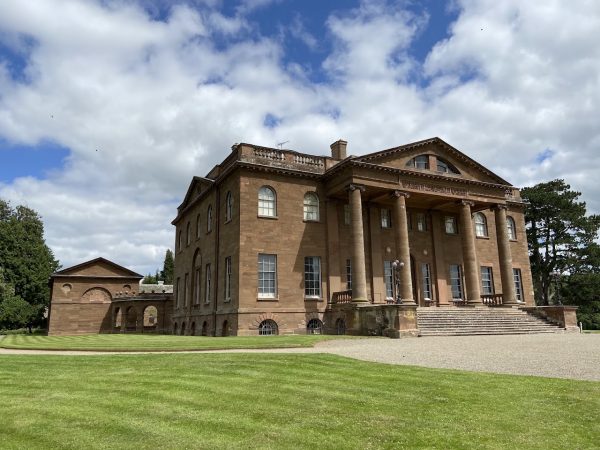
Berrington Hall
Leominster · ⭐ 4.5
 7 mi
7 mi
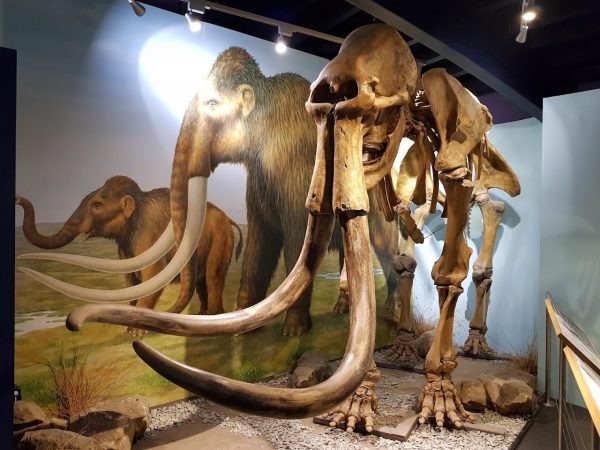
Shropshire Hills Discovery Centre
Craven Arms · ⭐ 4.4
 7 mi
7 mi
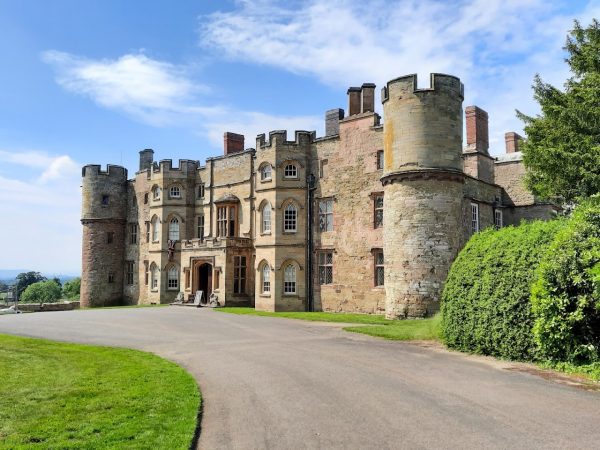
Croft Castle and Parkland
Leominster · ⭐ 4.6
 8 mi
8 mi
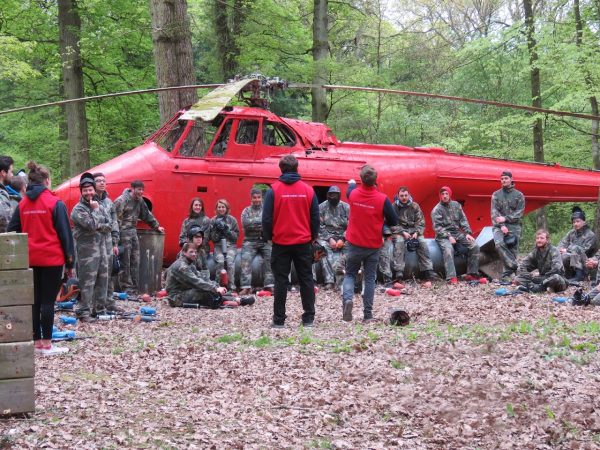
Oaker Wood Leisure
Leominster · ⭐ 4.8
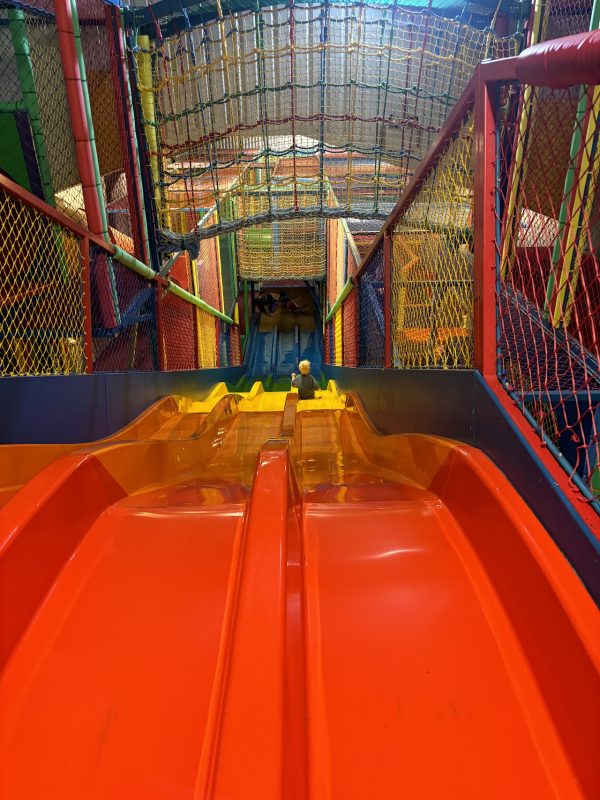 8 mi
8 mi
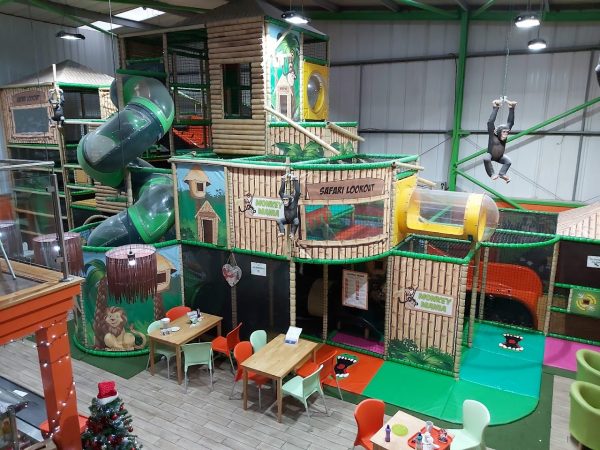
Mickey Millers Family PlayBarn
Craven Arms · ⭐ 4.3
Camping in Ludlow(7)
All campsites in Ludlow →About camping in Ludlow
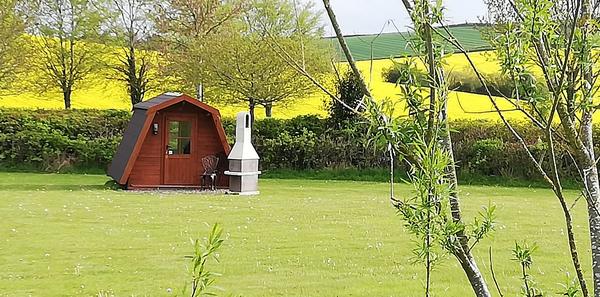
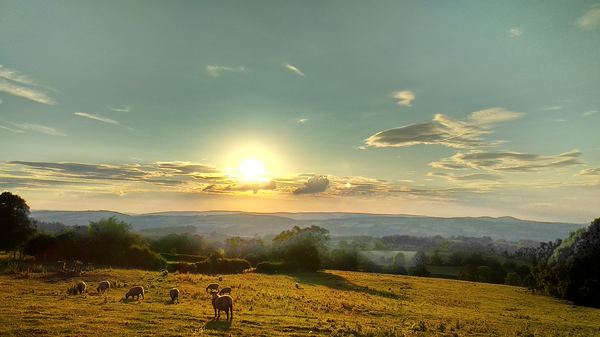
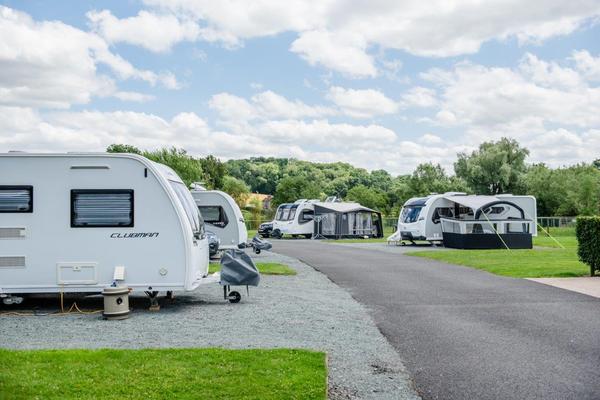
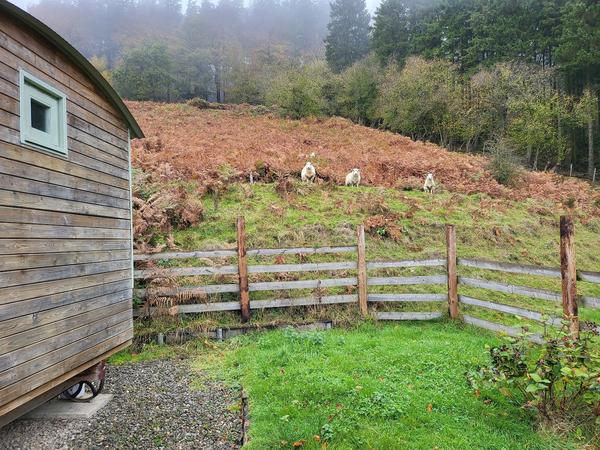
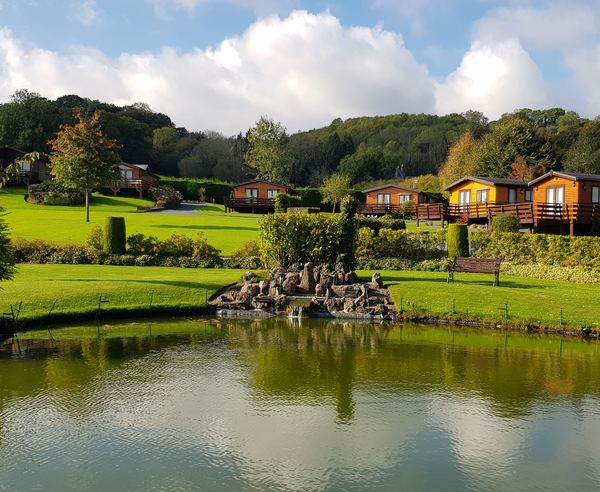
Ludlow itself has no campsite within the town, but the surrounding Marches countryside makes up for it within a few miles in every direction. The land here is gently undulating rather than dramatic, a patchwork of pasture, hedgerow and mixed woodland rising towards the Clee Hills to the east and the Welsh hills to the west, with the Rivers Teme and Onny running through the valleys. Sites close to town tend to sit on working farms or established touring parks with good access to Mortimer Forest's walking and mountain biking trails, while those further out towards Craven Arms and the Corvedale trade a few minutes' extra driving for quieter, more rural settings.
Wild camping has no general legal right in England, Shropshire included, so pitching without the landowner's permission is not advisable; the sites below are all established, permission-based grounds with facilities. The camping season here runs broadly from Easter to the end of September, with May, June and September the most reliable months for settled weather and dry ground, and July and August the busiest thanks to school holidays and the Ludlow Festival crowds. Spring brings bluebells to Mortimer Forest and cooler nights that suit those with good kit more than lightweight tents, while autumn can be excellent for walking but brings shorter days and a real risk of wet ground by October, so most sites here wind down for winter rather than operating year-round.
Self-Catering Cottages in Ludlow
All cottages in Ludlow →The Haven
2 bed · sleeps 4 · from £661
Paul Pry
3 bed · sleeps 5 · from £527
Friary Cottage
3 bed · sleeps 6 · from £937
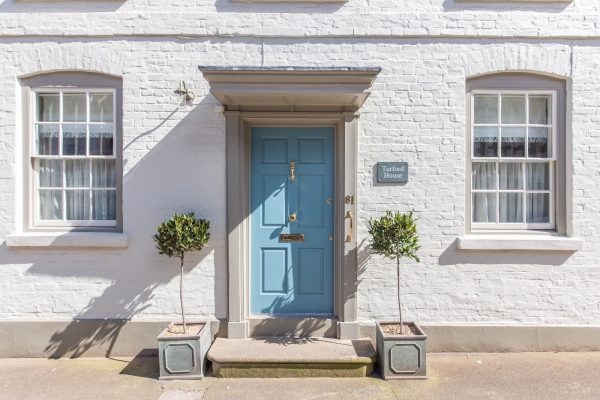
Turford House
3 bed · sleeps 6 · from £2,392
Barnleigh
3 bed · sleeps 6 · from £671
The Cottage
2 bed · sleeps 4 · from £961
Little Bank Cottage
1 bed · sleeps 2 · from £677
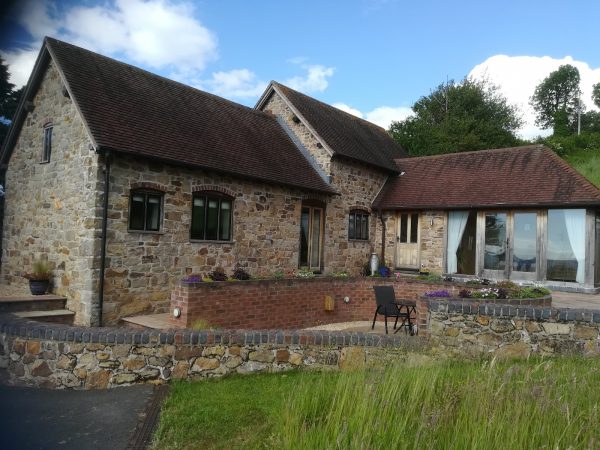
Cow Shed
2 bed · sleeps 4 · from £493
Common questions about Ludlow
How many campsites are there in Ludlow?
We list 7 campsites in and around Ludlow, of which 7 take tents and 3 offer glamping.
Are there dog-friendly campsites in Ludlow?
Yes — 4 of the 7 campsites we list in Ludlow accept dogs, including Ludlow Touring Park and Orleton Rise Holiday Park.
Which campsites in Ludlow have electric hook-up?
4 of the 7 campsites we list in Ludlow offer an electric hook-up.
Where can I stay in Ludlow?
We list 20 hotels, B&Bs and guest houses in and around Ludlow. Prices start from around £80 a night.
What is there to do in Ludlow?
We list 3 attractions and things to do in and around Ludlow.