Lynton and Lynmouth
Twin villages where Exmoor drops to the sea
Photo © Google Maps contributors, Google Maps
Lynton and Lynmouth sit one above the other on the north Devon coast, joined by a nearly 900-foot cliff face and, since 1890, by a water-powered funicular railway that remains the simplest way to move between them. Lynton occupies the clifftop, a compact Victorian town of stone terraces and small hotels built for the tourists who arrived once the railway from the outside world reached Barnstaple in the 1870s. Lynmouth sits at sea level where the East and West Lyn rivers meet the Bristol Channel, a working harbour village of thatched and slate-hung cottages squeezed into a narrow gorge mouth.
The pairing is sometimes called 'Little Switzerland', a Victorian marketing flourish that nonetheless captures something real: this stretch of Exmoor National Park rises more steeply from the sea than almost anywhere else in England, and the villages exist because that drama drew visitors even before proper roads did. Robert Southey, Percy and Mary Shelley, and later the poet laureate himself all passed through and wrote about it, and the coastline they described - oak-hung combes, heather moorland breaking off into cliff, a river gorge cutting down through it all - is largely unchanged.
Lynmouth's history includes tragedy as well as romance. In August 1952 a flash flood swept down the Lyn valleys after a cloudburst on the moor above, destroying much of the lower village and killing 34 people. The village was rebuilt, and a small exhibition near the harbour tells that story alongside the more cheerful business of crabbing off the harbour wall, ice creams, and boat trips along the coast. Lynton above retains the quieter, more residential feel of a town that never fully returned to its Edwardian holiday peak, which is part of its appeal to visitors now: little traffic, long views, and a slower pace than the Devon coast further south.
Getting to Lynton and Lynmouth
There is no railway station in Lynton or Lynmouth today - the original line closed in 1935 - so the practical rail option is to reach Barnstaple, which has a branch line service from Exeter St Davids (around 75 minutes, with connections from London Paddington via Exeter or Taunton taking roughly 4 hours in total). From Barnstaple, buses run to Lynton and Lynmouth in around 45 minutes to an hour, though services are infrequent, so checking timetables in advance matters. Tiverton Parkway, on the main line from London Paddington, is a further alternative if hiring a car from there, with the drive taking about an hour.
By road, the most direct route from the M5 is to leave at junction 27 for Tiverton and follow the A361 and A399 through South Molton and Combe Martin, or to approach from the Taunton direction via the A39 across Exmoor, which is the more scenic but slower option with several steep gradients and tight bends, including the notorious Countisbury and Porlock hills. Sat-nav routes that send visitors over the high moor in poor weather or in a larger vehicle are best treated with caution locally.
Both villages have public car parks - the main one in Lynton is at the top of the town near the Town Hall, and Lynmouth has car parks by the harbour and river - but spaces fill quickly in summer, and many hotels and B&Bs offer their own private parking, which is worth checking when booking given how narrow the streets become.
Best time to visit Lynton and Lynmouth
Spring brings the Valley of the Rocks and surrounding combes into leaf, with bluebells in the wooded gorges around Watersmeet from April, and the moorland lambs and foals of Exmoor's farms visible from the coast road. Crowds are thin and accommodation easier to find, though some seasonal attractions and cafes may not yet be open.
Summer is the village's busiest season, with both the cliff railway and Glen Lyn Gorge running full hours, the harbour at Lynmouth at its liveliest, and long evenings well suited to the coast path walks towards Woody Bay or Countisbury. Parking pressure and coach traffic are the trade-off, particularly through August.
Autumn turns the oak woods above both villages a deep gold, and Exmoor's heather moorland further inland colours through September. The stag rutting season on the moor from late September into October draws a smaller, specifically nature-focused crowd, and sea mists off the Bristol Channel can add real atmosphere to the gorge walks.
Winter is quiet, with some attractions and smaller guest houses closing for the season, but the cliff railway and several hotels stay open, and the combination of storm-driven seas below and bare, exposed moor above gives the coastline a different, starker character that regular visitors often prefer.
Where to stay in Lynton and Lynmouth(7)
All hotels in Lynton and Lynmouth →About staying in Lynton and Lynmouth
Lynton and Lynmouth's accommodation splits naturally by geography as much as by budget. Up on the clifftop, Lynton holds a run of Victorian and Georgian guest houses and small hotels along Lee Road and the terraces around it, several with sea views over the gorge to Lynmouth and the Bristol Channel beyond. Down at sea level, Lynmouth's harbourside hotels put guests within a few steps of the crabbing wall, the Rising Sun, and the evening pub trade, though rooms here come at a premium in peak season and parking is tighter.
At the upper end, a handful of properties trade on the villages' Victorian holiday heritage: grand hotels set in their own grounds above the gorge, and boutique guest houses that have picked up national awards for their breakfasts and their view. The mid-range is well served by long-standing family-run hotels overlooking the harbour, offering straightforward comfort rather than boutique styling but with genuine character built up over decades in the same hands. At the more modest end, Georgian and Victorian townhouses converted to bed and breakfasts offer the best value, particularly out of the summer peak, and remain the most common way to stay in either village.
Whichever end of the market a visitor chooses, most properties here are small - a handful of rooms rather than dozens - and many close for at least part of the winter, so booking ahead matters more than in a larger resort town. Parking, sea views, and proximity to the cliff railway are the three details worth checking before committing, since the terrain between and around the villages is steep enough that a ten-minute walk on paper can mean a serious climb in practice.
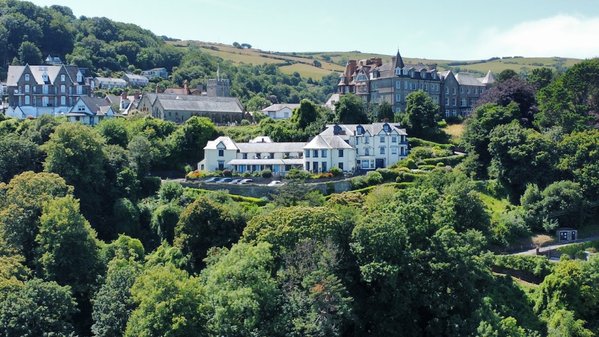 8.4
8.4
Lynton Cottage Hotel
Clifftop grounds above Lynmouth Bay, Lynton
from £135/night
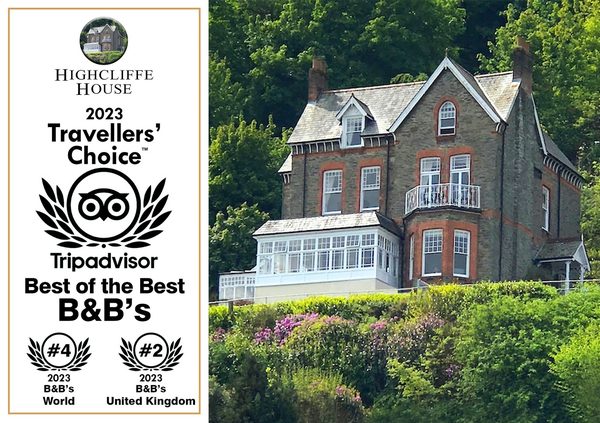 9.6
9.6
Highcliffe House
Wooded grounds above Lynton, adults only
from £155/night
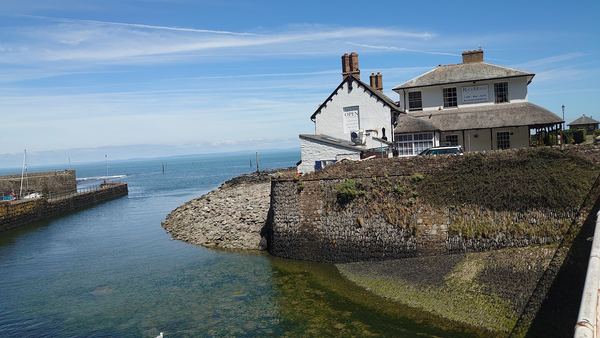 8.5
8.5
Rock House Hotel
Between the harbour and pebble beach, Lynmouth
from £130/night
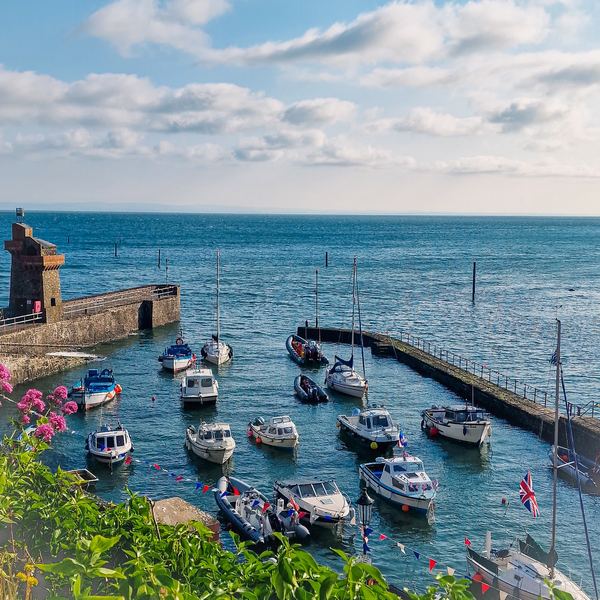 8.1
8.1
The Bath Hotel
Overlooking the harbour, Lynmouth
from £110/night
 9.2
9.2
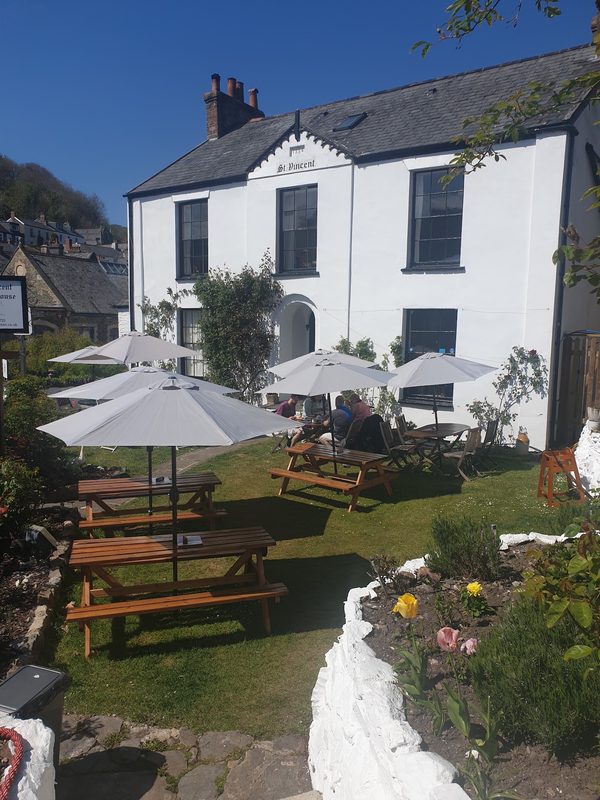
St Vincent Guest House
Market Street, central Lynton
from £105/night
 9.0
9.0
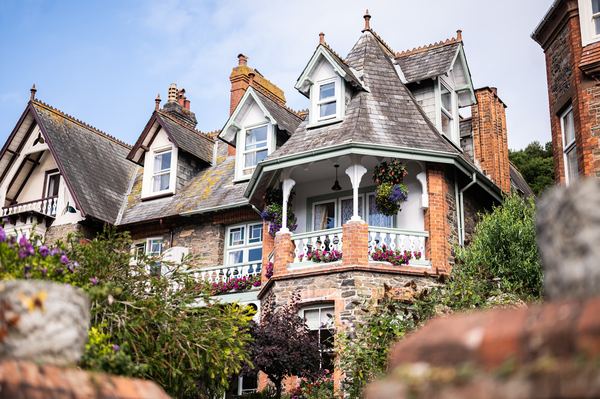
Southcliffe Bed & Breakfast
Lee Road, Lynton
from £100/night
 9.4
9.4
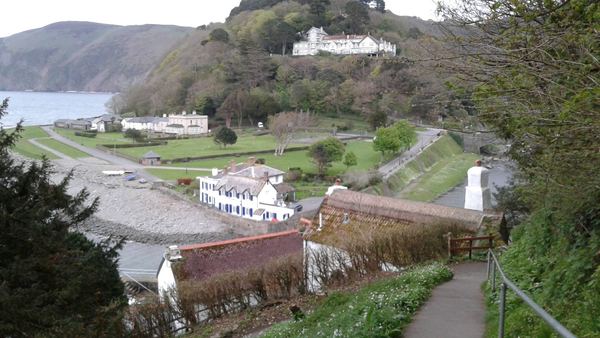
North Walk House
North Walk, clifftop above Lynmouth
from £150/night
Things to Do in Lynton and Lynmouth
All attractions in Lynton and Lynmouth →Top things to do in Lynton and Lynmouth
Between the two villages and the surrounding stretch of Exmoor there is enough to fill several days without a single wet-weather fallback needed.
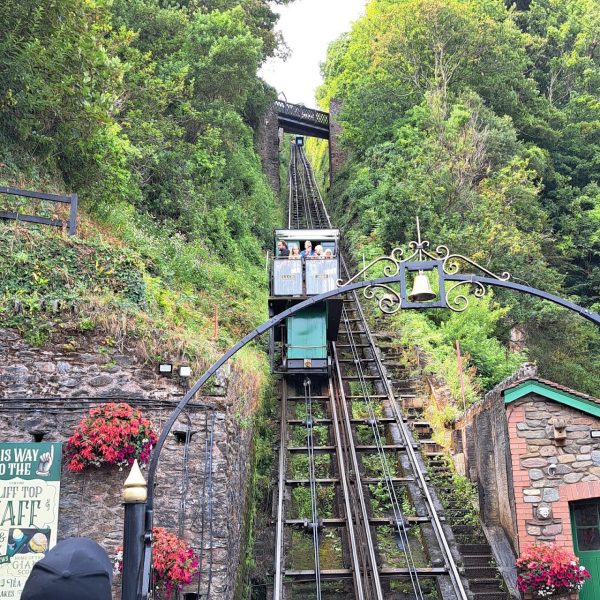
- Lynton and Lynmouth Cliff Railway - the world's highest and steepest fully water-powered railway, opened in 1890 and still running on the counterbalanced system its Victorian engineers designed, with two cars linked by cable that pass each other halfway up the 862-foot track.
- Valley of the Rocks - a dry valley immediately west of Lynton where wind and ice have carved jagged tors above the coast path; feral goats graze the slopes and Castle Rock gives one of the best views on the whole North Devon coast.
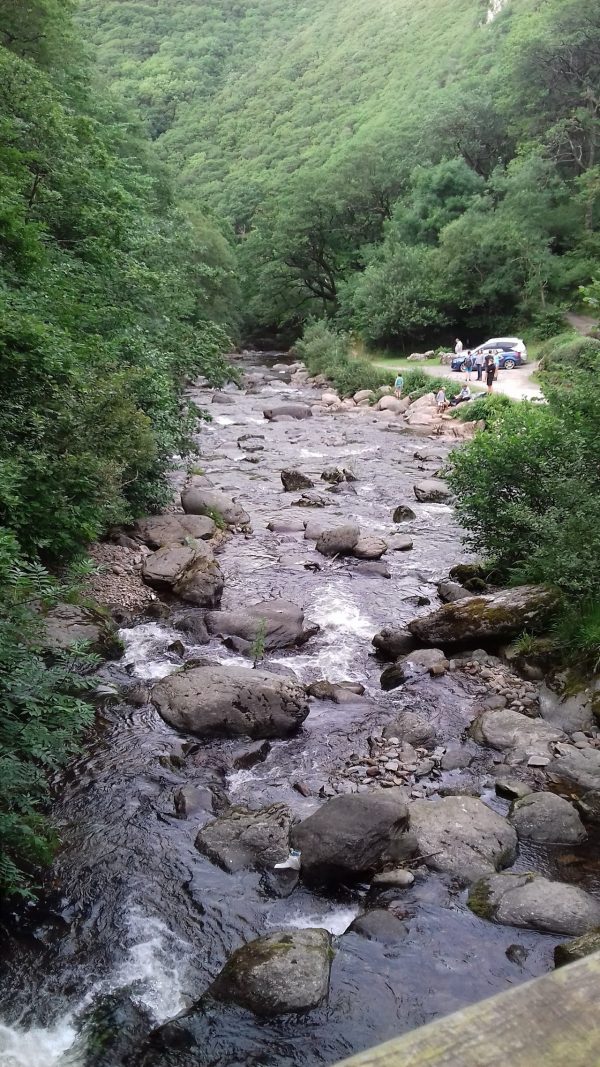
- Watersmeet - a National Trust-owned wooded gorge a couple of miles east of Lynmouth where the East Lyn River meets Hoar Oak Water; a former Victorian fishing lodge here is now a tea garden reached by a riverside path.
- Glen Lyn Gorge - a privately run gorge and waterfall walk beside the harbour in Lynmouth, with a hydroelectricity exhibition explaining how the same water that devastated the village in 1952 now generates its power.
- Lynmouth Harbour and Flood Memorial Hall - the working heart of the lower village, with the small exhibition on the 1952 flood a short walk from the harbour wall itself.
- Doone Valley and Brendon - inland from Lynton, the setting for R.D. Blackmore's novel Lorna Doone, reachable on foot or by a scenic drive through Exmoor's high moor.
- Lynton Cinema - reputedly the smallest purpose-built cinema in the country, a single-screen picture house that has shown films continuously since the 1920s.
- The South West Coast Path - Lynton and Lynmouth sit on one of the path's most dramatic sections, with day walks in both directions along cliffs that rank among the highest in England.
Where to Eat in Lynton and Lynmouth
All restaurants in Lynton and Lynmouth →Food and drink in Lynton and Lynmouth
Lynmouth's harbour trade means crab and lobster feature on menus throughout the village, often landed within the day, alongside the West Country staples of clotted cream teas and local cider. The Rising Sun, a fourteenth-century thatched inn on the harbourside, serves game and seafood in an oak-panelled dining room and has built a reputation well beyond the village. The Bath Hotel, overlooking the same harbour, has been run by the same family since the 1950s and keeps a straightforward, well-priced kitchen going through the season.
Up in Lynton, cafes along Lee Road and Castle Hill serve the cream teas and light lunches that fuel a day on the coast path, while the Valley of the Rocks Hotel and several of the town's guest houses offer evening meals to residents. Farm shops on the roads out towards Barbrook and Countisbury sell Exmoor lamb, local cheeses, and preserves, and the honesty-box stalls that appear outside farms on the Porlock road are worth a stop for fruit and eggs in season. A small weekly market and occasional food fairs run through the summer in Lynton's town hall, though the villages' food scene overall stays proudly unfussy: fresh, local, and built around what the harbour and the moor actually produce.

Attractions Near Lynton and Lynmouth
All attractions in Lynton and Lynmouth →Worth the trip — within 50 miles of Lynton and Lynmouth.
 2 mi
2 mi
Lynton & Lynmouth Cliff Railway
Lynmouth · ⭐ 4.7
 2 mi
2 mi
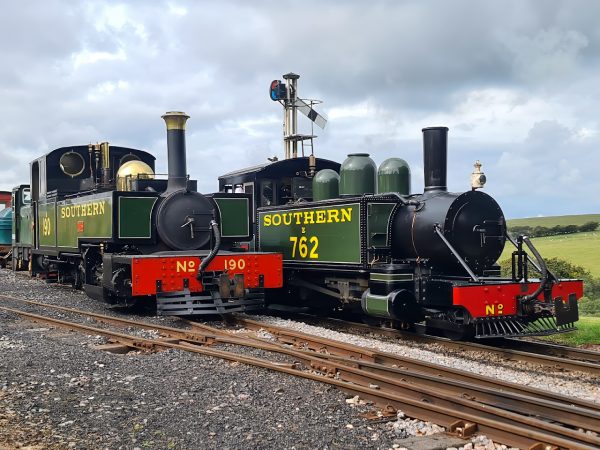
Lynton and Barnstaple Railway
Parracombe · ⭐ 4.6
 2 mi
2 mi
Watersmeet
Lynmouth · ⭐ 4.7
 5 mi
5 mi
Dean Riding Stables
Parracombe · ⭐ 5.0
Wistlandpound
Kentisbury · ⭐ 4.7
 5 mi
5 mi
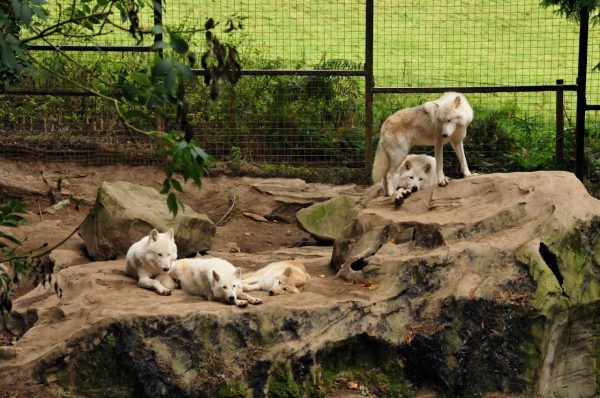
Exmoor Zoo
Barnstaple · ⭐ 4.6
 7 mi
7 mi
Combe Martin Wildlife & Dinosaur Park
Combe Martin · ⭐ 4.3
 8 mi
8 mi
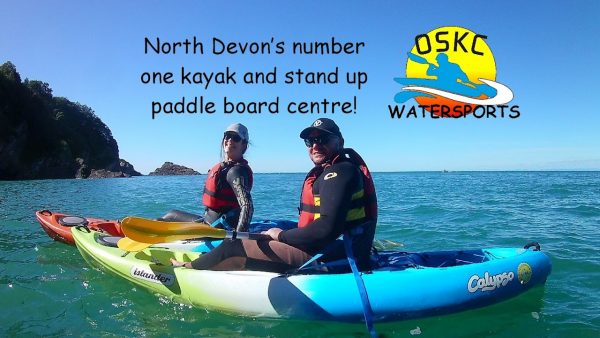
OSKC Watersports
Ilfracombe · ⭐ 5.0
Camping in Lynton and Lynmouth(2)
All campsites in Lynton and Lynmouth →About camping in Lynton and Lynmouth
Camping around Lynton and Lynmouth means choosing between the valley floor and the high moor, and the difference in character is considerable. Sites in the wooded river valleys immediately around the villages sit within walking distance of both centres, sheltered by the same steep combes that shaped the villages themselves, with the West and East Lyn rivers running alongside several of them. These are the easiest bases for anyone without a car who still wants to camp rather than take a room.
A short drive out towards the coast road or the open moor brings sites with a different outlook entirely: working farms with fields overlooking the Valley of the Rocks and the Bristol Channel, more exposed to weather but with views that no valley site can match. These tend to suit visitors touring more widely across Exmoor, using the site as a base for days out rather than staying within the villages themselves.
Facilities across the area range from long-established club sites with full modern shower blocks and laundries to smaller family-run farms offering simpler, more basic pitches alongside a tea room or shop. Most sites open from around Easter to late September or October, with a small number of certified locations available outside that window; given Exmoor's exposure to Atlantic weather, checking a site's season and pitch drainage before booking is worthwhile, particularly for tent camping.
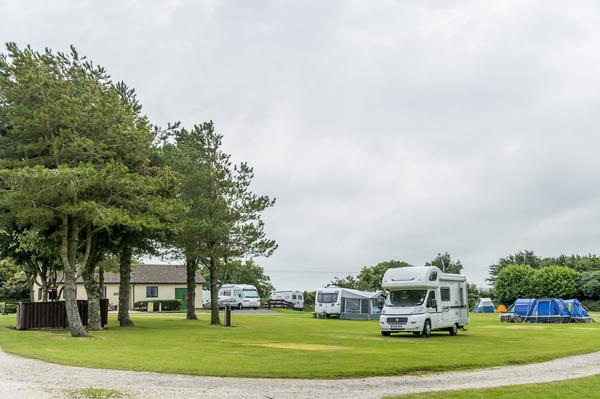
Lynton Camping and Caravanning Club Site
⭐ 4.6 · from £15/night
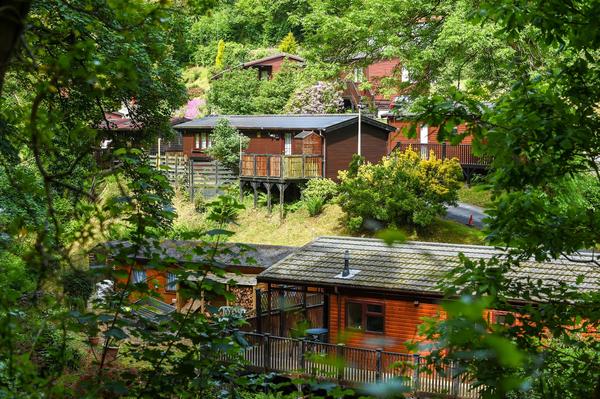
Sunny Lyn Holiday Park
⭐ 4.6 · from £18/night
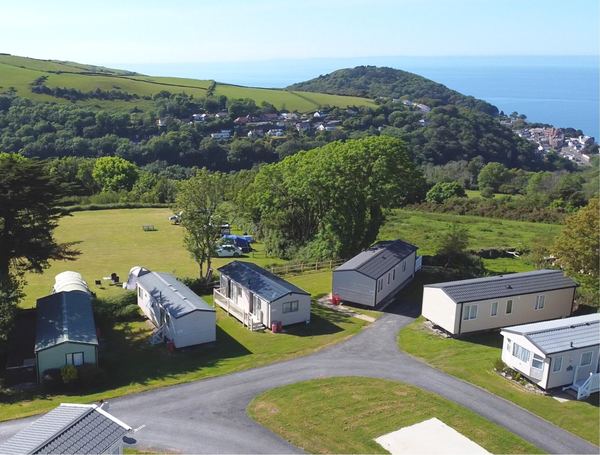
Lynmouth Holiday Retreat
⭐ 4.7 · from £18/night
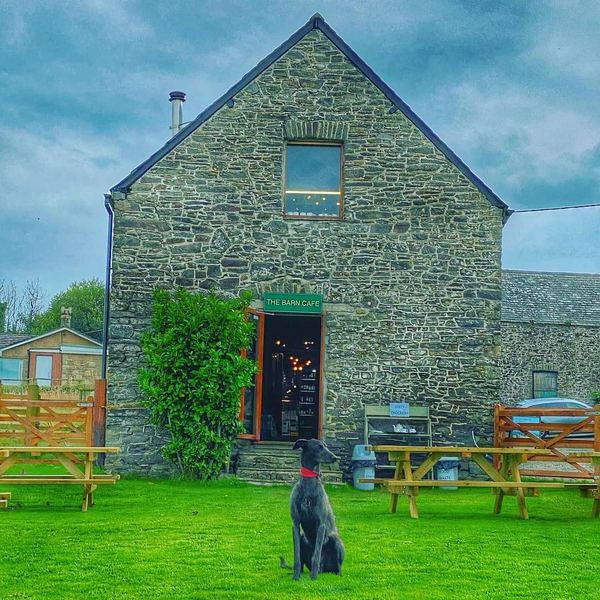
Caffyns Farm Exmoor Coast Holidays
⭐ 4.8 · from £13/night
Caffyns Farm
from £30/night
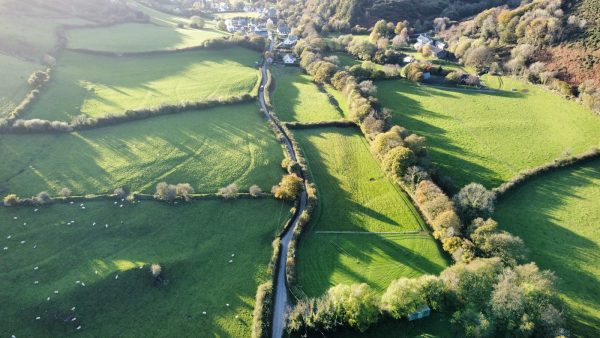
Long Meadow Certificated Location
⭐ 5.0
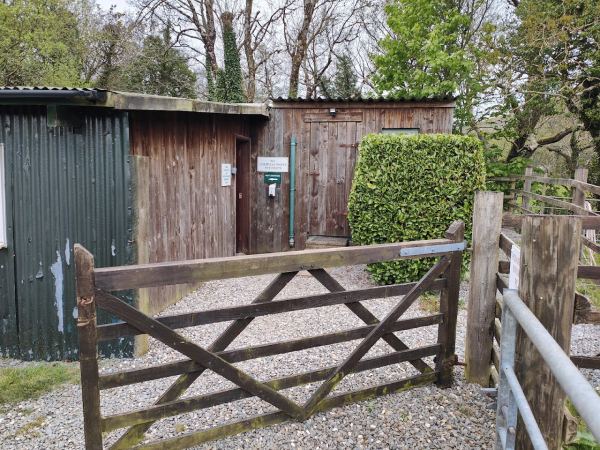
Leeford Farm Riverside Camping
⭐ 4.9
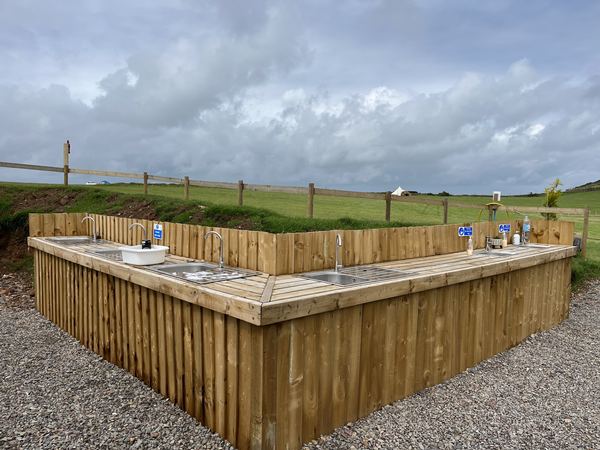
South Dean Camping
⭐ 4.9 · from £35/night
Self-Catering Cottages in Lynton and Lynmouth
All cottages in Lynton and Lynmouth →Bracken Lea
4 bed · sleeps 8 · from £851
Barham Cottage
3 bed · sleeps 6 · from £1,102
Durcombe Water Annexe
1 bed · sleeps 2 · from £363
Seaside Retreat
3 bed · sleeps 6 · from £783
Gunns Apartments
2 cottages · from £363
The Snug
1 bed · sleeps 2 · from £353
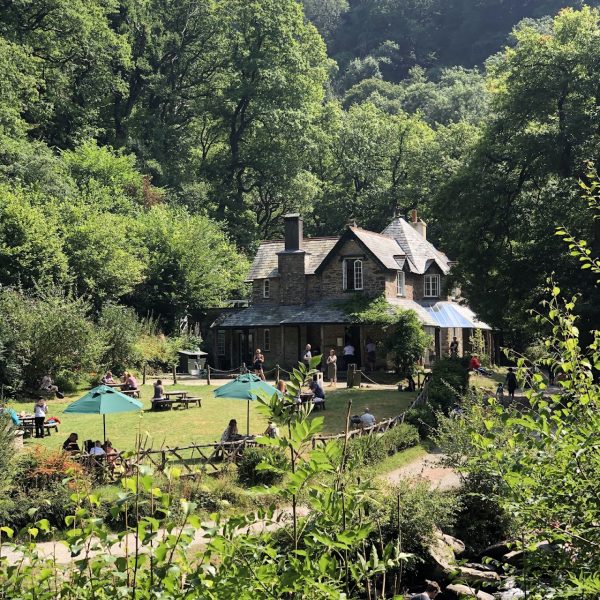
Watersmeet - The Loft
2 bed · sleeps 3 · from £427
Exmoor View
3 bed · sleeps 6 · from £657
Common questions about Lynton and Lynmouth
How many campsites are there in Lynton and Lynmouth?
We list 2 campsites in and around Lynton and Lynmouth, of which 2 take tents and 2 offer glamping.
Are there dog-friendly campsites in Lynton and Lynmouth?
Yes — 2 of the 2 campsites we list in Lynton and Lynmouth accept dogs, including Sunny Lyn Holiday Park and Lynton Camping and Caravanning Club Site.
Which campsites in Lynton and Lynmouth have electric hook-up?
2 of the 2 campsites we list in Lynton and Lynmouth offer an electric hook-up.
Where can I stay in Lynton and Lynmouth?
We list 7 hotels, B&Bs and guest houses in and around Lynton and Lynmouth. Prices start from around £100 a night.