Mow Cop
Border-top views from a Gothic folly on a Staffordshire ridge
Photo © Rebecca Parker, Google Maps
Mow Cop sits astride one of the most striking pieces of high ground in the Midlands, a gritstone ridge that carries the boundary between Staffordshire and Cheshire along its spine. The village itself is a scatter of stone cottages and terraces clinging to the hillside, built up around quarrying and the ready supply of millstone grit that was cut from the hill for generations. What draws people here today, though, is the same thing that has always defined the place: height, exposure, and a sense of standing somewhere between two counties with the whole Cheshire Plain spread out below.
The ridge rises to around 335 metres and the views from the top are genuinely wide-ranging, taking in the Cheshire Plain, the distant white dish of the Lovell Telescope at Jodrell Bank, and on a clear day the hills of the Peak District to the east. Mow Cop is a compact, unpretentious place, more a walkers' and climbers' waypoint than a tourist town, but its castle folly and its odd, weathered rock stack have made it a genuine landmark for anyone exploring the border country between Stoke-on-Trent and Congleton.
Getting to Mow Cop
Mow Cop lies just off the A34, roughly midway between Stoke-on-Trent and Congleton, and about six miles from Congleton town centre. Kidsgrove is the closest sizeable town and railway station, on the West Coast Main Line with regular services towards Stoke, Crewe and Manchester; from Kidsgrove it is a stiff but manageable walk or a short taxi ride up onto the ridge. By car, the village is easily reached from the M6, with Junction 16 near Sandbach or Junction 17 near Congleton both convenient approaches, followed by minor roads climbing steadily up through Scholar Green or Biddulph Moor. Parking at the castle itself is limited, so many visitors park in the village and walk up, or start from one of the National Trust car parks used for the Mow Cop trail.
Best time to visit Mow Cop
Spring and summer bring the clearest long-distance views and the best conditions for the exposed ridge walks, with late spring wildflowers along the edges of the old quarry workings. Early autumn is a favourite among walkers for cooler air and crisp visibility, while winter can be atmospheric but genuinely bracing, with the exposed top catching wind and low cloud that can hide the views entirely. Because Mow Cop's appeal is largely about being outdoors and looking at the landscape, it is worth checking the weather before making a special trip, and picking a clear day over a warm one if the choice arises.
Where to stay in Mow Cop
All hotels in Mow Cop →About staying in Mow Cop
Mow Cop itself has very little in the way of large hotels, being a small hilltop village rather than a tourist town, so most visitors looking for a hotel stay choose a base nearby and treat Mow Cop as a day out or a walking stop. Congleton, about six miles north, offers the widest choice of accommodation in the area, from straightforward town-centre hotels to country inns on its outskirts, and puts you within easy reach of both Mow Cop and Congleton Edge. Biddulph and the wider Staffordshire Moorlands also have smaller hotels and inns, useful if you are planning to combine a visit to Mow Cop Castle with nearby Biddulph Grange Garden.
Stoke-on-Trent, a short drive to the south, has a much larger selection of hotels including budget chains and business-oriented options, and works well as a base if you are visiting Mow Cop as part of a wider trip around the Staffordshire Moorlands or the Potteries. Wherever you stay, the roads up onto the ridge are narrow and can be steep in places, so it is worth checking access if you are travelling with a larger vehicle or during winter weather, when the exposed top of Mow Cop can be affected by wind and ice well before conditions change much in the valleys below.
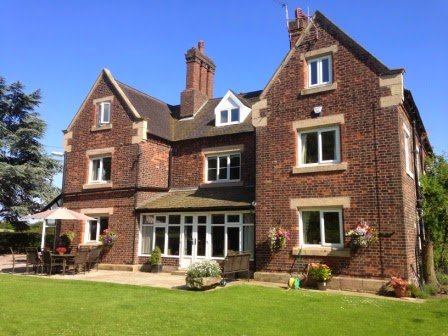
Whitethorn Bed and Breakfast
Whitethorn Farm, Watery Lane, Congleton
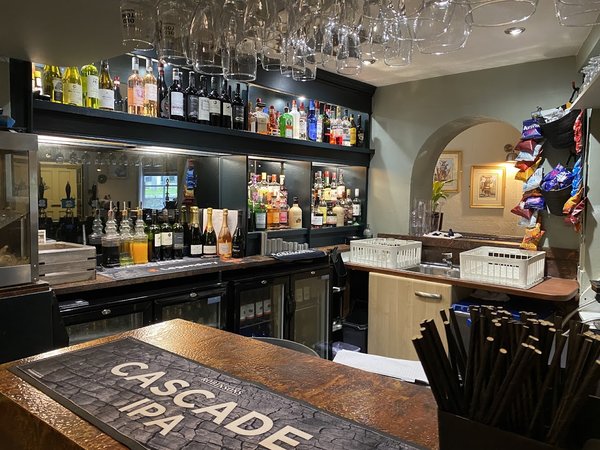
The Egerton Arms Country Inn
Astbury Village, Congleton
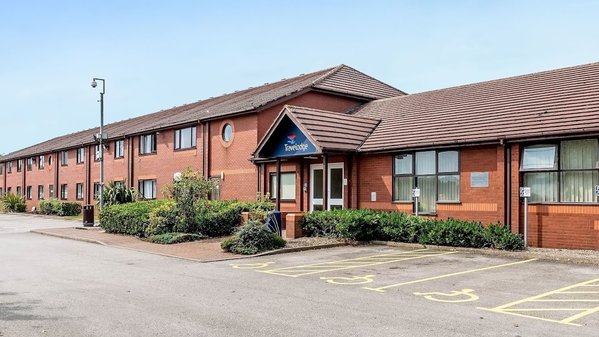
Travelodge Stoke Talke
Newcastle Road, Talke, Stoke-on-Trent
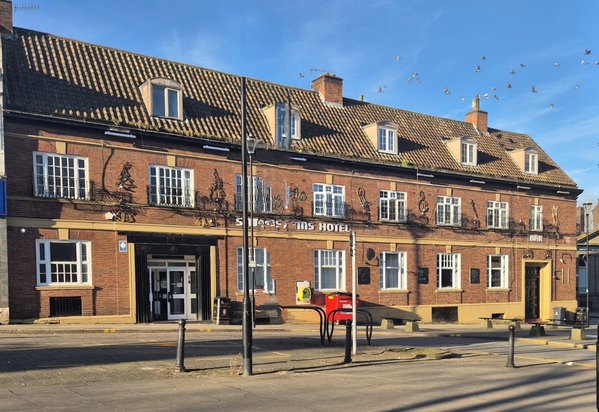
The Snyed Arms Hotel
Tower Square, Stoke-on-Trent
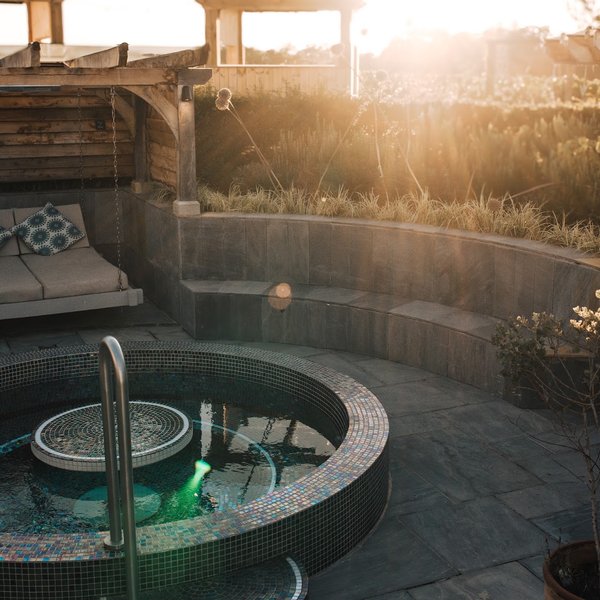
Manor House Hotel Alsager
Audley Rd, Alsager

Reubens Congleton
46 Lawton Street, Congleton
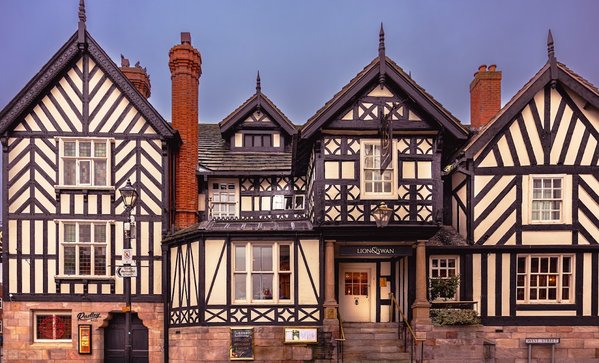
Lion & Swan Hotel
Swan Bank, Congleton
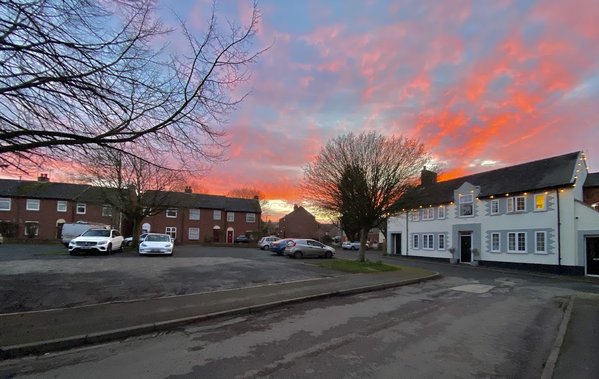
Lamb Inn Guesthouse
3 Blake Street, Congleton
Things to Do in Mow Cop
All attractions in Mow Cop →Top things to do in Mow Cop
The village punches well above its size when it comes to things worth seeking out, most of it centred on the ridge and the network of paths that cross it.
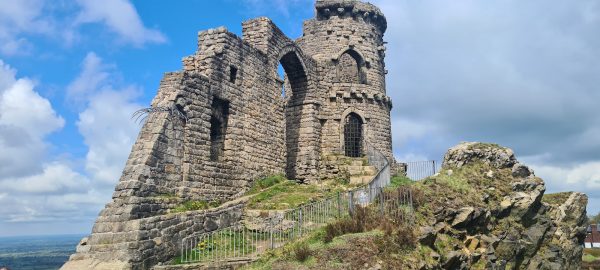
- Mow Cop Castle — A mock-medieval folly built in 1754 as a summerhouse for the Wilbraham family, gifted to the National Trust in 1937. It looks like the ruins of a real fortress but was never anything more than an elaborate garden feature with spectacular views, and it straddles the Staffordshire-Cheshire border almost exactly.
- The birthplace of Primitive Methodism — In 1807, Hugh Bourne and William Clowes held an all-day open-air prayer meeting on Mow Cop that is credited as the founding event of Primitive Methodism, a movement that grew into a major branch of British Methodism. A small monument near the castle marks the spot, and thousands of Methodists still gather here for an annual commemorative service.
- The Old Man of Mow — A freestanding 65-foot pillar of gritstone left behind by quarrymen who cut away the rock around it. It leans a little more each year and climbing it is banned for safety reasons, but it is one of the odder and more photogenic landmarks on the ridge.
- Congleton Edge — The wooded escarpment running north from Mow Cop towards Congleton, popular with walkers following the ridge line for long views over the Cheshire Plain and down towards the Macclesfield Canal.
- Biddulph Grange Garden — A short drive or a longer walk away, this National Trust Victorian garden was created by plantsman James Bateman and is laid out as a series of themed compartments including an Egyptian court and a Chinese garden, all set in a valley beneath Biddulph Moor.
- Little Moreton Hall — A little further north near Congleton, this is one of the finest surviving timber-framed moated manor houses in England, cared for by the National Trust and instantly recognisable from its tilting, black-and-white gables.
- The Cloud — A distinctive wooded hill a few miles north near Congleton, another National Trust viewpoint often combined with Mow Cop on longer circular walks.
Where to Eat in Mow Cop
All restaurants in Mow Cop →Food and drink in Mow Cop
The Mow Cop Inn on Congleton Road is the village's own pub, a straightforward stop for a pint and simple food after a walk up to the castle. Down in the valley towards Congleton, The Queens Head sits beside the Macclesfield Canal with a canalside garden that makes a natural finishing point for a longer ridge walk, while The Egerton Arms in nearby Astbury and The Brownlow Inn near Brownlow Heath both serve as popular country pub stops for anyone touring the wider area around Congleton Edge and Astbury Mere.
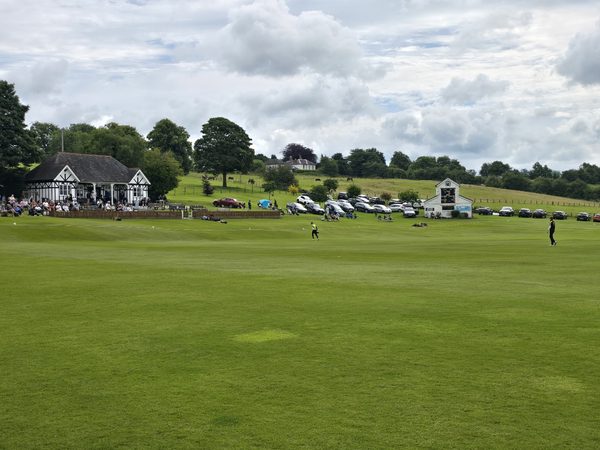
Attractions Near Mow Cop
All attractions in Mow Cop →Worth the trip — within 50 miles of Mow Cop.
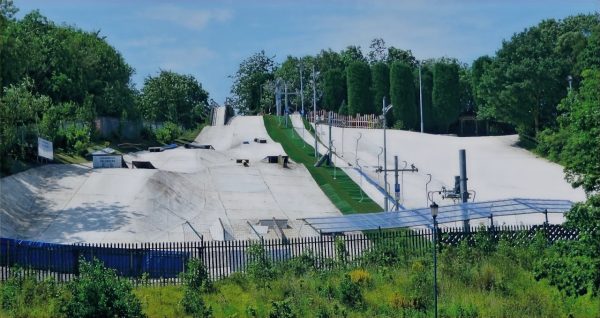 2 mi
2 mi
Kidsgrove Ski Centre
Stoke on Trent · ⭐ 4.8
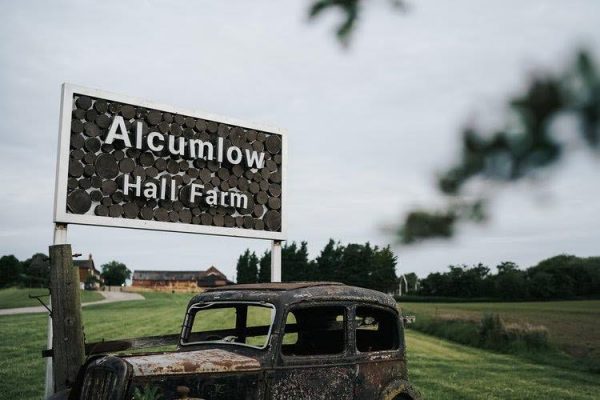 3 mi
3 mi
Alcumlow Hall Farm
Congleton · ⭐ 4.4
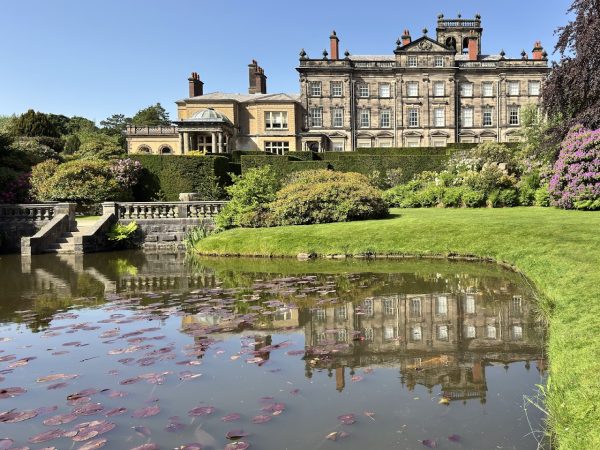 3 mi
3 mi
Biddulph Grange Garden
Biddulph · ⭐ 4.7
Little Harts Pottery Studio
Astbury · ⭐ 5.0
 3 mi
3 mi
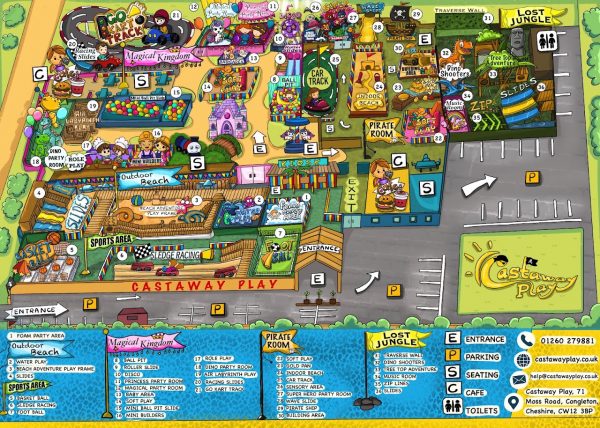
Castaway Play
Astbury · ⭐ 4.4
 4 mi
4 mi
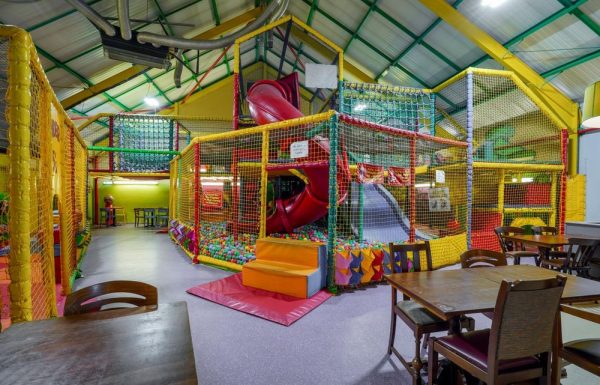
Wacky Warehouse - Heath Farm
Congleton · ⭐ 4.3
 4 mi
4 mi
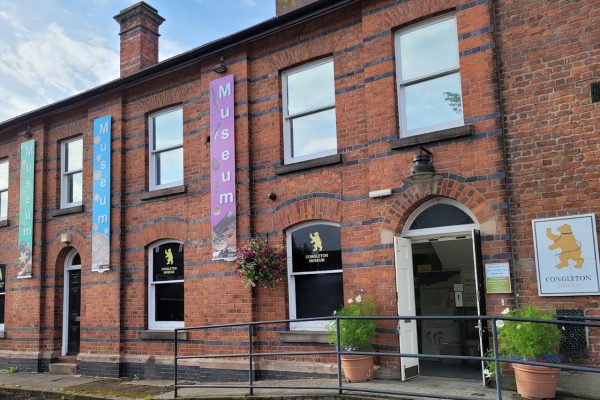
Congleton Museum
Congleton · ⭐ 4.6
 4 mi
4 mi
Dimensions Stoke
Stoke on Trent · ⭐ 4.1
Camping in Mow Cop(1)
All campsites in Mow Cop →About camping in Mow Cop
There is no legal wild camping in England without the landowner's permission, and that applies as much to the open ridge at Mow Cop as anywhere else, however tempting the views from the top might look. The hill and its immediate surroundings are a mix of National Trust land, working farmland and access land with public rights of way, and pitching a tent without permission is not allowed, so anyone wanting to camp overnight needs to use a proper campsite or arrange access with a landowner in advance.
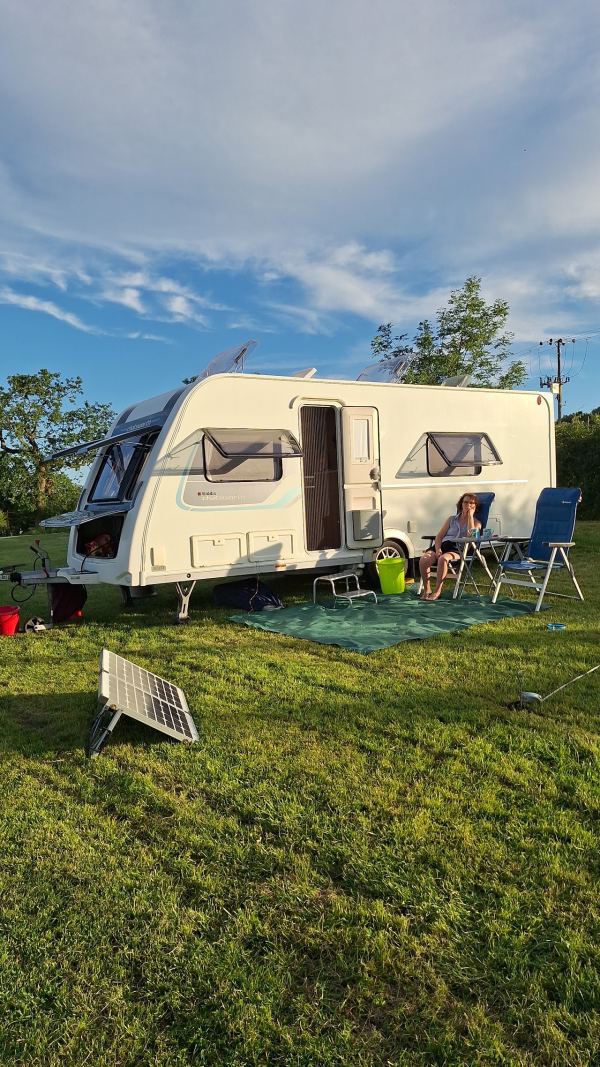
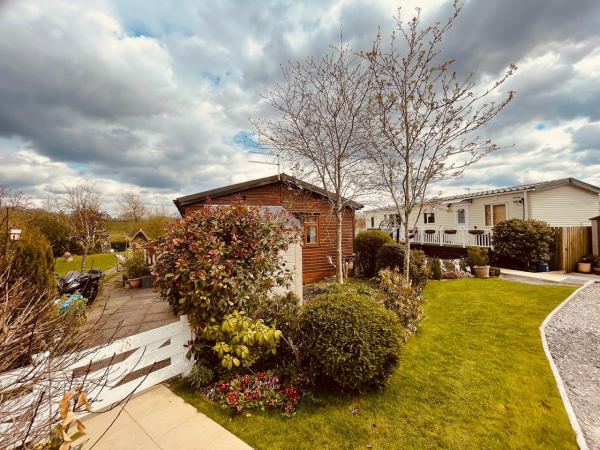
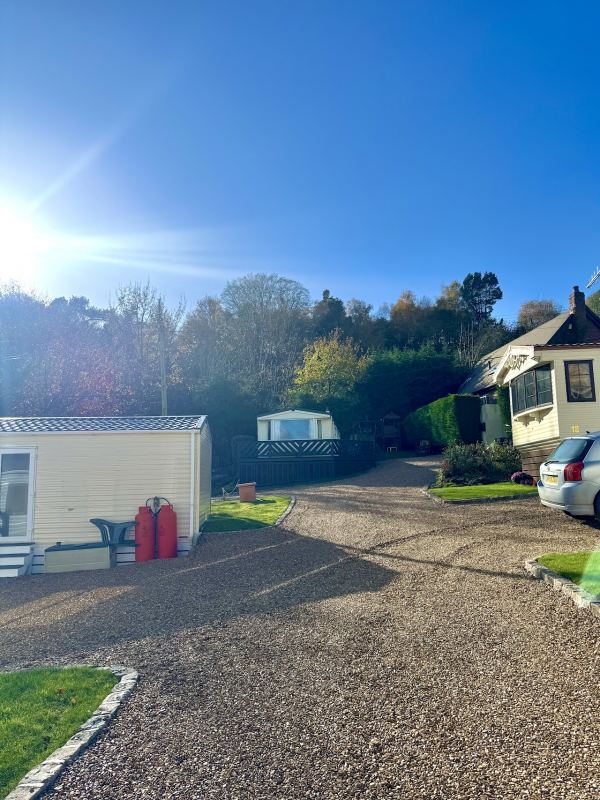
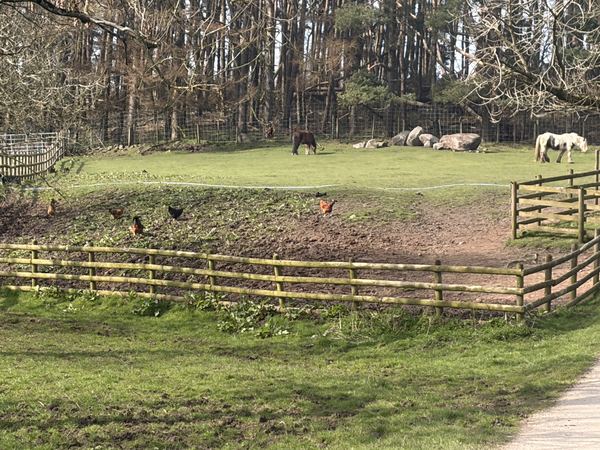
That said, the wider area around Mow Cop, straddling the Staffordshire and Cheshire border, has a reasonable scatter of small campsites and caravan parks, mostly working farms that take tents, campervans and touring caravans across the surrounding Staffordshire Moorlands and Cheshire countryside. The terrain here is proper hill country rather than gentle farmland, with steep gritstone slopes, old quarry workings and exposed ridge tops, so pitches tend to sit in the more sheltered valleys and lower ground around the ridge rather than up on the exposed top itself, where wind can be a real factor even in summer.
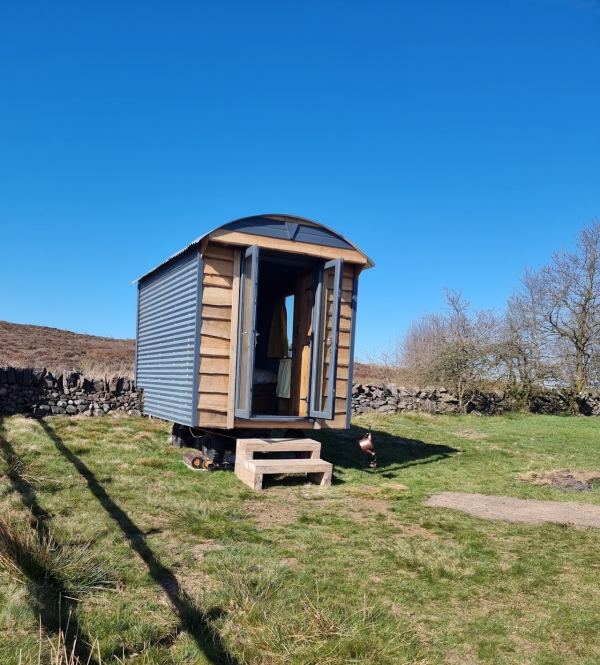
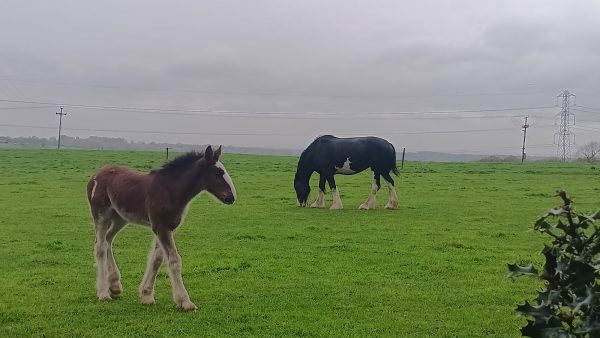
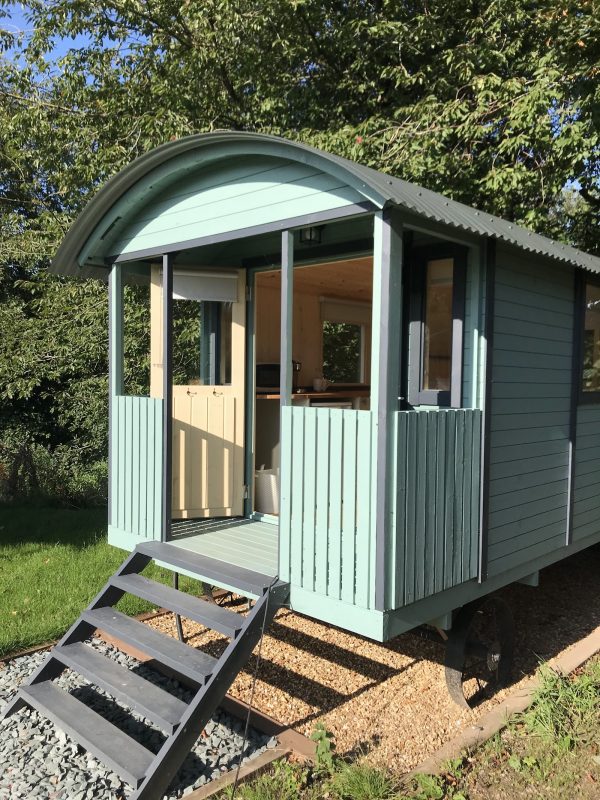
Late spring through early autumn is the most comfortable window for camping in this part of Staffordshire and Cheshire, with longer daylight for exploring the castle, the Old Man of Mow and the paths along Congleton Edge, and a much lower chance of the low cloud and driving rain that can make the exposed ridge unpleasant in winter. Given the modest number of traditional campsites directly in the village, glamping options such as pods, yurts and safari tents on farms in the surrounding countryside have become an increasingly popular alternative, offering a more sheltered and comfortable way to be based near the ridge without needing your own tent, and often with better facilities than a basic pitch. Many of these sit within a few miles of Mow Cop itself, in the villages and farmland around Biddulph, Scholar Green and the edges of Congleton, making them a practical base for walkers tackling the ridge and the wider Staffordshire Way.
Self-Catering Cottages in Mow Cop
All cottages in Mow Cop →Hippo’s Rest
1 bed · sleeps 2 · from £323
Heritage Wharf
5 bed · sleeps 13 · from £1,092
Drumble Lodge
2 bed · sleeps 5 · from £477
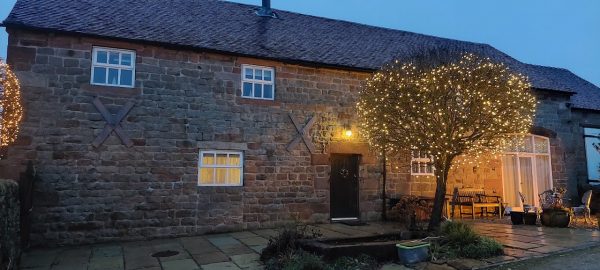
Plumstone Barn
2 bed · sleeps 4 · from £2,697
Hillcrest House
6 bed · sleeps 18 · from £1,182
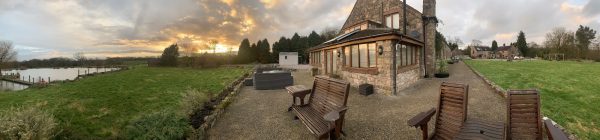
White Chimnies
2 cottages · from £1,076
Lyncroft Holiday Bungalow
3 bed · sleeps 6 · from £727
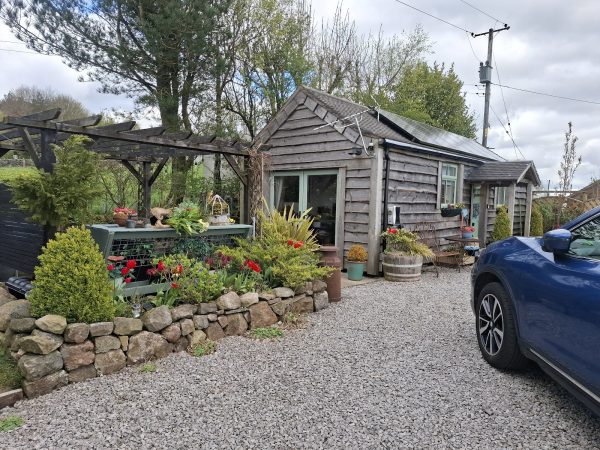
Little Pines Lodge
1 bed · sleeps 2 · from £527
Common questions about Mow Cop
How many campsites are there in Mow Cop?
We list 1 campsites in and around Mow Cop, of which 1 take tents and 1 offer glamping.
Are there dog-friendly campsites in Mow Cop?
Yes — 1 of the 1 campsites we list in Mow Cop accept dogs, including Castle Camping Certificated Site.
Which campsites in Mow Cop have electric hook-up?
1 of the 1 campsites we list in Mow Cop offer an electric hook-up.