Theddlethorpe St Helens
Dunes, marsh and quiet Lincolnshire coast
Photo © Amanda Barnard, Google Maps
Theddlethorpe St Helen sits on the Lincolnshire coast around three miles north of Mablethorpe, a scattered farming village of red-brick cottages, big skies and flat, fertile fields that run out towards the dunes and the sea. It is easy to miss on a map, tucked between the busier resorts of Mablethorpe and Sutton-on-Sea and the quieter marshland villages further up the coast towards Saltfleet, but that low profile is exactly its appeal. The Domesday Book recorded a settlement here in 1086 as 'Tedlagestorp', and the village has stayed small and agricultural ever since, its population hovering around 500 for decades.
What draws most visitors today is not the village itself but what lies just beyond it: the Saltfleetby-Theddlethorpe Dunes National Nature Reserve, one of the largest undeveloped stretches of coastline left in Lincolnshire. Sand dunes, salt marsh and freshwater dune slacks stretch for miles along the shore, home to rare wildlife and largely free of the amusement arcades and static caravan parks that line much of this coast further south. For anyone who wants a genuinely peaceful English seaside break, with room to walk for hours and barely see another person, Theddlethorpe St Helen is hard to beat.
Getting to Theddlethorpe St Helens
Theddlethorpe St Helen lies just off the A1031 coast road between Mablethorpe and Louth, making it an easy drive from most of Lincolnshire and the wider East Midlands. From Louth, follow the A16 and then the A1031 towards the coast; from the south, the A1031 runs up from Mablethorpe and Sutton-on-Sea. The nearest railway stations are at Grimsby and Cleethorpes to the north or Skegness to the south, both around 40 minutes away by car, with connecting bus services running along the coast to Mablethorpe. The village itself has no railway station today — the old Theddlethorpe station closed in 1960 — so a car is by far the most practical way to reach it.
Best time to visit Theddlethorpe St Helens
Late spring and early summer, from May to June, are best for the dune flora, when orchids and other wildflowers are at their peak across the nature reserve. May through October is the best window for migrant birds passing along this stretch of coast, while the winter months bring large numbers of wildfowl to the marshes and mudflats. Summer naturally suits a straightforward beach visit, with long daylight hours for walking the reserve, though the coast here rarely feels crowded even in August. Because the village and its surroundings are so exposed to the weather off the North Sea, it is worth packing for wind and rain whatever the season.
Where to stay in Theddlethorpe St Helens
All hotels in Theddlethorpe St Helens →About staying in Theddlethorpe St Helens
Because Theddlethorpe St Helen itself is so small, formal hotels within the village are scarce to non-existent, and most visitors looking for a hotel bed base themselves a short drive away in Mablethorpe or Sutton-on-Sea. Both towns offer a range of traditional seaside hotels and guest houses, many with sea views along the promenade, and put you within easy reach of the Saltfleetby-Theddlethorpe Dunes National Nature Reserve and the quiet beach that runs past Theddlethorpe itself. Louth, around nine miles inland, is another good option for those who prefer a market-town base with a wider choice of independent inns and coaching hotels, plus easy road links back out to the coast.
Wherever you stay, this part of the Lincolnshire coast rewards a slower pace: mornings spent walking the dune trails and looking for natterjack toads or orchids, afternoons on an uncrowded beach, and evenings back in Mablethorpe or Louth for food and a change of scene. Booking ahead is sensible in the peak summer months and around half-term weeks, when nearby Mablethorpe in particular gets busy with day-trippers and staying visitors alike, but outside those windows this stretch of coast stays refreshingly quiet even in good weather.
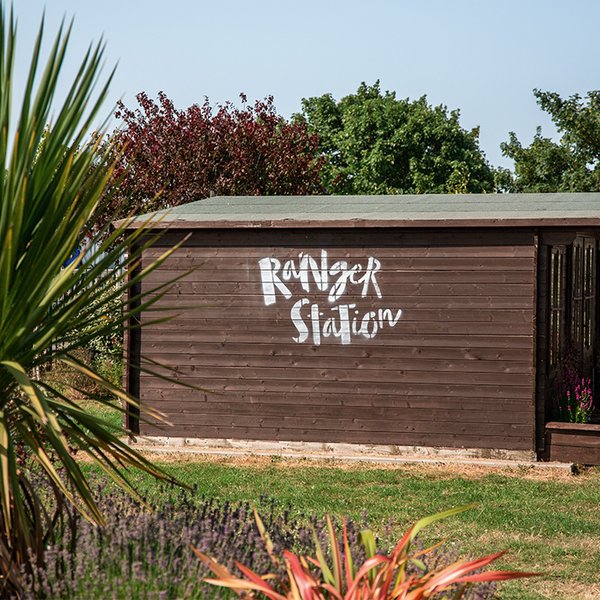
Haven Golden Sands Holiday Park Lincolnshire
Quebec Rd, Mablethorpe
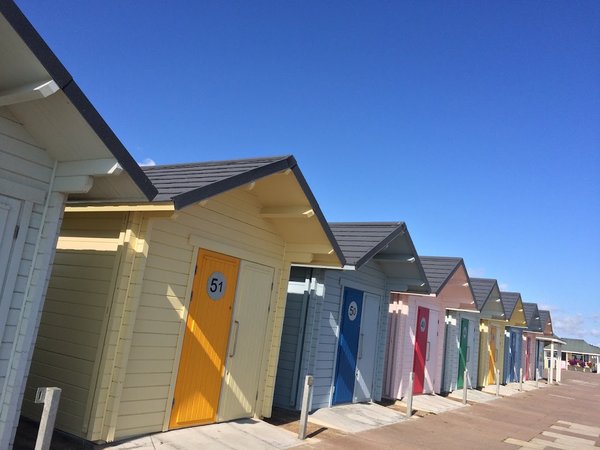
The Cross Guest House
Alford Road, Mablethorpe
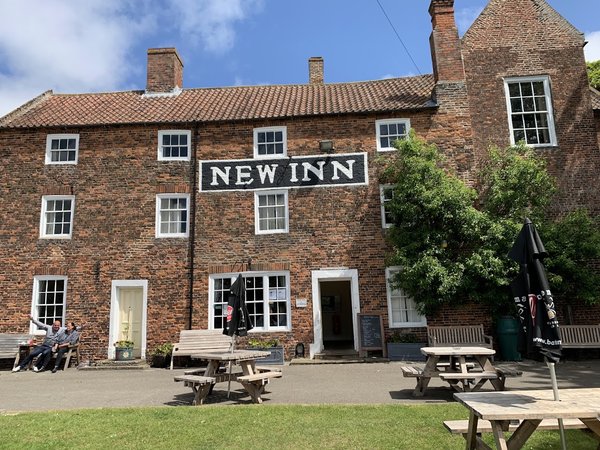
Saltfleet Manor House
Main Road, Saltfleet
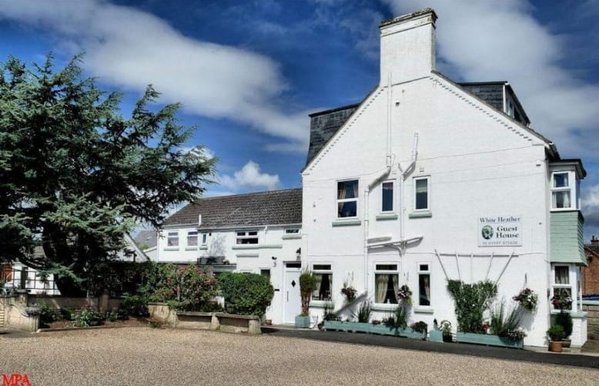
White Heather Guest House
114 Victoria Road, Mablethorpe

Ocean Court Guest House
1 Ocean Court, Mablethorpe
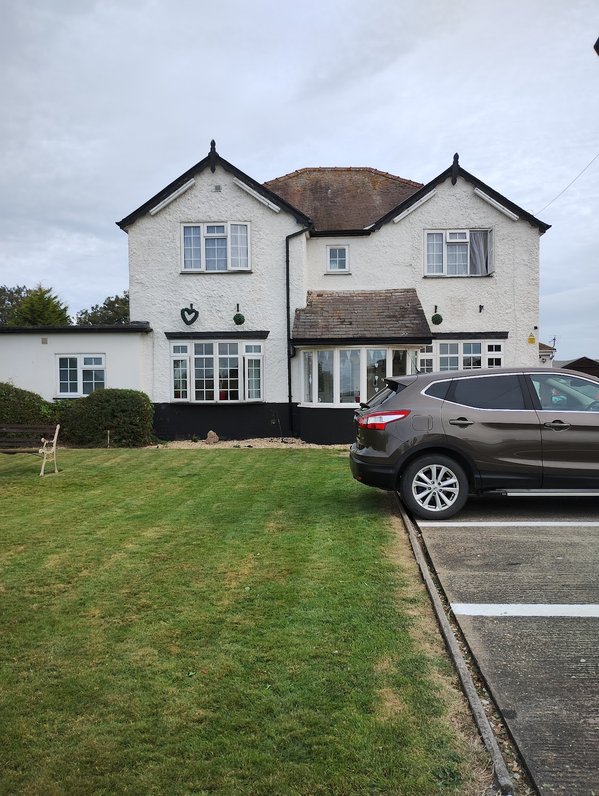
The Ramblers
Sutton Road, Trusthorpe
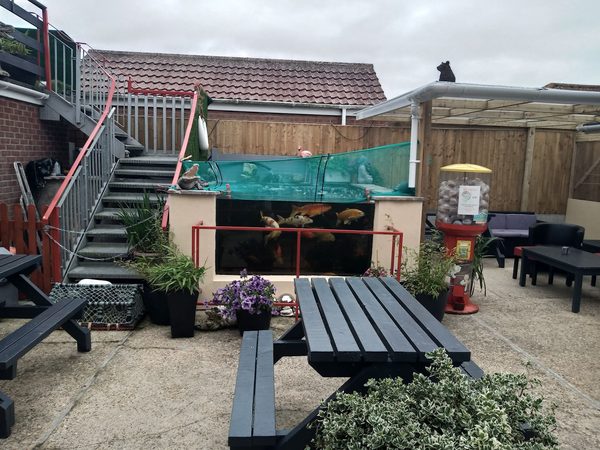
Seashells
Grove Road, Sutton on Sea
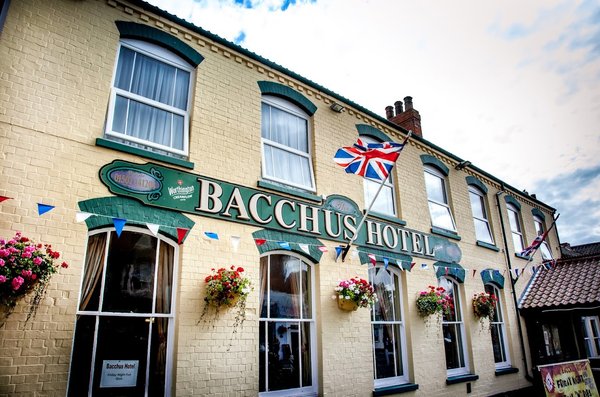
Bacchus Hotel
17 High Street, Mablethorpe
Things to Do in Theddlethorpe St Helens
All attractions in Theddlethorpe St Helens →Top things to do in Theddlethorpe St Helens
The village itself is small, but its setting on the edge of one of the East Coast's most important nature reserves means there is plenty to fill a day, especially for walkers, birdwatchers and anyone who likes an unspoilt beach.
- Saltfleetby-Theddlethorpe Dunes National Nature Reserve — around 950 hectares of sand dunes, salt marsh and mudflats managed by Natural England and the Lincolnshire Wildlife Trust, with several waymarked trails (some wheelchair-accessible) leading out to a broad, quiet beach.
- Natterjack toad spotting — the reserve is one of only around 60 sites in the UK where the rare natterjack toad breeds in the dune slacks, alongside orchids in early summer and passing migrant birds in spring and autumn.
- Church of St Helen — a Grade II* listed parish church dating from the 14th and 15th centuries, built of greenstone and limestone with a 15th-century tower and a 14th-century font, restored by the Victorian architect Samuel Sanders Teulon in 1866.
- Theddlethorpe beach — a long, quiet stretch of sand backed by dunes, reached on foot through the reserve, with far fewer visitors than the beaches at Mablethorpe or Sutton-on-Sea just down the coast.
- Mablethorpe — the nearest proper seaside town, three miles south, with a promenade, funfair, Mablethorpe Animal Sanctuary and traditional seafront shops and cafes for a day out.
- Louth market town — around nine miles inland, a handsome Georgian market town with the tallest parish church spire in England (St James'), independent shops and a Friday and Saturday market.
Where to Eat in Theddlethorpe St Helens
All restaurants in Theddlethorpe St Helens →Food and drink in Theddlethorpe St Helens
Theddlethorpe St Helen is a small, quiet village without its own pub or restaurant, so most visitors head into Mablethorpe for fish and chips, cafes and seafront kiosks, or further afield to Louth, which has a good choice of independent cafes, restaurants and traditional pubs around its market square. Those staying locally in self-catering cottages or on a campsite will likely want to stock up in Mablethorpe or one of the larger villages nearby before heading out to the coast.



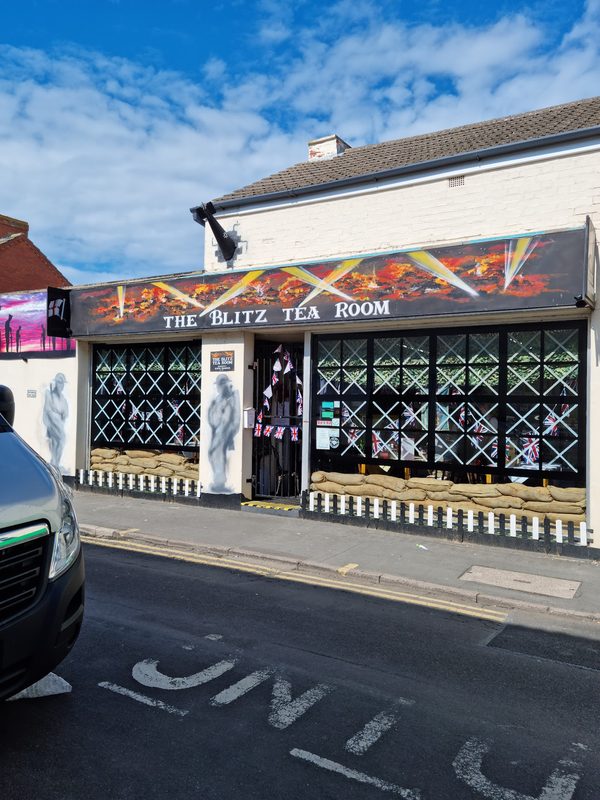
Attractions Near Theddlethorpe St Helens
All attractions in Theddlethorpe St Helens →Worth the trip — within 50 miles of Theddlethorpe St Helens.
 1 mi
1 mi
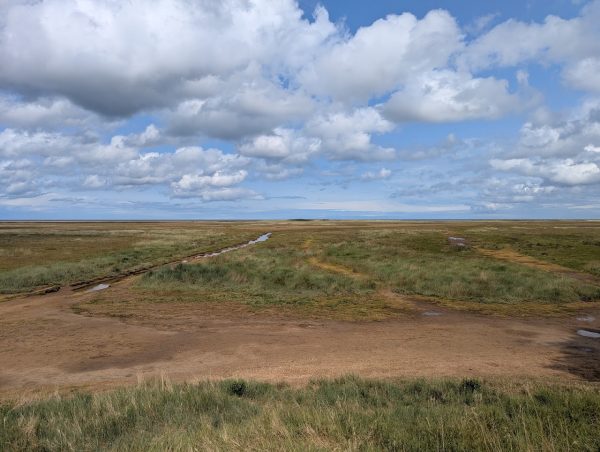
Saltfleetby Theddlethorpe Dunes Beach
Mablethorpe · ⭐ 4.6
 2 mi
2 mi
The Mablethorpe Seal Sanctuary
Mablethorpe · ⭐ 4.4
 3 mi
3 mi
Cheeky Monkeys Play Area
Mablethorpe · ⭐ 4.3
 3 mi
3 mi
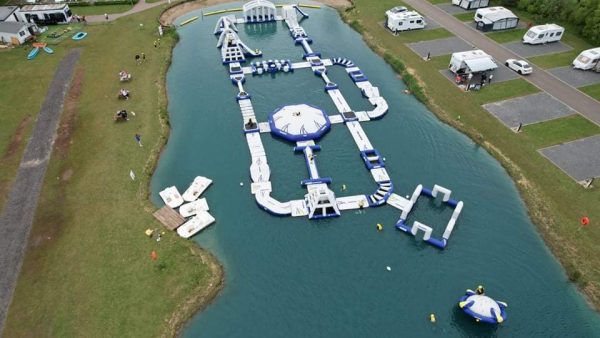
Lincolnshire Aquapark
Mablethorpe · ⭐ 4.7
Mablethorpe Beach
Mablethorpe · ⭐ 4.7
 4 mi
4 mi
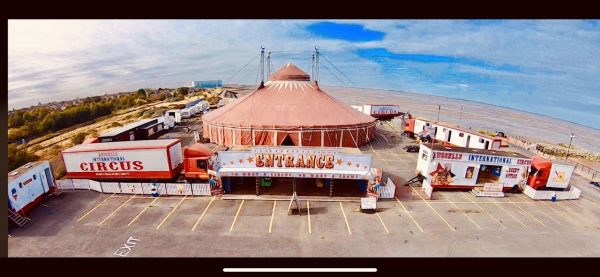
Russell's International Circus
Nottingham · ⭐ 4.7
 6 mi
6 mi
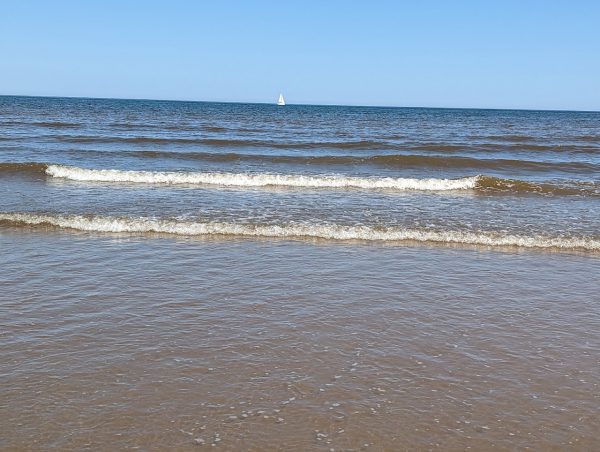
Sutton On Sea Beach
Sutton-on-Sea · ⭐ 4.6
 8 mi
8 mi
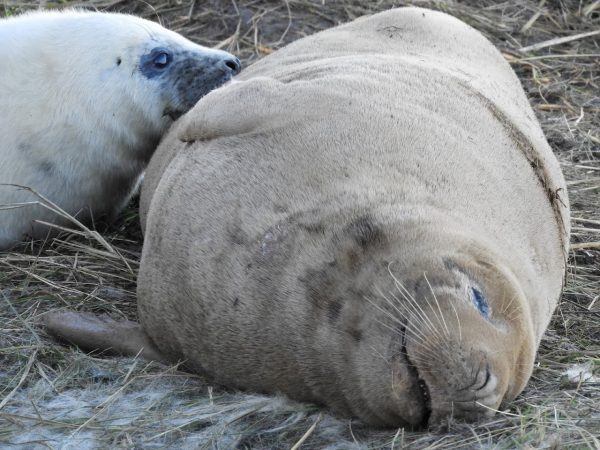
Donna Nook Nature Reserve
Louth · ⭐ 4.7
Camping in Theddlethorpe St Helens
All campsites in Theddlethorpe St Helens →About camping in Theddlethorpe St Helens
Theddlethorpe St Helen and the surrounding dunes make an appealing, low-key base for a camping trip on the Lincolnshire coast, with the Saltfleetby-Theddlethorpe Dunes National Nature Reserve running right along the edge of the parish. As with the rest of England, wild camping is illegal here without the express permission of the landowner — that includes the nature reserve itself, which is protected for its dune flora and rare wildlife such as the natterjack toad, so pitching a tent informally on the dunes or marshes is not permitted and would risk real damage to a sensitive habitat. Instead, look to the established campsites and touring caravan parks dotted along this stretch of coast around Mablethorpe, Sutton-on-Sea and the villages in between, many of which are set up specifically for easy access to the beach and reserve.
The terrain here is distinctive: flat, sandy dune country backed by farmland and drained marsh, quite different from the rolling wolds further inland, and very exposed to wind off the North Sea, so a sturdy tent, decent pegs and warm layers are worth packing whatever the forecast says. Late spring and early summer suit campers who want to see the dune slacks at their best, with orchids in flower and natterjack toads breeding, while high summer brings the warmest weather and longest days for exploring the beach and reserve trails on foot or by bike. Fewer campers means the shoulder seasons of May, June and September can be a particularly good compromise, combining decent weather with a genuinely quiet coastline.
For those who prefer a roof over their heads without giving up the outdoor feel, glamping options — shepherd's huts, pods and static caravans set within touring parks along this coast — offer a comfortable alternative, and are worth booking early for peak weeks. Whichever way you choose to stay, the reward is the same: direct access to one of the wildest and least developed sections of beach on the Lincolnshire coast, right on the doorstep.
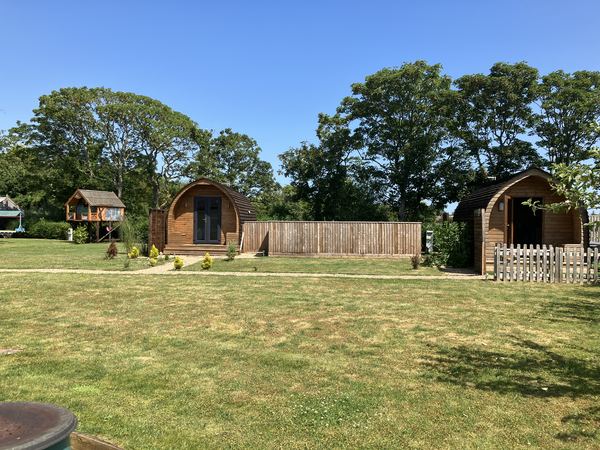
Seymore Glamping Pods
⭐ 5.0 · from £280/night
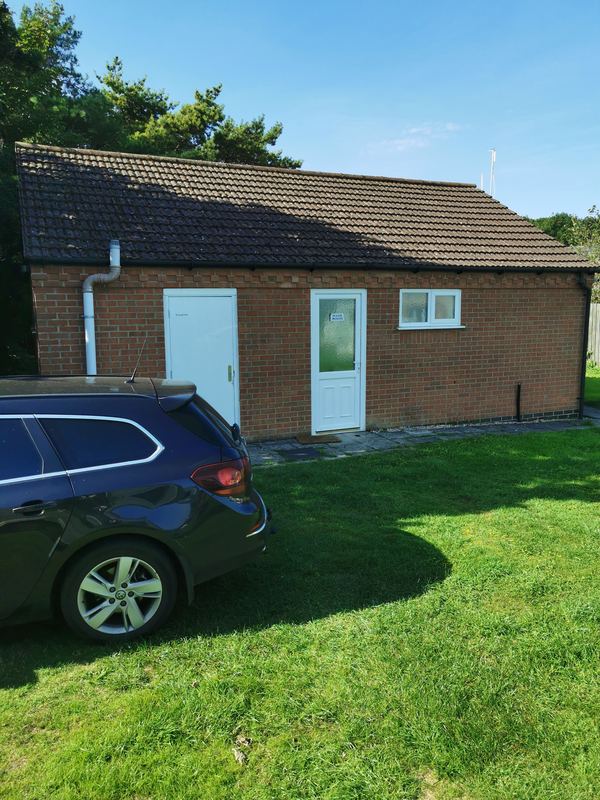
Swallow Park Caravan Site
⭐ 4.5 · from £56/night
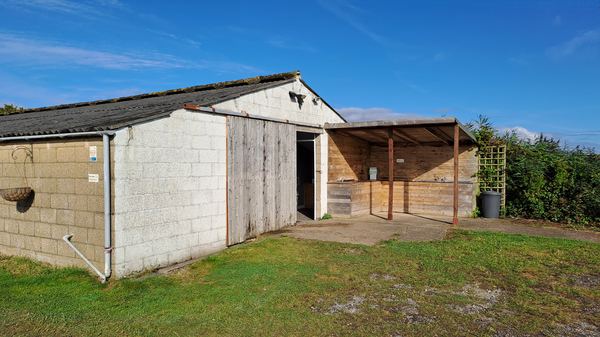
Standen Lodge Campsite
⭐ 4.7
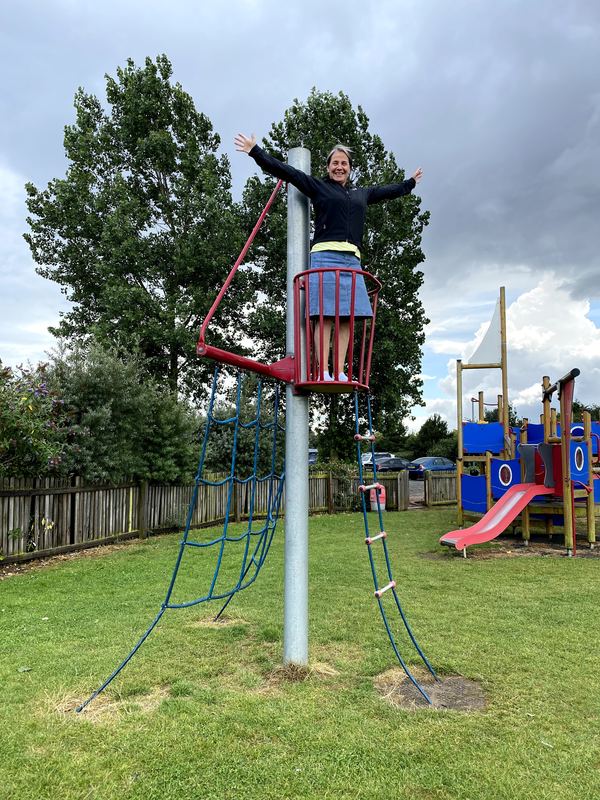
Grange Leisure Park
⭐ 4.3 · from £15/night
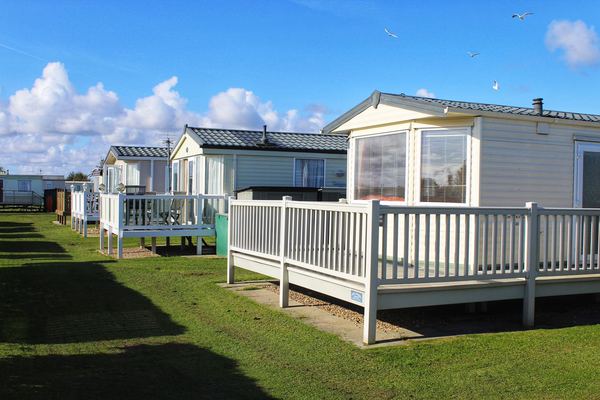
Towervans Caravan Park
⭐ 4.4 · from £108/night
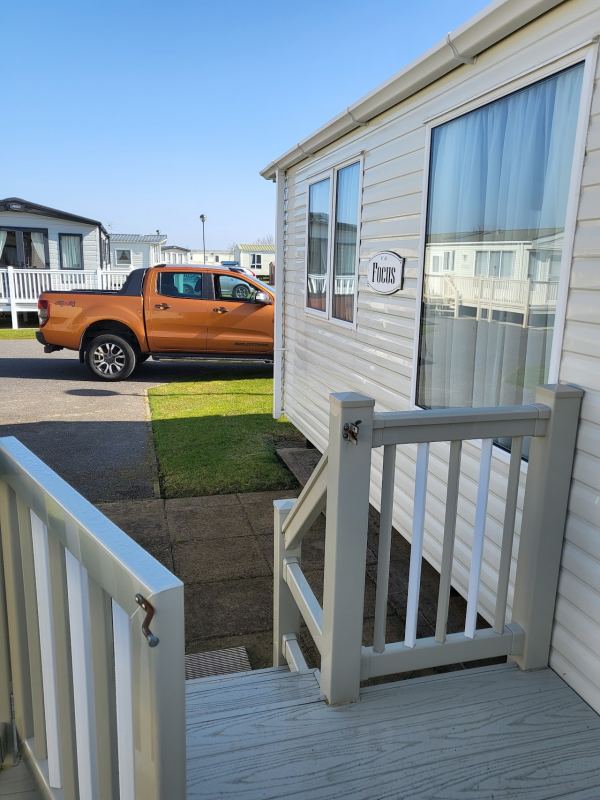
Mermaid Park
⭐ 4.6
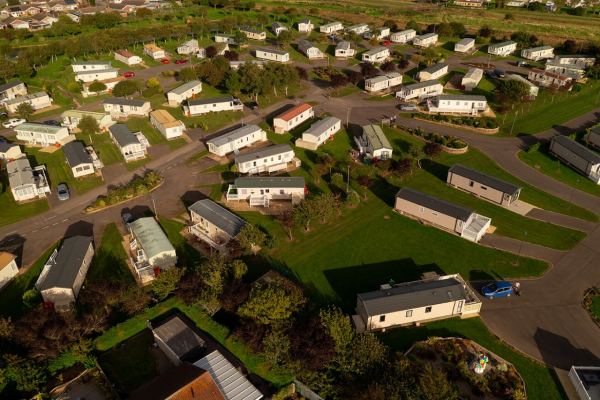
Whispering Waters
⭐ 4.4
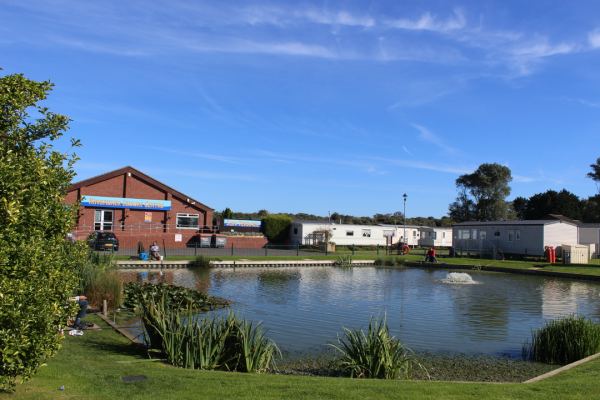
Sunnydale Holiday Park
⭐ 3.8 · from £10/night
Self-Catering Cottages in Theddlethorpe St Helens
All cottages in Theddlethorpe St Helens →Sea Dreams and Windsong
2 cottages · from £597
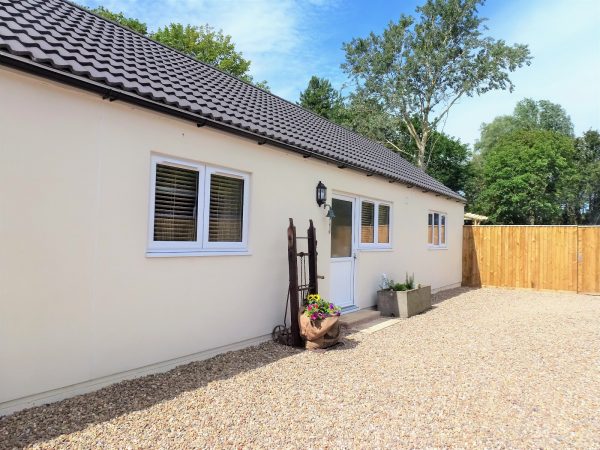
Badgers Willow
2 bed · sleeps 4 · from £767
Haven Golden Sands - Nutmeg
2 bed · sleeps 6 · from £287
Pete’s Holiday Home
3 bed · sleeps 7 · from £327
Cloverleaf
1 bed · sleeps 2 · from £687
Horseshoe
1 bed · sleeps 2 · from £687
Joe’s Place
2 bed · sleeps 5 · from £577
Golf Road
4 bed · sleeps 8 · from £417