Blue Anchor
Fossils, tides and steam trains on the Somerset coast
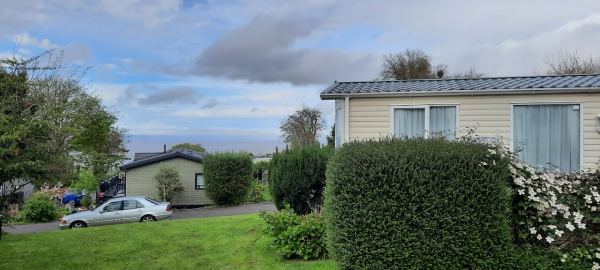
Photo © David Smee, Google Maps
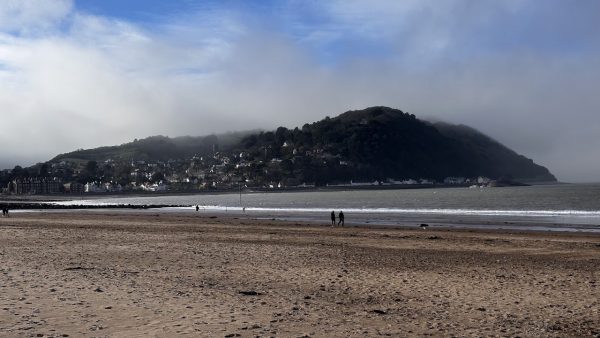
Blue Anchor is a small seaside village on the north Somerset coast, tucked between Minehead and Watchet where the land flattens out to meet the Bristol Channel. It has no high street to speak of and no crowds to fight through — just a long shingle-and-sand beach, a scatter of holiday homes and static caravan parks, and the low green line of the Quantock Hills visible across the water on a clear day. The village grew up around its beach and its railway rather than any older market or fishing trade, which gives it a quieter, more elemental feel than many Somerset coastal spots.
What Blue Anchor lacks in size it makes up for in setting. The beach itself runs for well over a mile, backed in places by low red sandstone and alabaster cliffs that have been eroding into the sea for centuries, exposing fossils and the pink-and-white gypsum seams that give the shoreline its distinctive striped look. Behind the beach, the coast road threads through to the neighbouring villages of Carhampton and Dunster, and inland the ground begins to climb steadily towards Exmoor National Park, whose moorland, wooded combes and red deer are within easy reach for anyone based here.
Getting to Blue Anchor
Blue Anchor sits just off the A39 coast road between Minehead and Williton, around 5 miles from Minehead and a similar distance from Watchet. By car, it's roughly 40 minutes from Taunton, which sits on the M5 and has direct rail links to London, Bristol and the Midlands. The nearest mainline station is Taunton; from there it's a drive across to the coast, as there's no year-round National Rail service directly into the village. The West Somerset Railway does call at Blue Anchor's own station on its heritage services between Bishops Lydeard and Minehead, running seasonally and on selected dates, which makes for a scenic if not year-round way to arrive. Regular bus services also connect the village to Minehead and Taunton for those without a car.
Best time to visit Blue Anchor
Summer brings the best weather for the beach and the fullest West Somerset Railway timetable, with trains running most days between roughly April and October. July and August are the busiest months, when the caravan parks fill up and the beach sees its highest footfall, though even then Blue Anchor rarely feels crowded compared with bigger resorts along this coast. Spring and early autumn are a good compromise, with the fossil-rich foreshore easier to explore at low tide, mild walking weather on Exmoor, and noticeably fewer visitors. Winter is quiet and can be bracing, but low winter light on the mudflats and the empty beach have their own appeal for anyone happy to wrap up.
Where to stay in Blue Anchor(2)
All hotels in Blue Anchor →About staying in Blue Anchor
Blue Anchor itself has more holiday parks and self-catering cottages than conventional hotels, so anyone wanting a classic hotel stay will usually look to the surrounding towns while still using Blue Anchor's beach and railway station as a base for day trips. Dunster, a couple of miles along the coast, has a handful of historic inns and small hotels within its medieval streets, putting guests within walking distance of Dunster Castle and the village's yarn market and packhorse bridge. Minehead, a little further west, offers a wider range of seafront hotels and guesthouses, along with more choice for evening dining, and remains the western terminus of the West Somerset Railway.
Wherever you base yourself along this stretch of coast, Blue Anchor's own beach and station are an easy drive or a scenic heritage train ride away, making it entirely possible to stay in a period hotel in Dunster or a seafront guesthouse in Minehead and still spend a full day exploring Blue Anchor's shoreline, fossil beds and West Somerset Railway heritage. Booking ahead is advisable in the peak summer months, when both the railway and the coast draw their largest numbers of visitors, while spring and autumn generally offer more availability and a calmer pace for exploring the wider Exmoor coast.
Meadow View
Carhampton Road, Blue Anchor

Pines
Blue Anchor, Somerset
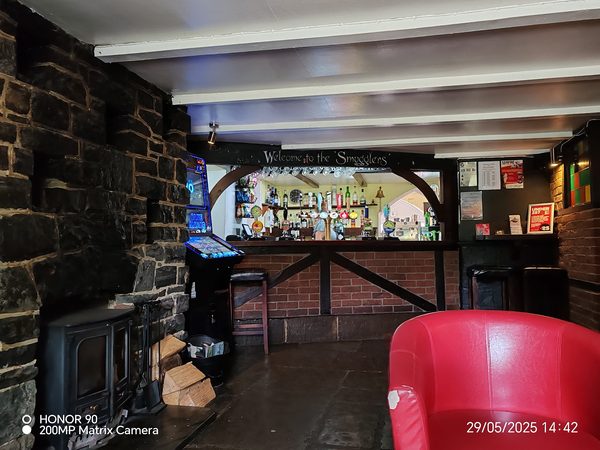
The Smugglers Inn
The Smugglers Inn Blue Anchor Road, Minehead
The Pippins
Cedar House, Old Cleeve
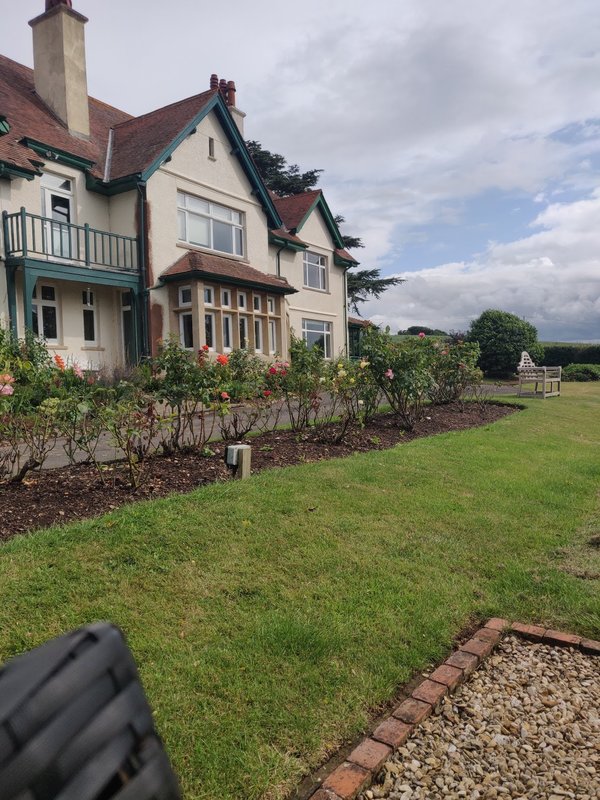
Cedar House
Old Cleeve, Minehead
The Bramleys
Cedar House, Old Cleeve
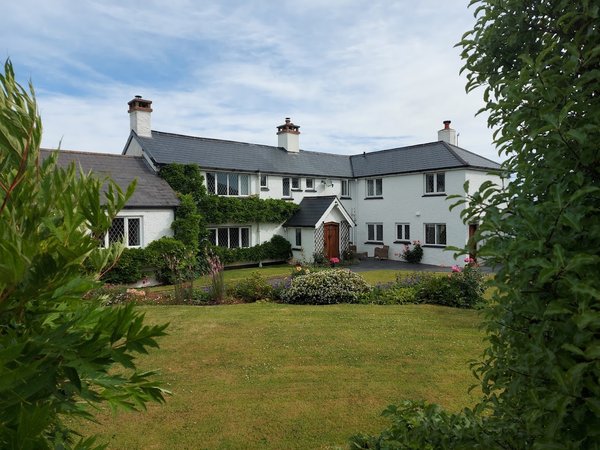
Bournestream
Bilbrook, Minehead
 9.3
9.3
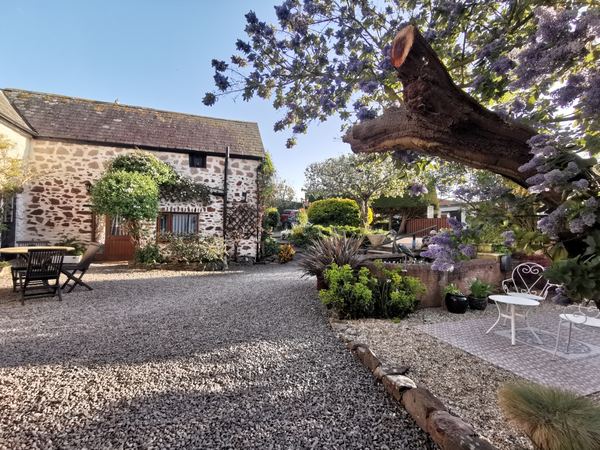
Steps Farmhouse
Bilbrook, 5 miles from Minehead
from £89/night
Things to Do in Blue Anchor
All attractions in Blue Anchor →Top things to do in Blue Anchor
Blue Anchor rewards visitors who like their days unhurried — a walk on the beach, a ride on a steam train, a wander into the hills — rather than a packed itinerary. These are the highlights within a short distance of the village.
- Blue Anchor Beach — A long stretch of sand and shingle looking out over the Bristol Channel towards Wales, popular for family paddling, dog walking and beachcombing at low tide, when the sand is exposed for a good distance from the sea wall.
- Blue Anchor railway station — One of the prettiest stops on the West Somerset Railway, the UK's longest heritage line. The Great Western Railway-era station sits right behind the beach, with a small museum in the old goods shed run by volunteers on running days, and a working signal box controlling the level crossing gates.
- Fossil hunting on the foreshore — The Jurassic-era cliffs and rock ledges between Blue Anchor and Watchet are known among geologists and casual collectors alike for ammonites and other fossils, along with the pink alabaster seams that run through the red marl cliffs.
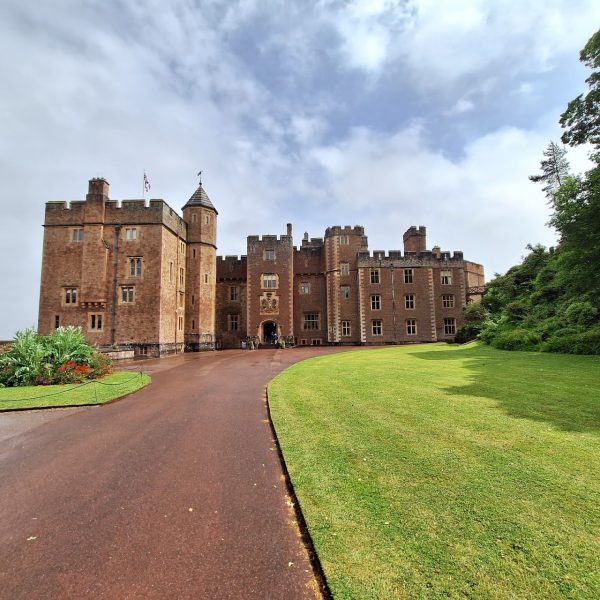
- Dunster Castle and village — A few miles west along the coast, Dunster is one of Somerset's best-preserved medieval villages, its packhorse bridge and yarn market overlooked by a National Trust castle that has stood on the same wooded hill for close to a thousand years.
- Exmoor National Park — The moor rises inland within a few miles of the coast, offering walking and riding across open heather moorland, wooded valleys and some of the darkest night skies in England, along with the chance to spot the free-roaming Exmoor ponies and red deer.
- Watchet Harbour — A short drive or train ride east, this small working harbour town has a maritime museum, a Marina, and a boat-shaped memorial to its most famous literary connection, Samuel Taylor Coleridge's Rime of the Ancient Mariner.
- Coast path walking — The stretch between Blue Anchor and Dunster, or onward to Minehead, makes for a manageable coastal walk with sea views for much of the route and a pub or tea room to aim for at the far end.
Where to Eat in Blue Anchor
All restaurants in Blue Anchor →Food and drink in Blue Anchor
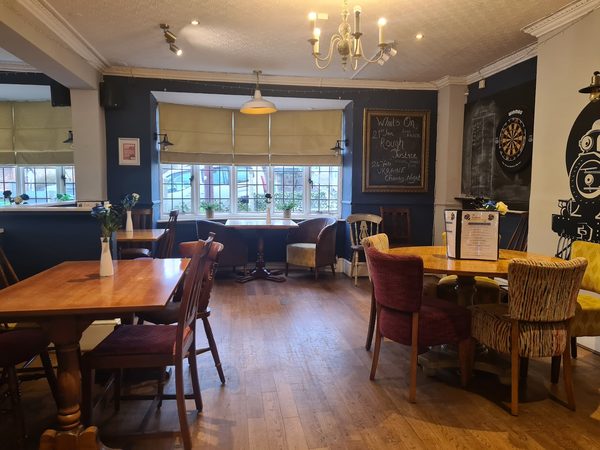
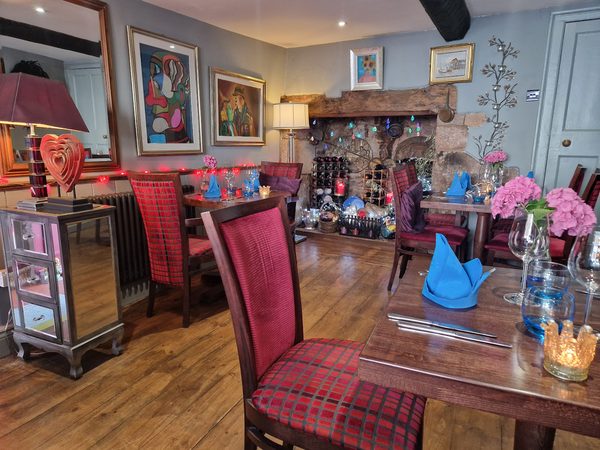
The Smugglers Inn sits directly across the coast road from the beach and is the village's main pub, serving classic pub food and local ales to a mix of walkers, cyclists and holidaymakers. For a wider choice, Carhampton and Dunster are both a short drive inland, with Dunster in particular offering a good spread of tea rooms, pubs and restaurants around its historic High Street. Watchet, to the east, adds harbourside cafés and fish and chip options for a day trip that combines the coast path with a proper Somerset lunch.

Attractions Near Blue Anchor
All attractions in Blue Anchor →Worth the trip — within 50 miles of Blue Anchor.
 2 mi
2 mi
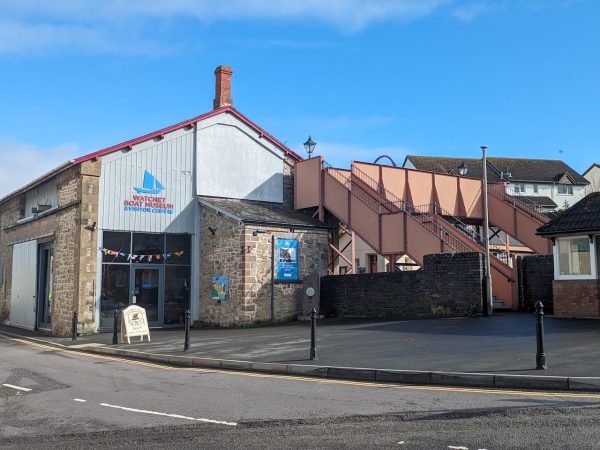
Watchet Boat Museum
Watchet · ⭐ 4.5
 2 mi
2 mi
Dunster Castle
Minehead · ⭐ 4.7
 2 mi
2 mi
Dunster Museum and Doll Collection
Dunster · ⭐ 4.4
 2 mi
2 mi
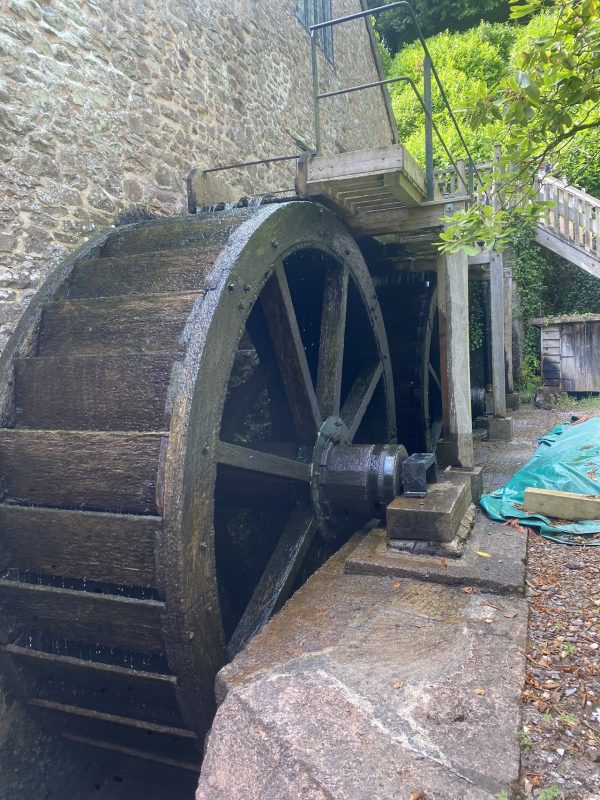
Dunster Water Mill
Dunster · ⭐ 4.9
 3 mi
3 mi
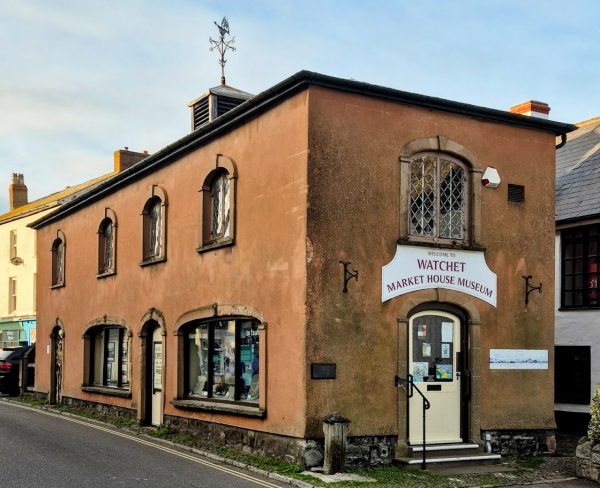
Market House Museum
Watchet · ⭐ 4.7
 3 mi
3 mi
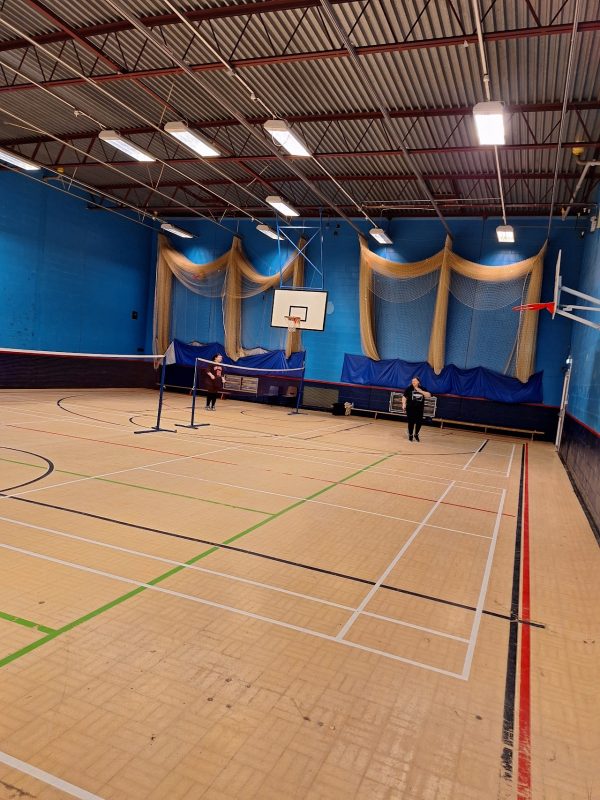
West Somerset College Community Sports and Leisure Centre
Minehead · ⭐ 4.4
 4 mi
4 mi
Channel Adventure Minehead
Minehead · ⭐ 4.7
 4 mi
4 mi
Minehead Beach
Minehead · ⭐ 4.7
Camping in Blue Anchor
All campsites in Blue Anchor →About camping in Blue Anchor
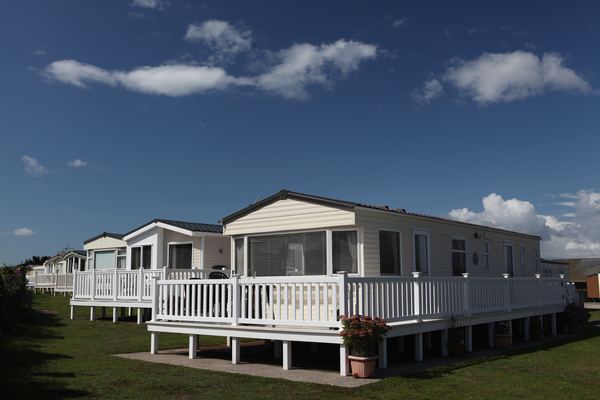
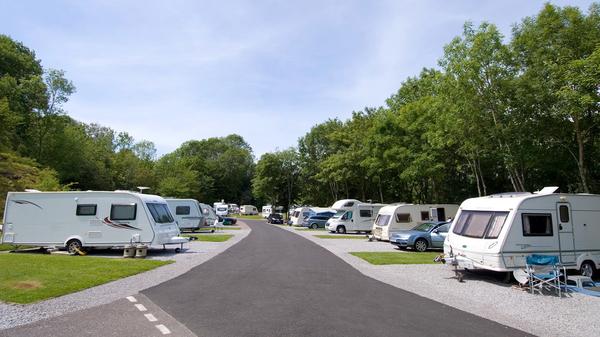
Camping around Blue Anchor puts you on one of Somerset's most distinctive stretches of coast, with the Bristol Channel on one side and the rise of Exmoor National Park close behind. Wild camping is illegal in England without the landowner's permission, so anyone hoping to pitch up here should stick to licensed sites — thankfully there are good options nearby, from established holiday parks with sea views to smaller, quieter fields further inland towards Exmoor. The terrain is a mix of flat coastal ground around the beach and caravan parks, giving way quickly to the steeper, more sheltered combes and moorland as you head towards Dunster and beyond, so there's a good range of settings within a short drive whether you want to fall asleep to the sound of the tide or tucked away among Exmoor's hedgerows and woodland.
The best camping season here runs from late spring through to early autumn, when the West Somerset Railway is running its fullest timetable, the beach is at its best for low-tide walks and fossil hunting, and Exmoor's moorland paths are driest underfoot. Coastal sites can be exposed to wind blowing in off the Bristol Channel, so a sturdy tent or a pitch with some natural shelter is worth seeking out, particularly outside the height of summer. Evenings tend to cool quickly once the sun drops behind the hills, even in July and August, so it's worth packing for a proper Somerset coastal night rather than assuming southern English summer warmth will hold.
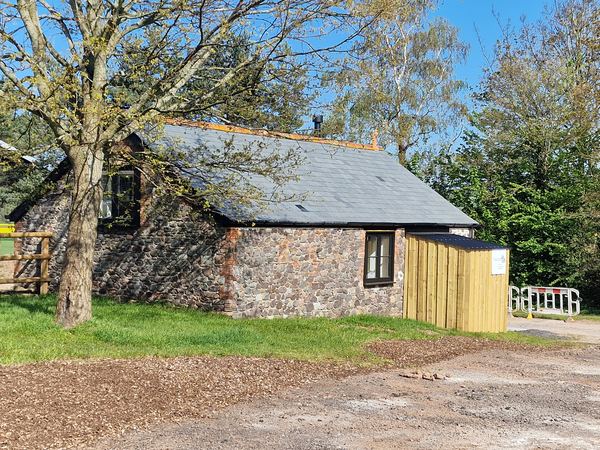
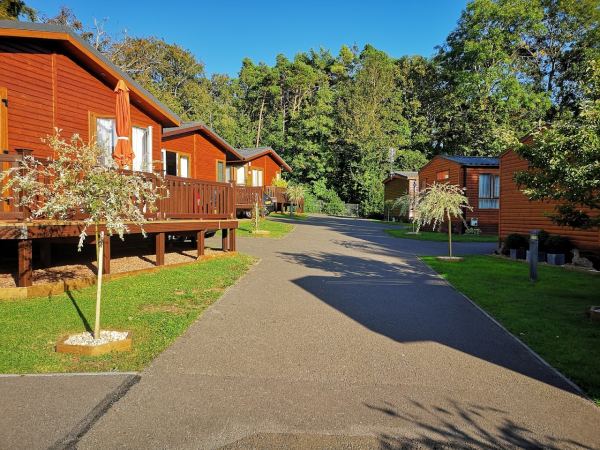
For those who'd rather have four solid walls and a real bed without giving up the outdoor feel, glamping options in the wider area range from bell tents and shepherd's huts to safari-style lodges, many of them on farms just inland from the coast with views towards Exmoor or over the Bristol Channel. These tend to book up fastest in the school summer holidays, so earlier booking is worthwhile if a fixed date matters, while spring and autumn availability is generally more relaxed and often better value.
Self-Catering Cottages in Blue Anchor
All cottages in Blue Anchor →Seaside Jollys
2 bed · sleeps 6 · from £607
Elsie
3 bed · sleeps 6 · from £677
Anchors Away
1 bed · sleeps 2 · from £791
Exmoor View
2 bed · sleeps 4 · from £387
Bournstream Cottage
2 bed · sleeps 4 · from £343
Sunnyfield
2 cottages · from £523
Home from Home
2 bed · sleeps 6 · from £363
OZONE 239
1 bed · sleeps 2 · from £597
Common questions about Blue Anchor
Where can I stay in Blue Anchor?
We list 2 hotels, B&Bs and guest houses in and around Blue Anchor.