Brendon Hills
Wild moorland, old iron workings, and Exmoor's quietest views
Photo © Gareth Evans, Google Maps
The Brendon Hills rise along the eastern edge of Exmoor National Park in west Somerset, a long, high ridge of heather moorland, oak coombes and sheep pasture running roughly between Wiveliscombe and the coast at Watchet. Unlike the better-known heart of Exmoor around Dunkery Beacon, the Brendon Hills see relatively few visitors, which is precisely their appeal: narrow lanes climb steeply between high hedgebanks to open moor, and from the highest ground the land falls away towards the Bristol Channel, with Wales sometimes visible on a clear day.
This was, unexpectedly, an industrial landscape within living memory. In the mid-19th century the hills were riddled with iron ore workings, and the West Somerset Mineral Railway was built to haul ore down to Watchet harbour for shipping across the Bristol Channel to the ironworks at Ebbw Vale. Extraction peaked in the 1870s before the mines closed within a couple of decades, and today the old incline, winding house and mineral line trackbed are quietly reclaimed by bracken and woodland, giving the Brendon Hills a layered, faintly melancholy character that sets them apart from the rest of Exmoor.
Getting to the Brendon Hills
The Brendon Hills sit just off the A39 between Minehead and Bridgwater, with the village of Roadwater and the small settlement of Brendon Hill itself reached via steep, narrow lanes signposted from Washford and Watchet. Taunton, around 45 minutes' drive to the south-east, is the nearest mainline rail station, with connections onto the A358 and A38 towards the hills. The heritage West Somerset Railway steam line, which runs between Bishops Lydeard and Minehead, calls at Watchet and Washford at the foot of the hills and makes an attractive way to arrive without a car for at least part of the journey. Once in the area, a car is the practical way to explore, as bus services across the high moor are minimal and distances between villages are considerable even though they look short on a map.
Best time to visit the Brendon Hills
Late spring and summer bring long views, flowering gorse and bluebells in the wooded coombes, along with the best conditions for walking the open moorland sections. Early autumn is a particular highlight, when the heather on the higher slopes turns purple and the beech hedgebanks colour beautifully. Winter can be atmospheric but exposed; the highest lanes and moor crossings are occasionally affected by fog, wind and, less often, snow, so it is worth checking conditions before heading up onto the tops. Because the Brendon Hills are so quiet compared with central Exmoor, they rarely feel crowded whatever the season.
Where to stay in Brendon Hills
All hotels in Brendon Hills →About staying in Brendon Hills
Hotels are thin on the ground directly on the Brendon Hills themselves, a reflection of just how sparsely populated this ridge of Exmoor-fringe moorland remains. What accommodation does exist tends to be small and characterful: country inns such as Ralegh's Cross Inn sitting high on the moor, farmhouse bed and breakfasts converted from working farms, and a handful of guesthouses in villages like Roadwater and Wiveliscombe on the lower slopes. These are typically family-run, with an emphasis on hearty breakfasts and local knowledge of the walking routes on the doorstep, rather than resort-style facilities.
For a wider choice of hotels, the coastal town of Watchet at the foot of the hills has a small selection of guesthouses and B&Bs within walking distance of its working harbour, while Wiveliscombe to the south offers similar options along with easier access to Taunton and the M5. Those wanting more conventional hotel facilities, including larger chain hotels, will generally need to base themselves in Taunton or Minehead and drive up into the hills for the day, which is a perfectly workable approach given the compact size of the area and the quality of the roads once you leave the moor itself. Whichever base is chosen, it is worth booking ahead in summer and during the West Somerset Railway's peak season, as the number of beds across this quiet corner of Somerset is genuinely limited.
Barn Owl Cottage
Wheddon Cross, Somerset
Hedgehog Cottage
Wheddon Cross, Somerset
Red Deer Cottage
Wheddon Cross, Somerset
Putham Barn
Wheddon Cross, Somerset
Harthanger View Cottage
.Westcott Farm, Luxborough
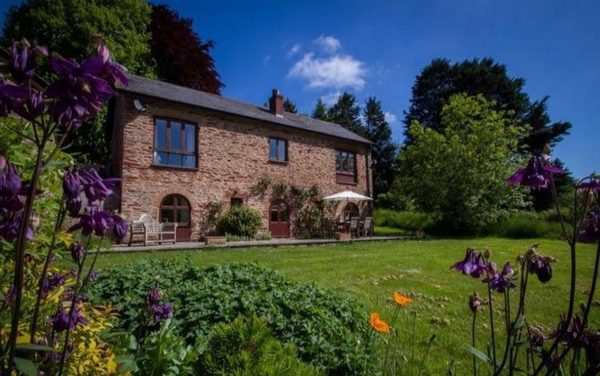
Mill Cottage
Westcott Farm, Luxborough
The Granary
Westcott Farm, Luxborough
Westcott Cross Cottage
Luxborough, Somerset
Things to Do in Brendon Hills
All attractions in Brendon Hills →Top things to do in the Brendon Hills
Walking is the main draw here, but the mix of industrial heritage, water and open moor gives visitors plenty of reasons to linger.
- West Somerset Mineral Line — Follow sections of the old mineral railway trackbed and climb the dramatic gravity incline near Comberow, once used to lower wagons of iron ore over 700 feet down to the valley below; the West Somerset Mineral Line Association runs occasional guided walks along the route.
- Lype Hill — At 424 metres, this is the highest point in the Brendon Hills, with sweeping views across the Somerset countryside and out towards the Bristol Channel on a clear day.
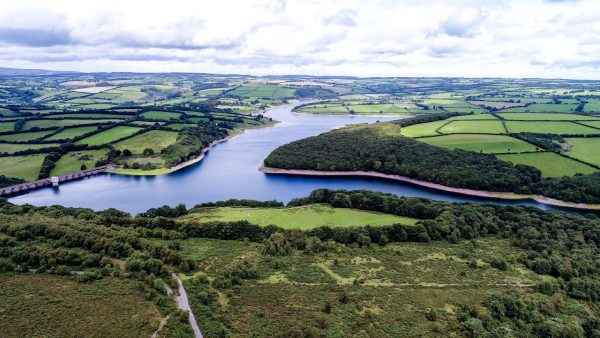
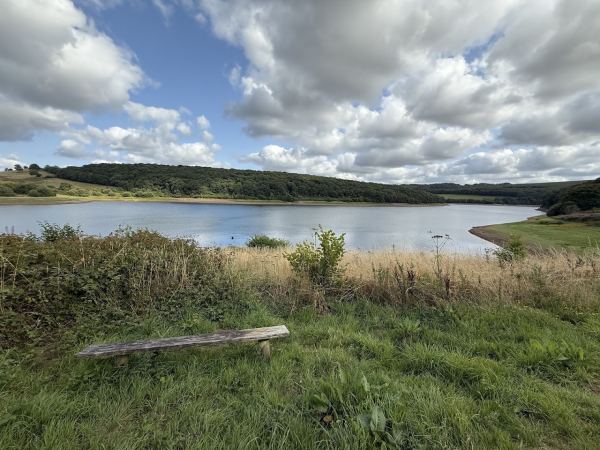
- Wimbleball Lake — A reservoir on the southern fringe of the hills within Exmoor National Park, with a watersports centre offering sailing, canoeing and windsurfing tuition, plus trout fishing and a lakeside cafe.
- Clatworthy Reservoir — A quieter, smaller reservoir near Wiveliscombe popular with anglers, with picnic spots and short waterside walks.
- Roadwater and the Coleridge Way — This section of the long-distance Coleridge Way threads through the hills from the village of Roadwater, taking in wooded valleys and open moorland on its way towards Exmoor.
- Watchet — The old harbour town at the foot of the hills, historically the shipping point for Brendon Hills iron ore, now known for its working harbour, Wavelength gallery quarter and the Coleridge connection via the Ancient Mariner statue.
- Ralegh's Cross — A high, windswept crossroads on the moor that has long served as a landmark and staging point for walks in every direction across the hills.
Where to Eat in Brendon Hills
All restaurants in Brendon Hills →Food and drink in the Brendon Hills
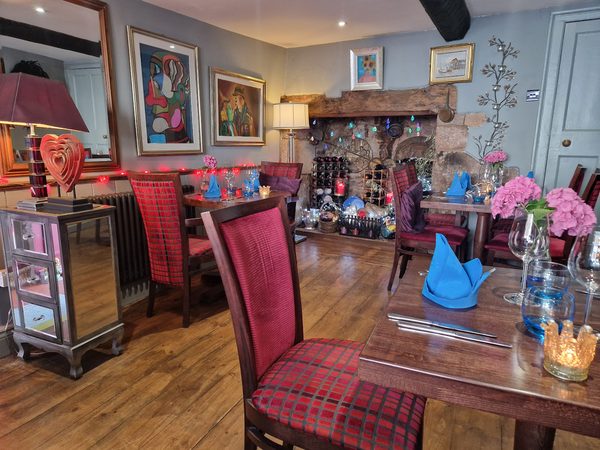
Options are limited across the Brendon Hills themselves, in keeping with the area's sparse population, but what is there tends to be welcoming after a day on the moor. Ralegh's Cross Inn, high on the moor at the road junction of the same name, is a long-standing stop for walkers and travellers crossing the hills. Down in the valleys, villages such as Roadwater and Washford have village pubs serving simple, honest food, while Watchet and Wiveliscombe, both a short drive from the hills, offer a wider spread of cafes, pubs and restaurants for those wanting more choice.
Attractions Near Brendon Hills
All attractions in Brendon Hills →Worth the trip — within 50 miles of Brendon Hills.
 4 mi
4 mi
Wimbleball Lake
Dulverton · ⭐ 4.4
 5 mi
5 mi
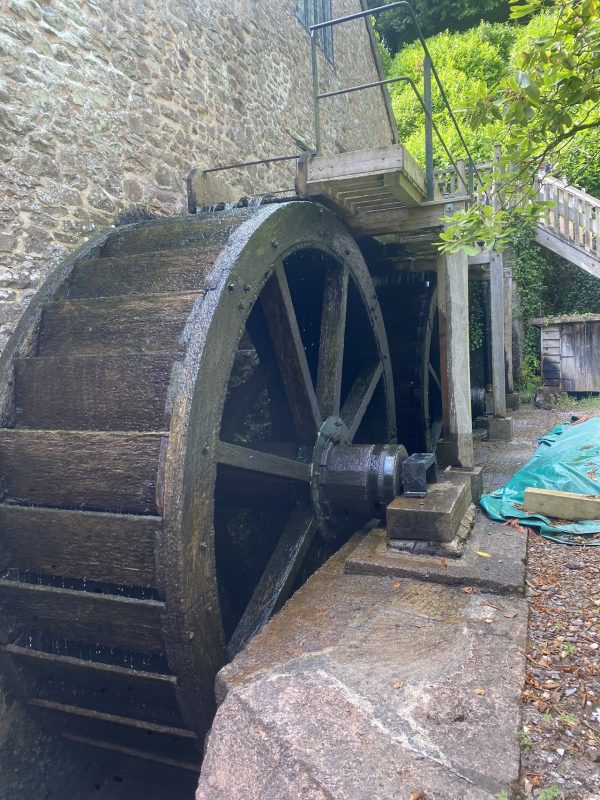
Dunster Water Mill
Dunster · ⭐ 4.9
 5 mi
5 mi
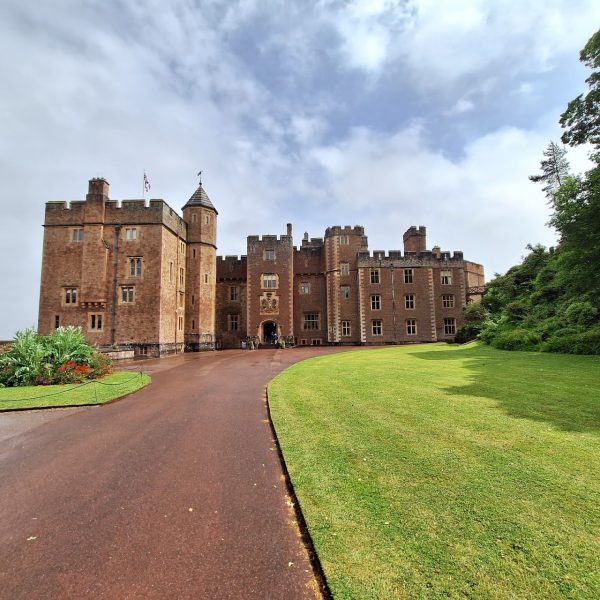
Dunster Castle
Minehead · ⭐ 4.7
 5 mi
5 mi
Dunster Museum and Doll Collection
Dunster · ⭐ 4.4
 5 mi
5 mi
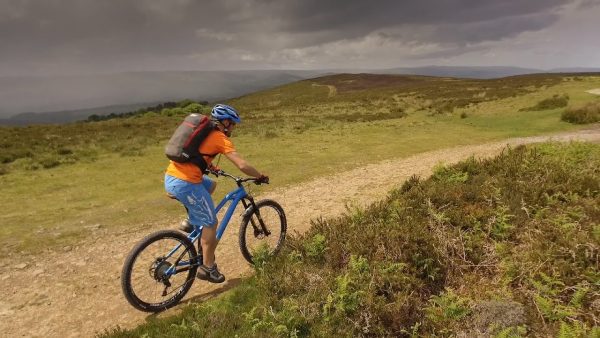
Channel Adventure Minehead
Minehead · ⭐ 4.7
 5 mi
5 mi
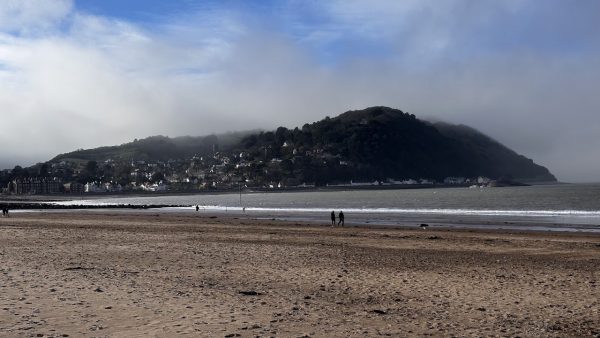
Minehead Beach
Minehead · ⭐ 4.7
 5 mi
5 mi
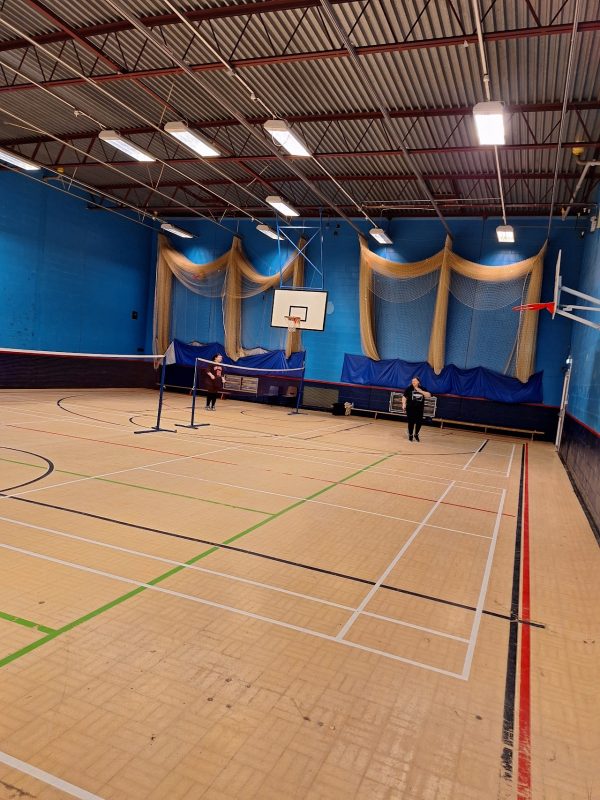
West Somerset College Community Sports and Leisure Centre
Minehead · ⭐ 4.4
 6 mi
6 mi
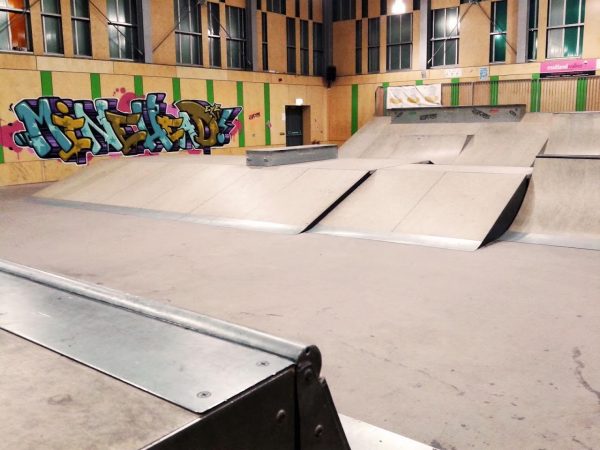
Minehead Eye
Minehead · ⭐ 4.7
Camping in Brendon Hills
All campsites in Brendon Hills →About camping in Brendon Hills
The Brendon Hills offer some of the wildest, least crowded camping country in Somerset, with heather moorland, old iron-mining trackbeds and steep wooded coombes providing a real sense of remoteness within a fairly small area. As with everywhere else in England, wild camping on open land here is not legal without the express permission of the landowner, so pitching up on the moor itself is not an option; instead, the area is served by a scattering of proper campsites, several of which lean into the same quiet, back-to-nature appeal that draws walkers to the hills in the first place.
Wimbleball Lake, on the southern edge of the hills within Exmoor National Park, has a campsite run by South West Lakes Trust alongside its watersports centre, making it an easy base for combining camping with sailing, canoeing or fishing on the reservoir. Ralegh's Cross Inn, at a high crossroads on the moor itself, offers an adults-only campsite attached to the pub, useful for walkers wanting to start the day already up on the tops. Further sites can be found around Watchet and Wiveliscombe at the foot of the hills, generally offering easier access, better shelter from the weather, and proximity to shops and pubs for those who prefer not to be entirely self-sufficient.
Glamping has a foothold too, with a number of farms across the wider area converting fields or barns into shepherd's huts, safari tents and static units, giving a comfortable middle ground between a hotel stay and a tent for those keen to experience the moor without the full camping kit. Spring through early autumn is the most reliable season to camp here, when the ground is drier and the days long enough to make the most of the hills' big skies; the exposed high ground can be genuinely cold and wet outside these months, so it is worth choosing a sheltered, lower-lying site if visiting off season.
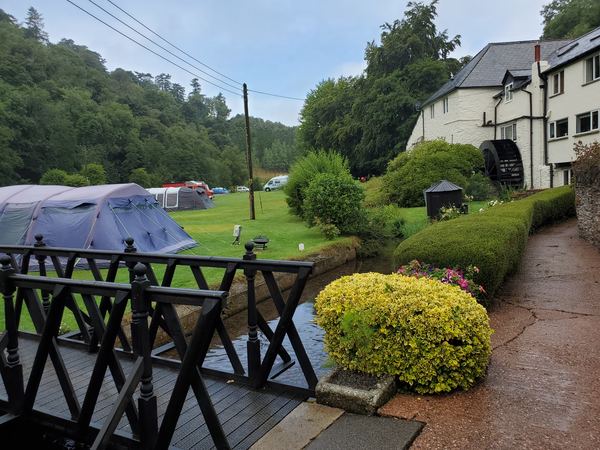
Exe Valley Caravan Site
⭐ 4.8
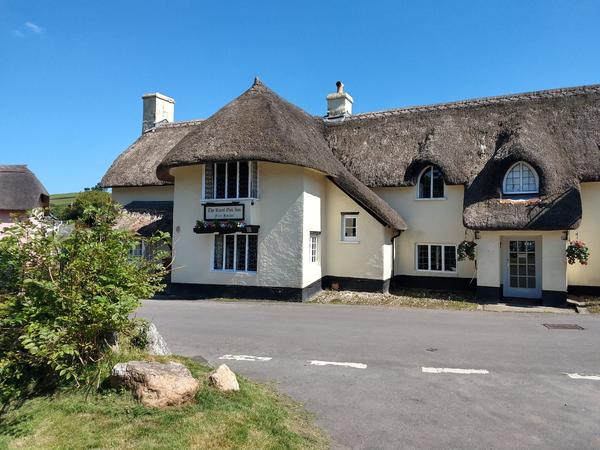
Halse Farm Caravan & Camping Site
⭐ 4.7 · from £20/night
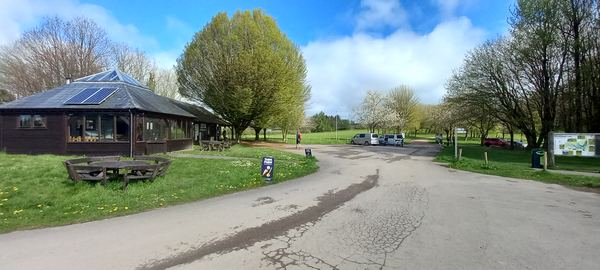
Wimbleball Lake Campsite
⭐ 4.4 · from £19/night
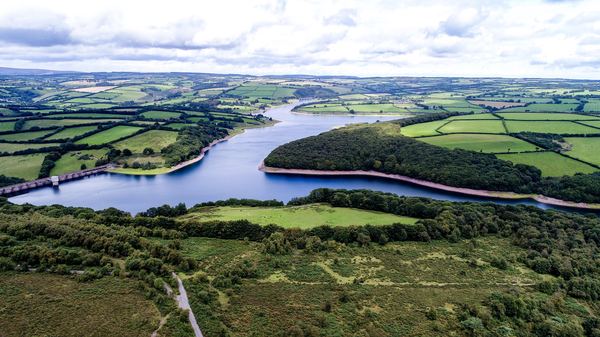
Wimbleball Lake
⭐ 4.7
Wimbleball Holidays
⭐ 4.6 · from £30/night
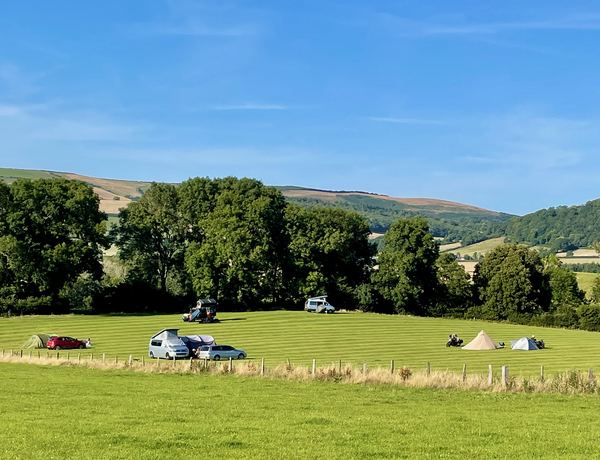
Porlock Vale Campsite
⭐ 4.7 · from £24/night
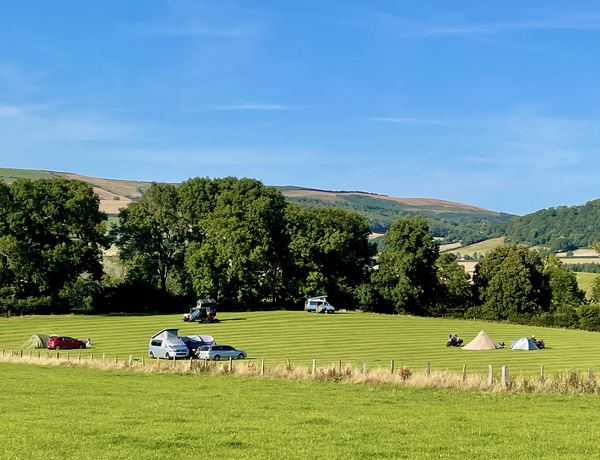
Porlock Bay View Campsite
⭐ 4.7 · from £30/night
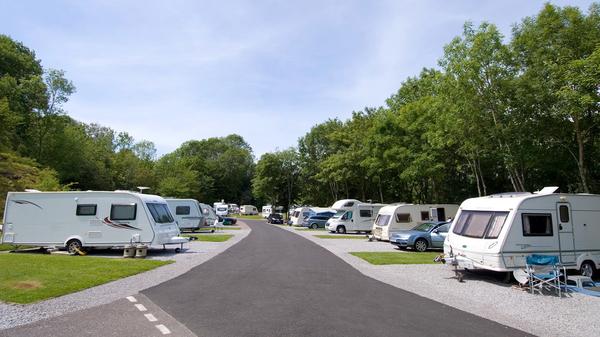
Minehead Camping and Caravanning Club Site
⭐ 4.7 · from £22/night
Self-Catering Cottages in Brendon Hills
All cottages in Brendon Hills →The Wren Cottage
5 bed · sleeps 8 · from £720
Well Cottage
3 bed · sleeps 6
North Huckham
3 bed · sleeps 6 · from £517
Moss Barn
3 bed · sleeps 6 · from £1,437
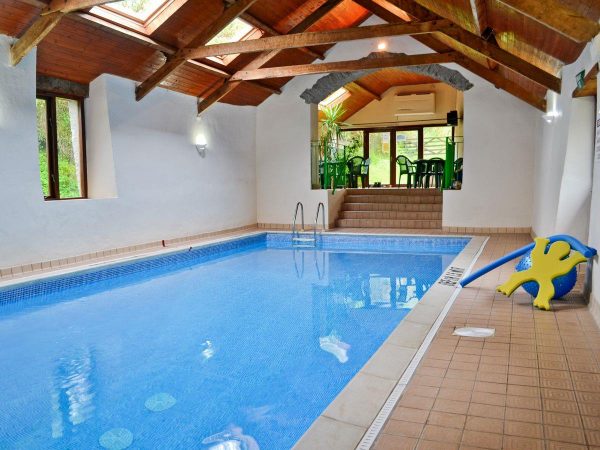
Triscombe Farm Country Cottages
9 cottages · from £353
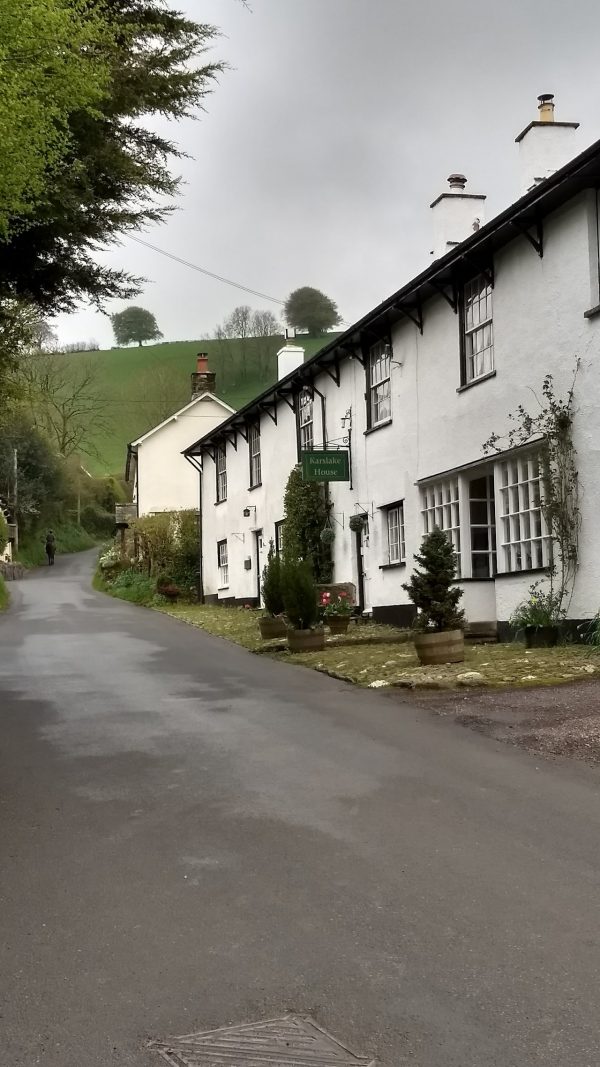
Karslake Cottage
2 bed · sleeps 4 · from £403
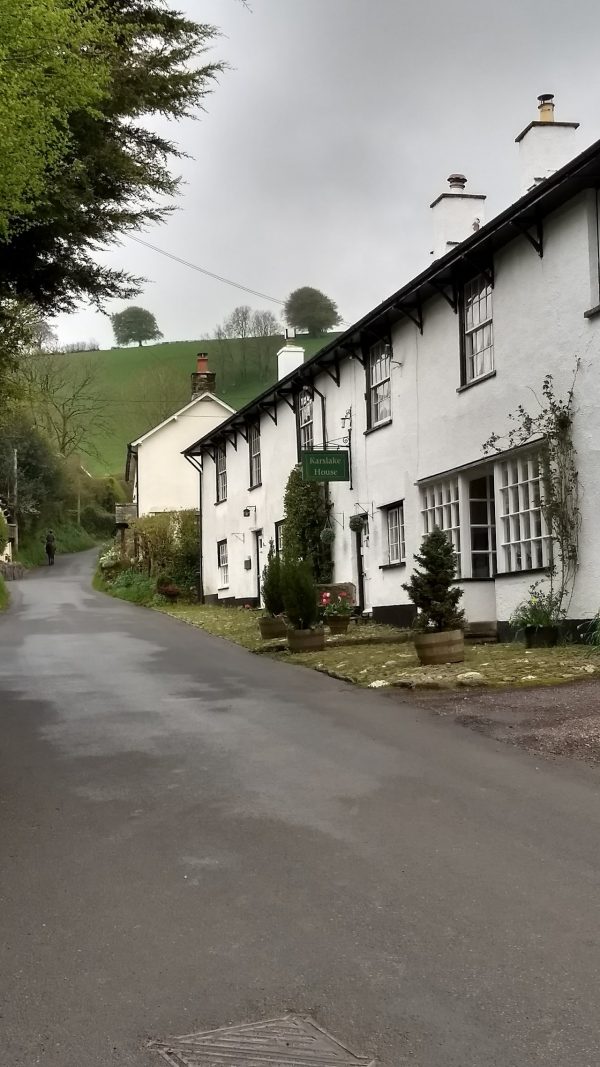
Karslake House
3 bed · sleeps 6 · from £323
Royal Oak Farm
5 bed · sleeps 9 · from £637