Crowhurst
Ancient yew, Norman history, Sussex Weald calm
Photo © Da Redd, Google Maps
Crowhurst is a small village in East Sussex, tucked into the folds of the High Weald between Battle and Hastings. It sits just south of Battle, with the Combe Haven valley running below it and farmland and woodland rolling away on every side. It is the kind of place that rarely makes a headline of its own, but its setting in 1066 country and its position on the main London to Hastings railway line make it a useful, low-key base for exploring one of the most historically dense corners of England.
The village itself is centred on the Church of St George, whose 15th-century tower is Grade I listed, and on the churchyard yew, reckoned to be the oldest tree in East Sussex and planted, by some estimates, around 700 AD, long before the church beside it existed. King Harold is said to have held a manor here, and Crowhurst's Norman-era manor ruins and its documented connections to the Battle of Hastings give the village a genuine, if understated, place in the story of the Conquest. Beyond the church and a scatter of cottages, Crowhurst is farmland, footpaths and quiet lanes rather than shops and attractions, which is exactly its appeal for anyone wanting a peaceful stay within easy reach of the coast and the historic town of Battle.
Getting to Crowhurst
Crowhurst has its own railway station, on the line between London Charing Cross and Hastings, with an hourly service and a journey time from London of around an hour and a half. The station sits about two miles south of Battle and four miles north of West St Leonards. By road, the village is just off the A2100, close to the A21, which connects to the M25 and on to London; Hastings and Bexhill are both a short drive to the south, and Battle is a few minutes north.
Best time to visit Crowhurst
Spring and early summer bring the Weald's woodlands and hedgerows into full leaf and are a good time for walking the footpaths around the village. Late summer and early autumn suit the nearby coast at Hastings, when the seafront and Old Town are busiest but the countryside inland stays quiet. Winter has its own appeal for anyone visiting Battle Abbey, when the battlefield and ruins are far less crowded, though some rural paths can turn muddy after rain.
Where to stay in Crowhurst
All hotels in Crowhurst →About staying in Crowhurst
Crowhurst itself has no hotels of its own, which is unsurprising for a village of its size, but it makes a peaceful base within a couple of miles of the market town of Battle and the coastal town of Hastings, both of which offer a proper range of places to stay. In Battle, expect small independent hotels and bed and breakfasts, several set in Georgian or older buildings close to the Abbey and the historic high street. Hastings and neighbouring St Leonards-on-Sea have a wider spread, from traditional seafront hotels to boutique guesthouses in the Old Town's narrow lanes, many within walking distance of the beach, the fishing quarter at Rock-a-Nore and the funicular cliff railways. Self-catering cottages are common throughout the surrounding Weald villages, often converted farm buildings or period cottages that suit longer stays or those travelling with families. Crowhurst's own railway station, on the direct line to London Charing Cross, means it is entirely possible to stay in the village and use the train to reach Hastings, Battle or further afield without needing a car for every trip. Booking ahead is worthwhile in summer, when the coast and Battle Abbey both draw steady visitor numbers, and around the anniversary of the Battle of Hastings in October, when Battle itself gets particularly busy with reenactments and events.
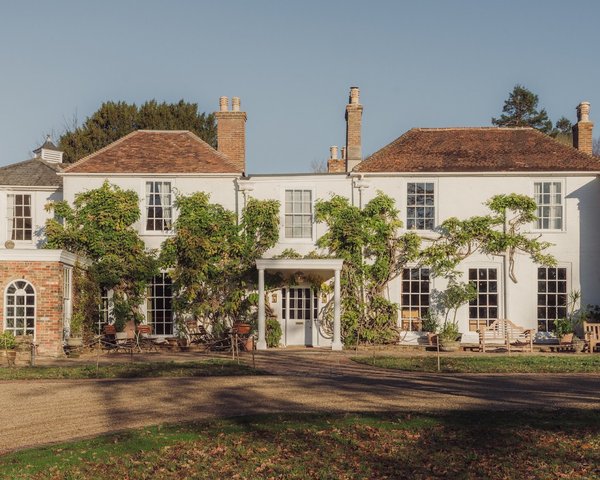
Leeford Place Hotel
Mill Lane / Whatlington Road, Battle
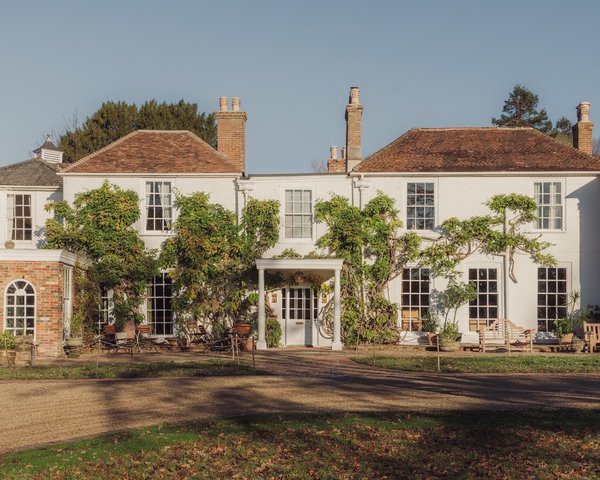
Powdermills Country House Hotel
Powdermill Lane, Battle
 8.2
8.2
Bannatyne Hotel Hastings
Beauport Park, between Hastings and Battle
from £129/night
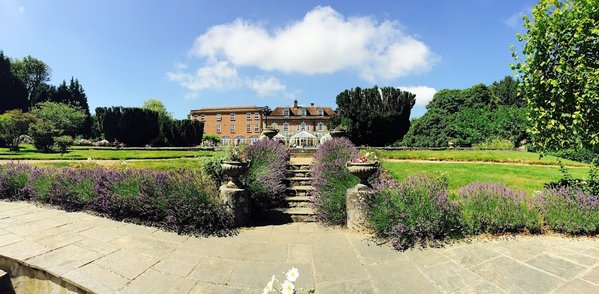
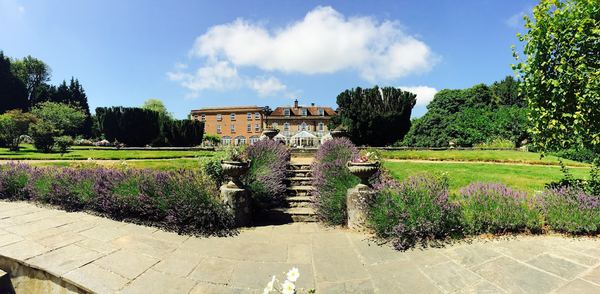
The Bannatyne Spa Hotel
Battle Road, Hastings
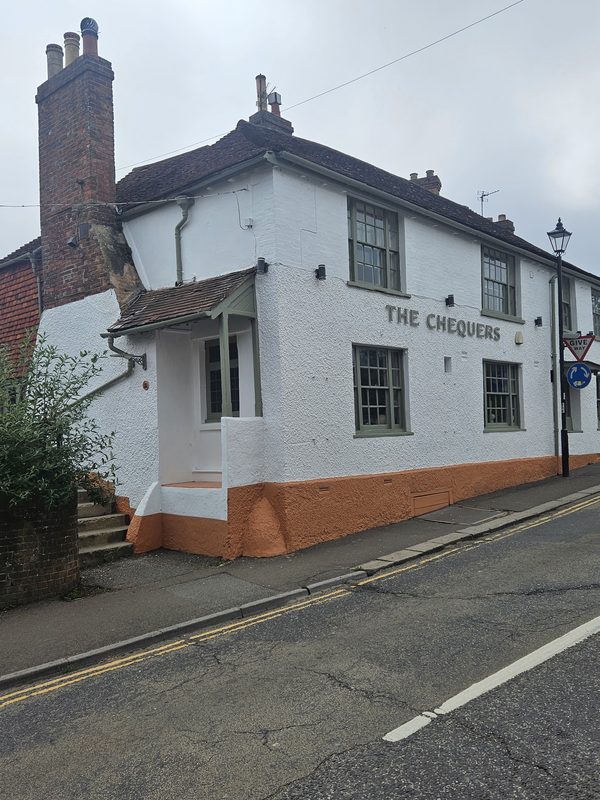
Chequers Inn
Chequers Inn, Battle
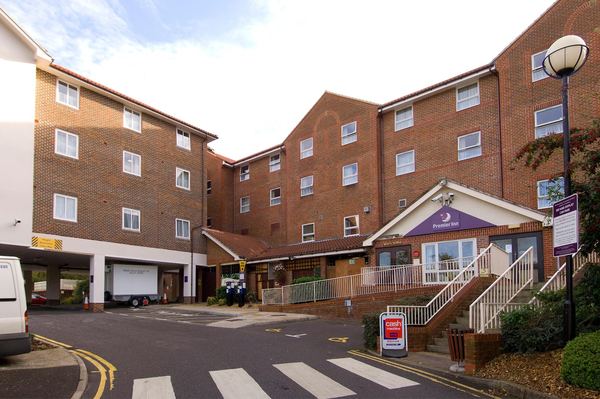
Premier Inn Hastings North A21 hotel
John Macadam Way, Hastings
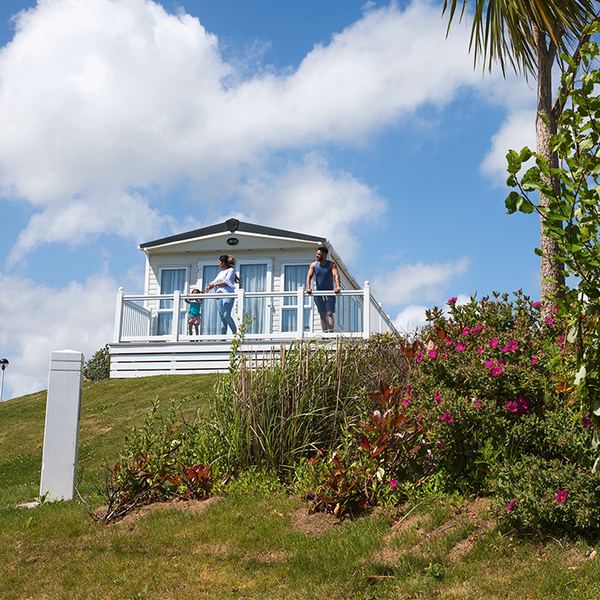
Haven Combe Haven Holiday Park Sussex
Harley Shute Road, Hastings
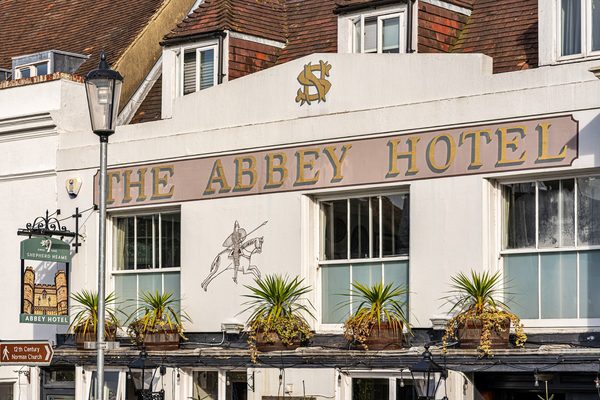
The Abbey Hotel
84, Battle
Things to Do in Crowhurst
All attractions in Crowhurst →Top things to do near Crowhurst
Crowhurst is small, but it sits inside a cluster of genuinely significant historic sites and coastal towns, all within a few miles.
- 1066 Battle of Hastings, Abbey and Battlefield — Run by English Heritage in the town of Battle, two miles north of Crowhurst, this is the site where William the Conqueror defeated King Harold in 1066. Visitors can walk the battlefield with an audio tour, explore the abbey ruins, and climb the gatehouse for views over the Weald.
- St George's Church and the Crowhurst Yew — The parish church, with a 15th-century Grade I listed tower, stands beside a yew tree of exceptional age in the churchyard, one of the oldest living things in Sussex.
- Hastings Country Park — A large area of clifftop heath and woodland on the edge of Hastings, with paths down to Fairlight Glen and views along the coast towards Dungeness.
- Hastings Old Town and seafront — A short drive or train ride away, with the working fishing beach at Rock-a-Nore, the Jerwood Gallery, the funicular East Hill Lift, and the winding lanes of the Old Town.
- High Weald Area of Outstanding Natural Beauty — Crowhurst lies within this AONB, a landscape of small fields, ancient woodland, sunken lanes and scattered farmsteads that stretches across the Sussex and Kent border.
- Bodiam Castle — A well-preserved 14th-century moated castle, around a 30-minute drive north, managed by the National Trust.
Where to Eat in Crowhurst
All restaurants in Crowhurst →Food and drink near Crowhurst
The Plough at Crowhurst is the village's pub, a rural freehouse dating from around 1805 with two real fires and views over the Weald, serving pub food, Sunday roasts and local ales, and popular with walkers and dogs on the 1066 trail. For more choice, Battle and Hastings both have a wider range of cafes, restaurants and pubs, from traditional Sussex inns to the seafood restaurants clustered around Hastings' Rock-a-Nore fishing beach.

Attractions Near Crowhurst
All attractions in Crowhurst →Worth the trip — within 50 miles of Crowhurst.
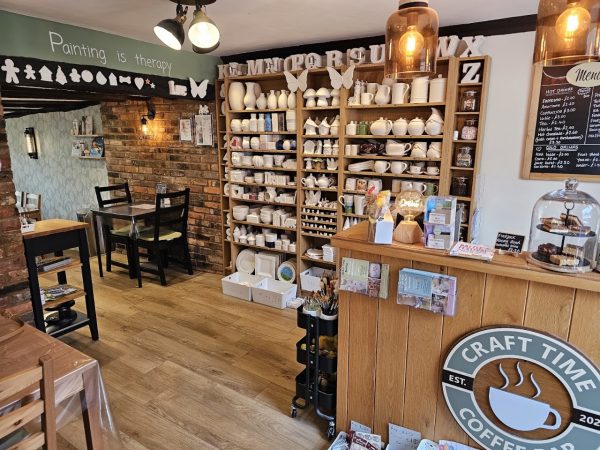 2 mi
2 mi
Craft Time Battle
Battle · ⭐ 5.0
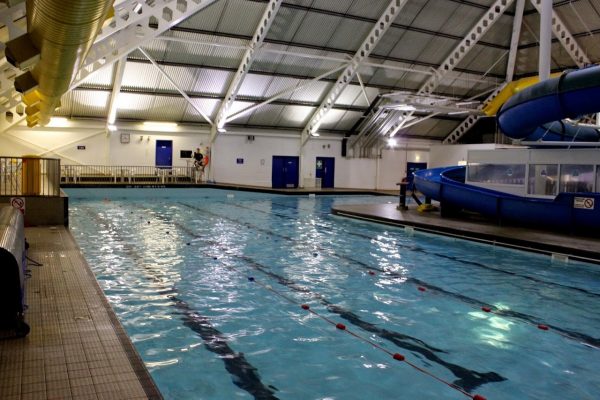 3 mi
3 mi
Bexhill Leisure Pool
Bexhill · ⭐ 3.7
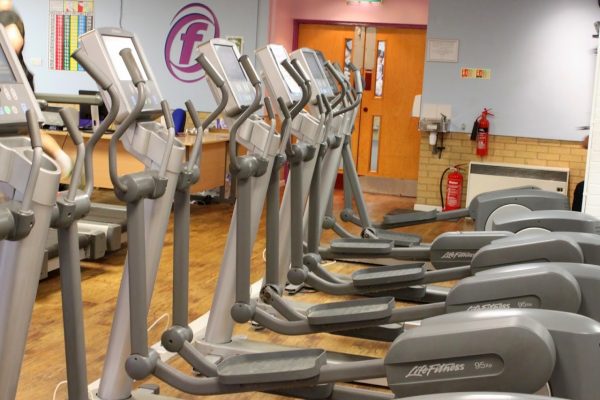 3 mi
3 mi
Bexhill Leisure Centre
Bexhill · ⭐ 4.1
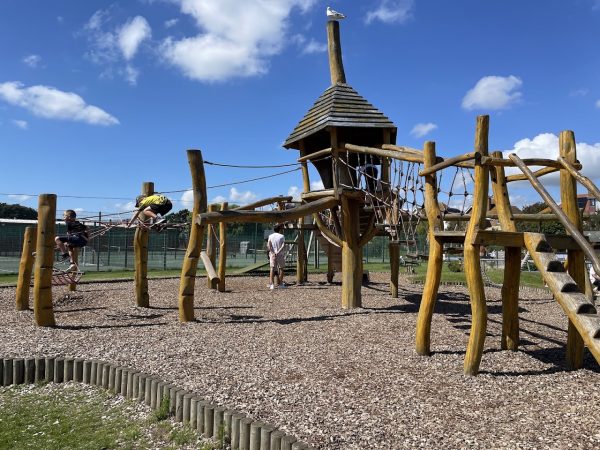 3 mi
3 mi
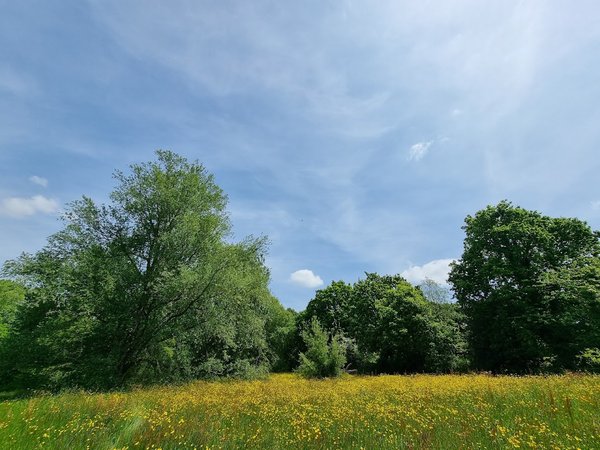
Egerton Park
Bexhill · ⭐ 4.5
 3 mi
3 mi
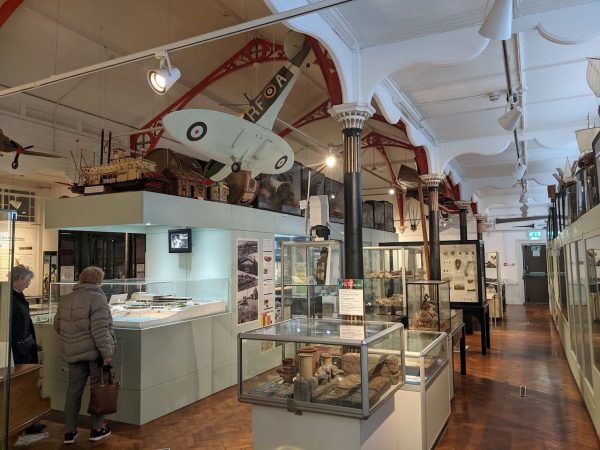
Broad Oak Park
Bexhill · ⭐ 4.5
 3 mi
3 mi
Bexhill Museum
Bexhill · ⭐ 4.7
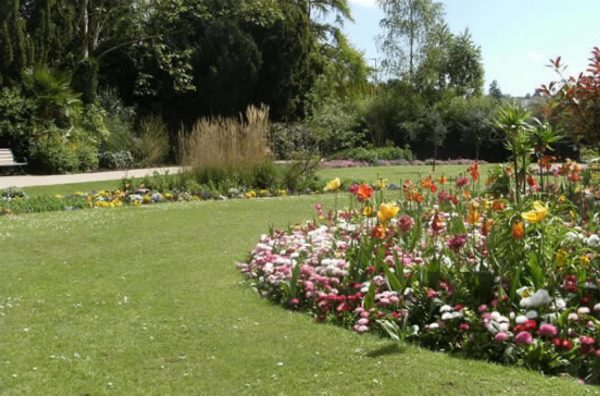
Hastings Museum and Art Gallery
Hastings · ⭐ 4.6
 4 mi
4 mi
Alexandra Park Hastings
Hastings · ⭐ 4.7
Camping in Crowhurst
All campsites in Crowhurst →About camping in Crowhurst
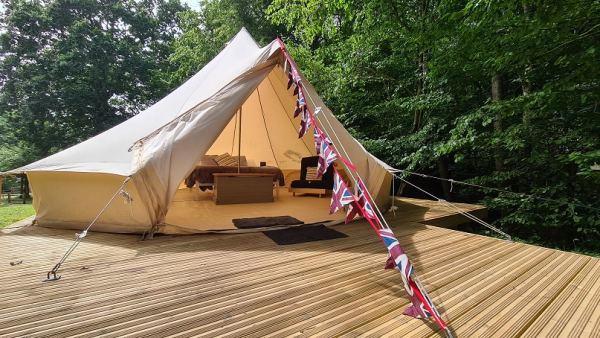
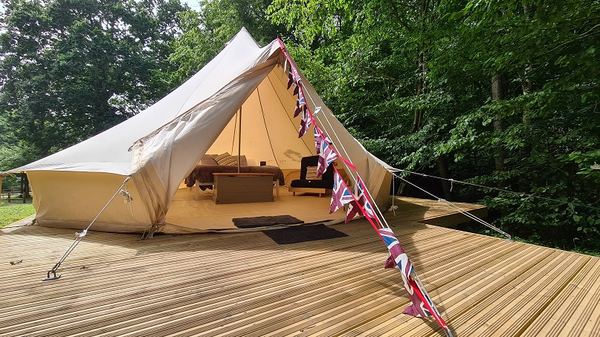
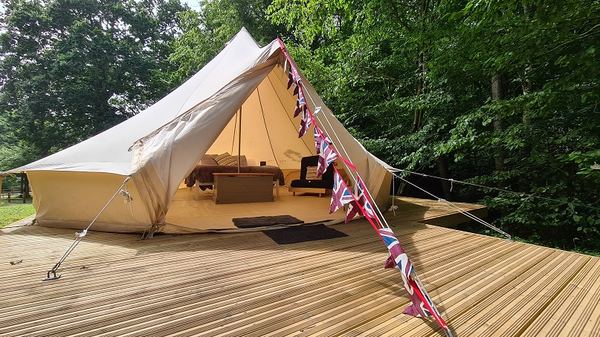
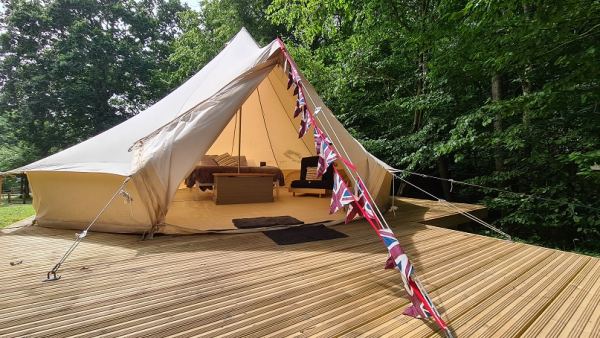
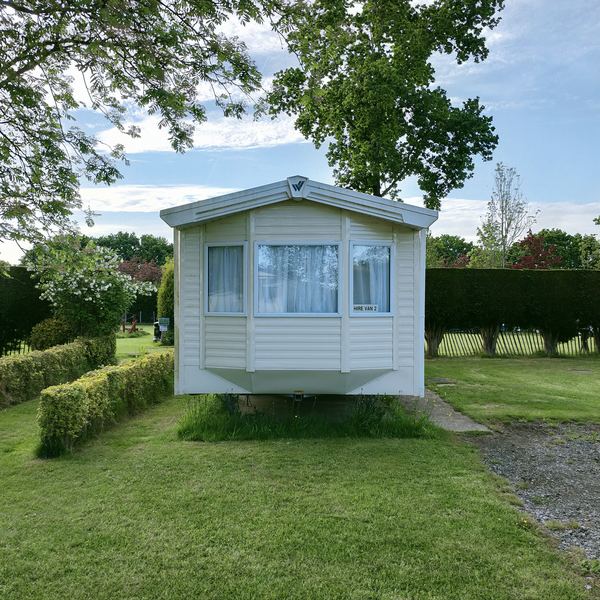
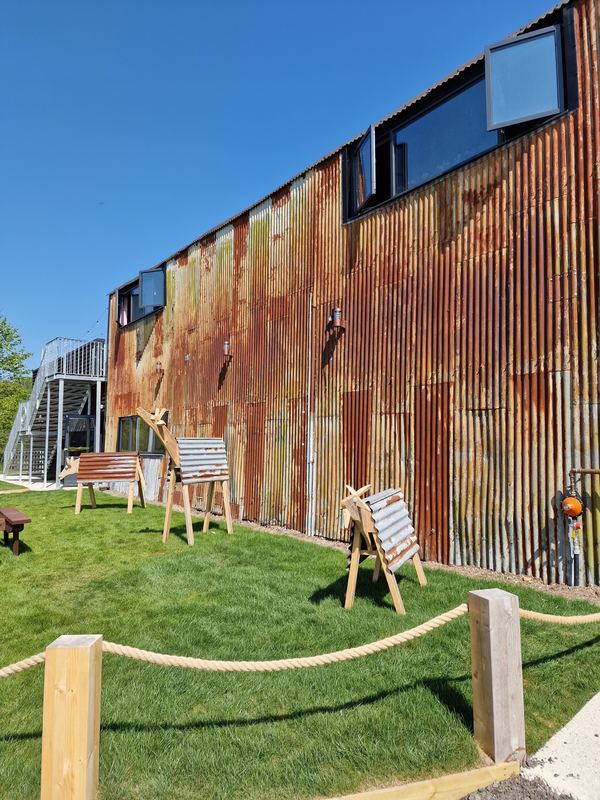
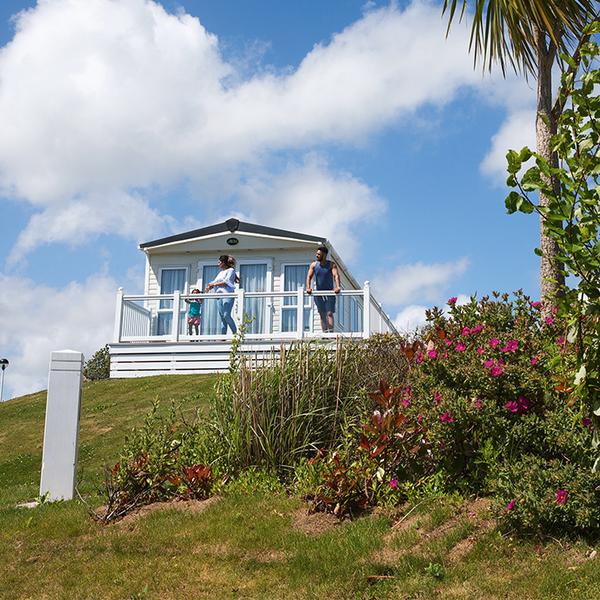
Crowhurst and the surrounding High Weald offer the kind of quiet, undulating countryside that suits a slower camping trip, with sunken lanes, ancient woodland and small fields rather than dramatic scenery, but plenty of genuine peace and quiet. As with anywhere in England, wild camping is illegal without the landowner's permission, so a stay here means booking a proper campsite or glamping site rather than pitching up on farmland or in the woods, however tempting the views over the Weald might look. The area around Battle and Hastings has a reasonable spread of small, independent campsites and glamping set-ups, from simple grass pitches to shepherd's huts and safari tents, often on working farms that make the most of the AONB status of the land around them. The terrain is gently hilly rather than flat, so it is worth checking a site's access and pitch layout if you are touring with a caravan or a larger motorhome. Late spring through to early autumn is the most reliable season, when the Weald's clay-heavy ground has dried out and long evenings suit sitting out; by contrast, the wetter months can make some rural pitches and access tracks heavy going. Crowhurst's position directly on the 1066 country walking trail, and close to National Cycle Network routes through the Weald, makes it a natural stop for walkers and cyclists looking to camp partway along a longer route rather than stay in one place throughout. For those who want the outdoor feel without the full commitment of tent camping, glamping sites in the area typically offer a good compromise, with proper beds and some shelter from the Sussex weather while still keeping you close to the fields, footpaths and quiet lanes that define this part of the Weald.
Self-Catering Cottages in Crowhurst
All cottages in Crowhurst →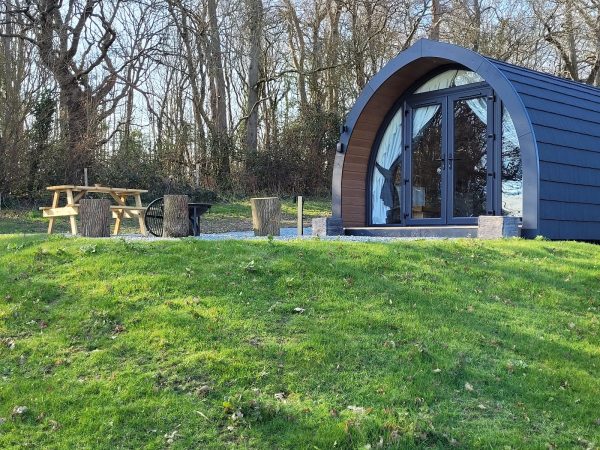
Hill Croft Farm Pods - Hayfield Haven
1 bed · sleeps 2 · from £688
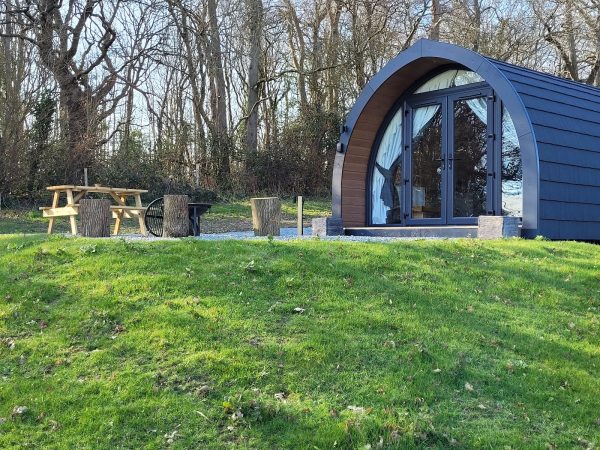
Hillcroft Farm Pods - Lakeview Lodge
2 bed · sleeps 5 · from £855
Twisly North Lodge
4 bed · sleeps 8 · from £1,676
Woodland View
3 bed · sleeps 5 · from £587
Sea View
2 bed · sleeps 3 · from £561
The Garden Flat
1 bed · sleeps 2
Trent House
2 bed · sleeps 4 · from £587
Rooftops @ No83
1 bed · sleeps 2 · from £363