Lyndhurst
The capital of the New Forest, right on your doorstep
Photo © Clive B, Google Maps
Lyndhurst sits almost exactly in the middle of the New Forest, and it shows: this is the village every other New Forest town measures itself against. William the Conqueror chose the area as his royal hunting ground in the 11th century, and Lyndhurst has been the practical seat of forest administration ever since. The Verderers' Court, which still rules on grazing rights and forest law today, meets at Queen's House on the High Street, and the New Forest District Council has its headquarters here too. Locals half-jokingly call it the "capital of the New Forest" — it is the biggest village in the National Park, and its compact centre of Georgian and Victorian brick buildings, independent shops and tearooms makes it feel like a proper small town rather than a hamlet.
What sets Lyndhurst apart is how abruptly the village gives way to open forest. Walk a few minutes from the High Street in any direction and you are on gravelly heath and grassland where New Forest ponies, cattle and the occasional donkey graze freely under ancient oaks and beeches. The forest here is genuinely wild in character despite being thoroughly managed — commoners still exercise grazing rights that date back to before the Domesday Book, and the open, undulating land around the village is some of the most accessible and photogenic in the whole National Park.
Getting to Lyndhurst
Lyndhurst lies at the junction of the A337 and A35, with the A31 passing just to the north, making it an easy drive from Southampton (around 20 minutes), Bournemouth (30–40 minutes) or the M27. Lyndhurst itself has no railway station, but Ashurst New Forest station is around 3 miles away and Brockenhurst station around 4 miles away, both on the South Western Railway main line linking London Waterloo with Bournemouth and Weymouth. From either station, Lyndhurst is reachable by taxi, local bus or a pleasant cycle along forest lanes. In peak summer months the village can get busy with day-trip traffic, so allow extra time, and be prepared to share the road with New Forest ponies, who have right of way and wander wherever they please.
Best time to visit Lyndhurst
Late spring through early autumn is the classic time to visit, when the forest is at its greenest, the ponies are out grazing with young foals, and Lyndhurst's cafes and pub gardens are in full swing. Autumn brings the New Forest's famous colours and the "pannage" season, when pigs are turned out into the forest to eat fallen acorns — a uniquely New Forest sight around Lyndhurst's outskirts. Winter is quieter and considerably cheaper, with crisp walks around Bolton's Bench and cosy log fires in the village pubs, though some attractions keep reduced hours. Whatever the season, weekends and school holidays are noticeably busier than midweek visits.
Where to stay in Lyndhurst(20)
All hotels in Lyndhurst →About staying in Lyndhurst
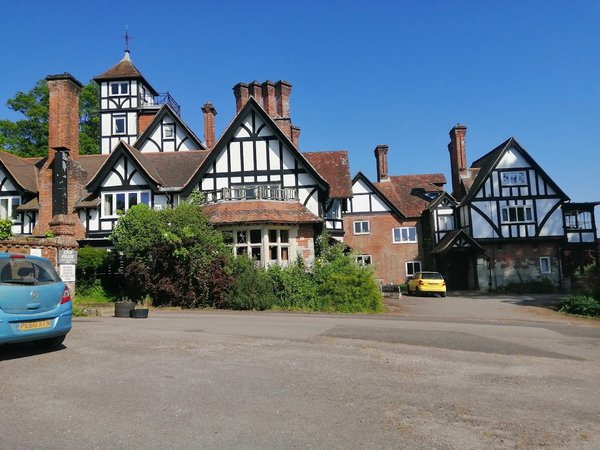
As the New Forest's de facto capital, Lyndhurst has long served travellers passing through the forest, and its hotels reflect that history. The High Street and its immediate surrounds hold a handful of characterful coaching inns and country house hotels, many with roots stretching back a century or more, offering the kind of oak-beamed, log-fire comfort that suits a New Forest stay. A little further out, larger country house hotels sit in their own grounds on the edge of the forest, some with spas, golf courses or extensive gardens, aimed at visitors wanting a more indulgent base for exploring.
Because Lyndhurst is so centrally located, staying here puts you within easy striking distance of the rest of the New Forest — Brockenhurst, Beaulieu, Burley and the coast at Lymington are all a short drive away — while the village itself has enough shops, cafes and restaurants that you never have to go far for essentials. Budget and family-friendly options tend to sit on the fringes of the village or in nearby hamlets, while the smartest addresses are usually the historic hotels right on the High Street. Booking ahead is strongly advised for summer weekends and school holidays, when Lyndhurst's popularity as the forest's most convenient base means rooms go quickly.

Avalon House B&B
31 Romsey Road, Lyndhurst
Bramble Hill Hotel
Bramshaw, Lyndhurst

Forest Lodge
Pikes Hill, Lyndhurst

Forest Side Guesthouse
2 Queens Road, Lyndhurst

Foxlease
Foxlease, Lyndhurst

Kingswood Cottage
10 Woodlands Road, Lyndhurst

Ormonde House Hotel
Southampton Road, Lyndhurst

Penny Farthing Hotel
Romsey Road, Lyndhurst
Things to Do in Lyndhurst(1)
All attractions in Lyndhurst →Top things to do in Lyndhurst
Lyndhurst rewards a slow wander as much as it does as a base for exploring further afield. Highlights include:
- New Forest Heritage Centre — home to the New Forest Museum, a well-curated exhibition on the history, wildlife and commoning traditions of the forest, plus the Visitor Information Centre and a reference library for anyone wanting to dig deeper.
- St Michael and All Angels Church — the striking gothic revival parish church at the top of the High Street, built in the 1860s with stained glass by Edward Burne-Jones and William Morris, and a Frederic Leighton fresco above the altar.
- Alice Liddell's grave — in the churchyard of St Michael and All Angels lies Alice Hargreaves, née Liddell, the child who inspired Lewis Carroll's Alice's Adventures in Wonderland. She lived at nearby Cuffnells after her marriage and is buried here, a quiet pilgrimage spot for literary visitors.
- Queen's House and Verderers' Hall — the New Forest's historic seat of government, where the ancient Court of Verderers has convened for centuries to settle disputes over grazing and forest rights.
- Bolton's Bench — a grassy knoll on the edge of the village crowned by a huge, centuries-old yew tree, offering an easy walk and sweeping views back over Lyndhurst's rooftops.
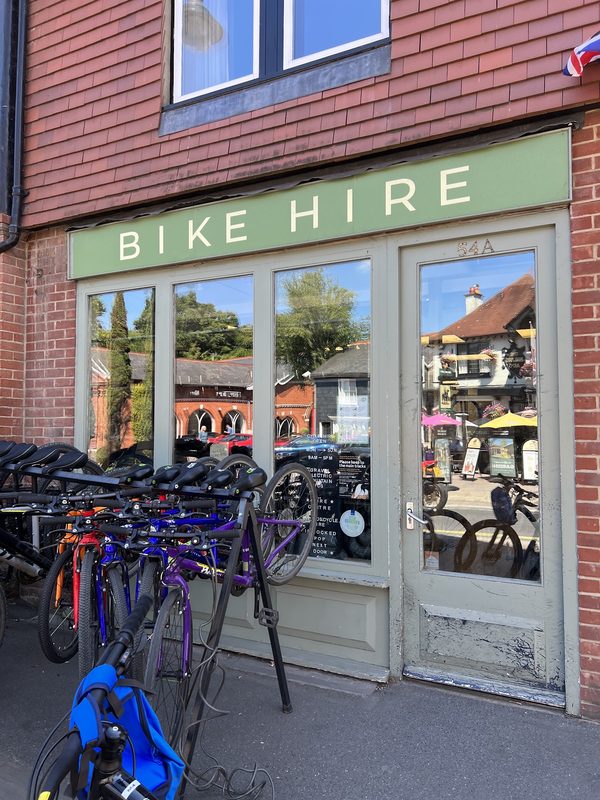
- Lyndhurst as a walking and cycling hub — with the open forest starting right at the edge of the village, Lyndhurst is one of the best-placed bases in the New Forest for setting off on foot or by bike, with routes fanning out towards Brockenhurst, Emery Down and Bolderwood.
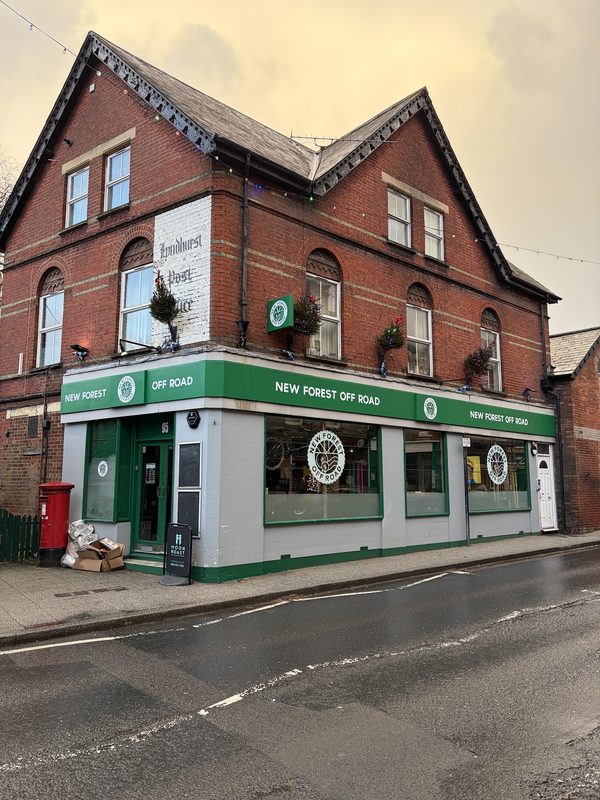
- High Street shopping and galleries — a cluster of independent boutiques, art galleries and gift shops lines the High Street, alongside the eye-catching Ferrari and specialist car dealership that has become an unlikely local landmark.

Longdown Activity Farm
⭐ 4.6

New Forest Wildlife Park
⭐ 4.5
Eling Tide Mill Experience
⭐ 4.5
Paultons Park Home of Peppa Pig World
⭐ 4.7

Wacky Warehouse - Vine Inn
⭐ 3.5

Bolderwood Deer Sanctuary
⭐ 4.7

New Forest Activities
⭐ 4.9

Tenpin Southampton
⭐ 3.7
Where to Eat in Lyndhurst(24)
All restaurants in Lyndhurst →Food and drink in Lyndhurst
The Fox and Hounds, a former coaching inn on the High Street, is a reliable spot for cask ales, log fires and hearty pub classics. The Mad Hatter Tea Rooms leans into the village's Alice in Wonderland connection with a themed menu of cream teas, scones and light lunches, while the Crown Manor House Hotel's bar and grill offers a smarter dinner option. Beyond these, the High Street has a good scattering of independent cafes and takeaways, making Lyndhurst an easy place to fuel up before or after a day exploring the forest.




Attractions Near Lyndhurst
All attractions in Lyndhurst →Worth the trip — within 50 miles of Lyndhurst.
3 mi
Longdown Activity Farm
Ashurst · ⭐ 4.6
4 mi
New Forest Wildlife Park
Southampton · ⭐ 4.5
Eling Tide Mill Experience
Totton · ⭐ 4.5
Paultons Park Home of Peppa Pig World
New Forest · ⭐ 4.7
6 mi
Wacky Warehouse - Vine Inn
Romsey · ⭐ 3.5
6 mi
Bolderwood Deer Sanctuary
Newtown · ⭐ 4.7
6 mi
New Forest Activities
Beaulieu · ⭐ 4.9
6 mi
Tenpin Southampton
Southampton · ⭐ 3.7
Camping in Lyndhurst(4)
All campsites in Lyndhurst →About camping in Lyndhurst
Lyndhurst sits at the heart of the New Forest, and that makes it a brilliant base for campers — but it is worth being clear from the outset that wild camping is illegal throughout the New Forest, however open and inviting the heathland looks. The forest's grazing rights, fragile heather and grassland, and roaming ponies and cattle mean that pitching up off-grid, even for one night, is against the law and actively enforced by the Forestry England rangers who patrol the area. Instead, camping around Lyndhurst means booking onto one of the official sites licensed by Forestry England, several of which sit within a few miles of the village itself, tucked among the trees or on the edge of open forest.
These licensed campsites range from large, well-equipped touring and tent sites with showers and shop facilities to smaller, more basic pitches aimed at walkers and cyclists wanting a simple, quiet stopover. Many are seasonal, opening from around Easter through to September or October, and the best of them get booked up quickly for July and August weekends, so planning ahead is worthwhile if you want a pitch close to Lyndhurst during peak season. Spring and early summer bring bluebells and birdsong to the forest floor, while a September or early October trip lets you catch pannage season, when pigs are released to forage for acorns — a spectacle worth timing a stay around.
For those who like the forest setting without the full camping kit, glamping has taken off around the New Forest in recent years, with bell tents, shepherd's huts and safari-style lodges available on sites within easy reach of Lyndhurst. These give you a proper bed, often a wood-burner or fire pit, and the same sense of waking up surrounded by forest and ponies, without needing to pitch a tent yourself. Whichever option you choose, Lyndhurst's position in the geographic centre of the New Forest means you are rarely more than a short walk or cycle from a licensed site, and equally close to the village's shops, pubs and the New Forest Heritage Centre for a rainy-day diversion.


Self-Catering Cottages in Lyndhurst
All cottages in Lyndhurst →
Cosy Cottage
2 bed · sleeps 4 · from £737
Lantern Cottage
2 bed · sleeps 4 · from £533
Jasmine Cottage
2 bed · sleeps 4
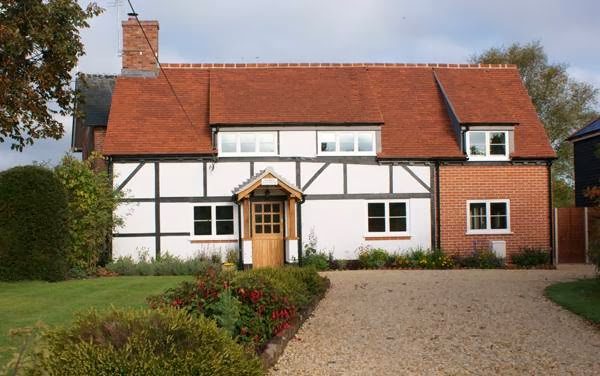
Poona Cottage
3 bed · sleeps 6 · from £821
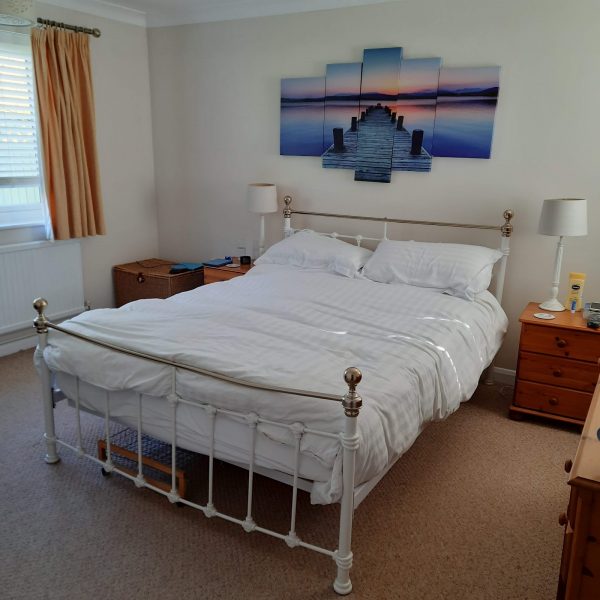
The Cottage at Boscobel
2 bed · sleeps 4 · from £881
Four in a Row Holiday Apartments - Apartment 4
1 bed · sleeps 2 · from £747
Forest Acorn
2 bed · sleeps 4 · from £1,007
The Piggery
2 bed · sleeps 4 · from £1,021
Common questions about Lyndhurst
How many campsites are there in Lyndhurst?
We list 4 campsites in and around Lyndhurst, of which 4 take tents and 1 offer glamping.
Are there dog-friendly campsites in Lyndhurst?
Yes — 2 of the 4 campsites we list in Lyndhurst accept dogs, including Park Farm Holidays and Matley Wood Campsite.
Where can I stay in Lyndhurst?
We list 20 hotels, B&Bs and guest houses in and around Lyndhurst.
What is there to do in Lyndhurst?
We list 1 attractions and things to do in and around Lyndhurst.
Where can I eat in Lyndhurst?
We list 24 restaurants, pubs and cafes in and around Lyndhurst.