Northumberland
Empty beaches, border castles and England's darkest skies
Photo © Mark Godson, Google Maps
Northumberland is England's northernmost county and its least crowded, a wedge of land running from the Tyne valley up to the Scottish border at Berwick-upon-Tweed. It covers roughly 5,000 square kilometres and holds fewer than 320,000 people, which works out at one of the lowest population densities in the country. That statistic explains most of what visitors notice first: beaches with nobody on them in August, single-track roads over the Cheviots where you meet more sheep than cars, and a night sky dark enough to be protected by international designation.
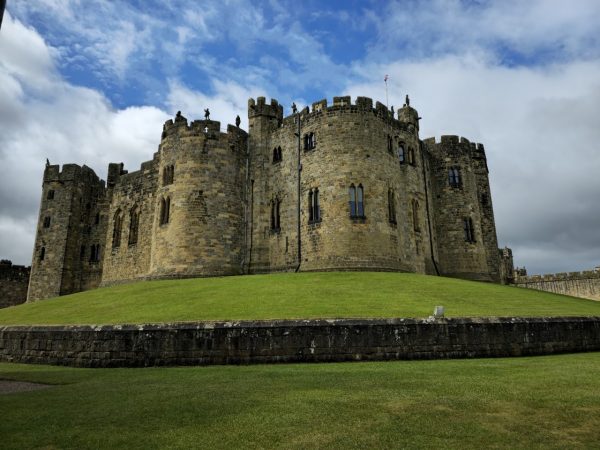
The county divides neatly into three. The coast runs about 100 kilometres from the mouth of the Tyne to the Tweed, much of it designated a National Landscape, with dune systems, tidal islands and a string of castles built to watch for Scottish raiders and Viking longships. Inland, the Northumberland National Park covers a quarter of the county, taking in the central section of Hadrian's Wall, the Simonside ridge, the Cheviot Hills and the forest and reservoir around Kielder. Between the two lies gentler farming country and market towns such as Morpeth, Rothbury, Wooler and Alnwick.
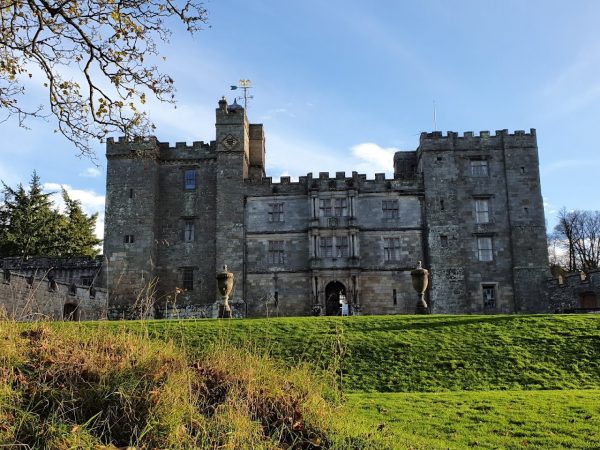
What ties it together is a long history of being fought over. This was the Roman empire's northern limit, then the Anglo-Saxon kingdom of Northumbria, then for three hundred years the Border reivers' territory, where cattle raiding was a way of life and even farmhouses were built as fortified bastles. The result is a landscape studded with defensive architecture: more castles than any other English county, plus pele towers, bastles and the wall itself. It is not a manicured place. Weather blows in off the North Sea, the light changes constantly, and a good deal of the appeal is in the scale and emptiness rather than in anything ticketed.
Getting to Northumberland
The East Coast Main Line runs the length of the county, which makes rail an unusually good option. LNER trains from London King's Cross reach Newcastle in about three hours, Alnmouth in roughly three and a half, and Berwick-upon-Tweed in around three and three-quarter hours. Alnmouth is the station for Alnwick, about four miles inland, with a connecting bus and taxis outside. Morpeth, Cramlington and Chathill also have stations, and the Northumberland Line reopened commuter services between Newcastle and Ashington. From Edinburgh, Berwick is under an hour.
By road, the A1 is the spine, running from the Tyne Tunnel north to the border and passing within a few miles of Alnwick, Bamburgh and Holy Island. It is dual carriageway as far as Morpeth and single carriageway for long stretches beyond, so allow more time than the mileage suggests in high summer. For Hadrian's Wall country, leave the A69 west of Hexham; the parallel B6318 Military Road is the scenic alternative and passes the main forts. The A68 north from Corbridge over Carter Bar is the most spectacular route into Scotland.
Newcastle International Airport is the only sizeable airport, about 20 minutes from the city on the Metro and roughly 40 minutes' drive from Morpeth. Parking at the big attractions is generally paid but plentiful; the exceptions are the coastal villages, where Craster, Beadnell, Low Newton and Bamburgh fill by mid-morning on summer weekends, and the Holy Island causeway car park, which empties and refills around the tide.
Best time to visit Northumberland
Late spring is arguably the best all-round window. From April the puffins are back on the Farnes and stay until late July, the coastal paths are dry, the sea pinks flower on the cliffs, and the crowds are still thin. Days are already long this far north — by June the light lingers past ten in the evening.
Summer brings the warmest sea and the fullest programme of events, but also the only real congestion the county sees. July and August are when Bamburgh and Beadnell car parks overflow and campsites need booking well ahead. The trade-off is that walking two or three hundred metres along almost any beach still gets you clear of everyone.
Autumn is underrated. September and October bring settled weather, heather colour on the moors above Rothbury, grey seal pups on the Farnes from late September, and the return of proper darkness for stargazing after the light summer nights. Kielder Observatory's programme is busiest from October onwards, and booking is essential.
Winter is cold, windy and often beautiful. Many coastal cafes and some attractions close or reduce hours from November to February, and Alnwick Castle shuts for the season entirely, but the wall country under frost and the empty beaches on a bright January day are worth the layers. Snow can close the higher Cheviot and Military Road routes.
Where to go
Popular destinations in Northumberland
About Northumberland’s towns and villages
Northumberland's coast and countryside offer very different holidays. Seahouses, Bamburgh and Beadnell sit close together on the shore, with beaches, castle views and boat trips to the Farne Islands, while Amble and Blyth add working harbours and a busier maritime feel. Alnwick, with its castle and gardens, makes a good base for exploring further inland or along the coast, and Morpeth offers a market town atmosphere with easy access to both.
Further west, Hexham and Haltwhistle sit near Hadrian's Wall, ideal for history and walking breaks, while Wylam's riverside setting suits quieter visits. Cramlington, Ashington and Blyth are more workaday towns, useful for practical stays or visiting family, with the wilder coast and countryside never far away.
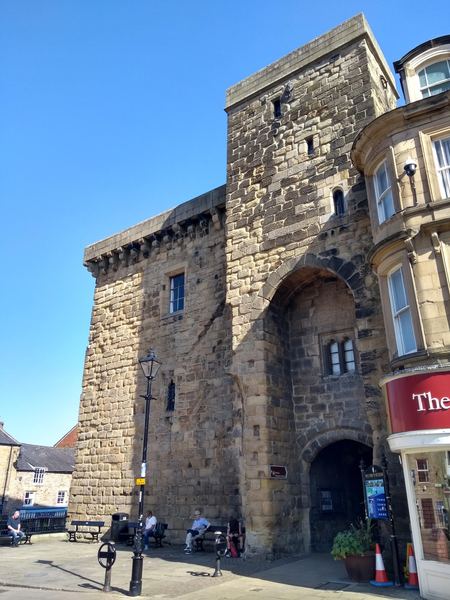
Hexham
32 stays · 1 campsites · 8 things to do
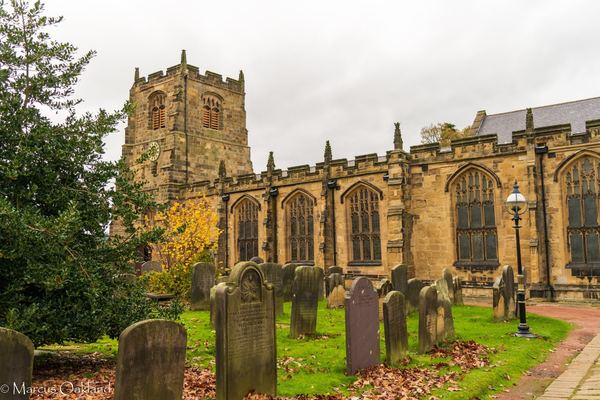
Alnwick
29 stays · 12 things to do
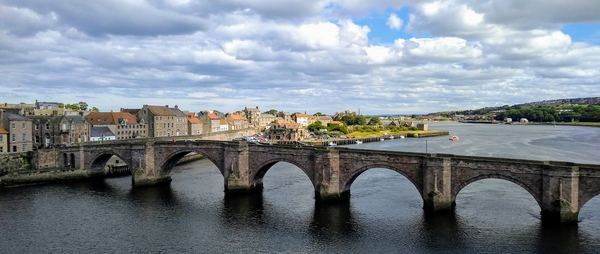
Berwick-upon-Tweed
30 stays · 5 things to do
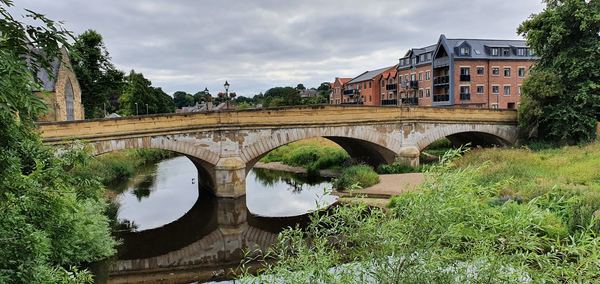
Morpeth
27 stays · 8 things to do
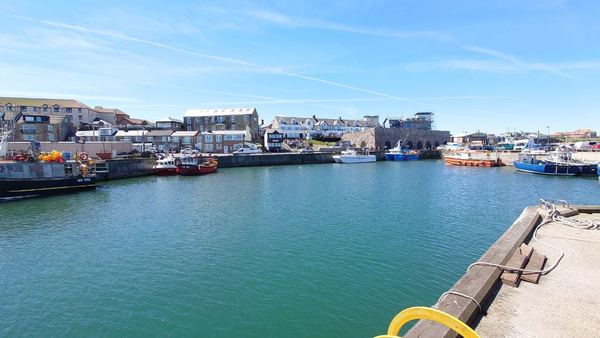
Seahouses
14 stays · 5 things to do
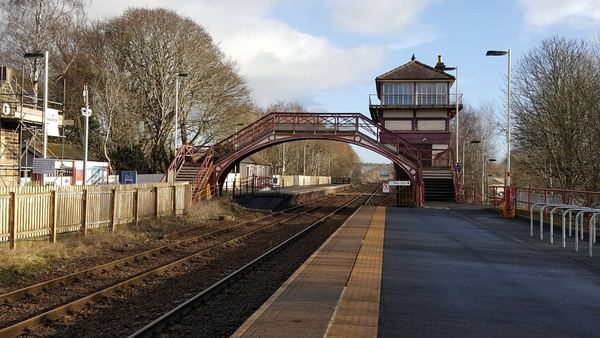
Haltwhistle
9 stays · 1 campsites · 1 things to do
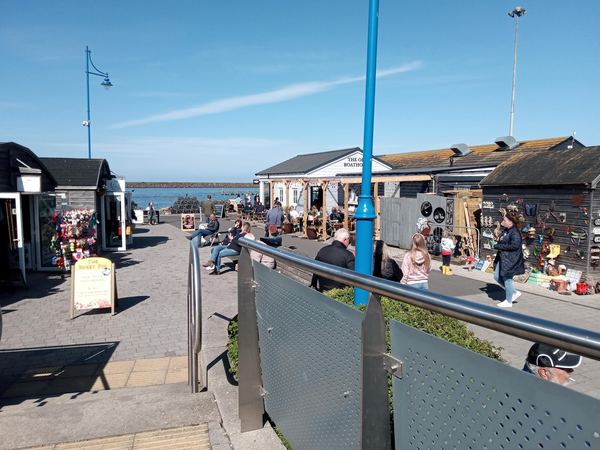
Amble
5 stays · 4 things to do
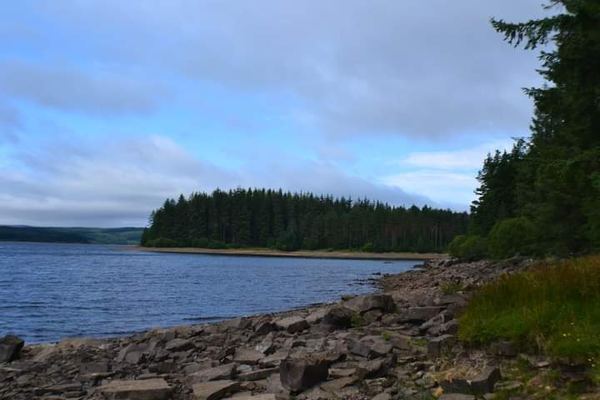
Kielder
1 campsites · 7 things to do
Chathill
6 stays · 1 things to do
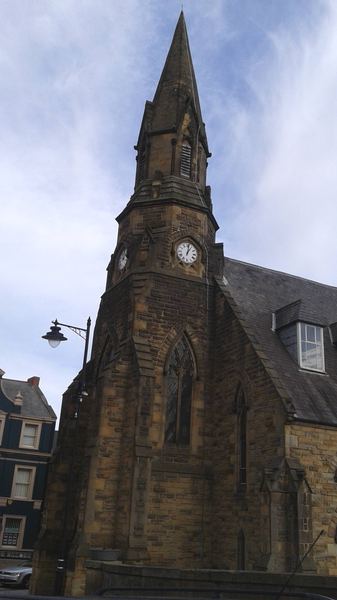
Cramlington
1 stays · 5 things to do
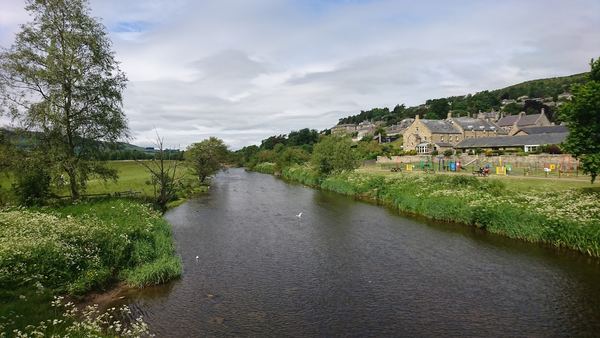
Rothbury
6 stays
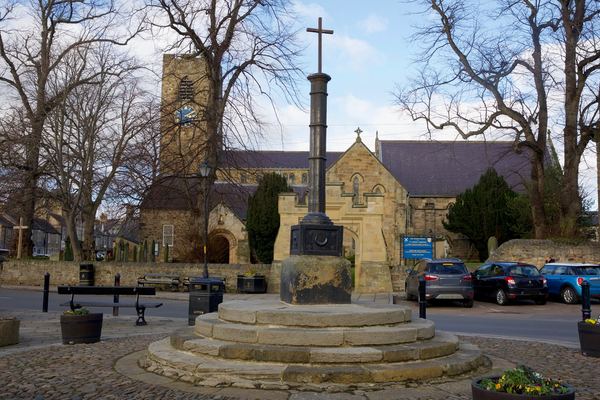
Corbridge
6 stays
Where to stay in Northumberland(254)
All hotels in Northumberland →About staying in Northumberland
Northumberland's hotels and B&Bs range from converted farmhouses to town-centre guesthouses, with clusters around Alnwick, Hexham and Haltwhistle that make good bases for exploring the castles, coastline and Hadrian's Wall. Places like Aln House and The Old School House suit those wanting a comfortable stay close to a market town, while farm and countryside options such as Wydon Farm Bed and Breakfast or The Barn Bellingham put you nearer open country and quieter roads.
Smaller, more individual stays are common here too, from The Snug at Corry Cottage to The Night Owl and EveAnna, often with just a room or two and a personal touch. Hexham and Haltwhistle work well if you're walking the Wall or the Pennine Way, while Alnwick suits those focused on the coast and castle. Given how spread out the county is, it's worth choosing a base near the sights you most want to see rather than trying to cover everything from one spot.
 9.7
9.7
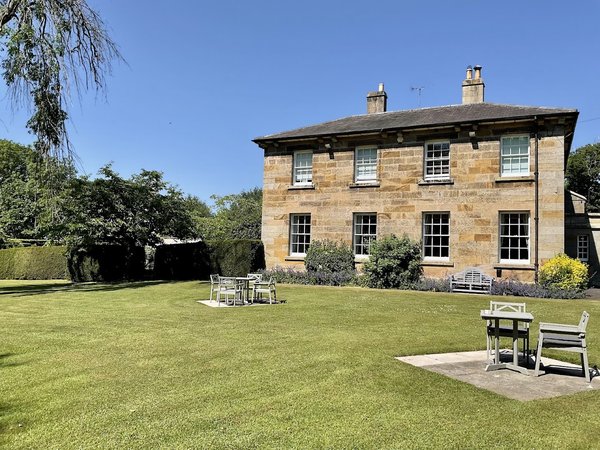
Chatton Park House
Chatton, near Alnwick
from £150/night
 9.6
9.6
Market Cross Guest House
Belford, north Northumberland
from £130/night
 9.2
9.2
The Cookie Jar
Bailiffgate, Alnwick
from £175/night
Innkeepers Lodge Newcastle Cramlington
The Snowy Owl Vintage Inn, Cramlington
Alnwick Lodge - B&B
West Cawledge Park, Alnwick
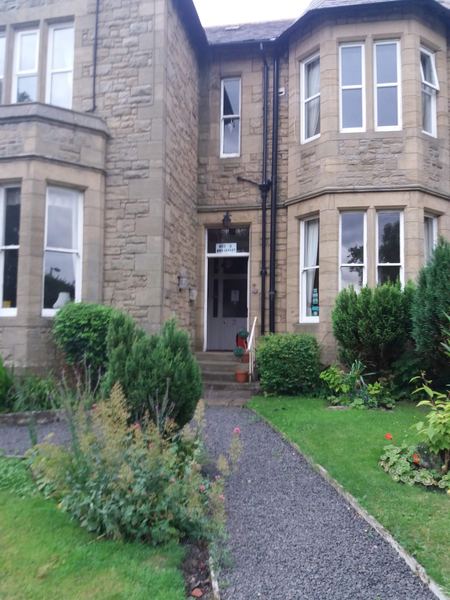
Aydon House
South Road, Alnwick
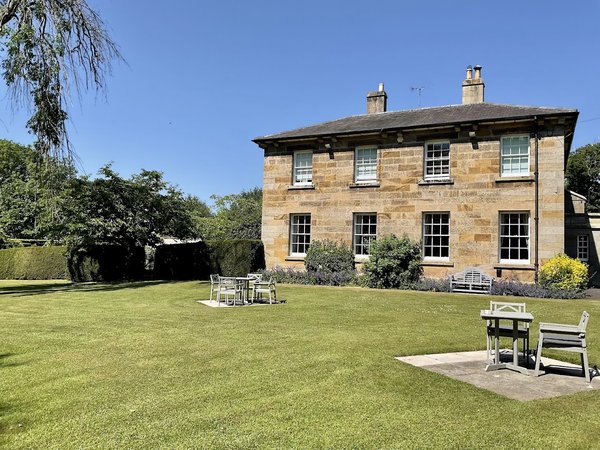
Chatton Park House B&B
Chatton, Alnwick
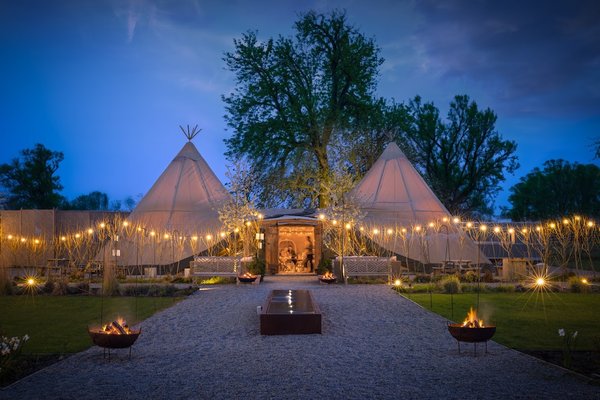
The Tempus at Charlton Hall Estate
Charlton Hall Chathill, Alnwick
Things to Do in Northumberland(72)
All attractions in Northumberland →About things to do in Northumberland
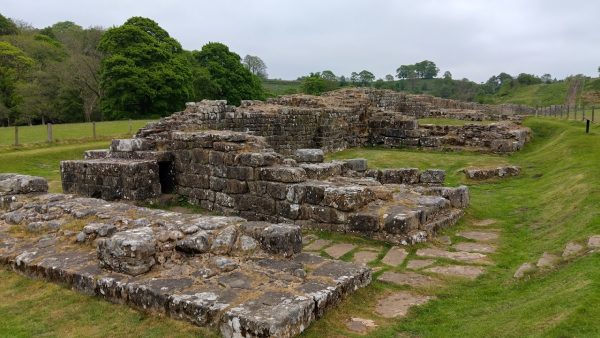
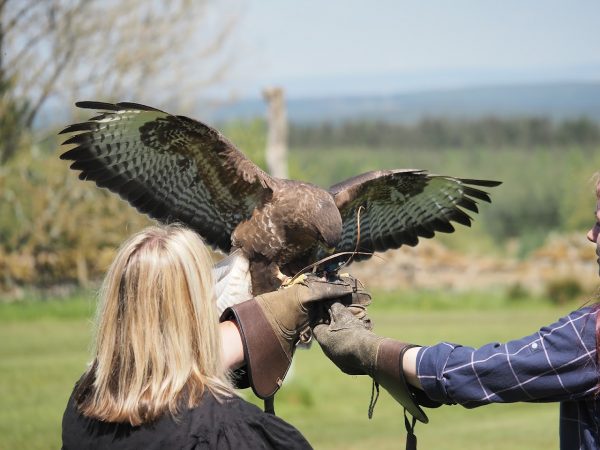
Northumberland's attractions span coast, castle country and the Border forests, so a day out here might mean walking a stretch of Hadrian's Wall and Fort near Hexham, watching birds of prey at Kielder Water, or heading to the sand at Bamburgh Beach, Newton Haven Beach or Embleton Bay. The county rewards a slower pace, with plenty of ground between the sites.
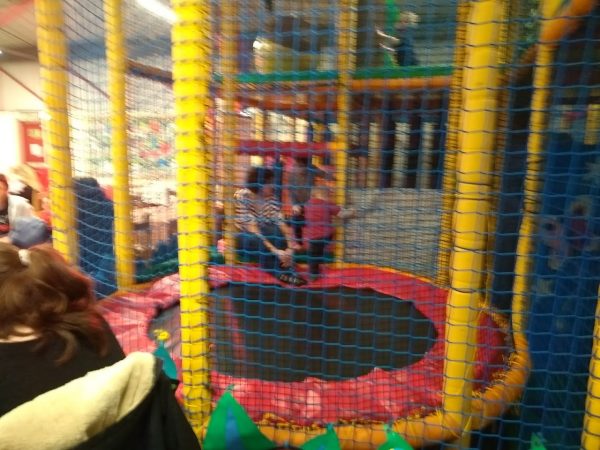
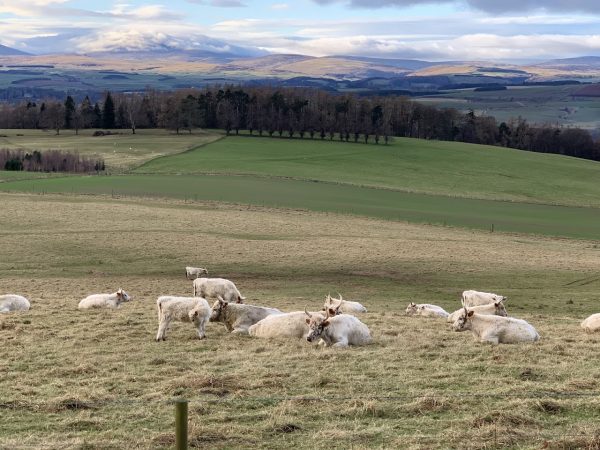
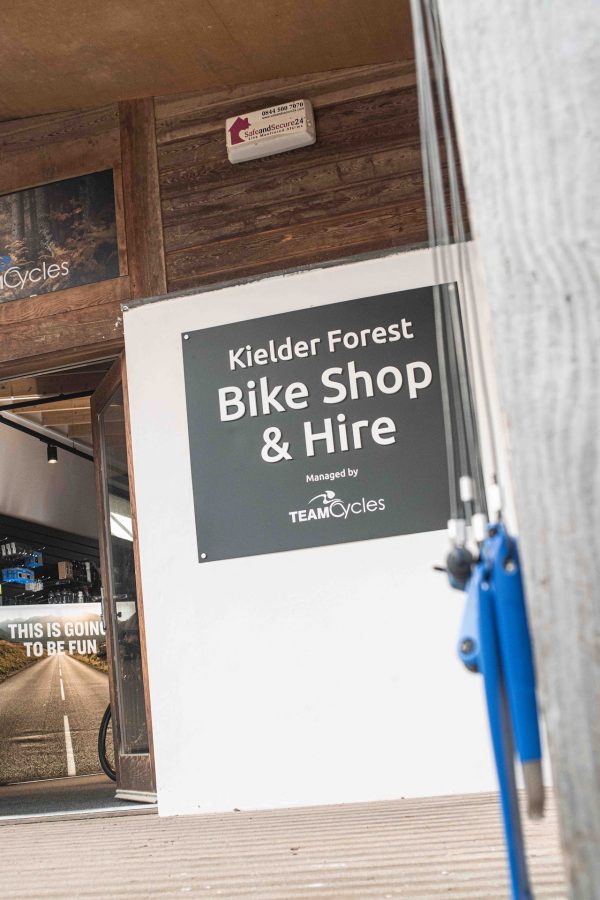
Around Alnwick and Morpeth, days out lean towards history and gardens, while Seahouses is the natural base for boat trips out to the Farne Islands. Further inland, Kielder and Falstone offer a different kind of outing entirely, from cycling at The Bike Place to wildlife watching in the forest, and Chillingham Wild Cattle Park makes for an unusual detour. Families in Ashington will find closer options too, such as Little Learners Playspace, alongside falconry days and other activities scattered across the county.

Where to Eat in Northumberland(598)
All restaurants in Northumberland →About eating out in Northumberland
Northumberland's eating and drinking scene stretches from harbourside cafes to old coaching inns, with plenty in between. Belford makes a useful stopping point on the A1, while smaller villages across the county often centre on a single pub that doubles as the local meeting place. Along the coast, expect fresh seafood and cafes geared towards walkers; inland, market towns and valley villages tend towards traditional pubs and tea rooms.
Choosing where to eat often comes down to what you're doing that day. Somewhere like Housesteads Roman Fort Cafe suits a break from Hadrian's Wall, while a place such as The Forest Bar & Kitchen works better for an evening out. With so many options scattered through the county's towns and villages, it's worth picking one close to whatever you're visiting rather than travelling far out of your way.
Carrshield Village Hall
Hexham · ⭐ 5.0
Caterplus @ Karbon Home - Weavers Court
Alnwick · ⭐ 5.0

Combined Mess - Junior
Alnwick · ⭐ 5.0
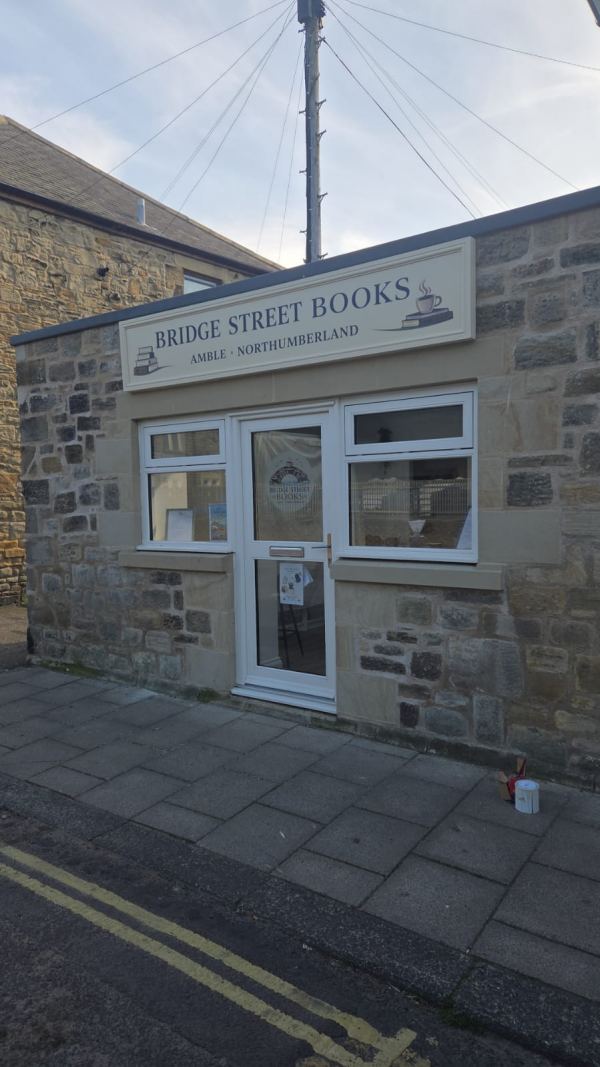
Bridge Street Books
Morpeth · ⭐ 5.0
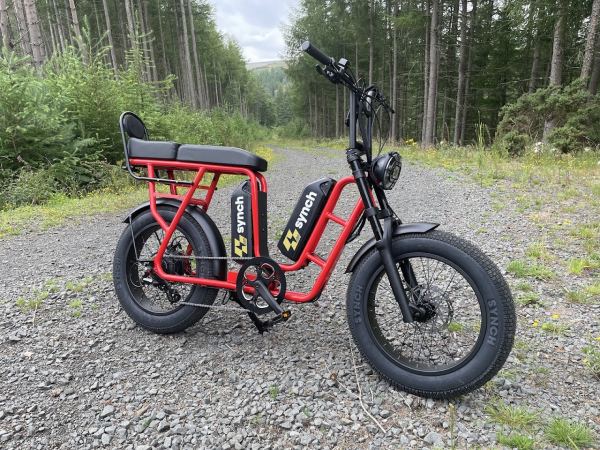
Northumberland E-Bikes
Wooler · ⭐ 5.0
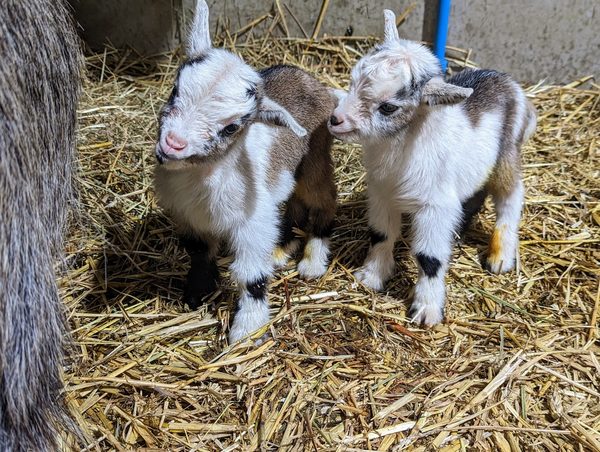
West Barn Pygmy Goats
Morpeth · ⭐ 5.0
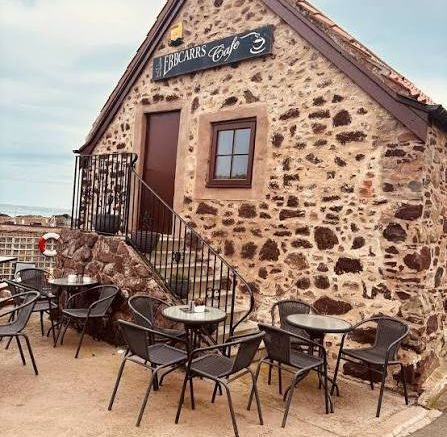
Brightside
Ashington · ⭐ 5.0
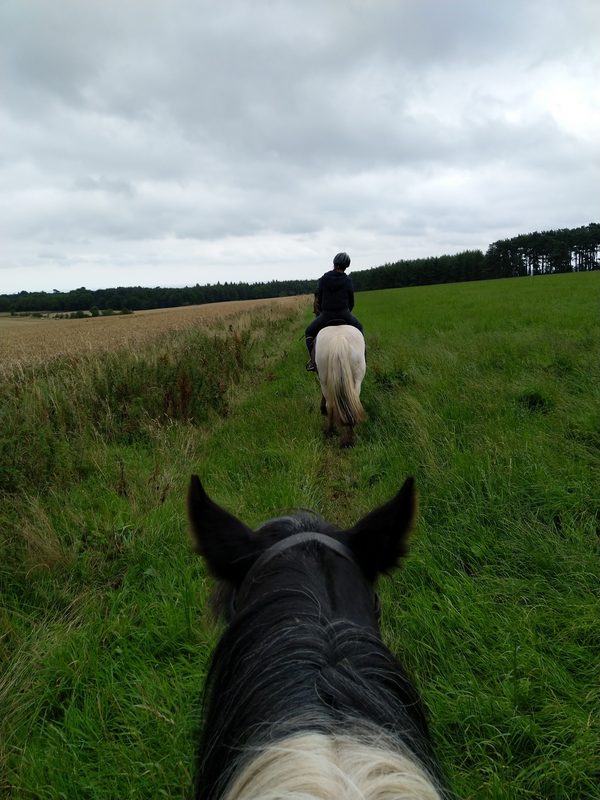
Swinhoe Farm Riding Centre
Belford · ⭐ 5.0
Attractions Near Northumberland
All attractions in Northumberland →Worth the trip — within 50 miles of Northumberland.
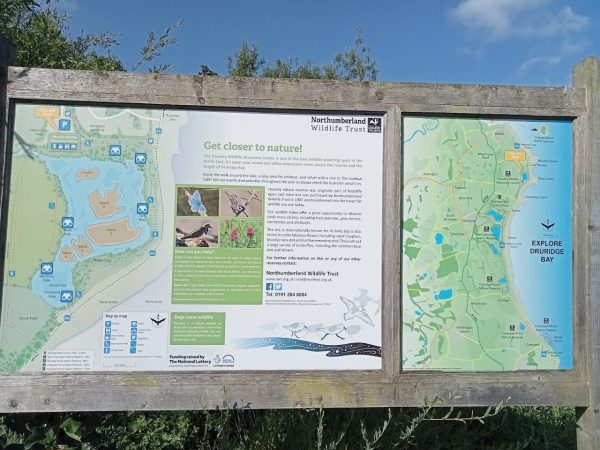
Hauxley Nature Reserve
Amble · ⭐ 4.8
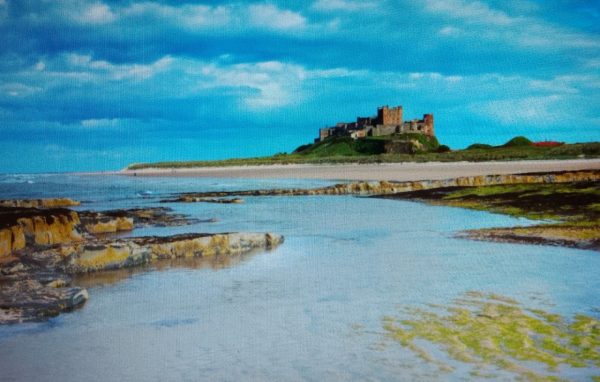
Bamburgh Beach
Seahouses · ⭐ 4.8
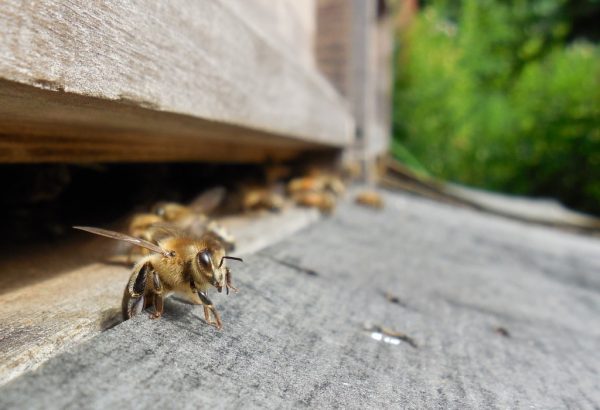
Chain Bridge Honey Farm
Berwick-upon-Tweed · ⭐ 4.8
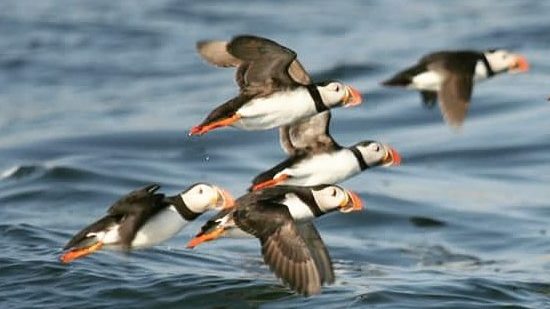
Puffin Cruises
Amble · ⭐ 4.7
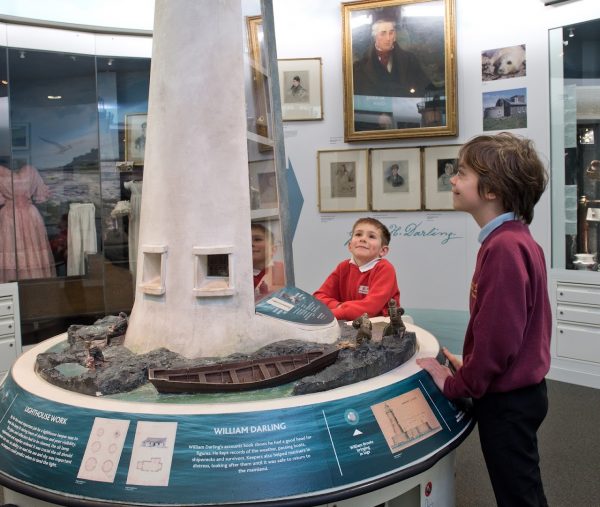
Grace Darling Museum
Bamburgh · ⭐ 4.7
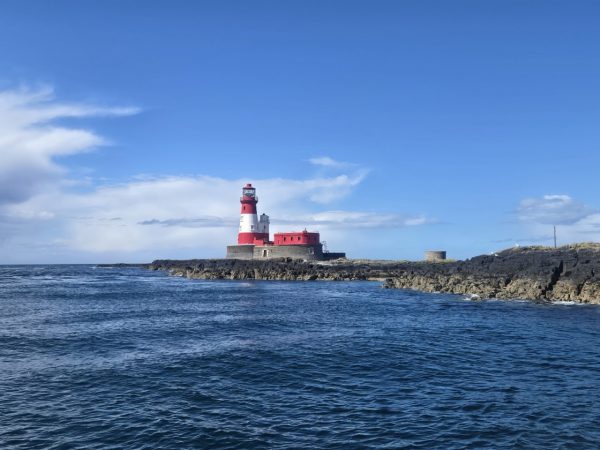
Longstone Lighthouse Visitor Centre
Bamburgh · ⭐ 4.7
Northumberland College Zoo
Ponteland · ⭐ 4.7
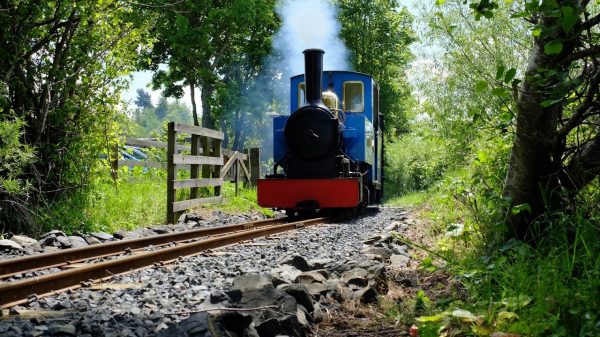
Heatherslaw Light Railway
Cornhill on Tweed · ⭐ 4.7
Camping in Northumberland(147)
All campsites in Northumberland →About camping in Northumberland
Northumberland's wide skies and dark, quiet nights make it one of England's best counties for camping, and the choice runs from simple farm fields to well-appointed glamping pods. Around Haltwhistle and along Hadrian's Wall, sites like Reddis Farm Campsite and Valley View Camping put walkers and history-seekers within easy reach of the Wall path, while others sit further into the Northumberland countryside near working farms such as Gallowmoor Farm Campsite and North Bellshill Farm Campsite.
For something more sheltered, pods and cabins at places including GlamPods Northumberland, Bluebell Wood Glamping and Sycamore Cottage and Glamping Pods offer heating and proper beds without losing the outdoor feel. Elwick Campsite and Heckley Farm Camping suit those happy with a tent and a fire pit, and smaller spots like Huntlaw Hideaway are worth seeking out if you want fewer neighbours and a quieter pitch.
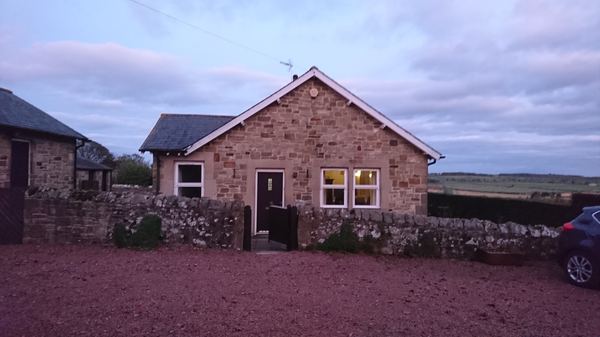
Heckley Farm Camping
⭐ 5.0 · from £25/night
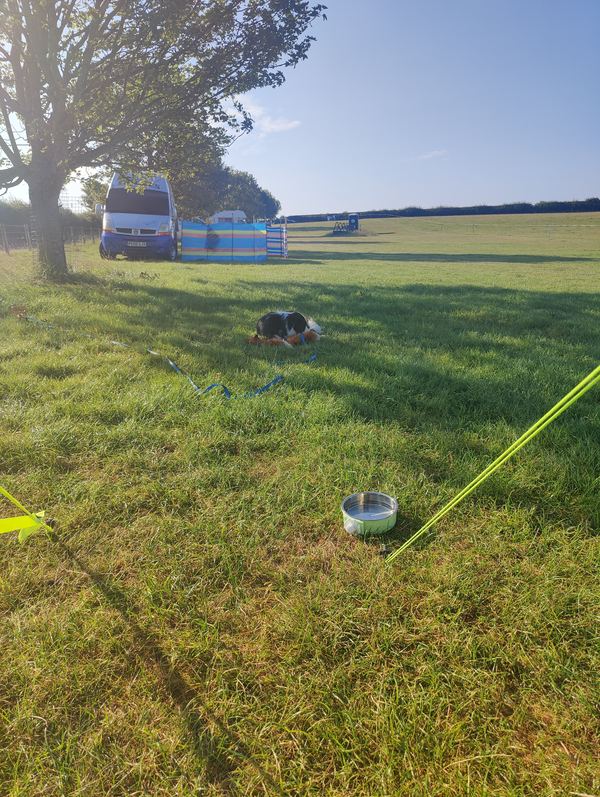
Gallowmoor Farm Campsite
⭐ 5.0 · from £20/night
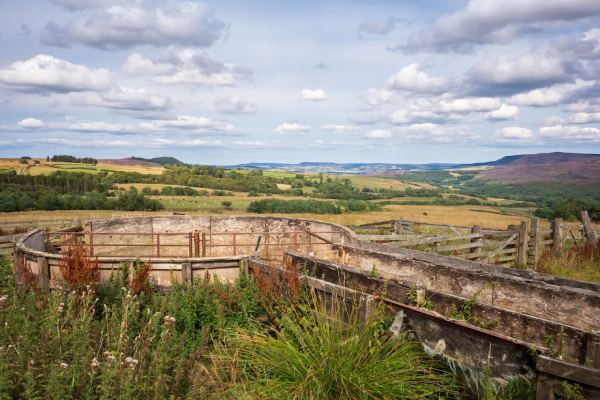
Billsmoor Foot Caravan Park
Newcastle upon Tyne · ⭐ 5.0
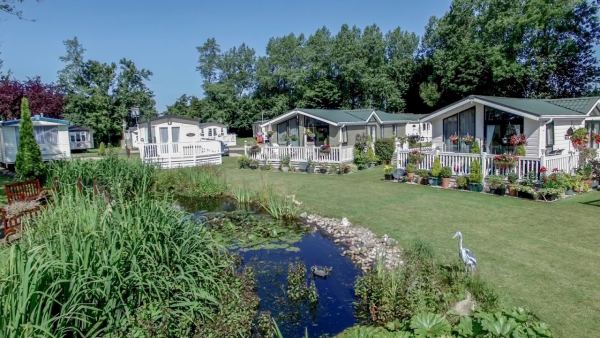
Heathergate Boutique Holiday Park
Hexham · ⭐ 4.9
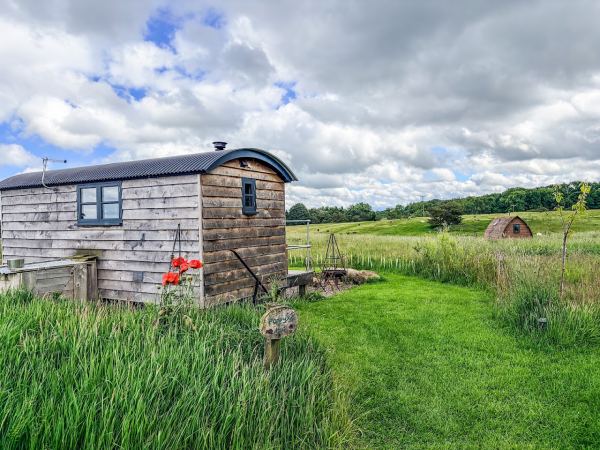
Tranwell Campsite
Morpeth · ⭐ 4.9
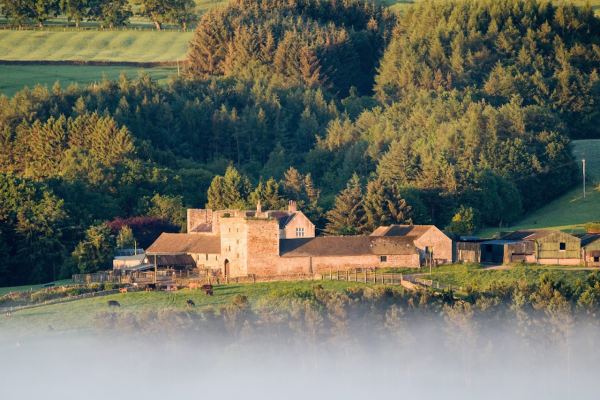
Brockalee Farm Campsite (Certificated Site)
Hexham · ⭐ 4.9
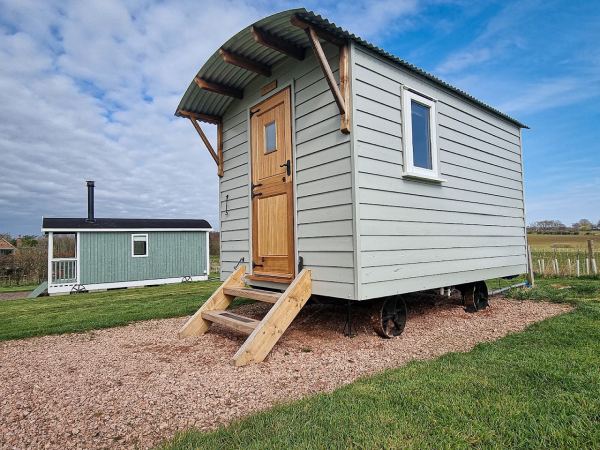
The Shepherds Rest Inn Campsite
Berwick-upon-Tweed · ⭐ 4.9
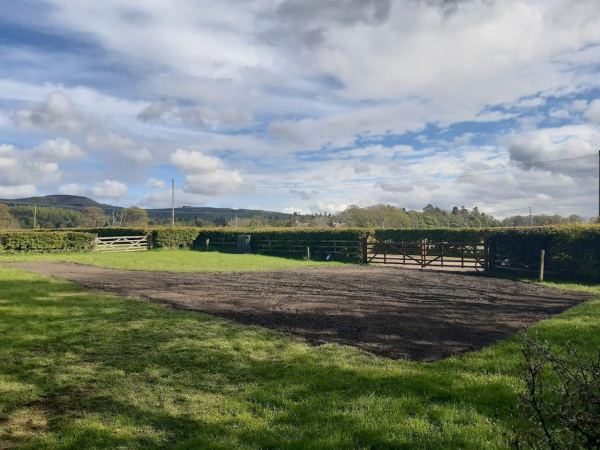
Chillingham Barns CL Site
Alnwick · ⭐ 4.9
Self-Catering Cottages in Northumberland(897)
All cottages in Northumberland →About cottages in Northumberland
Northumberland's cottages range from converted farm buildings and cartsheds, like Grindon Cartshed, to stone-built houses in market towns and quiet coastal villages. Names such as Stable Cottage and Hall Yards Cottage point to their working farm origins, while others sit closer to the Cheviots or within reach of the Northumberland coast, so it's worth deciding whether you want hills, sea or a base near Hadrian's Wall before booking.
With 914 properties across the county, choice is rarely the problem - narrowing down location is. Riverside settings suit those wanting walks from the door, while houses like Bernicia House or Hotspur View work well for groups wanting space and a proper kitchen after a day outdoors. Many cottages are set apart from neighbours, so a car is useful for reaching pubs, shops and the coast.
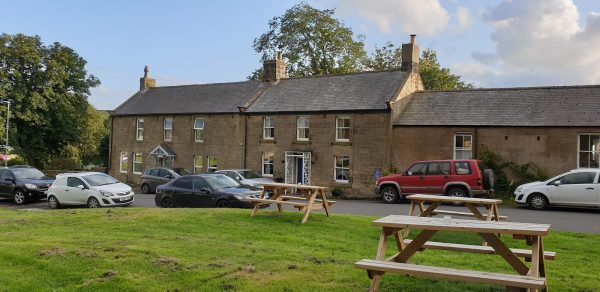
Blue House
Newcastle upon Tyne · 4 bed · sleeps 7 · from £741
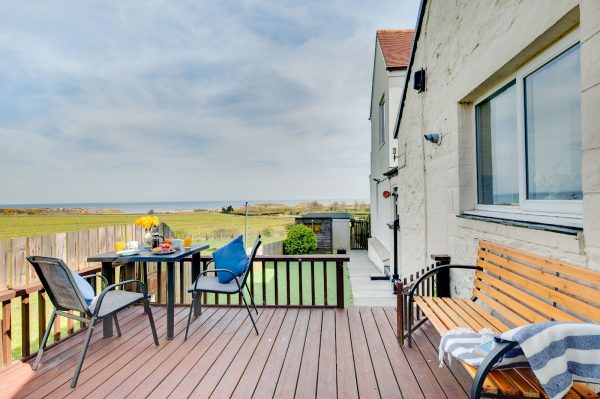
Brackenrigg
Alnwick · 2 bed · sleeps 4
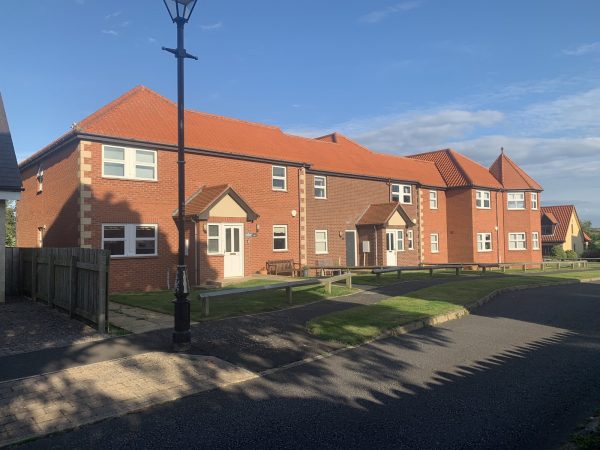
Brada View
Bamburgh · 2 bed · sleeps 4 · from £637
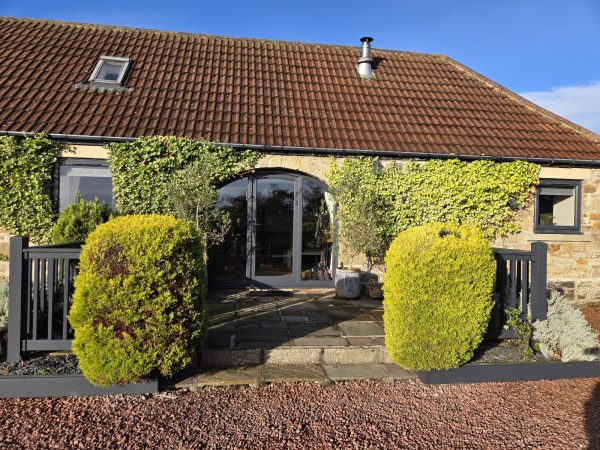
Chesterhill Old Farm
Morpeth · 2 bed · sleeps 4 · from £681
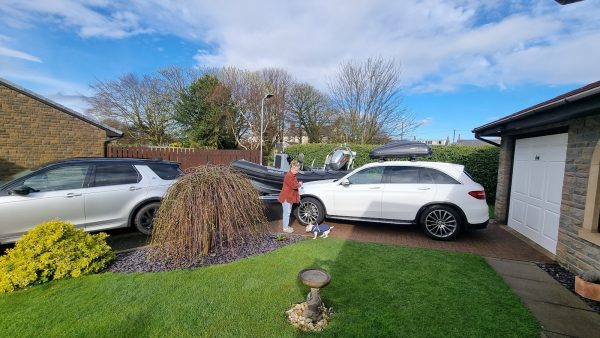
Cleet’s Retreat
Seahouses · 3 bed · sleeps 6 · from £497
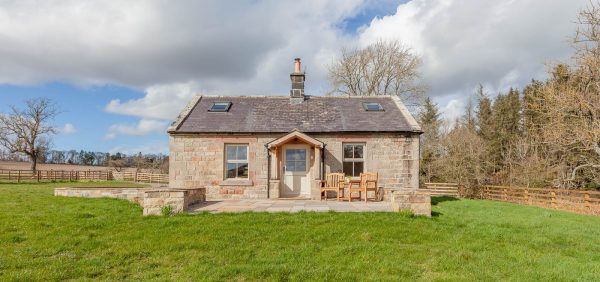
Coalburn Cottage
Alnwick · 1 bed · sleeps 2 · from £747
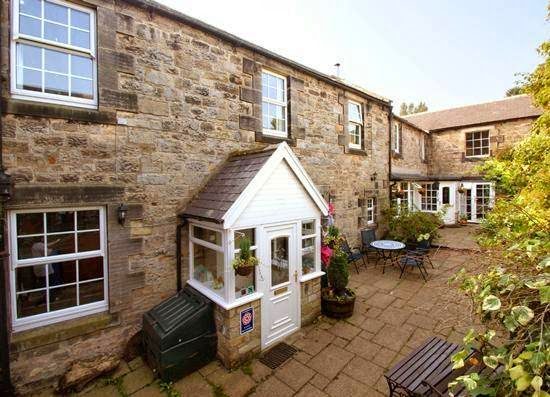
Conway Cottage
Morpeth · 2 bed · sleeps 4 · from £637
Dilston Cottage
Corbridge · 1 bed · sleeps 4 · from £403
Common questions about Northumberland
How many campsites are there in Northumberland?
We list 142 campsites in and around Northumberland, of which 79 take tents and 34 offer glamping.
Are there dog-friendly campsites in Northumberland?
Yes — 40 of the 142 campsites we list in Northumberland accept dogs, including Middlemoor Farm Holidays and Herding Hill Farm Touring, Camping and Glamping Site.
Which campsites in Northumberland have electric hook-up?
53 of the 142 campsites we list in Northumberland offer an electric hook-up.
How many holiday cottages are there in Northumberland?
We list 897 self-catering cottages in and around Northumberland.
Can I take a dog to a holiday cottage in Northumberland?
Yes — 603 of the 897 Northumberland cottages we list allow pets.
Are there large holiday cottages in Northumberland for groups?
Yes — the largest cottage we list in Northumberland sleeps 20.
Where can I stay in Northumberland?
We list 9 hotels, B&Bs and guest houses in and around Northumberland. Prices start from around £95 a night.
Where can I eat in Northumberland?
We list 566 restaurants, pubs and cafes in and around Northumberland.