Ribchester
Roman roots on the banks of the Ribble
Photo © Darren Westhead, Google Maps
Getting to Ribchester
Ribchester has no railway station of its own; the nearest is Clitheroe, with Langho also useful, both a short taxi or bus connection away. Whalley is the closest sizeable bus hub, and regular local services link Ribchester with Preston and Blackburn. By car, the village sits just off the B6245, roughly 20 minutes from Preston and within easy reach of the M6 via the A59, making a day trip from Manchester or Liverpool straightforward.
Best time to visit Ribchester
Late spring through early autumn is the most comfortable time to explore the Roman remains and riverside paths, with long evenings for a pub garden and drier ground underfoot on Bowland walks. Early autumn brings good light for photography along the Ribble, while winter visits can still be rewarding for the museum and cosy pubs, so long as you're prepared for wet, exposed conditions if heading up onto the moors.
Where to stay in Ribchester
All hotels in Ribchester →About staying in Ribchester
Ribchester's hotel and bed and breakfast options are modest but well suited to the village's scale, ranging from historic coaching inns with a handful of en-suite letting rooms to farmhouse B&Bs on the surrounding lanes. Staying in the village itself puts the Roman fort remains, museum and riverside walks within a few minutes' walk, and means evenings can be spent unhurried in a pub garden rather than driving back from further afield. For a wider choice of hotel styles and price points, Preston and Clitheroe are both a short drive away and make sensible bases for anyone planning to split their time between Ribchester and other Ribble Valley villages. Booking ahead is worthwhile in summer, when the combination of Roman history and Forest of Bowland walking draws steady day-tripper traffic, and rooms in the village's few properties can fill quickly around weekends and local events. Anyone touring the wider Ribble Valley may also find it easier to base themselves in a slightly larger town such as Clitheroe or Longridge and treat Ribchester as one stop among several, particularly if combining a visit with Pendle Hill or the villages around Whalley Abbey.
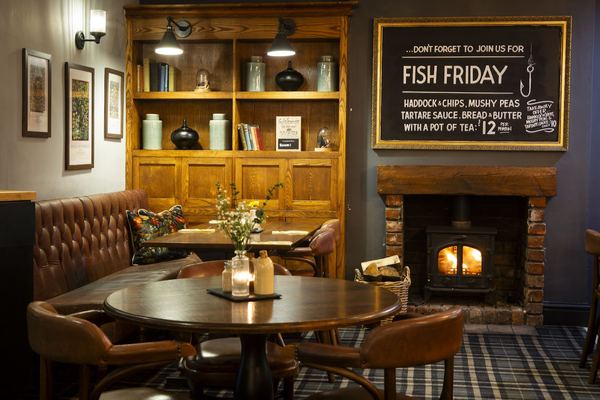
The Ribchester Arms
Blackburn Road, Preston
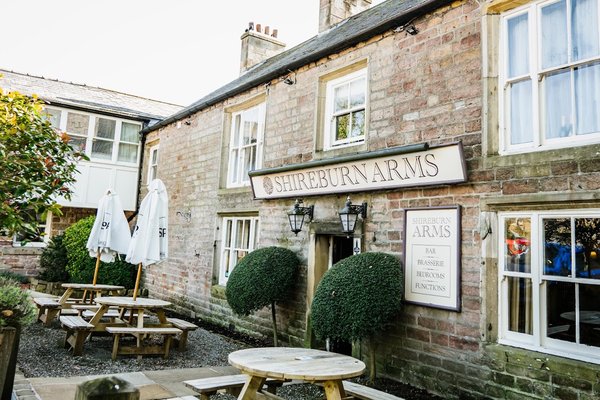
The Shireburn Arms
Whalley Road, Clitheroe
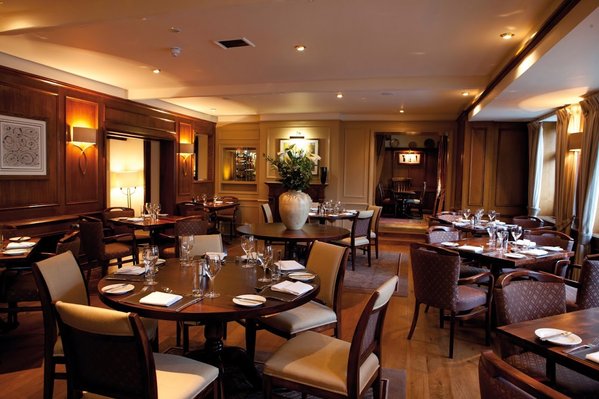
The Millstone Mellor
Church Lane, Blackburn
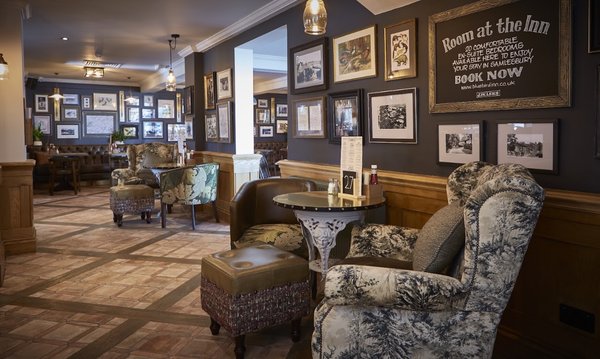
The Bluebird Inn at Samlesbury
Myerscough Road, Blackburn
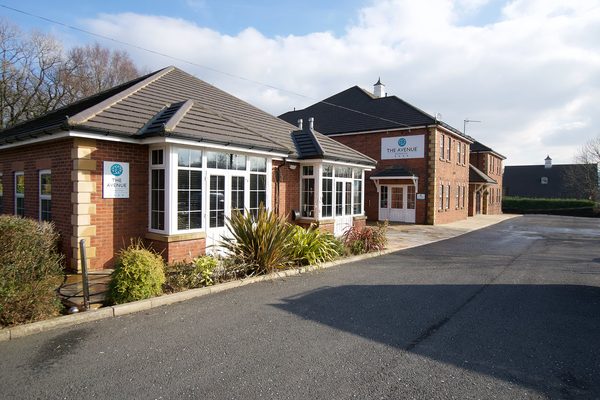
The Avenue Hotel
Brockhall Village, Clitheroe
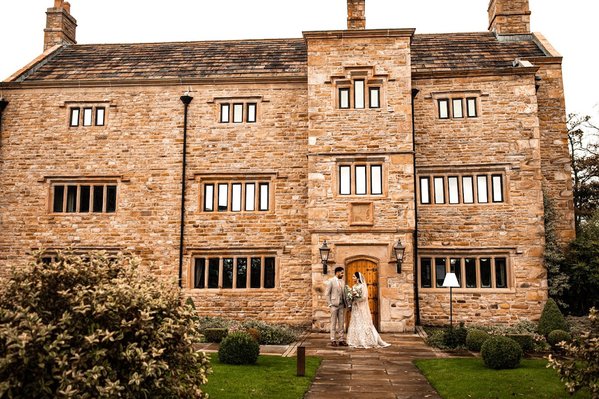
Stanley House Hotel and Spa
Further Lane, Blackburn
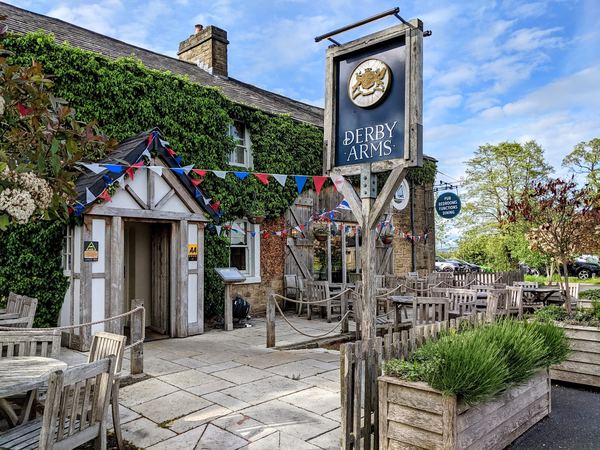
Derby Arms
Chipping Road, Preston
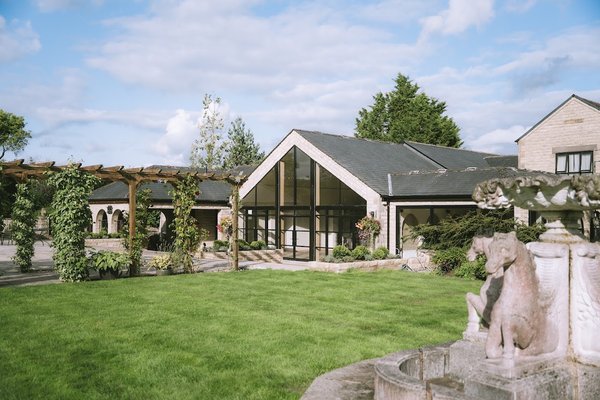
Ferraris Country House Hotel
Chipping Lane, Thornley, Preston
Things to Do in Ribchester
All attractions in Ribchester →Top things to do in Ribchester
Ribchester rewards a slow visit. Most of what matters is within a short stroll of the church, and the surrounding lanes and riverbank make for easy extensions to any trip.
- Ribchester Roman Fort remains — The visible foundations of the fort's granaries sit in the open, near St Wilfrid's churchyard, giving a real sense of scale for a garrison that once housed hundreds of cavalry troops.
- Ribchester Roman Museum — Built in 1915 above part of the old headquarters building and founded by Margaret Greenall of the Warrington brewing family, the museum displays finds from Bremetennacum including a replica of the famous Ribchester Helmet, whose original is held by the British Museum.
- Ribchester Roman Bathhouse — A separate excavated site near the river, giving a further glimpse of the fort's everyday infrastructure.
- River Ribble walks — The riverside paths through the village are gentle and popular with families, with views across to open farmland and regular sightings of herons and dippers.
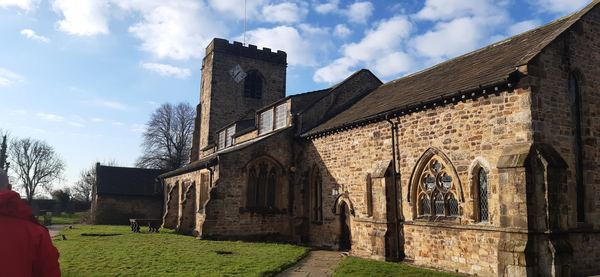
- St Wilfrid's Church — A largely medieval church built partly from reused Roman stone, standing directly above part of the old fort.
- Forest of Bowland AONB — Around 13 miles of heather moorland, valleys and quiet villages lie a short drive north-east, popular for longer walks, cycling and birdwatching away from the crowds.
- Ribble Valley countryside — Ribchester makes a good base for exploring the wider Ribble Valley, from Longridge Fell to the villages of Hurst Green and Whalley.
Where to Eat in Ribchester
All restaurants in Ribchester →Food and drink in Ribchester
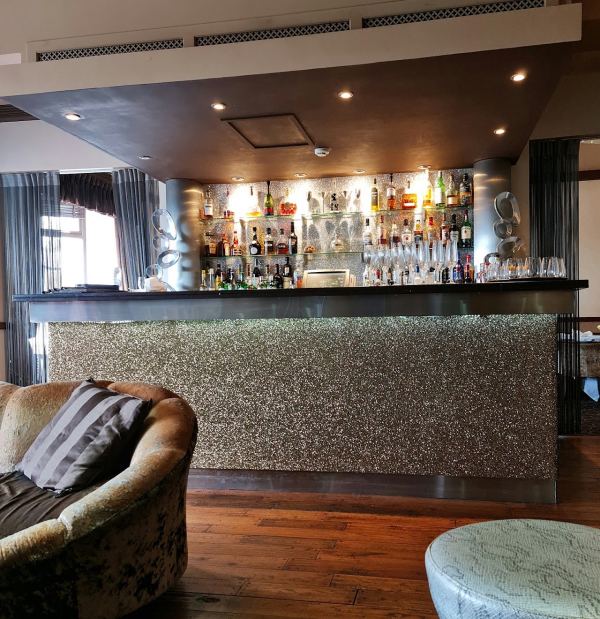
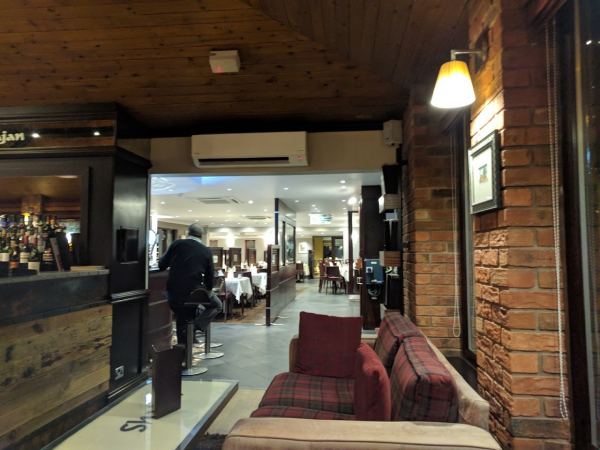
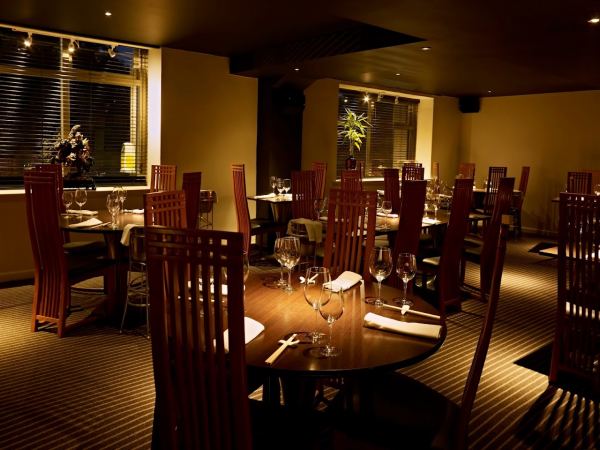
The White Bull has stood at the centre of the village since 1707, a former coaching inn with a portico built from genuine Roman pillars dredged from the River Ribble, serving a seasonal menu alongside local cask ales and gins in its walled beer garden. The Ribchester Arms and other village pubs offer further options for a pint and a meal, and a handful of cafes and tea rooms cater to visitors passing through after the museum or a riverside walk.

Attractions Near Ribchester
All attractions in Ribchester →Worth the trip — within 50 miles of Ribchester.
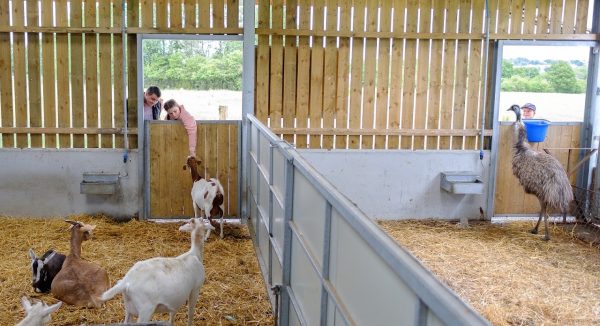 2 mi
2 mi
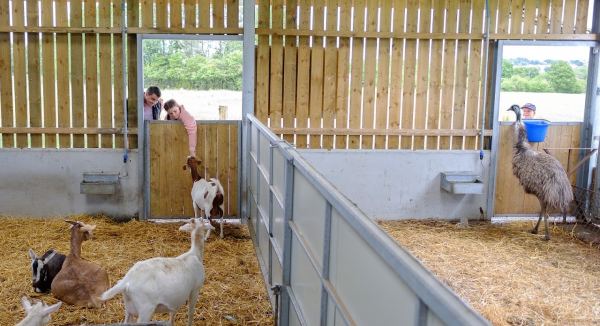
Mrs Dowsons Farm Park
Blackburn · ⭐ 4.5
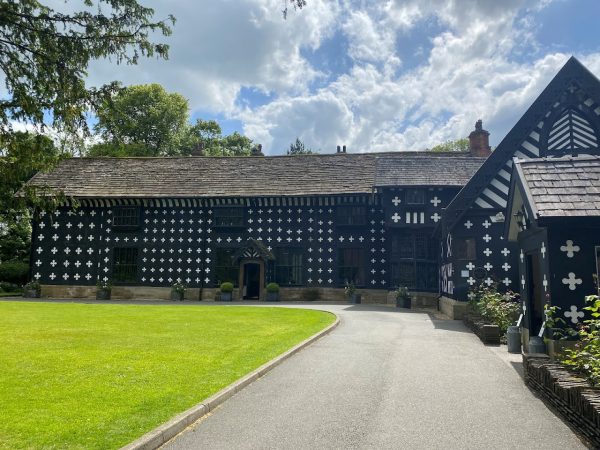 3 mi
3 mi
Samlesbury Hall
Samlesbury · ⭐ 4.9
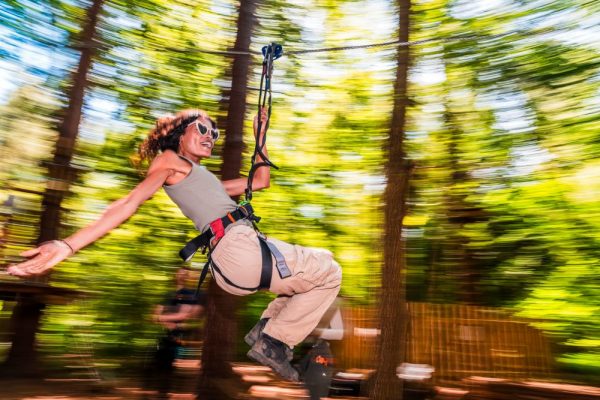 5 mi
5 mi
Go Ape Blackburn
Blackburn · ⭐ 4.8
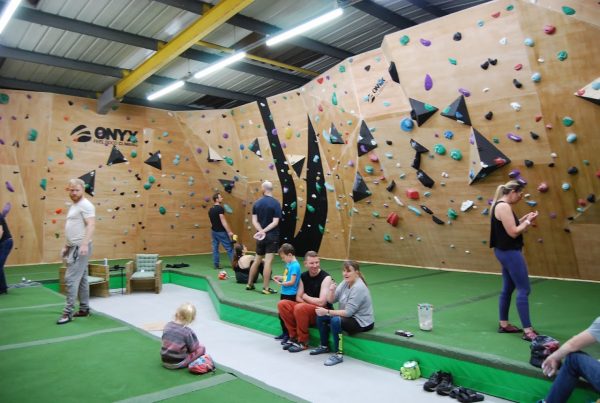 5 mi
5 mi
Onyx Climbing Wall
Blackburn · ⭐ 5.0
 5 mi
5 mi
Vue Blackburn
Blackburn · ⭐ 4.1
 5 mi
5 mi
Tenpin Blackburn
Blackburn · ⭐ 4.2
 5 mi
5 mi
Funtazia Soft Play
Blackburn · ⭐ 4.0
 5 mi
5 mi
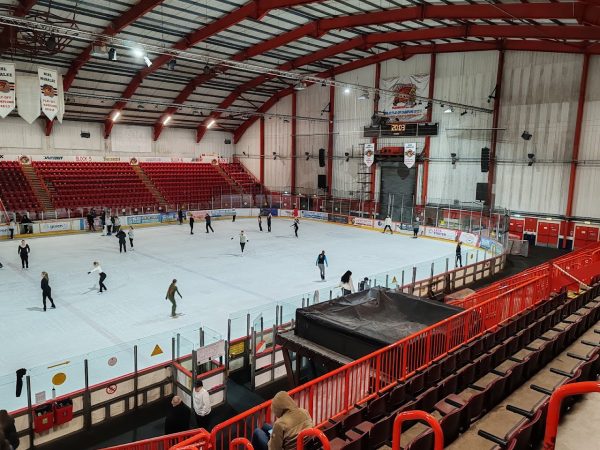
Planet Ice Blackburn
Blackburn · ⭐ 4.2
Camping in Ribchester(1)
All campsites in Ribchester →About camping in Ribchester
Ribchester sits at the southern edge of the Forest of Bowland, an Area of Outstanding Natural Beauty of heather moorland, gritstone fells and quiet river valleys, making it a reasonable base for anyone wanting to combine Roman history with a night under canvas. As with anywhere in England, wild camping without the landowner's permission is not legal, so campers need a proper campsite or a farm pitch arranged in advance rather than pitching up on open moorland or riverside fields. A small number of certified sites and farm-based campsites operate in the villages around Ribchester and further into the Ribble Valley, typically offering simple grass pitches for tents and campervans alongside electric hook-up for caravans.
The terrain around Bowland is real hill country, with exposed moor tops, fast-changing weather and few sheltered spots, so tents pitched close to the valley floor near Ribchester tend to fare better than anything higher up. The most comfortable camping season runs from late spring to early autumn, when the ground is drier and evenings are long enough for a walk along the Ribble after setting up camp; winter camping is possible but better suited to experienced campers prepared for wind, rain and short days. For those who'd rather skip the tent poles altogether, glamping options in the wider Ribble Valley area include shepherd's huts, pods and yurts, giving a taste of the countryside with a proper bed and often a wood burner, while staying close enough to walk into Ribchester for the museum, the fort remains and a pub dinner. Booking ahead is sensible during the summer months, when Bowland's popularity with walkers and cyclists means the limited number of local sites can fill up, particularly around bank holiday weekends.
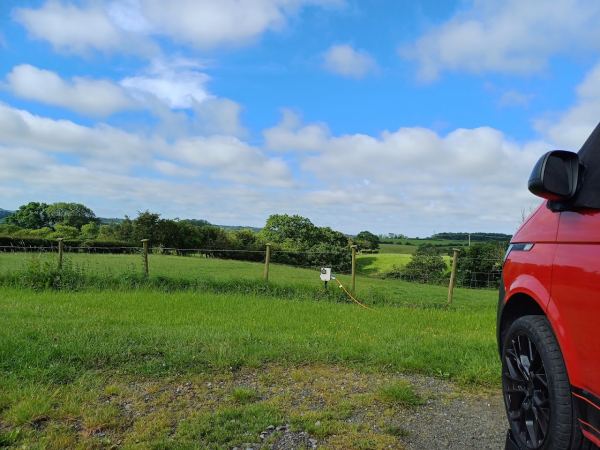
Singleton House Farm Certificated Locations
⭐ 4.7
Dale Hey Touring Park
⭐ 4.8
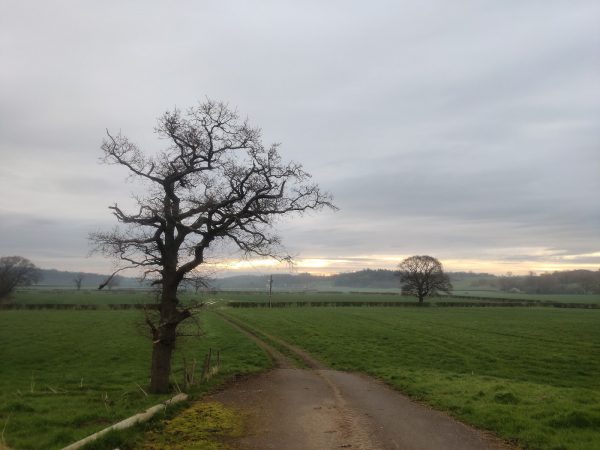
Ribble Valley Naturist Club
⭐ 4.8
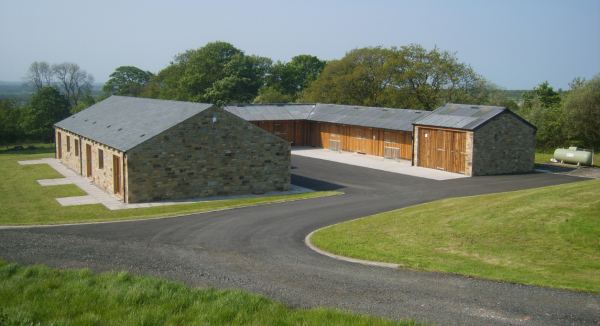
Stoneygate Holiday Centre (Certificated Site)
⭐ 4.4
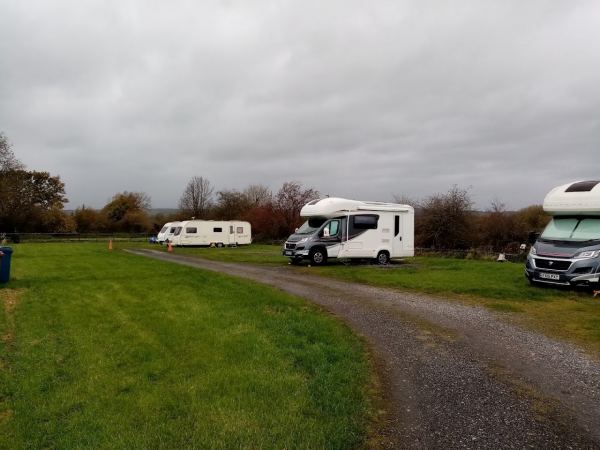
Whinmore Fold Farm Certificated Site
⭐ 4.1
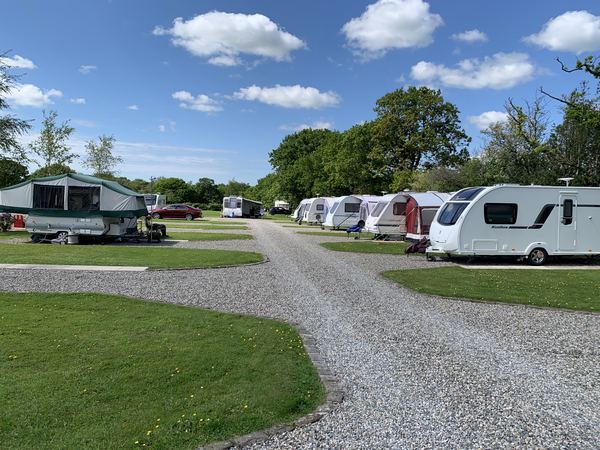
Northwood Caravan and Holiday Park
⭐ 4.8 · from £38/night
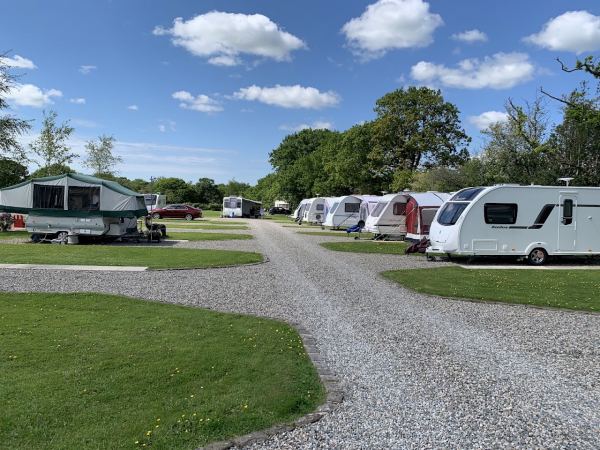
Northwood Caravan & Holiday Park
⭐ 4.8
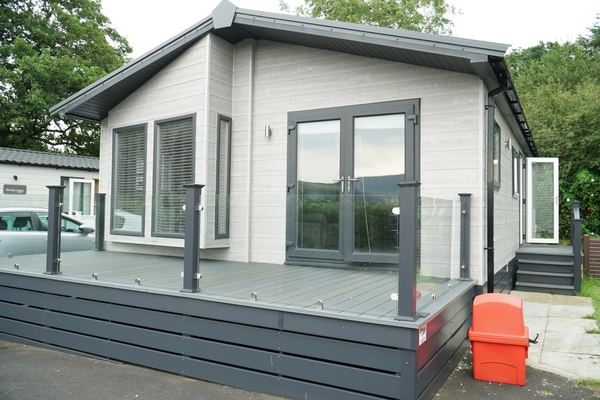
Beacon Fell View
⭐ 3.8 · from £42/night
Self-Catering Cottages in Ribchester
All cottages in Ribchester →Mya Cottage
2 bed · sleeps 4 · from £661
Lux Cottage
2 bed · sleeps 4 · from £747
Willows Cottage
2 bed · sleeps 4 · from £747
Haven Cottage
2 bed · sleeps 4 · from £747
Beeches Cottage
2 bed · sleeps 4 · from £751
Madeline Cottage
1 bed · sleeps 2 · from £403
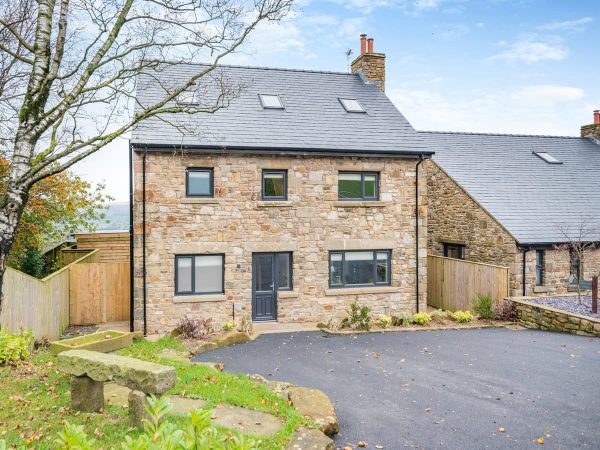
Cunliffe Moss Farm
2 cottages · from £1,182
Shire Nook
2 bed · sleeps 3 · from £333
Common questions about Ribchester
How many campsites are there in Ribchester?
We list 1 campsites in and around Ribchester, of which 1 take tents.
Are there dog-friendly campsites in Ribchester?
Yes — 1 of the 1 campsites we list in Ribchester accept dogs, including Dale Hey Touring Park.
Which campsites in Ribchester have electric hook-up?
1 of the 1 campsites we list in Ribchester offer an electric hook-up.