Whicham
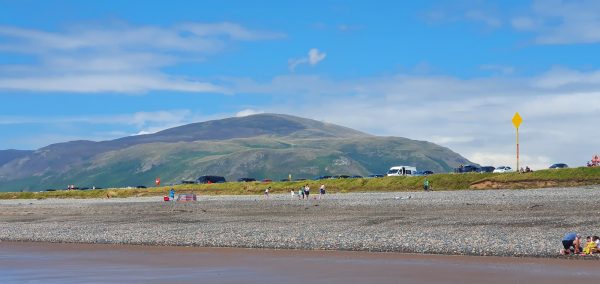
Black Combe and the wild west Cumbrian coast
Photo © Alex Dhawan, CC (Wikimedia Commons)
Whicham is barely more than a scatter of farms and a medieval church, tucked into a green valley where the Whicham Beck runs down off Black Combe towards the Irish Sea. This is the quiet, unfussy edge of the Lake District National Park, well away from the honeypot lakes and the coach parks of Windermere or Keswick. Here the crowds thin out to almost nothing, the fells run straight down to the shore, and the loudest sound most days is the wind and the curlews.
The parish sits in the shadow of Black Combe, a broad, isolated fell that Alfred Wainwright classed among his "Outlying Fells" of Lakeland, separate from the main network of peaks but no less rewarding to climb. To the west, the ground drops away to the coastal plain and the Duddon Sands, with the small town of Millom a few miles south and the Irish Sea never far from view. It is a landscape of drystone walls, sheep pasture, and big open skies, with the Isle of Man visible from the high ground on a clear day.
Getting to Whicham
Whicham lies just off the A595, the main road down the Cumbrian coast, between Millom and Broughton-in-Furness. There is no motorway nearby; most visitors approach via the A590 through south Cumbria or the A595 from the Lake District's western fringe. The Cumbrian Coast railway line runs close by, with stations at Silecroft and Millom, both within a couple of miles, making it one of the more useful rail-served corners of the National Park for anyone without a car. The nearest larger towns for shops and fuel are Millom and, further north, Broughton-in-Furness and Ravenglass.
Best time to visit Whicham
Spring brings the churchyard at St Mary's into bloom with snowdrops and daffodils, and clearer air often gives the best long-distance views from Black Combe's summit. Summer is the obvious choice for the beach at Silecroft and for longer fell walks in good light, though this coastline can be windy and changeable at any time of year, so it is worth checking conditions before heading up Black Combe. Autumn and winter have their own appeal for hardier walkers and birdwatchers, with Hodbarrow particularly good for winter wildfowl, but the exposed fell and coast can be bleak in poor weather, so this is not a soft-option destination out of season.
Where to stay in Whicham
All hotels in Whicham →About staying in Whicham
With no hotels in Whicham itself, most visitors base themselves in Millom or one of the surrounding coastal villages, a few miles from the foot of Black Combe. Options in this part of Cumbria tend towards traditional pubs with rooms, farmhouse bed and breakfasts, and small guesthouses, rather than large hotels, reflecting the quiet, rural character of this stretch of coast. It suits visitors who want a base for walking Black Combe or exploring the Duddon estuary and Hodbarrow nature reserve, rather than those looking for resort-style facilities. Millom itself, a short drive or train ride south along the Cumbrian Coast Line, has the widest choice of accommodation locally, along with everyday shops and services. Further afield, Broughton-in-Furness and Ravenglass offer additional options if you are happy to travel a little further, both within easy reach by road or rail. Booking ahead is sensible in summer, particularly around the school holidays, as the number of rooms in this area is modest compared with the honeypot towns of the central Lake District. Whichever base you choose, the appeal here is the same: direct access to an open, uncrowded fell and a working stretch of coastline, with Black Combe's summit path starting right from St Mary's Church car park in Whicham itself.
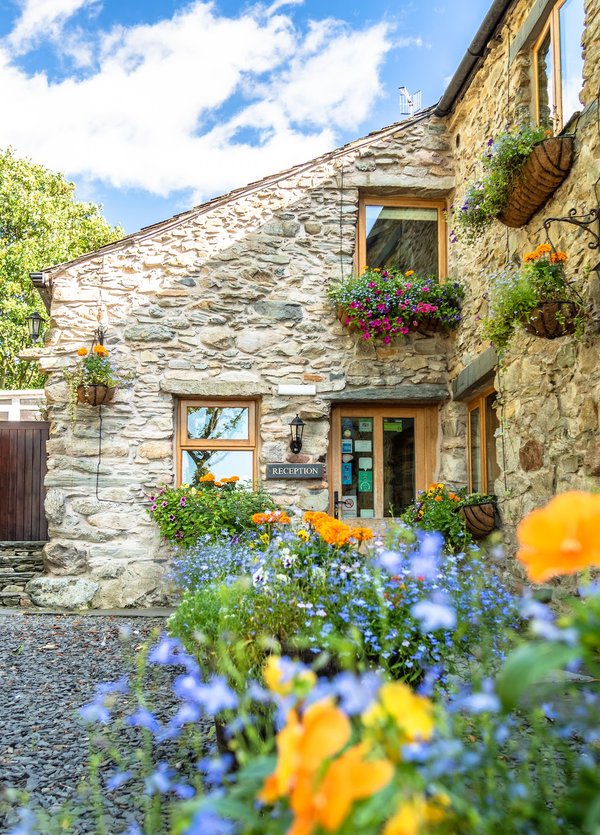
The Wayside and Whisky Barn
Wayside, Whitbeck
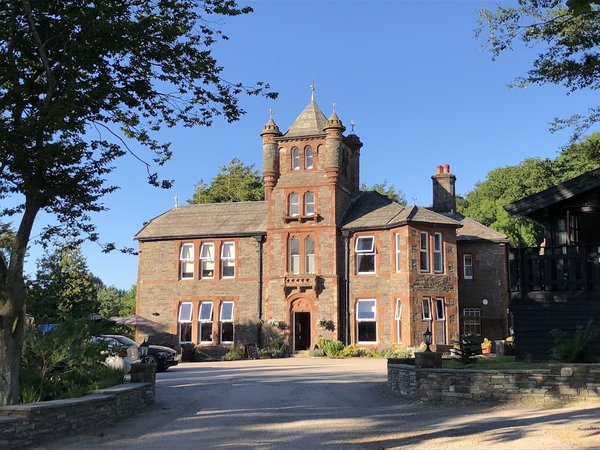
Brockwood Hall Lodges
Whicham Valley, Duddon Bridge
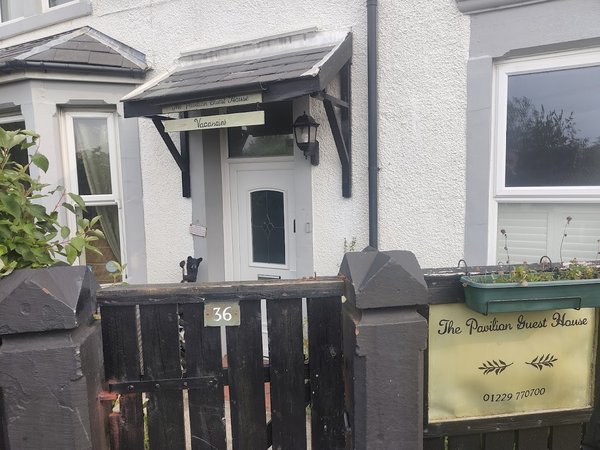
The Pavilion Guest House
36 Duke Street, Millom
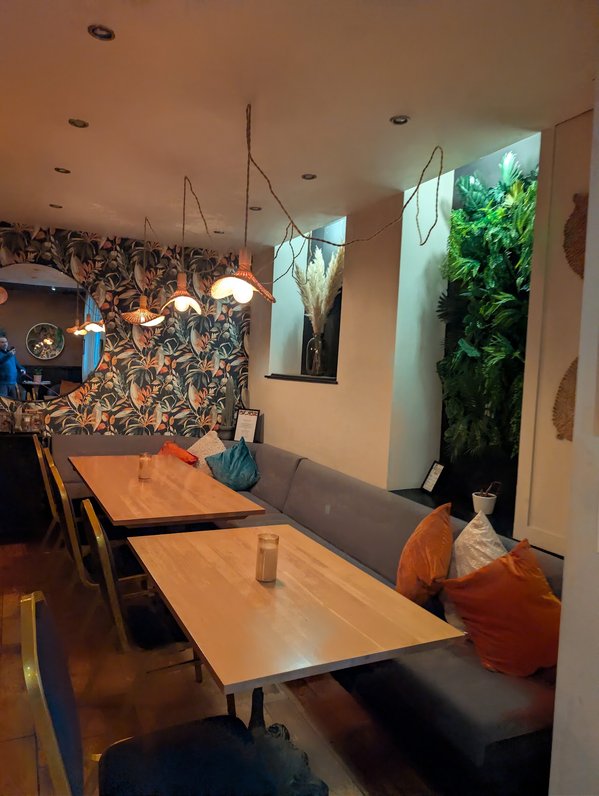
The Bear On The Square
2-6 St Georges Terrace, Millom
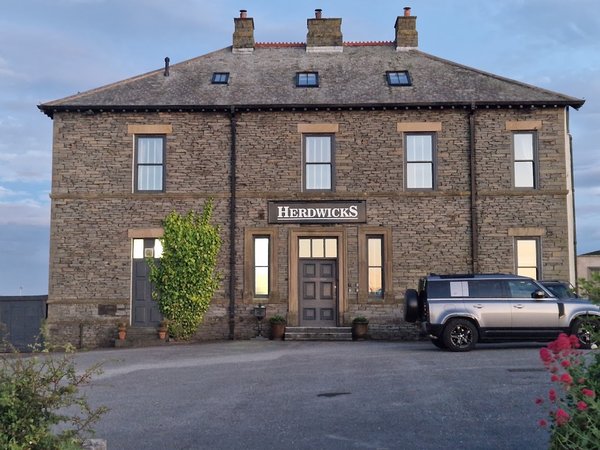
Herdwicks
Steel Green, Millom
HH Accommodation
Horama House, Millom
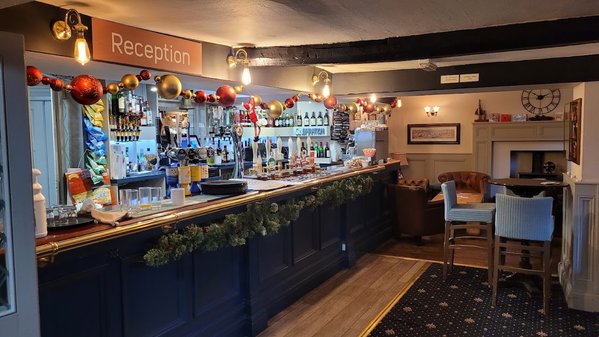
Old Kings Head
Church St, Broughton-in-Furness
High Bridge Haven
Kirkby-in-Furness, Cumbria
Things to Do in Whicham
All attractions in Whicham →Top things to do near Whicham
There is not much in Whicham itself beyond the church and the fell, but that is rather the point, and the surrounding area has some genuinely worthwhile spots.
- Black Combe — the dominant fell above the village, reached directly from the walled path beside St Mary's Church. A steady, no-nonsense climb to a broad summit with panoramic views said to take in the Isle of Man, Ireland's mountains on a very clear day, the Scottish hills across the Solway Firth, and the whole sweep of the Cumbrian coast.
- St Mary's Church, Whicham — a Grade II listed medieval parish church at the foot of Black Combe, recorded in the Domesday Book as part of "Witingham". The churchyard is known for its spring display of snowdrops, crocus and daffodils, and the church appears in Wainwright's guides as the customary starting point for the fell.
- Silecroft Beach — a long stretch of shingle and sand a short drive from Whicham, with the fells rising directly behind it and views out to the Isle of Man. A proper, unspoilt Cumbrian coast beach rather than a resort.
- RSPB Hodbarrow Nature Reserve — a coastal lagoon and grassland reserve near Millom, created from a former iron ore mining site. A good spot for birdwatching, with breeding terns, oystercatchers, redshanks and great crested grebes, plus free parking and coastal walking.
- Millom Heritage and Arts Centre — housed in the town's old railway station, this small museum covers the area's iron ore mining history, the Hodbarrow mines, local wartime history and the work of Millom-born poet Norman Nicholson.
- Millom — the nearest town, a few miles south, with everyday shops, cafes and the railway station on the Cumbrian Coast Line.
Where to Eat in Whicham
All restaurants in Whicham →Food and drink near Whicham
Options directly in Whicham are limited, so most visitors head into Millom or the surrounding villages for pubs and cafes. Millom has a small selection of everyday cafes and takeaways serving the town, along with a handful of pubs. It is a working town rather than a tourist centre, so do not expect a large restaurant scene here; the appeal of Whicham is the fell and coast on the doorstep rather than its dining options.


Attractions Near Whicham
All attractions in Whicham →Worth the trip — within 50 miles of Whicham.
 3 mi
3 mi
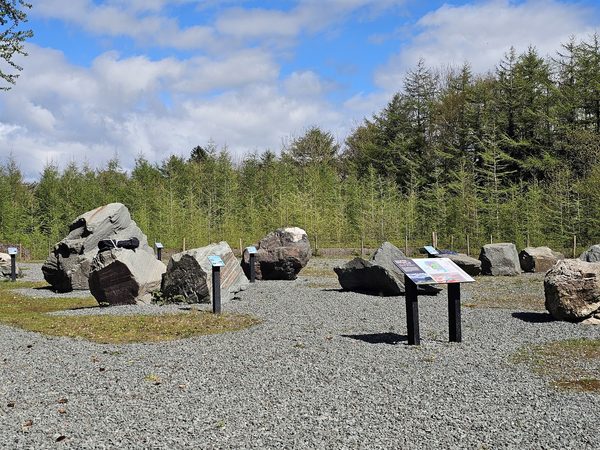
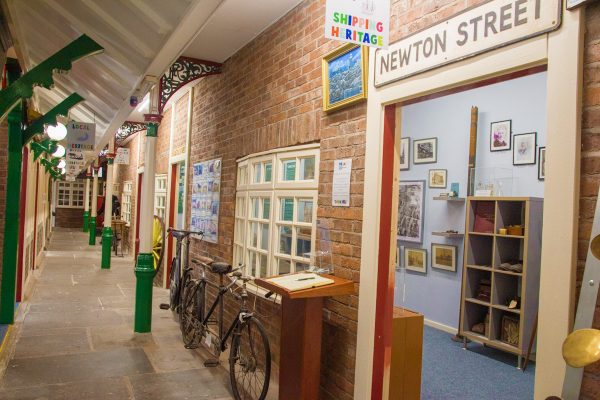
Millom Discovery Centre
Millom · ⭐ 4.7
 3 mi
3 mi
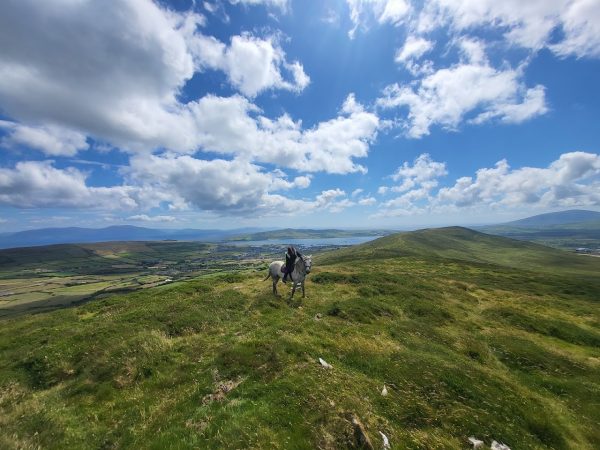
Dingle Horse Riding
Dingle · ⭐ 4.9
 8 mi
8 mi
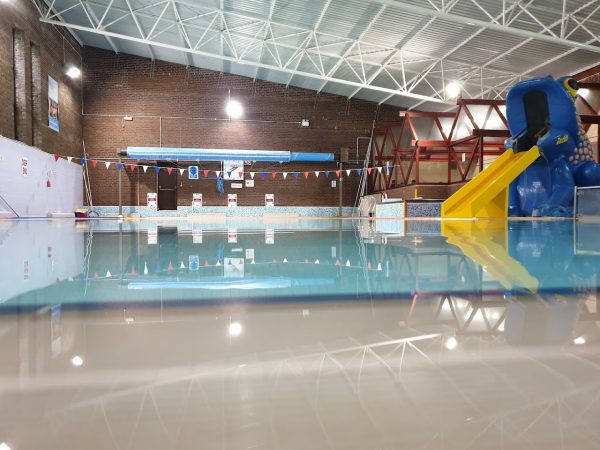
Dalton Leisure Centre
Dalton-in-Furness · ⭐ 4.4
 8 mi
8 mi
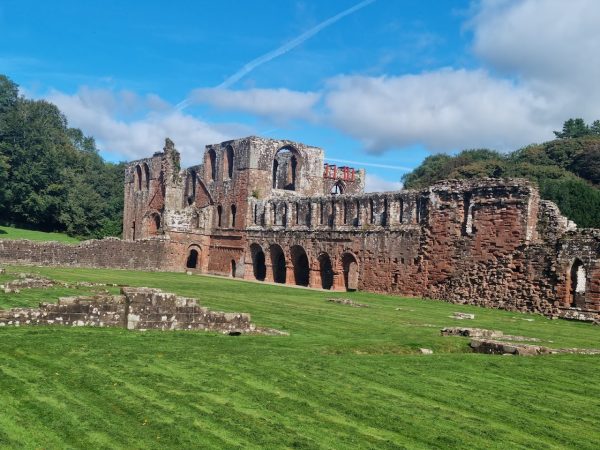
Furness Abbey
Barrow in Furness · ⭐ 4.7
 9 mi
9 mi
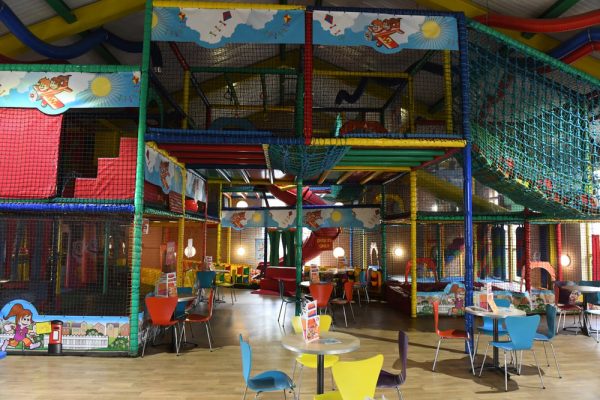
Wacky Warehouse - Owl & Pussycat
Barrow in Furness · ⭐ 4.5
 9 mi
9 mi
Vue Barrow
Barrow · ⭐ 4.0
 9 mi
9 mi
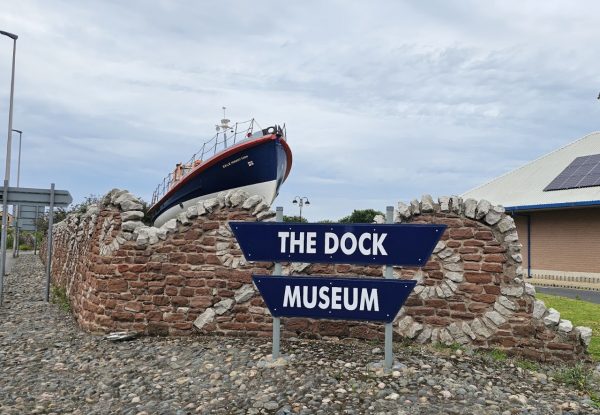
The Dock Museum
Barrow in Furness · ⭐ 4.6
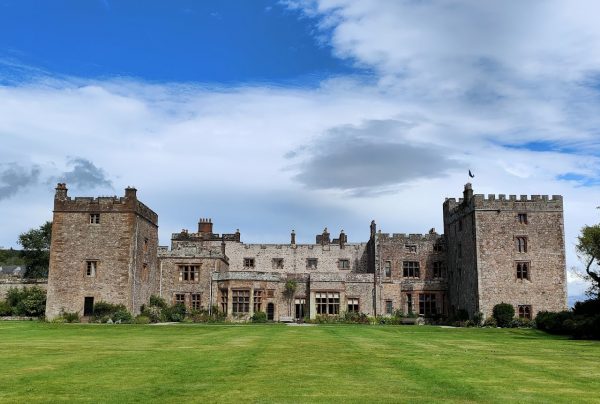 9 mi
9 mi
Muncaster Castle
Ravenglass · ⭐ 4.6
Camping in Whicham
All campsites in Whicham →About camping in Whicham
Whicham sits at the foot of Black Combe, and its open, grassy slopes look tempting for a night under canvas, but it is important to be clear that wild camping without the landowner's permission is illegal in England, including here. Black Combe and the surrounding fellside are farmed land, not open-access wild camping country in the way parts of Scotland or Dartmoor are, so any pitch needs the farmer or landowner's agreement in advance. The safest and simplest option remains a proper campsite or a farm pitch let with permission.
That said, this stretch of the west Cumbrian coast is good camping country if you find the right spot. The terrain is a mix of exposed, windswept fell above and gentler farmland and dunes towards the coast at Silecroft, so a sheltered, low-lying pitch is far more comfortable than trying to camp high on Black Combe itself, where weather can turn quickly even in summer. Look for small, independent campsites and certified sites in the villages around Whicham, Silecroft and towards Millom, several of which offer basic facilities alongside easy access to the beach and the fell paths.
Late spring through early autumn is the best window, when the churchyard daffodils have given way to longer days and drier ground, though this coast is never as sheltered as the central lakes and can be breezy at any time of year, so a sturdy tent and good waterproofs are worth packing regardless of season. For those who would rather skip the guy ropes altogether, glamping pods, shepherd's huts and static caravans are increasingly available in this part of Cumbria, offering a comfortable base with the same views of Black Combe and the Duddon estuary without the need to pitch your own tent. Whichever way you choose to stay, always confirm permission and facilities with the site directly before you arrive, since this remains a working farming landscape rather than a managed tourist campground network.
Dog Crag Cabin
from £140/night
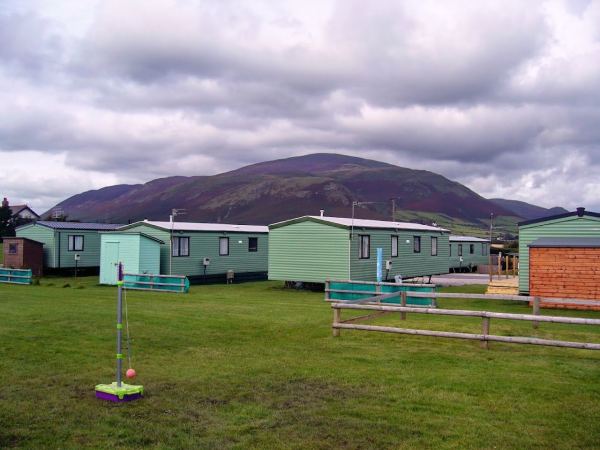
Silecroft Country Park
⭐ 4.3
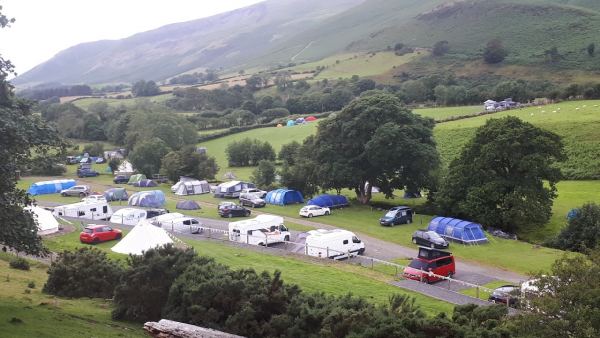
Bankwood Farm
⭐ 4.6 · from £40/night
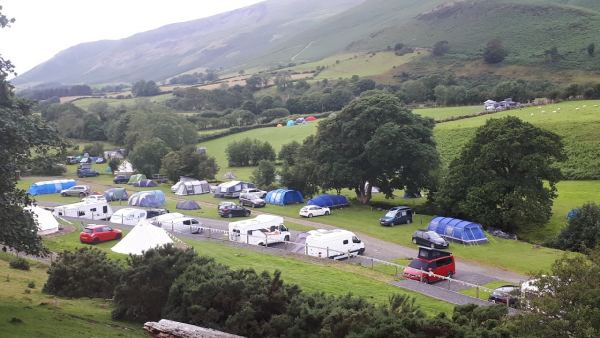
Woodmans Huts
⭐ 4.6
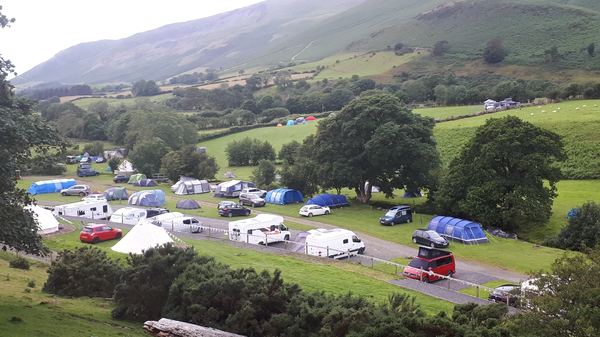
Baystone Bank Farm Campsite
⭐ 4.6 · from £48/night
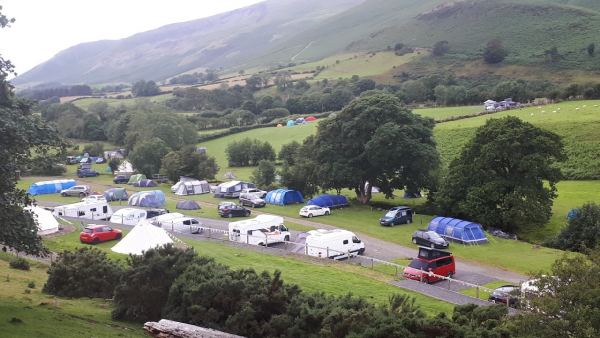
Heather Bank Certificated Location
⭐ 4.6
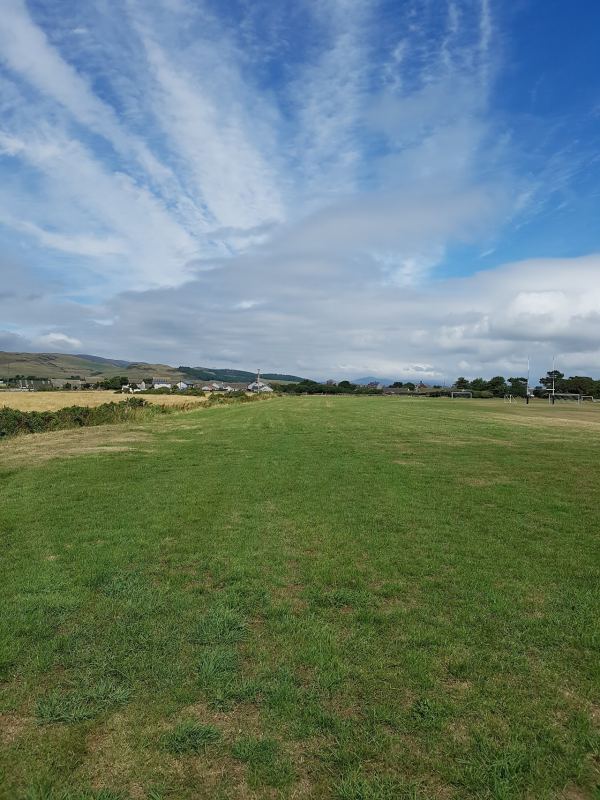
Millom Rugby Union F C Certificated Site
⭐ 4.4
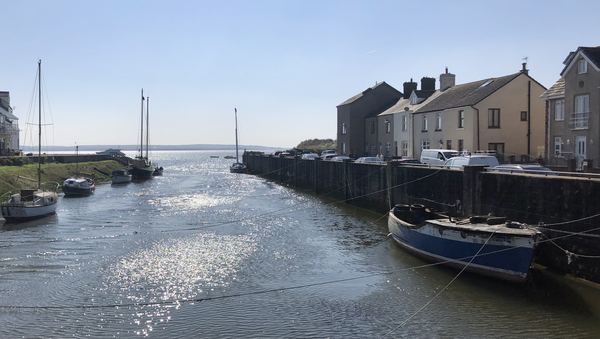
Butterflowers Holiday Park
⭐ 4.3 · from £35/night
Self-Catering Cottages in Whicham
All cottages in Whicham →Court End Cottage
3 bed · sleeps 6 · from £577
Shore Meadow
2 bed · sleeps 4 · from £423
Hartrees House
4 bed · sleeps 10 · from £447
Thatch End
1 bed · sleeps 2 · from £965
Combe Cairn
2 bed · sleeps 4 · from £343
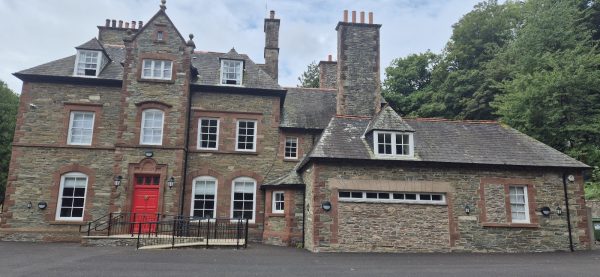
Dunningwell Hall
11 bed · sleeps 22 · from £9,365
The Old Court House (Millom)
2 bed · sleeps 5 · from £463
Hodbarrow House
2 bed · sleeps 4 · from £868