Eridge
High Weald parkland, sandstone rocks and a steam railway terminus
Photo © Natalie Denton, Google Maps
Eridge sits right on the border of Kent and East Sussex, a scatter of cottages, a church and a station a couple of miles south-west of Royal Tunbridge Wells. It is easy to drive past without noticing, which is rather the point of Eridge: this is a place defined not by a high street but by what surrounds it, the vast wooded acres of Eridge Park, the sandstone crags of Eridge Rocks, and the folded, hedge-lined landscape of the High Weald that spreads out towards Ashdown Forest to the south.
The village grew up around the Eridge Park estate, seat of the Nevill family, Marquesses of Abergavenny, whose deer park has occupied this ground for centuries. That long association with a single landed estate has kept development light and the surrounding countryside largely intact, so Eridge today feels less like a commuter village and more like a gateway, the point where the sandstone gills and oakwoods of the Weald begin in earnest.
Getting to Eridge
Eridge railway station, on the edge of the village, sits on the Uckfield branch line with regular Southern services connecting to Tunbridge Wells and on to London Bridge and Charing Cross, making it a workable option even without a car. By road, Eridge lies just off the A26 between Tunbridge Wells and Crowborough, with the A264 and A21 both within easy reach for connections towards Uckfield, East Grinstead and the M25. The village itself is small enough to explore on foot, but a car (or a bicycle, given the network of quiet lanes) is the best way to reach Eridge Rocks, the wider estate footpaths and neighbouring villages such as Frant and Groombridge.
Best time to visit Eridge
Late spring and early summer bring bluebells and fresh green woodland to Eridge Rocks and the surrounding gills, along with the longer days best suited to walking the High Weald's footpaths. Autumn is arguably the village's finest season, when the ancient oaks of Eridge Park turn and the sandstone outcrops are framed by colour, while the Spa Valley Railway often runs special autumn and Santa services that make the most of the season. Summer is best for visiting Groombridge Place's gardens and for longer days out on Ashdown Forest, whereas winter brings a quieter, muddier village with dramatic bare-tree views across the Weald, best suited to well-booted walkers rather than casual visitors.
Where to stay in Eridge
All hotels in Eridge →About staying in Eridge
Hotels directly in Eridge itself are scarce, since this is a village rather than a town, so most visitors base themselves in nearby Royal Tunbridge Wells, a few miles north, which offers everything from period townhouse hotels to modern chain options and country house properties on its outskirts. Staying in Tunbridge Wells gives easy access back to Eridge via the A26 or the Uckfield railway line, while also putting the Pantiles, spa heritage and wider shopping and dining scene of the town within walking distance. Alternatively, farmhouse bed and breakfasts and small country hotels are scattered through the High Weald villages around Eridge, Frant and Groombridge, often set in converted oast houses or old Wealden farmsteads, and these tend to suit visitors more interested in walking Eridge Rocks and the wider AONB countryside than in a town base. Whichever option is chosen, distances are short, rural roads are quiet, and Eridge's station makes a car-free stay entirely workable for those coming by train.

Smith And Western
Linden Park Road, Royal Tunbridge Wells
The Spa Hotel
Langton Rd, Royal Tunbridge Wells
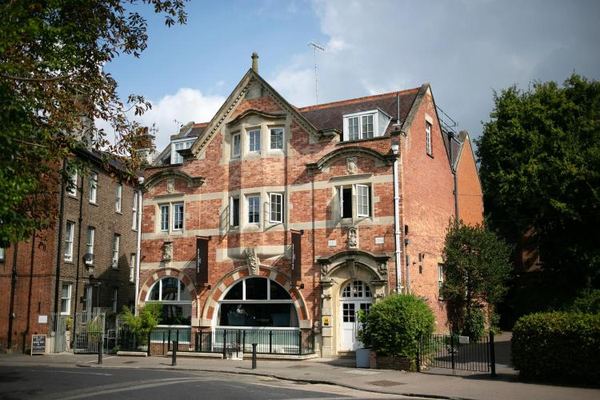
One Warwick Park Hotel
1 Warwick Park, Royal Tunbridge Wells
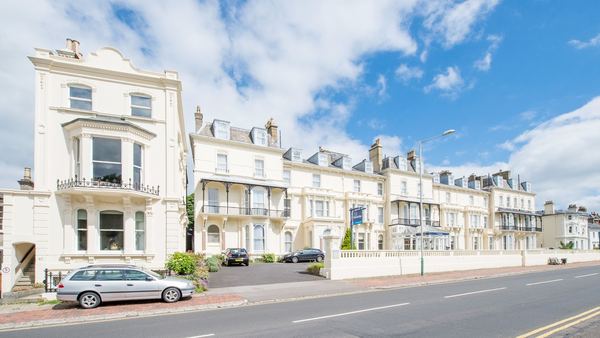
Travelodge Tunbridge Wells
Mount Ephriam, Royal Tunbridge Wells

Mount Edgcumbe
Mount Edgcumbe, Royal Tunbridge Wells
Aspens B&B
10a Yew Tree Road, Royal Tunbridge Wells

Premier Inn Royal Tunbridge Wells
Merevale House, Royal Tunbridge Wells

Royal Wells Hotel
59 Mount Ephraim, Royal Tunbridge Wells
Things to Do in Eridge
All attractions in Eridge →Top things to do in Eridge
Eridge rewards those who come to walk, cycle or simply slow down, with several genuinely distinctive sights within a short distance of the village.
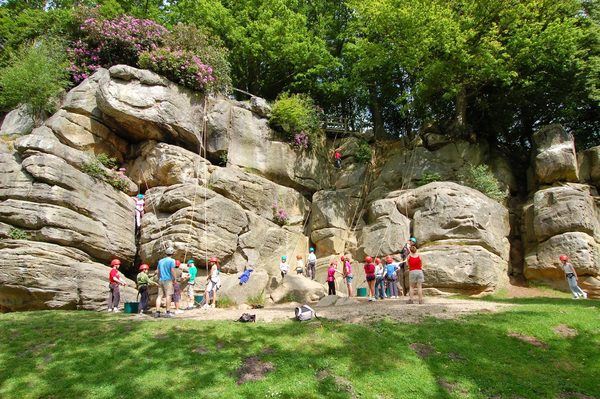
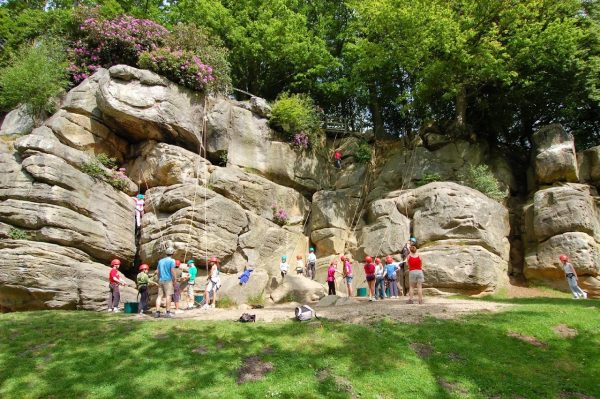
- Eridge Rocks — A Sussex Wildlife Trust nature reserve of sandstone outcrops rising out of oak and beech woodland, among the tallest of the Wealden sandrocks and a long-standing, permit-controlled climbing venue as well as a haven for ferns, mosses and woodland birds.
- Eridge Park — The historic deer park and estate surrounding Eridge Castle, with ancient parkland trees, grazing deer and footpaths that thread along its fringes; much of the estate remains private, but public rights of way give a real sense of its scale.
- Spa Valley Railway, Eridge station — Eridge is the southern terminus of this heritage steam and diesel railway, which runs through the Weald to Tunbridge Wells West via High Rocks, making the station itself a destination for railway enthusiasts and families alike.
- High Weald AONB — Eridge lies within this nationally protected landscape of small irregular fields, ancient woodland, sunken lanes and scattered farmsteads, one of the best-preserved medieval landscapes in the country and superb walking country.
- Royal Tunbridge Wells — A few miles north, the Georgian and Victorian spa town offers the colonnaded Pantiles, the Chalybeate Spring, independent shops and a museum, all an easy drive or train ride from Eridge.
- Groombridge Place — A moated seventeenth-century manor house with formal walled gardens and the adjoining Enchanted Forest, a short drive to the west along quiet Wealden lanes.
- Ashdown Forest — The heathland and woodland that inspired Winnie-the-Pooh lies a little further south, offering open heath, waymarked trails and long views across the Weald.
Where to Eat in Eridge
All restaurants in Eridge →Food and drink in Eridge
The Nevill Crest and Gun, on the edge of the village towards Tunbridge Wells, is a well-known Wealden pub with a long history tied to the Eridge estate, serving classic pub food in a rambling old building. In the village itself, options are limited, but Tunbridge Wells is close enough for a proper choice of cafes, restaurants and pubs, from Pantiles wine bars to Chapel Place bistros, while nearby Frant and Groombridge each have their own village pub worth seeking out after a day on the footpaths.

Attractions Near Eridge
All attractions in Eridge →Worth the trip — within 50 miles of Eridge.
 1 mi
1 mi
Tunbridge Wells Museum and Art Gallery
Tunbridge Wells · ⭐ 4.5
 2 mi
2 mi
Bowles Rocks
Tunbridge Wells · ⭐ 4.8
 2 mi
2 mi
Spa Valley Railway
Tunbridge Wells · ⭐ 4.6
 3 mi
3 mi
DarkMaster Escape Rooms
Crowborough · ⭐ 4.9
 3 mi
3 mi
Amazon Adventure Tunbridge Wells
Tunbridge Wells · ⭐ 4.5
Jumping Juniors Stay and Play
Crowborough · ⭐ 5.0
 4 mi
4 mi
Tunbridge Wells Sports Centre
Tunbridge Wells · ⭐ 3.8
 4 mi
4 mi
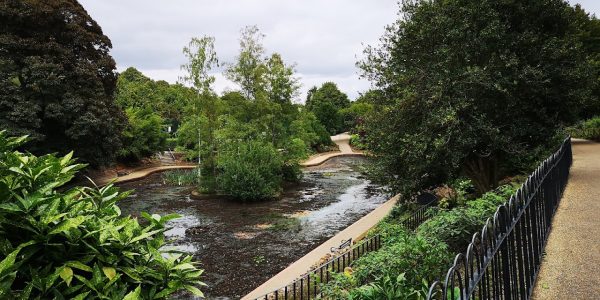
Grosvenor Park
Tunbridge Wells · ⭐ 4.6
Camping in Eridge(2)
All campsites in Eridge →About camping in Eridge
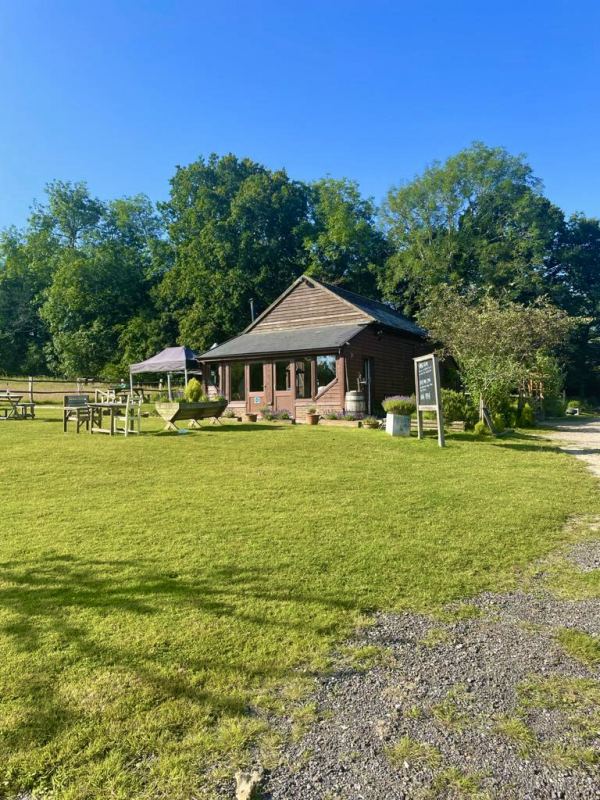
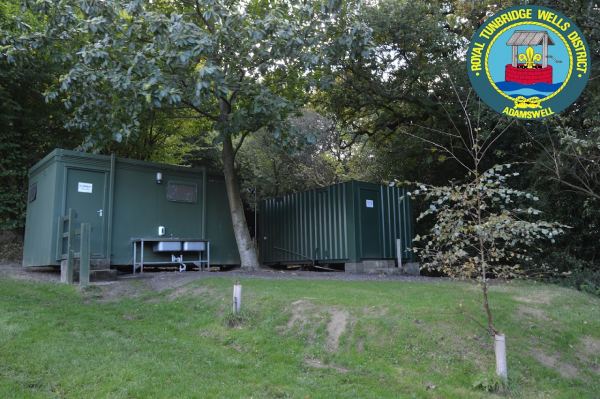
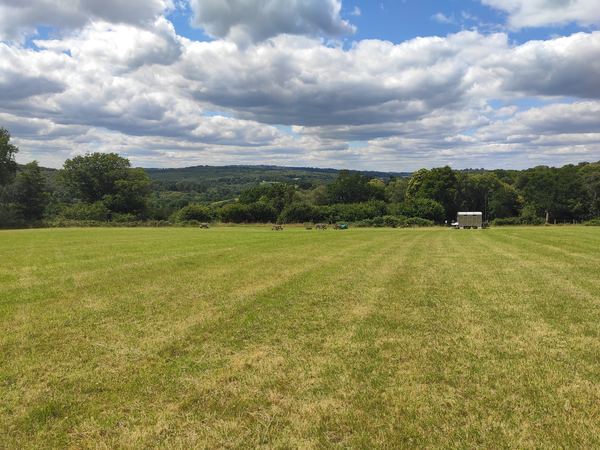
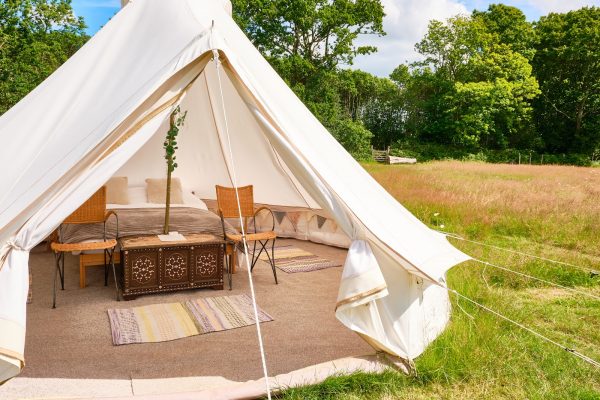
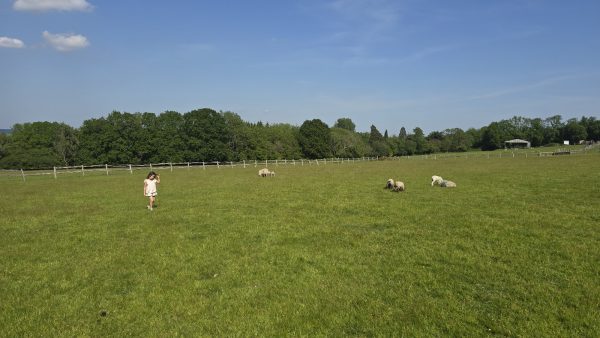
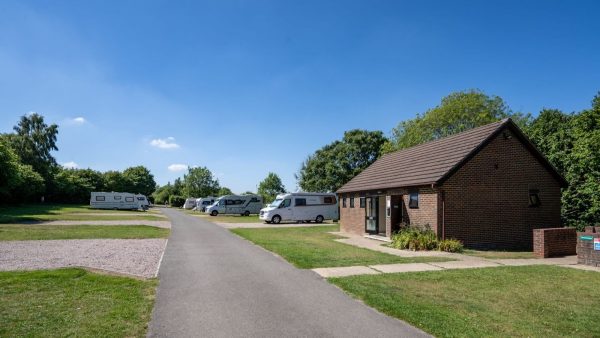
Wild camping is not legally permitted in England without the landowner's express permission, and that applies fully around Eridge, where much of the land beyond the public footpaths belongs to the private Eridge Park estate, so any camping trip here should be booked at a proper site or farm pitch rather than improvised. The High Weald's terrain, close hedged fields, sandstone gills like those at Eridge Rocks, and patches of ancient woodland, means pitches tend to be small, sheltered and often part-wooded rather than wide open fields, which suits those after a quieter, more tucked-away camping experience. The best season runs from late spring through early autumn, when the ground has dried out after the Weald's notoriously heavy clay winters and the woodland around Eridge Rocks and Ashdown Forest is at its most walkable; midsummer brings the longest days for exploring, while September and October add the bonus of turning leaves across the ancient parkland oaks. For those who prefer a roof over their heads without giving up the outdoor feel, glamping options, in the form of shepherd's huts, bell tents and safari-style tents, are increasingly common on farms across the wider Wealden countryside around Tunbridge Wells, Frant and Crowborough, offering a comfortable base for walking Eridge Rocks, cycling the quiet lanes, or riding the Spa Valley Railway from its Eridge terminus. As with any High Weald site, midge and tick awareness is worthwhile given the woodland and bracken cover, and advance booking is recommended around the railway's special event weekends when local accommodation fills up quickly.
Self-Catering Cottages in Eridge
All cottages in Eridge →Bohemia Cottage
2 bed · sleeps 4 · from £527
Cowford Oast
1 bed · sleeps 2 · from £453
Down Studio
1 bed · sleeps 2 · from £433
The Chalet
1 bed · sleeps 2 · from £463
Sawmill Cottage
1 bed · sleeps 2 · from £453
Lower Pantiles Apartment
1 bed · sleeps 2 · from £403
Comptons Oast
5 bed · sleeps 8 · from £1,436
The House at One Warwick Park
4 bed · sleeps 8 · from £977
Common questions about Eridge
How many campsites are there in Eridge?
We list 2 campsites in and around Eridge, of which 2 take tents and 1 offer glamping.
Are there dog-friendly campsites in Eridge?
Yes — 1 of the 2 campsites we list in Eridge accept dogs, including Yamp Camp Deer Park.