Exmoor
Wild moorland, wooded combes and a dark-sky coast
Photo © Google Maps contributors, Google Maps
Exmoor is a high, wind-combed plateau of heather and grass moor that stops abruptly at the Bristol Channel, throwing up some of the tallest sea cliffs in England along the way. Straddling the border between west Somerset and north Devon, it covers roughly 267 square miles, which makes it one of the smaller English national parks and one of the easiest to understand on a single visit. You can cross it in an afternoon and still feel you have travelled a long way, because the landscape changes so sharply: bare open moor at Dunkery and The Chains, deep oak-wooded combes where the Barle and the Horner Water run, hedge-banked farmland in the south, and then the sudden drop to the coast.
It is a lived-in landscape rather than a wilderness. Sheep and red Devon cattle graze the commons, beech hedgebanks planted in the nineteenth century march across exposed ridges, and the villages are working places with a shop, a church and a pub rather than resorts. Exmoor still carries the largest wild red deer population in England, and the Exmoor pony, a hardy native breed with a mealy muzzle, grazes the moor in free-living herds. Buzzards ride the thermals above every valley and, in the wooded gorges, you may pick up a dipper working the shallows.
What sets Exmoor apart from busier corners of the West Country is quiet. It was designated an International Dark Sky Reserve in 2011, the first in Europe, and on a clear moonless night the Milky Way is plainly visible from a roadside pull-in. Even in August the interior of the moor absorbs visitors easily, and a mile from any car park you are likely to have the skyline to yourself. That combination of accessible drama and genuine emptiness is the reason people keep coming back.
Getting to Exmoor
There is no railway station inside the national park, so the practical approach is train to the edge and car or bus from there. Taunton is the best-connected gateway, about one hour and forty-five minutes from London Paddington on Great Western Railway services, with direct trains from Bristol, Birmingham and the north. Tiverton Parkway suits the southern side of the moor around Dulverton and is a similar journey time from London. Barnstaple, reached on the Tarka Line from Exeter St Davids in about an hour, is the gateway for the north Devon side and Lynton.
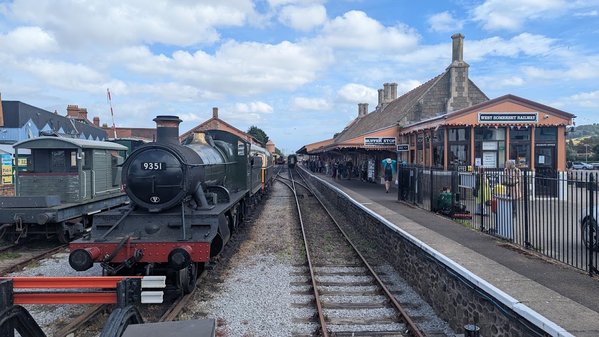
From Taunton, buses run to Minehead via Williton and Dunster, and in summer the Exmoor Coaster links Minehead with Lynmouth along the coast road through Porlock and Countisbury. The West Somerset Railway, a heritage steam line, runs the twenty miles from Bishops Lydeard to Minehead and is an enjoyable way in rather than a fast one.
By road, the M5 to junction 25 (Taunton) or junction 27 (Tiverton) puts you within forty-five minutes of the moor. The A39 coast road is the scenic route but includes Porlock Hill, a 1-in-4 climb with hairpins that caravans should avoid in favour of the toll road. Interior lanes are single track with passing places and high hedgebanks; allow far longer than a map suggests. Car parks at Dunkery Gate, Tarr Steps, Watersmeet and Valley of Rocks fill by mid-morning in August. Bristol and Exeter airports are the nearest, roughly ninety minutes and one hour by road respectively.
Best time to visit Exmoor
Spring is arguably the best all-round season. April and May bring bluebells through the Horner and Barle woodlands, lambs and foals on the commons, and long clear days before the school holidays begin. Rivers still carry enough water to look their best, and accommodation is easier to secure.
Summer is warm but rarely crowded away from the coast. Lynmouth, Dunster and Porlock get busy in the middle of the day in July and August; the moorland interior does not. Long evenings suit late walks, and the sea is just about swimmable from the pebble beaches.
Autumn is the connoisseur's choice. Heather and gorse colour the moor purple and gold into September, the beech hedges turn copper, the red deer rut runs through late September and October, and the nights lengthen for stargazing. Expect rain and pack for it.
Winter is stark and often magnificent, with frost on the high ground, empty paths and roaring fires in the inns. Some campsites and smaller attractions close from November to March, moorland roads can drift with snow, and daylight is short, so plan modest days and build them around a good lunch.
Where to go
Popular destinations in Exmoor
About Exmoor’s towns and villages
Exmoor's wider Somerset borders take in a wide mix of coast, moor and market town. Minehead and Brean sit on the coast, both popular for traditional seaside breaks, while Bridgwater and Highbridge offer practical bases with good road links across the county. Taunton, the county town, is the natural choice for shopping and transport connections, and Crewkerne provides a quieter market town alternative further south.
Inland, Wells and Glastonbury combine history and legend, the former built around its cathedral, the latter known for its abbey and tor. Bath, though a little further afield, remains essential for its Georgian architecture and Roman baths. Cheddar draws visitors to its gorge and caves, Frome suits those wanting antique shops and independent trading, and Sandford offers a peaceful rural stop away from the busier towns.

Bath
95 stays · 11 campsites · 25 things to do

Weston-super-Mare
47 stays · 7 campsites · 15 things to do
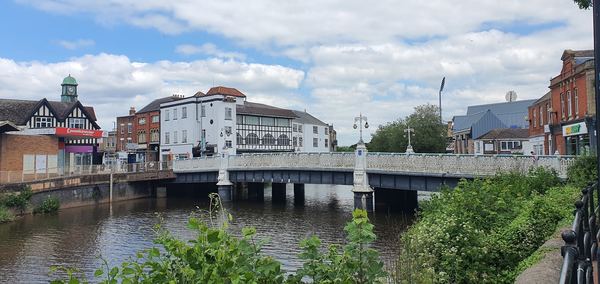
Taunton
29 stays · 13 campsites · 16 things to do
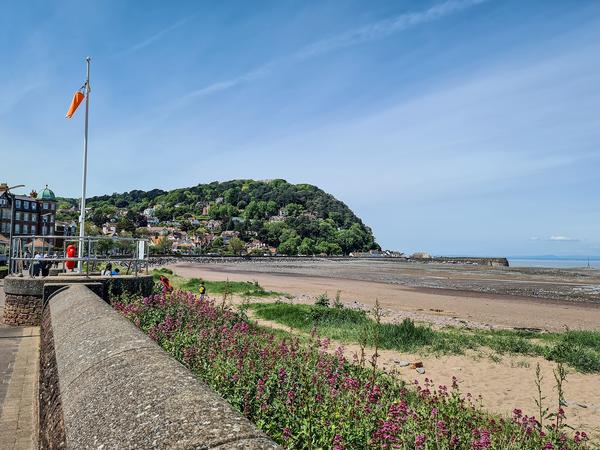
Minehead
33 stays · 8 campsites · 8 things to do

Bridgwater
22 stays · 13 campsites · 6 things to do
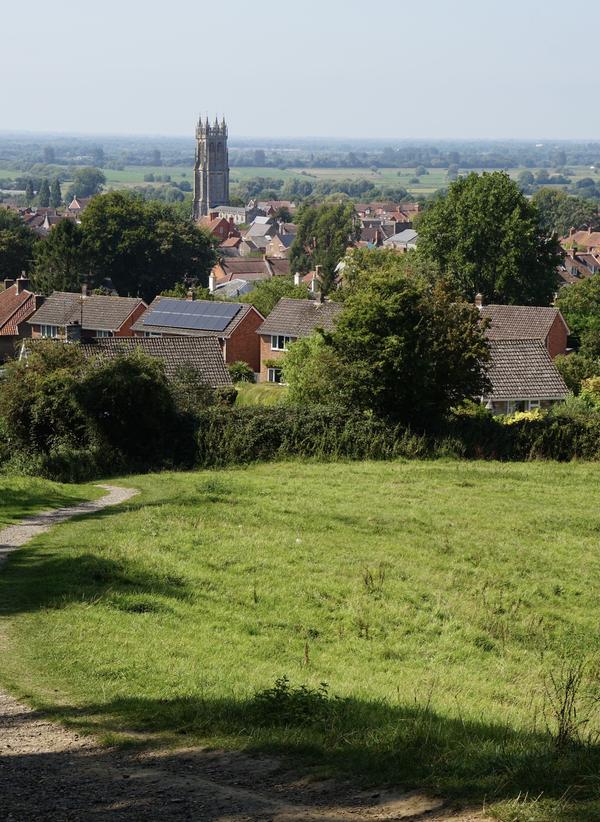
Glastonbury
27 stays · 7 campsites · 4 things to do

Frome
23 stays · 8 campsites · 1 things to do
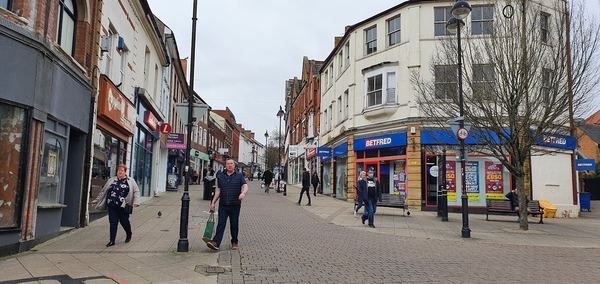
Yeovil
23 stays · 3 campsites · 5 things to do
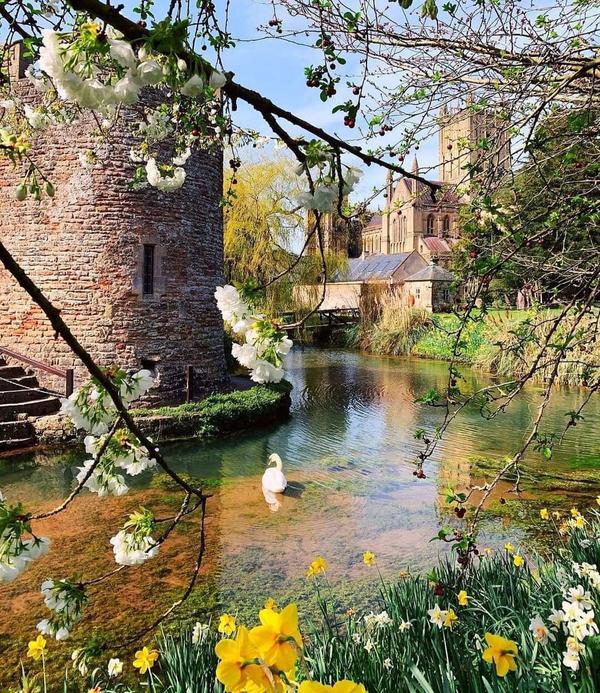
Wells, Somerset
23 stays · 3 campsites
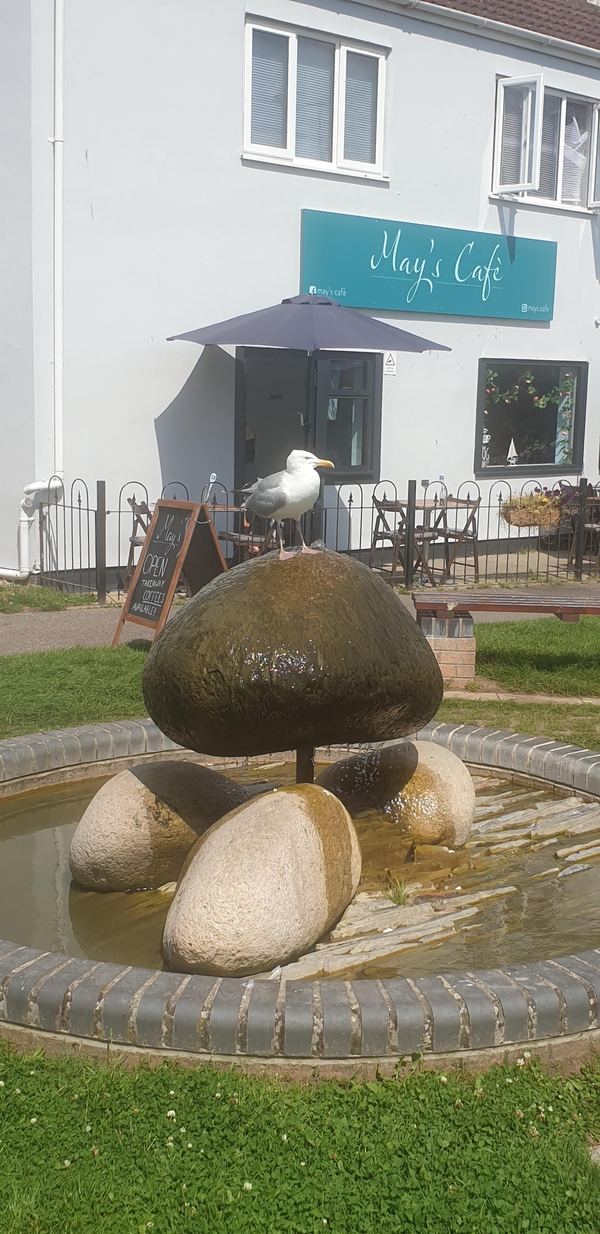
Burnham-on-Sea
11 stays · 5 campsites · 8 things to do
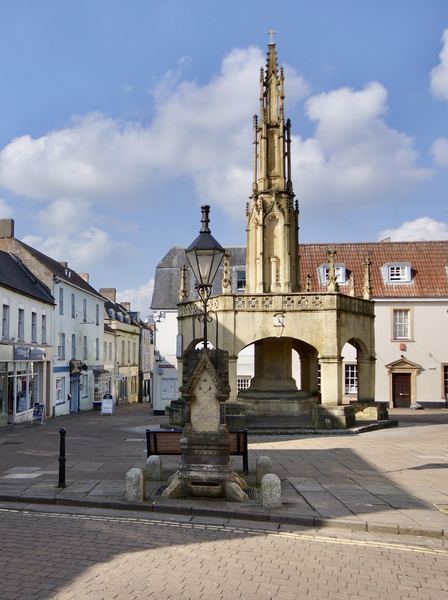
Shepton Mallet
17 stays · 2 campsites · 4 things to do
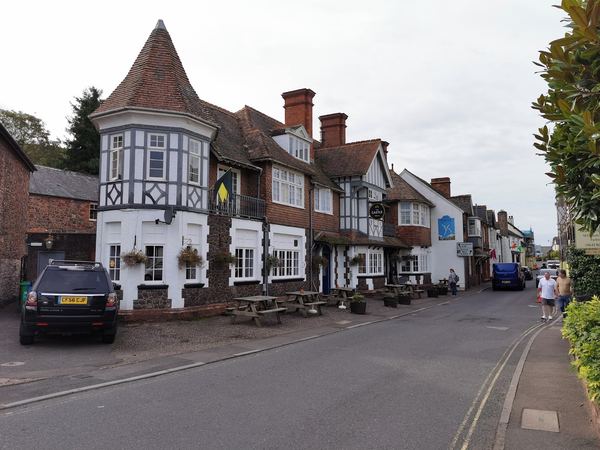
Porlock
20 stays · 2 campsites
Where to stay in Exmoor(649)
All hotels in Exmoor →About staying in Exmoor
Accommodation around Exmoor ranges from Georgian townhouse hotels in Bath to modest bed and breakfasts tucked into villages near the moor itself. Dunster and Minehead make sensible bases for walkers and those heading onto Exmoor proper, with guesthouses and B&Bs like Millstream Cottage or The Cedars offering a straightforward night's stay within easy reach of the coast path and the hills.
Further afield, Bath and Weston-super-Mare bring a different character to the list, from smart city hotels such as Abbey Hotel to seaside guesthouses suited to a shorter stopover. Glastonbury and Chard sit somewhere between the two, useful for exploring the Somerset Levels or breaking a longer journey.
With so many options across such varied towns, it is worth deciding first whether you want moorland quiet, coastal air, or city convenience, as that will narrow the choice more than anything else.
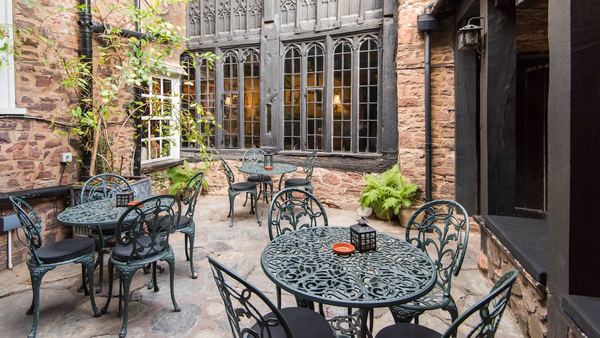 8.8
8.8
The Luttrell Arms Hotel
Dunster village, west Somerset
from £175/night
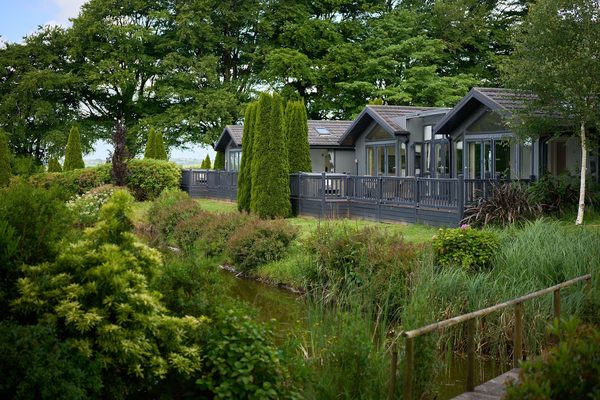 8.9
8.9
Kentisbury Grange
Kentisbury, north Devon edge of Exmoor
from £195/night
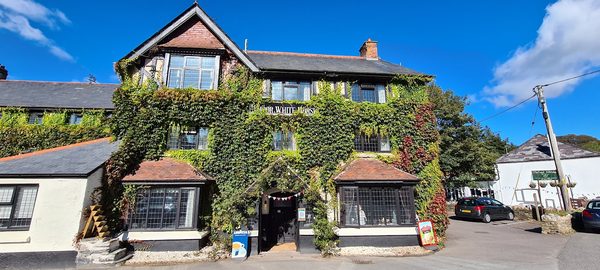 8.5
8.5
Exmoor White Horse Inn
Exford, central Exmoor, Somerset
from £130/night
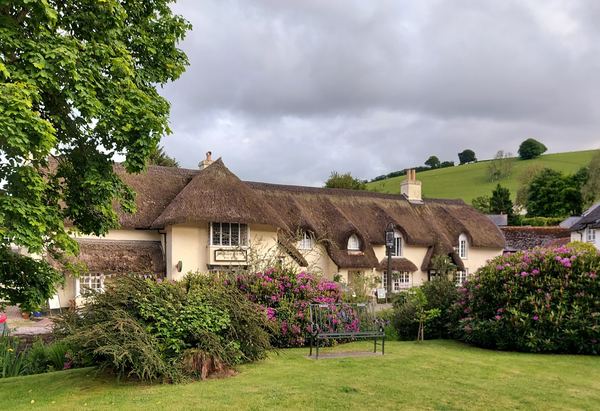 8.6
8.6
Royal Oak Exmoor
Winsford village, central Exmoor
from £145/night
 8.4
8.4
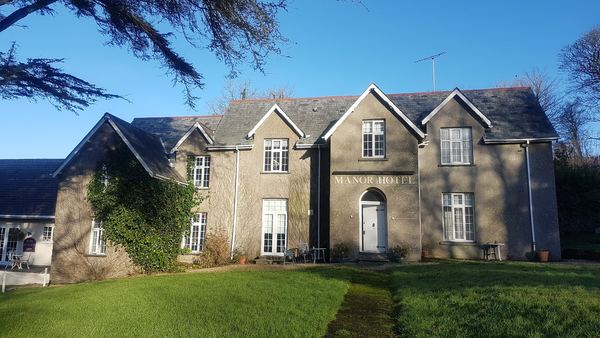
Exmoor Manor Guest House
Barbrook, above Lynton, north Devon
from £95/night
Highcliffe House
Sinai Hill, Lynton, north Devon
from £165/night
Tarr Farm Inn
Tarr Steps, River Barle, near Dulverton
from £160/night
Things to Do in Exmoor(141)
All attractions in Exmoor →About things to do in Exmoor
Exmoor's reach stretches well beyond its moorland into some of Somerset's most visited towns, and the days out on offer here reflect that spread. Bath draws crowds for the Roman Baths and its wider heritage, while Glastonbury and Cheddar carry their own well-known pulls, from the Tor to the gorge. Weston-super-Mare and Minehead lean towards the seaside end of things, with attractions built around beach days and family entertainment.
Away from the obvious names, the list gets more varied and more active. Taunton and Bruton turn up simulators, VR and laser games for wet days or teenage groups, while the countryside around Frome and Somerton offers something slower, such as sheep trekking or glamping stays with activities attached. Treasure trails and archaeology days add a different pace again, so it is worth deciding first whether you want a landmark visit, a coastal outing or something more hands-on before picking a spot.
Where to Eat in Exmoor(1,182)
All restaurants in Exmoor →About eating out in Exmoor
Exmoor's coast and moorland are ringed by towns with very different eating habits. Bath offers the most polished choice, from long-standing favourites like the Olive Tree to independent cafés such as Fable Coffee and Stories, while Taunton and Bridgwater lean towards solid pub lunches and casual bites for shoppers and workers passing through.
Down towards Weston-super-Mare and Yeovil, expect a mix of seafront chip shops, family pubs and coffee stops geared to day-trippers, with places like Oscars Fish Bar typical of the seaside fare. Inland Somerset villages tend to centre on a single good pub, often the best reason to stop at all.
Where you eat usually comes down to what else you are doing that day: a market town for a proper sit-down meal, a coastal spot for something quick after the beach, or a village pub if you want a fire and a slower pace.
Exford Bridge Tea Rooms
Somerset · ⭐ 4.7

Samphire
Minehead · ⭐ 4.7

Whortleberry Tearoom
Porlock · ⭐ 4.8
Kealrise
Minehead · ⭐ 4.9
The Horner Tea Gardens
Somerset
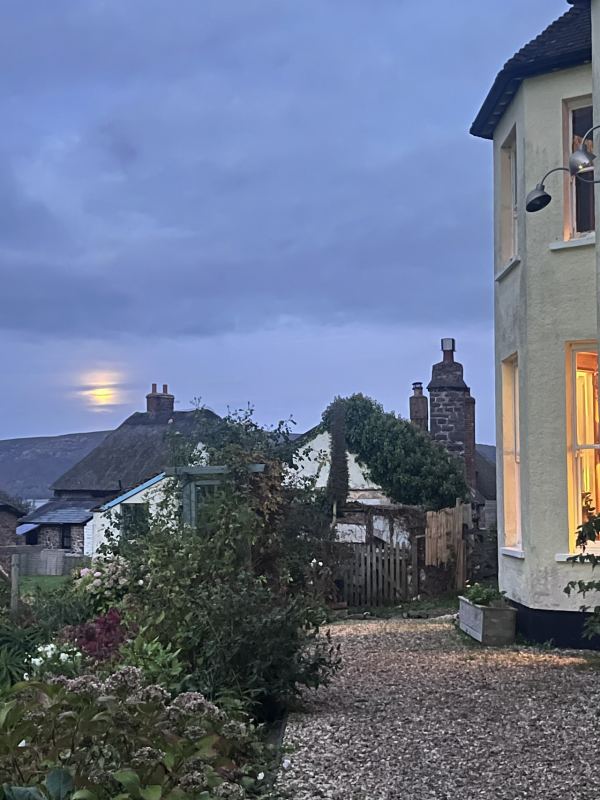
Locanda on the Weir
Minehead · ⭐ 4.9
Cloud Farm Camping
Somerset · ⭐ 4.5

Allerford Village Shop & Tea Gardens
Minehead · ⭐ 4.9
Attractions Near Exmoor
All attractions in Exmoor →Worth the trip — within 50 miles of Exmoor.
 1 mi
1 mi
The Golden Retriever Experience
Carhampton · ⭐ 4.8
 9 mi
9 mi
Channel Adventure Minehead
Minehead · ⭐ 4.7
 9 mi
9 mi
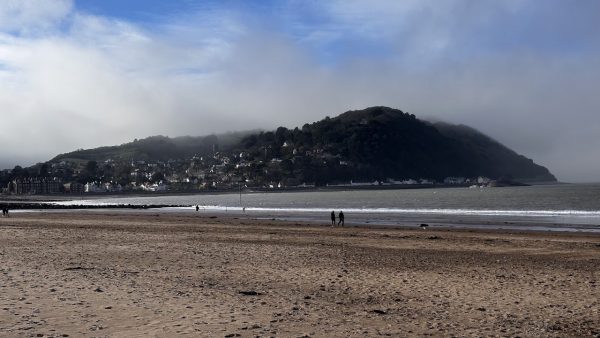
Minehead Beach
Minehead · ⭐ 4.7
 9 mi
9 mi
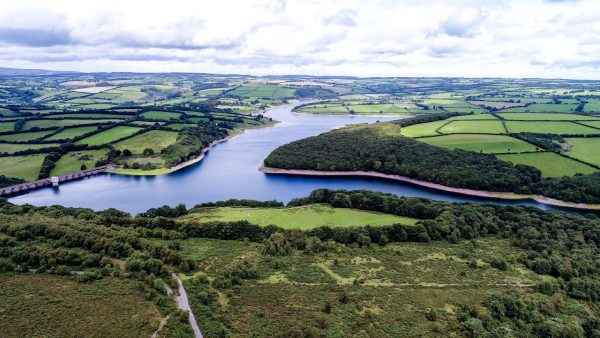
Wimbleball Lake
Dulverton · ⭐ 4.4
 9 mi
9 mi
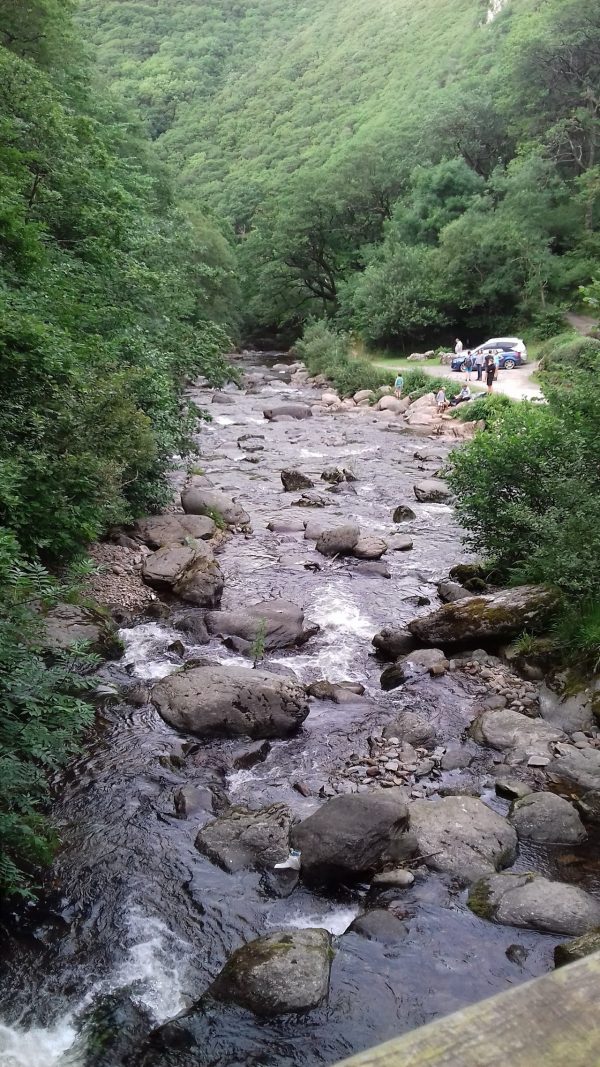
Watersmeet
Lynmouth · ⭐ 4.7
 9 mi
9 mi
West Somerset College Community Sports and Leisure Centre
Minehead · ⭐ 4.4
 9 mi
9 mi
Minehead Eye
Minehead · ⭐ 4.7
 9 mi
9 mi
West Somerset Railway
Minehead · ⭐ 4.7
Camping in Exmoor(253)
All campsites in Exmoor →About camping in Exmoor
Exmoor's campsites and glamping stays reach well beyond the moor itself, taking in the Somerset towns and villages that sit around its edges. Dulverton and Sampford Brett put you close to the high ground and the coombes, while sites near Taunton, Wellington and Ilminster suit those splitting their time between the moor and the Somerset Levels or Blackdown Hills.
The range runs from simple, well-run grounds like Ivy Cottage Campsite and Swallow Barn Farm Camping to more furnished stays such as Gurt Yurts, Apple Tree Glamping and Tone Valley View Glamping. Wimbleball Holidays makes sense for anyone drawn to the reservoir, while places around Cheddar and Castle Cary suit trips that mix moorland walking with gorge scenery or market-town browsing further east.
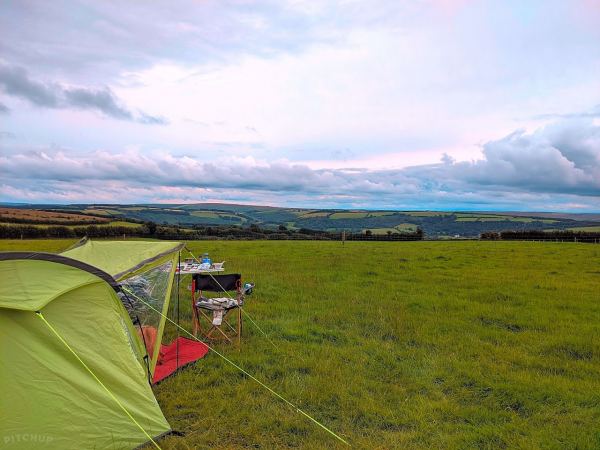
The Heart of Exmoor
Minehead · ⭐ 4.8 · from £20/night
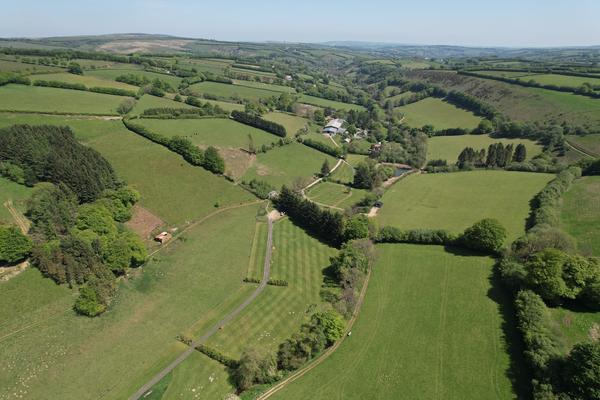
Westermill Farm
Exford · ⭐ 4.9 · from £13/night
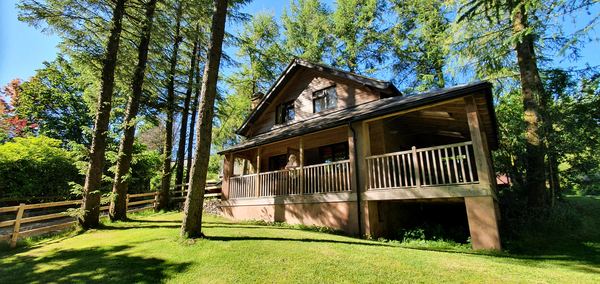
Westermill Farm Campsite
⭐ 4.9
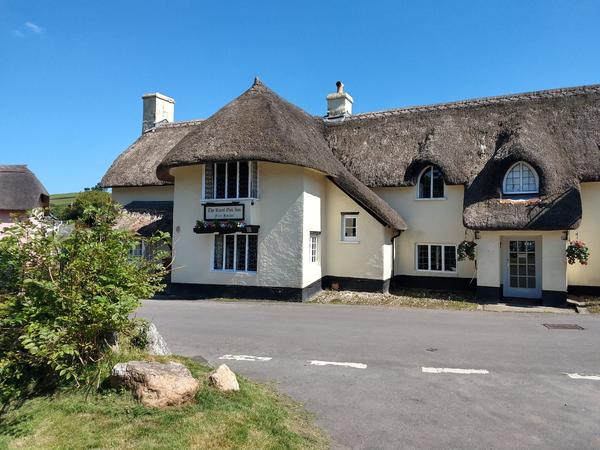
Halse Farm Caravan & Camping Site
⭐ 4.7 · from £20/night
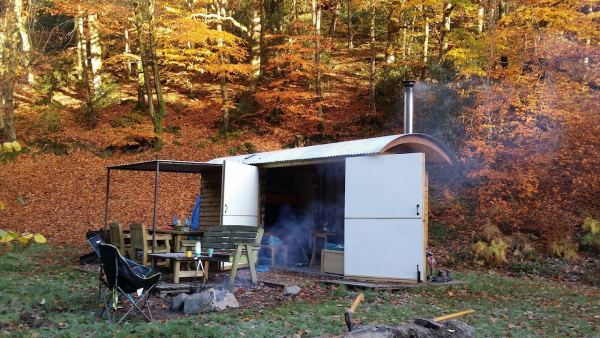
Porlock Weir Campsite
Minehead · ⭐ 4.7 · from £19/night
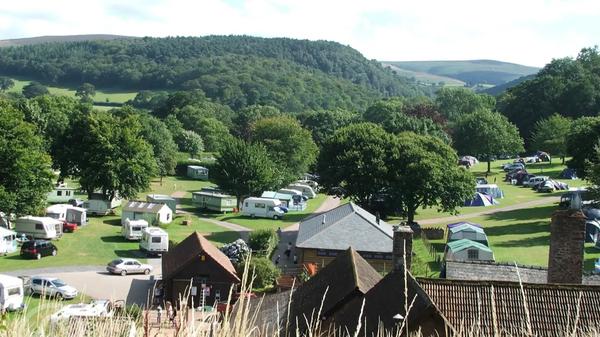
Burrowhayes Farm Caravan and Camping Site
⭐ 4.9 · from £18/night
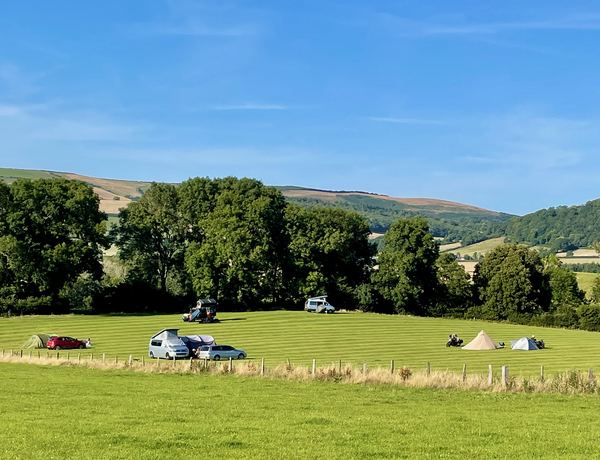
Porlock Vale Campsite
⭐ 4.7 · from £24/night
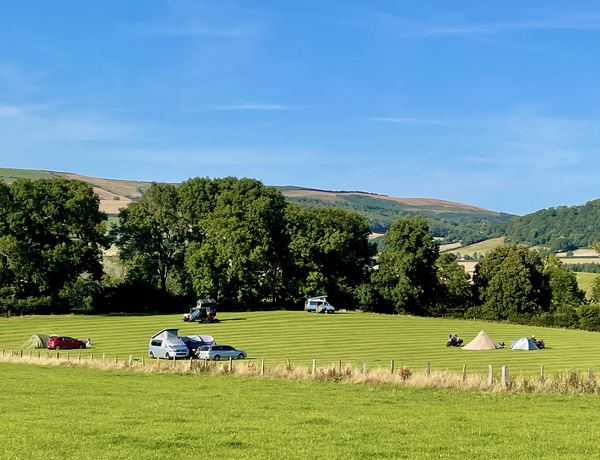
Porlock Bay View Campsite
⭐ 4.7 · from £30/night
Self-Catering Cottages in Exmoor(388)
All cottages in Exmoor →About cottages in Exmoor
Exmoor's cottages range from converted farm buildings to moorland lodges, and the choice often comes down to whether you want to be near the coast or tucked into the combes further inland. Places like Thornes Farm Cottage or Wellington Farm's Ramscliff Cottage suit those after a working-farm base with room to spread out, while smaller conversions such as The Chaff House or Little Burcott Loft work well for a couple wanting somewhere quiet and self-contained.
Many properties, including Periton Park Court's Willow Lodge and Moorleaze - Stourhead, sit within easy reach of Exmoor's villages and walking routes, useful if you'd rather leave the car behind once you've arrived. Others, like Glen Piggery or Hollies Cottage, favour a more rural setting with ponies, sheep or moorland views as neighbours. With so many options across Somerset's stretch of the park, it's worth deciding first whether you want coast, village or open moor on your doorstep.
Little Folly
2 bed · sleeps 4 · from £347
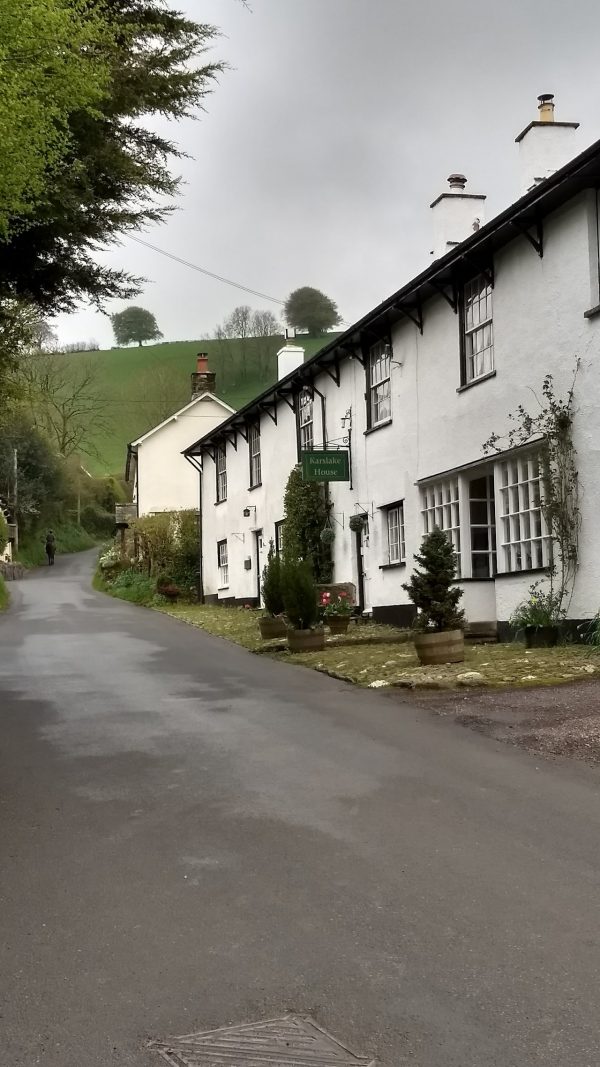
Karslake Cottage
2 bed · sleeps 4 · from £403
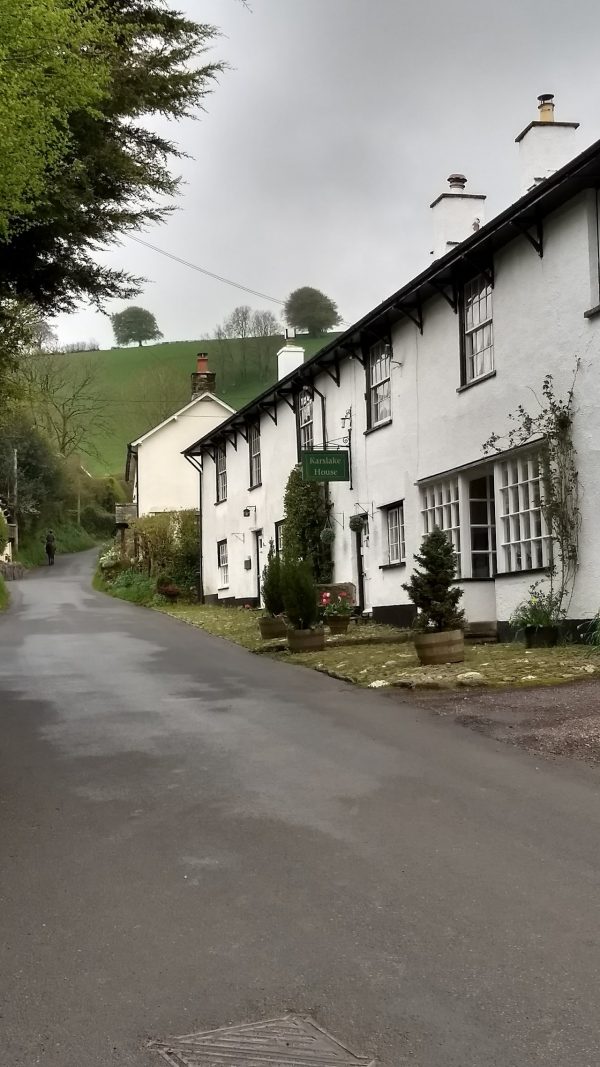
Karslake House
3 bed · sleeps 6 · from £323
Royal Oak Farm
5 bed · sleeps 9 · from £637
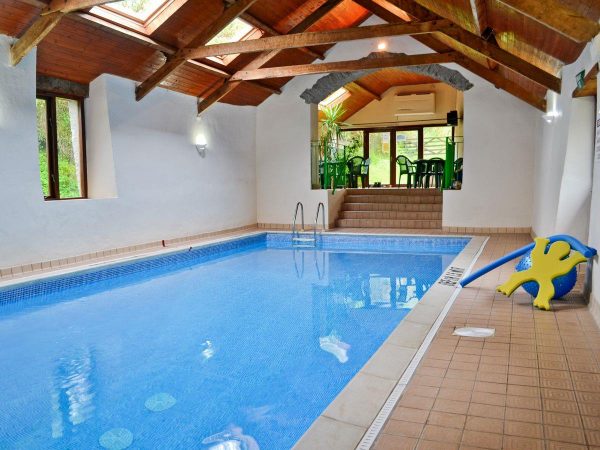
Triscombe Farm Country Cottages
Minehead · 9 cottages · from £353
Moss Barn
3 bed · sleeps 6 · from £1,437
Common questions about Exmoor
How many campsites are there in Exmoor?
We list 2 campsites in and around Exmoor, of which 2 take tents.
Are there dog-friendly campsites in Exmoor?
Yes — 2 of the 2 campsites we list in Exmoor accept dogs, including Westermill Farm and Halse Farm Caravan & Camping Site.
Which campsites in Exmoor have electric hook-up?
2 of the 2 campsites we list in Exmoor offer an electric hook-up.
Where can I stay in Exmoor?
We list 7 hotels, B&Bs and guest houses in and around Exmoor. Prices start from around £95 a night.