Holbeach Hurn
Wide fenland skies over Lincolnshire's bulb country
Photo © Jonathan Thacker, CC (Wikimedia Commons)
Holbeach Hurn is a small fenland settlement in the South Holland district of Lincolnshire, sitting around two and a half miles north-east of the market town of Holbeach and about a mile north of the A17. The name has deep roots: it appears in a legal record as far back as 1433, written as 'Holbechehern', with 'Hurn' thought to derive from an old word for a corner or nook of land. It became its own ecclesiastical parish in 1870, and the parish church, St Luke's, was built shortly afterwards between 1869 and 1871. In its Victorian heyday the parish covered around 3,250 acres and was home to over 500 people, a mix of farming families and fenland smallholders working land that had only relatively recently been reclaimed from the sea.
That reclamation is the defining fact of this landscape. Until the early 17th century the tide came to within two miles of Holbeach itself; centuries of drainage and embankment work then pushed the coastline of the Wash out to around nine miles away, leaving behind more than 23,000 acres of flat, exceptionally fertile silt land. It is this soil, dark and deep, that turned South Holland into one of the great bulb-growing districts of England, and Holbeach Hurn sits right in the middle of it. Today the hamlet is a peaceful cluster of farmhouses, a village hall and open fen fields, with the wider Holbeach area still built around agriculture, market gardening, and the flower industry that put this corner of Lincolnshire on the map.
Getting to Holbeach Hurn
Holbeach Hurn lies just off the A17, the main road linking King's Lynn and Norfolk to the east with Sleaford, Newark and the A1 to the west, making it straightforward to reach by car from most of the Midlands and East of England. Holbeach itself, the nearest town, is around 2.5 miles to the south-west, and Spalding, the larger South Holland hub with rail connections, lies about 8 miles further south-west. The closest mainline railway station is Spalding, with services on the Peterborough to Doncaster line; from there it is a short taxi or bus ride onward. There is no direct rail line into Holbeach Hurn itself, so a car is by far the most practical way to explore this part of the fens.
Best time to visit Holbeach Hurn
Spring is the classic season for this corner of Lincolnshire, when the bulb fields around Holbeach and Spalding are in flower and the annual tulip celebrations in Spalding draw visitors from across the region. Summer brings long, wide-skied fenland days that suit gentle walking and cycling along the drove roads and drains, while autumn harvest time shows off the agricultural rhythm that still shapes the whole district. Winter is quieter and starker, with the flat fen landscape and big skies having their own bleak appeal, though many seasonal attractions scale back over this period.
Where to stay in Holbeach Hurn
All hotels in Holbeach Hurn →About staying in Holbeach Hurn
Because Holbeach Hurn is such a small hamlet, there are no hotels directly on its doorstep, and visitors typically base themselves a short drive away in Holbeach or Spalding. Both towns offer a modest range of accommodation, from traditional coaching inns and pub rooms to small independent guesthouses and B&Bs, reflecting their role as working market towns rather than tourist destinations. This makes them a practical, unfussy base rather than a luxury one, well suited to travellers passing through the fens, visiting family, working locally in agriculture or horticulture, or exploring the bulb fields and gardens in spring. Spalding, being the larger of the two with rail links on the Peterborough to Doncaster line, tends to have the wider choice of places to stay, along with more shops, cafes and restaurants to fill an evening. For those wanting something further afield, the Lincolnshire coast and its resort towns are within easy driving distance and offer a bigger spread of hotels and guesthouses geared towards holidaymakers. Wherever you stay, the flat, quiet fenland roads around Holbeach Hurn make for an easy, scenic drive in from either direction, and the area rewards visitors who enjoy wide skies, working agricultural landscapes and a slower pace rather than conventional seaside or city attractions. Booking ahead is worth doing around the spring bulb season, when the district's flower heritage draws extra visitors to Spalding and the surrounding villages.
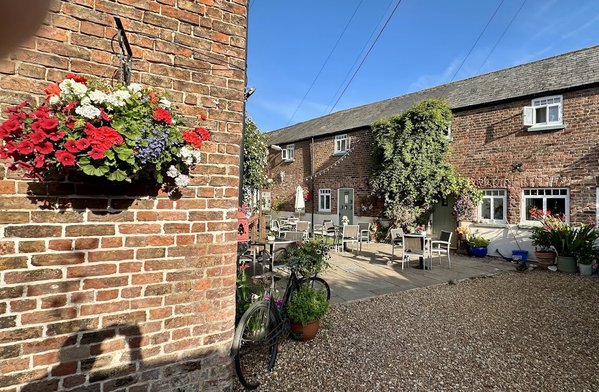
The Mansion House
45 High Street Holbeach, Spalding
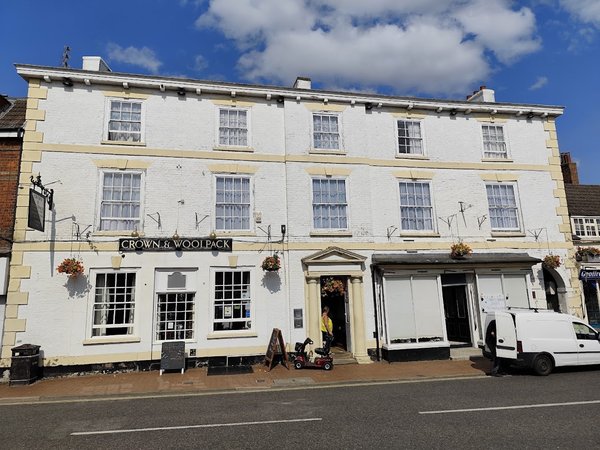
The Crown and Woolpack
7 High Street Long Sutton, Long Sutton
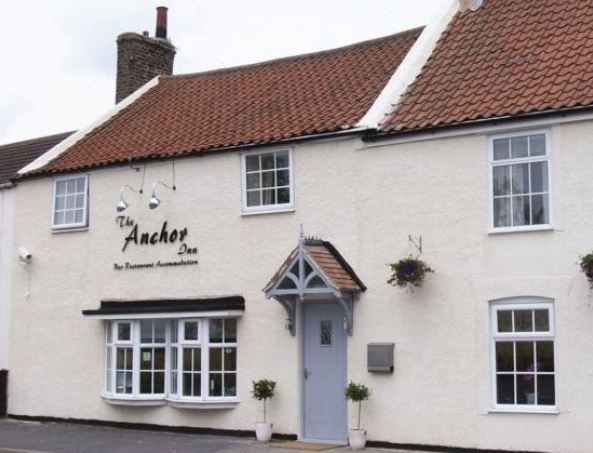
The Anchor Inn
280 Bridge Road, Sutton Bridge
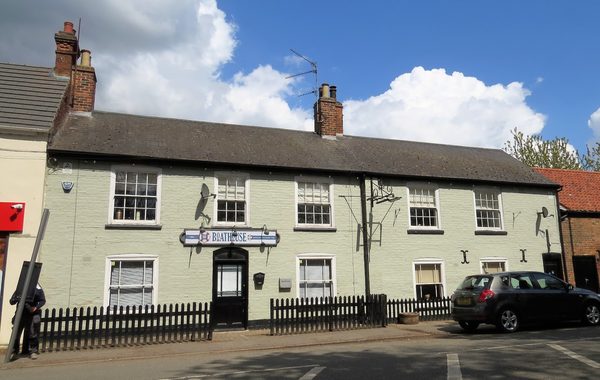
The Boathouse
46 Bridge Road, Sutton Bridge, Lincolnshire, Sutton Bridge
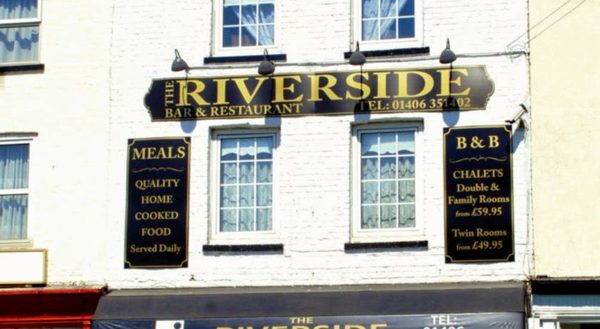
The Riverside
16 Bridge Road, Sutton Bridge
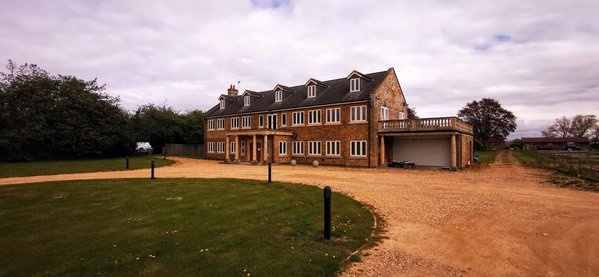
Woodhouse Farm Lodge
Holbeach Road, Spalding
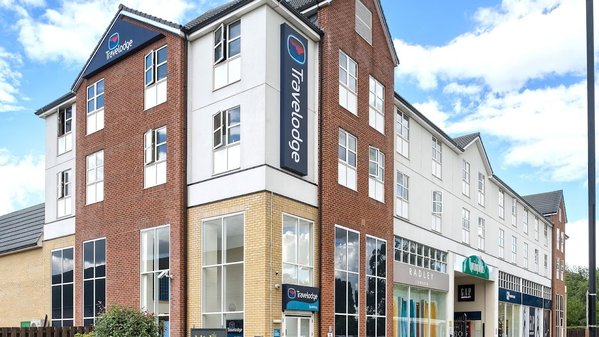
Travelodge Spalding
Springfields Outlet Centre, Spalding
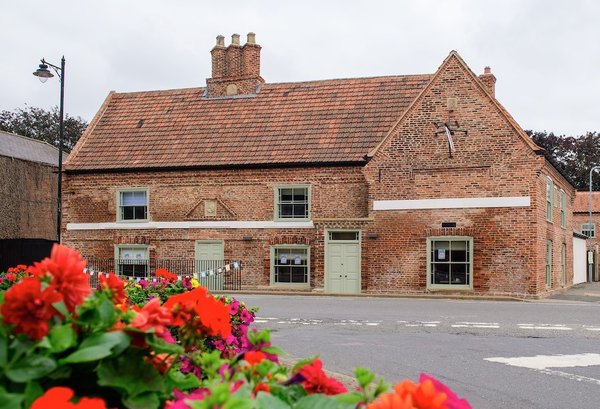
The Old Kings Head
28 High Street, Boston
Things to Do in Holbeach Hurn
All attractions in Holbeach Hurn →Top things to do near Holbeach Hurn
Holbeach Hurn itself is a tiny, working fenland hamlet, so most visitor attractions lie a short drive away in and around Holbeach, Spalding and the surrounding villages.
- Springfields Festival Gardens — landscaped show gardens near Spalding, including designs associated with well-known garden designers and a Japanese garden, reflecting the region's horticultural heritage.
- Baytree Owl and Wildlife Centre — a wildlife centre near Spalding holding one of the country's larger owl collections, with flying demonstrations and a conservation breeding programme.
- Baytree Nurseries and Garden Centre — a large garden centre and shopping destination on the edge of Spalding, sitting on many acres of retail grounds.
- Taylors Bulbs heritage — Holbeach is home to one of the country's largest bulb-growing businesses, founded in 1919, and the wider district still produces a significant share of England's daffodils and tulips.
- Holbeach Farmers' Market — held monthly in the town, offering local produce from the surrounding fenland farms.
- Ayscoughfee Hall and Gardens, Spalding — a historic house with formal gardens in the nearby market town, a pleasant stop when combining a visit with Spalding's shops and riverside.
- Greenfield Pottery — a working studio pottery on the outskirts of Holbeach producing thrown and hand-built ceramics.
Where to Eat in Holbeach Hurn
All restaurants in Holbeach Hurn →Food and drink near Holbeach Hurn
Holbeach town has a handful of traditional pubs and cafes serving straightforward local food, along with the monthly farmers' market for fenland produce, meat and vegetables. Spalding offers a wider choice of cafes, restaurants and takeaways typical of a Lincolnshire market town. Given how small Holbeach Hurn itself is, options directly in the hamlet are limited, and most visitors eat in Holbeach or Spalding rather than the hamlet itself.

Attractions Near Holbeach Hurn
All attractions in Holbeach Hurn →Worth the trip — within 50 miles of Holbeach Hurn.
 3 mi
3 mi
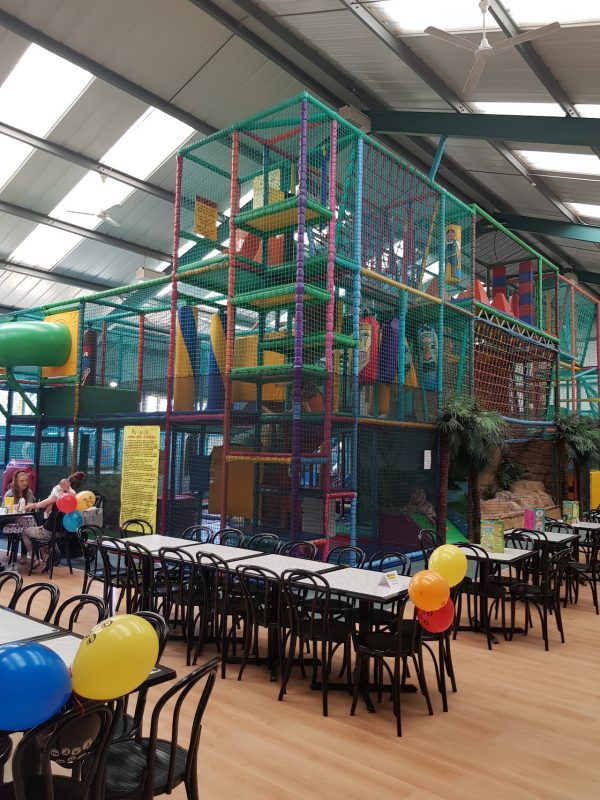
Ark Kidz
Long Sutton · ⭐ 4.7
 7 mi
7 mi
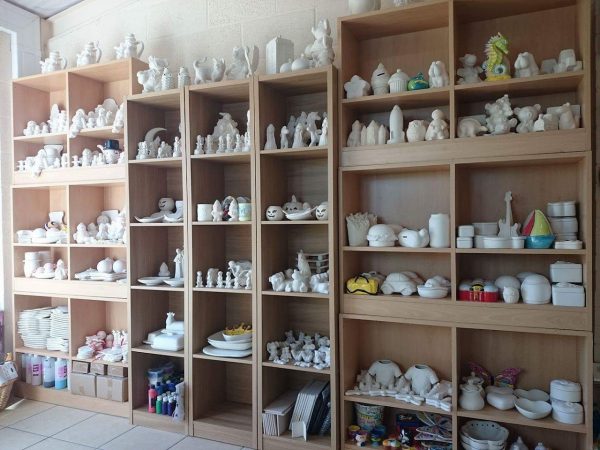
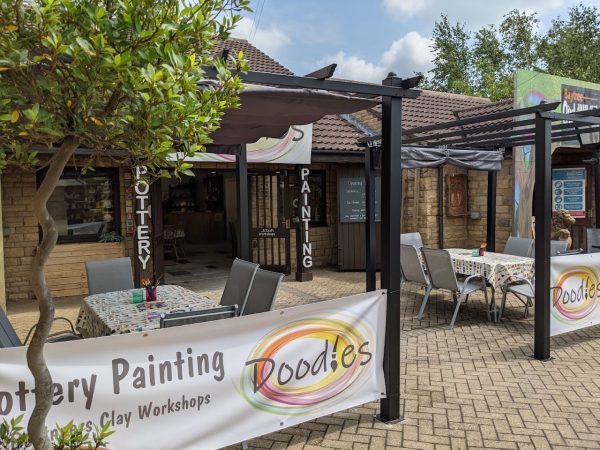
Doodles Pottery Painting
Spalding · ⭐ 4.6
 7 mi
7 mi
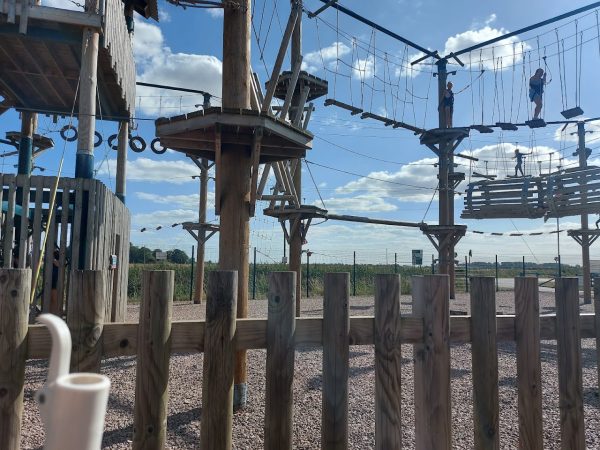
Fun Farm Spalding
Spalding · ⭐ 4.5
 7 mi
7 mi
Laser Storm
Spalding · ⭐ 4.5
 8 mi
8 mi
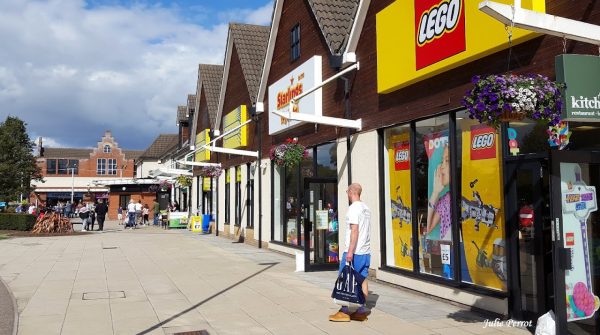
Springfields Outlet Shopping & Leisure
Spalding · ⭐ 4.3
 11 mi
11 mi
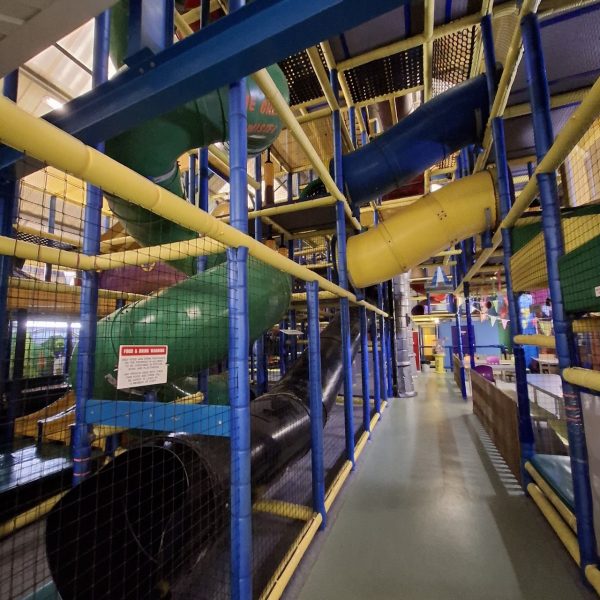
Playtowers
Boston · ⭐ 4.2
 11 mi
11 mi
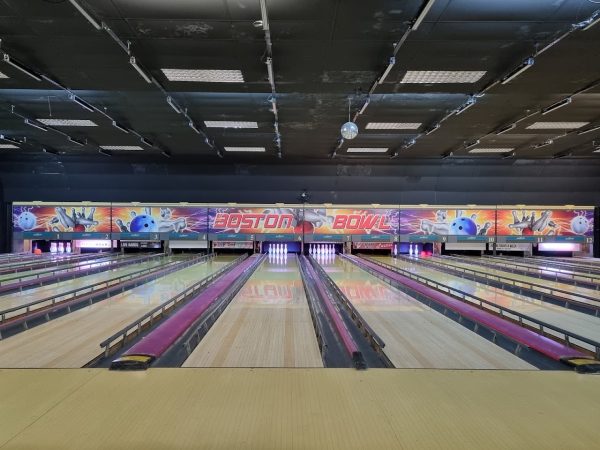
Boston Bowl
Boston · ⭐ 4.4
 11 mi
11 mi
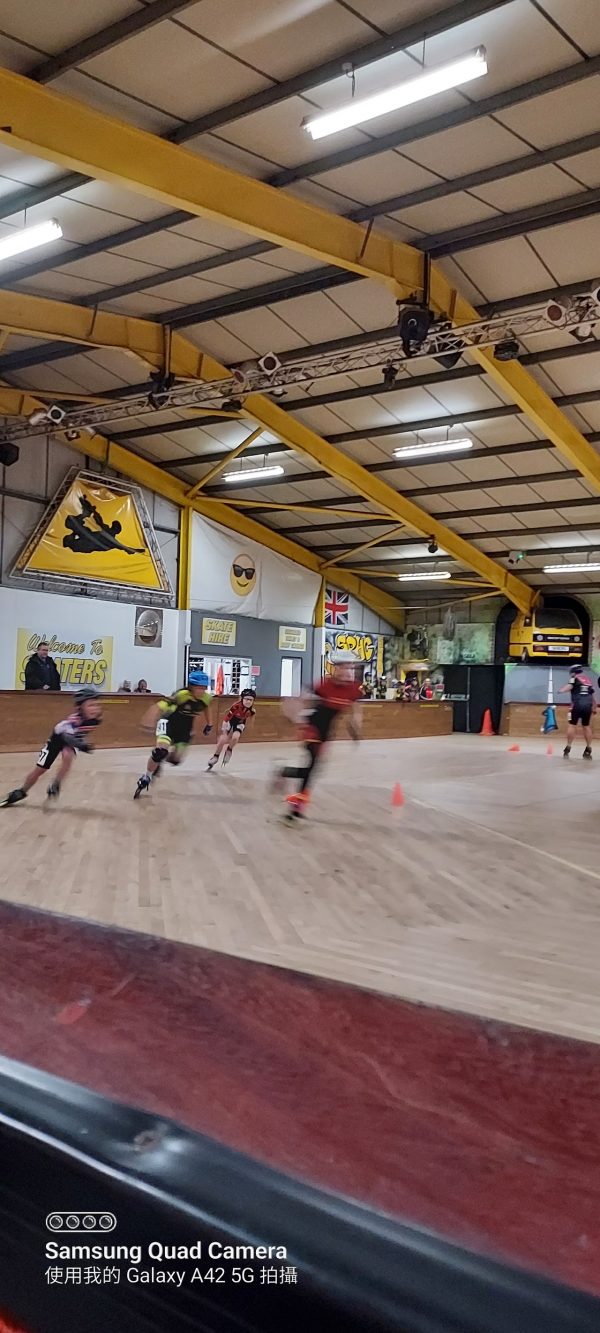
Wisbech Skaters
Wisbech · ⭐ 4.6
Camping in Holbeach Hurn
All campsites in Holbeach Hurn →About camping in Holbeach Hurn
Holbeach Hurn sits deep in the Lincolnshire fens, a landscape of dead-flat, richly fertile silt land reclaimed from the sea over several centuries of drainage. It is a landscape built for agriculture rather than for tents, and there are no informal or wild camping opportunities here: as everywhere in England, camping on private land without the landowner's permission is against the law, and the fenland around Holbeach is almost entirely farmed or drained marsh with no public common land suited to pitching up. Anyone wanting to camp in this area needs to book a proper site.
The nearest formal camping and touring caravan sites are found around Holbeach, Spalding and out towards the Lincolnshire coast, where a number of established caravan parks and campsites cater for tents, motorhomes and touring caravans, often alongside static holiday homes. Many of these sites lean towards the coast at spots like Chapel St Leonards, Ingoldmells and further round towards Skegness, roughly half an hour to 45 minutes' drive from Holbeach Hurn, where the flatter dune and marsh terrain gives way to proper beach access. Closer to the fens themselves, smaller rural campsites and farm-based pitches occasionally open up around Spalding and the South Holland villages, though choice is more limited than on the coast.
Spring is a particularly good time to camp in this part of Lincolnshire, coinciding with the region's famous bulb fields and tulip season around Spalding, when the fens are at their most colourful and mild weather makes for pleasant cycling and walking along the drove roads and drainage banks. Summer offers long daylight hours suited to exploring the wide, open skies the fens are known for, though there is little natural shelter from wind or sun in this exposed landscape, so a sturdy tent and good waterproofs are worth packing regardless of season. For those who prefer a roof over their heads without giving up the outdoor feel, a small but growing number of glamping options — shepherd's huts, pods and static caravans — have appeared around South Holland and the Lincolnshire coast in recent years, offering a more comfortable way to base yourself in this quietly distinctive corner of England.
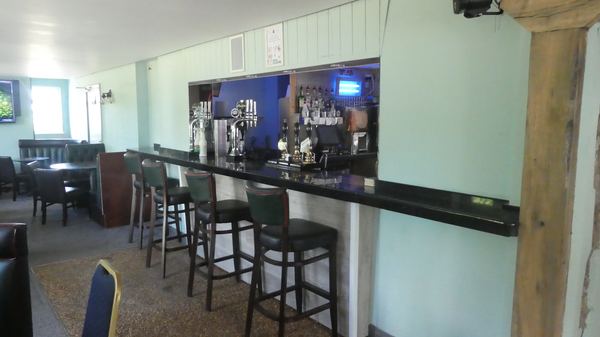
Rose and Crown
⭐ 4.1 · from £24/night
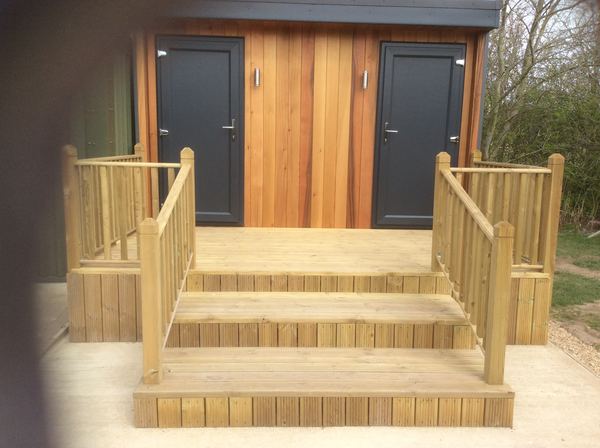
The Lawns and Lakes Camping and Caravanning Certificated Site
⭐ 4.7
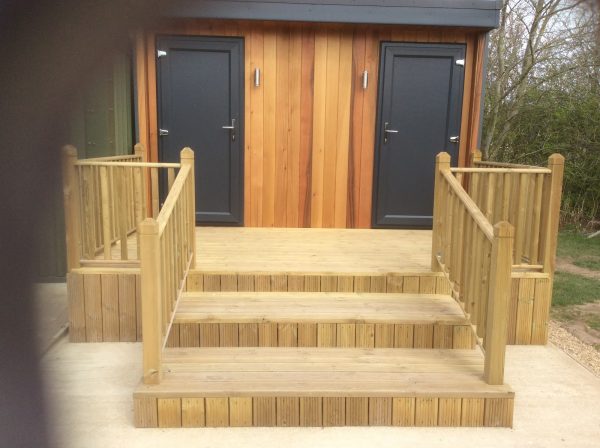
The Lawns and Lakes Camping and Caravanning
⭐ 4.7 · from £30/night
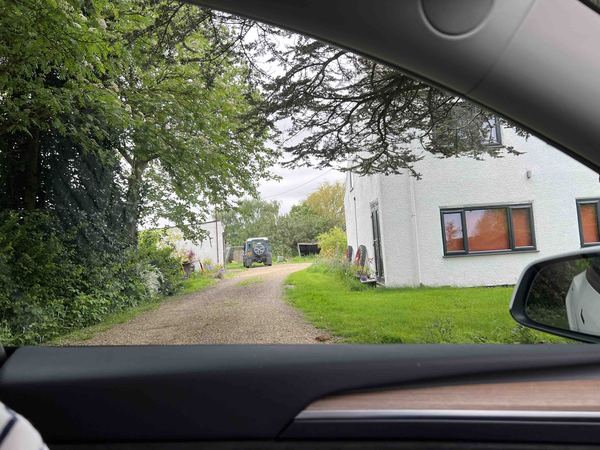
Home Farm Camping
⭐ 3.9 · from £15/night
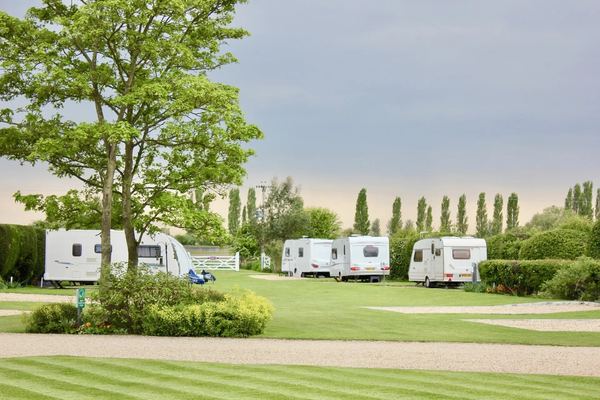
Delph Bank Touring and Glamping Park
⭐ 4.8
The Red Lion
from £18/night
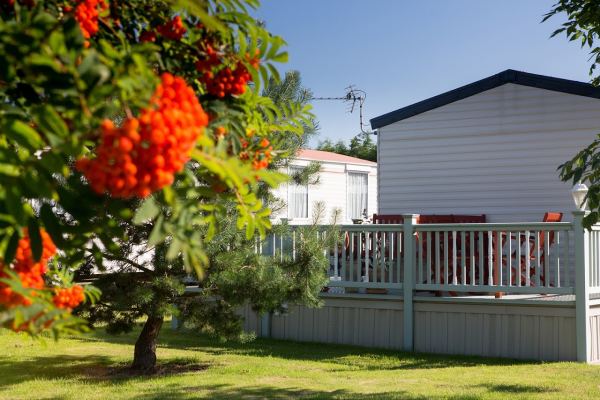
Silverhill Caravan and Holiday Park
⭐ 4.3
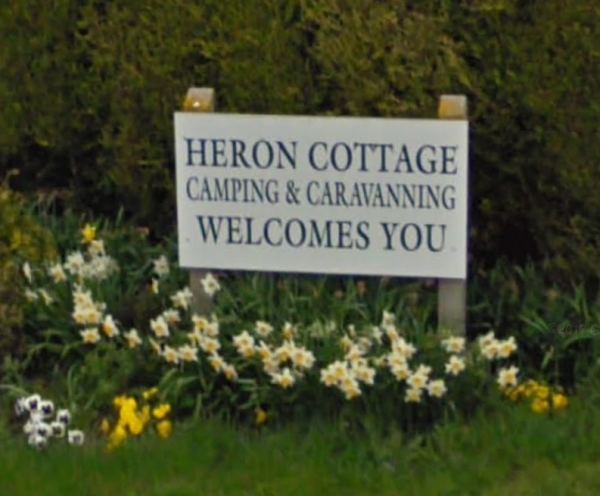
Heron Cottage Camping & Caravanning
⭐ 4.3
Self-Catering Cottages in Holbeach Hurn
All cottages in Holbeach Hurn →Huntspill Cottage
2 bed · sleeps 4 · from £413
Homestead
4 bed · sleeps 8 · from £681
Curlew Barn
2 bed · sleeps 4 · from £407
Goose Green House
2 bed · sleeps 4 · from £303
Windy Roost Lodge
2 bed · sleeps 6 · from £383
Royal Retreat
3 bed · sleeps 6 · from £1,232
Divot Lodge
3 bed · sleeps 5
Reflections
2 bed · sleeps 4 · from £567