Holywell
Wales' ancient well town on the Dee estuary
Photo © Marek Roman (Anicet), Google Maps
Holywell sits on a steep hillside above the Dee estuary in Flintshire, North East Wales, its narrow high street climbing away from the coastal plain toward the Clwydian Hills. The town takes its Welsh name, Treffynnon ('well town'), from the spring at its heart, and for centuries that spring has shaped everything about the place: its street pattern, its industry, and its identity as one of the oldest continuous pilgrimage sites in Britain. Unlike the resort towns further along the North Wales coast, Holywell has never really been a seaside destination in its own right, but it makes a quiet, characterful base for exploring the Dee estuary, the Clwydian Range and the nearby coast at Talacre and Prestatyn.
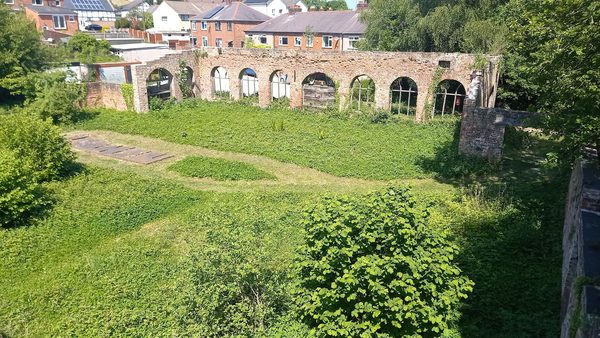
Below the town, the wooded gorge of Greenfield Valley drops down toward the Dee, following the stream that flows from the well itself. It is a strange and rewarding landscape to walk through: a heritage park studded with the ruins of Victorian mills and factories that once made Holywell an unlikely centre of the Industrial Revolution, all set within a valley that has been a place of pilgrimage since the early Middle Ages. Few towns this size pack in quite so much layered history, and that combination of spiritual, industrial and natural interest gives Holywell a distinctive appeal for visitors happy to explore somewhere off the well-trodden tourist trail.
Getting to Holywell
Holywell lies just off the A55 expressway, the main road artery along the North Wales coast, making it an easy stop for drivers travelling between Chester and Snowdonia. Chester itself is around 15 miles away, and the town is well placed for exploring both the Dee estuary and the Clwydian Hills inland. The nearest railway stations are at Flint and Holywell Junction, a couple of miles from the town centre, both on the Wrexham to Bidston line with connections through Chester; from either, a taxi or local bus completes the journey into Holywell. Regular bus services also link Holywell with Chester, Mold, Prestatyn and Rhyl. The nearest airport is Liverpool John Lennon, roughly 40 miles east, with Manchester Airport a little further away.
Best time to visit Holywell
Spring and early summer bring the best of Greenfield Valley, with the woodland along the stream at its greenest and the abbey ruins framed by fresh growth, while wildflowers and birdlife are at their most active. Summer is the obvious choice for combining a visit with the beaches at Talacre and Prestatyn, and for walking sections of the Pilgrim's Way in reliably drier weather. Autumn suits the heritage park particularly well, as the valley's mixed woodland turns colour around the old mill ruins. Winter is quieter everywhere, though St Winefride's Well remains open year-round and has a particular stillness out of season, when the crowds of summer pilgrims and day-trippers thin out.
Where to stay in Holywell(5)
All hotels in Holywell →About staying in Holywell
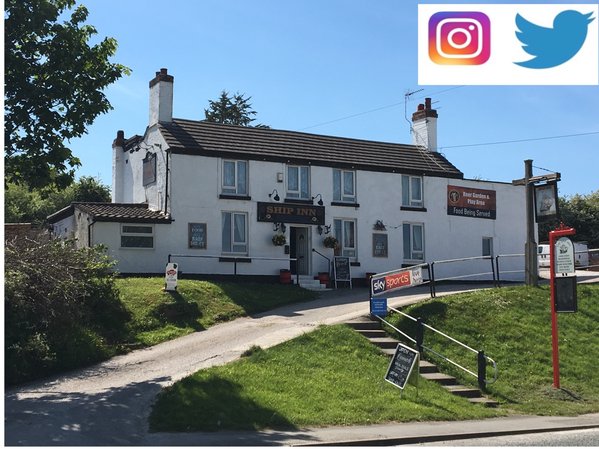
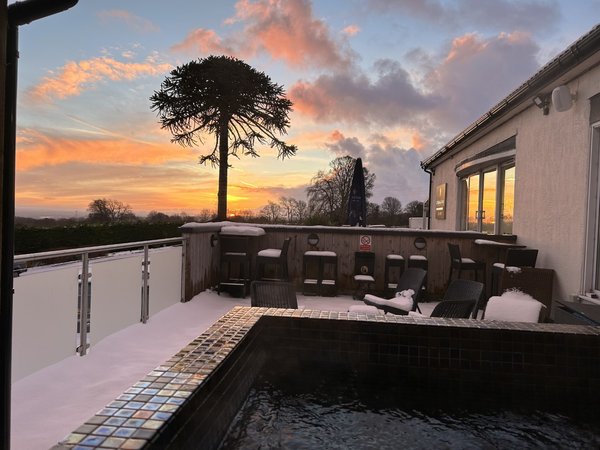
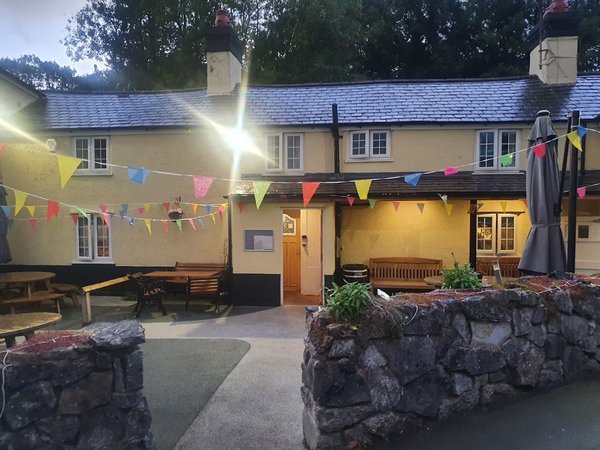
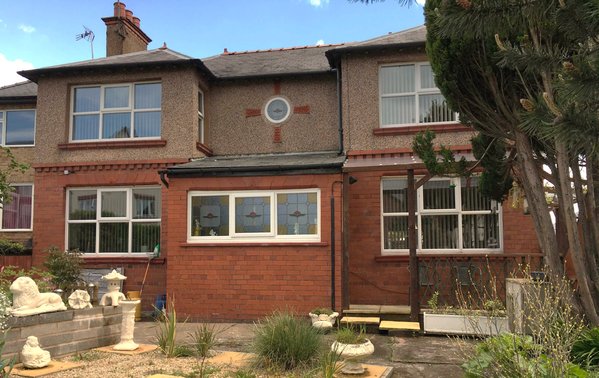
Holywell makes a compact, characterful base for a short break in North East Wales, with a small choice of bed and breakfasts and inns in the town itself and a much wider range of hotels a short drive away in Mold, Flint and the coastal resorts of Prestatyn and Rhyl. Its position just off the A55 makes it convenient for visitors touring between Chester and the North Wales coast, or exploring inland into the Clwydian Range and Loggerheads Country Park. Hotels here tend to be traditional and family-run rather than large chain properties, reflecting the town's modest size, though the coast nearby has a fuller spread of options including seafront hotels overlooking the Dee estuary and Irish Sea. Guests typically split their time between the pilgrimage sites and heritage trails of Greenfield Valley on the doorstep, the sandy beach at Talacre a few miles north, and day trips into the hills around Loggerheads and the Clwydian Range Area of Outstanding Natural Beauty. Whether staying in Holywell itself or basing in a neighbouring town, the whole area is compact enough to see a good deal on a short two or three-night stay, with Chester also easily reachable for a day of city sightseeing and shopping.
Things to Do in Holywell(3)
All attractions in Holywell →Top things to do in Holywell
Holywell's attractions are concentrated in and around Greenfield Valley, making it an easy town to explore on foot, with a scattering of further sights in the surrounding countryside.
- St Winefride's Well — Often called the 'Lourdes of Wales', this Grade I listed shrine and bathing pool has been a site of pilgrimage since at least the seventh century, associated with the legend of St Winefride, a young woman said to have been miraculously restored to life at the spot. The well chamber, rebuilt in the late fifteenth century, is one of the few medieval pilgrimage sites in Britain to have remained in continuous use, and visitors can still bathe in its waters.
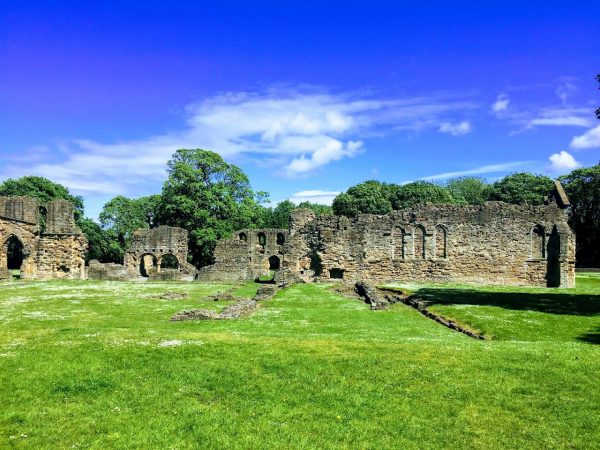
- Basingwerk Abbey — The atmospheric ruins of a Cistercian abbey founded in 1132, standing in Greenfield Valley a short walk from the well. The abbey thrived for 400 years until its dissolution under Henry VIII in 1536, and its remains, including the striking chapter house and refectory walls, are free to explore. The site marks the start of the North Wales Pilgrim's Way, a long-distance walking route to Bardsey Island.
- Greenfield Valley Heritage Park — A 70-acre country park following the stream down from the well to the Dee estuary, threading together the ruins of eighteenth and nineteenth-century copper, brass and cotton mills that once made this valley a hub of early industry. Waymarked trails, ponds, a small farm museum and abundant wildlife make it a rewarding place for a longer walk.
- Holywell Town Trail — A self-guided walk through the town's steep streets, taking in its Georgian and Victorian buildings, the market square, and views out over the Dee estuary toward the Wirral.
- Loggerheads Country Park — A short drive inland into the Clwydian Range, this beauty spot centres on a limestone gorge carved by the River Alyn, with woodland trails, a former lead-mining trail and views across the Area of Outstanding Natural Beauty.
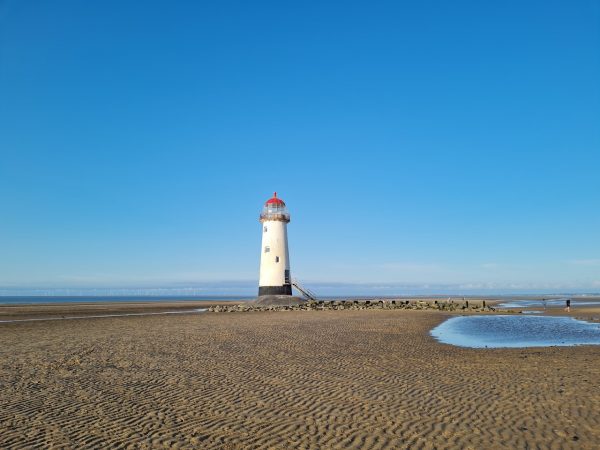
- Talacre Beach and Point of Ayr — A wide sandy beach a few miles north of Holywell, backed by dunes and marked by the red-and-white Talacre lighthouse, with the Point of Ayr nature reserve nearby drawing birdwatchers to its estuary mudflats.
- North Wales Pilgrim's Way — For longer-distance walkers, Holywell marks the traditional starting point of this 130-mile route across North Wales to Bardsey Island, following paths used by medieval pilgrims.

Where to Eat in Holywell
All restaurants in Holywell →Food and drink in Holywell
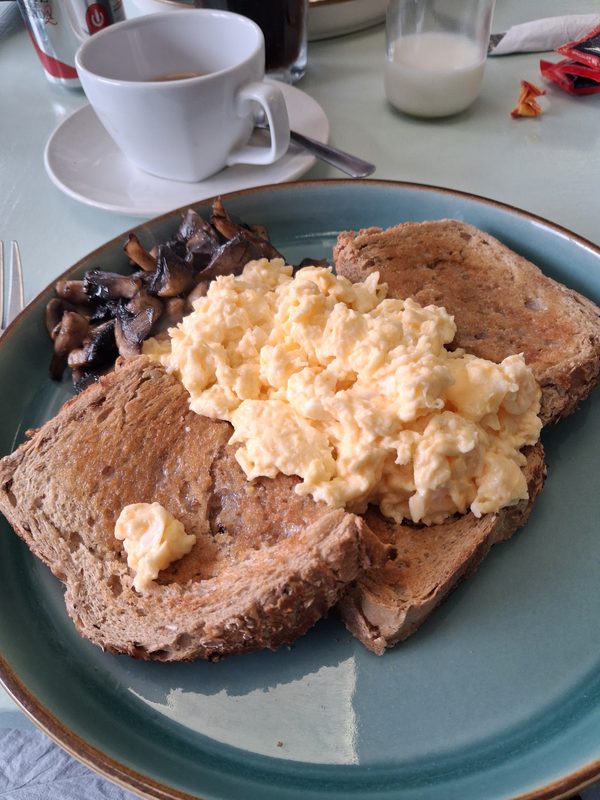
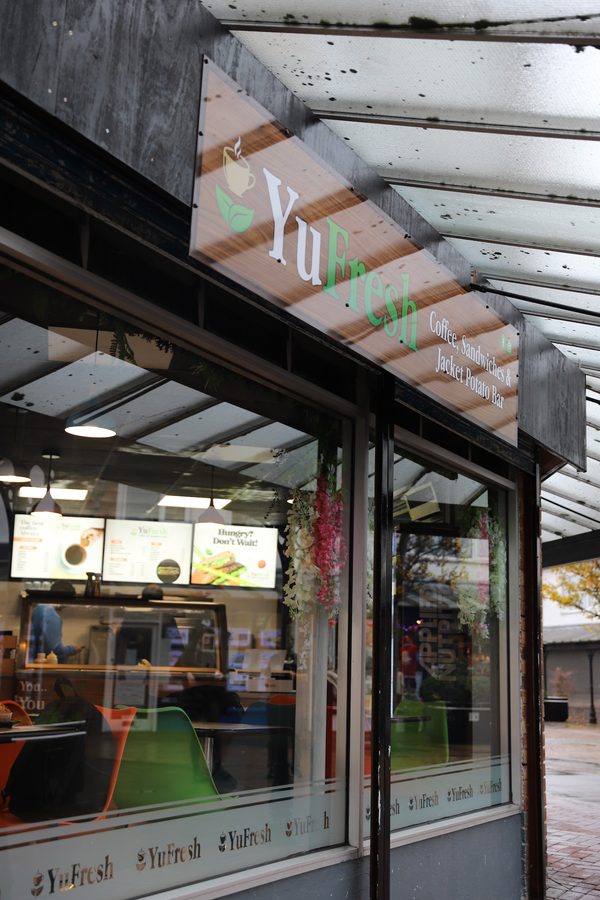
Holywell's high street has a solid line-up of everyday cafes and traditional Welsh pubs serving hearty, unfussy food. The Kremlin Bar, a well-known local pub in the town centre, is a good spot for a straightforward pint and pub meal, while smaller independent cafes along the high street serve breakfasts and light lunches to shoppers and walkers alike. Down in Greenfield, near the entrance to the heritage park, cafes catering to visitors provide a welcome stop after a walk through the valley. For a wider choice of restaurants, the market town of Mold and the coastal towns of Prestatyn and Flint, both a short drive away, offer a broader spread of dining options, from Indian and Italian restaurants to seafront chip shops.
Attractions Near Holywell
All attractions in Holywell →Worth the trip — within 50 miles of Holywell.
 4 mi
4 mi
Banana Ben's Play Centre & Cafe (Flint)
Flint · ⭐ 4.1
 4 mi
4 mi
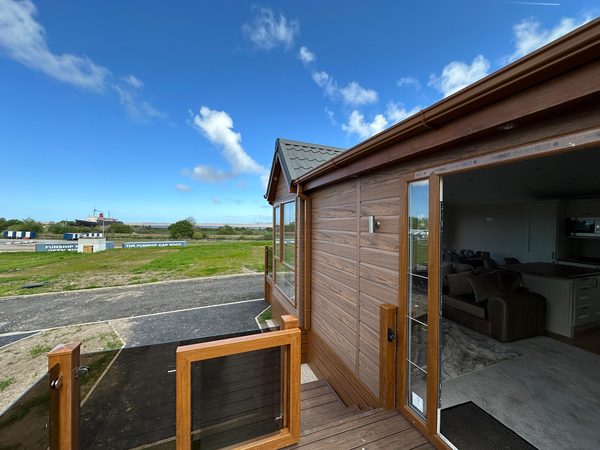
Bowling at Jade Jones Pavilion Flint
Flint · ⭐ 4.4
 6 mi
6 mi
Talacre Beach
Talacre · ⭐ 4.1
 7 mi
7 mi
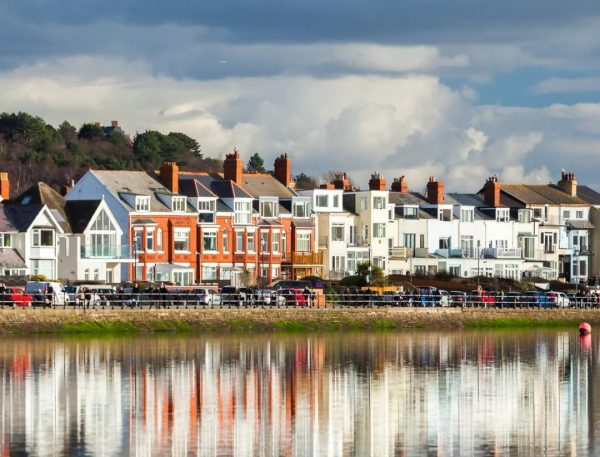
West Kirby Beach
Wirral · ⭐ 4.6
 7 mi
7 mi
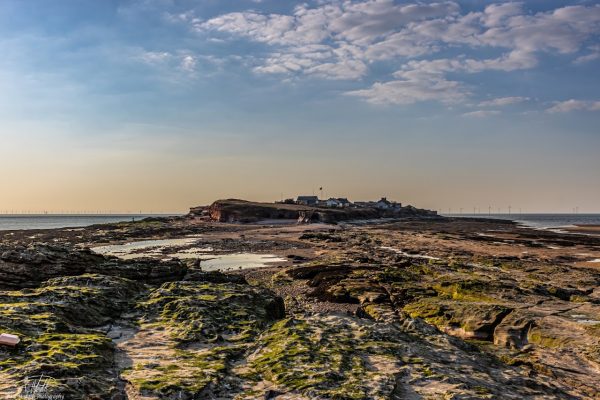
Hilbre Islands
Hoylake · ⭐ 4.9
 8 mi
8 mi
Activity for All, Wirral
Wirral · ⭐ 4.5
 8 mi
8 mi
Mini Monsters Fun House
Neston · ⭐ 4.5
 8 mi
8 mi
Eureka! Science + Discovery
Wallasey · ⭐ 4.5
Camping in Holywell(12)
All campsites in Holywell →About camping in Holywell
Holywell sits within a stretch of North East Wales that rewards a slower pace, and the surrounding countryside offers a scattering of campsites and glamping options rather than a dense concentration, so it is worth booking ahead in peak season. As in the rest of Wales, wild camping is not a general right here and pitching up without the landowner's permission is against the law, so stick to recognised campsites, caravan parks or farms offering camping pitches, several of which are dotted through the Clwydian Hills and along the coast toward Talacre and Prestatyn. The terrain around Holywell varies from the steep, wooded valley of Greenfield running down to the flat expanse of the Dee estuary, to the rolling upland of the Clwydian Range a few miles inland, giving campers a genuine choice between coastal and hill settings within a short drive of each other. Coastal sites near Talacre and the Point of Ayr suit those wanting easy beach access and birdwatching on the estuary marshes, while sites further inland toward Loggerheads and the Clwydians offer a quieter, greener base for walkers. Spring through early autumn is the most practical camping season, with long daylight hours for exploring Greenfield Valley's trails and the Pilgrim's Way, though the sheltered valley and relatively mild coastal climate mean shoulder-season camping is often still comfortable for those with the right kit. For anyone who prefers a roof over their head without giving up the outdoor setting, glamping pods, safari tents and static caravans are increasingly available at sites across Flintshire and neighbouring Denbighshire, offering a more comfortable alternative while staying close to the estuary, hills and heritage trails that make this corner of Wales worth the visit.
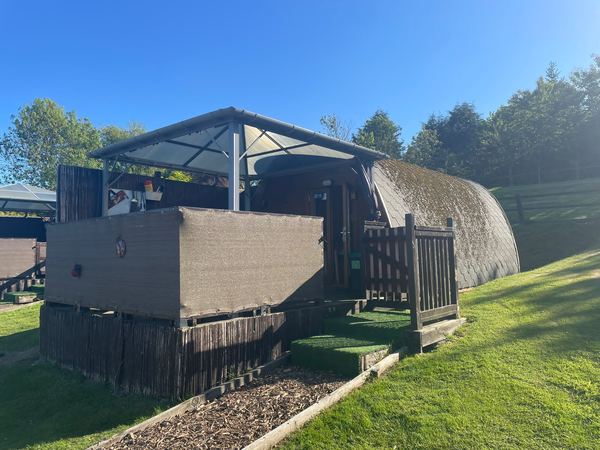
Acorn Holiday Luxury Glamping Pods
⭐ 5.0 · from £300/night
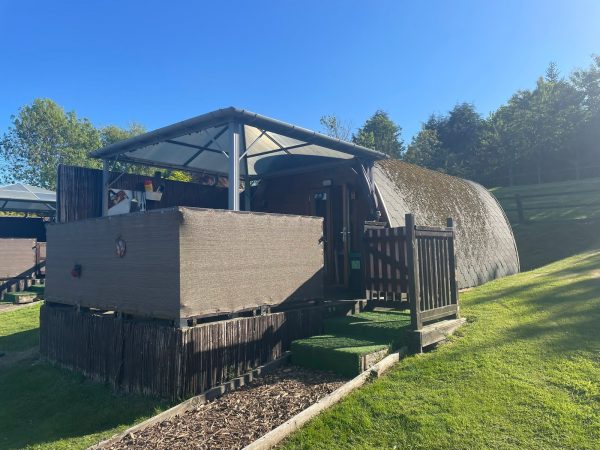
Acorns Luxury Glamping Pods
⭐ 5.0
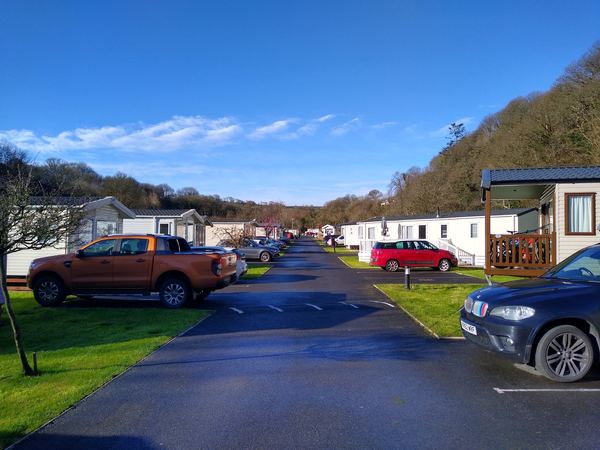
Cardigan Bay Holiday Park
⭐ 4.6
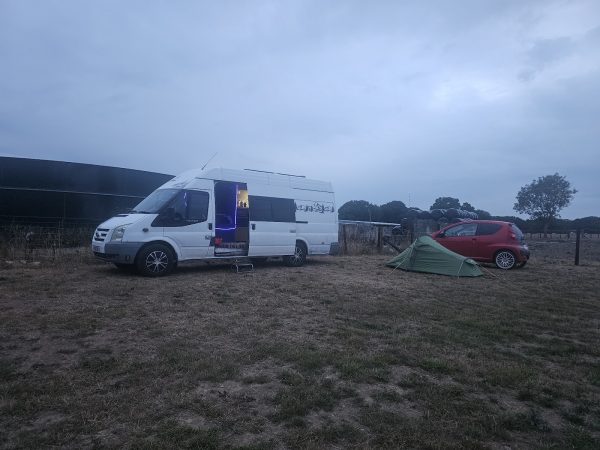
Gledlom Farm
⭐ 4.3 · from £13/night
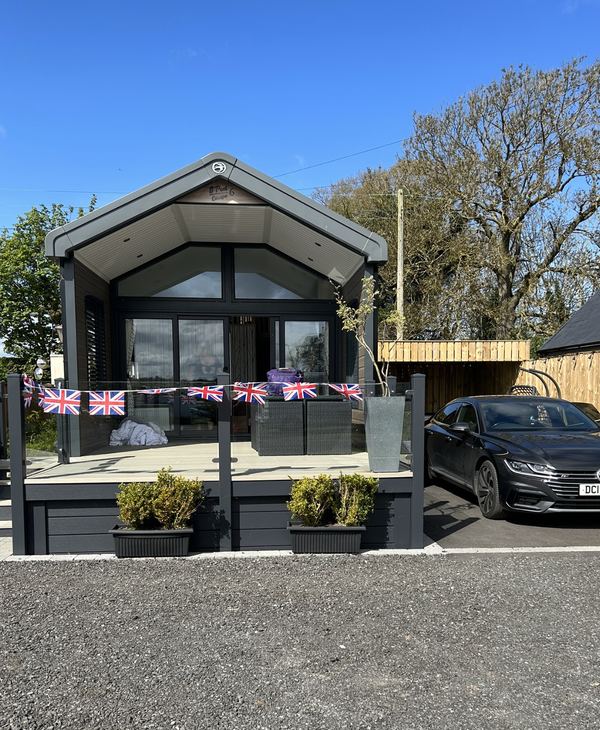
Haulfryn Caravan Park
⭐ 4.9 · from £40/night
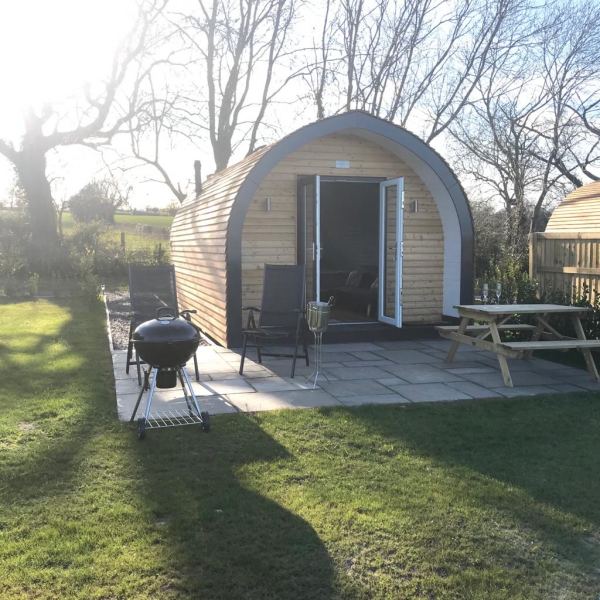
Herbie’s Hideaway
⭐ 4.8 · from £100/night
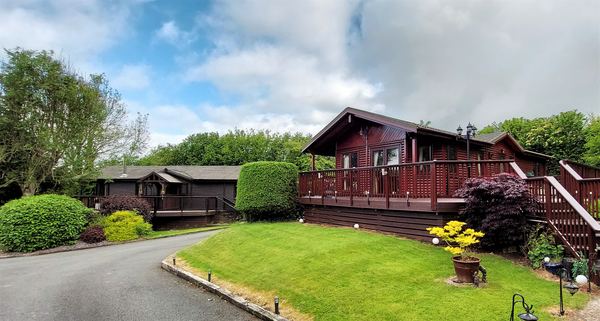
Misty Waters Touring Park
⭐ 4.7
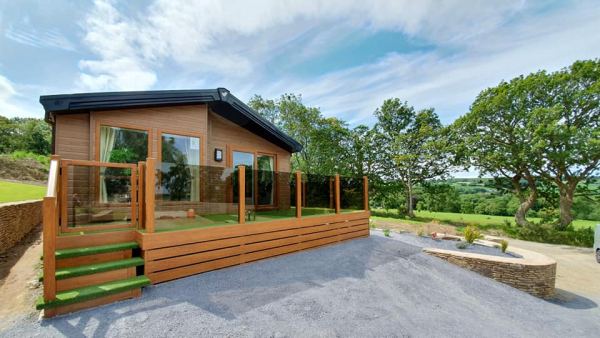
Pennant Park Golf Club
⭐ 4.6
Self-Catering Cottages in Holywell
All cottages in Holywell →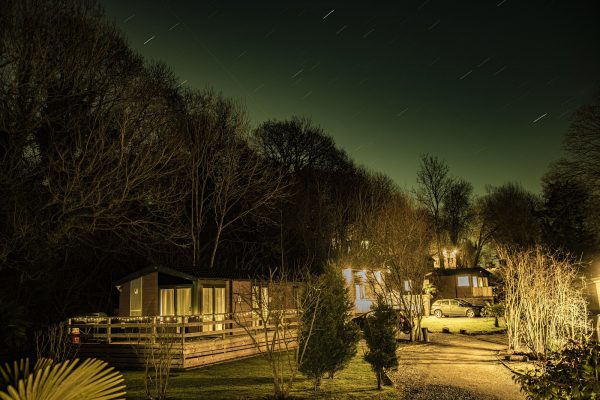
Rosebank Retreat
7 bed · sleeps 15 · from £2,303
Tabernacle Basement
1 bed · sleeps 2
Butterfly
2 bed · sleeps 4 · from £1,862
Cefn Y Nant Farm
1 bed · sleeps 4 · from £587
Glan Llyn Annex
1 bed · sleeps 2
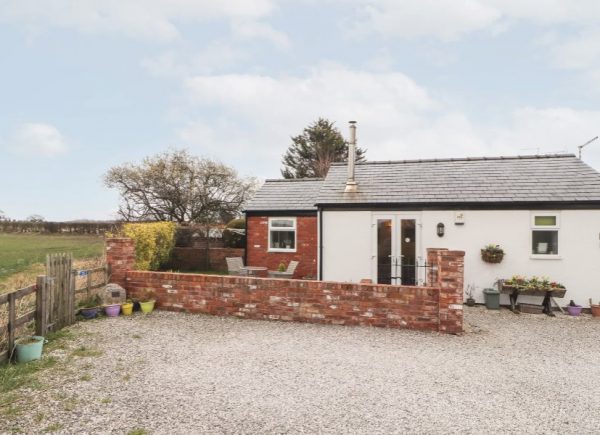
Stable Cottage
3 bed · sleeps 5 · from £447
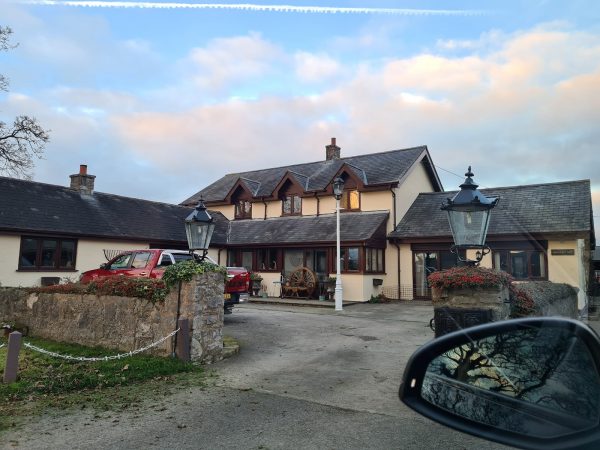
Groes Faen-Bach Farmhouse
7 bed · sleeps 15 · from £1,987
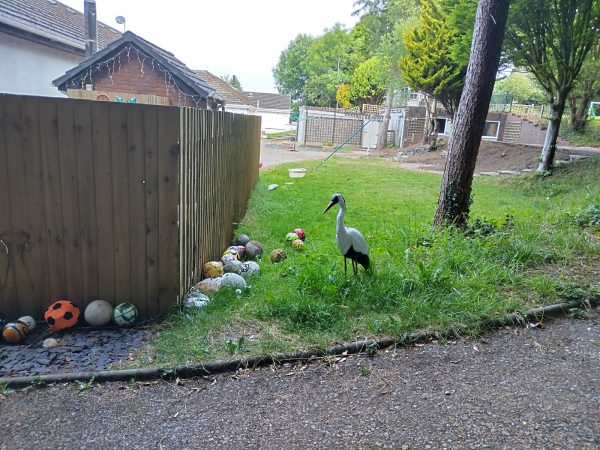
Matty’s Place
2 bed · sleeps 4 · from £287
Common questions about Holywell
How many campsites are there in Holywell?
We list 12 campsites in and around Holywell, of which 11 take tents and 5 offer glamping.
Are there dog-friendly campsites in Holywell?
Yes — 1 of the 12 campsites we list in Holywell accept dogs, including Ynyshir Farm.
Where can I stay in Holywell?
We list 5 hotels, B&Bs and guest houses in and around Holywell.
What is there to do in Holywell?
We list 3 attractions and things to do in and around Holywell.