Lydd
Kent's most southerly town, on the edge of the marsh
Photo © VMZ, Google Maps
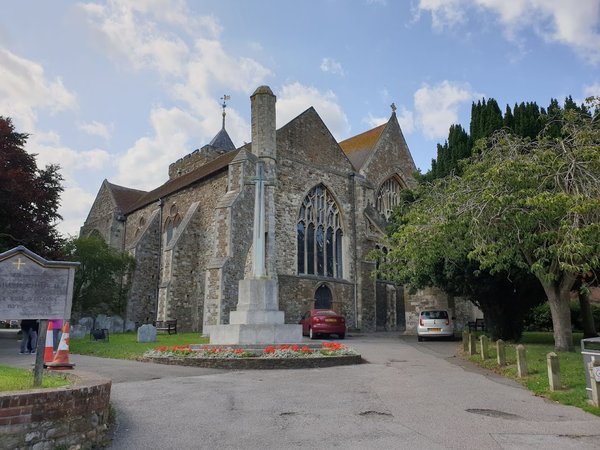
Lydd sits on a low ridge of shingle and clay at the southern tip of Kent, on ground that was once a genuine island rising out of the marshland and sea. The town's name is thought to derive from an Old English word for a slope or hill, a nod to the modest rise that kept it dry above the surrounding wetland. For centuries Lydd was a busy Cinque Port satellite, its harbour taking sea-going vessels up the estuary of the River Rother, until a great storm in 1287 changed the river's course entirely, choked the harbour with silt, and left the once-prosperous port stranded several miles from the sea it had depended on.
Today Lydd is a small, unhurried town of around 6,000 people, ringed by the flat expanse of Romney Marsh and Denge Marsh, and within easy reach of the shingle headland at Dungeness. It is a place shaped by big skies, drainage dykes, grazing sheep, and a slightly other-worldly stillness, punctuated by the low rumble of light aircraft from the airport on its outskirts. Walkers and cyclists use it as a quiet base for exploring the marsh, birdwatchers pass through en route to the RSPB reserve at Dungeness, and history-minded visitors come for a parish church that is wildly out of proportion to the size of the town around it.
Getting to Lydd
Lydd lies just off the A259 coast road in south Kent, roughly midway between Rye in East Sussex and Hythe. By car it's about 20 minutes from Ashford, which sits on the M20 and has direct high-speed rail links to London St Pancras in under 40 minutes. From Ashford, regular buses run out to Lydd and on to Dungeness. The nearest mainline railway stations are at Rye and Appledore, both a short drive or taxi ride away, and the RH&DR miniature railway connects New Romney with Hythe and Dungeness for a slower, scenic approach. Lydd's own airport handles private and charter flights rather than scheduled passenger services.
Best time to visit Lydd
Late spring through early autumn (May to September) brings the best of the marsh: long daylight hours for walking and cycling, migrating birds passing through the Dungeness reserve, and Lydd Club Day livening up the town in June. Summer is also the most reliable window for visiting the Denge Sound Mirrors, which open only on a handful of pre-booked dates each year. Autumn and winter have their own appeal for birdwatchers, when the marsh's wetlands attract wintering wildfowl, and the flat, low light over the shingle at Dungeness is especially striking for photographers, though facilities in the area are quieter and some seasonal attractions close.
Where to stay in Lydd
All hotels in Lydd →About staying in Lydd
Accommodation in and around Lydd tends towards the small and characterful rather than the corporate. In the town itself, the George Hotel is the obvious choice: a former 17th-century coaching inn on the High Street with cask ales, a restaurant, and a handful of simple, traditional rooms, trading on genuine history rather than polish. It makes a convenient, low-key base for visiting the church, the airport, and the marsh on foot or by car.
Beyond the town boundary, the wider Romney Marsh and Dungeness area has developed a distinctive hotel and self-catering scene of its own. Dungeness in particular has become known nationally for its converted fishermen's cottages and architect-designed retreats set among the shingle and old railway carriages, several run as boutique self-catering stays that trade on the headland's stark, cinematic landscape. Further round the coast, New Romney, Camber, and Rye all offer a broader range of hotels, guesthouses, and inns, useful for visitors who want more choice of dining and facilities within a short drive of Lydd.
Because Lydd itself is small, many visitors choose to base themselves slightly further afield — in Rye for its shops and restaurants, or along the coast towards Camber Sands and Greatstone for beach access — and treat Lydd as a day-trip destination for the church, the airport's aviation history, and the approach to Dungeness and the Denge Sound Mirrors. Whichever base is chosen, the flat, open geography of the marsh means nowhere in the area is ever more than a short drive from Lydd's own attractions.
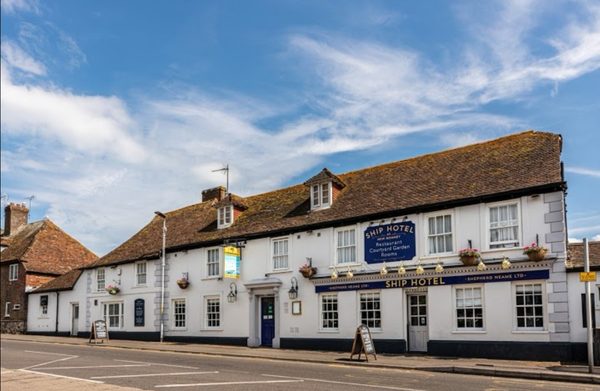
The Ship Hotel
83 High Street, New Romney
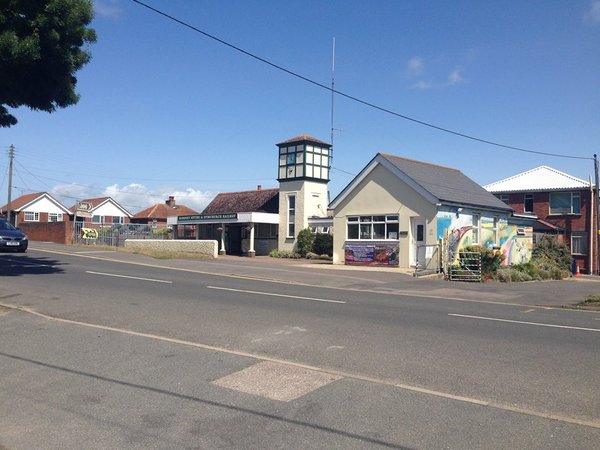
Littlestone Hotel
3 Littlestone Road, New Romney
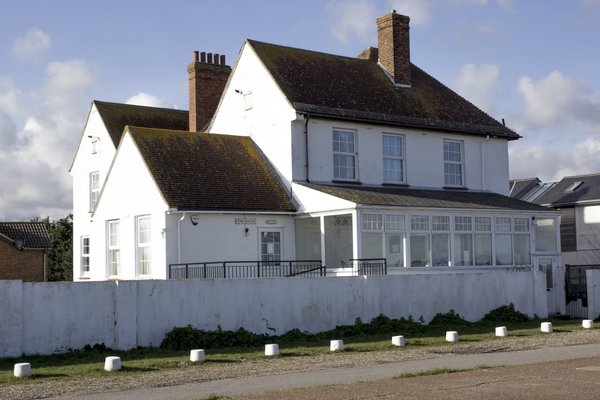
Foreshore House
Coast Road, New Romney
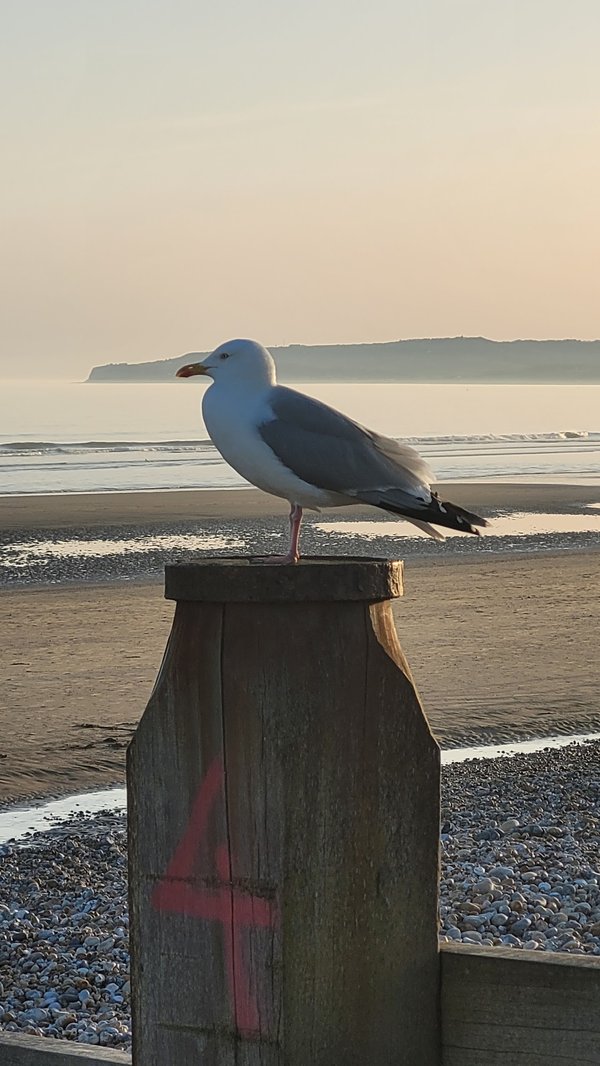
Camber Sands Holiday Park
Lydd Road, Rye
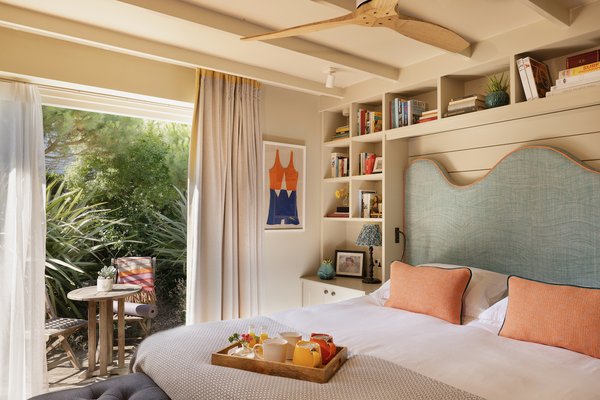
The Gallivant
New Lydd Road, Camber, Rye
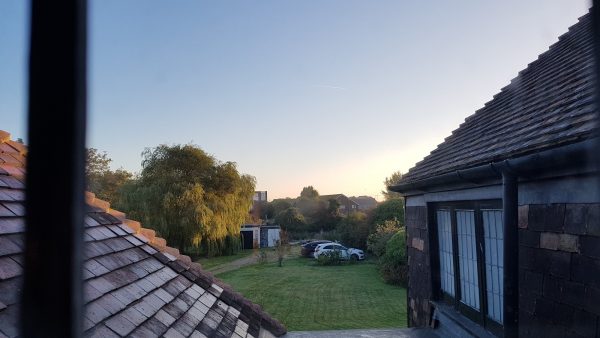
Willow Cottage
24 Mill Road, Dymchurch
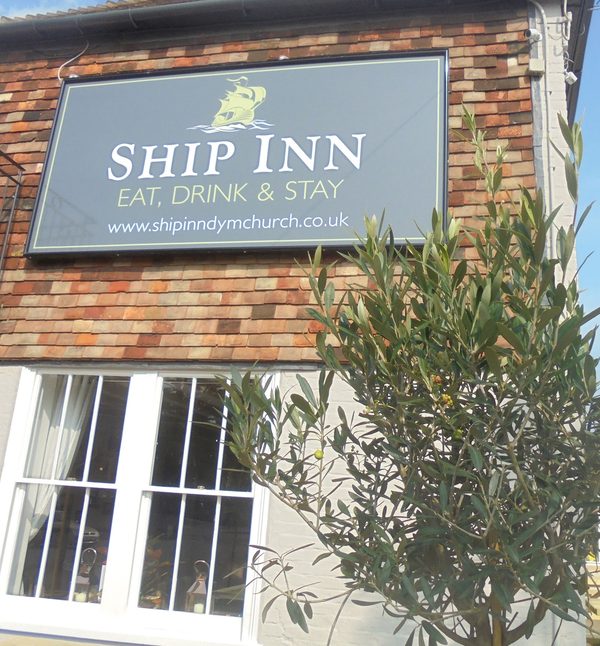
The Ship Inn
118 High Street, Romney Marsh
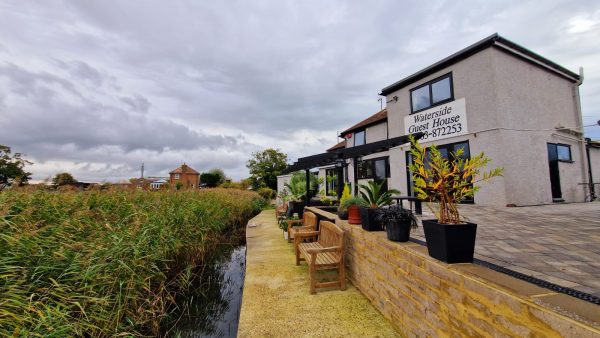
Waterside Guesthouse
15 Hythe Road, Dymchurch
Things to Do in Lydd(1)
All attractions in Lydd →Top things to do in Lydd
Lydd rewards visitors who like their attractions a little unusual and often free of crowds. Here are the highlights within the town and its immediate surroundings.
- All Saints Church — Known locally as the "Cathedral of the Marsh", this is the longest parish church in Kent at around 199 feet, with a 15th-century tower rising to over 130 feet. Parts of the north-west corner incorporate the remains of a Romano-British basilica, making the site one of continuous worship for well over 1,500 years. Thomas Wolsey, later Cardinal, once served as rector here.
- Romney Marsh — The vast, flat wetland surrounding Lydd is criss-crossed with old drainage sewers and dykes and grazed by the distinctive Romney sheep breed. It's superb walking and cycling country, dotted with isolated marsh churches and long views to Dungeness and the sea.
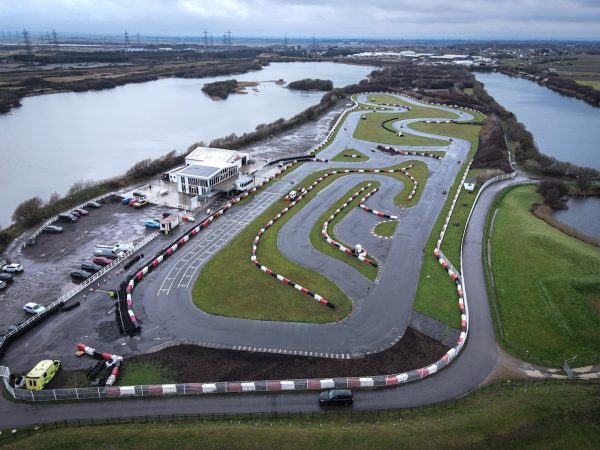
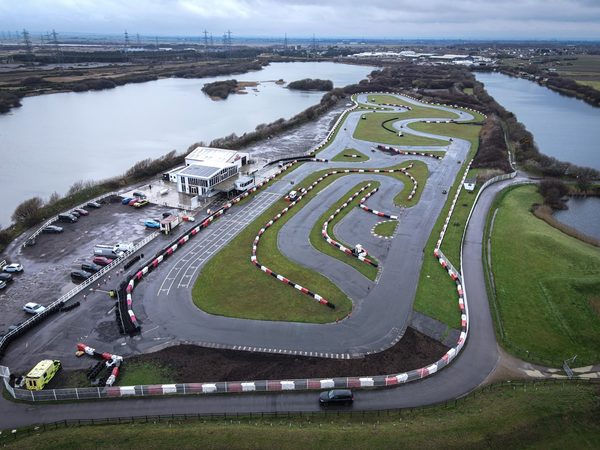
- Lydd Airport — Once known as Ferryfield, this was the first airport built in Britain after the Second World War, opening in 1954 as the main terminal for Silver City Airways' pioneering car-ferry flights to Le Touquet. At its 1950s peak it handled more passengers annually than Gatwick; it now operates as London Ashford Airport for private and business aviation.
- Denge Sound Mirrors — A few miles south-east near Greatstone, these huge curved concrete "listening ears" were built between 1928 and 1930 as an experimental early-warning system for detecting incoming aircraft by sound, before radar made them obsolete within a decade. They stand on an island within an RSPB reserve and are scheduled monuments, accessible on limited open days run by the Romney Marsh Countryside Partnership.
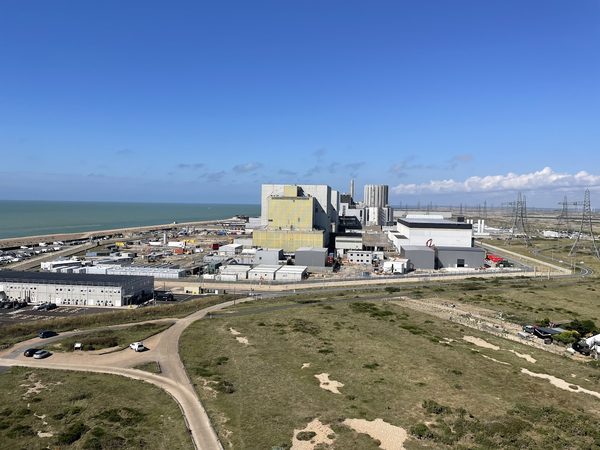
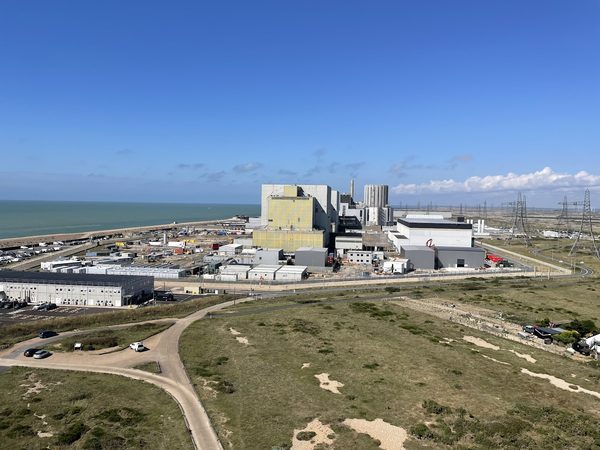
- Dungeness — This strange, beautiful shingle headland, one of the largest expanses of shingle in Europe, lies just south of Lydd and is known for its two lighthouses, its nuclear power station, and the fishing boats and tar-black weatherboard cottages scattered across the flats. The RSPB's Dungeness reserve is one of the best birdwatching sites in the country.
- The Rype — Lydd's historic open green, once used for archery practice and now the venue for Lydd Club Day, an annual carnival established in 1868 that still runs every June with a funfair, stalls, and a procession of floats.
- Romney, Hythe & Dymchurch Railway — This famous 15-inch gauge miniature railway runs along the edge of the marsh between Hythe and Dungeness, with a stop at New Romney a short drive from Lydd, offering one of the more novel ways to see the coastline.
Where to Eat in Lydd(11)
All restaurants in Lydd →Food and drink in Lydd
The George Hotel on the High Street, dating from 1620 and once a haunt of smugglers and a staging post for London coaches, serves pub food and cask ales including a regular Doom Bar alongside changing guest beers. Nearby, The George Restaurant offers a more formal sit-down menu in the same historic building. For fresh seafood, the fishing huts and smokehouses at Dungeness and Greatstone-on-Sea are a short drive away and well worth the detour, while New Romney and Camber offer a wider choice of cafés, pubs, and restaurants for those exploring further round the marsh.
Attractions Near Lydd
All attractions in Lydd →Worth the trip — within 50 miles of Lydd.
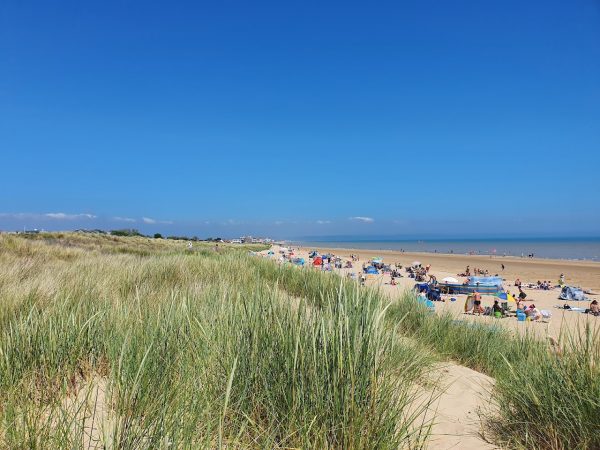 3 mi
3 mi
Greatstone Beach
New Romney · ⭐ 4.6
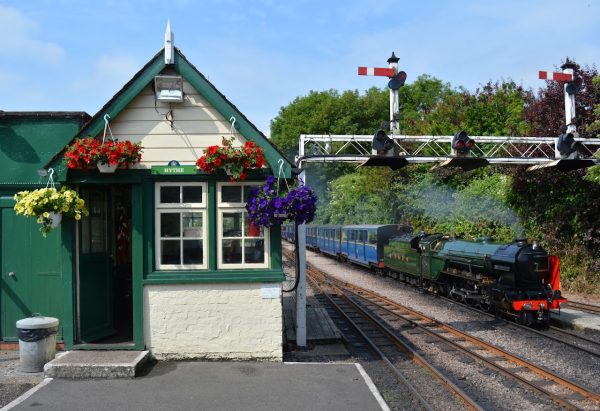 3 mi
3 mi
Romney Hythe and Dymchurch Railway
New Romney · ⭐ 4.7
Dungeness Beach
Romney Marsh · ⭐ 4.7
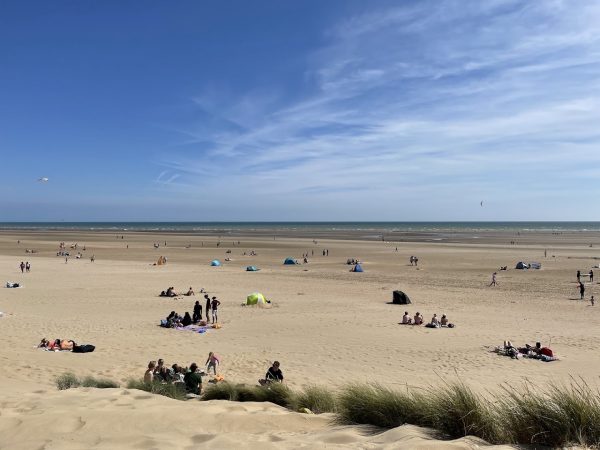 4 mi
4 mi
Camber Sands
Rye · ⭐ 4.9
St Marys Bay
Romney Marsh
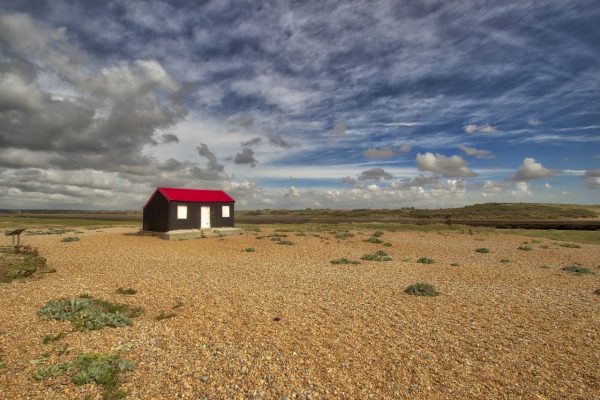 6 mi
6 mi
Rye Harbour Nature Reserve
Rye · ⭐ 4.7
 7 mi
7 mi
Rye Castle Museum
Rye · ⭐ 4.4
 8 mi
8 mi
Kippys Paint Your Own Pottery
Ashford · ⭐ 4.9
Camping in Lydd(2)
All campsites in Lydd →About camping in Lydd
Romney Marsh is quintessential camping country: flat, open, criss-crossed by dykes and grazed by sheep, with enormous skies that make it a genuine draw for stargazers once the sun goes down. It's worth remembering, though, that England has no general right to wild camp — unlike in Scotland, pitching a tent on marshland, farmland, or the shingle at Dungeness without the landowner's explicit permission is trespassing, so any camping around Lydd should be on a licensed site or with a farmer's or landowner's agreement.
Fortunately, licensed campsites are well established across this part of Kent, ranging from simple grass touring pitches to larger family-oriented sites with hook-ups, and a growing scattering of glamping options — shepherd's huts, safari tents, and static caravans — for those who want the marsh experience without the full camping kit. Sites tend to sit just outside Lydd itself, spread between the marsh villages, the coast towards Camber Sands and Greatstone, and the approach to Dungeness, giving easy access both to the beach and to the birdwatching reserves inland.
The terrain here is unusual for UK camping: dead flat, exposed, and largely treeless, so wind off the Channel can be brisk even in summer, and it's worth choosing a pitch with some natural or man-made shelter if you're in a tent rather than a static van. The reclaimed marshland is also low-lying and can be damp underfoot after rain, so a good groundsheet and waterproof kit pay off. Drainage improves through the drier summer months, which is also when the birdlife, wildflowers, and insect life on the surrounding reserves are at their most active.
Late spring to early autumn is the best camping season, both for weather and for daylight, with June's Lydd Club Day and the area's various birdwatching seasons giving good reasons to time a visit around local events. Given the marsh's flat topography and lack of light pollution, many campers here make a point of an evening walk or a late look at the stars, with Dungeness in particular attracting astrophotographers thanks to its officially recognised dark skies. Whether pitching a small tent for a weekend or booking a glamping pod for a longer stay, camping is one of the most atmospheric ways to experience this quiet corner of Kent.
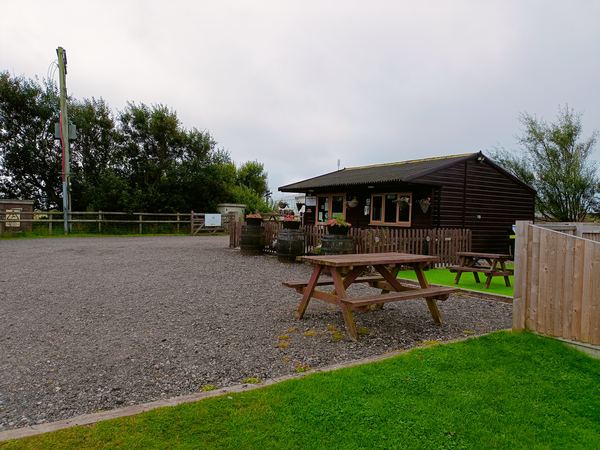
Herons Park Campsite
⭐ 4.5 · from £24/night
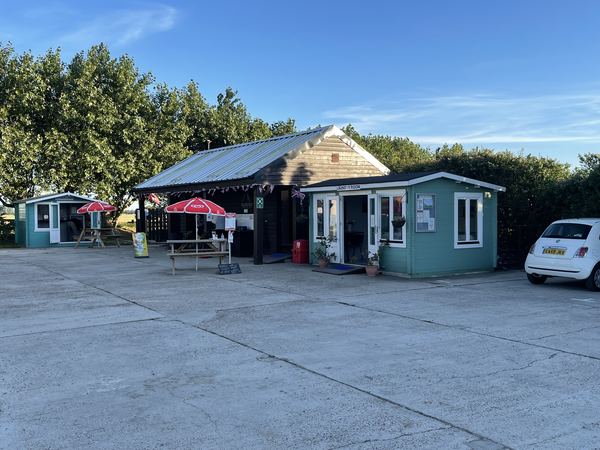
Romney Meadows Caravan and Camping Park
⭐ 4.8 · from £26/night
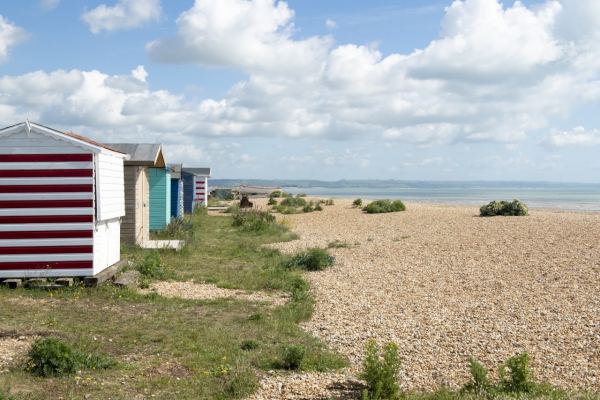
Romney Sands Holiday Park
⭐ 4.0
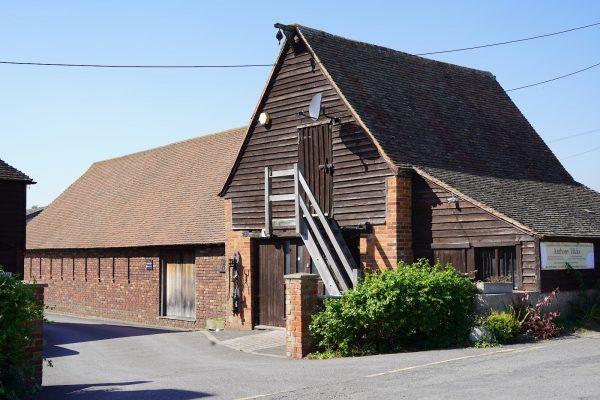
Jessamine Farm Caravan and Campsite
⭐ 4.8
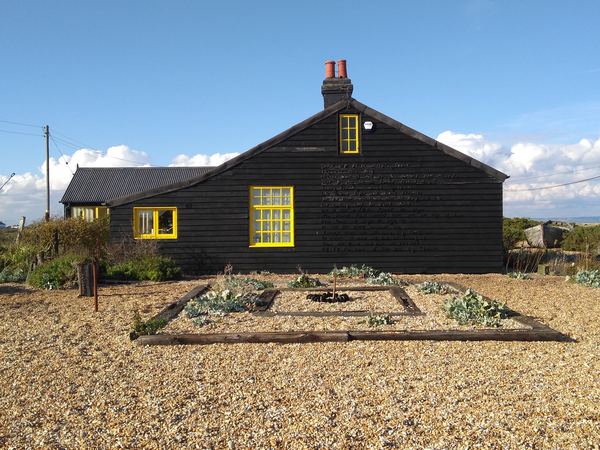
New Romney Caravan Park
⭐ 4.4 · from £30/night
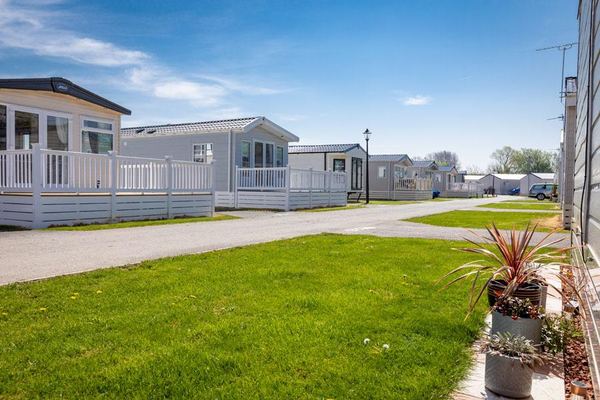
Marlie Holiday Park
⭐ 3.7 · from £70/night
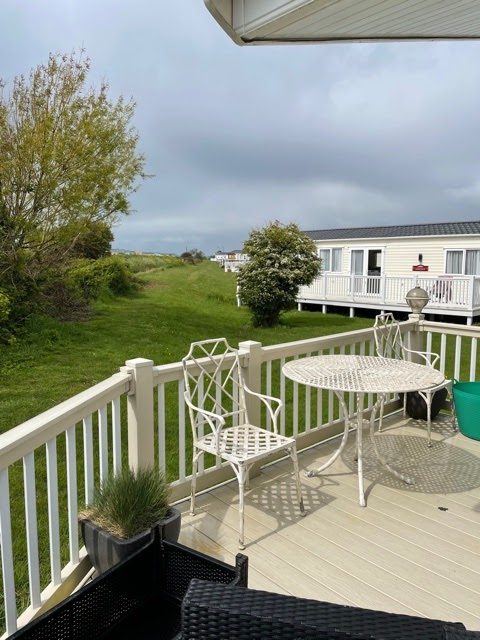
Camber Sandy Shores
from £276/night
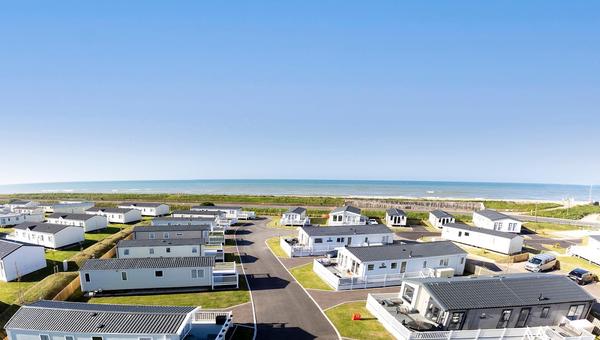
Camber Sands Holiday Park
⭐ 3.7 · from £22/night
Self-Catering Cottages in Lydd
All cottages in Lydd →New Street Cottage
2 bed · sleeps 4 · from £383
SeaGrass
3 bed · sleeps 6 · from £1,102
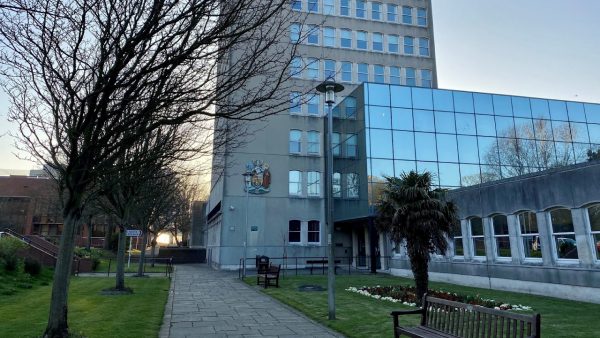
Parade Annex
1 bed · sleeps 4 · from £827
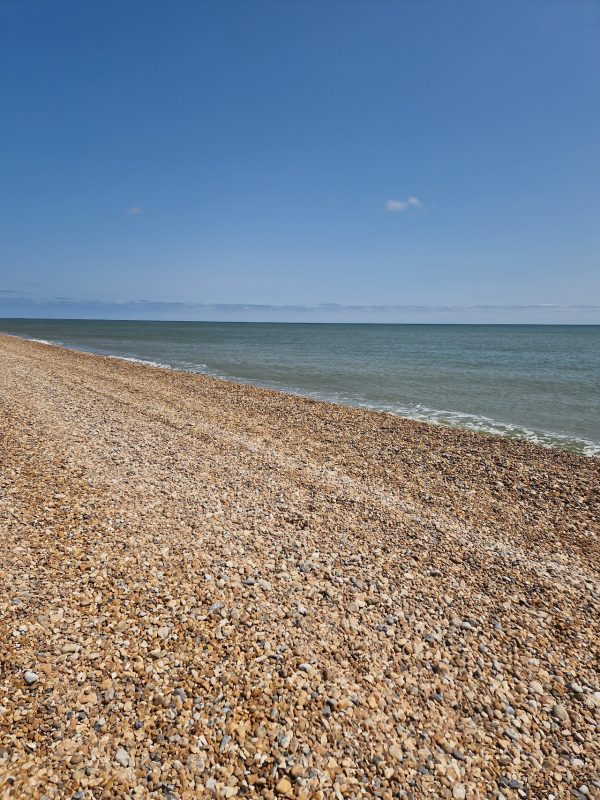
Beach Reach
3 bed · sleeps 8 · from £781
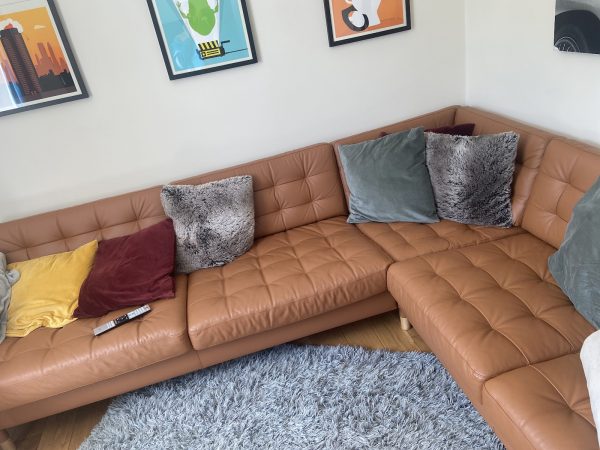
SeaHardy
3 bed · sleeps 7
Yew Tree House Cottage
2 bed · sleeps 4 · from £453
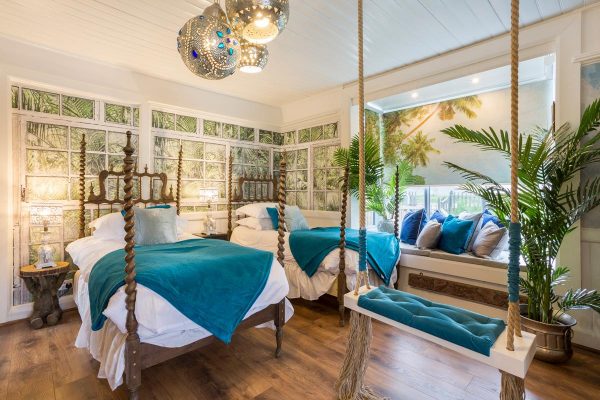
Beach Haven Retreats - Beach Haven
5 bed · sleeps 10 · from £1,562
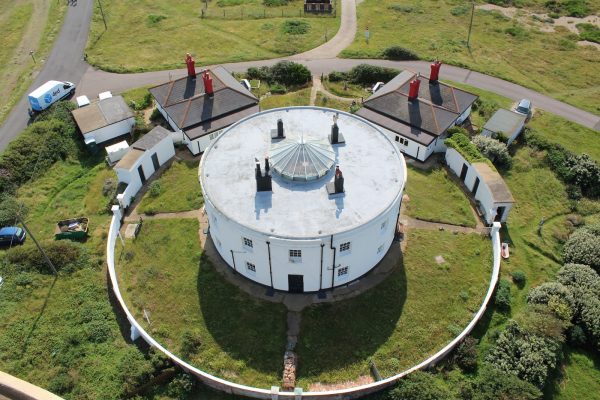
Fulmar
2 bed · sleeps 4 · from £937
Common questions about Lydd
How many campsites are there in Lydd?
We list 2 campsites in and around Lydd, of which 2 take tents and 1 offer glamping.
Which campsites in Lydd have electric hook-up?
2 of the 2 campsites we list in Lydd offer an electric hook-up.
What is there to do in Lydd?
We list 1 attractions and things to do in and around Lydd.
Where can I eat in Lydd?
We list 11 restaurants, pubs and cafes in and around Lydd.