Milnthorpe
Georgian market town where the Lakes meet Morecambe Bay
Photo © Gwen whitaker, Google Maps
Milnthorpe sits on the southern fringe of Cumbria, seven miles south of Kendal, in the gap where the Lake District fells give way to the wide tidal flats of Morecambe Bay. It began life around 900 AD as a Viking settlement, taking its name from a mill on the River Bela, and grew into Westmorland's only sea port after receiving its market charter in 1280. Boats once worked up the tidal Kent estuary to the quay at nearby Sandside until the Victorian railway viaduct silted the channel and the trade moved on, leaving behind a town built more for commerce than show.
That history is still legible in the streets today. The Market Square is ringed by Georgian townhouses and cottages in local limestone, opening onto green lawns below the 19th-century St Thomas' Church, and the 17th-century Market Cross still stands where livestock and produce were once sold and, less happily, where the stocks and whipping post once stood. Narrow lanes lead off in every direction, and beyond the rooftops the land rises quickly towards Whitbarrow and the Lyth Valley on one side and drops towards the reedbeds and saltmarsh of the Kent estuary on the other, with the limestone country of the Arnside and Silverdale Area of Outstanding Natural Beauty starting just a few miles west.
Getting to Milnthorpe
Milnthorpe sits directly on the A6, seven miles south of Kendal and a similar distance north of Carnforth, making it an easy stop for anyone travelling between the M6 and the southern Lake District. Junction 35 of the M6 is only a couple of miles away, giving fast road links north to Kendal and Windermere and south to Lancaster and the motorway network beyond. The nearest railway station is at Oxenholme, on the West Coast Main Line, roughly nine miles north, with connecting services and taxis into Milnthorpe itself; the smaller Arnside station on the Furness Line, a few miles west, is useful for exploring the coast around Morecambe Bay.
Best time to visit Milnthorpe
Spring and early summer bring the most reliable weather for walking the AONB coastline and the deer parks at Levens and Dallam, with bluebells and blossom through the local woodlands in April and May. High summer suits families wanting long days out around Arnside's sands and the wider Lake District, though the roads and honeypots further north get busy; Milnthorpe itself stays relatively calm. Autumn brings good colour through Levens Park and the Lyth Valley, along with the Lakeland damson harvest in nearby orchards, while winter is quieter still, best suited to short walks and cosy pub lunches rather than long days on the fells.
Where to stay in Milnthorpe(3)
All hotels in Milnthorpe →About staying in Milnthorpe
Milnthorpe's handful of places to stay punch above their weight for a town this size, largely because of where it sits: close enough to the Lake District to use as a quieter, cheaper base, and close enough to the Arnside and Silverdale AONB and Morecambe Bay to suit walkers and birdwatchers just as well as fell-baggers. The Cross Keys Hotel and the Bulls Head both offer traditional pub rooms right on or near the Market Square, useful for a night or two without a car-dependent stay out in the countryside, while a scattering of B&Bs and guesthouses in the town and surrounding villages of Beetham, Levens and Sandside give more options for longer breaks.
Self-catering cottages are plentiful in the countryside around Milnthorpe, many of them converted farm buildings or Georgian townhouses within walking distance of the Market Square, and they suit families or groups wanting a base for touring Levens Hall, Dallam Tower, Sizergh Castle and the wider southern Lakes. Because Milnthorpe sits just off the A6 and close to Junction 35 of the M6, it also works well as a stopover for anyone breaking a longer journey north or south, or as an overnight base before pushing on into Windermere or Kendal the next day. Prices tend to sit noticeably below those in the busier Lakeland honeypots, particularly in the shoulder seasons of spring and autumn when the surrounding AONB scenery is at its best and the roads are quieter. Whatever the budget, booking ahead is worthwhile during the Lake District's peak summer weeks, when demand across the wider area pushes into towns like Milnthorpe that might otherwise have rooms to spare.
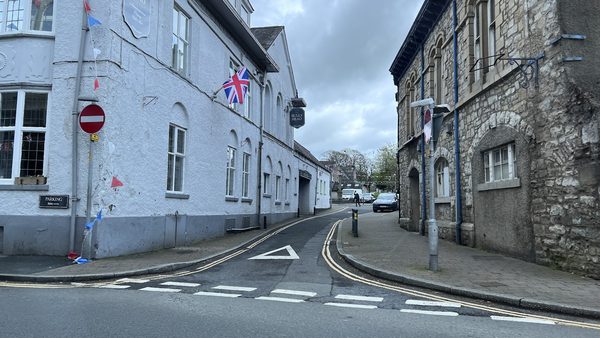
The Bulls Head
5 Beetham Road, Milnthorpe
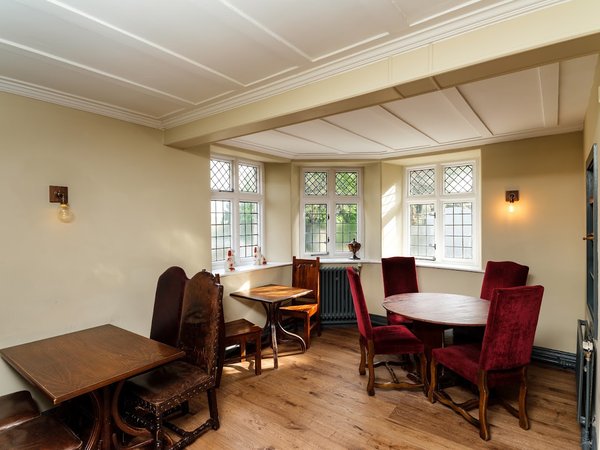
The Wheatsheaf at Beetham
Beetham, Milnthorpe
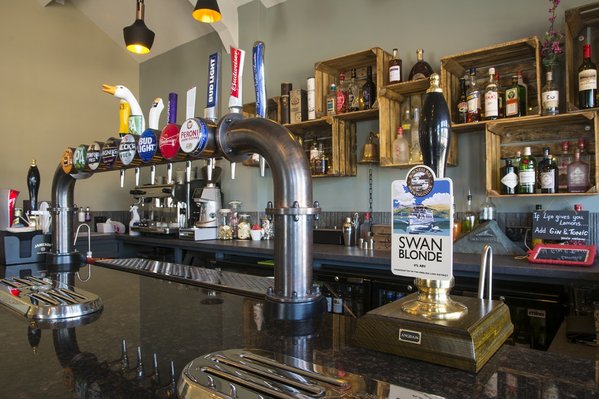
The Tavern at Hale
Hale, Milnthorpe
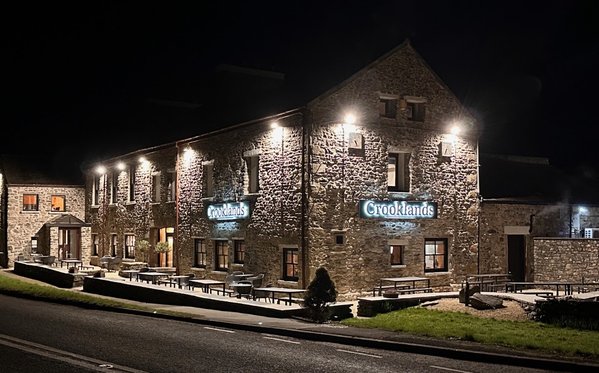
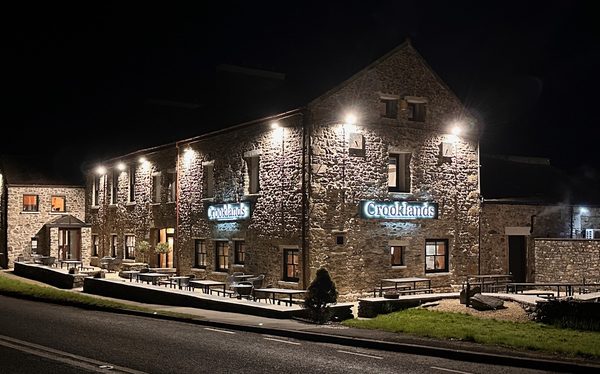
Crooklands Hotel
Crooklands Hotel, Crooklands
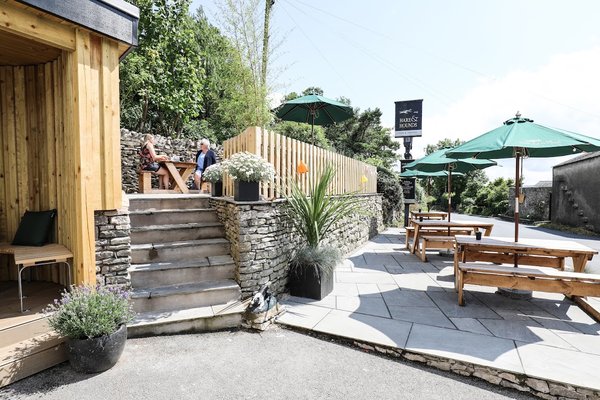
The Hare and Hounds Levens
Church Rd, Kendal
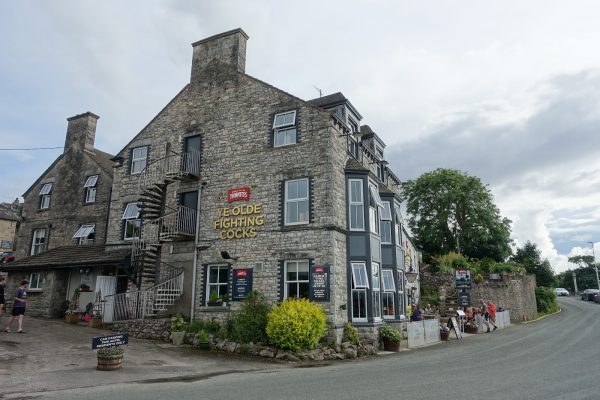
Ye Olde Fighting Cocks
The Promenade, Arnside
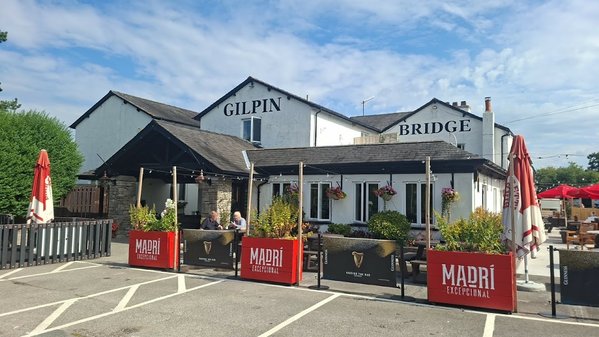
Gilpin Bridge Inn
Bridge End, Kendal
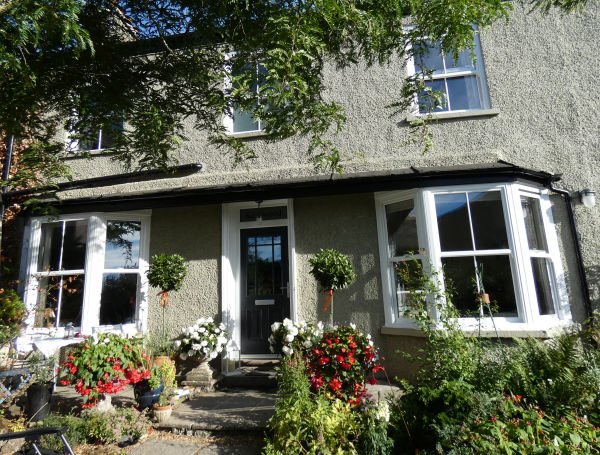
Kentwood
1 Church Hill, Arnside
Things to Do in Milnthorpe(2)
All attractions in Milnthorpe →Top things to do in Milnthorpe
Milnthorpe makes a compact, easy base for exploring the southern Lakes and the Arnside and Silverdale AONB without ever touching the busier honeypots further north. Highlights within a short drive include:
- The Market Square and Market Cross — the historic heart of the town, with its 17th-century cross, Georgian frontages and weekly market that has run in some form since 1334.
- St Thomas' Church — the parish church overlooking the Market Square, a quiet spot to pause on a walk around the town centre.
- Levens Hall — an Elizabethan house built around a 13th-century pele tower, a couple of miles north-east, famous for its topiary garden laid out in the 1690s and reckoned to be the oldest of its kind in the world.
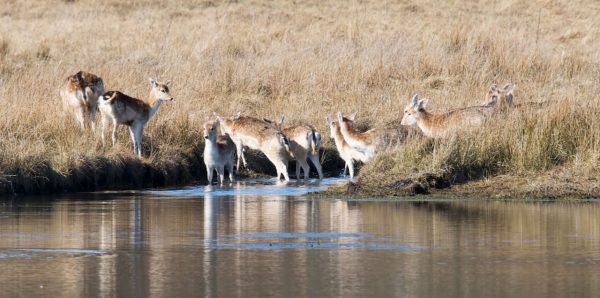
- Dallam Tower and Deer Park — a Grade I listed country house just outside the town, incorporating an earlier pele tower, with parkland grazed by fallow deer running down towards the Kent estuary.
- Heron Corn Mill — a working 18th-century water mill on the River Bela at Beetham, where visitors can see flour milled using the original waterwheel and machinery.
- Arnside and the Kent estuary — a short drive west, the village of Arnside sits where the River Kent meets Morecambe Bay, with the Arnside Knott viewpoint and miles of AONB coastline and woodland to explore.
- Fell End Nature Reserve — a limestone reserve close to the town with paths through woodland and grassland that attract a good range of birds and roe deer.

Where to Eat in Milnthorpe(9)
All restaurants in Milnthorpe →Food and drink in Milnthorpe
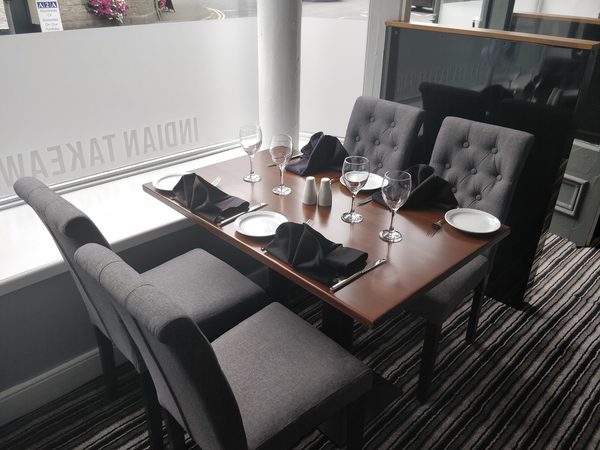
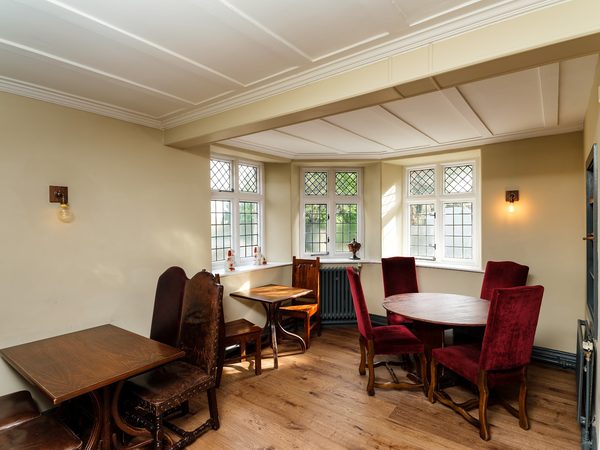
The Cross Keys Hotel on the Market Square is a long-standing coaching inn serving cask ales, while the Bulls Head, a traditional two-room local, offers pub food, real ale and letting rooms of its own. The town's takeaways and cafes cluster around the Market Square, and the weekly market brings local produce into the centre. For something more special, the surrounding villages hold a scattering of country pubs and restaurants making the most of Cumbrian produce, damsons from the Lyth Valley among them.

Attractions Near Milnthorpe
All attractions in Milnthorpe →Worth the trip — within 50 miles of Milnthorpe.
 4 mi
4 mi
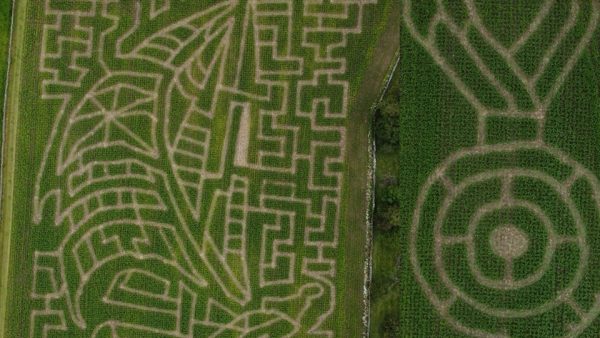
Lakeland Maze Farm Park
Kendal · ⭐ 4.7
 4 mi
4 mi
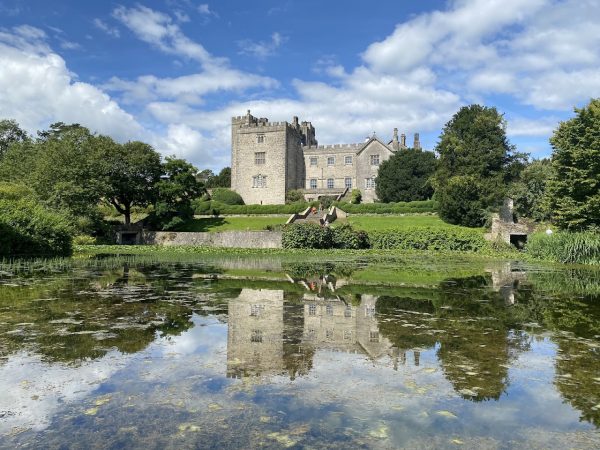
Sizergh Castle - National Trust
Kendal · ⭐ 4.6
 4 mi
4 mi
Curious About Kendal
Kendal · ⭐ 4.7
 4 mi
4 mi
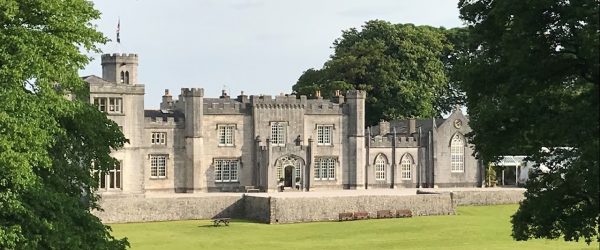
Leighton Hall
Carnforth · ⭐ 4.6
 5 mi
5 mi
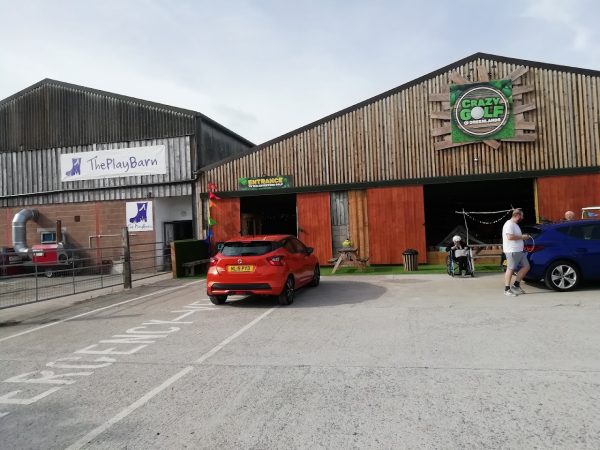
Greenlands Farm Village
Carnforth · ⭐ 4.3
 6 mi
6 mi
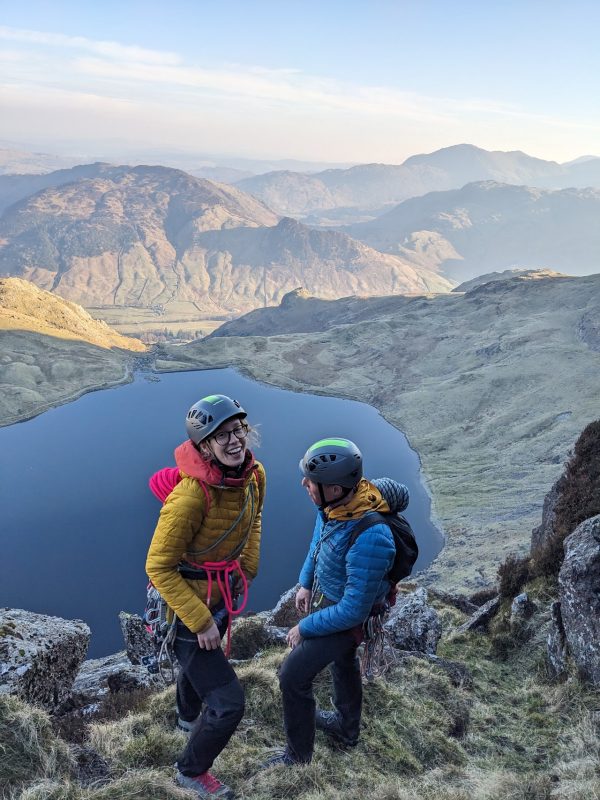
Climb 365
Lake District · ⭐ 4.9
Predator Experience
Lake District · ⭐ 4.9
 7 mi
7 mi
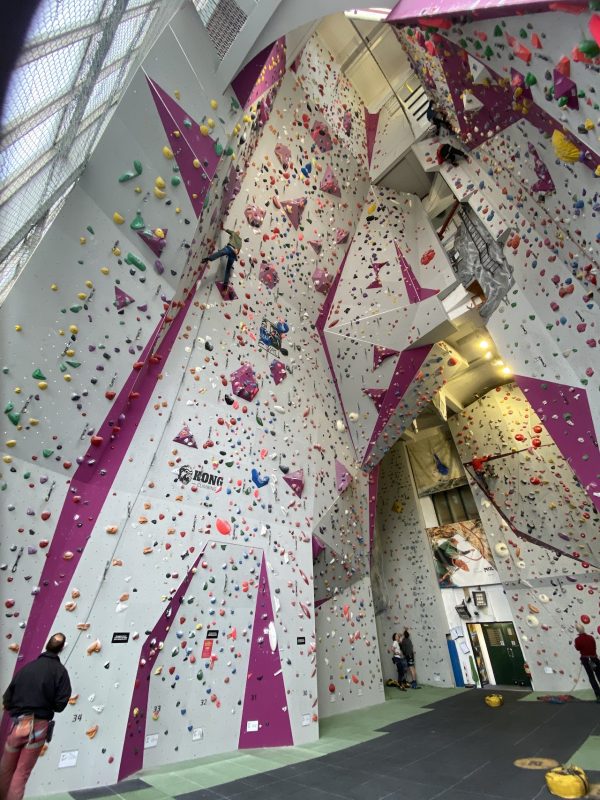
Lakeland Climbing Centre
Kendal · ⭐ 4.9
Camping in Milnthorpe(3)
All campsites in Milnthorpe →About camping in Milnthorpe
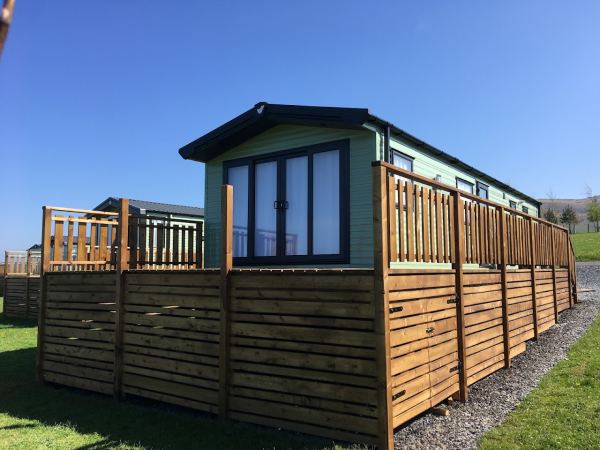
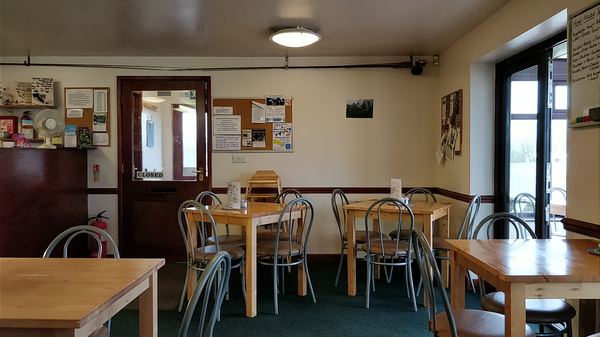
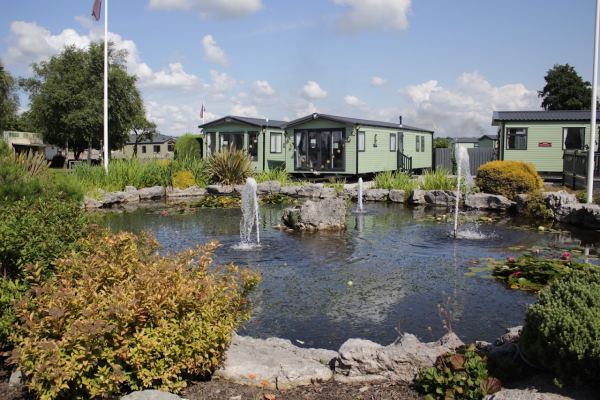
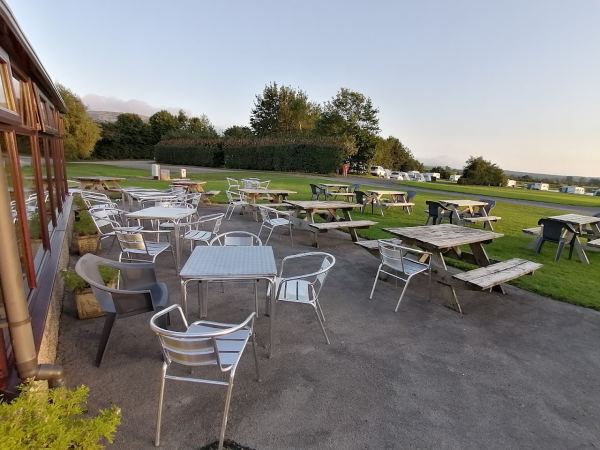
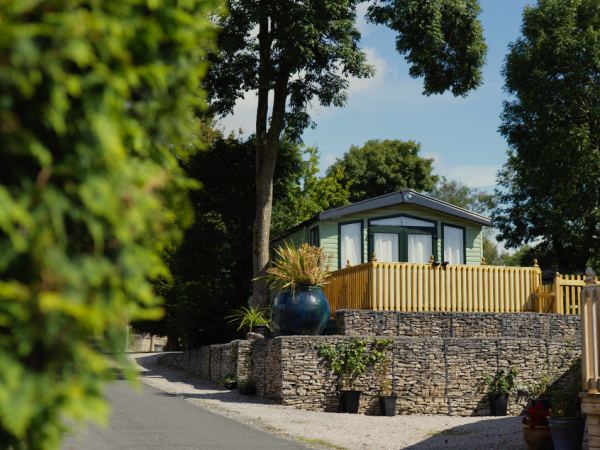
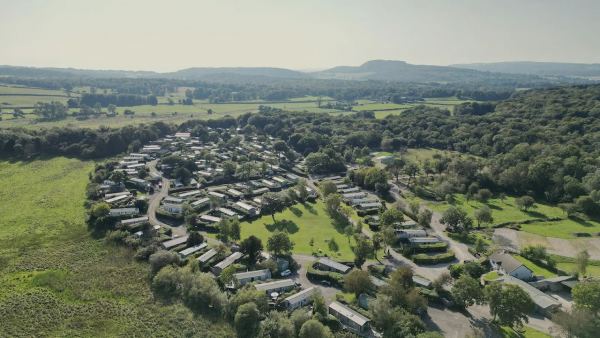
Milnthorpe sits at the point where the limestone hills of the Arnside and Silverdale AONB meet the tidal sands of Morecambe Bay, and that mix of terrain shapes the camping on offer nearby: small, sheltered sites tucked into farmland and woodland rather than sprawling holiday parks. As with anywhere else in England, wild camping is illegal without the landowner's permission, so visitors should stick to licensed campsites, caravan parks and the handful of certified sites run by the Camping and Caravanning Club and the Caravan and Motorhome Club in the surrounding villages of Beetham, Sandside and Levens.
The limestone landscape around Milnthorpe drains quickly, which makes for firmer, drier pitches than the boggier fells further north, though low-lying ground near the Kent and Bela estuaries can still be damp after heavy rain, so it is worth checking a site's exact position before booking. Spring through early autumn is the most reliable stretch for tent camping, with April to June often giving the driest, sunniest conditions and the best chance of seeing the AONB's bluebell woods and limestone grassland flora at their peak; high summer is busier and warmer but shares the crowds drawn to the wider Lake District, while sites nearer the coast can catch a stiff breeze off Morecambe Bay even in good weather.
For those wanting more comfort than a tent, glamping options in the area range from shepherd's huts and safari tents to static pods, several of them on working farms within a few miles of Milnthorpe, giving views over the Lyth Valley or out towards the fells of the southern Lakes. These tend to book up fastest for the summer holidays and any site with sea or estuary views, so reserving well ahead is sensible. Whichever way visitors choose to camp, the reward is a base within easy striking distance of Levens Hall, Sizergh Castle, the RSPB reserves around Leighton Moss, and the walking routes across Arnside Knott and the Kent estuary sands, all without the busier campsites and premium prices found deeper inside the National Park.
Self-Catering Cottages in Milnthorpe
All cottages in Milnthorpe →Rose Garden Cottage
3 bed · sleeps 5 · from £707
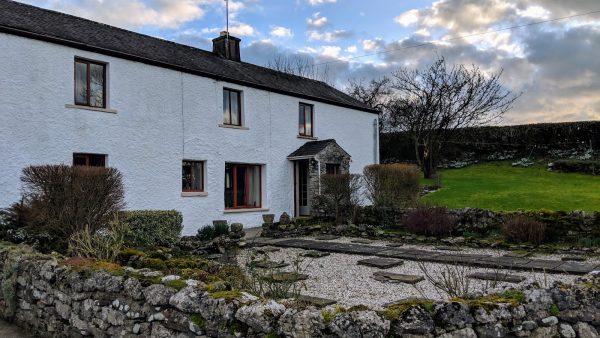
Kiln Green Farmhouse
3 bed · sleeps 7 · from £497
Dunlin Haven
3 bed · sleeps 6 · from £527
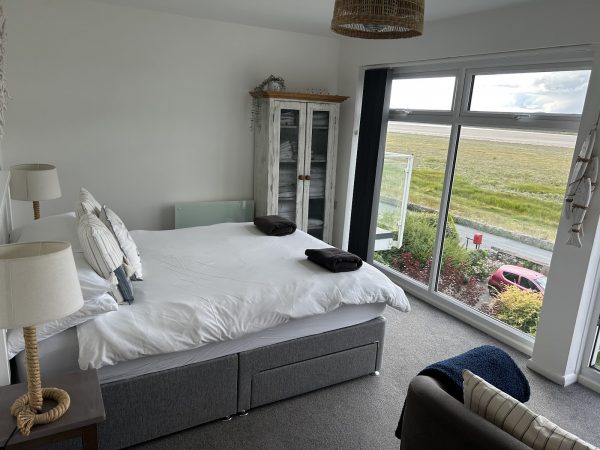
Watersedge Retreat
2 bed · sleeps 4 · from £681
The Cottage at Breeze Hill
2 bed · sleeps 4 · from £493
Milo’s Retreat
1 bed · sleeps 2 · from £523
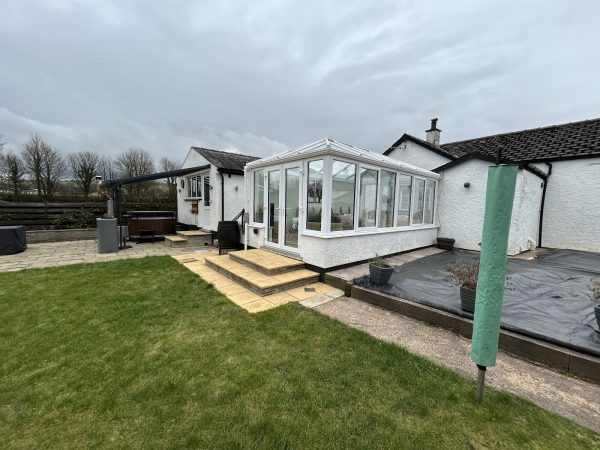
Hillview
2 bed · sleeps 4
The Old Farm House
3 bed · sleeps 6 · from £811
Common questions about Milnthorpe
How many campsites are there in Milnthorpe?
We list 3 campsites in and around Milnthorpe, of which 3 take tents and 2 offer glamping.
Are there dog-friendly campsites in Milnthorpe?
Yes — 2 of the 3 campsites we list in Milnthorpe accept dogs, including Hall More Holiday Park and Fell End Holiday Park.
Which campsites in Milnthorpe have electric hook-up?
3 of the 3 campsites we list in Milnthorpe offer an electric hook-up.
Where can I stay in Milnthorpe?
We list 3 hotels, B&Bs and guest houses in and around Milnthorpe.
What is there to do in Milnthorpe?
We list 2 attractions and things to do in and around Milnthorpe.
Where can I eat in Milnthorpe?
We list 9 restaurants, pubs and cafes in and around Milnthorpe.