Pwllheli
Wales's sailing capital, with wild coves and mountains for a backdrop
Pwllheli sits where the Llŷn Peninsula's south coast bends into Cardigan Bay, a market town that has been the peninsula's hub since it got its charter in the 13th century, long before anyone came here for the beaches. The name means 'salt-water pool', a nod to the tidal harbour around which the old town grew, and it still feels like a working place first and a resort second: a Wednesday and Sunday market fills the high street, fishing boats and yachts share the same stretch of water, and the shopfronts are Welsh-first rather than souvenir-first. That's part of the appeal. This is a proper Gwynedd town, not a themed seaside strip.
What changed Pwllheli's fortunes was the marina, built out from the old harbour in the 1990s and now one of the busiest on the Welsh coast with around 400 berths and the Welsh National Sailing Academy, Plas Heli, based on site. Sailing club races here draw national and international fleets, and on a breezy afternoon the bay is dotted with dinghies and yachts against a backdrop of Cardigan Bay and, on a clear day, the mountains of Snowdonia rising inland. South Beach runs the length of the promenade in shingle and sand, while Glan-y-Môr, tucked behind the marina, is sheltered and sandy enough for small children to potter about without a battle against the wind.
Beyond the town, Pwllheli is really the gateway to the rest of the Llŷn: Abersoch's beach clubs and boat trips lie fifteen minutes down the coast, Nefyn and Porth Dinllaen sit across the peninsula on the north shore, and the whole coastline is stitched together by the Llŷn Coastal Path, part of the Wales Coast Path. It's a base for people who want a genuine Welsh town with its own identity, rather than a purpose-built resort, but who still want the Llŷn's beaches within a short drive.
Getting to Pwllheli
Pwllheli sits at the northern terminus of the Cambrian Coast line, run by Transport for Wales, with trains south along the coast to Harlech, Barmouth and on to Machynlleth, where you change for Shrewsbury and onward connections into England. It's a single-platform terminus station with parking for around 57 cars, so don't expect a big interchange, but the line itself is one of the more scenic in Britain, hugging estuaries and dunes most of the way.
By road, the town is reached along the A499, the peninsula's main artery, which runs from the A487 near Caernarfon down the north coast before curling south to Pwllheli and on to Abersoch. From Chester and the motorway network it's around 80 miles and just under two hours via the A55 to Bangor, then the A487/A499 down the peninsula. From Bangor itself it's about 45 minutes. There's no dual carriageway once you're on the peninsula, so summer Saturdays in particular can mean slow-moving traffic through Pwllheli's centre and on into Abersoch. Cardiff Airport and Liverpool John Lennon are the nearest with regular flights, both roughly two and a half to three hours' drive; Anglesey's small airport at Valley has limited scheduled links. Parking in town is metered but manageable outside peak season; the marina and seafront car parks fill first on hot days.
Best time to visit Pwllheli
Summer, from late June through August, is when Pwllheli and the peninsula are at their best and busiest — sailing regattas fill the marina, the beaches are at their warmest for swimming, and Abersoch in particular gets lively with a young, boat-owning crowd. Book accommodation well ahead for July and August, especially around regatta weekends. Spring, from April to early June, brings quieter beaches, lower prices, and reliably good light for walking the coastal path, though the sea stays cold well into the season. Autumn, especially September, is a genuine sweet spot: the water has warmed up over summer, crowds thin out sharply after the school holidays, and the Llŷn's hedgerows and headlands turn a rich gold. Winter is properly quiet — many seasonal cafés and some restaurants close, Atlantic weather rolls in off Cardigan Bay with real force, and this becomes a place for bracing walks and log fires rather than beach days, though storm-watching from the promenade has its own appeal.
Where to stay in Pwllheli(9)
All hotels in Pwllheli →About staying in Pwllheli
Pwllheli itself has a modest spread of hotels and B&Bs rather than a big resort-style selection, which suits travellers who want a proper working Welsh town as their base — supermarket, train station, market days and pubs within walking distance — rather than a purpose-built holiday strip. Rooms here are usually the most affordable on this stretch of the Llŷn, with a comfortable double running £80–£130 a night in peak summer and noticeably less outside July and August; it's a sensible choice for couples touring the peninsula by car or arriving by train who don't need to be right on a beach.
For a livelier, beach-first stay, Abersoch a short drive south has the area's smarter self-catering cottages and a few boutique pub-with-rooms options, popular with families and groups chasing watersports and beach-club evenings — but expect a real summer premium and book months ahead for August weekends, since demand here is driven by a loyal repeat crowd rather than passing tourist traffic. Llanbedrog and Nefyn offer a quieter middle ground: traditional Llŷn villages with their own beaches, close enough to Pwllheli for shops and the station, and generally easier to book at short notice than Abersoch.
Practical considerations matter more here than in a big resort town. Parking is metered in central Pwllheli and fills up on market days and hot weekends, so check whether your accommodation includes off-street parking. Many smaller B&Bs and cottages on the peninsula are dog-friendly, reflecting the area's walking-and-sailing crowd, but always confirm before booking. Outside the core summer season, several cafés, some restaurants and a handful of smaller guesthouses close or reduce hours, so it's worth checking opening times directly if you're visiting in winter. As a rule, book summer stays as early as possible — this coast has strong repeat custom — while spring and autumn trips can usually be arranged with just a few weeks' notice and often reward you with quieter beaches and better prices.
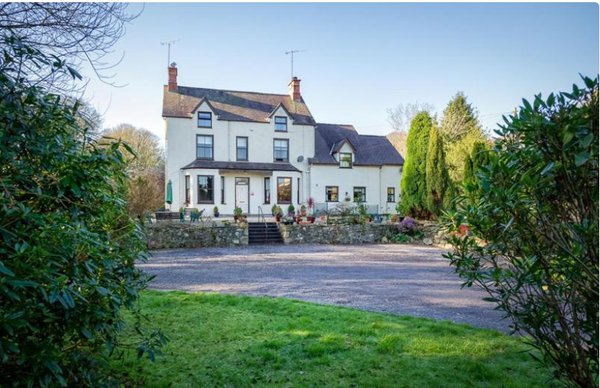
Craig Y Glyn
Abersoch Road, Pwllheli
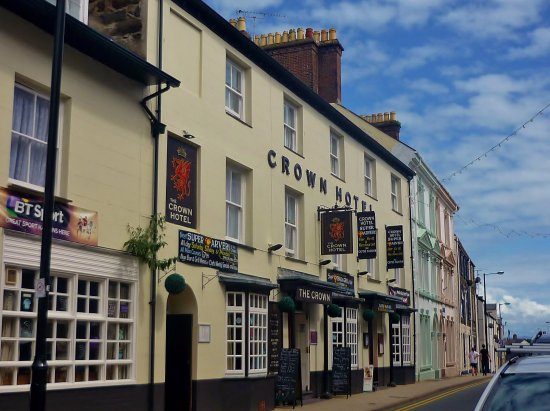
Crown Hotel
37 High Street, Pwllheli
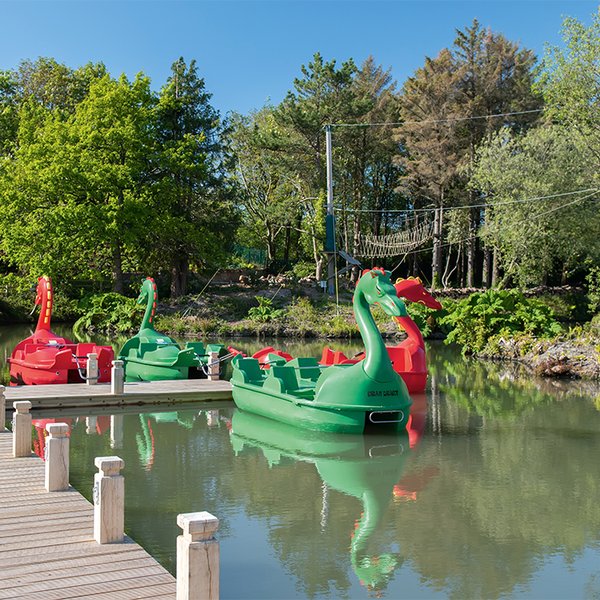
Haven Hafan y Mor Holiday Park
Hafan Y Mor Holiday Park, Pwllheli
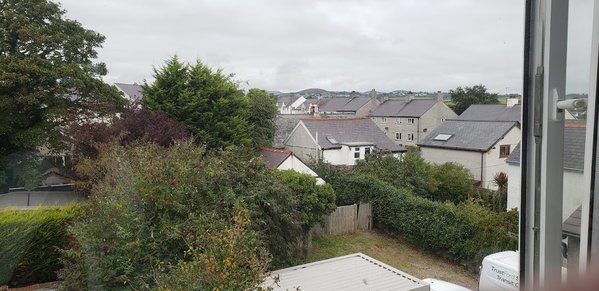
The Egryn Abersoch LLP
Lon Sarn Bach, Pwllheli
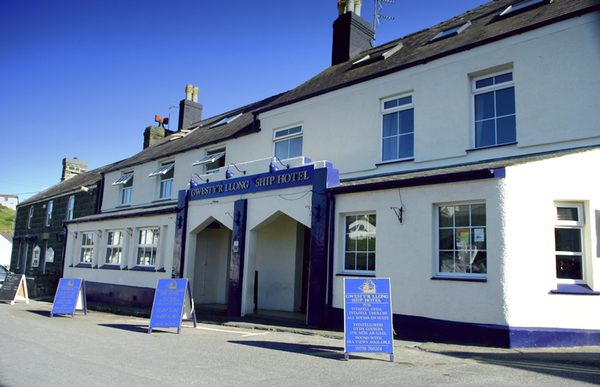
The Ship Hotel
Aberdaron, Pwllheli
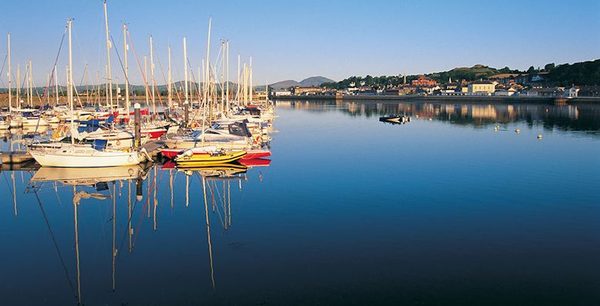
The Victoria Hotel
Embankment Road, Pwllheli
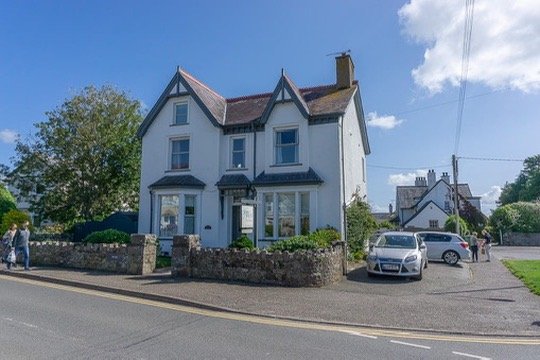
The Wylfa
Lon Sarn Bach, Pwllheli
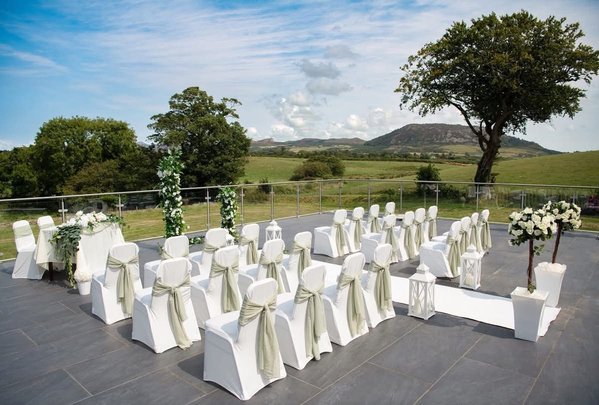
Woodlands Hall Hotel
Edern, Pwllheli
Things to Do in Pwllheli(7)
All attractions in Pwllheli →Top things to do in Pwllheli
The town itself is compact, but the surrounding coastline is where most days out happen.
- Pwllheli Marina — around 400 berths, a sailing school and the Welsh National Sailing Academy, Plas Heli, with a café-bar looking out over the water; a good spot to watch the fleets go out even if you're not on a boat.
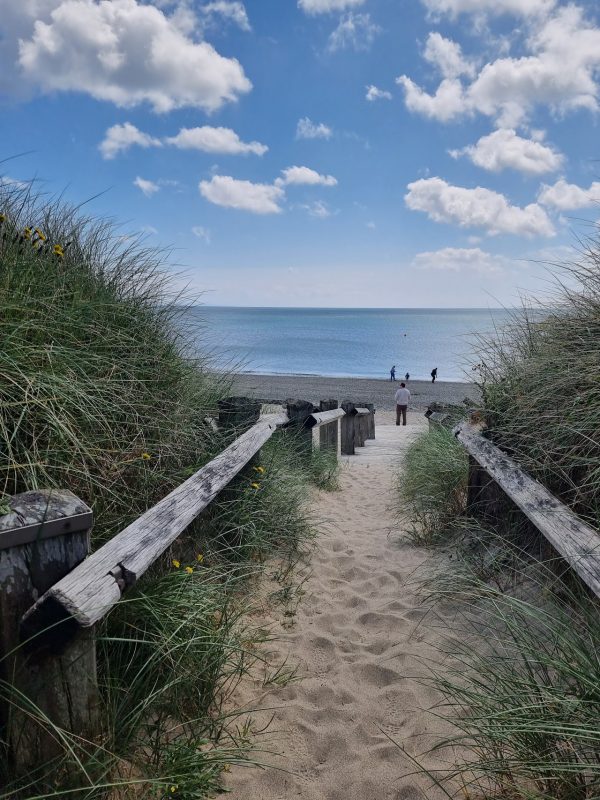
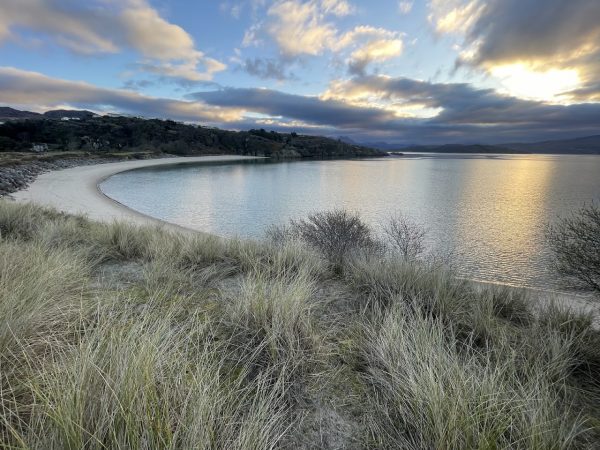
- South Beach and the promenade — a long stretch of shingle and sand running the length of the seafront, with a play area and skate park, and views across the bay towards Harlech and the Snowdonia hills.
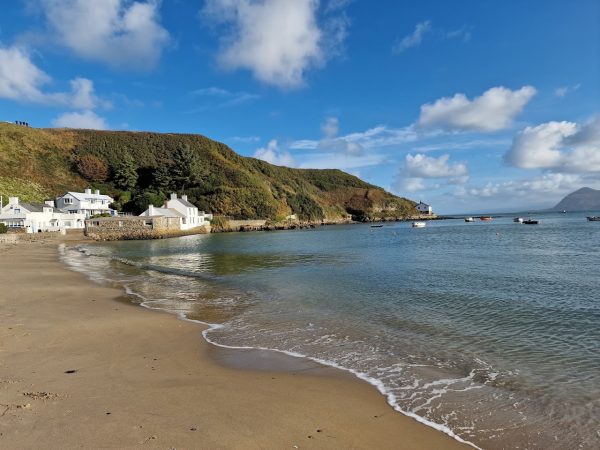
- Glan-y-Môr Beach — the sheltered, sandier beach behind the marina wall, better suited to families with younger children than the more open South Beach.
- Abersoch — roughly fifteen minutes down the A499, a genuinely smart little sailing village with a Blue Flag beach, watersports schools, and boat trips out to St Tudwal's Islands to see grey seals and, in summer, bottlenose dolphins.
- Porth Dinllaen — a tiny cove hamlet on the north coast reachable only on foot across Nefyn & District Golf Club; the Ty Coch Inn on the beach has been rated among the best beach bars in the world and is worth the twenty-minute walk in.
- Whistling Sands (Porthor) — a National Trust beach further west, named for the squeak the sand makes underfoot; quieter than Abersoch, with a small café by the car park.
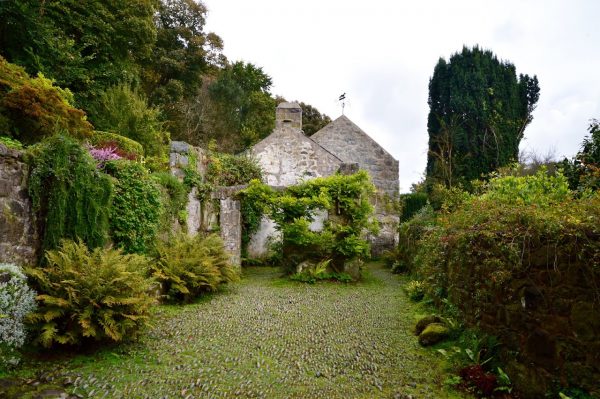
- Plas Glyn-y-Weddw — a Grade II-listed Victorian Gothic mansion turned art gallery at Llanbedrog, a short walk above its own colourful beach huts and beach.
- Llŷn Coastal Path — the section of the Wales Coast Path around Pwllheli threads clifftop and cove all the way to Aberdaron, with some of the best short walking stretches near Llanbedrog headland.
- Pwllheli market — an outdoor market on Wednesdays and Sundays on the high street, worth timing a visit around for local produce and a proper town-day atmosphere.
Where to Eat in Pwllheli
All restaurants in Pwllheli →Food and drink in Pwllheli
Pwllheli's food scene runs on fresh Welsh produce rather than tourist-trap seafood shacks. The Pen Cob, a Wetherspoon housed in a striking building on the seafront, is a reliable, inexpensive option with a view over the bay. Whitehall, a family-run gastro pub in the town centre, uses locally sourced Welsh meat and produce for its lunch, evening and Sunday roast menus and is popular with locals as much as visitors. Down on the harbourside, Venu makes the most of its waterside spot for a more relaxed bar-and-restaurant evening. For something more special, Trefan Hall near Llanbedrog serves modern British food with Snowdonia and headland views, and Plas Glyn-y-Weddw's tea room does a good line in cakes and light lunches inside its Victorian mansion setting.
Out towards Llanbedrog, the Glyn Y Weddw Arms (locally, 'The Glynny') is known across the peninsula for its Sunday carvery. And no visit to this stretch of coast is complete without the walk to the Ty Coch Inn at Porth Dinllaen, a beachside pub reachable only on foot that regularly features in lists of the world's best beach bars — arrive by late afternoon in summer if you want a table outside. Pwllheli's own Wednesday and Sunday market is the place to pick up Welsh cheeses, cakes and local produce, and the town's chippies and cafés do a solid, unfussy line in fish and chips best eaten on the harbour wall.
Attractions Near Pwllheli
All attractions in Pwllheli →Worth the trip — within 50 miles of Pwllheli.
Llanbedrog Beach
Llanbedrog · ⭐ 4.7
Abersoch Beach
Abersoch · ⭐ 4.7
 6 mi
6 mi
Dwyfor Ranch Rabbit Farm
Criccieth · ⭐ 4.5
Criccieth Beach
Criccieth · ⭐ 4.6
 10 mi
10 mi
Morfa Bychan Beach
Porthmadog · ⭐ 4.5
 11 mi
11 mi
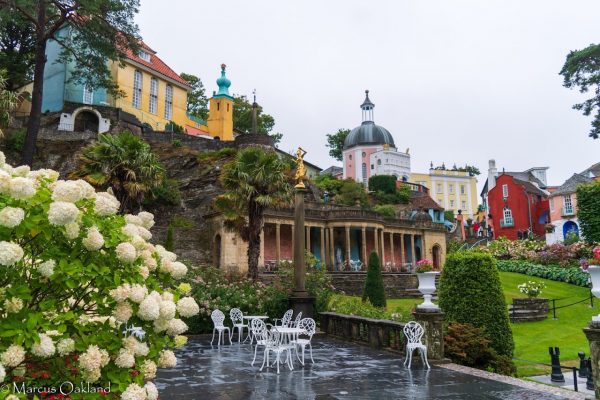
Portmeirion
Porthmadog · ⭐ 4.3
 12 mi
12 mi
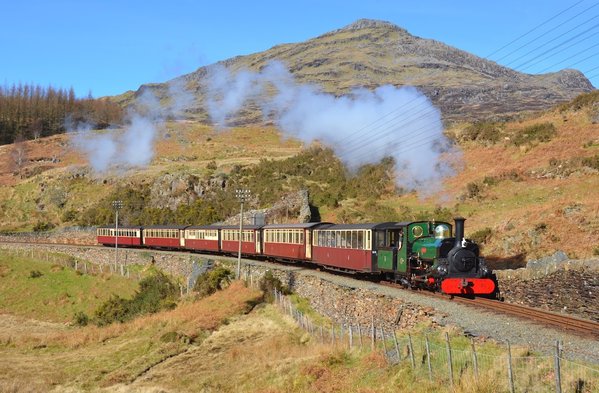
Ffestiniog & Welsh Highland Railway
Porthmadog · ⭐ 4.7
Harlech Beach
Harlech · ⭐ 4.8
Camping in Pwllheli(64)
All campsites in Pwllheli →About camping in Pwllheli
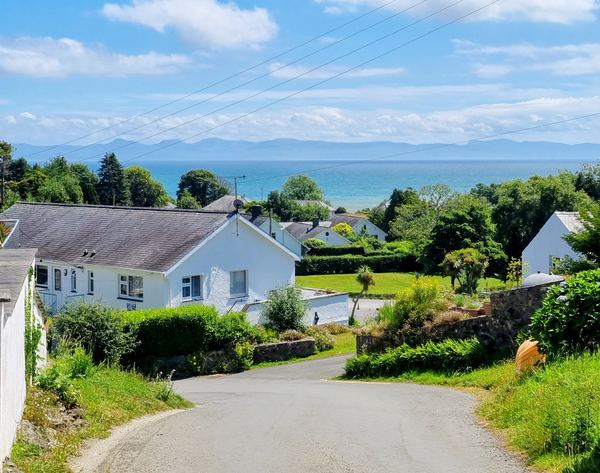
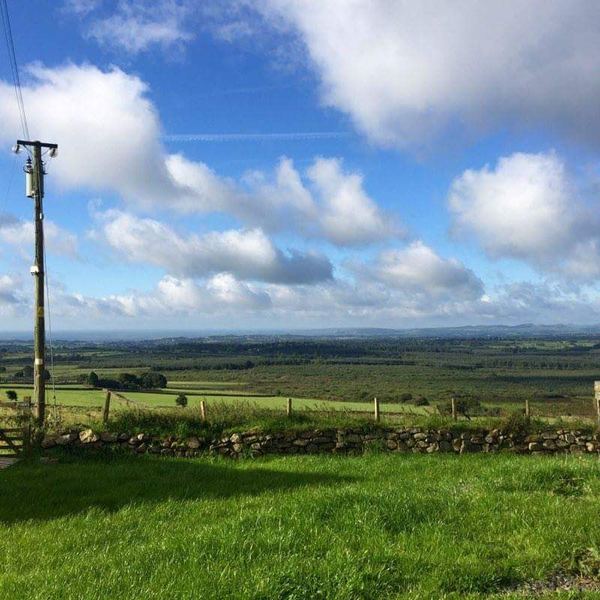
Camping around Pwllheli means coastal Llŷn conditions: mild but changeable, with weather rolling in fast off Cardigan Bay and the Irish Sea. The ground on established sites tends to be well-drained grassland set back from the coast, but low-lying pitches near the marshier ground around the estuary can get soft after heavy rain, so it's worth checking site drainage before booking if you're pitching a heavier tent or towing. Wild camping is illegal in Wales without the landowner's explicit permission — unlike parts of Scotland, there's no general right to pitch up on open land here, and Llŷn's farmland and National Trust headlands are actively managed, so stick to licensed sites unless you've secured permission directly.
The best window for camping is late spring through early autumn, roughly May to September, when overnight temperatures are bearable in a tent and the exposed, breezy character of this coast is an asset rather than a misery — Pwllheli's position on the water means the wind that makes the marina a sailing hotspot can make an exposed pitch genuinely uncomfortable outside the warmer months. July and August bring the most reliable weather but also the biggest crowds and the highest prices; June and September often give you a better balance, with lighter evenings, thinner crowds, and campsites that still have a full run of facilities open.
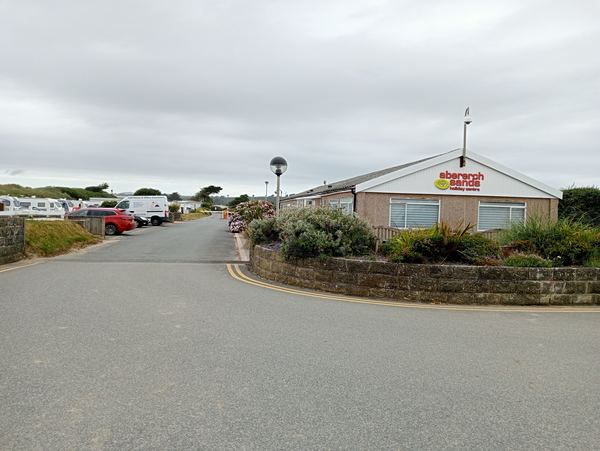
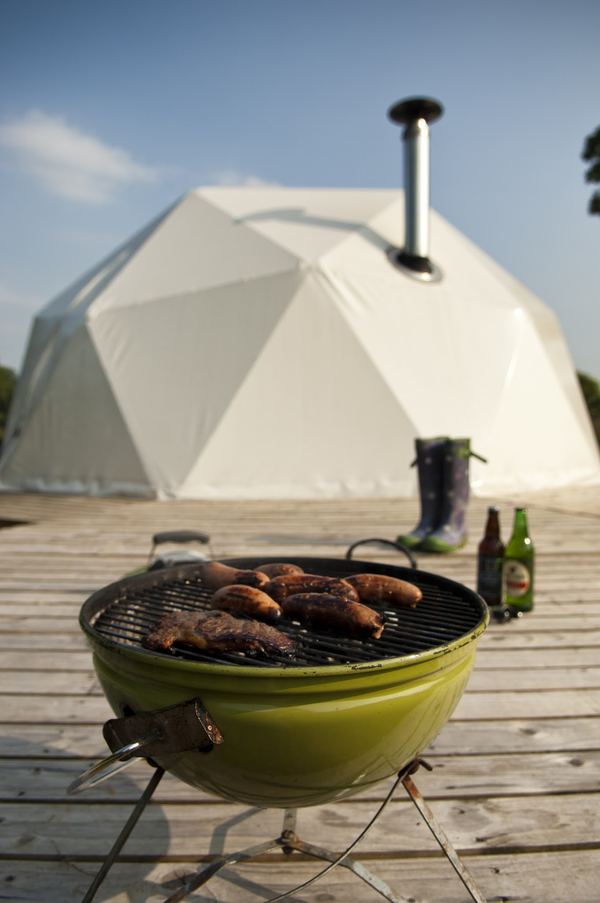
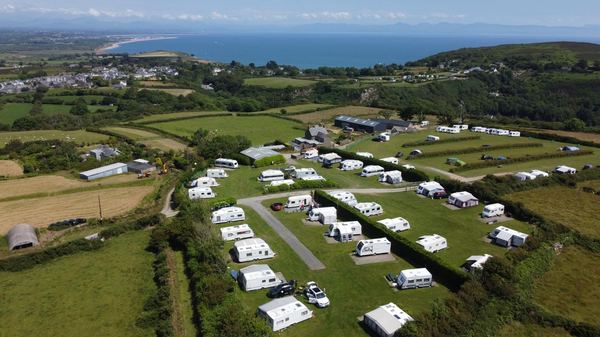
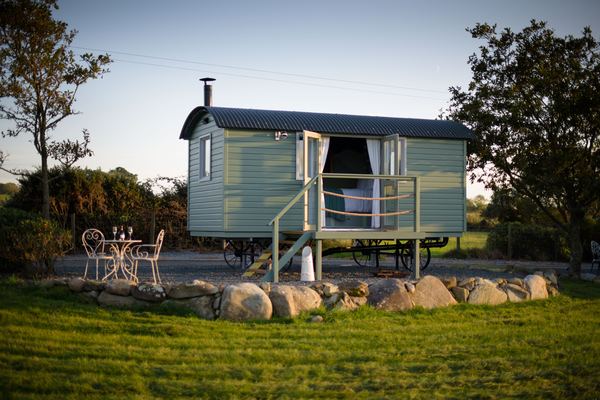
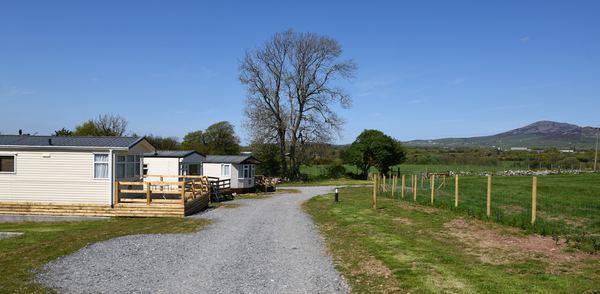
Sites near Pwllheli itself, such as Llwyn Ffynnon Caravan Park a few minutes from town, offer level, serviced pitches with electric hookup and are within easy reach of both the beach and Abersoch, fifteen minutes further down the coast — a practical base if you want camping without being miles from a supermarket or pub. Further out towards Abersoch, Nefyn and the western Llŷn, smaller family-run sites tend to be more basic but come with better sea views and a genuinely rural, unhurried feel. Glamping has grown fast on this peninsula in the last few years, with shepherd's huts, converted horseboxes and safari-style pods increasingly available, some with hot tubs and dog-friendly policies, aimed at couples and families who want the coastal setting without the tent-pitching. Whichever kind of pitch you're after, book ahead for July and August — the best small sites here fill early, driven by a loyal return crowd of sailors and Llŷn regulars — while spring and autumn generally leave more room to book at short notice, alongside a real chance of a good, uncrowded stretch of weather.
Self-Catering Cottages in Pwllheli
All cottages in Pwllheli →Seaborne Cottage
2 bed · sleeps 4 · from £373
Peace Retreats
6 bed · sleeps 11 · from £1,980
Glan-Mor
1 bed · sleeps 3 · from £253
Awelfryn
3 bed · sleeps 6 · from £557
Maes Teg
3 bed · sleeps 6 · from £817
Bryn Hudol
3 bed · sleeps 6 · from £367
Plas Bodegroes
10 bed · sleeps 20 · from £5,173
Moss Efailnewydd
10 bed · sleeps 20 · from £5,595
Common questions about Pwllheli
How many campsites are there in Pwllheli?
We list 64 campsites in and around Pwllheli, of which 61 take tents and 19 offer glamping.
Are there dog-friendly campsites in Pwllheli?
Yes — 17 of the 64 campsites we list in Pwllheli accept dogs, including Pencaerau Pods and Fron Deg Certificated Location.
Which campsites in Pwllheli have electric hook-up?
22 of the 64 campsites we list in Pwllheli offer an electric hook-up.
Where can I stay in Pwllheli?
We list 9 hotels, B&Bs and guest houses in and around Pwllheli.
What is there to do in Pwllheli?
We list 7 attractions and things to do in and around Pwllheli.