Suffolk
Shingle beaches, wool towns and Anglo-Saxon treasure
Photo © Rob Fuller, Google Maps
Suffolk sits on the eastern bulge of England, bordered by Norfolk to the north, Essex to the south and the North Sea along its entire eastern edge. It is a low county. Nothing here rises much above 120 metres, and the effect of that flatness is a sky that dominates everything: the same enormous, shifting light that Constable and Gainsborough spent their careers trying to pin down. Both were Suffolk men, and the stretch of the Stour valley they painted is still recognisable today.
The county divides roughly into three. The coast runs about 50 miles from Felixstowe up to Lowestoft, and it is not a coast of cliffs and coves but of shingle banks, reedbeds, tidal creeks and slowly vanishing land. Erosion has eaten whole settlements here; Dunwich was once a substantial medieval port and is now a hamlet with a beach cafe. Inland to the west lie the wool towns, prosperous in the 14th and 15th centuries and then economically frozen for four hundred years, which is precisely why so much of their timber-framed architecture survives. Between the two sits farmland, market towns and the sandy heath and pine of the Brecks along the Norfolk border.
What Suffolk does not have is drama in the mountainous sense, and visitors who arrive expecting it will be disappointed. What it has instead is space, quiet, some of the best birdwatching in Britain, a genuinely serious food culture and a coastline that in October, with the light going gold over the marshes at Snape, is as good as anywhere in England.
Getting to Suffolk
By rail, the main line runs from London Liverpool Street to Ipswich, the county's largest town. Fast services do it in around 56 minutes and the average journey is closer to an hour and a quarter, with up to three trains an hour on weekdays. Advance fares start around £13 one way. From Ipswich, branch lines fan out: the East Suffolk line runs north through Woodbridge, Saxmundham and Beccles to Lowestoft, and a separate branch reaches Felixstowe. For Bury St Edmunds and the west of the county, trains run from Ipswich or across from Cambridge.
Rail does not reach Southwold, Aldeburgh, Orford or Lavenham. For those you need a bus connection from the nearest station or, realistically, a car.
By road, the A12 is the main artery from London and the M25, running up through Colchester into Ipswich and then on towards Lowestoft. Expect roughly two hours from north-east London to Ipswich in clear conditions, considerably more on a Friday afternoon in summer. The A14 crosses the county east to west, linking the Midlands and Cambridge to Bury St Edmunds, Ipswich and the container port at Felixstowe, and it carries heavy lorry traffic. Coastal roads beyond the A12 are narrow and slow.
Parking in Southwold and Aldeburgh is the main summer headache. Both towns have pay-and-display car parks that fill by mid-morning in August; arriving before 10am or after 4pm makes a real difference. Woodbridge, Bury St Edmunds and Framlingham are easier.
Stansted is the nearest major airport, around an hour and a half by road to Ipswich. Norwich International is closer to the north of the county and handles domestic and some European routes.
Best time to visit Suffolk
Spring is arguably the county's strongest season. April and May bring nightingales and returning migrants to Minsmere, blossom in the Stour valley orchards and the wool towns at their emptiest. Temperatures are modest, often 12 to 16 degrees, and the wind off the North Sea can still bite, but the light is clear and accommodation is much easier to book.
Summer is warm rather than hot. July and August average around 20 to 21 degrees on the coast, which is comfortable for beach days without being oppressive. This is festival season: the Aldeburgh Festival in June, Latitude at Henham Park near Southwold in July, the free First Light Festival on Lowestoft beach, Southwold Arts Festival and the Felixstowe Book Festival. It is also the busiest and most expensive period, with the school holidays filling every coastal car park and cottage.
Autumn is the season locals recommend. The sea holds its summer warmth well into September, the shingle at Aldeburgh clears of crowds by mid-morning, and the marshes at Snape and Orford turn russet. October light across the reedbeds is exceptional, and restaurant tables become bookable again at short notice.
Winter is bracing and honest about it. The coast takes the full force of easterly wind and there is nothing between Southwold and Denmark to slow it down. But pubs light fires, the beaches are empty, and huge flocks of wintering wildfowl arrive on the estuaries. Some smaller attractions and cafes close or drop to weekend opening, so check before travelling.
Where to go
Popular destinations in Suffolk
About Suffolk’s towns and villages
Suffolk's coastline draws much of the attention, and rightly so. Aldeburgh offers shingle beaches and fresh fish stalls, while Southwold retains a genteel charm with its pier and colourful beach huts. Felixstowe combines a working port with traditional seafront gardens, and Lowestoft, England's most easterly town, mixes maritime history with wide sandy beaches. Inland, Woodbridge sits prettily on the River Deben, known for its tide mill and sailing scene, while Beccles offers similar riverside appeal further south on the Waveney.
For market town life, Bury St Edmunds is the county's cultural hub, with its abbey ruins, Georgian theatre and busy shopping streets. Ipswich, the county town, brings a livelier urban pace and a historic waterfront. Smaller towns such as Halesworth, Sudbury, Stowmarket and Haverhill suit those wanting quieter bases, each offering local markets and easy access to Suffolk's rolling countryside.
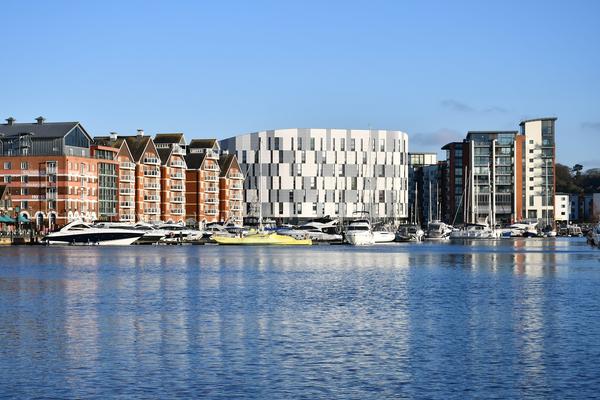
Ipswich
34 stays · 1 cottages · 10 campsites
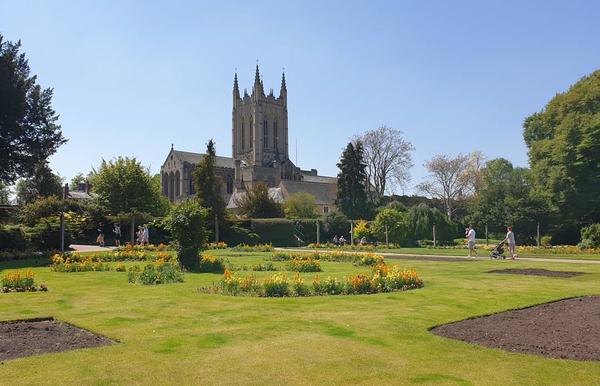
Bury St Edmunds
20 stays · 14 campsites · 8 things to do
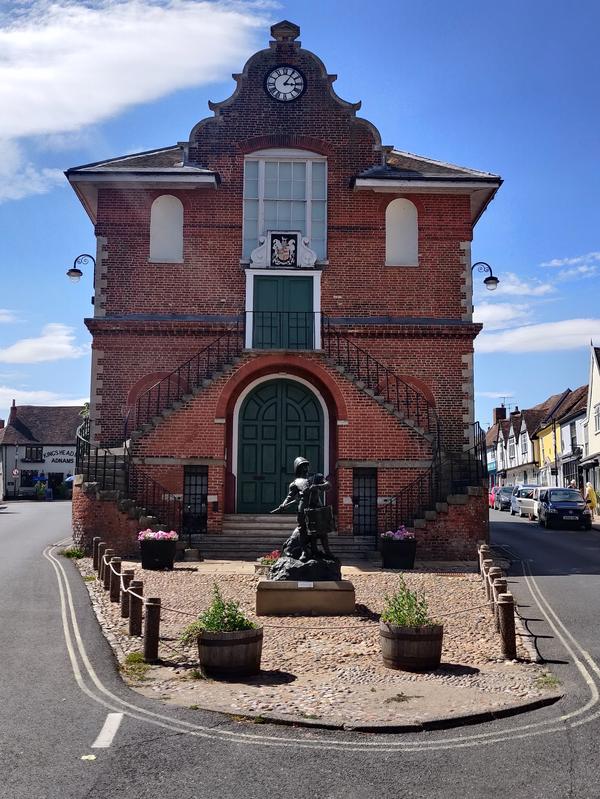
Woodbridge
12 stays · 10 campsites · 9 things to do
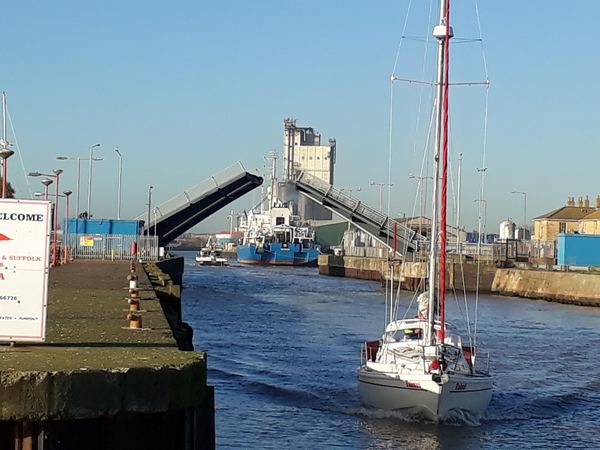
Lowestoft
25 stays · 6 things to do
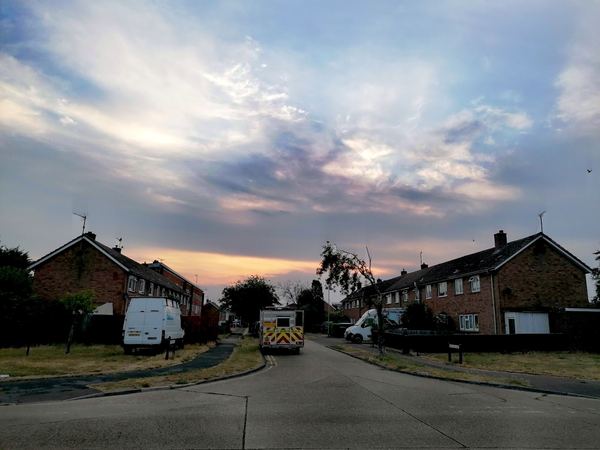
Newmarket
18 stays · 5 things to do
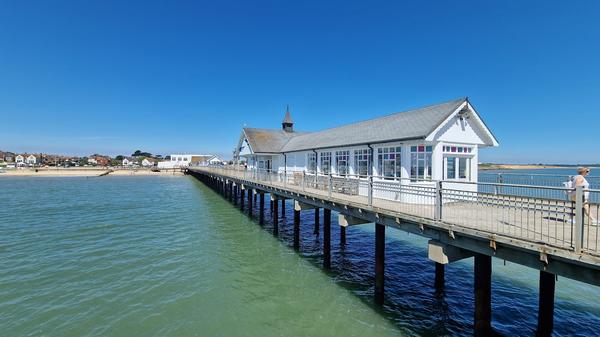
Southwold
9 stays · 4 campsites · 4 things to do
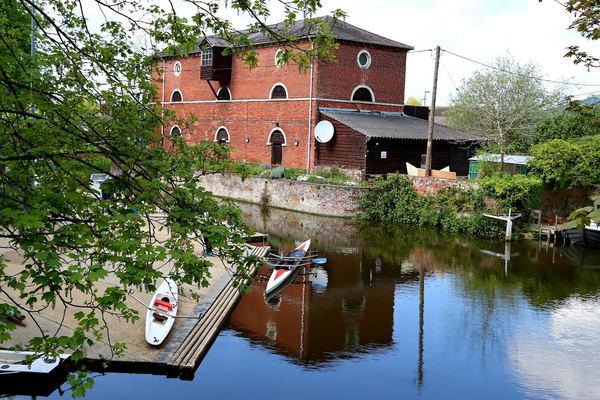
Sudbury
14 stays · 3 things to do
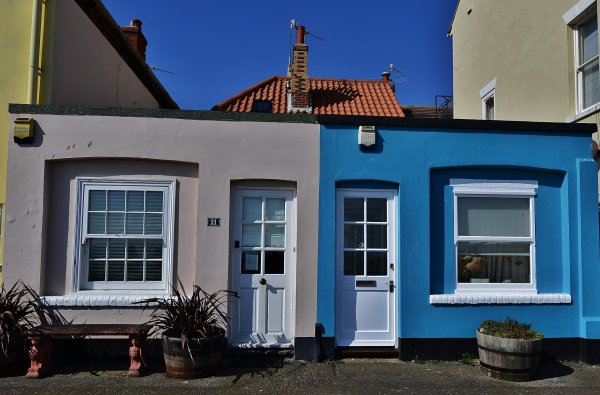
Aldeburgh
11 stays · 2 campsites · 2 things to do
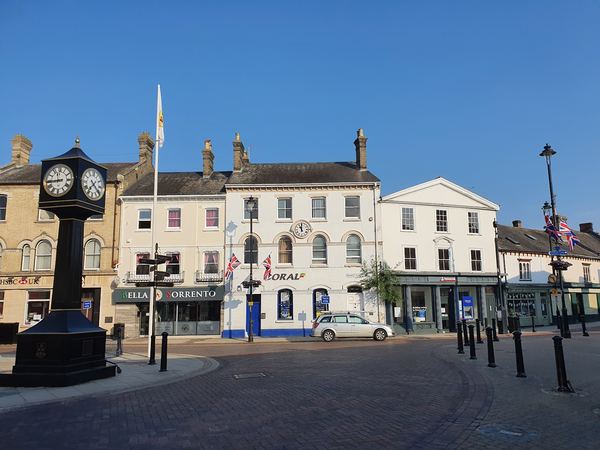
Stowmarket
3 stays · 6 things to do
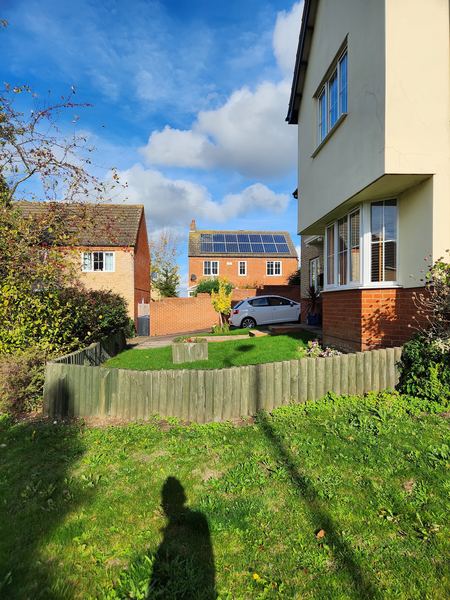
Haverhill
5 stays · 3 things to do
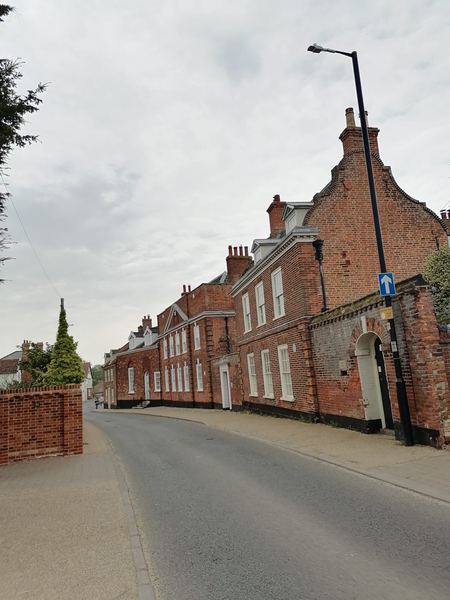
Beccles
6 stays · 2 things to do
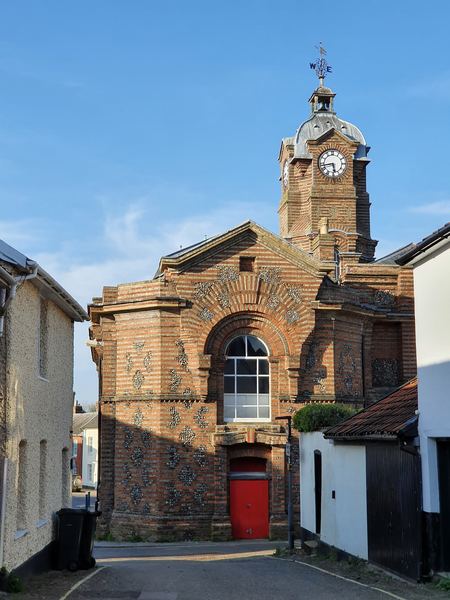
Eye
6 stays · 1 campsites
Where to stay in Suffolk(240)
All hotels in Suffolk →About staying in Suffolk
Suffolk's hotels and B&Bs range from smart coastal townhouses to quiet countryside guest rooms, with the coast and the old market towns pulling in most visitors. Aldeburgh and Southwold have a good spread of places to stay within walking distance of the shingle and the shops, while Woodbridge offers a gentler base near the Deben estuary.
Inland, Bury St Edmunds and Ipswich suit those wanting easy access to shops, restaurants and transport links, with B&Bs such as The Peels B&B and Kingsleigh Guest House typical of the smaller, family-run properties found across the county. Mildenhall and Lowestoft add further options for those exploring the Brecks or the far east coast.
Many Suffolk B&Bs occupy converted farmhouses, annexes or period townhouses, so styles and sizes vary considerably from one to the next. Deciding where to stay often comes down to whether you want to be near the sea, close to a market town, or tucked away somewhere quieter.
 9.4
9.4
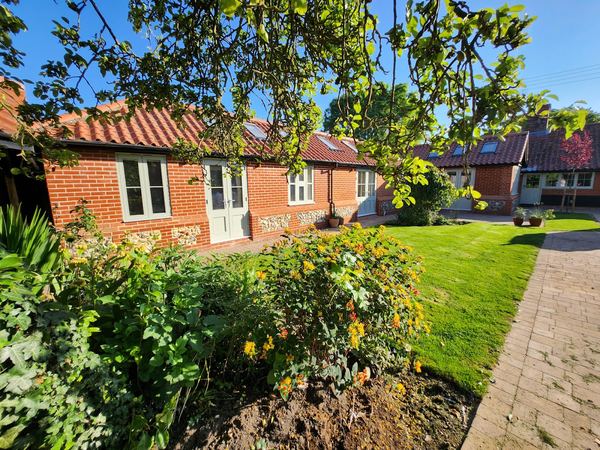
The Pear Tree Inn
Troston village, near Bury
from £175/night
 9.4
9.4
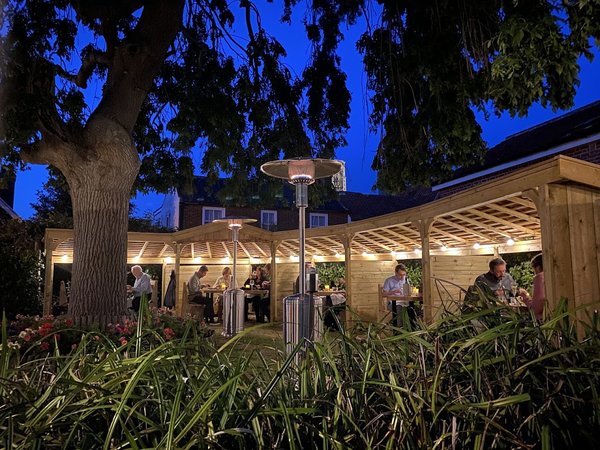
Sutherland House
High Street, town centre
from £165/night
 9.2
9.2
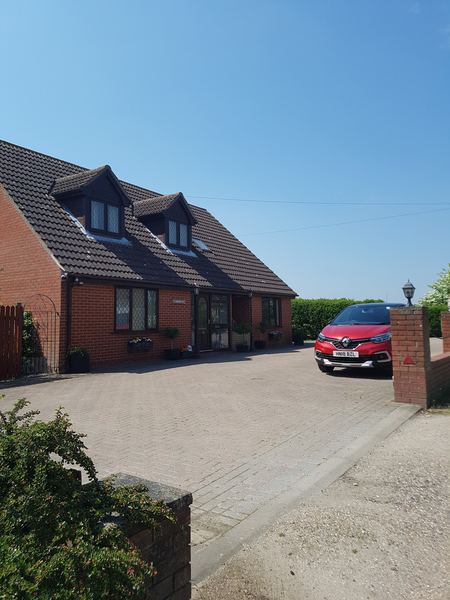
Finjaro
Sproughton, 3 miles west of Ipswich
from £75/night
 9.2
9.2
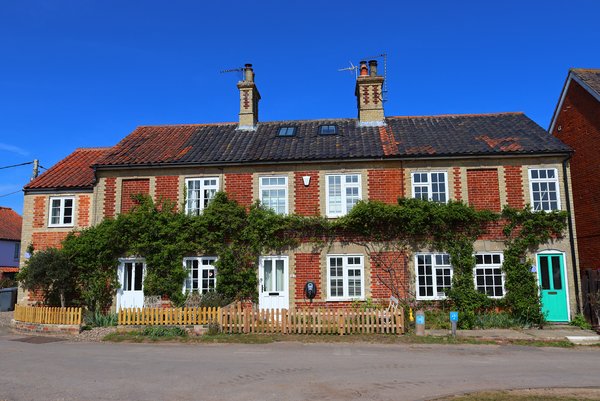
Cowshed Holidays
Thorington, 6 miles from Southwold
from £95/night
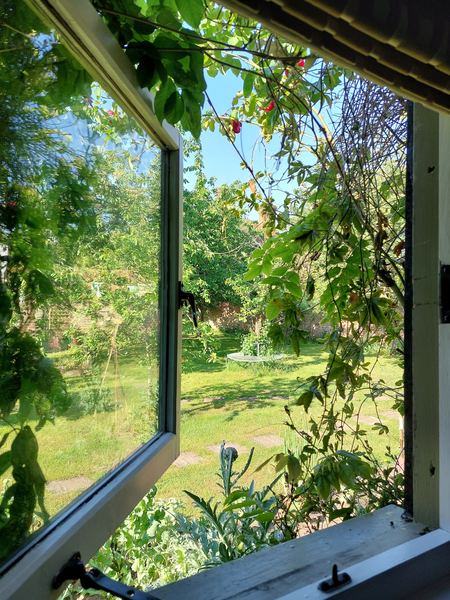 9.2
9.2
The Granary Bed and Breakfast
Great Bealings, on the edge of Woodbridge
from £110/night
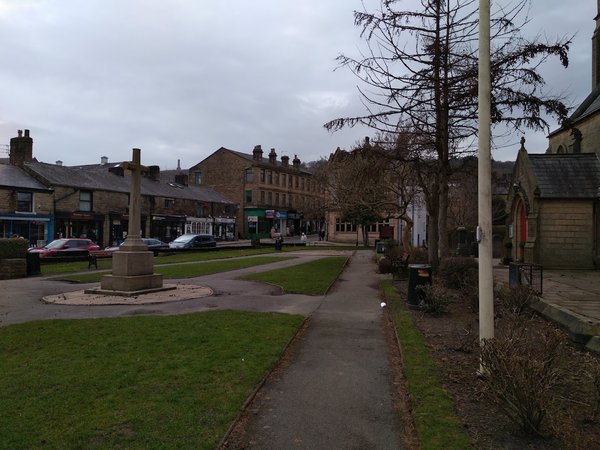 9.0
9.0
Ocean House Aldeburgh
Crag Path, on the seafront
from £145/night
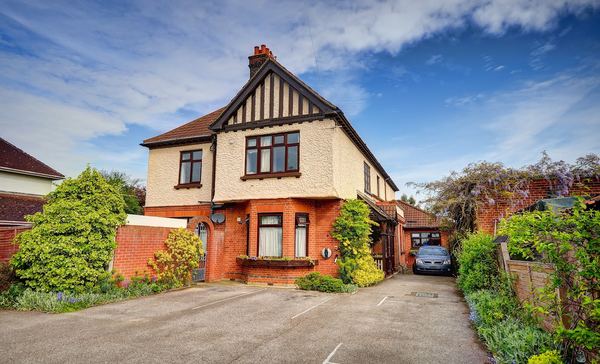 9.0
9.0
Lattice Lodge
Woodbridge Road, Ipswich
from £70/night
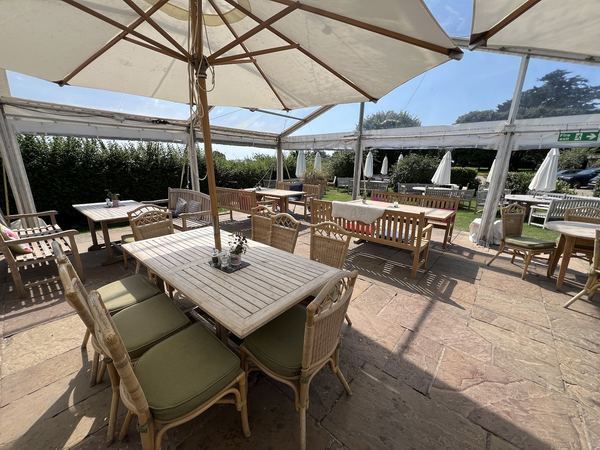 9.0
9.0
The Anchor at Walberswick
Walberswick, across the Blyth estuary
from £150/night
Things to Do in Suffolk(83)
All attractions in Suffolk →About things to do in Suffolk
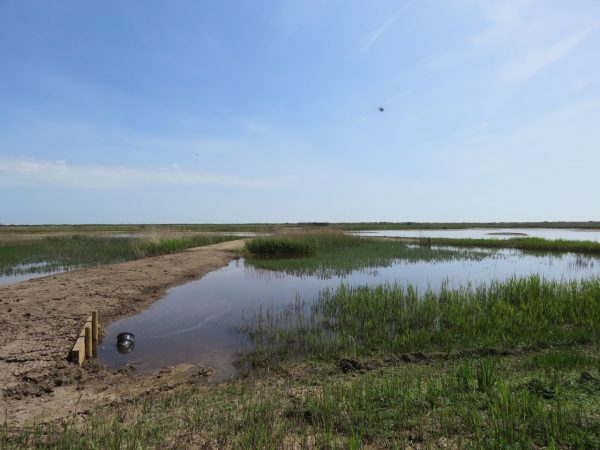
Suffolk's days out range from wide-open coast and reserves to workshops and family activity centres tucked into its market towns. RSPB Minsmere, near Westleton, draws visitors for its birdlife and heath walks, while Southwold offers a gentler seaside pace alongside curiosities like its Mystery Treasure Trail. Along the coast, Coastal Voyager runs boat trips for those wanting to see the shoreline from the water.
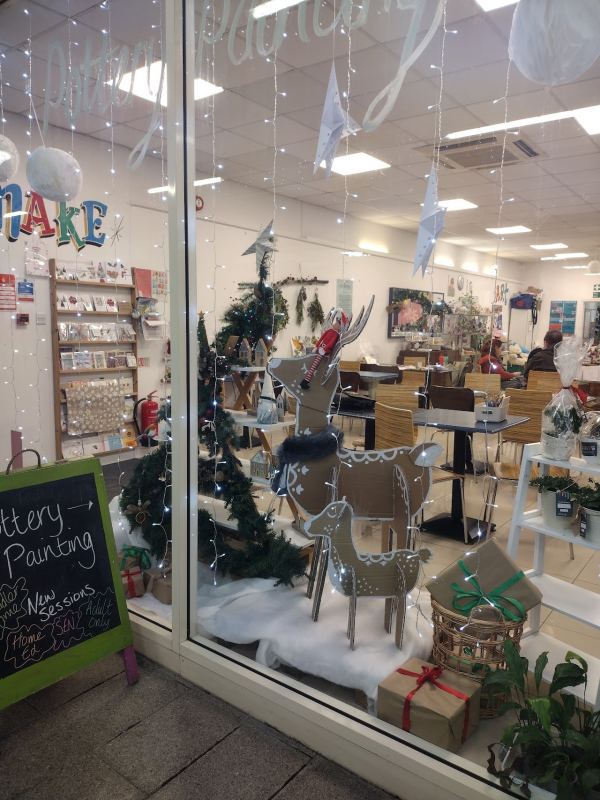
Inland, Bury St Edmunds and Ipswich hold the bulk of the indoor attractions - creative studios such as Hatter Street Studio and Studio Scribbles, and energetic options like Clip 'n Climb Ipswich, useful for wet days or younger visitors needing to burn off energy. Newmarket's racing heritage gives it a different character again.
Elsewhere, smaller and more unusual outings turn up in less obvious places: alpaca encounters at Hilly Ridge Alpacas, mobile gaming parties, or play-focused venues like The Playground and Barnville. Deciding between them often comes down to whether you want a coastal day, a town-based activity, or something a little more offbeat.




Where to Eat in Suffolk(1,071)
All restaurants in Suffolk →About eating out in Suffolk
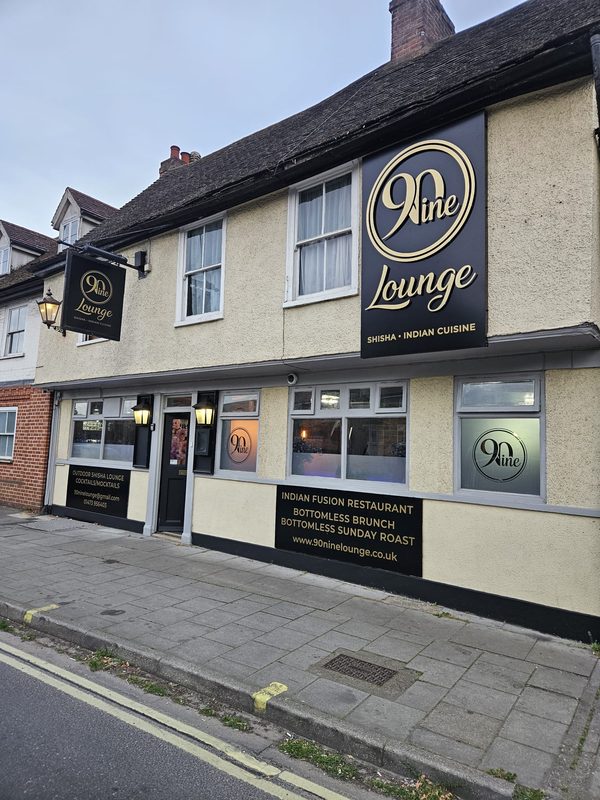
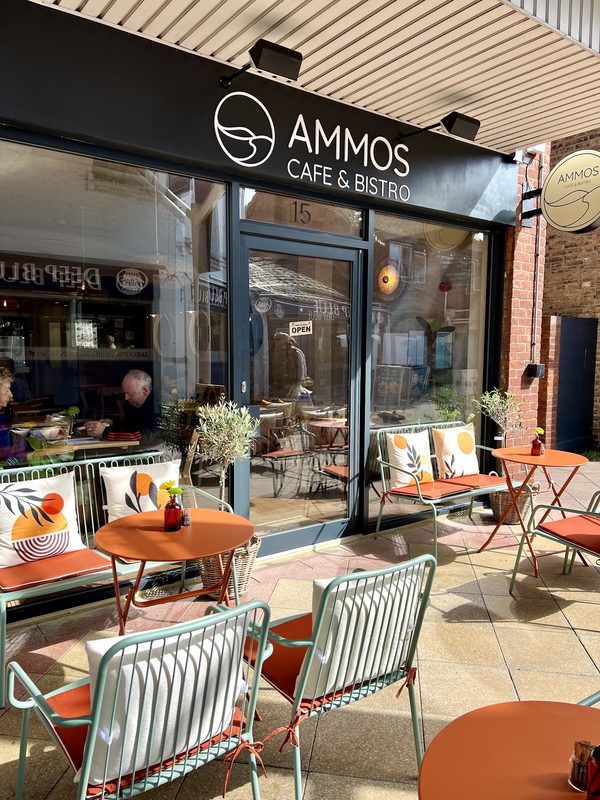
Suffolk's dining scene runs from ancient market town pubs to riverside restaurants and easy-going cafes, with Bury St Edmunks offering the widest spread of options, from long-standing favourites to newer arrivals like No. 4 Restaurant and Bar. Woodbridge makes the most of its waterside setting, with places such as The Boathouse Kitchen And Bar putting the Deben to good use, while Stowmarket and Sudbury cover the more everyday side of eating out.
Smaller towns and villages fill in the gaps with tearooms, pizzerias and pubs that double as local meeting points. The Coach House Tearoom suits a slower afternoon, while The Wok Inn and Lucy Pizzeria cater to quicker appetites. Elsewhere, kitchens like IL Salvatore and The Bay Tree show the range of cuisines now settled across the county, alongside classic Suffolk pub food.





Attractions Near Suffolk
All attractions in Suffolk →Worth the trip — within 50 miles of Suffolk.
RSPB Minsmere
Westleton · ⭐ 4.8

Planet Laser
Bury St Edmunds · ⭐ 4.7
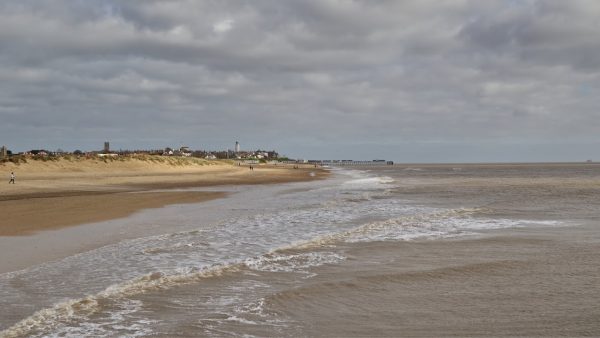
The Denes Beach at Southwold
Southwold · ⭐ 4.7

East Anglia Transport Museum
Lowestoft · ⭐ 4.7

The Regal
Stowmarket · ⭐ 4.7
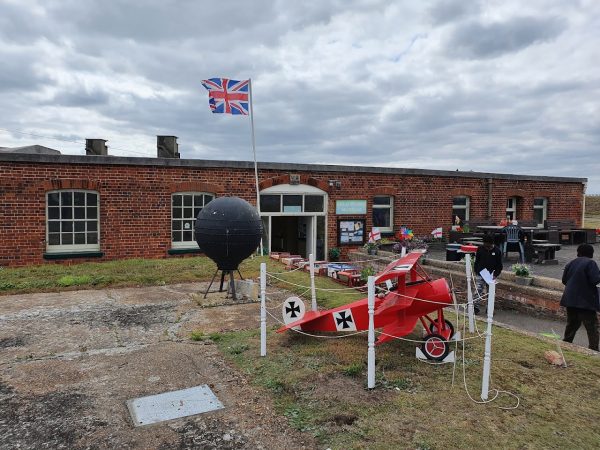
Felixstowe Museum
Felixstowe · ⭐ 4.7

Go Ape Thetford
Brandon · ⭐ 4.7
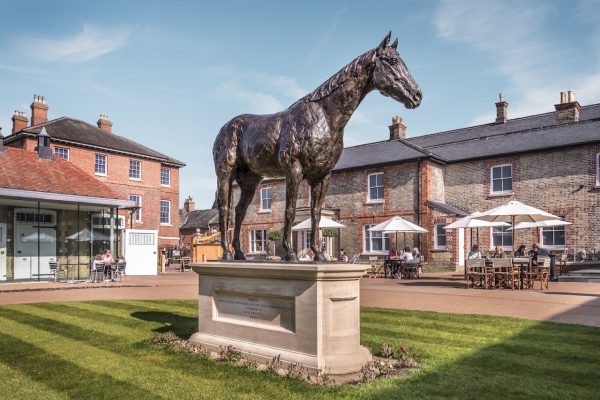
National Horse Racing Museum
Newmarket · ⭐ 4.7
Camping in Suffolk(152)
All campsites in Suffolk →About camping in Suffolk
Suffolk's flat, quiet countryside and its coastline of shingle beaches and tidal estuaries make it good ground for camping and glamping, from simple touring pitches to well-appointed shepherd's huts and yurts. Sites around Woodbridge and Snape put you near the River Deben and the Aldeburgh music and food scene, while others make use of old farm buildings and even a former airfield, as at Monewden Airfield.
Glamping here leans towards individual, small-scale setups rather than big holiday parks: Boundary Farm Glamping, Firs Glamping and Suffolk Yurt Holidays all offer a handful of well-fitted pitches, and places like Old Waterworks Boutique Glamping and Fire and Feast add a bit of design flair. For straightforward touring and camping, The Beeches Touring Park and Bunkers Hill Farm are typical of the county's more traditional sites, with Suffolk Shepherds Huts and Hill Cottage Holidays sitting somewhere between the two.
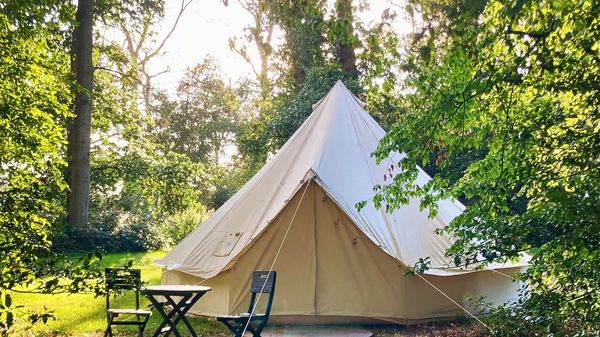
Hill Cottage Holidays
⭐ 5.0 · from £240/night
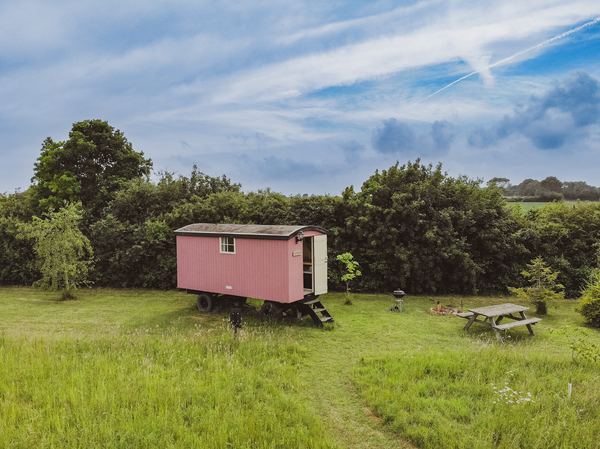
Bunkers Hill Farm
⭐ 5.0 · from £178/night
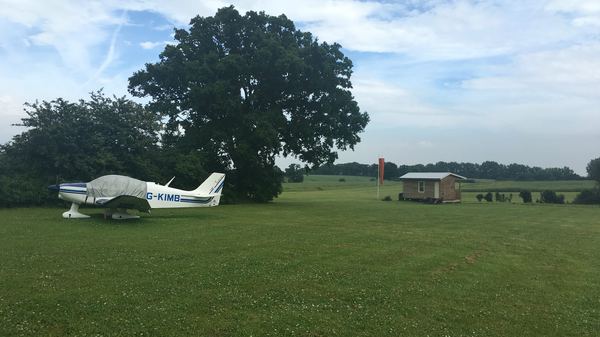
Monewden Airfield
Woodbridge · ⭐ 5.0
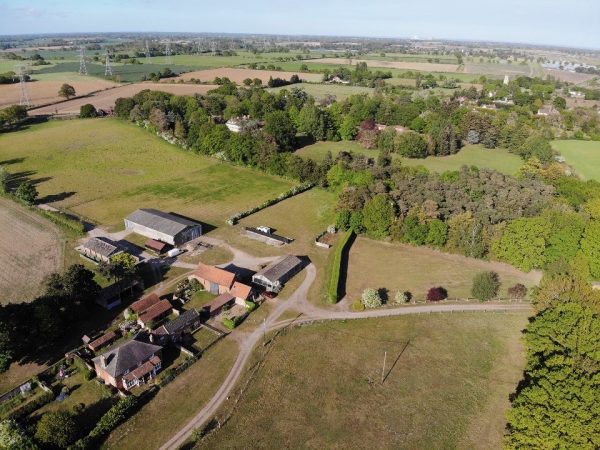
Croft Farm Camping
Snape · ⭐ 5.0 · from £34/night
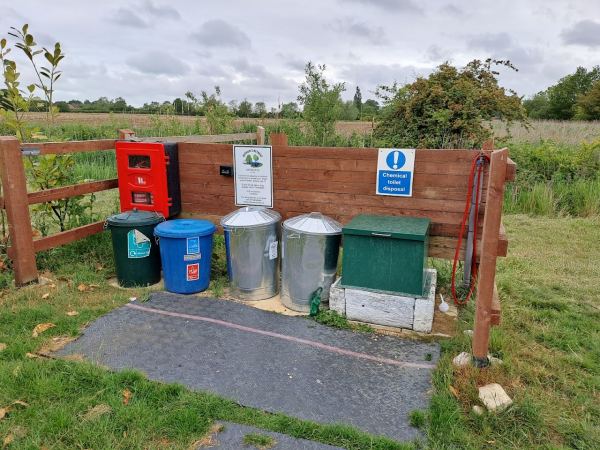
Arthur's Retreat
Wattisfield · ⭐ 5.0 · from £13/night
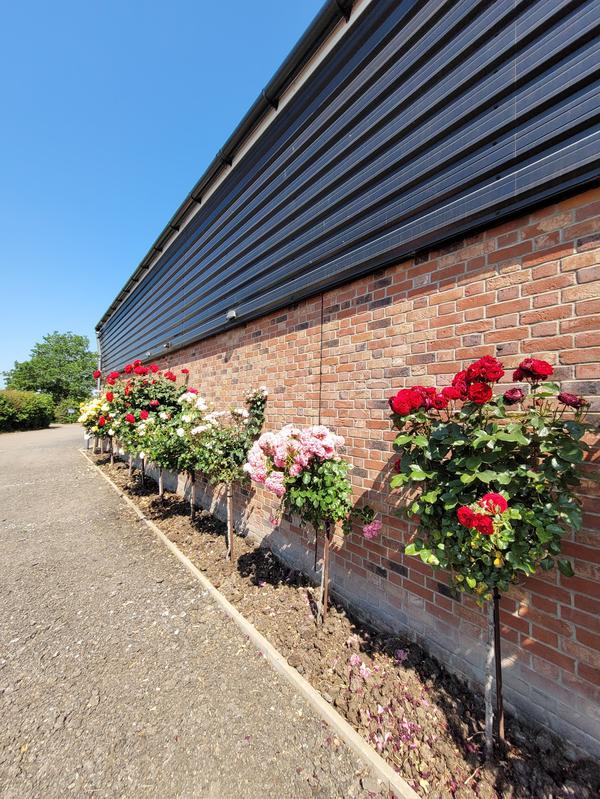
Tomcat Farm
Ipswich · ⭐ 4.9 · from £16/night
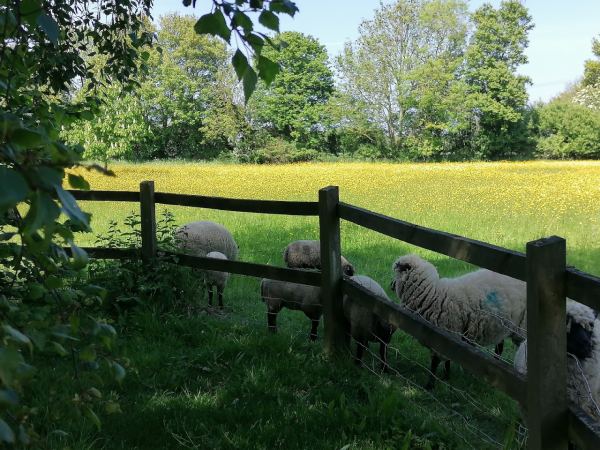
Goldings Certificated Location
Stowmarket · ⭐ 4.9
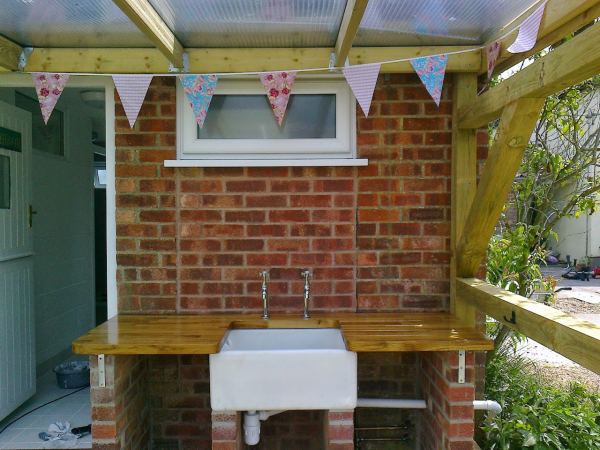
Green Haven Holidays - IP19
Halesworth · ⭐ 4.9
Self-Catering Cottages in Suffolk(1)
All cottages in Suffolk →Common questions about Suffolk
How many campsites are there in Suffolk?
We list 108 campsites in and around Suffolk, of which 77 take tents and 40 offer glamping.
Are there dog-friendly campsites in Suffolk?
Yes — 37 of the 108 campsites we list in Suffolk accept dogs, including Arthur's Retreat Suffolk and Henstead Fields Caravan and Campsite.
Which campsites in Suffolk have electric hook-up?
47 of the 108 campsites we list in Suffolk offer an electric hook-up.
Where can I stay in Suffolk?
We list 9 hotels, B&Bs and guest houses in and around Suffolk. Prices start from around £120 a night.
Where can I eat in Suffolk?
We list 847 restaurants, pubs and cafes in and around Suffolk.