Bury St Edmunds
Abbey ruins, Georgian streets and Suffolk's foodie capital
Photo © Sue Bool, Google Maps
Bury St Edmunds sits among the gentle arable farmland of west Suffolk, a market town whose grid of streets was laid out by the monks of its Benedictine abbey nearly a thousand years ago and has barely shifted since. The abbey itself is long gone, its flint and stone quarried away over centuries, but the ruins that remain in the Abbey Gardens, along with the towering Norman Tower and the medieval Abbey Gate, still dominate the town's sense of itself. Bury takes its name from the abbey's most famous relic, the body of Edmund, the ninth-century King of East Anglia killed by Viking raiders and buried here as a saint and martyr, making the town a major site of pilgrimage throughout the Middle Ages.
What survives today is a compact, walkable town with an unusually complete Georgian and Victorian townscape layered over that original monastic street plan. Angel Hill, the wide square facing the Abbey Gate, is lined with coaching inns and townhouses that give a strong sense of the town's later life as a coaching stop and county social centre. St Edmundsbury Cathedral, only granted cathedral status in 1914 and finished with its Gothic lantern tower as recently as 2005, sits at the edge of the Abbey Gardens and gives the skyline a genuinely striking silhouette for a town of this size.
Bury also carries a working identity that keeps it from feeling like a museum piece. Greene King has brewed here since 1799 and still operates its Westgate Brewery in the town centre, and the market that has run twice a week for centuries continues to fill Cornhill and Buttermarket with stalls. The result is a town that rewards a properly unhurried visit: enough history for several days of exploring, but a genuine, still-functioning county town wrapped around it.
Getting to Bury St Edmunds
Bury St Edmunds station sits on the line between Ipswich and Cambridge, with Greater Anglia services running roughly hourly in each direction. Journeys to Ipswich take around 35-40 minutes, with onward connections to London Liverpool Street bringing the total journey from London to around an hour and three quarters. Travelling via Cambridge takes a similar time overall, with fast trains from Cambridge to London King's Cross covering that leg in under an hour.
By road, the A14 runs directly past the town, linking east to Ipswich and the A12, and west to Newmarket, the A11 and the M11 towards Cambridge and London, roughly 80 miles and an hour and three quarters' drive away in normal traffic. The A143 and A134 bring in traffic from Diss, Sudbury and the Stour Valley to the south. Central car parks include St Andrews Street North and the Cattle Market, both a short walk from Angel Hill, and most out-of-town attractions such as Ickworth and West Stow have their own free or member parking.
Best time to visit Bury St Edmunds
Spring brings snowdrops and then daffodils to the Abbey Gardens and the grounds at Ickworth, along with quieter streets before the main summer season, making April and May a good window for sightseeing without the crowds. Summer is when the town is busiest, with the gardens in full bloom, outdoor seating spilling onto Abbey Hill and Ickworth Park at its best for long walks, though it is also when accommodation books up fastest, particularly around the summer Suffolk food and cider festivals.
Autumn suits the town well, with Nowton Park's arboretum turning colour and a noticeably calmer pace once the school holidays end, plus the Bury Christmas Fayre building anticipation from late November. Winter has its own appeal in the run-up to Christmas, when the Cathedral and Abbey Gardens host festive markets and events, though January and February are genuinely quiet and some smaller attractions reduce their opening hours.
Where to stay in Bury St Edmunds(20)
All hotels in Bury St Edmunds →About staying in Bury St Edmunds
Bury St Edmunds offers a genuinely wide spread of places to stay, from grand country-house hotels set in their own parkland to Georgian townhouses in the medieval grid and working breweries with rooms above the bar. Because the town centre is so compact, even hotels a short drive out still leave you within easy reach of the Abbey Gardens and the Cathedral, while anything on or near Angel Hill puts you in walking distance of almost everything worth seeing.
At the top end, the choice runs from National Trust parkland at Ickworth to a five-hundred-year-old coaching inn on Angel Hill itself, both offering the kind of spa, dining and grounds that suit a longer stay or a special occasion. A tier below, Bury's mid-range hotels tend to trade grandeur for character and value, with Grade II listed buildings, dedicated restaurants and the reliability of an established brand among the options, all still within a short walk or drive of the centre.
For something more personal, the town and its surrounding villages have a strong run of B&Bs and small guest houses, several of them set in genuine period buildings or working breweries rather than purpose-built accommodation. These tend to book up first in summer and around the Christmas markets, so it is worth deciding on area and budget early and reserving well ahead for peak dates. Whichever you choose, none of the eight properties below is more than a short drive from the Abbey Gardens, and several are close enough to reach on foot.
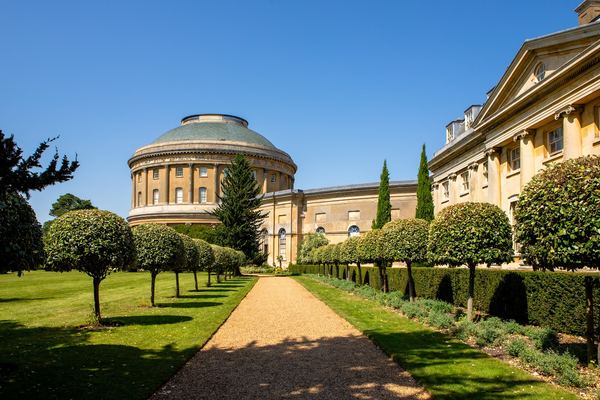 8.7
8.7
The Ickworth Hotel & Spa
Horringer, Ickworth Park
from £195/night
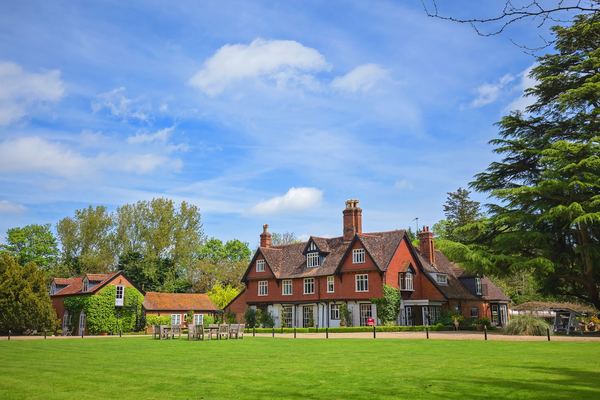 8.3
8.3
Ravenwood Hall Hotel
Rougham, edge of town
from £140/night
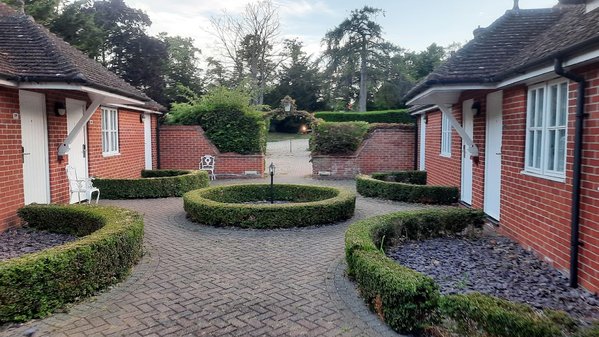 7.8
7.8
Best Western Priory Hotel
Mildenhall Road, town centre
from £95/night
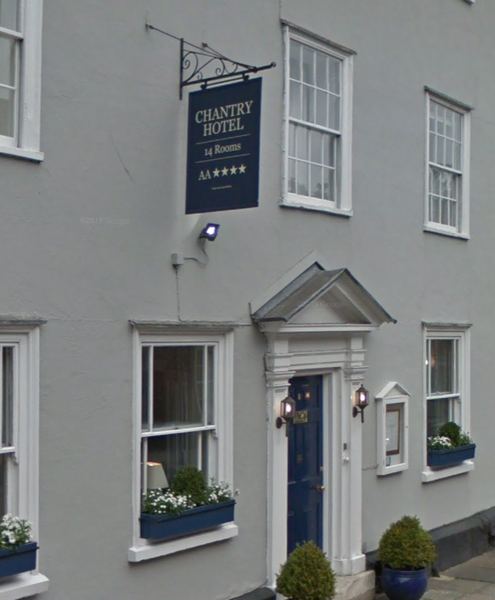 8.0
8.0
The Chantry Hotel
Sparhawk Street, town centre
from £90/night
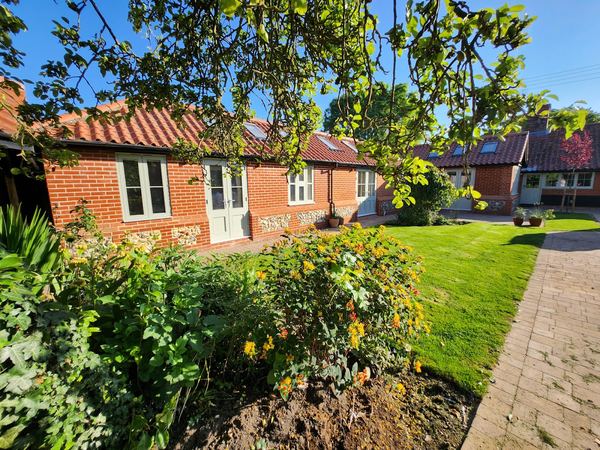 9.4
9.4
The Pear Tree Inn
Troston village, near Bury
from £175/night
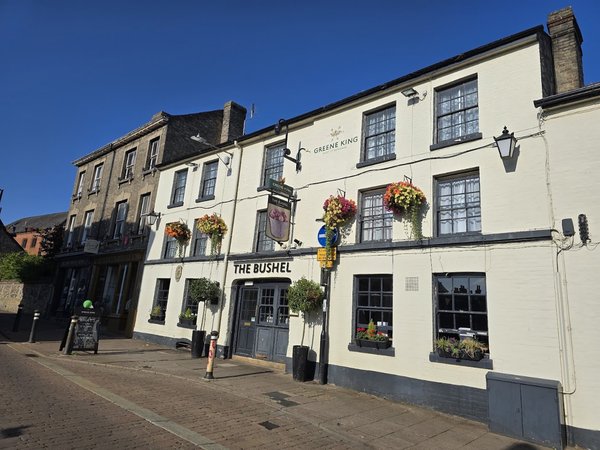
Box Bush Cottage - B&B
Bury Road, Bury St Edmunds
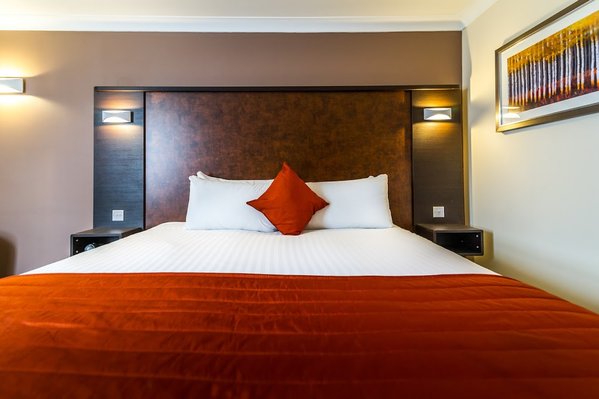
Dragonfly Hotel Bury St Edmunds
Symonds Road, Bury St Edmunds
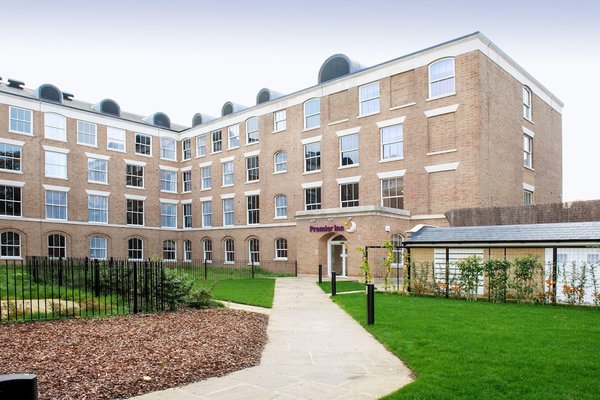
Premier Inn Bury St Edmunds Town Centre
Raingate Street, Bury St Edmunds
Things to Do in Bury St Edmunds(8)
All attractions in Bury St Edmunds →Top things to do in Bury St Edmunds
The Abbey Gardens and the wider town centre hold most of the obvious highlights, but there is more to see once you widen out into the surrounding countryside.
- Abbey Gardens — the ruined nave and precinct of the Benedictine abbey, now a formal public park with borders, a dovecote and the remains of the abbey church still standing among the lawns.
- St Edmundsbury Cathedral — a working cathedral that mixes a medieval nave with an early-2000s Gothic tower, plus a peaceful cloister garth and a rooftop tour on selected days.
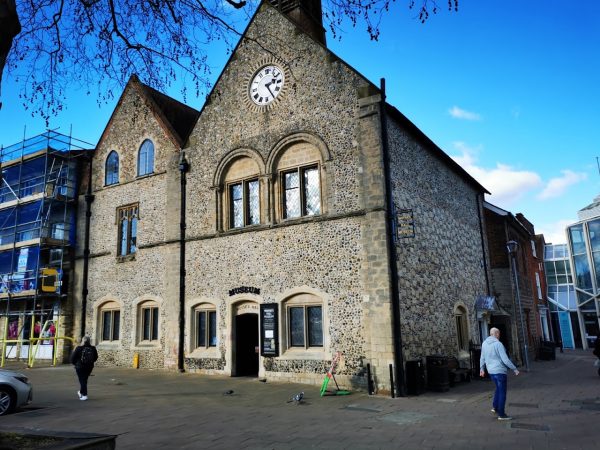
- Moyse's Hall Museum — a rare surviving Norman domestic building, now a town museum covering local history, archaeology and the notorious Red Barn murder case.
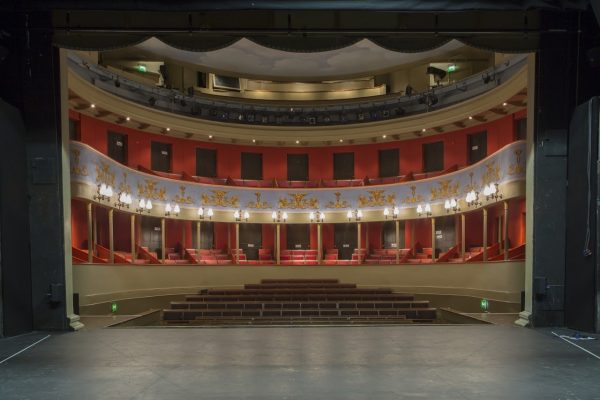
- Theatre Royal — a Regency playhouse of 1819, one of only a handful surviving in the country, restored and run by the National Trust with a full programme of live performance.
- Greene King Brewery Tour — a guided walk through the working Westgate Brewery, ending with a tasting of the beers brewed on the same site since the eighteenth century.
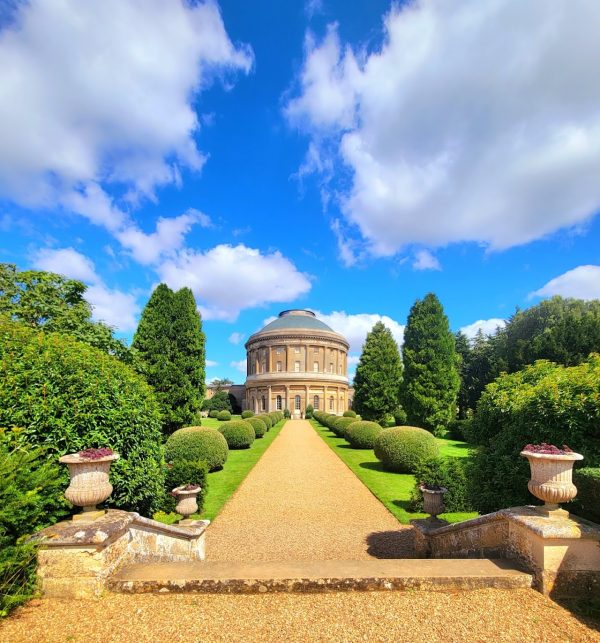
- Ickworth House and Park — a National Trust estate a short drive from town, built around an extraordinary rotunda and set in 1,800 acres of parkland and walking trails.
- West Stow Anglo-Saxon Village — a reconstructed early-medieval settlement and country park on the edge of the Suffolk Sandlings, built on the site of genuine archaeological excavations.
- Nowton Park — 200 acres of woodland, arboretum and open parkland just south of town, popular for walking, cycling and picnics away from the crowds.



Where to Eat in Bury St Edmunds(21)
All restaurants in Bury St Edmunds →Food and drink in Bury St Edmunds
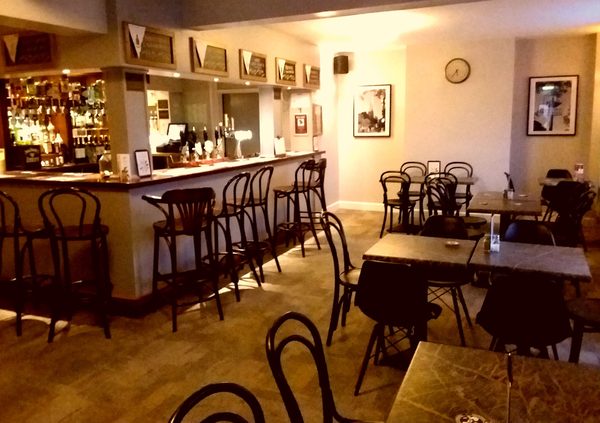
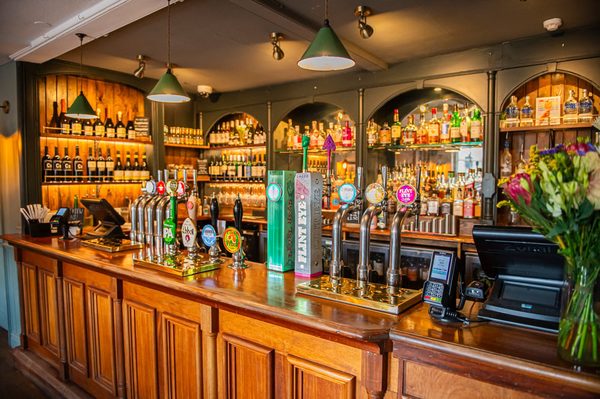
Suffolk's food credentials run deep, and Bury has increasingly become the county's showcase for them. Greene King's Westgate Brewery has shaped the town's pub culture for over two centuries, and its cask ales sit alongside a newer wave of independent brewers, including the Old Cannon Brewery, which brews on site and serves its beers alongside its own kitchen. The twice-weekly market on Wednesdays and Saturdays fills Cornhill and Buttermarket with local produce, from Suffolk cheeses and cured meats to seasonal vegetables, and is one of the best ways to get a sense of the surrounding farmland's output.
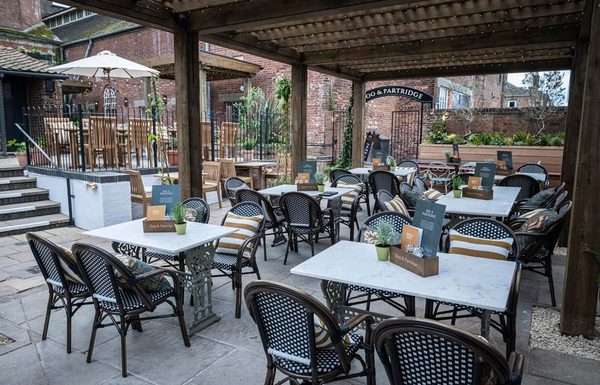
The Apex venue and the streets around Abbeygate Street host an established restaurant scene, with independent bistros, tearooms and a strong showing of Suffolk-grown ingredients on most menus, while the Traverse and Abbeygate areas are worth a wander for smaller cafes and delicatessens. Look out too for Suffolk's distinctive black bacon and the county's soft fruit in season, both regular fixtures on local menus, and for the seasonal food festivals that bring producers from across the county into the town centre.


Attractions Near Bury St Edmunds
All attractions in Bury St Edmunds →Worth the trip — within 50 miles of Bury St Edmunds.
 3 mi
3 mi
Ickworth House - National Trust
Horringer · ⭐ 4.6
Weird and Wonderful Wood
Stowmarket · ⭐ 4.4
 10 mi
10 mi
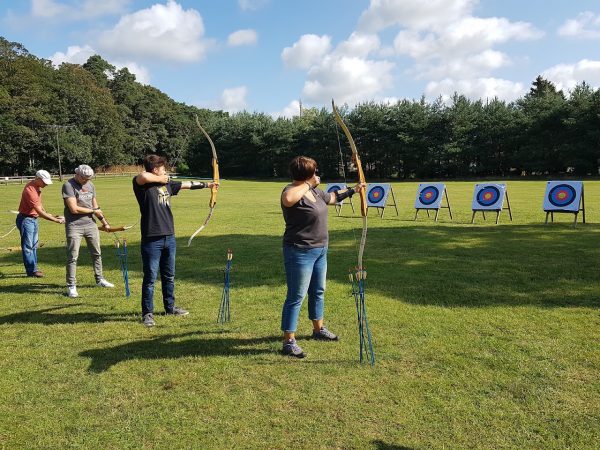
Explore 4x4
Thetford · ⭐ 4.6
 10 mi
10 mi
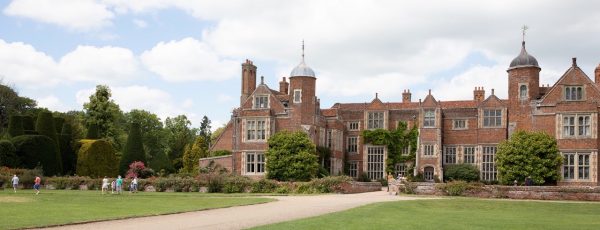
Kentwell Hall and Gardens
Long Melford · ⭐ 4.6
 10 mi
10 mi
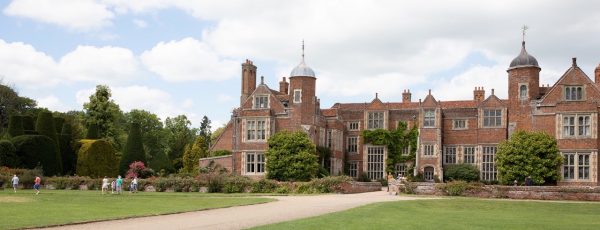
Kentwell Hall
Sudbury · ⭐ 5.0
 12 mi
12 mi
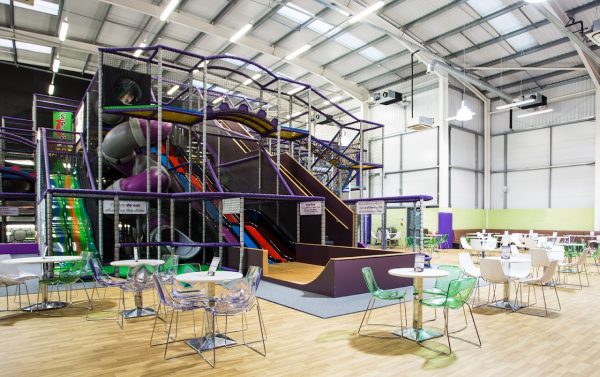
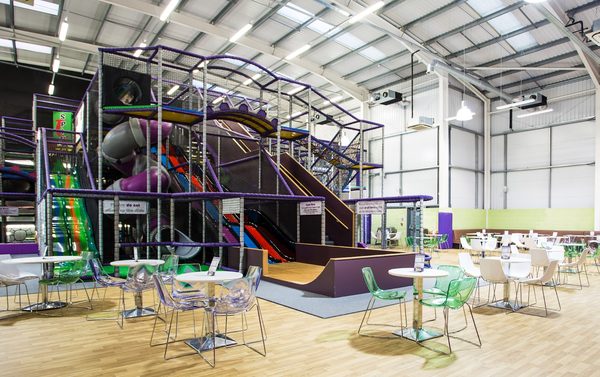
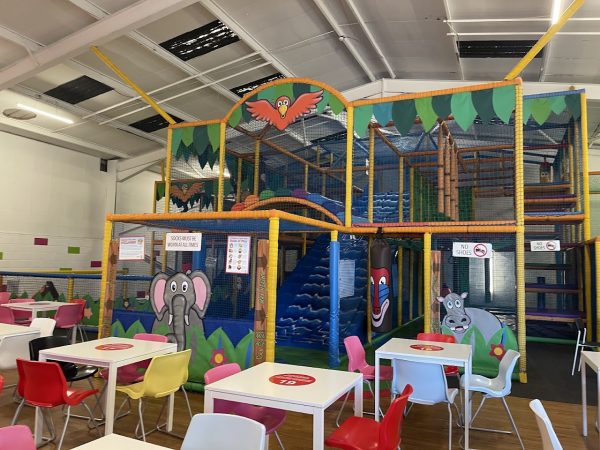
Jumppin Jacks Funhouse
Mildenhall · ⭐ 4.5
 12 mi
12 mi
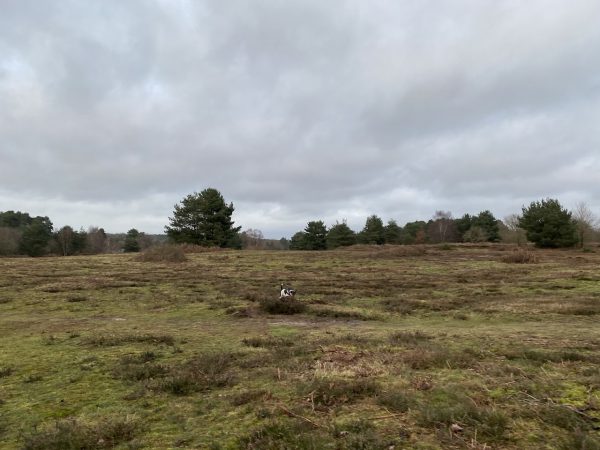
Knettishall Heath Country Park
Thetford · ⭐ 4.7
 12 mi
12 mi
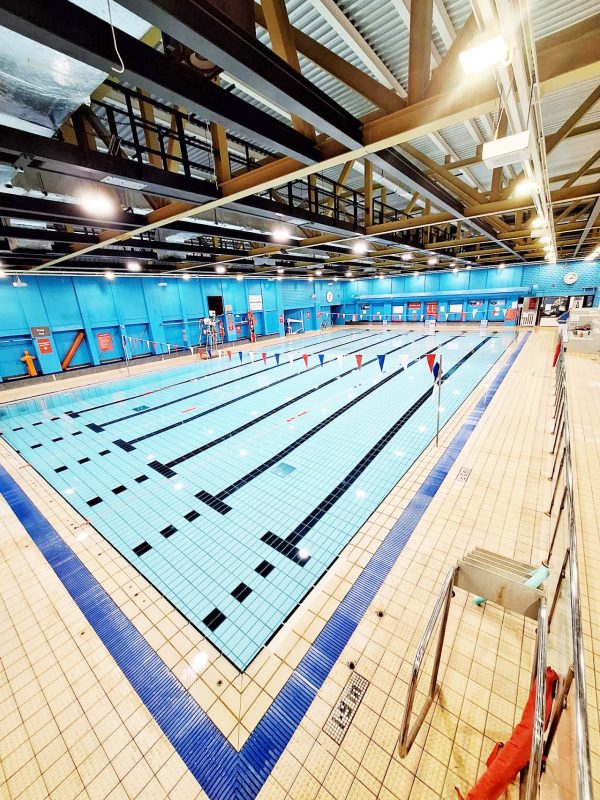
Mid Suffolk Leisure Centre
Stowmarket · ⭐ 4.1
Camping in Bury St Edmunds(14)
All campsites in Bury St Edmunds →About camping in Bury St Edmunds
Bury St Edmunds sits within easy reach of some of Suffolk's best-known camping country, from the sandy pine forests around West Stow and King's Forest to the wider expanse of Thetford Forest straddling the Suffolk-Norfolk border. None of the area's proper touring parks sit inside the town itself, but the closest are only a few miles out, close enough for an evening drive into Bury for dinner or a look at the Abbey Gardens, while still delivering a genuinely rural, forest-edge camping experience.
The sites below cover a real spread of what the area offers: a lively, activity-packed family site just outside the village of Barrow, a quiet adults-only touring park on the fringe of King's Forest itself, and a well-established family park with its own pool close to the Thetford Forest boundary on the Norfolk side. Between them they cover tents, touring caravans, motorhomes and glamping pods, so there is a genuine option whichever way you prefer to camp.
Booking ahead matters here, particularly across the summer school holidays and around any of the Suffolk food festivals when the whole area, including Bury St Edmunds itself, fills up quickly. Each site listed has direct online booking and is currently trading, but do check opening seasons before travelling, since several of these forest-edge parks close over the winter months and reopen only from spring. All three also make a useful base for exploring beyond Bury St Edmunds itself, whether that is the reconstructed Anglo-Saxon village at West Stow, the racing at Newmarket, or simply the miles of forest track that make this stretch of the Suffolk-Norfolk border such reliable walking and cycling country.
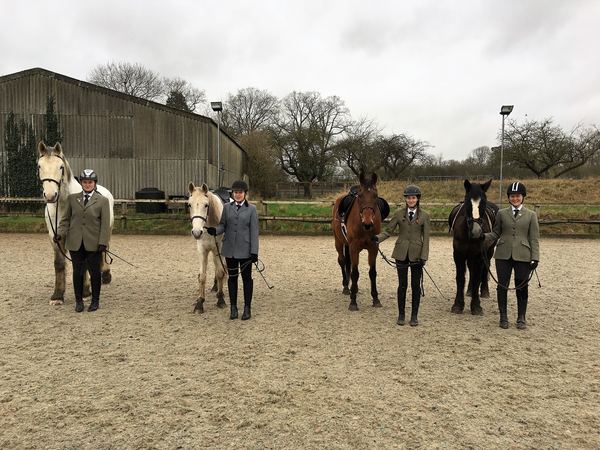
Bardwell Manor Equestrian Centre
⭐ 4.5 · from £20/night
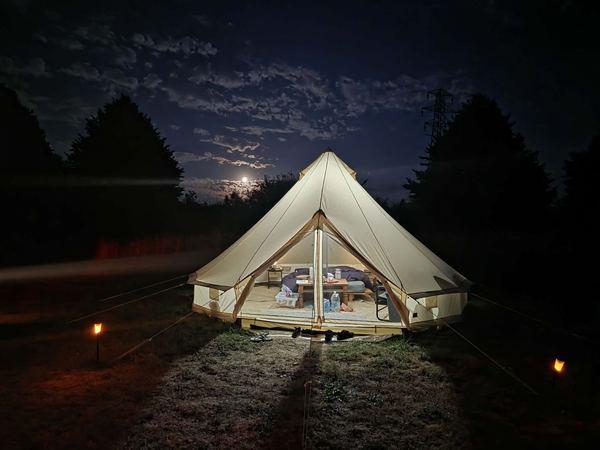
Barn Owl Campsite
⭐ 4.8 · from £20/night
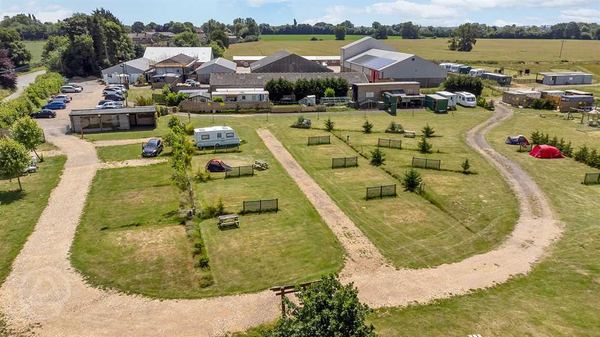
Bromptons Farm
⭐ 4.9 · from £15/night
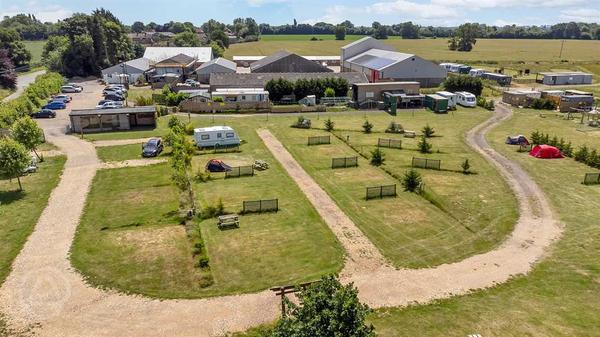
Church View Campsite
⭐ 4.7 · from £20/night
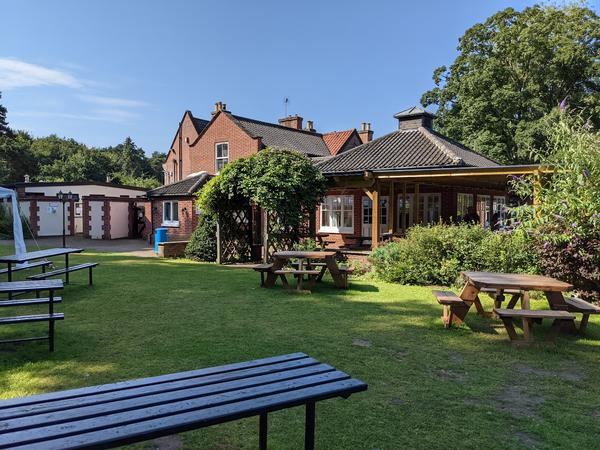
Church View Campsite at Suffolk Academy
⭐ 4.7 · from £20/night
Dower House Touring Park
⭐ 4.2 · from £25/night
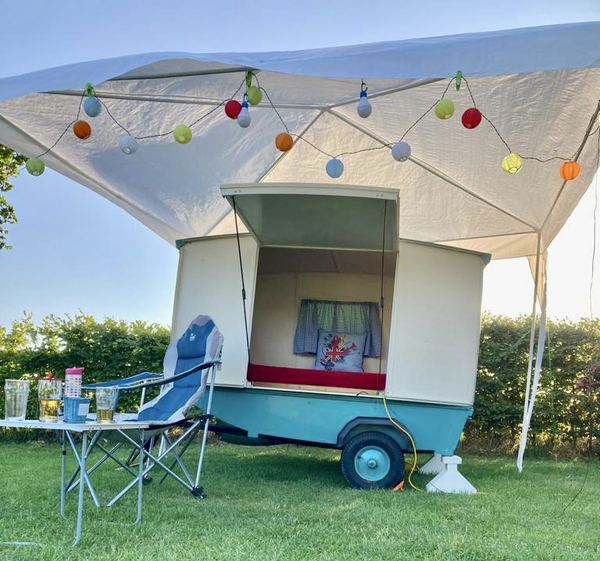
High Town House, Camping and Fishing
⭐ 4.9

Jeagor Farm Lakes
⭐ 4.7 · from £10/night
Self-Catering Cottages in Bury St Edmunds
All cottages in Bury St Edmunds →Mallards
1 bed · sleeps 2 · from £751

The Old Dairy
1 bed · sleeps 4 · from £876
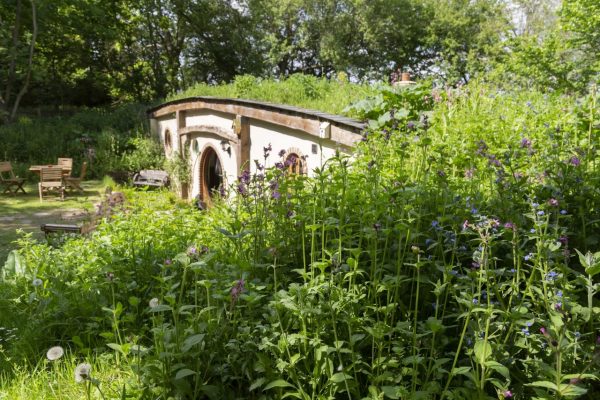
The Meadowside Pod
2 bed · sleeps 4 · from £1,598
Chestnut Grange
5 bed · sleeps 10 · from £1,902
Rosemeade
4 bed · sleeps 8 · from £797
An Croke
2 bed · sleeps 4
Butterfly Cottage
1 bed · sleeps 2
Orchard Coach House
2 bed · sleeps 4
Common questions about Bury St Edmunds
How many campsites are there in Bury St Edmunds?
We list 14 campsites in and around Bury St Edmunds, of which 13 take tents and 10 offer glamping.
Are there dog-friendly campsites in Bury St Edmunds?
Yes — 9 of the 14 campsites we list in Bury St Edmunds accept dogs, including High Town House, Camping and Fishing and Kings Forest Caravan and Camping Park.
Which campsites in Bury St Edmunds have electric hook-up?
9 of the 14 campsites we list in Bury St Edmunds offer an electric hook-up.
Where can I stay in Bury St Edmunds?
We list 20 hotels, B&Bs and guest houses in and around Bury St Edmunds. Prices start from around £85 a night.
What is there to do in Bury St Edmunds?
We list 8 attractions and things to do in and around Bury St Edmunds.
Where can I eat in Bury St Edmunds?
We list 21 restaurants, pubs and cafes in and around Bury St Edmunds.