West Chiltington
Timbered lanes, ancient frescoes, Downland views
Photo © Phil Stevenson, Google Maps
West Chiltington sits in a quiet fold of West Sussex countryside, a few miles north of the River Arun and the market town of Pulborough, with the chalk ridge of the South Downs National Park rising to the south. The parish grew up in two distinct parts: the old village clustered around the Norman church, its lanes lined with timber-framed and thatched cottages, and a newer settlement that developed in the 1920s around West Chiltington Common, a mile or so away. Between the two lies a patchwork of paddocks, orchards and small vineyards typical of this part of the Sussex Weald.
It is a village rather than a destination in the conventional sense, and that is exactly its appeal. There is no high street of shops to speak of, just a shop-cum-post-office, a village hall busy with clubs and societies, and a scattering of farms that have diversified into vineyards and campsites. What draws visitors is the setting: gently rolling farmland giving way abruptly to the Downs, footpaths threading between hedgerows, and a sense of rural Sussex that has changed remarkably little in outline since the medieval period, even as the commuter belt has crept closer on all sides.
Getting to West Chiltington
West Chiltington lies just off the A283 and A29, roughly midway between Pulborough and Storrington, making it an easy drive from the wider Sussex road network. Horsham and the A24 corridor connect the village north towards Gatwick and the M23, while the A29 links south to Arundel and the coast at Littlehampton and Bognor Regis, both around 30 minutes away by car. Pulborough railway station, on the Arun Valley line between London Victoria and the coast, is the nearest rail connection, with a taxi or short drive covering the remaining few miles into the village. There is no direct bus service into the heart of the old village, so a car remains the most practical way to explore the surrounding lanes, vineyards and Downland at your own pace.
Best time to visit West Chiltington
Late spring and early summer are particularly rewarding, with blossom in the orchards, bluebells along the woodland edges, and the RSPB reserve at Pulborough Brooks busy with breeding birds. Summer brings the best of the vineyard season, with several local producers opening for tours and tastings, and long evenings well suited to walks up onto Rackham Hill. Autumn adds colour to the wooded shaws around the village and coincides with the grape harvest at nearby vineyards, while winter draws birdwatchers to Pulborough Brooks for wintering wildfowl on the flooded brooks below Amberley. As with much of the Sussex countryside, a dry spell makes the footpaths far more pleasant underfoot, so it pays to check conditions before setting out after wet weather.
Where to stay in West Chiltington
All hotels in West Chiltington →About staying in West Chiltington
West Chiltington is not a village built around hotels, and that is part of its charm. Overnight stays here tend to mean a country inn with rooms, a farmhouse bed and breakfast down a quiet lane, or a small independent hotel in nearby Pulborough or Storrington, both a short drive away. What the area lacks in large hotel chains it makes up for with genuine Sussex hospitality: exposed beams, open fires, and breakfasts built around local produce. Staying locally means waking up to views across paddocks and orchards rather than traffic, with the South Downs National Park rising just to the south.
For those who want a base with a few more amenities, Pulborough and Storrington offer a wider spread of options, from traditional coaching inns to modern boutique conversions, while still keeping West Chiltington and its church, pub and vineyards within easy reach. Further afield, Arundel and Petworth add historic townhouse hotels and characterful guesthouses set among their own castles, cathedrals and stately homes, making a longer stay easy to combine with days out across this part of West Sussex. Wherever you choose to stay, the appeal is the same: a genuinely rural corner of the South East that has kept its lanes narrow, its hedgerows thick, and its pace unhurried.
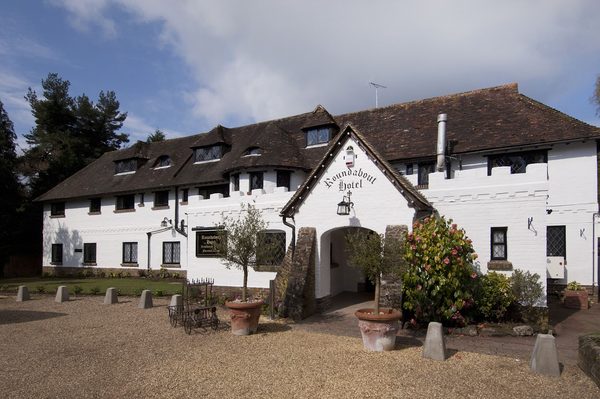
The Roundabout Hotel
Monkmead Lane, Pulborough
The Countryside Annexe
Pickhurst Lane, The Annexe, Pulborough
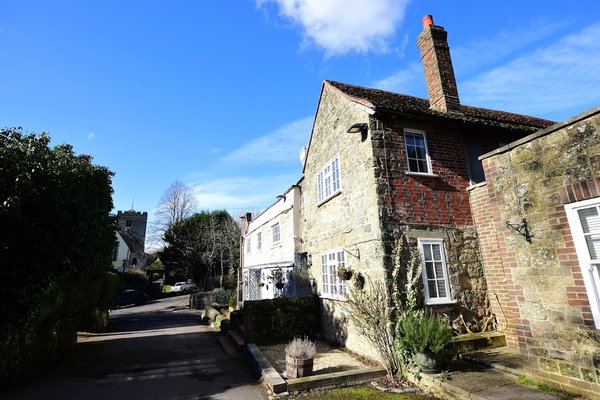
Chequers Hotel
Old Rectory Lane, Pulborough
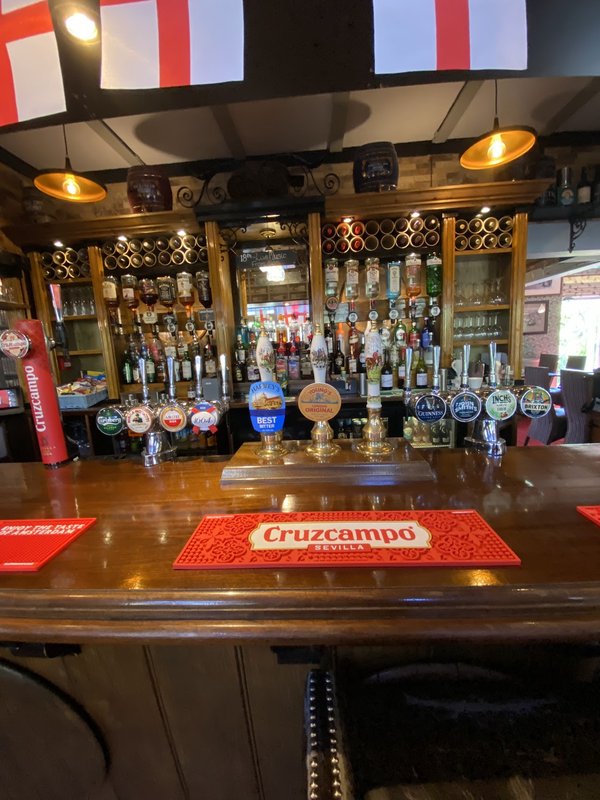
The Labouring Man
Old London Road, Pulborough
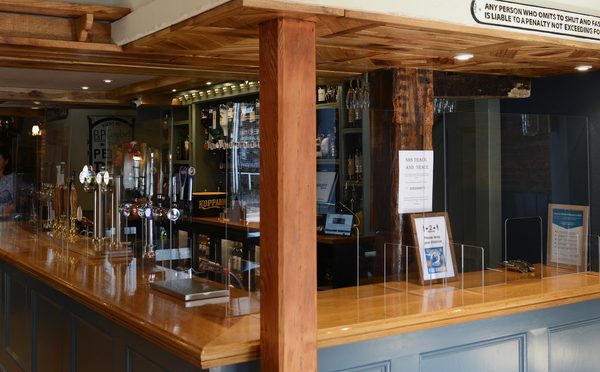
The Kings Head Inn
40 High Street, Billingshurst
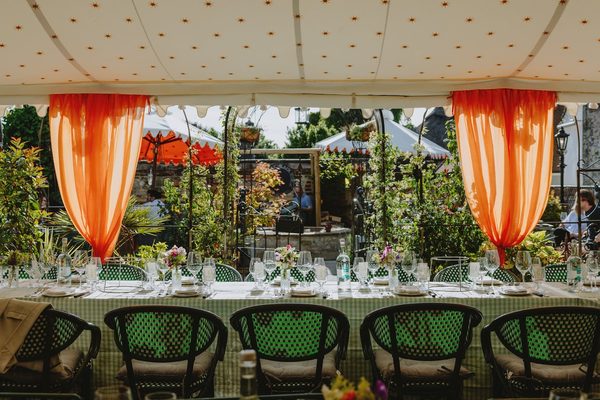
Black Horse
High Street, Amberley
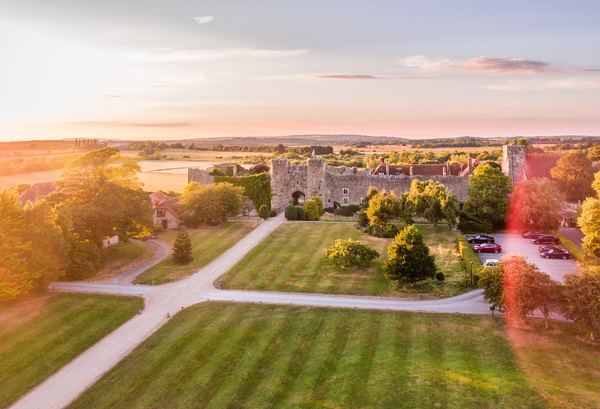 9.0
9.0
Amberley Castle
Amberley village, six miles north of Arundel
from £265/night
Bury Gate House
Bury Gate, Pulborough
Things to Do in West Chiltington
All attractions in West Chiltington →Top things to do in West Chiltington
The village and its surroundings reward slow exploration on foot, with the real draws lying in the Downland countryside, the historic church, and the vineyards that have taken advantage of this stretch of West Sussex greensand and chalk.
- St Mary's Church wall paintings — This Grade I listed Norman church, recorded in the Domesday Book and largely rebuilt between 1100 and 1150, holds a remarkable set of medieval wall paintings uncovered in 1882. Dating from the 12th to 14th centuries, they depict angels, the Apostles and scenes from the Easter story, and remain one of the best-preserved schemes of their kind in Sussex.
- Rackham Hill and the South Downs — A short drive or a longer walk south brings you onto the open Downs above Amberley, with sweeping views across the Amberley Wild Brooks floodplain, a haven for wading birds and one of the most distinctive landscapes in this part of Sussex.
- Pulborough Brooks RSPB reserve — This wetland and meadow reserve on the edge of Pulborough is a magnet for birdwatchers year-round, with wintering wildfowl, breeding waders and a network of easy trails and hides.
- Local vineyards — West Chiltington and the surrounding parishes sit within one of England's most productive wine regions, with Nutbourne Vineyards, Stopham Vineyard and others offering tours and tastings among the vines.
- Bignor Roman Villa — A short drive south-west, this is one of the largest Roman villas in Britain, with in-situ mosaics that survive in remarkable condition beneath a series of small viewing pavilions.
- Parham House and Gardens — An Elizabethan house and deer park a few miles east, with walled gardens, a lake and a fine collection of art and furniture, regularly open to visitors through the summer season.
- Amberley Museum — Set in a former chalk quarry near the village of Amberley, this working heritage museum covers rural industry and transport, with narrow-gauge railways and demonstrations of traditional trades.
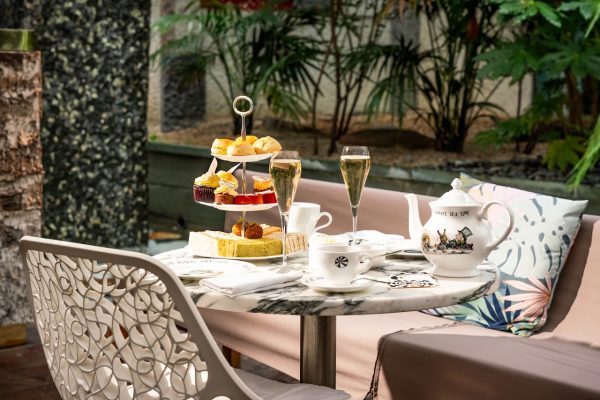
Alice in Wonderland Afternoon Tea
⭐ 5.0
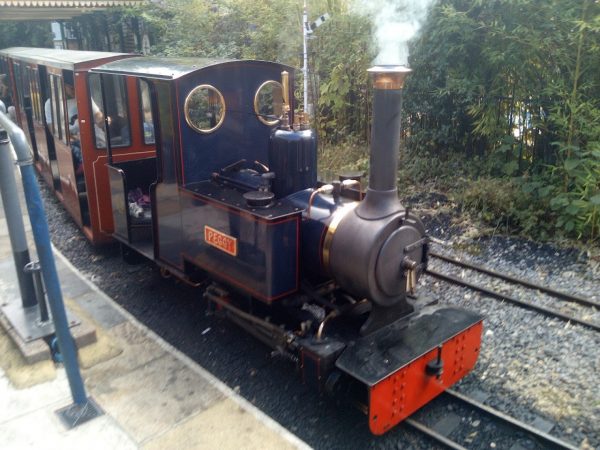
South Downs Light Railway
⭐ 4.8
Pulborough Paddles
⭐ 5.0
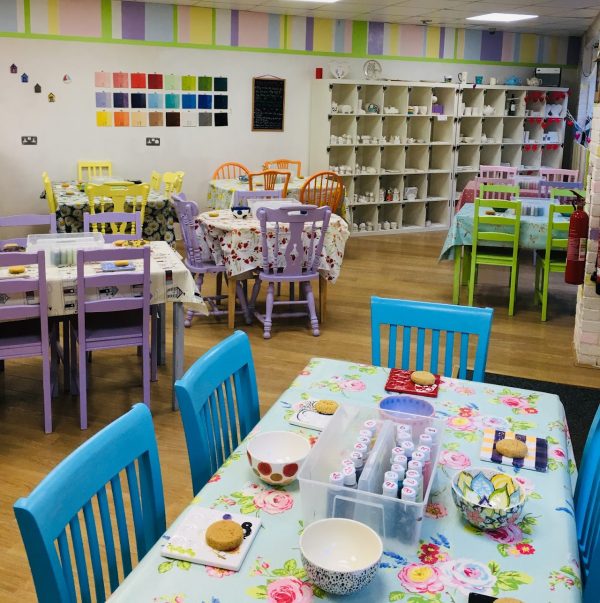
Ceramic Shack Pottery Painting Studio
⭐ 4.9
Little Gems Pottery Painting
⭐ 4.9

Fishers Farm Park
⭐ 4.8
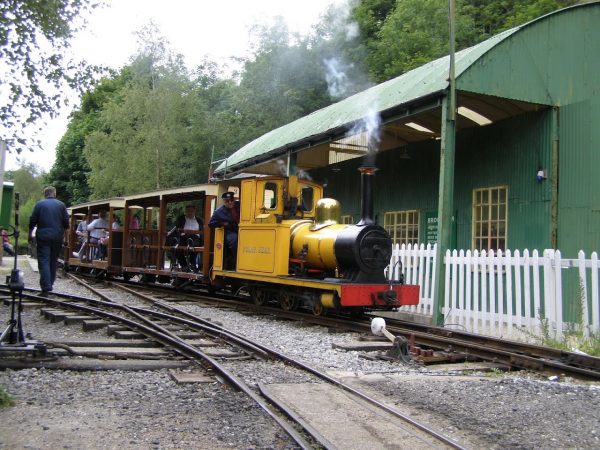
Amberley Museum and Heritage Centre
⭐ 4.8
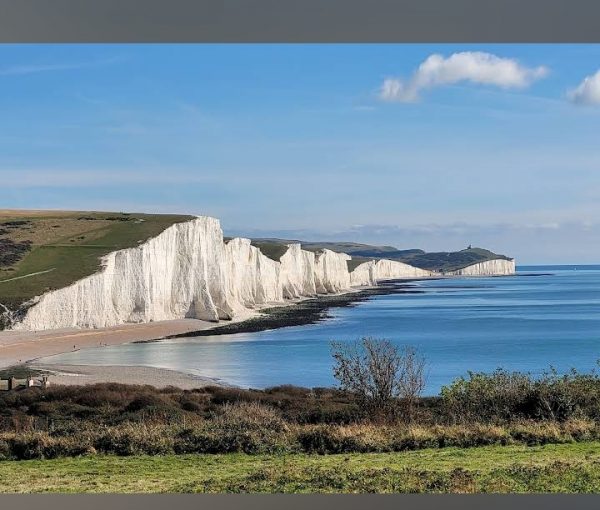
South Downs National Park
⭐ 4.9
Where to Eat in West Chiltington
All restaurants in West Chiltington →Food and drink in West Chiltington
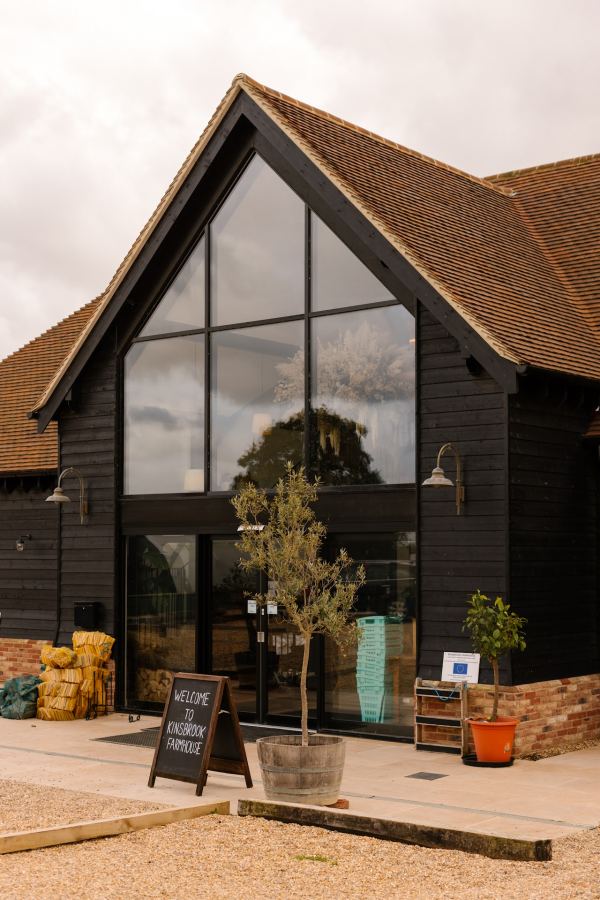
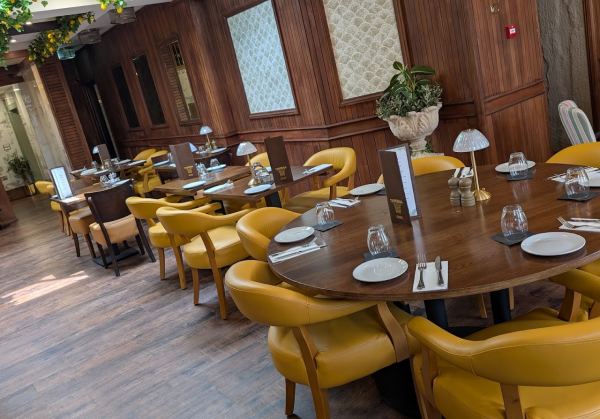
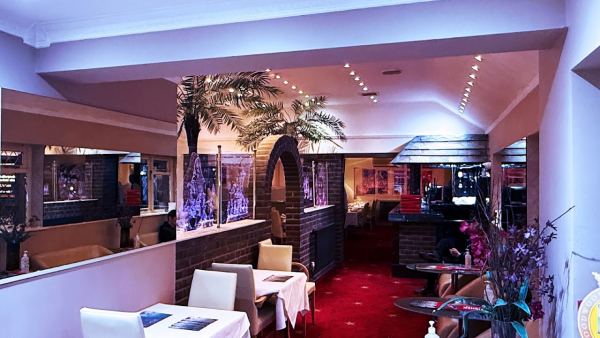
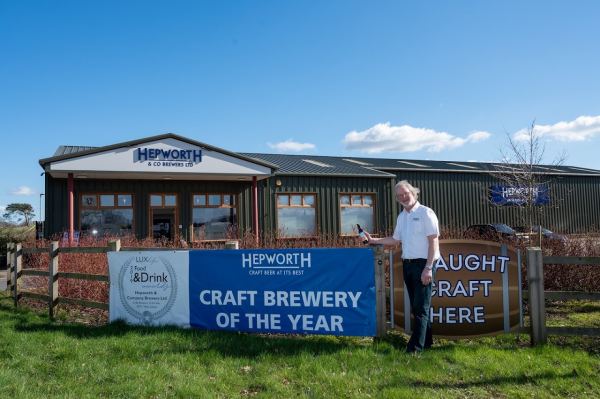
The village pub, along with a scattering of nearby inns in Pulborough and Storrington, provides the mainstay of eating out locally, typically built around seasonal Sussex produce and a good range of local ales. The area's vineyards, including Nutbourne Vineyards and Stopham Vineyard, both offer tastings and cellar-door sales of their wines, some produced from the same chalk and greensand soils that support vineyards across the wider South Downs region. A little further north, Hepworth Brewery near Horsham runs tours and a taproom for those who prefer beer to wine, while Pulborough's shops and cafes fill in the everyday essentials for a stay in the area.


Attractions Near West Chiltington
All attractions in West Chiltington →Worth the trip — within 50 miles of West Chiltington.
1 mi
Alice in Wonderland Afternoon Tea
Crawley · ⭐ 5.0
4 mi
South Downs Light Railway
Pulborough · ⭐ 4.8
Pulborough Paddles
Pulborough · ⭐ 5.0
5 mi
Ceramic Shack Pottery Painting Studio
Horsham · ⭐ 4.9
Little Gems Pottery Painting
Horsham · ⭐ 4.9
6 mi
Fishers Farm Park
Wisborough Green · ⭐ 4.8
6 mi
Amberley Museum and Heritage Centre
Arundel · ⭐ 4.8
6 mi
South Downs National Park
Findon · ⭐ 4.9
Camping in West Chiltington(1)
All campsites in West Chiltington →About camping in West Chiltington
England's wild camping laws mean you cannot simply pitch a tent on open land around West Chiltington without the landowner's permission, whatever the temptation of a clear night beneath the Downs. The good news is that this part of West Sussex has a growing number of proper campsites and glampsites happy to welcome you legitimately, many of them working farms or vineyards that have turned over a paddock or orchard corner to a handful of pitches. Expect small, quiet, family-run sites rather than sprawling holiday parks, with a strong emphasis on the surrounding countryside rather than on-site entertainment.
The terrain here is gentler than the chalk ridge of the South Downs proper, rolling farmland and wooded shaws giving way to the escarpment a few miles south, so pitches tend to be sheltered rather than exposed. That makes camping feasible across a longer season than you would get up on the open Downs, though most sites still concentrate their opening dates between April and September, when the ground is drier and the weather more forgiving. Spring brings blossom in the orchards and bluebells in the woodland edges, while a settled week in summer is the classic time to explore Pulborough Brooks or walk up onto Rackham Hill for a picnic with views over the Amberley Wild Brooks.
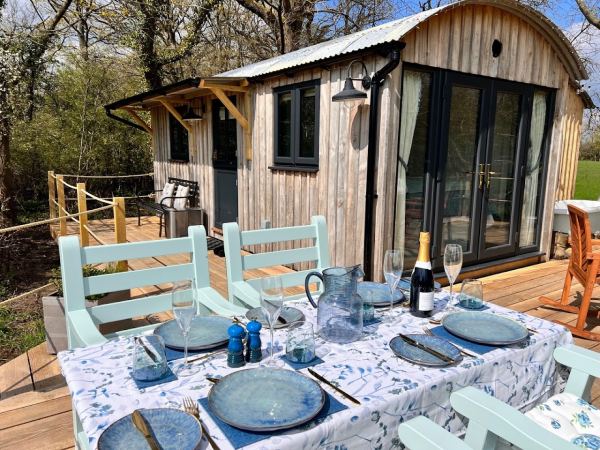
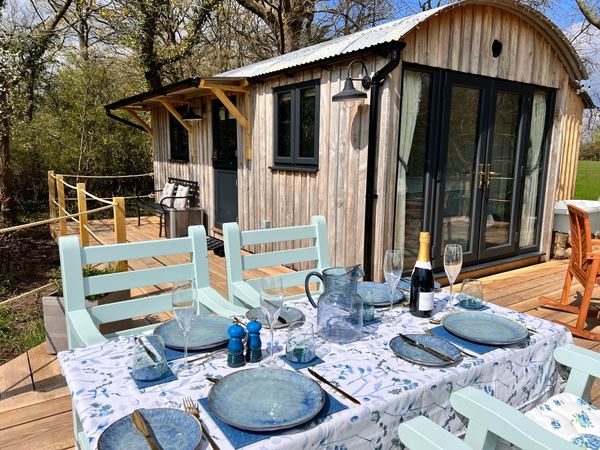
If a tent feels like too much of a commitment, glamping has taken hold across this stretch of Sussex just as it has elsewhere, with shepherd's huts, safari tents and the odd converted horsebox appearing on smallholdings and vineyards within a few miles of the village. These give you a proper bed, often a wood-burner or log stove, and sometimes a fire pit for the evening, without needing to own or transport any camping kit. Either way, book ahead in peak months: sites here are small, word travels locally, and weekends in June and July fill quickly.
Cokes Farm
⭐ 5.0 · from £30/night
Cattlestone Farm
⭐ 5.0 · from £25/night
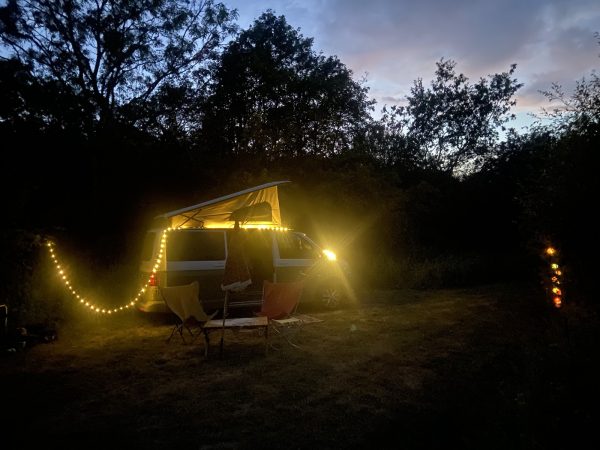
Peacocks Farm Campsite
⭐ 4.8 · from £30/night
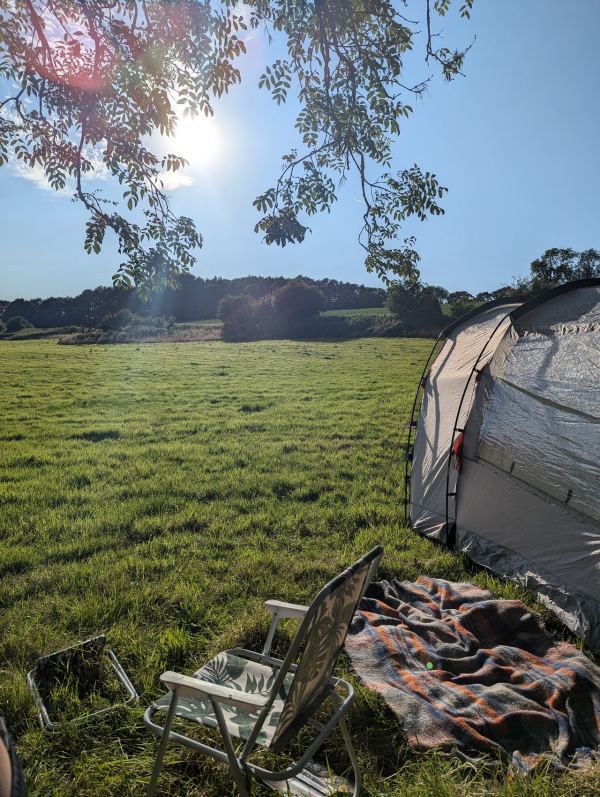
Little Thakeham Farm
⭐ 5.0 · from £60/night
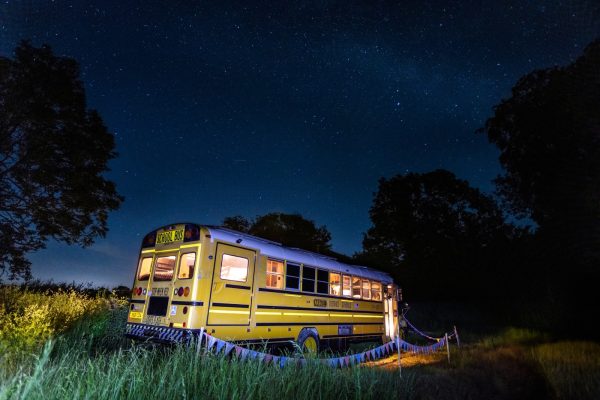
Skoolie Stays
⭐ 5.0
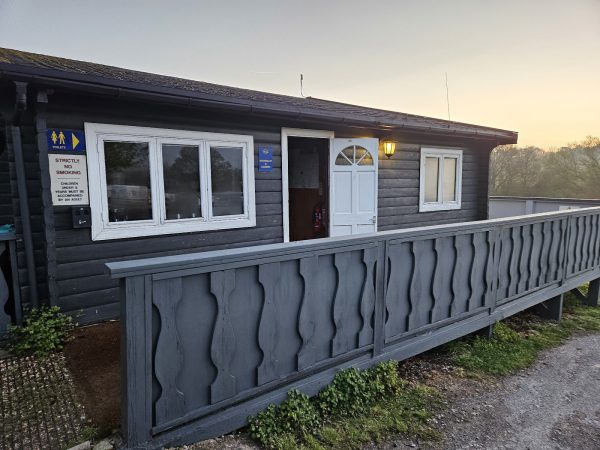
Warminghurst Camping
⭐ 4.6 · from £30/night
Sparright Farm
⭐ 4.6 · from £25/night
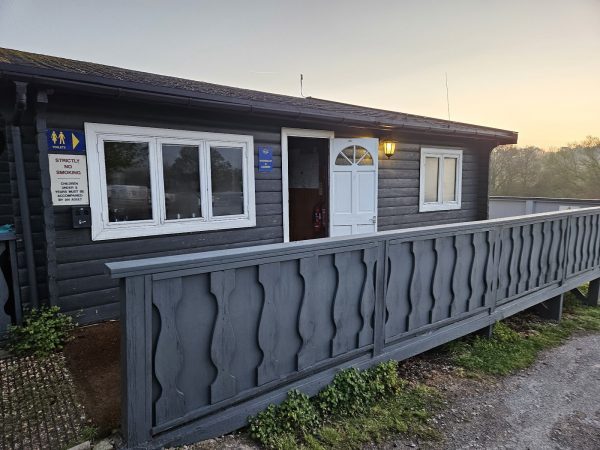
Washington Caravan and Camping Park
⭐ 4.6
Self-Catering Cottages in West Chiltington
All cottages in West Chiltington →Churchfield Stables
1 bed · sleeps 2 · from £413
The Old Workshop
1 bed · sleeps 2 · from £413
Dairy Byre
2 bed · sleeps 4 · from £847
The Mouse House
1 bed · sleeps 2 · from £782
The Bull’s Box
1 bed · sleeps 2 · from £782
Crowell Shires
2 bed · sleeps 4 · from £617
Northurst
4 bed · sleeps 8
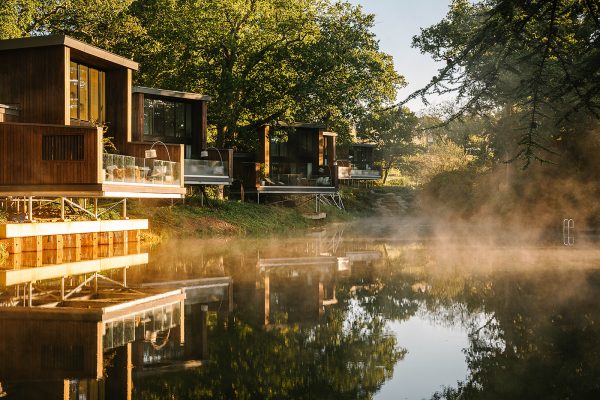
The Lodge
2 bed · sleeps 4 · from £1,212
Common questions about West Chiltington
How many campsites are there in West Chiltington?
We list 1 campsites in and around West Chiltington, of which 1 take tents and 1 offer glamping.
Are there dog-friendly campsites in West Chiltington?
Yes — 1 of the 1 campsites we list in West Chiltington accept dogs, including Cattlestone Farm.