Witherslack
Damson orchards and limestone fells in the quiet southern Lakes
Photo © Ben McLeod, Google Maps
Witherslack sits tucked beneath the wooded scar of Whitbarrow, where the Lyth Valley opens out in a patchwork of small fields, drystone walls and damson orchards. It is a scattered rather than a compact place, its farmhouses and cottages spread along quiet lanes between the fell and the valley floor, with the busy A590 skirting past rather than through it. This is the softer, quieter edge of the Lake District National Park, closer in feel to the limestone country of south Cumbria than to the crags of the central fells further north.
The name is thought to come from Old Norse, a nod to the Viking-age settlers who farmed this corner of Westmorland long before it became part of Cumbria. Little has changed in essence since: the valley is still farmed, the damson trees still blossom white in spring and turn heavy with purple-black fruit in autumn, and the limestone ridge of Whitbarrow still rises above it all as a wild, quiet backdrop. For visitors, Witherslack works well as a base that is genuinely rural yet only a short drive from Windermere, Kendal and the rest of the southern Lakes.
Getting to Witherslack
Witherslack lies just off the A590, the main road linking the M6 to Barrow-in-Furness, making it an easy stop for anyone travelling into the southern Lake District. Leave the M6 at Junction 36 near Kendal and follow the A590 south-west; the turning for the village is well signposted. The nearest railway stations are Grange-over-Sands and Kendal, both on branch lines with connections to the West Coast Main Line, though a car is the most practical way to reach and explore the village itself, as bus services are limited. Windermere and the central Lakes are around 20 minutes' drive to the north.
Best time to visit Witherslack
Late April brings the valley's famous damson blossom, when the orchards turn white and the Lyth Valley is at its prettiest. Spring and early summer are also best for Whitbarrow's limestone flora and butterflies, and for the returning ospreys at nearby Foulshaw Moss. Autumn brings the damson harvest and rich colour on the wooded scar, while summer is naturally the busiest season in the surrounding Lakes, so a stay in quieter Witherslack offers a good escape from the crowds at Windermere and Bowness. Winter is peaceful and atmospheric, though some rural attractions reduce their opening hours.
Where to stay in Witherslack
All hotels in Witherslack →About staying in Witherslack
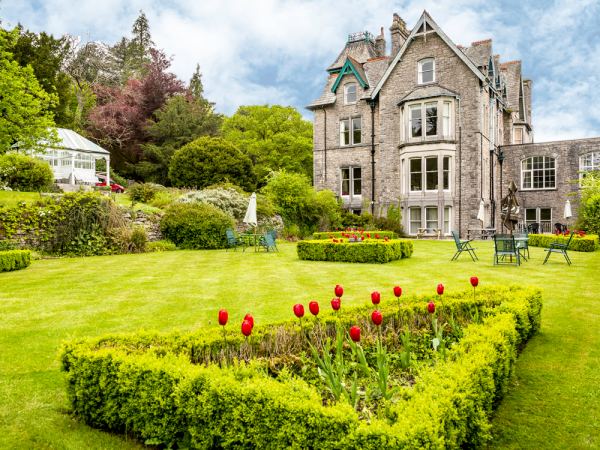
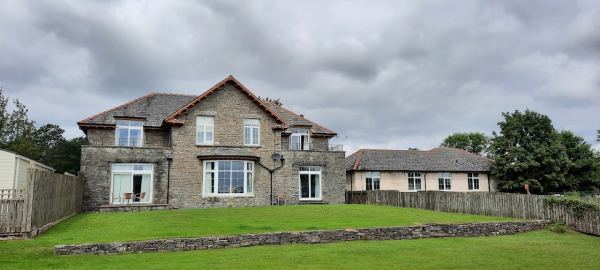
Witherslack is not a place of big hotels, and that is much of its appeal. Instead you will find a small number of characterful places to stay, led by the Derby Arms, an 18th-century coaching inn on the edge of the village with smartly refurbished en-suite rooms above a bar known for its real ales and locally sourced food. Its position just off the A590 makes it a convenient and comfortable base for exploring the southern Lake District without needing to fight for a parking space in Bowness or Windermere.
Beyond the village, a short drive opens up a much wider choice. Grange-over-Sands, a few miles south on the Cartmel peninsula, has a range of traditional seafront hotels and guesthouses with views over Morecambe Bay, while Kendal offers everything from budget chain hotels to boutique townhouse stays along with easy access to the M6. For those who want to be closer to the lake itself, Windermere and Bowness are within about 20 minutes' drive and hold the largest concentration of hotels in the southern Lakes, from grand lakeside country houses to family-run bed and breakfasts.
Wherever you base yourself, Witherslack's appeal is as a quiet, uncrowded stop from which to explore Whitbarrow, the Lyth Valley's damson orchards and Foulshaw Moss, before heading into the busier heart of the national park for the day.
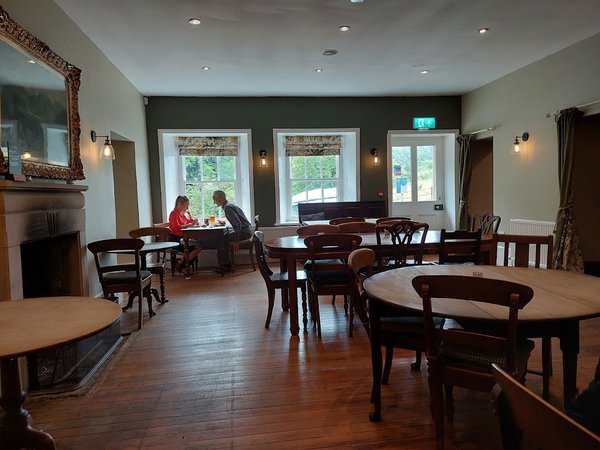
The Derby Arms
Witherslack, Grange-over-Sands
Witherslack Hall Farmhouse
Witherslack Hall Farm, Grange-over-Sands
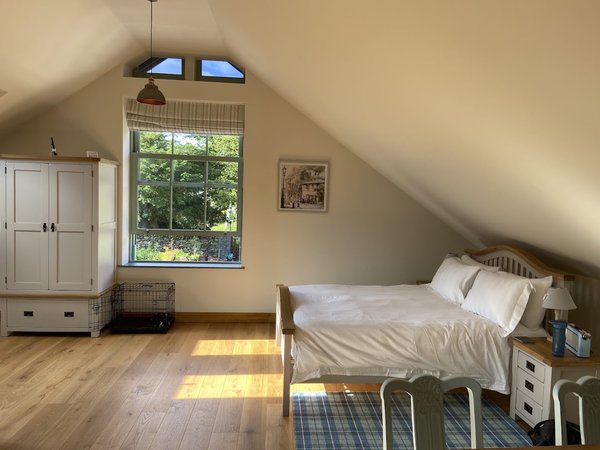
Ellenboro House Bed & Breakfast
Newton-in-cartmel, Cartmel
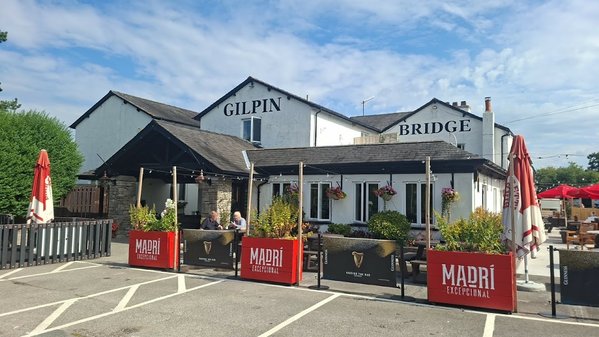
Gilpin Bridge Inn
Bridge End, Kendal
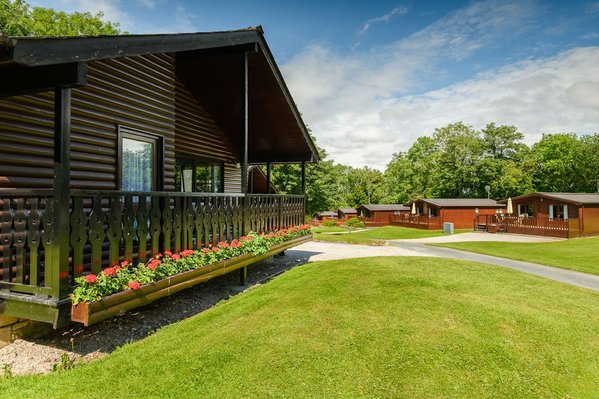
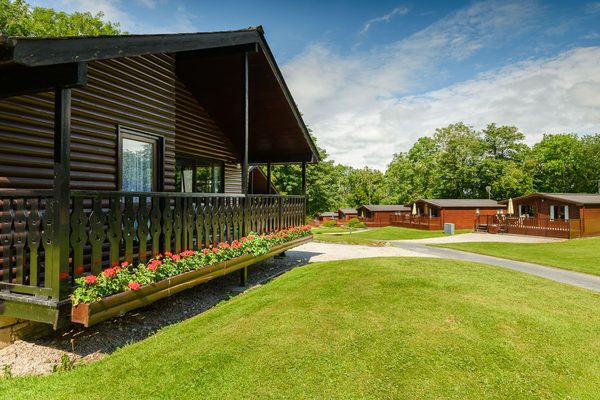
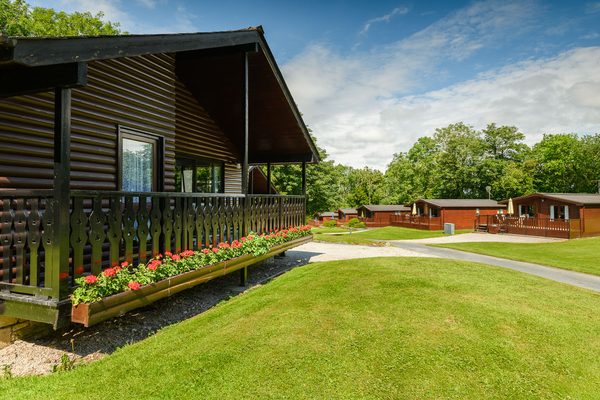
Woodlands Hotel & Pine Lodges
Meathop, Grange-over-Sands
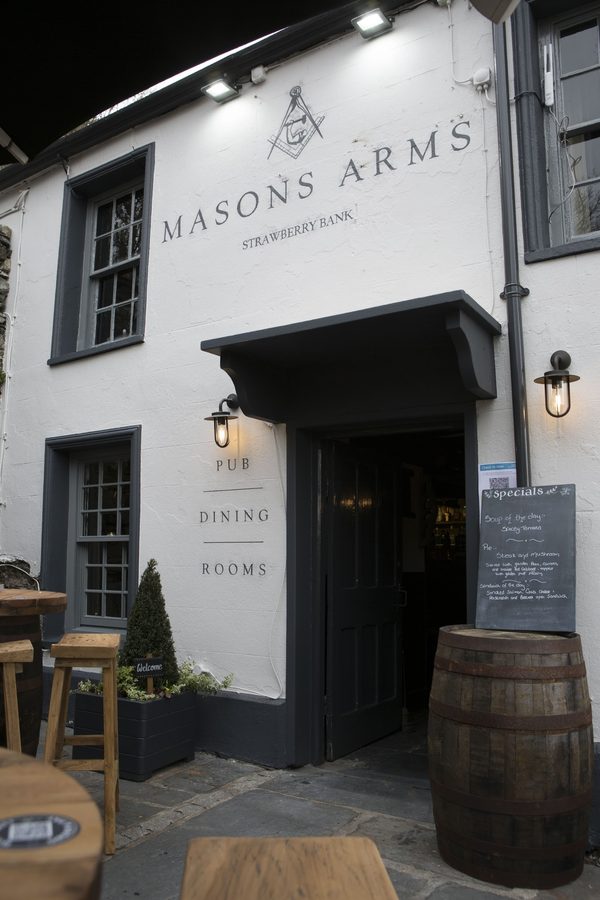
Masons Arms
Strawberry Bank, Cartmel Fell
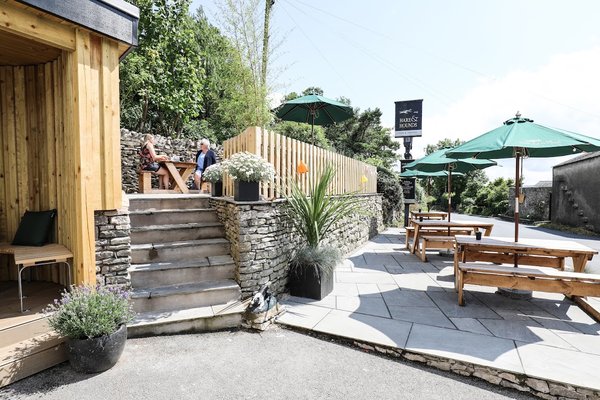
The Hare and Hounds Levens
Church Rd, Kendal
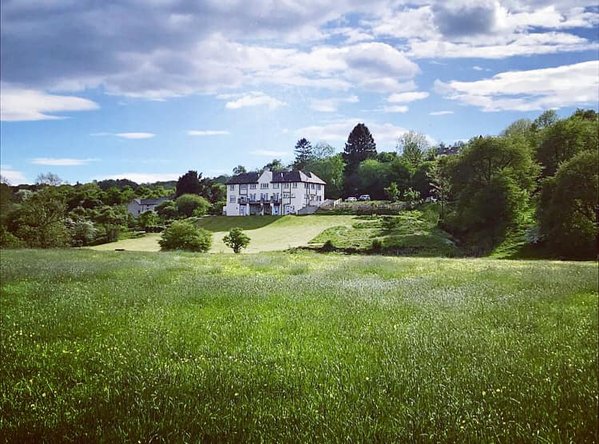
Lyth Valley Country House
A5074, Kendal
Things to Do in Witherslack
All attractions in Witherslack →Top things to do in Witherslack
Witherslack rewards slow exploration more than a checklist of sights, but there is plenty within easy reach for walkers, naturalists and anyone after a proper Lakeland pub.
- Whitbarrow National Nature Reserve — A dramatic limestone escarpment rising to 705ft at Lord's Seat, with ancient woodland on its lower slopes and open grassland along the ridge. In summer the reserve is known for its wildflowers and four species of fritillary butterfly.
- Lyth Valley damson orchards — The valley is the historic home of the Westmorland damson, grown here since the 1850s thanks to the free-draining limestone soil and mild microclimate. Blossom time in late April is a local highlight, celebrated with a village damson day in good years.
- Foulshaw Moss Nature Reserve — A restored lowland raised bog a short drive away, run by Cumbria Wildlife Trust and famous as a breeding site for ospreys, which return each spring to nest on a viewing platform visible from the reserve's boardwalk.
- Witherslack Hall — A historic hall and estate on the edge of the Winster Valley, bordered by the river Winster to the west and Whitbarrow Scar to the east, set within the largest area of semi-natural woodland in Cumbria.
- Lake Windermere — England's largest lake is only a short drive north, with Lakeside, Newby Bridge and Bowness all within easy reach for boat trips, lake cruises and watersports.
- Grange-over-Sands — This genteel Edwardian seaside town on the Cartmel peninsula, with its promenade and views across Morecambe Bay, lies a few miles to the south.
Where to Eat in Witherslack(1)
All restaurants in Witherslack →Food and drink in Witherslack
The Derby Arms is the heart of the village's food and drink scene, a CAMRA award-winning free house serving up to six real ales, many from Cumbrian breweries, alongside a menu built on local, seasonal produce and a well-regarded wine list. It is exactly the kind of traditional Lakeland inn that rewards a visit after a day on Whitbarrow. For a wider spread of cafes, tea rooms and restaurants, Grange-over-Sands and Kendal are both close by, while the valley's damsons find their way into local jams, gins and bakes sold at farm shops throughout the Lyth Valley.
Attractions Near Witherslack
All attractions in Witherslack →Worth the trip — within 50 miles of Witherslack.
Predator Experience
Lake District · ⭐ 4.9
 3 mi
3 mi
Fell Foot Park
Windermere · ⭐ 4.8
 4 mi
4 mi
Lakes Aquarium
Ulverston · ⭐ 4.2
 5 mi
5 mi
Lakeland Motor Museum
Newby Bridge · ⭐ 4.7
 5 mi
5 mi
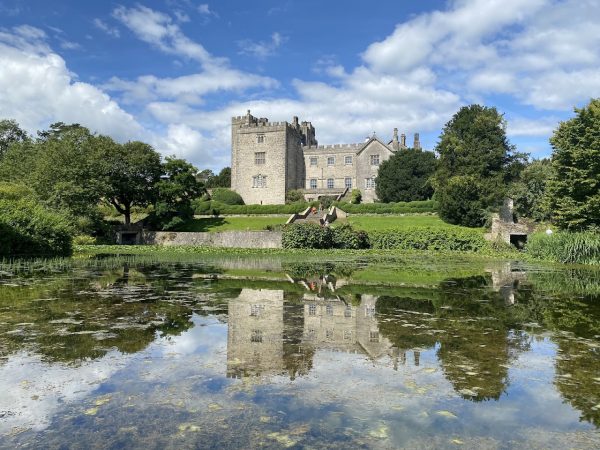
Sizergh Castle - National Trust
Kendal · ⭐ 4.6
 5 mi
5 mi
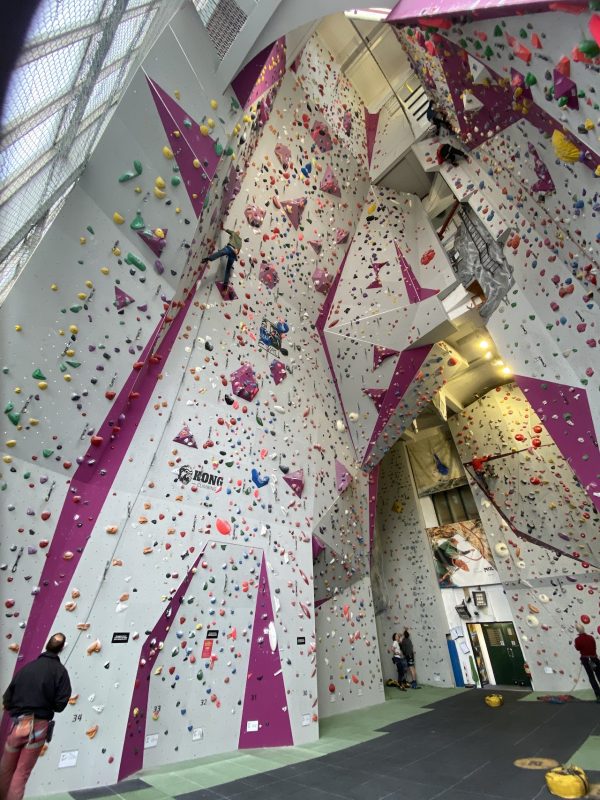
Lakeland Climbing Centre
Kendal · ⭐ 4.9
 5 mi
5 mi
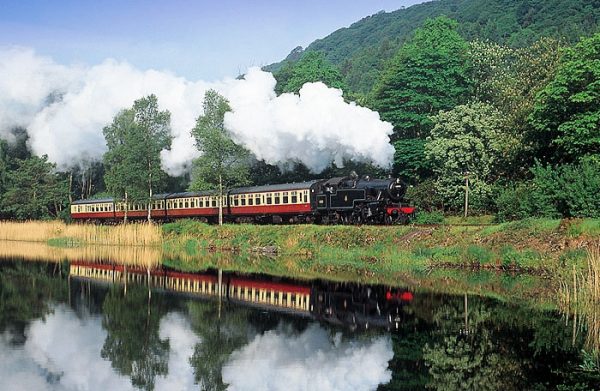
Lakeside and Haverthwaite Railway
Ulverston · ⭐ 4.6
 5 mi
5 mi
Curious About Kendal
Kendal · ⭐ 4.7
Camping in Witherslack(1)
All campsites in Witherslack →About camping in Witherslack
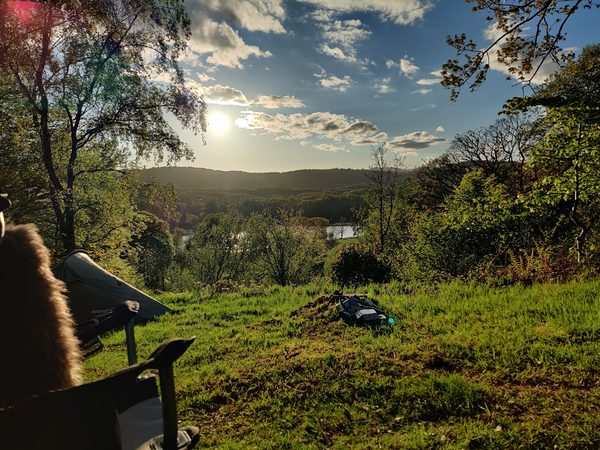
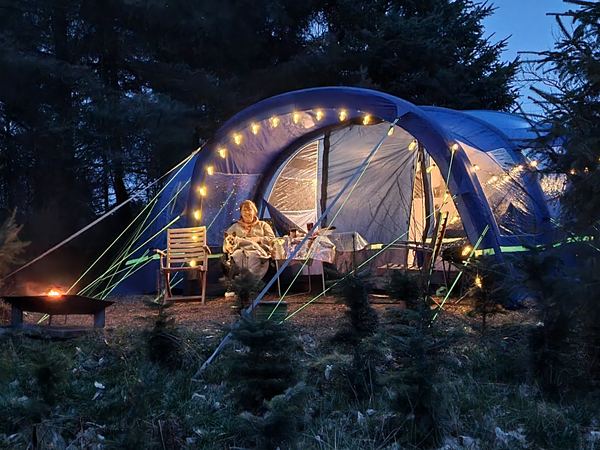
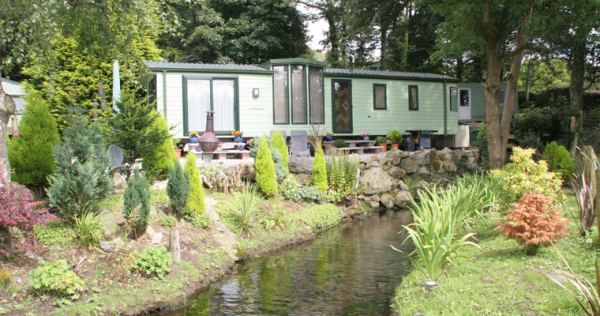
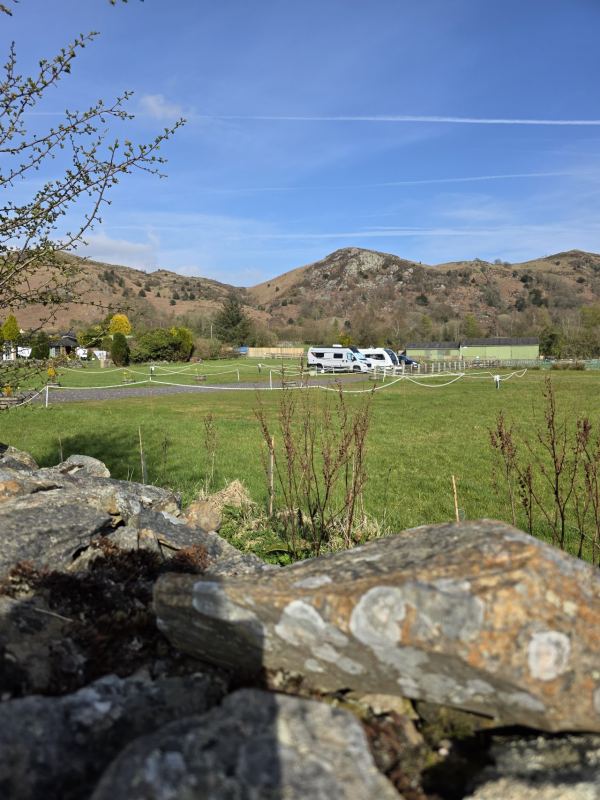
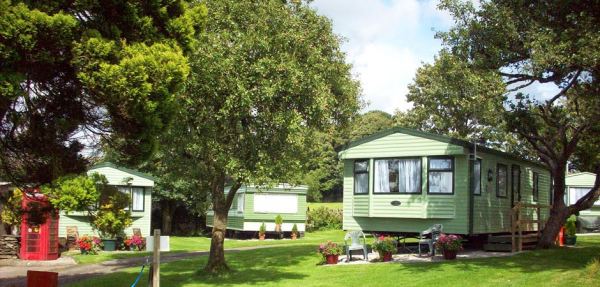
Witherslack sits in classic southern Lake District camping country: limestone fells, damson orchards and quiet valley farmland, all within easy reach of Windermere. As with anywhere in England, wild camping without the landowner's permission is not legal, so pitching up on Whitbarrow or in the surrounding fields requires prior agreement; stick to licensed campsites, certified sites and farm-based pitches instead, of which the Lyth and Winster valleys have a good spread, from simple touring pitches to small, family-run sites tucked behind farmhouses.
The terrain here is gentler than the central fells, rolling farmland rising to the limestone scar of Whitbarrow rather than dramatic mountain camping, which makes it a comfortable choice for families and those touring with caravans or campervans as well as tent campers. Good local sites offer easy access to walking routes up Whitbarrow and along the valley, and many are within a short drive of Lake Windermere for lake trips and watersports without the congestion of camping right on the lakeshore itself.
Spring, when the damson blossom is out and Foulshaw Moss's ospreys have returned, and early autumn, when the harvest is in and the woods on Whitbarrow turn colour, are particularly rewarding times to camp in this part of Cumbria, with settled weather and quieter sites than in the height of summer. Midges and rain are a possibility at any time, so a well-pitched tent and warm layers are wise even in summer.
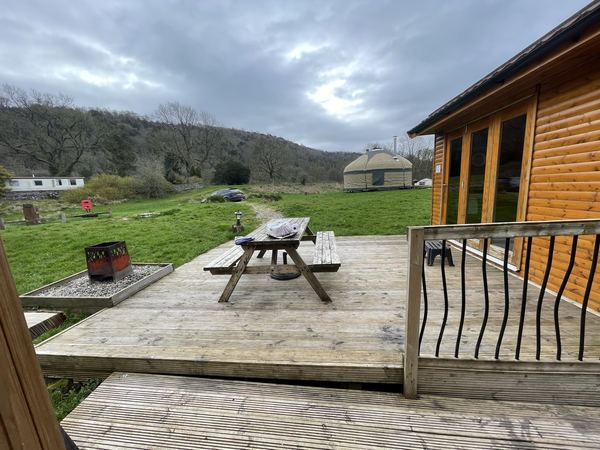
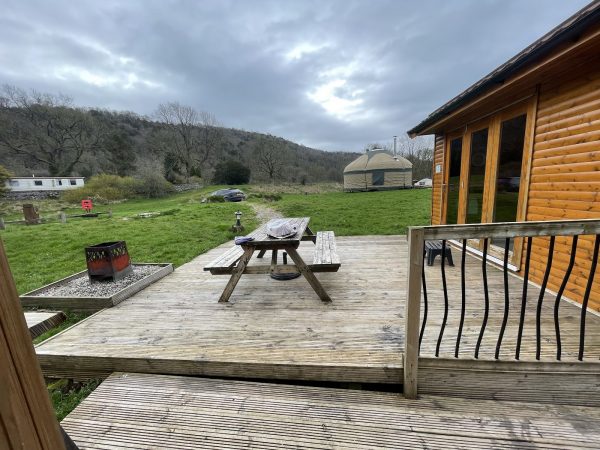
For those who prefer a roof over their heads without a full hotel stay, glamping has taken hold across the valley, with shepherd's huts, pods and safari tents offering a comfortable, weatherproof alternative to canvas. Many sit on working farms, giving campers a genuine taste of the valley's rural life alongside its damson orchards and limestone scenery.
Self-Catering Cottages in Witherslack
All cottages in Witherslack →Hill Top Barn
4 bed · sleeps 8 · from £597
Yew Tree Farm
3 bed · sleeps 6 · from £483
Arnside Apartment
1 bed · sleeps 4 · from £427
Baycliff Apartment
2 bed · sleeps 4 · from £443
Silverdale Apartment
2 bed · sleeps 4 · from £453
Kent View Apartment
1 bed · sleeps 2 · from £393
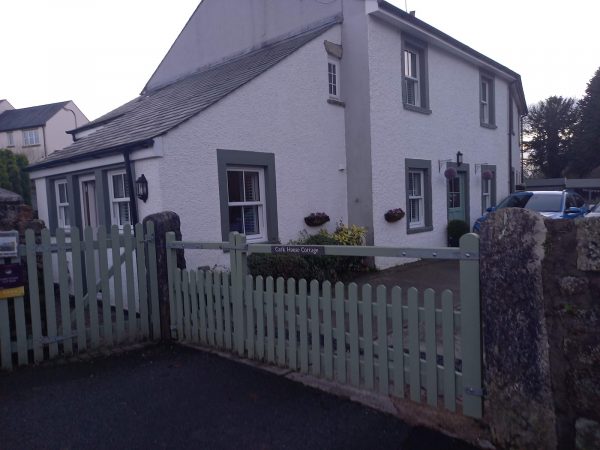
Cartmel Cottage
2 bed · sleeps 4 · from £443
Levans Cottage
2 bed · sleeps 4 · from £443
Common questions about Witherslack
How many campsites are there in Witherslack?
We list 1 campsites in and around Witherslack, of which 1 take tents and 1 offer glamping.
Are there dog-friendly campsites in Witherslack?
Yes — 1 of the 1 campsites we list in Witherslack accept dogs, including Moss Howe Farm Campsite.
Which campsites in Witherslack have electric hook-up?
1 of the 1 campsites we list in Witherslack offer an electric hook-up.
Where can I eat in Witherslack?
We list 1 restaurants, pubs and cafes in and around Witherslack.