Barcombe
Riverside Sussex, at its own unhurried pace
Photo © John W Webber, Google Maps
Barcombe sits in the Ouse Valley about four miles north of Lewes, spread across three distinct pockets rather than one tight centre. There is the old parish around the medieval church of St Mary, largely abandoned after the Black Death; the modern hub of Barcombe Cross, with its shops, pub and village green; and Barcombe Mills, a mile or so away by the river, where a working corn mill stood from at least the 11th century until fire destroyed it in the 1930s. Today that riverside spot is a quiet local nature reserve rather than a hamlet of any size, but the name has stuck and it is the part most visitors come to see.
What draws people here is the landscape rather than any single sight: water meadows, willow-lined paths, a disused railway line turned into a walking and cycling route, and the South Downs rising to the south. The River Ouse loops past Barcombe Reservoir, built in the 1950s to supply Brighton, and the combination of river, reservoir and old mill leats makes this one of the gentler, more overlooked corners of the Sussex countryside. It is not a place with a long list of paid attractions; it rewards people who like walking, cycling, wild swimming in permitted stretches, or simply sitting outside a riverside pub.
Getting to Barcombe
Barcombe lies just off the A26 between Lewes and Uckfield, roughly four miles north of Lewes and a similar distance south of Uckfield, so it is an easy detour for anyone driving the Brighton to Tunbridge Wells corridor. The village itself has no railway station of its own today; the old Barcombe Mills and Barcombe stations on the Lewes to Uckfield line closed along with the line in the 1960s and 1970s. The nearest working stations are Lewes and Cooksbridge, both on regular services from Brighton, Gatwick Airport and London Victoria or Bridge, from where a taxi, bus or a pleasant cycle along the old railway path covers the last few miles. Local bus routes connect Barcombe Cross to Lewes and Uckfield, though services are relatively infrequent, and a car remains the most flexible way to reach the more scattered spots such as Barcombe Mills and the reservoir.
Best time to visit Barcombe
Late spring through to early autumn is the most rewarding time, when the water meadows are green, the mill reserve is full of birdlife and the Anchor Inn's riverside garden and rowing boats are at their best. May and June bring bluebells and blossom to the surrounding woodland and relatively quiet paths before the summer holidays. High summer suits river walks, cycling the old railway line and picnics by the reservoir, though prepare for boggier ground after wet weather at any time of year given the low-lying river valley setting. Autumn brings good colour along the Ouse and fewer crowds, while winter turns the reserve wetter and quieter still, better suited to a bracing walk and a fireside pint than lingering outdoors.
Where to stay in Barcombe
All hotels in Barcombe →About staying in Barcombe
Barcombe makes a relaxed base for exploring the Ouse Valley and the northern edge of the South Downs National Park, though the village itself has few hotels of its own. Most travellers looking for a proper hotel stay use nearby Lewes, five minutes or so by car, which offers everything from characterful coaching inns in the historic town centre to modern boutique hotels, many within walking distance of the castle, high street and station. Staying in Lewes also puts Brighton, Glyndebourne and the wider South Downs within easy reach, while Barcombe itself remains just a short drive away for riverside walks and a pub lunch at the Anchor Inn.
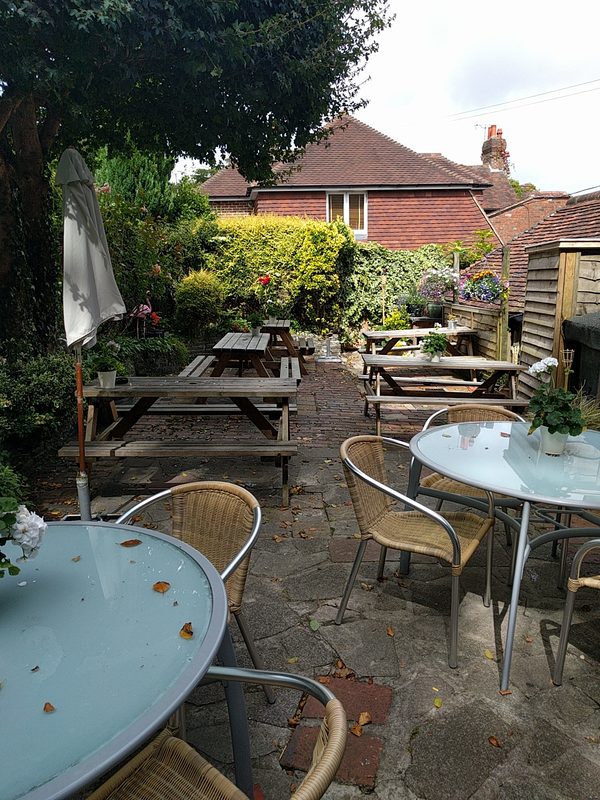
The Blacksmiths Arms
London Road, Lewes
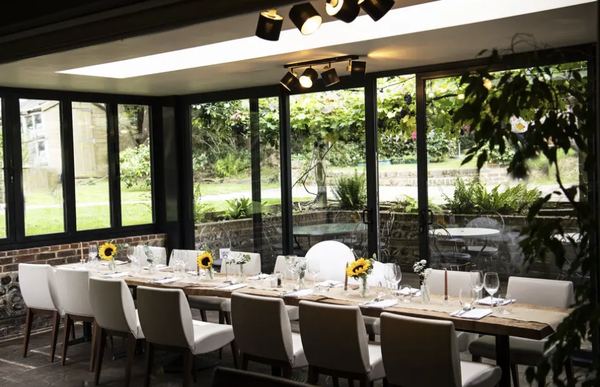 8.9
8.9
The Jolly Sportsman
Chapel Lane, East Chiltington, four miles from Lewes
from £110/night
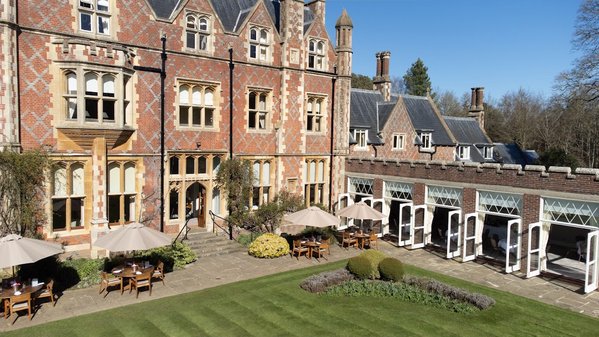
Horsted Place Hotel
Little Horsted, Uckfield
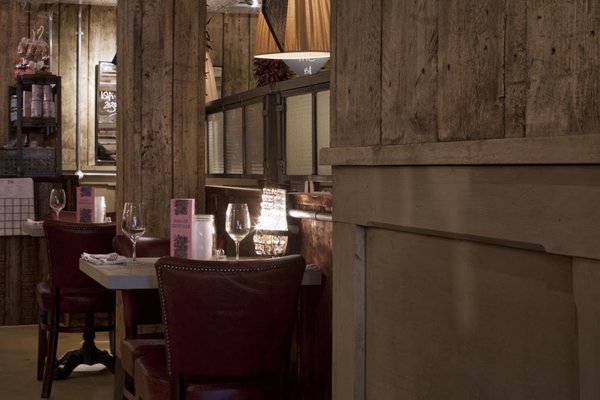
Buffalo Bills
Eastbourne Rd, Lewes
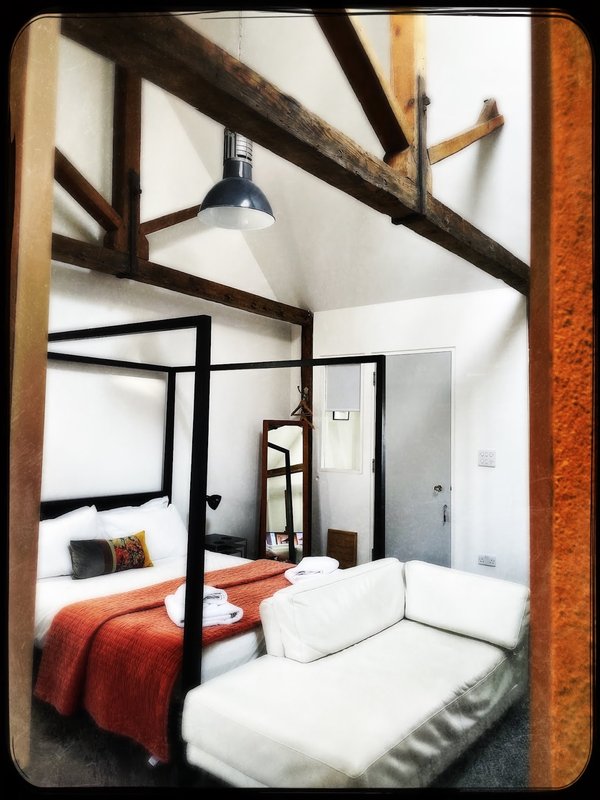 9.4
9.4
Monty's Accommodation
Town centre, historic Lewes
from £100/night
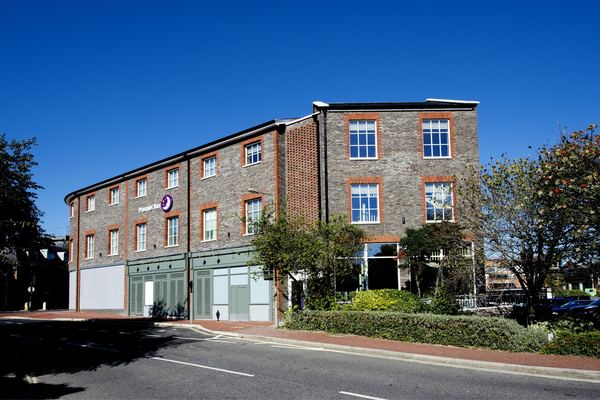 8.2
8.2
Premier Inn Lewes Town Centre
Court Road, near the railway station
from £75/night
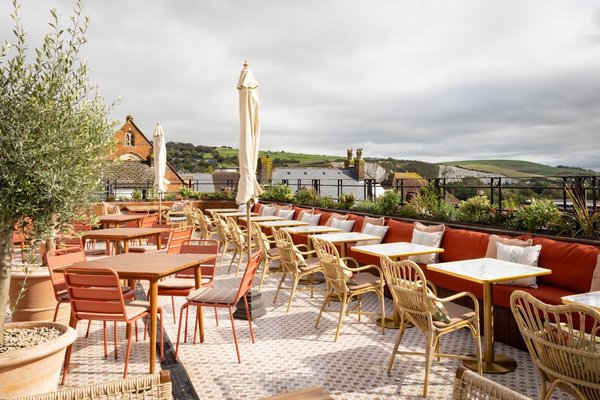
The Newmarket Inn
Brighton Road, Lewes
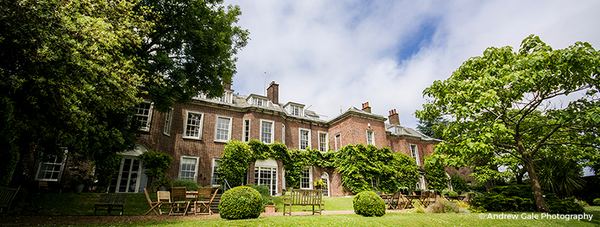 8.9
8.9
Pelham House
St Andrews Lane, town centre, below the castle
from £175/night
Things to Do in Barcombe
All attractions in Barcombe →Top things to do in Barcombe
Barcombe rewards slow exploring on foot or by bike more than a checklist of sights, but there is a solid handful of real places worth building a day around.
- Barcombe Mills and Nature Reserve — the site of the old corn mill on the west bank of the River Ouse, now a peaceful reserve of wet woodland and meadow with paths along the old mill leat and weirs.
- Barcombe Reservoir — a former Brighton water-supply reservoir with a circular path along its banks, popular with anglers and birdwatchers watching for herons, kingfishers and wildfowl.
- St Mary the Virgin Church — a Norman-founded church in the original, largely deserted old village, with 17th-century armorial glass and later Victorian windows by Charles Eamer Kempe.
- The Anchor Inn at Barcombe Mills — an 1790 riverside pub where rowing boats can be hired to explore the Ouse, and a natural turning point for a circular walk from Barcombe Cross.
- The Egrets Way and Sustrans Route 21 — the trackbed of the old Lewes to Uckfield railway, now a flat, largely traffic-free path for cycling or walking towards Lewes.
- Bentley Wildfowl and Motor Museum — a few miles north-east near Ringmer, combining ornamental wildfowl collections, a motor museum and a miniature railway, good for a family day out.
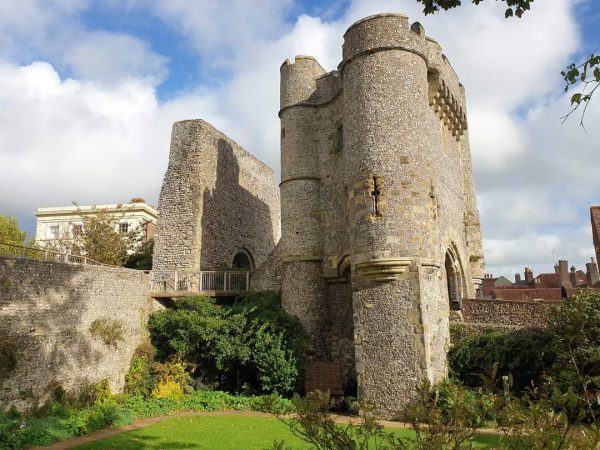
- Lewes — the county town four or five miles south, with its Norman castle, Southover Grange gardens, independent shops and the historic Pells Pool, England's oldest documented freshwater outdoor pool.
Where to Eat in Barcombe
All restaurants in Barcombe →Food and drink in Barcombe
The village's best-known food and drink stop is the Anchor Inn at Barcombe Mills, an eighteenth-century riverside pub with real ale, a straightforward pub menu and boats for hire on the Ouse right outside. Barcombe Cross has its own village pub along with a well-regarded village shop and post office for essentials, and the wider area around Ringmer and Lewes offers a broader spread of cafes, farm shops and restaurants for anyone happy to travel a short distance for dinner.
Attractions Near Barcombe
All attractions in Barcombe →Worth the trip — within 50 miles of Barcombe.
 2 mi
2 mi
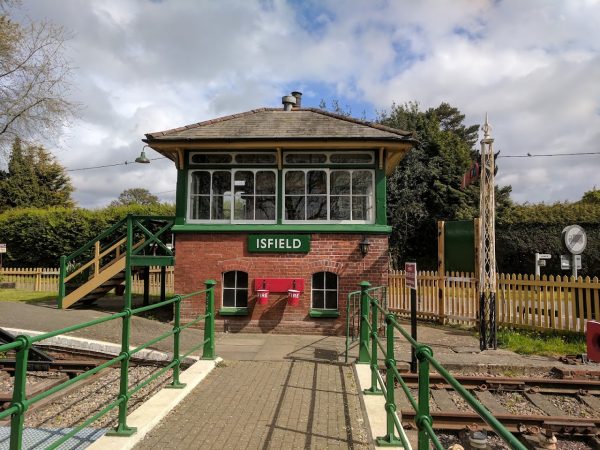
The Lavender Line
Uckfield · ⭐ 4.5
 3 mi
3 mi
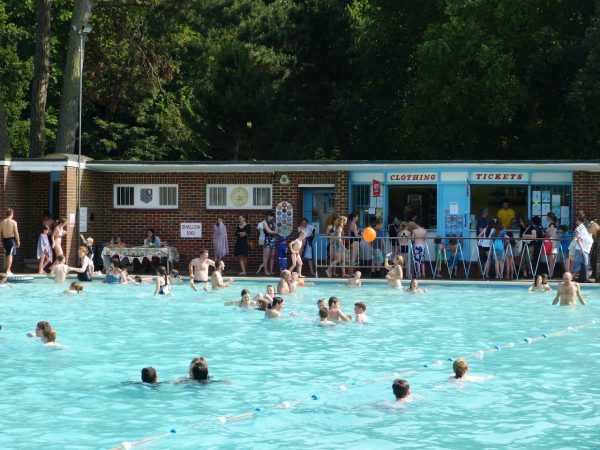
The Pells Outdoor Swimming Pool
Lewes · ⭐ 4.6
The Outdoors Project
Lewes · ⭐ 4.9
 4 mi
4 mi
Lewes Castle
Lewes · ⭐ 4.5
 4 mi
4 mi
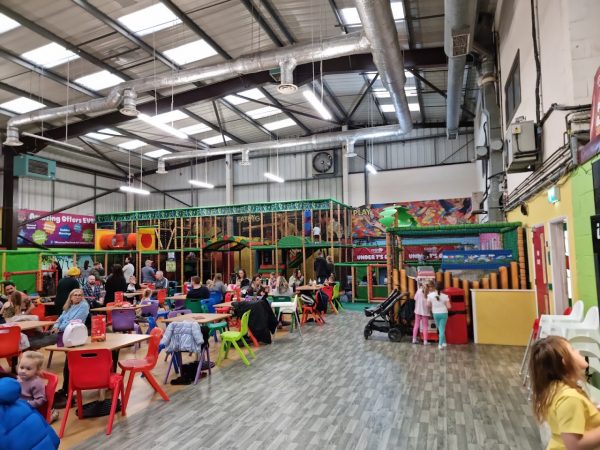
Monkey Bizness Indoor Play Centre
Lewes · ⭐ 4.3
 4 mi
4 mi
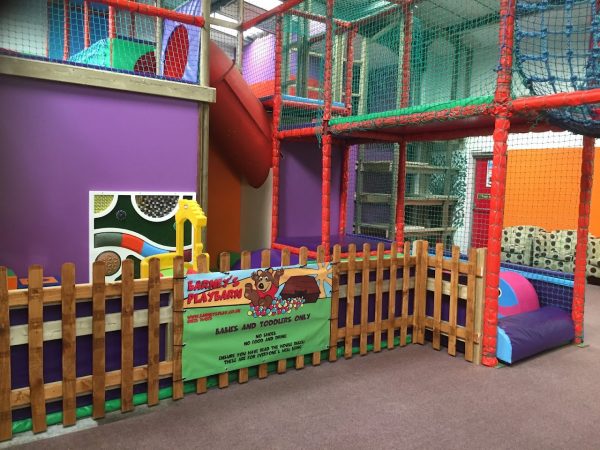
Barneys Playbarn
Uckfield · ⭐ 4.3
 5 mi
5 mi
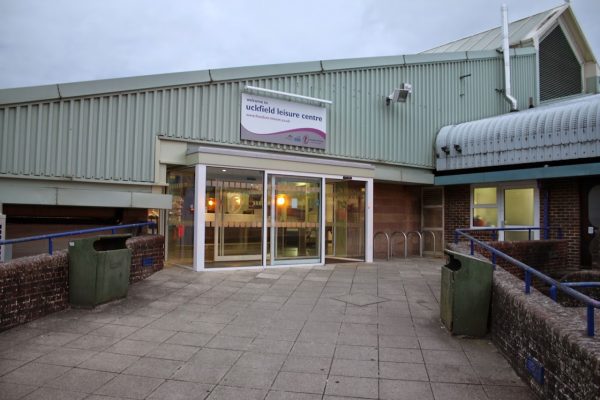
Uckfield Leisure Centre
Uckfield · ⭐ 3.9
 5 mi
5 mi
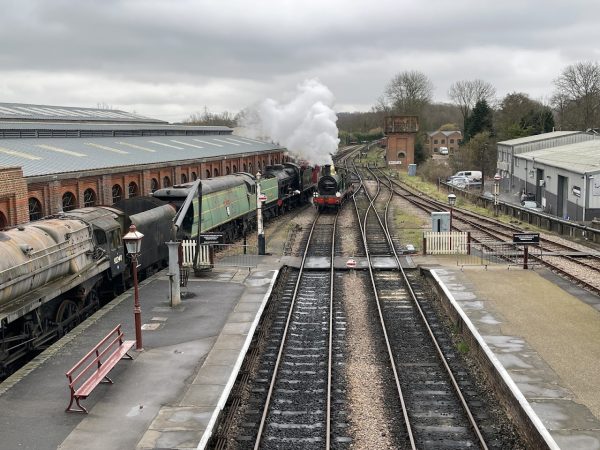
Bluebell Railway
Uckfield · ⭐ 4.7
Camping in Barcombe(1)
All campsites in Barcombe →About camping in Barcombe
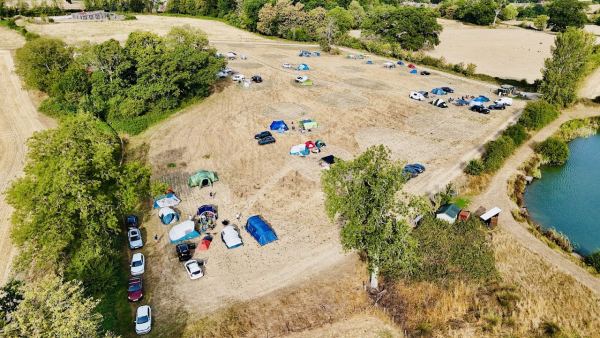
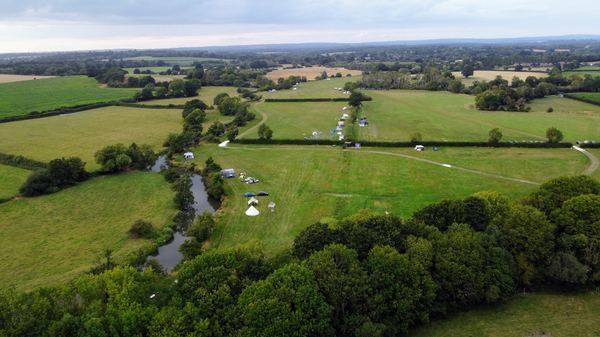
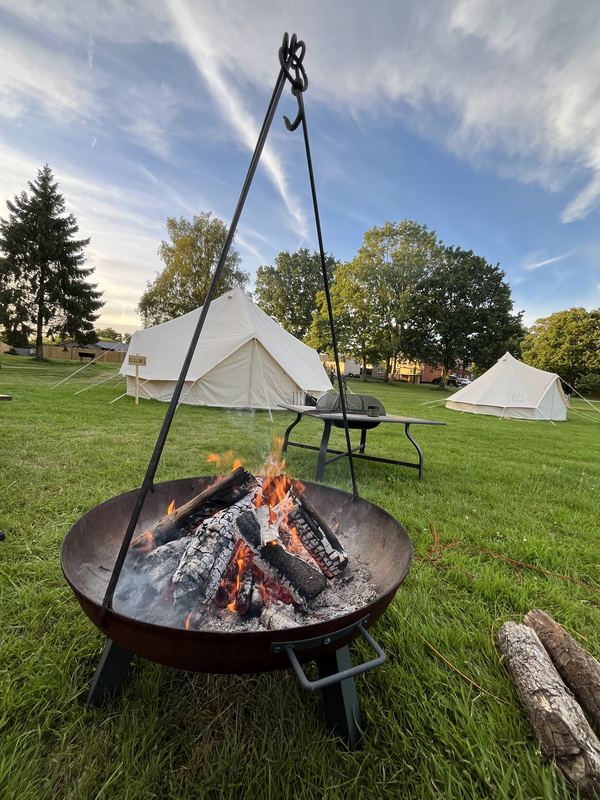
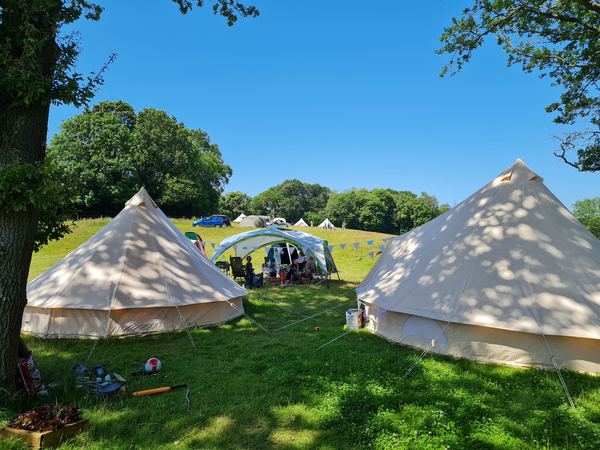
Barcombe sits right on the River Ouse where the water meadows meet the northern edge of the South Downs, and this gentle, low-lying landscape makes for a different kind of camping trip to the chalk downland further south. As with the rest of England, wild camping is not legal here without the landowner's permission, so pitching up in the reserve, along the river or on farmland requires booking a proper site rather than finding a quiet corner for the night. The good news is that Barcombe and its immediate surroundings have a genuine cluster of well-regarded small campsites, from simple grassy pitches within walking distance of the Anchor Inn and the reservoir to glamping bell tents and yurts on nearby farms towards Ringmer and Lewes.
The terrain around Barcombe Mills is flat and often damp, criss-crossed by the river, its old mill leats and the reservoir, so a site with reasonable drainage and solid pitches matters more here than it might on higher ground. The reward for camping in the valley is easy access to riverside walks straight from your tent, the chance of a wild swim in permitted stretches of the Ouse, and a short walk or cycle to a proper pub rather than a drive. Head a little further south and the ground begins to rise into the South Downs proper, opening up the option of combining a valley-bottom camp with day walks up onto the open downland above Lewes.
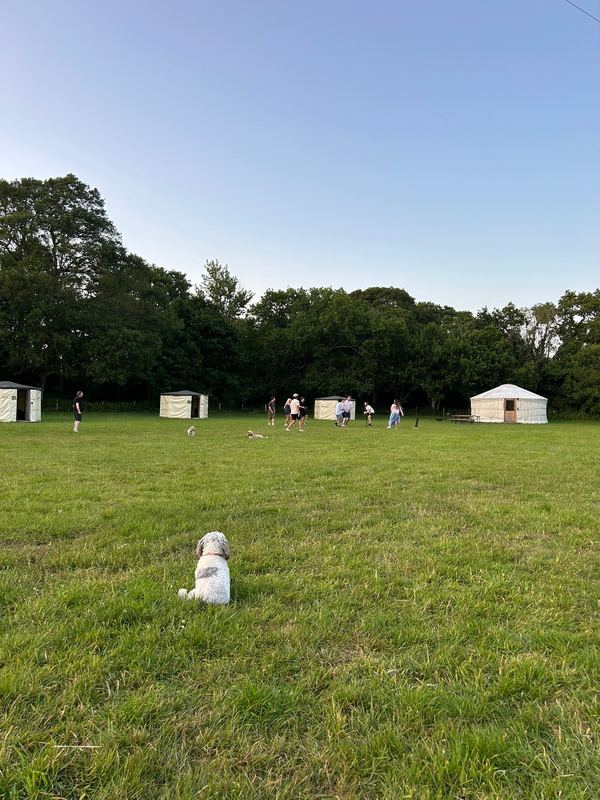
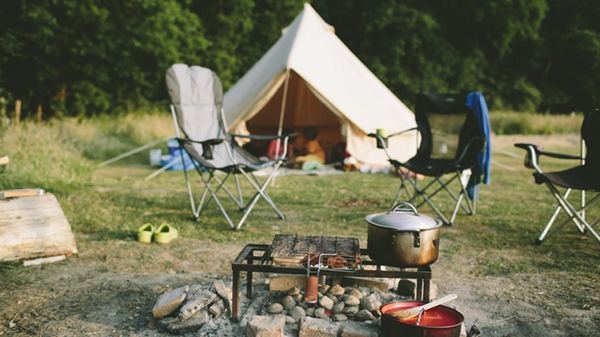
Late spring to early autumn is the best window for camping here, when the meadows have dried out from winter flooding and the long evenings suit a walk along the river before dark. Many of the sites in this area lean towards a quiet, family-friendly, low-key style of camping rather than large-scale facilities, and several offer glamping options such as bell tents, shepherd's huts or yurts for anyone who wants the setting without bringing their own tent, making Barcombe an appealing, easy-to-reach alternative to the more crowded coastal campsites further south.
Self-Catering Cottages in Barcombe
All cottages in Barcombe →The Old Dairy At Wootton
1 bed · sleeps 2 · from £575
Perfect location
1 bed · sleeps 2 · from £561
Silvergrove Cottage
1 bed · sleeps 2 · from £781
Tidal Retreat
3 bed · sleeps 7 · from £1,021
Seabrook Lodge
2 bed · sleeps 4 · from £1,224
Polecat Barn
2 bed · sleeps 4 · from £897
The Old Sawmill One
2 bed · sleeps 4 · from £671
The Old Sawmill Two
2 bed · sleeps 2
Common questions about Barcombe
How many campsites are there in Barcombe?
We list 1 campsites in and around Barcombe, of which 1 take tents and 1 offer glamping.