Boston
Where the Fens meet the Wash, beneath England's tallest parish tower
Photo © Mick, Google Maps
Boston sits where the River Witham meets the flat, fertile expanse of the Lincolnshire Fens, a few miles inland from The Wash. It grew rich in the medieval period as a wool-trading port, second only to London for a time, and that wealth is still visible in the scale of its parish church and the merchants' houses that line its streets. Today it is a working market town, the hub for the surrounding fen villages and one of the country's most productive agricultural areas, with vast fields of vegetables, salad crops and flowers stretching towards the coast.
The town's skyline is dominated by the tower of St Botolph's Church, known to everyone simply as "the Stump", which was for centuries a landmark for sailors and fen travellers navigating the flat, featureless landscape. Boston's streets carry real history too: this is the town from which a group of Puritan separatists tried to flee to Holland in 1607, were caught and imprisoned, and later went on to become part of the Mayflower voyage that founded Boston, Massachusetts. That link between the two Bostons still draws American visitors keen to see where their city's name began.
Getting to Boston
Boston lies on the A16 and A52, roughly 35 miles south-east of Lincoln and 30 miles north-east of Peterborough, making it an easy detour for anyone travelling between the East Midlands and the Lincolnshire coast. The town has a railway station on the Poacher Line, with regular services connecting to Skegness and, via Sleaford and Grantham, on to Nottingham. There is no direct motorway link, so most visitors arrive by car along the A-road network through the Fens; the drive itself, past dead-straight drainage dykes and huge open skies, is part of the area's appeal.
Best time to visit Boston
Spring and early summer bring the Fens to life, with the surrounding fields turning yellow with tulip and daffodil blooms and the market gardens in full swing. Summer is the most popular season for visiting the nearby coast and nature reserves, with long daylight hours suited to walking or cycling the flat fenland lanes. Autumn draws birdwatchers to Frampton Marsh and Freiston Shore as thousands of migrating waders and geese arrive on the mudflats. Winter is quieter, but the town's historic core and its Christmas market around the Stump have their own charm, and accommodation is easiest to find and best value out of season.
Where to stay in Boston(19)
All hotels in Boston →About staying in Boston
Boston's hotels and guesthouses cluster mainly around the town centre and the Market Place, within easy reach of St Botolph's Church, the Guildhall Museum and the riverside walks along the Haven. Options here tend to be traditional coaching inns and small independent hotels rather than large chains, reflecting the town's character as a working market town rather than a tourist resort. A handful of budget and mid-range hotels sit just outside the centre along the main approach roads, convenient for anyone arriving by car on the A16 or A52.
Because Boston is not a seaside resort in its own right, it makes a useful, less crowded base for exploring the Lincolnshire coast, with Skegness, Butlin's and the beaches around Ingoldmells all under half an hour away by road or rail. It is equally well placed for the RSPB reserves at Frampton Marsh and Freiston Shore, and for day trips into the wider Fens towards Spalding and its bulb fields, or north to the cathedral city of Lincoln. Staying in Boston itself tends to be more affordable than the coastal towns, particularly outside the summer peak, and puts you within walking distance of the historic core, the market, and a good spread of pubs and restaurants for the evening.
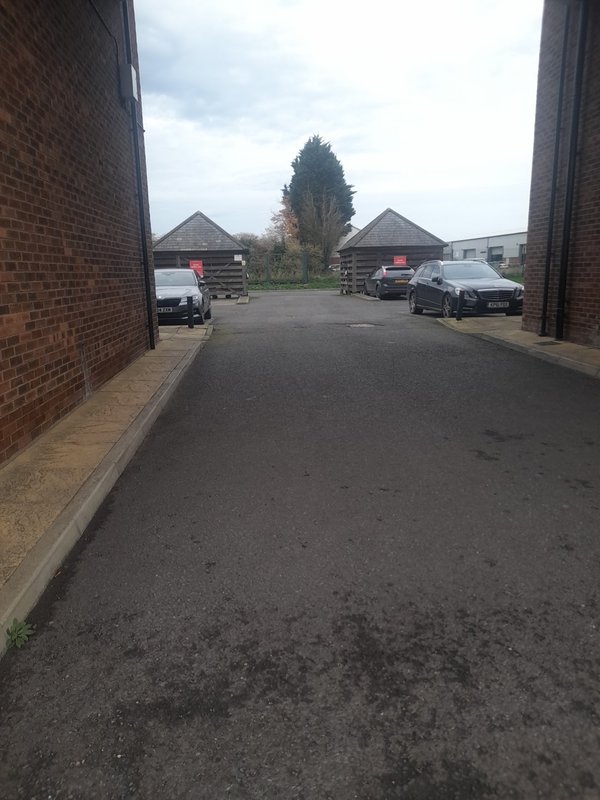
Boston Lodge
Browns Drove, Boston
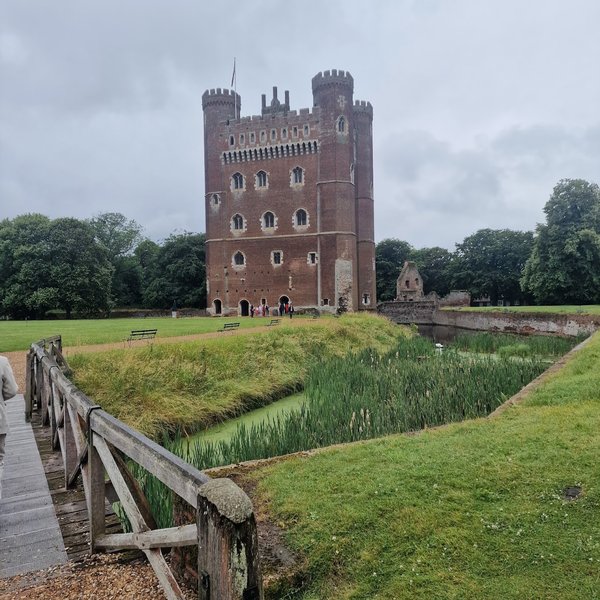
Boston West Hotel
Hubbert's Bridge, Boston
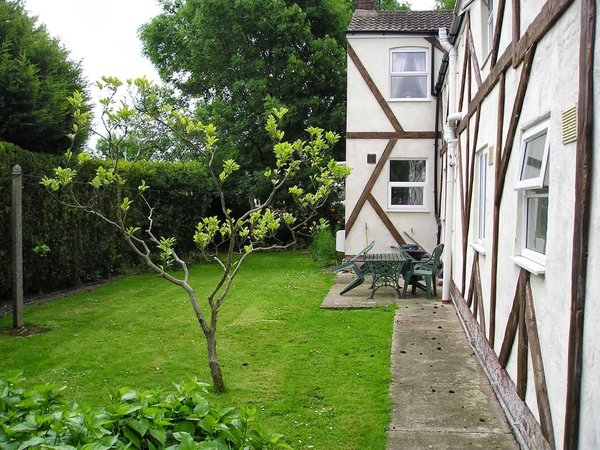
Bramley House
267 Sleaford Road, Boston
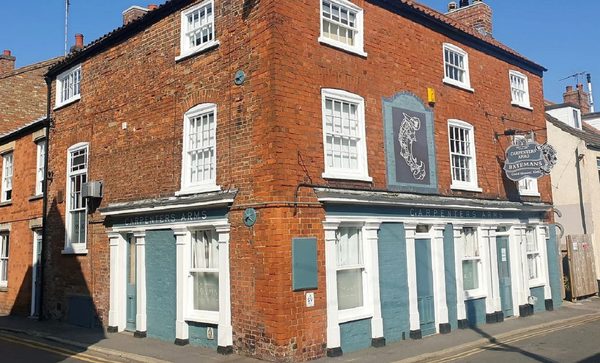
Carpenters Arms
Witham Street, Boston
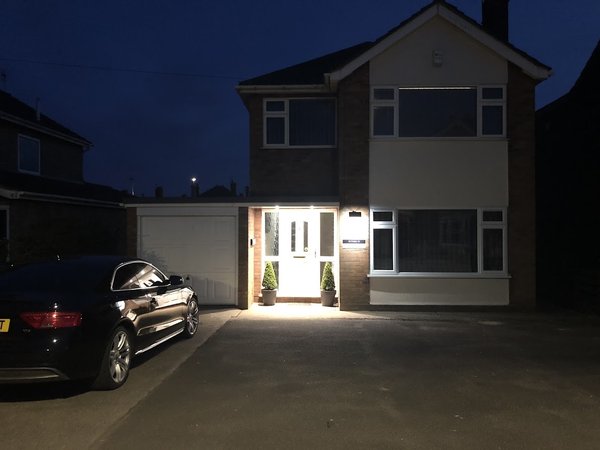
Hallam Rooms
90 Fydell Street, Boston
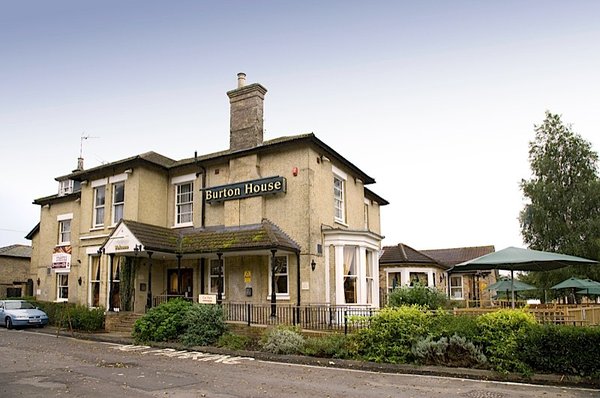
Premier Inn Boston
Wainfleet Road, Boston
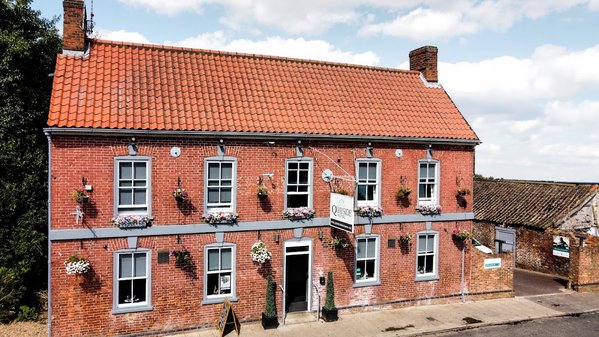
Quayside Hotel and Bar
6 London Road, Boston
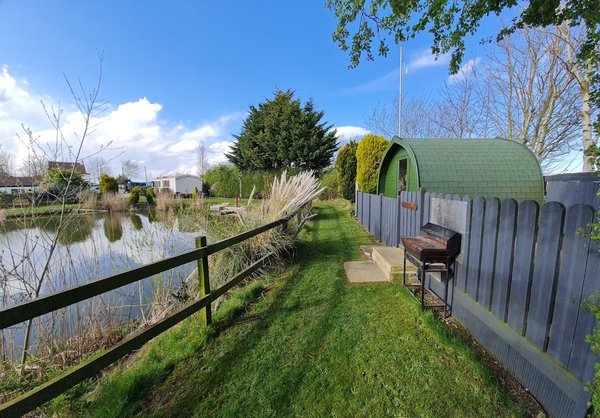
Sunset House
Main Road, Boston
Things to Do in Boston(7)
All attractions in Boston →Top things to do in Boston
Boston rewards a slow wander, with most of its historic sights within easy walking distance of the Market Place.
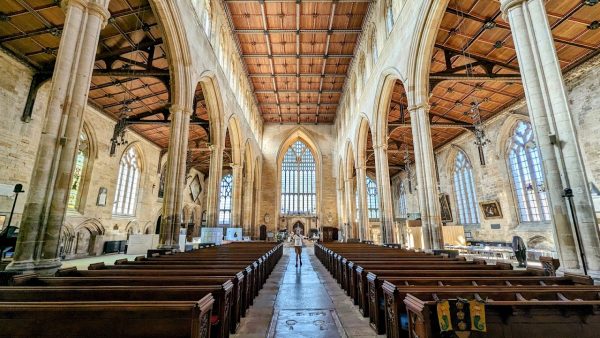
- St Botolph's Church (the Stump) — the tallest parish church tower in England without a spire, rising 272 feet above the town. Climb the 209 steps for panoramic views across the Fens and out towards The Wash.
- Boston Guildhall Museum — a Grade I listed medieval hall on South Street where the Pilgrim Fathers were tried and held in 1607 after their failed escape attempt; you can still see the original cells.
- Pilgrim Fathers Memorial — a monument on the bank of the Haven, a few miles from town, marking the spot where the group tried to board their ship before being intercepted.
- Maud Foster Windmill — the tallest working windmill in Britain and the last survivor of the fifteen windmills that once stood in Boston, still milling flour today.
- Boston Market — one of the largest outdoor markets in Lincolnshire, held on the historic Market Place every Wednesday and Saturday, with a monthly Makers & Farmers Market between March and October.
- Fydell House — a fine Queen Anne townhouse with links to early American history, used today as a community and heritage venue near the church.
- Frampton Marsh and Freiston Shore — RSPB nature reserves on the edge of The Wash, a short drive from town, where huge numbers of wading birds and wildfowl gather across the saltmarsh.
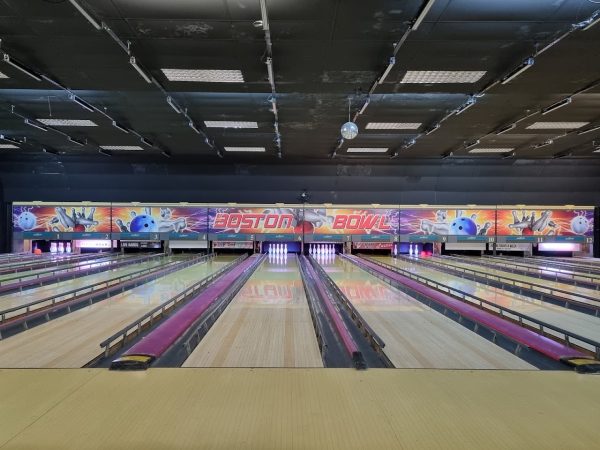
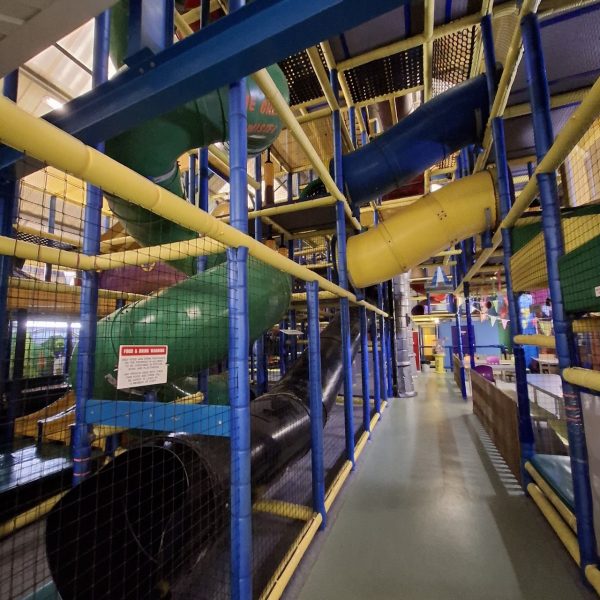
Where to Eat in Boston(70)
All restaurants in Boston →Food and drink in Boston
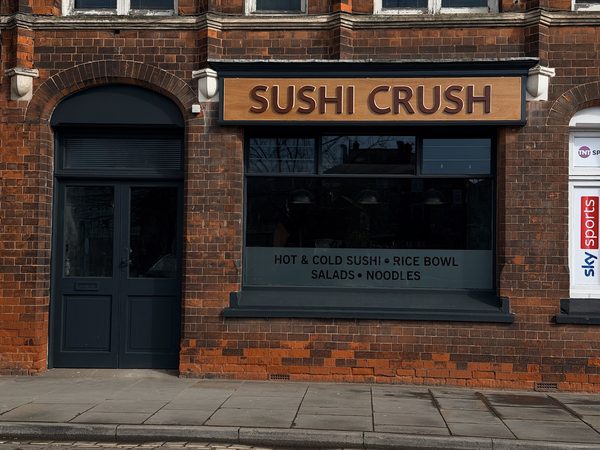
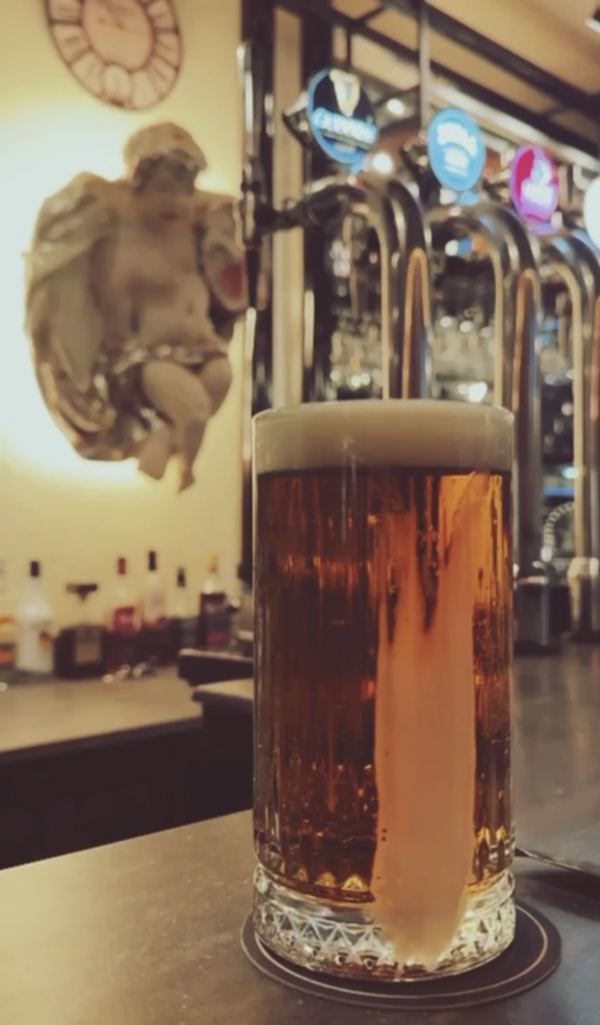
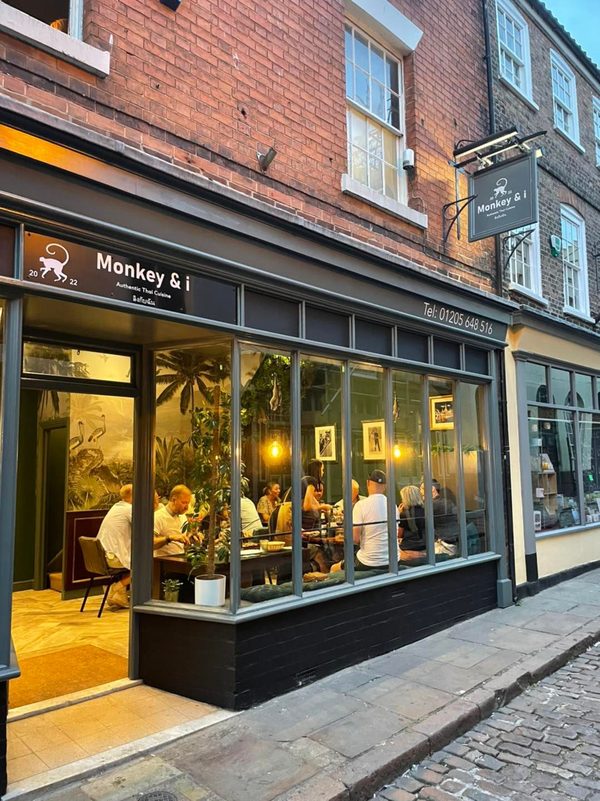
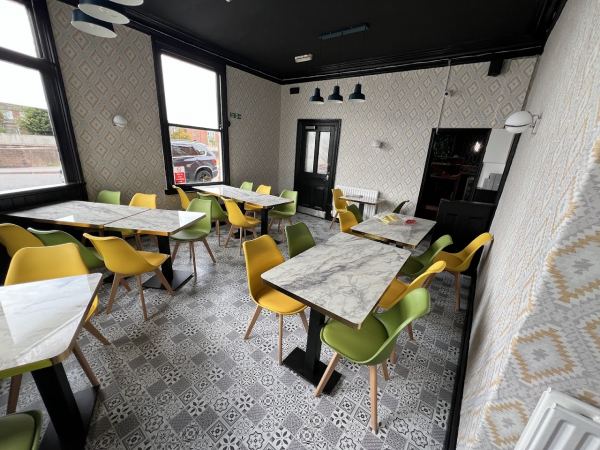
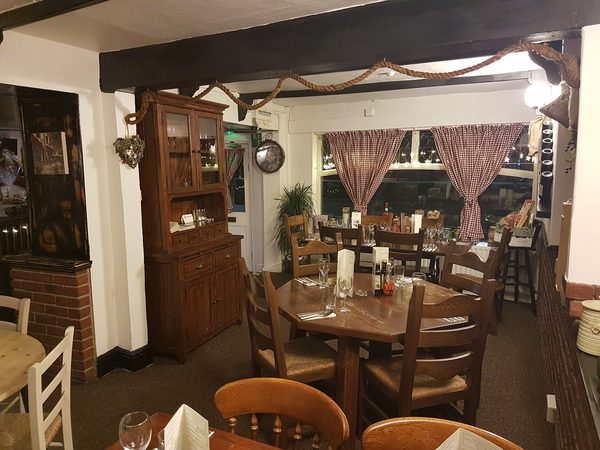
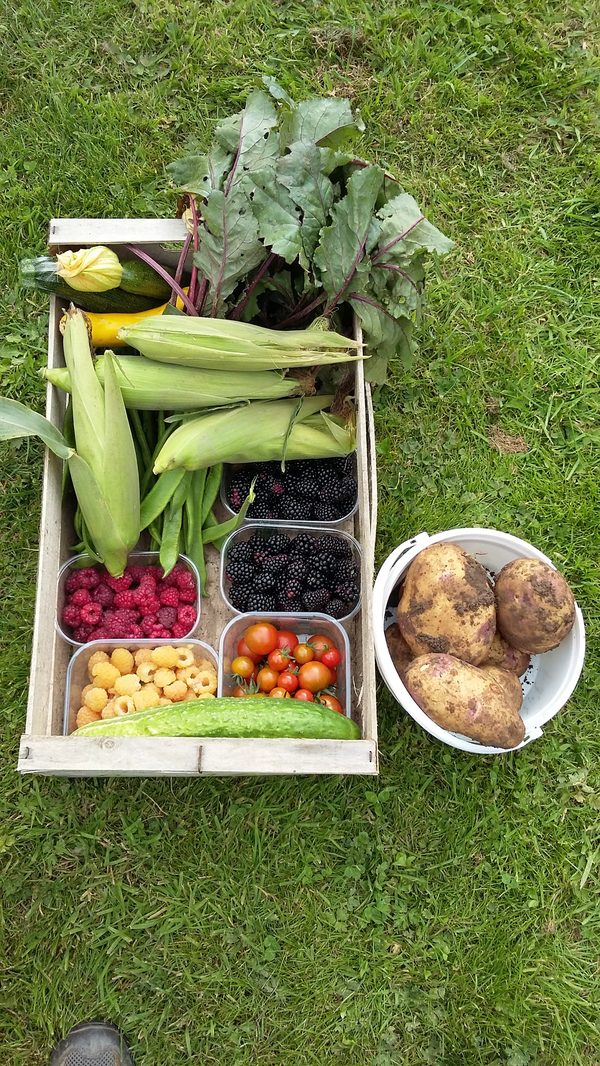
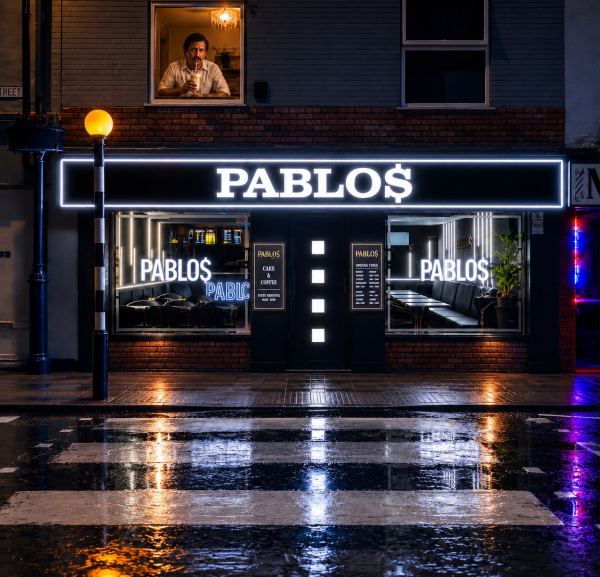
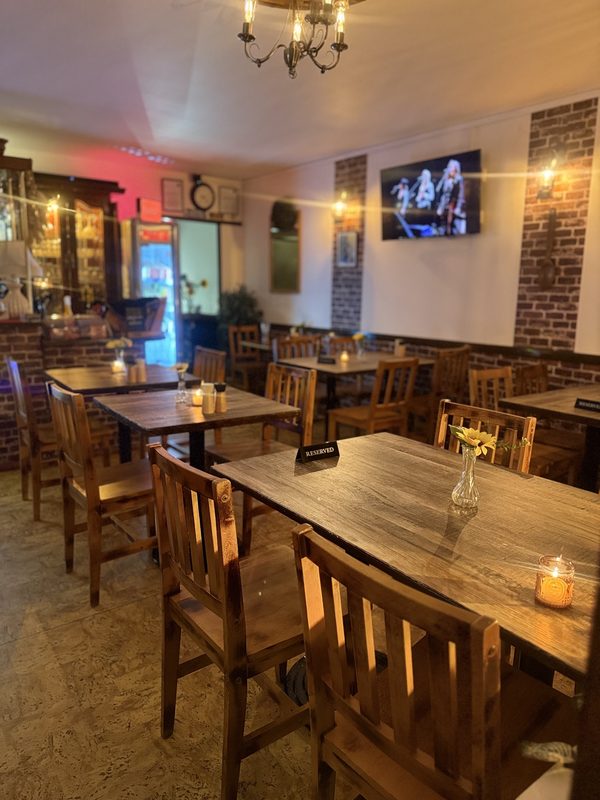
The Market Place and its surrounding streets hold most of the town's cafes, pubs and restaurants. The Moon Under Water and the Ostrich Inn are well-known Wetherspoons and traditional pub options in the centre, while smaller independent cafes around Strait Bait and the Market Place serve the fenland's produce, from locally grown vegetables to fresh fish landed along the coast. Boston's large Eastern European community, drawn by the area's agricultural industry, has also brought a good spread of Polish and Portuguese delis and restaurants to the town, adding an unusual variety to the food scene for a market town of its size.
Attractions Near Boston
All attractions in Boston →Worth the trip — within 50 miles of Boston.
 4 mi
4 mi
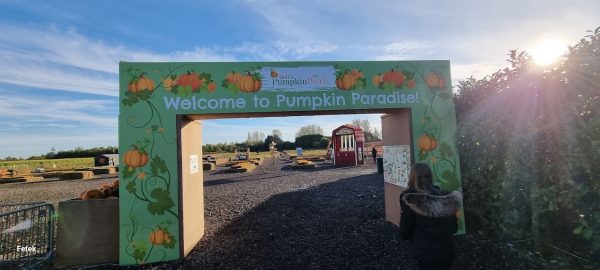
Pumpkin Picking at Bell's Pumpkin Patch
Lincoln · ⭐ 4.4
 5 mi
5 mi
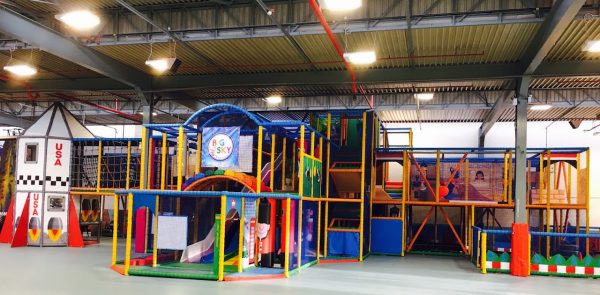
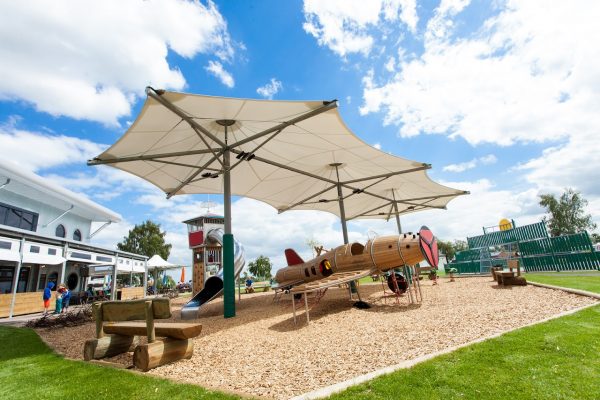
Big Sky Adventure Play
Peterborough · ⭐ 5.0
 10 mi
10 mi
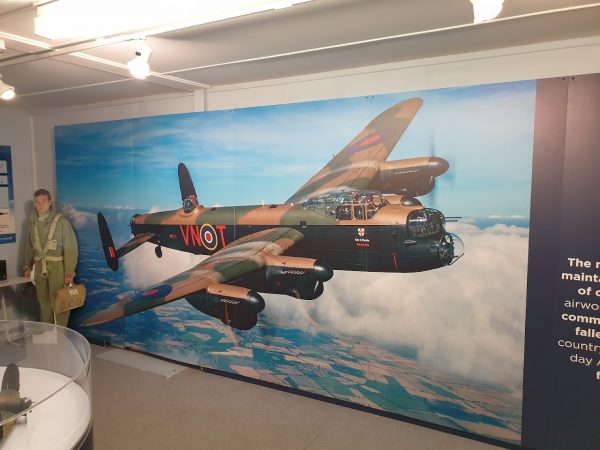
Battle of Britain Memorial Flight Centre
Coningsby · ⭐ 4.8
 11 mi
11 mi
Tattershall Lakes Country Park
Lincoln · ⭐ 4.3
 11 mi
11 mi
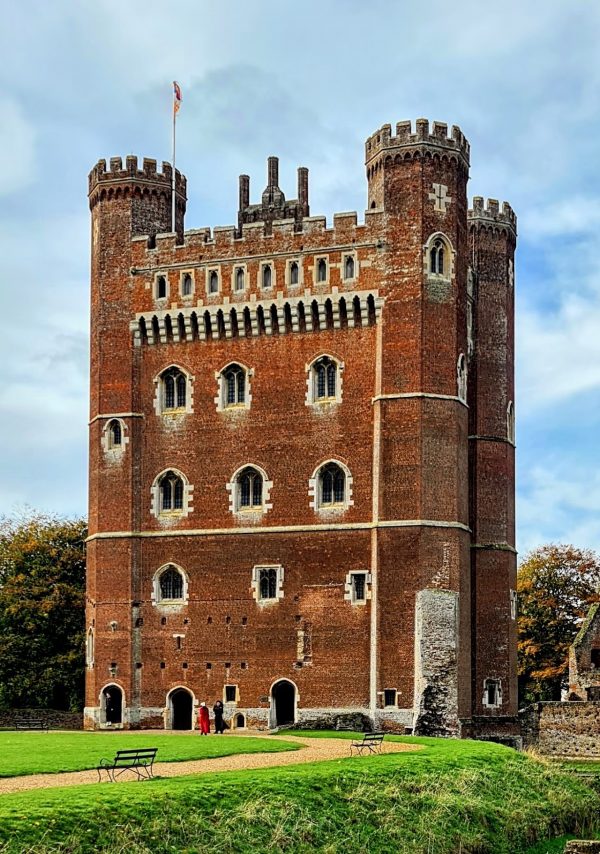
Tattershall Castle - National Trust
Lincoln · ⭐ 4.5
 11 mi
11 mi
Lincolnshire Aviation Heritage Centre
Spilsby · ⭐ 4.8
 12 mi
12 mi
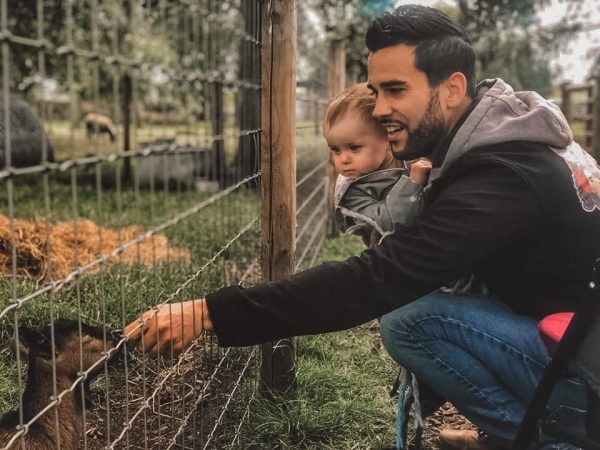
Tattershall Farm Park
Tattershall · ⭐ 4.7
 12 mi
12 mi
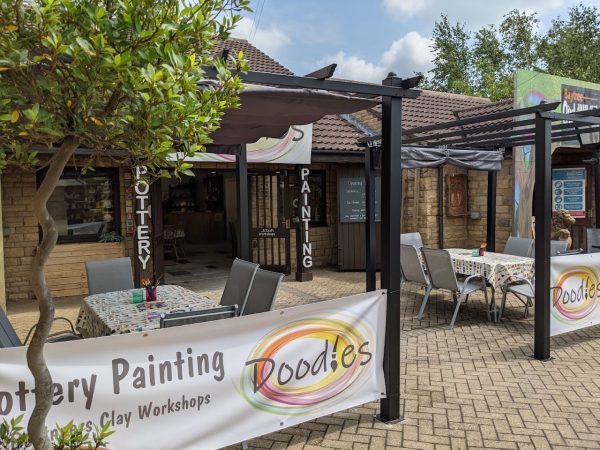
Doodles Pottery Painting
Spalding · ⭐ 4.6
Camping in Boston(13)
All campsites in Boston →About camping in Boston
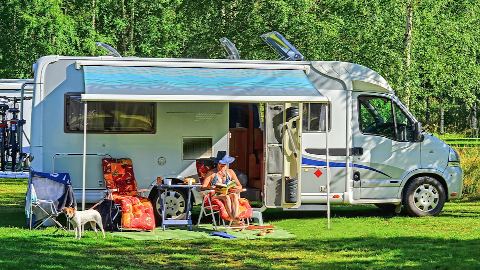
Camping around Boston means trading dramatic scenery for the huge skies and quiet, flat expanses of the Lincolnshire Fens, a landscape shaped almost entirely by centuries of land drainage. As with the rest of England, wild camping is not legal here without the landowner's permission, so visitors should stick to registered sites, of which there are a reasonable number scattered through the fen villages surrounding the town. Long Acres Touring Park, an adults-only site to the south of Boston, and the Thatched Cottage Caravan Park are among the established options in the area, typically offering touring pitches with hard standing and full hook-up alongside space for tents.
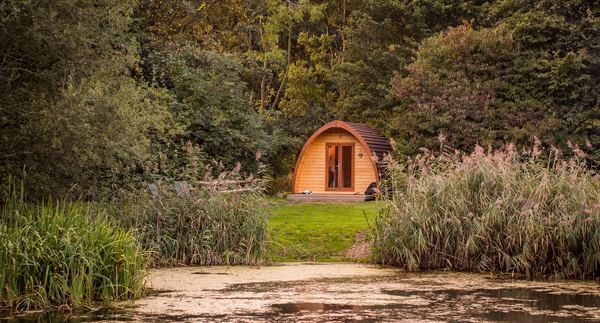
The flat, well-drained terrain of the Fens makes for straightforward, easy-going camping and touring by caravan or motorhome, with quiet lanes ideal for cycling between sites and the coast. Its position inland of The Wash also means Boston's campsites tend to be a little more sheltered than those directly on the coast at Skegness or Ingoldmells, while still being within a short drive of the beaches, the RSPB reserves at Frampton Marsh and Freiston Shore, and the bulb fields around Spalding in spring. Many of the region's farms also supply small-scale campsites and glamping pods as a sideline to arable and market-garden farming, so it is worth checking for seasonal or farm-based sites in addition to the established touring parks.
Spring through early autumn is the most comfortable season to camp here, when the Fens are driest and the surrounding market gardens and tulip fields are at their most colourful; the flat ground can become waterlogged after heavy winter rain, so many sites operate on a seasonal basis. For those who prefer fixed accommodation with a similar sense of open-sky remoteness, a small number of glamping options in the area offer pods, shepherd's huts or safari tents as an alternative to bringing your own tent or tourer.
Self-Catering Cottages in Boston(15)
All cottages in Boston →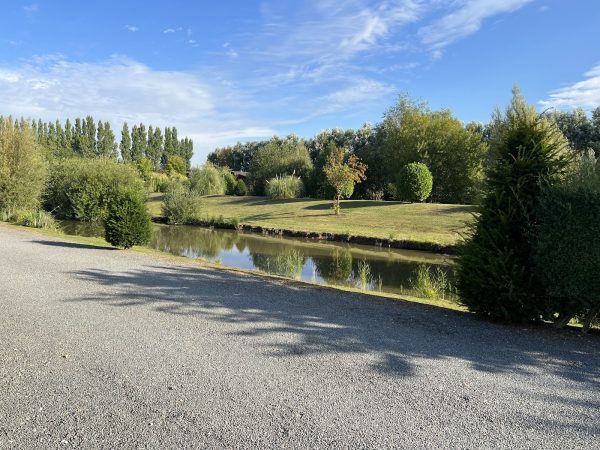
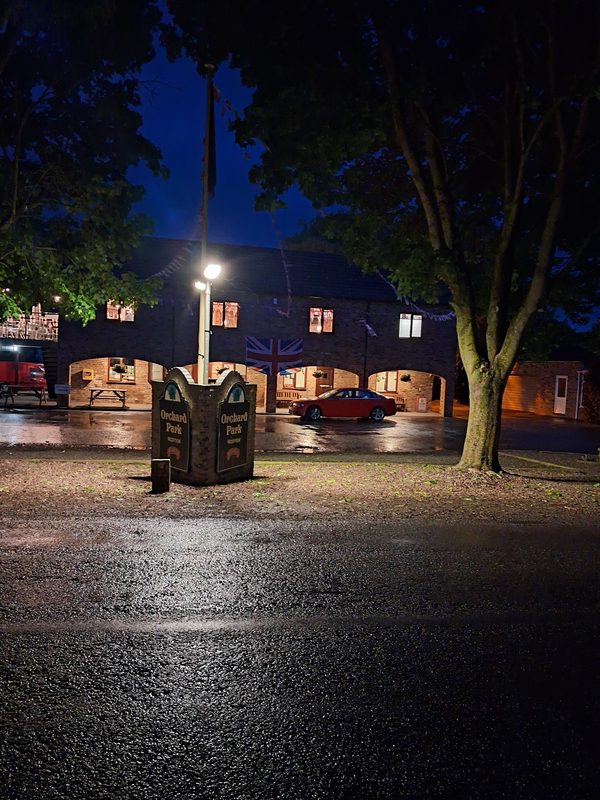
4 Lakeview Lodge
2 bed · sleeps 4 · from £467
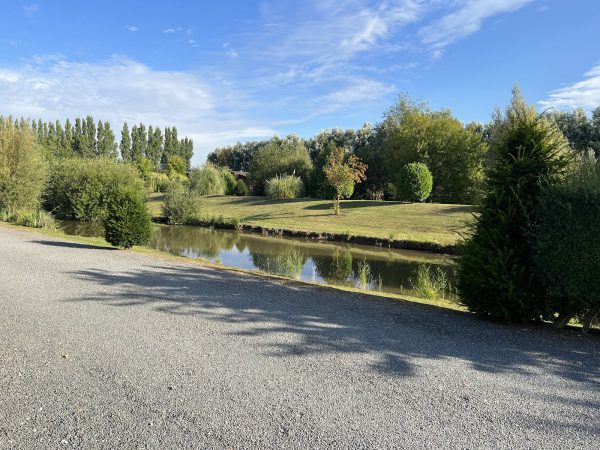
Lake View Lodges
4 cottages · from £433
Mallard Cottage
2 bed · sleeps 3 · from £493
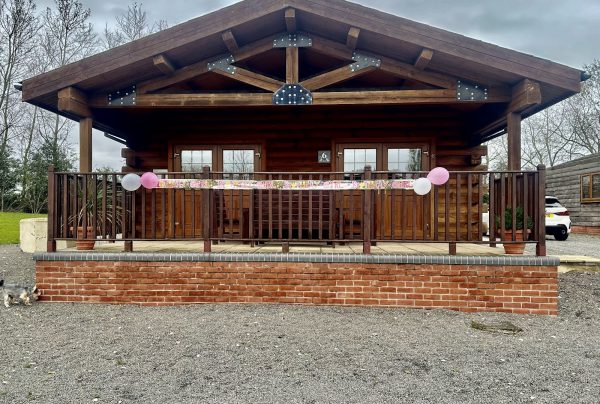
No. 6 Lake View Lodge
3 bed · sleeps 6 · from £503
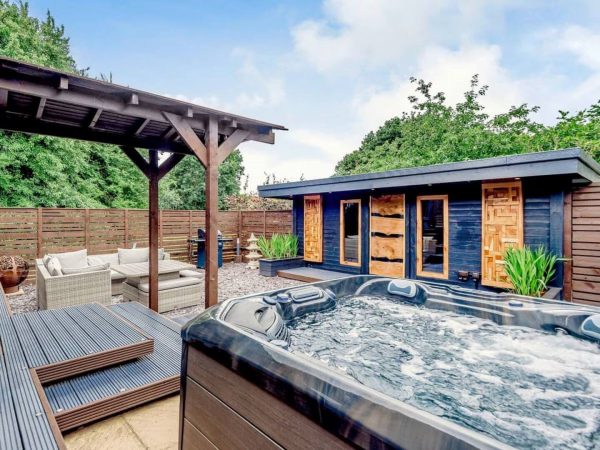
Orchard Retreat
2 bed · sleeps 4 · from £1,422
Acacia Barn - The Barn
3 bed · sleeps 6 · from £827
Acacia Farm - The Stables
4 bed · sleeps 8 · from £931
Crawfords Farm
5 bed · sleeps 11 · from £1,306
Common questions about Boston
How many campsites are there in Boston?
We list 13 campsites in and around Boston, of which 13 take tents and 5 offer glamping.
Are there dog-friendly campsites in Boston?
Yes — 8 of the 13 campsites we list in Boston accept dogs, including Monarch Lakeside Park Certificated Location and New Farm Holidays.
Which campsites in Boston have electric hook-up?
9 of the 13 campsites we list in Boston offer an electric hook-up.
How many holiday cottages are there in Boston?
We list 15 self-catering cottages in and around Boston.
Can I take a dog to a holiday cottage in Boston?
Yes — 12 of the 15 Boston cottages we list allow pets.
Are there large holiday cottages in Boston for groups?
Yes — the largest cottage we list in Boston sleeps 11.
Where can I stay in Boston?
We list 19 hotels, B&Bs and guest houses in and around Boston.
What is there to do in Boston?
We list 7 attractions and things to do in and around Boston.
Where can I eat in Boston?
We list 70 restaurants, pubs and cafes in and around Boston.