Burmarsh
Ancient marshland, wide skies, one very low church
Photo © LUCK STAR, Google Maps
Burmarsh is a small village and civil parish on Romney Marsh, tucked three miles west of Hythe in the Folkestone and Hythe district of Kent. It sits in one of the oldest reclaimed corners of the Marsh, a flat expanse of sheep-grazed pasture, drainage dykes and sky that has been shaped by centuries of land reclamation stretching back to Roman and medieval times. There is no high street or cluster of shops here, just a scatter of farms and cottages gathered around the village's Norman church, which makes Burmarsh feel more like a hamlet lost in the marsh than a conventional village.
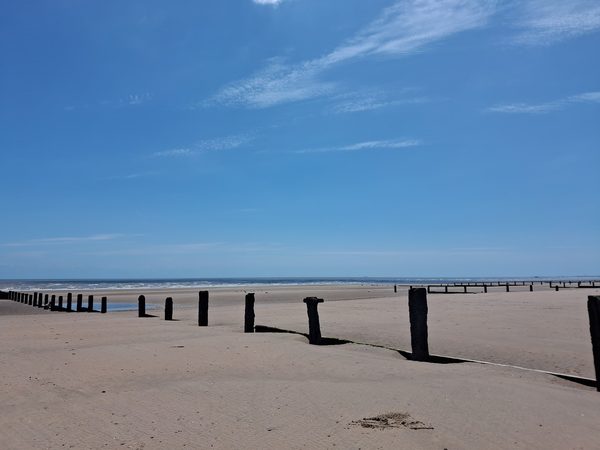
What draws visitors is the setting rather than the place itself: huge horizons, grazing sheep, reed-lined dykes busy with dragonflies and waterfowl, and a sense of quiet that is increasingly rare in the South East. Burmarsh works well as a base for exploring the wider Marsh on foot or by bike, with Hythe, Dymchurch and the Royal Military Canal all within easy reach, and the coast at Dymchurch and St Mary's Bay a short drive away.
Getting to Burmarsh
Burmarsh lies just off the A259 coast road between Hythe and Dymchurch, and is easily reached by car from the M20 (junction 11) via Sellindge and Aldington, or from Folkestone and Hythe along the coast. There is no railway station in the village itself; the nearest mainline stations are Folkestone and Ashford International, both around 20 minutes away by car, with regular high-speed services to London St Pancras. For a more novel arrival, the miniature Romney, Hythe & Dymchurch Railway stops at Dymchurch, a short drive or bike ride from Burmarsh. The village's network of narrow, flat lanes also makes it popular with cyclists exploring the wider Marsh.
Best time to visit Burmarsh
Spring and early summer bring the Marsh to life, with lambs in the fields, wildflowers along the dyke banks and dragonflies over the Royal Military Canal. Summer is best for combining a visit with the beaches at Dymchurch and St Mary's Bay, and for the Romney, Hythe & Dymchurch Railway's full timetable. Autumn brings dramatic skies and migrating birds to the Marsh's wetlands, while winter has its own stark appeal, with low light over the grazing marshes and quiet churches, though many seasonal attractions nearby will be closed.
Where to stay in Burmarsh
All hotels in Burmarsh →About staying in Burmarsh
Hotels in Burmarsh itself are effectively non-existent, since this is a scattered farming hamlet rather than a village with a visitor infrastructure. Instead, most people looking for a proper bed for the night base themselves in Hythe, a few miles east, which has a good choice of small hotels, inns and guest houses within walking distance of the Royal Military Canal and the old town's shops and restaurants. Dymchurch, closer still, has a handful of seafront guest houses and B&Bs that suit anyone wanting to be near the beach and the miniature railway. For more choice, Ashford and Folkestone both have a wider spread of chain and independent hotels and are within a 20-30 minute drive, with Ashford also offering fast rail links to London. Whichever base you choose, Burmarsh and its Norman church make an easy, quiet detour by car or bike, best combined with a wander along the Royal Military Canal or a stop at one of the other isolated Marsh churches nearby. Booking ahead is sensible in summer, when the Kent coast around Hythe, Dymchurch and Folkestone gets busy with day-trippers and holidaymakers, and rooms in the smaller guest houses can fill up quickly.
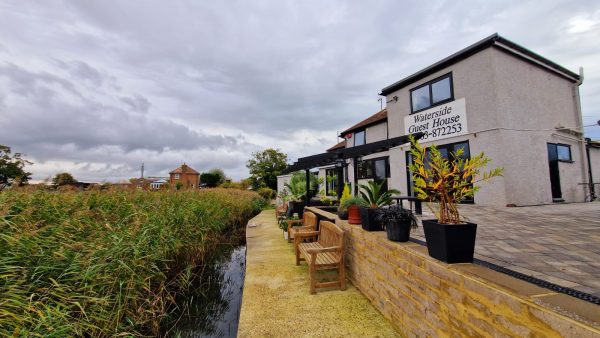
Waterside Guesthouse
15 Hythe Road, Dymchurch
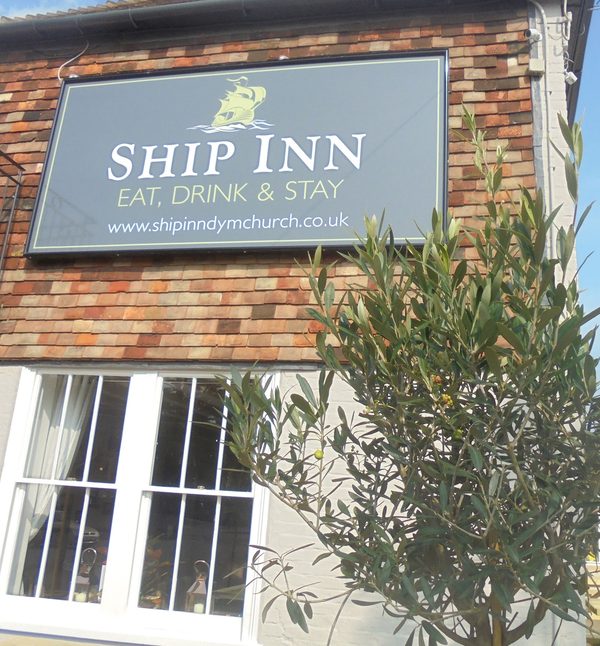
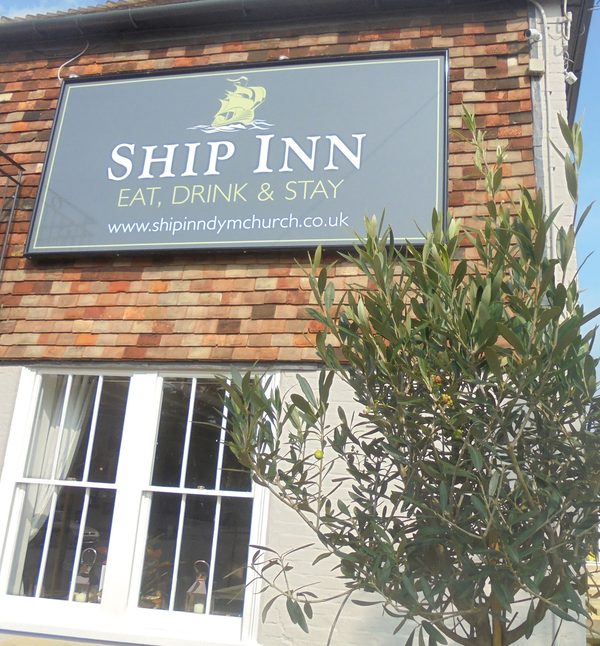
The Ship Inn
118 High Street, Romney Marsh
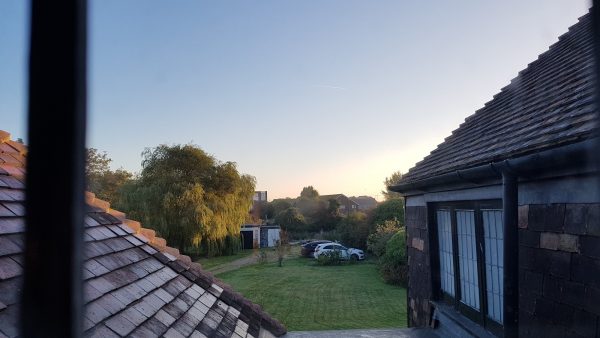
Willow Cottage
24 Mill Road, Dymchurch
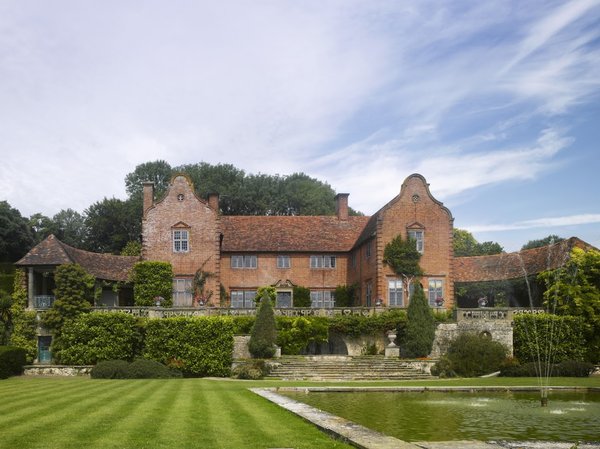
Port Lympne Reserve - Port Lympne Hotel
Port Lympne Wild Animal Park, Hythe
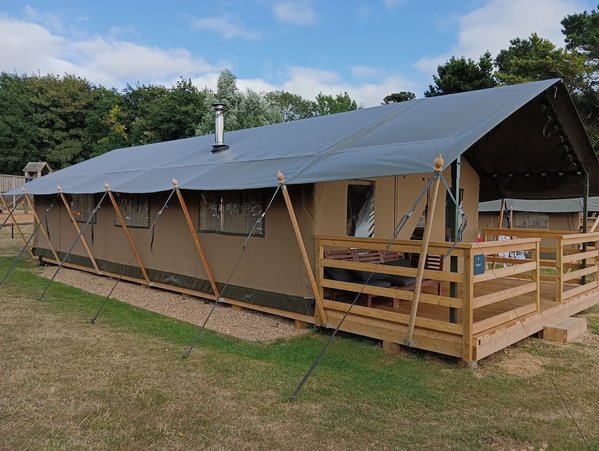
Bear Lodge - Glamping
Port Lympne Reserve, Hythe
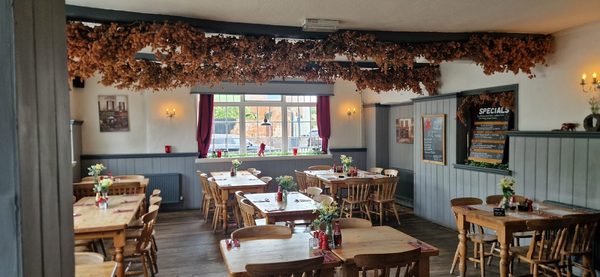
The Red Lion
Red Lion Square, Hythe
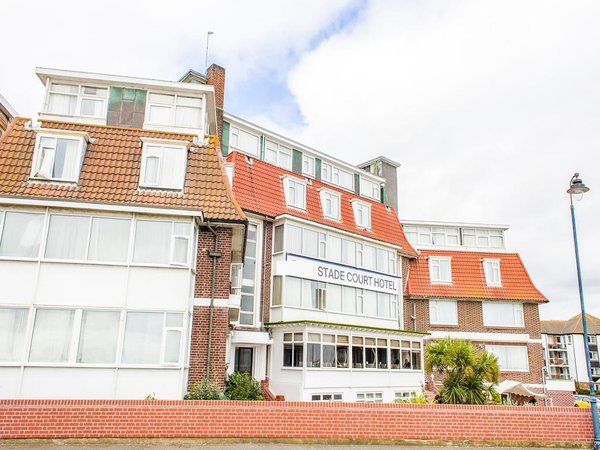
OYO Stade Court Hotel
Stade Street, Hythe
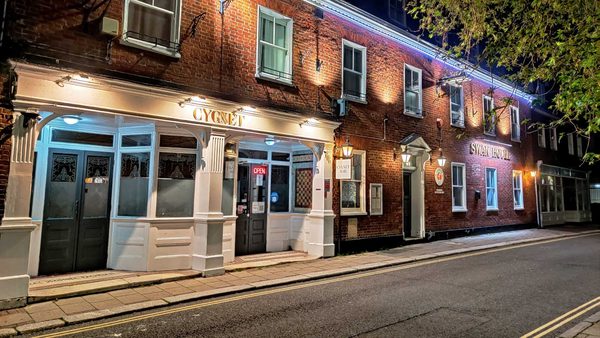
The Swan Hotel
59 High Street, Hythe
Things to Do in Burmarsh
All attractions in Burmarsh →Top things to do near Burmarsh
The real appeal of this part of Kent lies in what surrounds Burmarsh rather than what is in the village itself. Within a few miles you will find some of Romney Marsh's best-known landmarks.
- All Saints Church, Burmarsh — A mid-12th-century Norman church built by monks from Canterbury, notable for standing 13ft below sea level, making it the lowest-lying of the Marsh's medieval churches. It has a richly carved Norman doorway and a cracked 14th-century tenor bell still resting on the floor of the tower.
- Royal Military Canal — This 28-mile canal was dug between 1804 and 1809 as a defence against a feared Napoleonic invasion, and its towpath now makes for one of the most peaceful walks in Kent, running along the old cliff line from Hythe towards Appledore and beyond.
- Romney, Hythe & Dymchurch Railway — Known as "the world's smallest public railway", this one-third-scale steam and diesel line runs 13½ miles from Hythe to Dungeness, with a stop at Dymchurch a short drive from Burmarsh.
- Dymchurch beach and village — A traditional seaside village with a long sandy beach backed by a Napoleonic-era sea wall, plus cafes, amusements and the remains of a Martello tower.
- Hythe — A handsome old Cinque Port town with a Norman and medieval church, a canalside promenade, and a good range of independent shops, pubs and restaurants.
- Romney Marsh churches — Burmarsh is one of a string of isolated medieval marsh churches, including those at Newchurch, St Mary in the Marsh and Ivychurch, that reward a slow exploration by bike or car.
Where to Eat in Burmarsh(2)
All restaurants in Burmarsh →Food and drink near Burmarsh
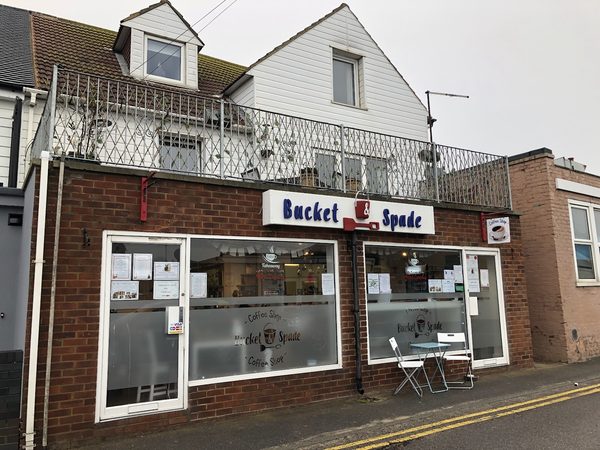
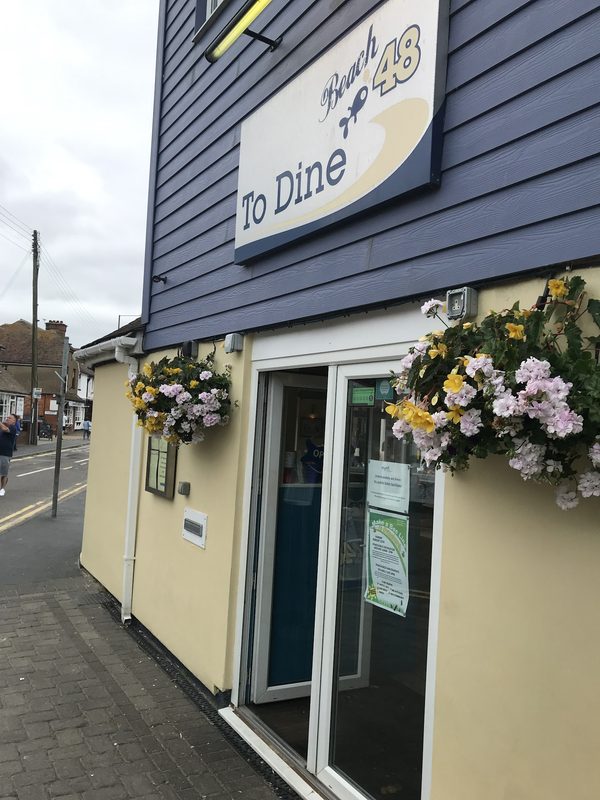
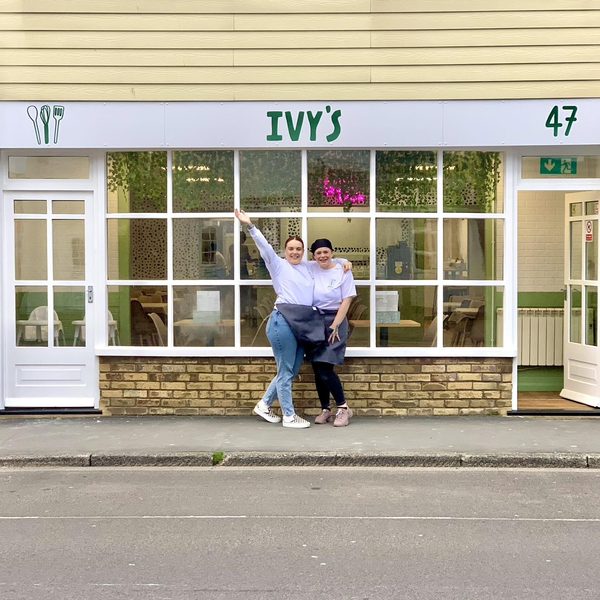
Burmarsh has no shop or pub of its own, so visitors head into Dymchurch or Hythe for food and drink. Dymchurch has a handful of traditional seaside cafes, chip shops and pubs geared towards day-trippers and beach visitors. Hythe offers a wider choice, from waterside pubs along the Royal Military Canal to independent cafes and restaurants along its high street, making it the best nearby option for a proper meal out after a day exploring the Marsh.
Attractions Near Burmarsh
All attractions in Burmarsh →Worth the trip — within 50 miles of Burmarsh.
 1 mi
1 mi
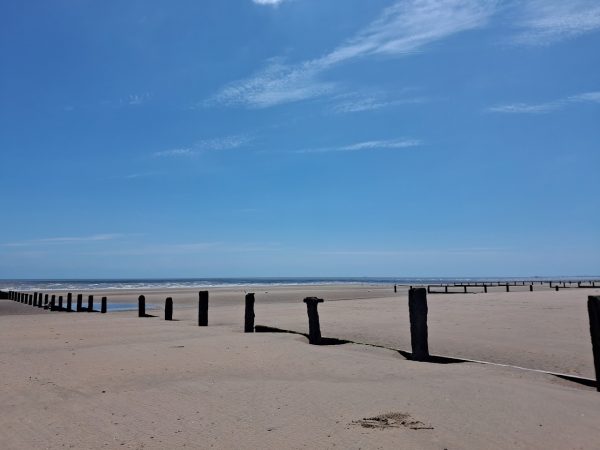
Dymchurch Beach
Romney Marsh · ⭐ 3.7
St Marys Bay
Romney Marsh
 4 mi
4 mi
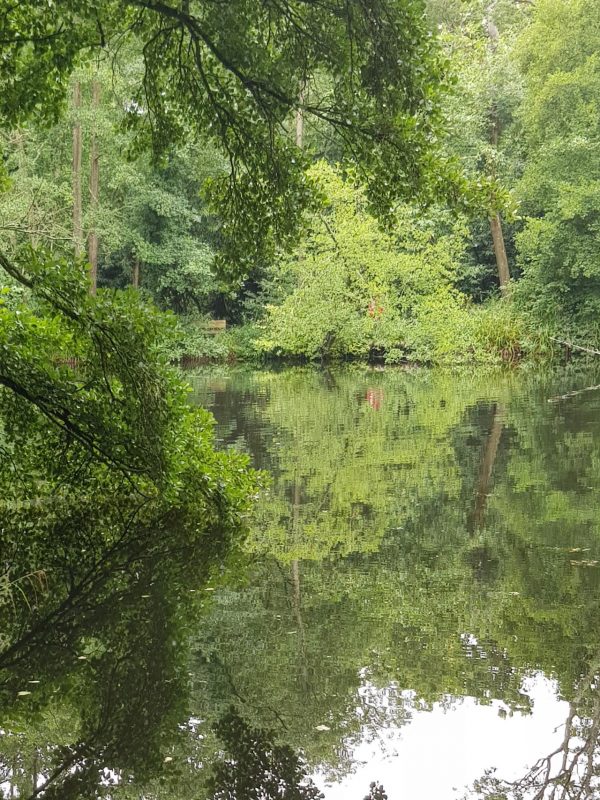
Brockhill Country Park
Hythe · ⭐ 4.6
 4 mi
4 mi
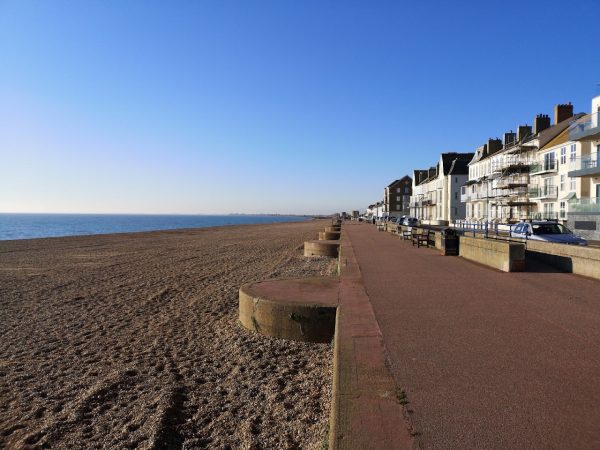
Hythe Beach
Hythe · ⭐ 4.6
 5 mi
5 mi
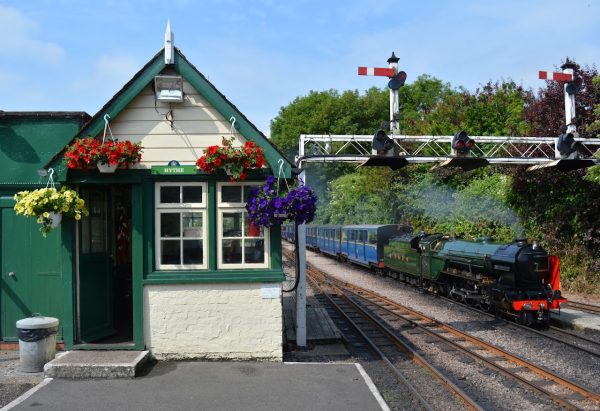
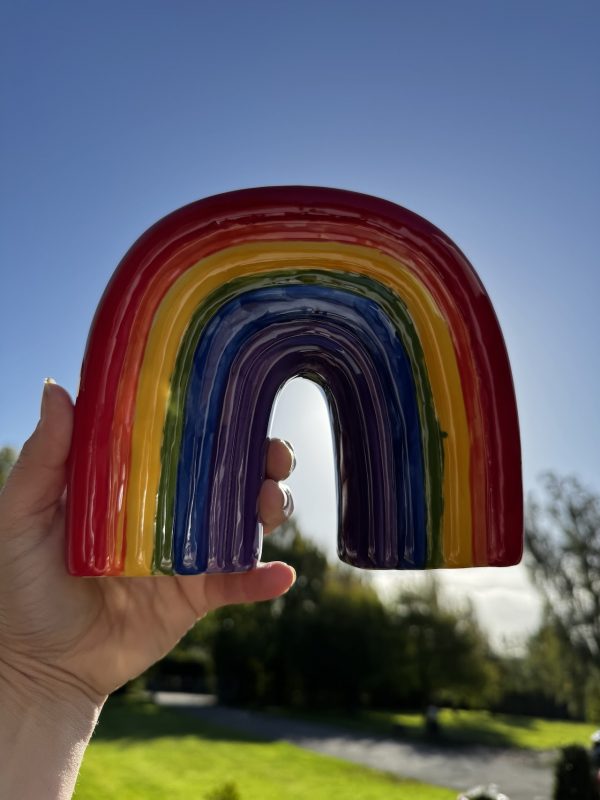
Romney Hythe and Dymchurch Railway
New Romney · ⭐ 4.7
 5 mi
5 mi
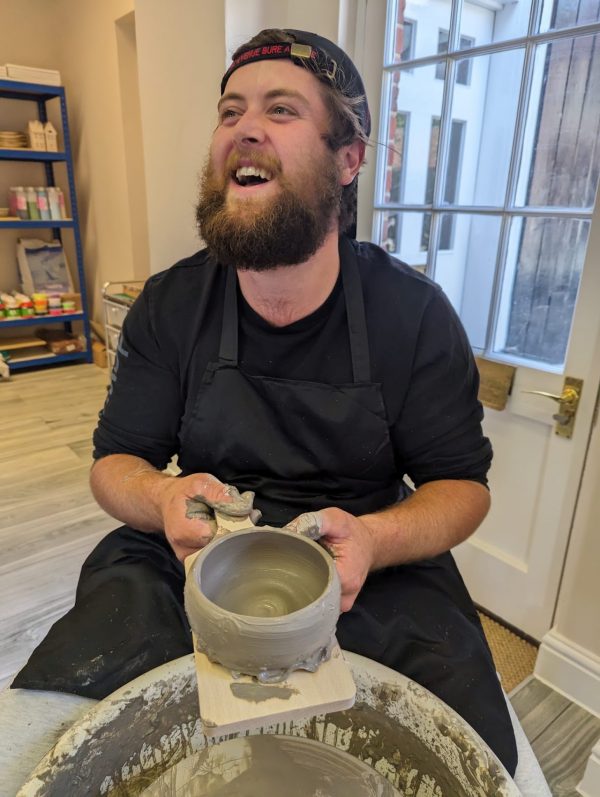
Kippys Paint Your Own Pottery
Ashford · ⭐ 4.9
 6 mi
6 mi
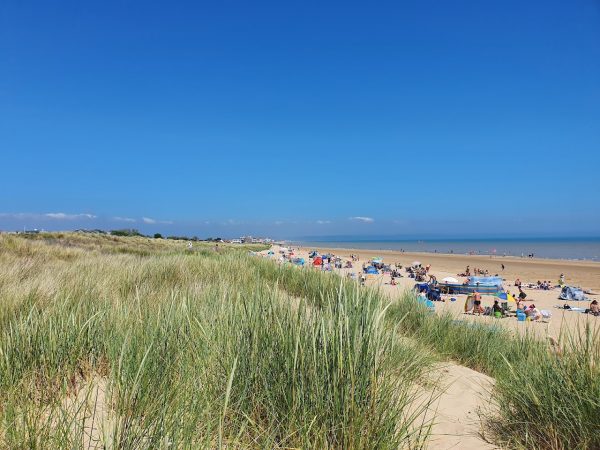
From Scratch Crafts
Ashford · ⭐ 4.8
 6 mi
6 mi
Greatstone Beach
New Romney · ⭐ 4.6
Camping in Burmarsh(1)
All campsites in Burmarsh →About camping in Burmarsh
There are no official campsites in Burmarsh itself, but Romney Marsh and the surrounding stretch of Kent countryside have a scattering of campsites, caravan parks and glamping sites, mostly concentrated around Dymchurch, St Mary's Bay and further along the coast towards Camber and Rye. As with everywhere else in England, wild camping on the Marsh is illegal without the landowner's explicit permission, and given that almost all of the land here is working farmland used for sheep grazing and arable crops, permission is rarely on offer, so a proper campsite or glamping pitch is the only realistic option.
The flat, exposed terrain of the Marsh means weather matters more here than in more sheltered parts of Kent; the wind can be brisk even in summer, so a sturdy tent and good pegs are worth having, and a pitch with some tree or hedge shelter is preferable to one out in the open. Spring through early autumn is the best window for camping, with long evenings over the dykes and grazing marshes, warmer nights, and the chance to hear or see the Marsh's notable birdlife and marsh frogs. Winter camping is possible but exposed, given the lack of shelter across the flat landscape.
For those who prefer a bit more comfort, glamping options such as shepherd's huts, safari tents and static caravans are increasingly available around the Marsh, offering a way to enjoy the big skies and quiet of the countryside without needing full camping kit. A Marsh-based pitch, whether canvas or glamping, makes a good base for cycling the flat lanes past Burmarsh's Norman church, walking stretches of the Royal Military Canal, or riding the Romney, Hythe & Dymchurch Railway down to Dungeness.
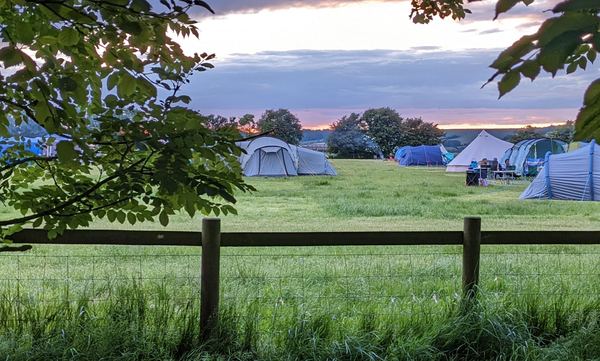
Fallow Fields Camping at Lathe Barn
⭐ 4.6
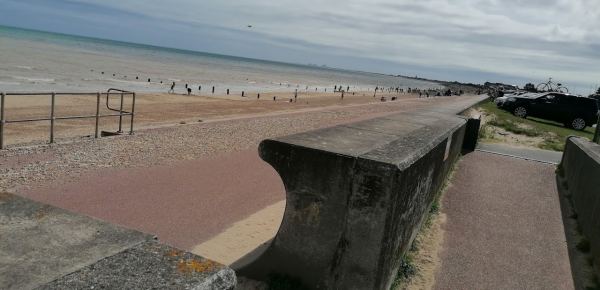
Orchard Views Holiday Park
⭐ 4.0
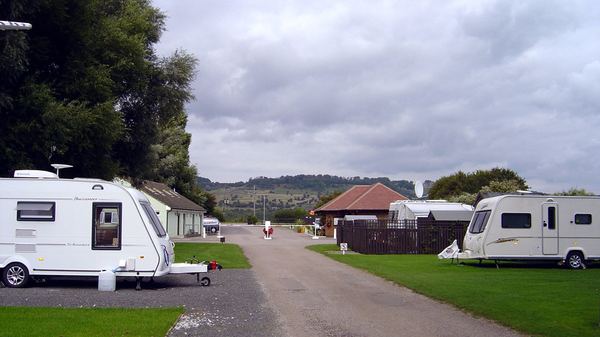
Daleacres Experience Freedom Glamping
⭐ 4.6 · from £118/night
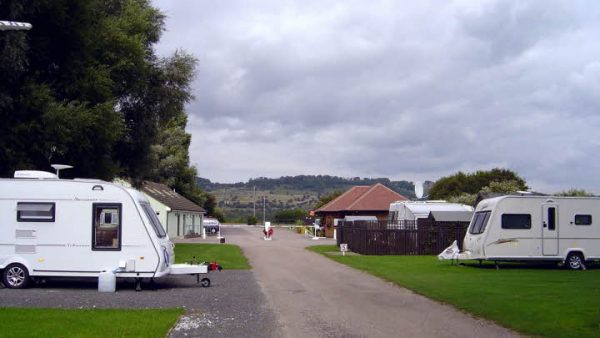
Daleacres Caravan and Motorhome Club Campsite
⭐ 4.6 · from £23/night
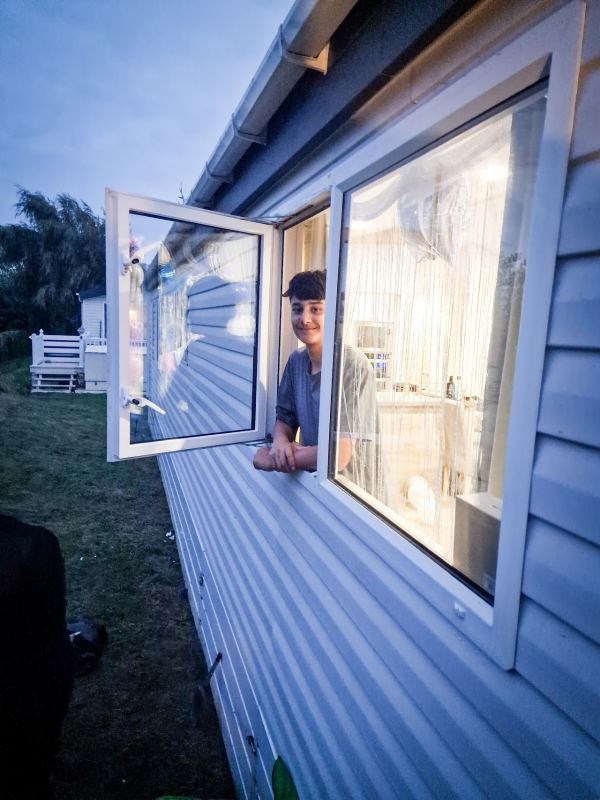
Eastfleet Caravan Park
⭐ 4.3
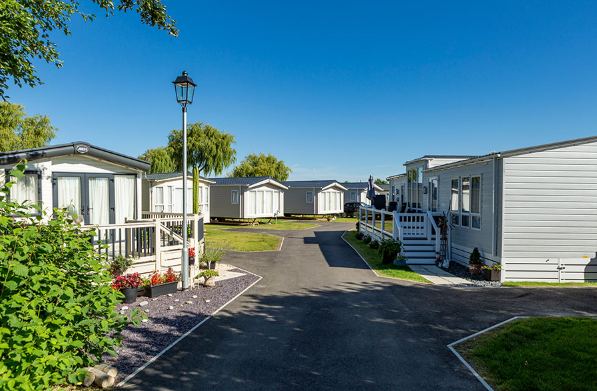
New Beach Holiday Park
⭐ 3.7
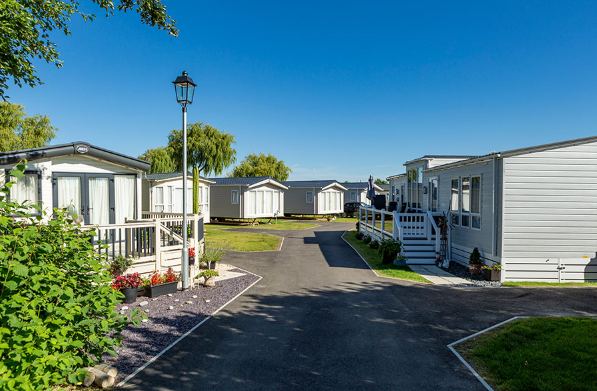
Dymchurch Caravan Park
⭐ 3.7
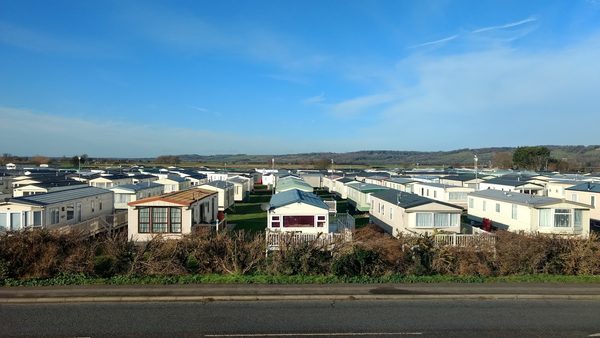
Sandy Bay Caravan Park
⭐ 4.3
Self-Catering Cottages in Burmarsh
All cottages in Burmarsh →Sunny House by the Sea
3 bed · sleeps 4 · from £533
The Treacles - Treacle Cottage
1 bed · sleeps 2 · from £297
The Coast House at St Mary’s Bay
2 bed · sleeps 6 · from £717
The Jolly Boat
5 bed · sleeps 10 · from £897
The Studio
3 bed · sleeps 4 · from £517
Seaview
5 bed · sleeps 10 · from £1,021
Marine Parade
4 bed · sleeps 10 · from £1,342
Orcadians
3 bed · sleeps 6 · from £571
Common questions about Burmarsh
How many campsites are there in Burmarsh?
We list 1 campsites in and around Burmarsh, of which 1 take tents and 1 offer glamping.
Are there dog-friendly campsites in Burmarsh?
Yes — 1 of the 1 campsites we list in Burmarsh accept dogs, including Fallow Fields Camping at Lathe Barn.
Where can I eat in Burmarsh?
We list 2 restaurants, pubs and cafes in and around Burmarsh.