Lancaster
Castle walls, river views, moorland on the doorstep
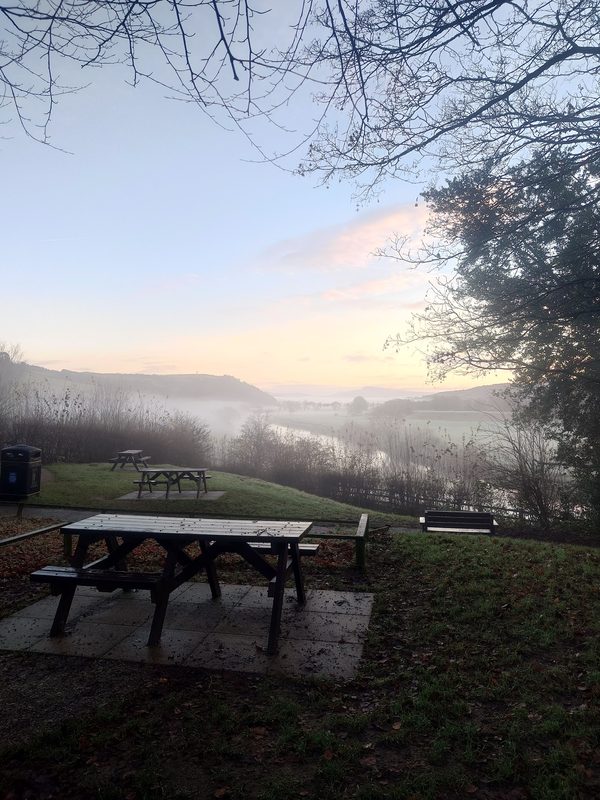
Photo © Jeremy Nuttall, Google Maps
Lancaster sits where the tidal River Lune bends round a sandstone hill, and that hill has been the reason for the city ever since a Roman fort was raised here to watch the crossing. What grew up around it is Lancashire's county town: a compact, walkable place of terraced streets, blackened stone and Georgian townhouses, still overlooked by the castle and priory that have kept watch over the water for close to a thousand years. It is a working city as much as a historic one, with a university on its southern edge and a canal and quayside that once made it a genuine Atlantic port.
Beyond the last streets, the country opens out quickly. The Lune Valley runs north-east towards the limestone dales around Kirkby Lonsdale, while the gritstone fells of the Forest of Bowland rise to the east, an Area of Outstanding Natural Beauty of heather moor, deep cloughs and some of the darkest skies in England. To the west, the estuary widens towards Morecambe Bay, with its own long tradition of cockling, wading birds and enormous tidal ranges. Lancaster makes a good base for all of it: small enough to cross on foot in twenty minutes, well enough connected to reach the coast, the dales or the fells within the hour.
Getting to Lancaster
Lancaster sits directly on the West Coast Main Line, with fast direct trains from London Euston in around two and a half hours, and frequent services from Manchester, Preston and Glasgow. The station is a short walk from the city centre. By road, Lancaster is just off the M6, roughly equidistant between Preston and Kendal, making it a natural stopping point for anyone travelling the length of the motorway. The nearest airports are Manchester and Liverpool John Lennon, both around an hour and a half away by car, with Blackpool Airport somewhat closer for smaller regional flights. Once in the city, the centre is compact enough to explore entirely on foot, and a local bus network connects outlying areas including the university and Morecambe.
Best time to visit Lancaster
Lancaster is a year-round destination thanks to its indoor attractions and university-town buzz, but late spring through early autumn brings the best of both the city and the surrounding countryside. May and June offer long daylight hours for exploring the Lune Valley and Bowland fells before the summer holiday crowds arrive on the coast at nearby Morecambe. Autumn brings rich colour to the wooded riverbanks and the Trough of Bowland, along with the Lancaster Literature Festival in October. Winter is quieter but atmospheric, with the castle and priory particularly striking under low light, and Lancaster's Light Up Lancaster festival bringing illuminated art installations to the streets in late autumn. Whatever the season, it's worth checking ahead for opening times at the castle and museums, which can vary outside peak months.
Where to stay in Lancaster(23)
All hotels in Lancaster →About staying in Lancaster
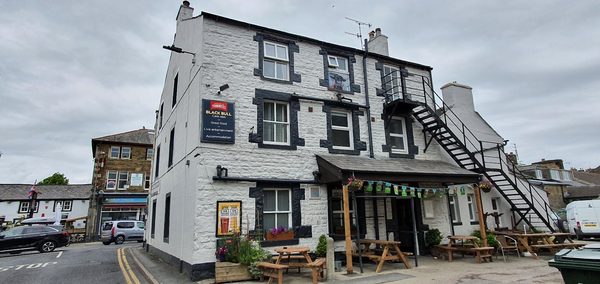
Black Bull Hotel
13 Main Street High, Lancaster
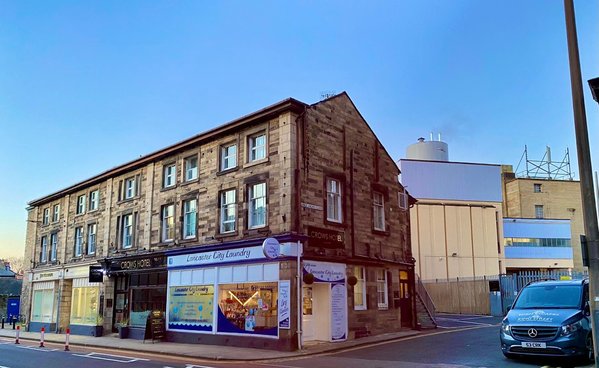
Crows Hotel
King Street, Lancaster
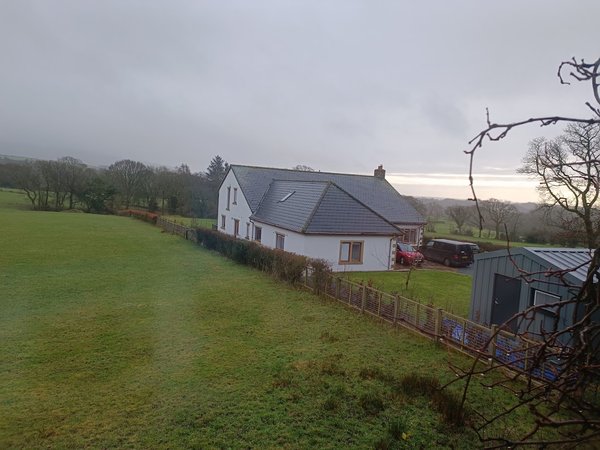
Green Bank Farmhouse
Abbeystead, Lancaster
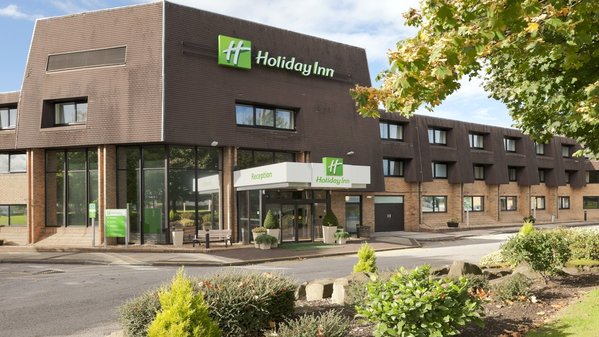
Holiday Inn Lancaster
Caton Road, Lancaster
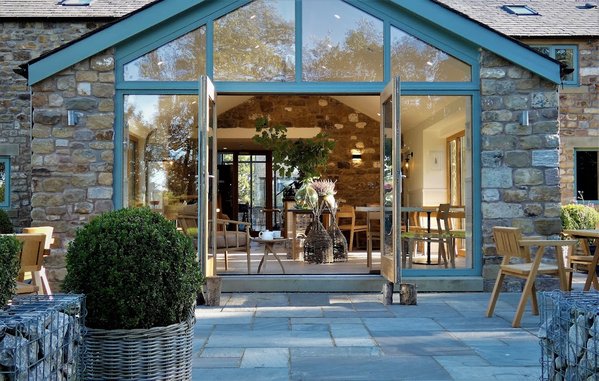
Lancaster Barn
Bay Horse, Lancaster
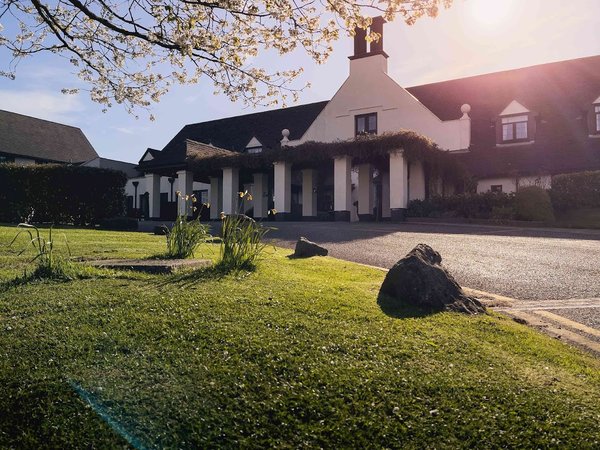
Lancaster House Hotel
Green Lane, Ellel, Lancaster
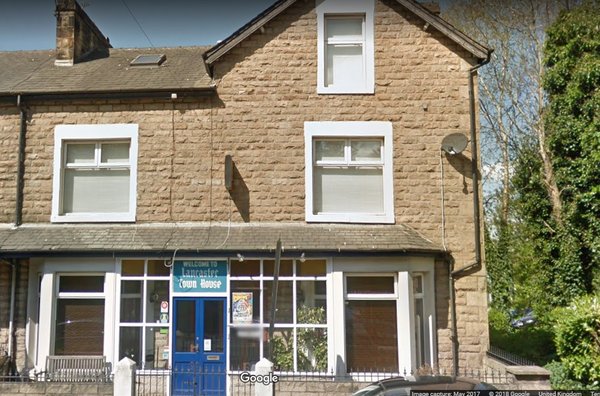
Lancaster Townhouse
11-12 Newton Terrace Caton Road, Lancaster
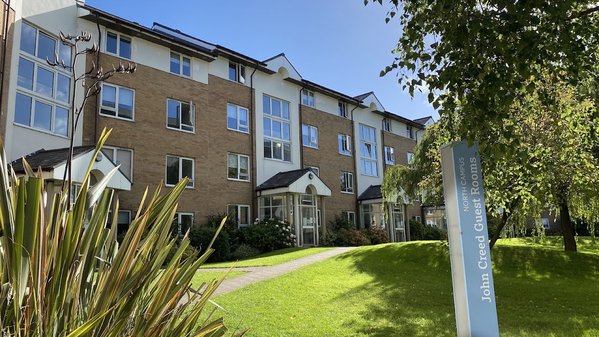
Lancaster University
Bowland Hall, Lancaster
Things to Do in Lancaster(12)
All attractions in Lancaster →Top things to do in Lancaster
Lancaster rewards a couple of unhurried days rather than a flying visit, with most of its sights within easy walking distance of each other in the compact city centre.
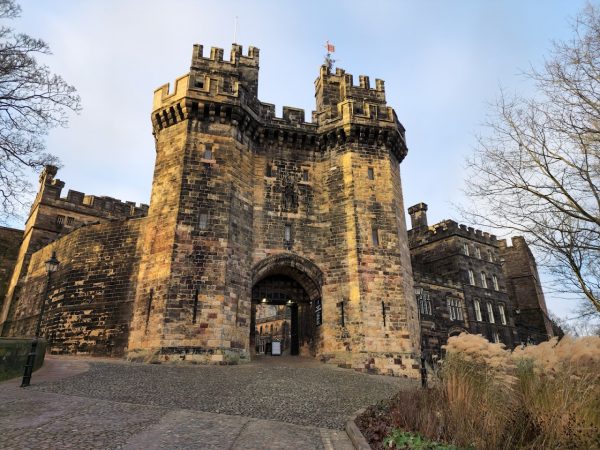
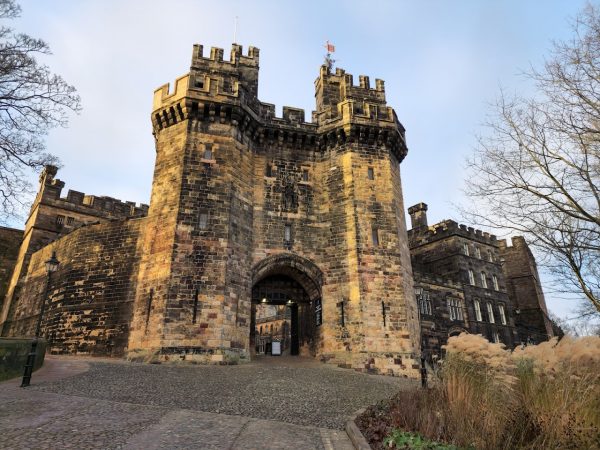
- Lancaster Castle — A working castle and former prison on the site of the old Roman fort, with parts dating back to the 11th century. Visitors can join a guided tour through the Shire Hall, the Crown Court and the medieval keep, taking in centuries of legal history including the 17th-century Pendle witch trials, which were heard here.
- Lancaster Priory — Standing right beside the castle on the same hilltop, this Church of England priory church has Anglo-Saxon origins and a beautiful set of 14th-century carved choir stalls. The churchyard gives one of the best views over the Lune and the rooftops below.
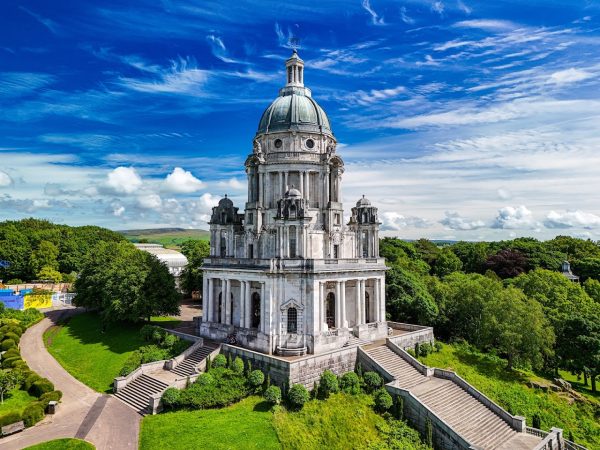
- Williamson Park and the Ashton Memorial — A Victorian park laid out on the site of old quarry workings, crowned by the domed Ashton Memorial, a grand Edwardian folly built by a local linoleum magnate in memory of his wife. The park's butterfly house and tropical dome sit alongside sweeping views across the city to the Lake District fells on a clear day.
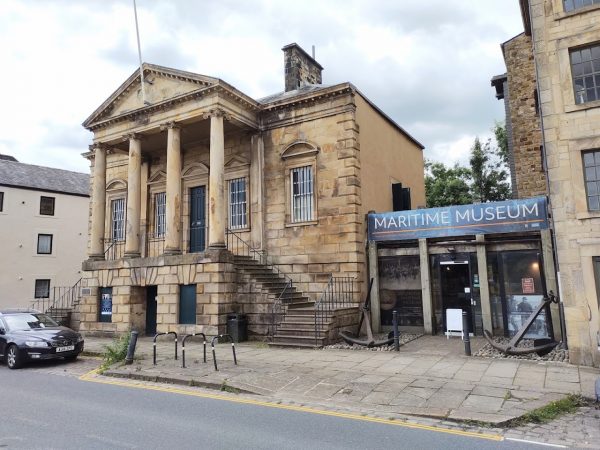
- Lancaster Maritime Museum — Housed in the old Custom House on St George's Quay, this small museum tells the story of Lancaster's 18th-century trade with the Caribbean and the Americas, including its role in the transatlantic slave trade, alongside the fishing and shipbuilding that shaped the quayside.
- River Lune and the Millennium Bridge — A pedestrian and cycle bridge across the river links the city centre to Riverside Green and gives access to the towpath walks along the Lune, one of the best short riverside strolls in the north west.
- Lancaster University — One of the UK's leading campus universities, set in parkland a few miles south of the centre, with public art, a concert venue in The Nuffield Theatre and open grounds that welcome visitors as well as students.
- Forest of Bowland — This designated National Landscape begins within a short drive of the city, offering some of England's quietest walking country: heather moorland, the Trough of Bowland pass, and villages like Slaidburn and Dunsop Bridge.
Where to Eat in Lancaster(27)
All restaurants in Lancaster →Food and drink in Lancaster
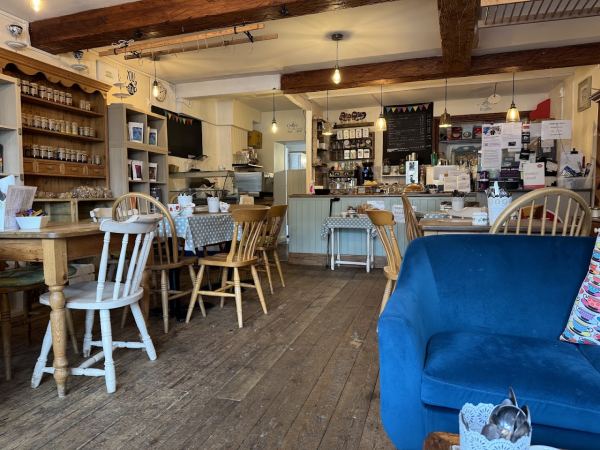
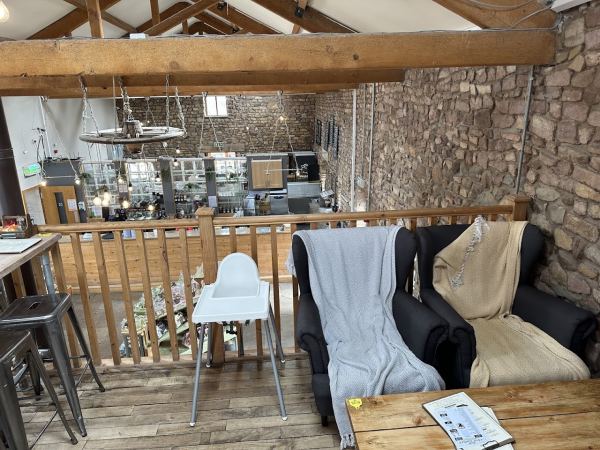
Lancaster has a good independent food scene for a city of its size, helped along by its student population and market-town roots. The Sun Hotel and Bar on Church Street occupies a handsome old coaching inn and is popular for its range of cask ales, while The Borough on Dalton Square combines a busy pub with its own microbrewery. For coffee and daytime food, Atkinsons Coffee Roasters on China Street has been roasting on the same premises for decades and is a local institution. Simple Pleasures and the stalls of Lancaster's Charter Market on Market Square are good spots for fresh, local produce, and the city's proximity to Morecambe Bay means excellent seafood, including the bay's famous shrimps, turns up on menus across the city. A strong pub culture runs through the centre, with a handful of genuinely old buildings among the more modern bars around the castle and priory.

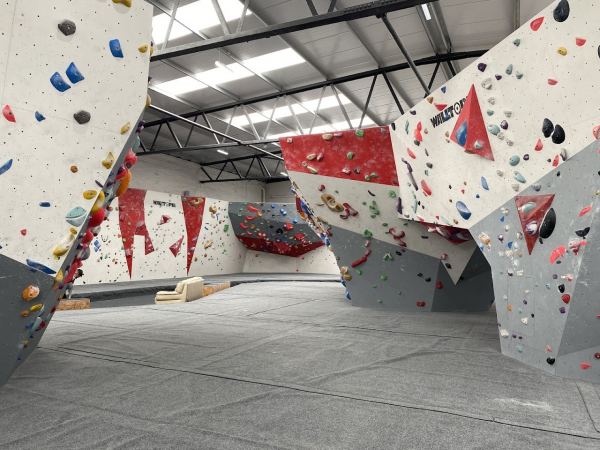
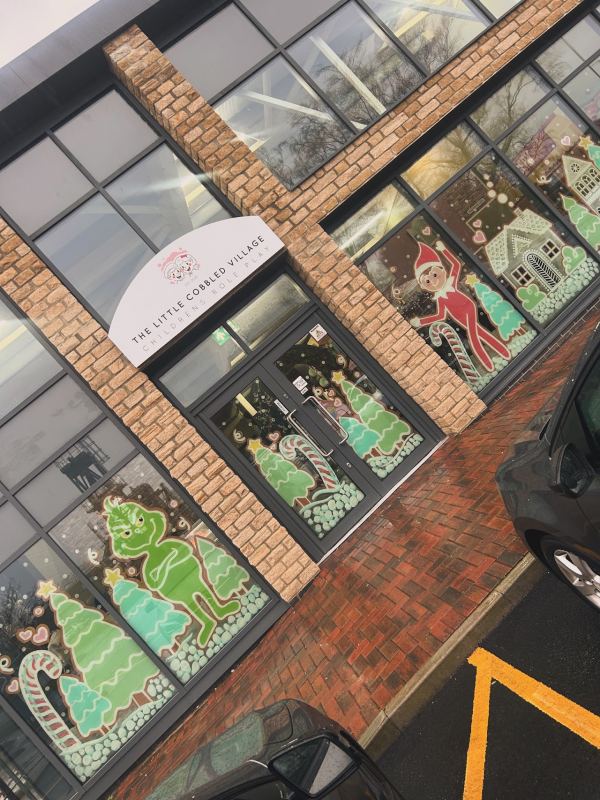
Attractions Near Lancaster
All attractions in Lancaster →Worth the trip — within 50 miles of Lancaster.
 3 mi
3 mi
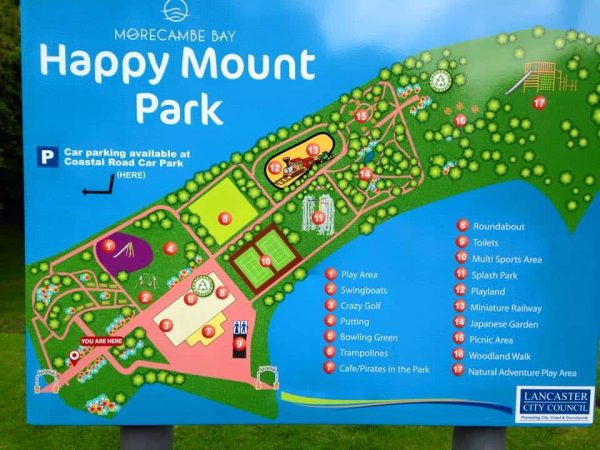
Happy Mount Park
Morecambe · ⭐ 4.4
 3 mi
3 mi
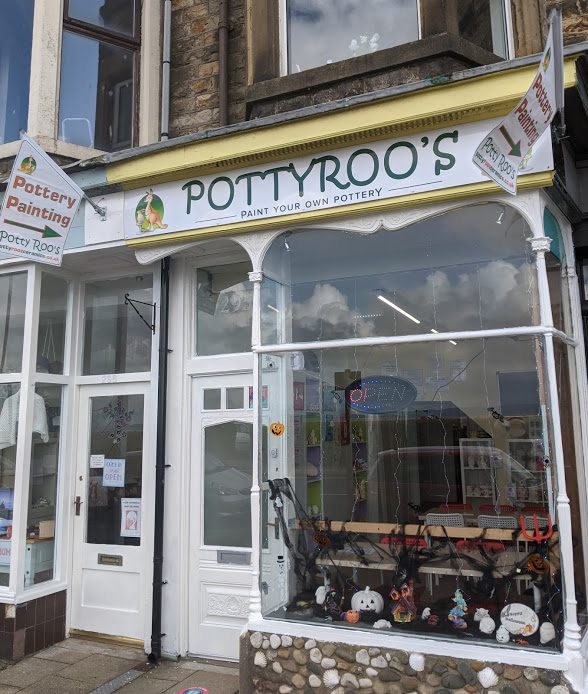
PottyRoo's Paint Your Own Pottery
Morecambe · ⭐ 5.0
 3 mi
3 mi
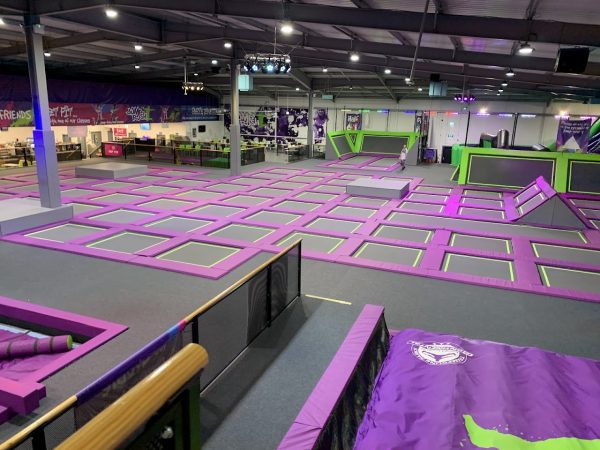
Jump Rush Trampoline Park
Morecambe · ⭐ 4.6
 3 mi
3 mi
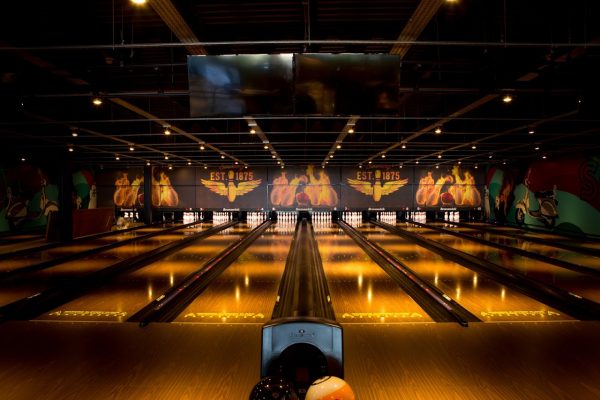
Soul Bowl
Morecambe · ⭐ 4.4
 4 mi
4 mi
Laser Rush
Morecambe · ⭐ 4.6
 8 mi
8 mi
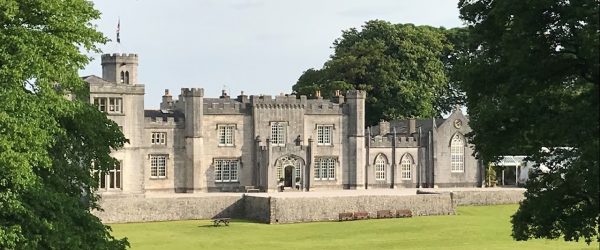
Leighton Hall
Carnforth · ⭐ 4.6
 8 mi
8 mi
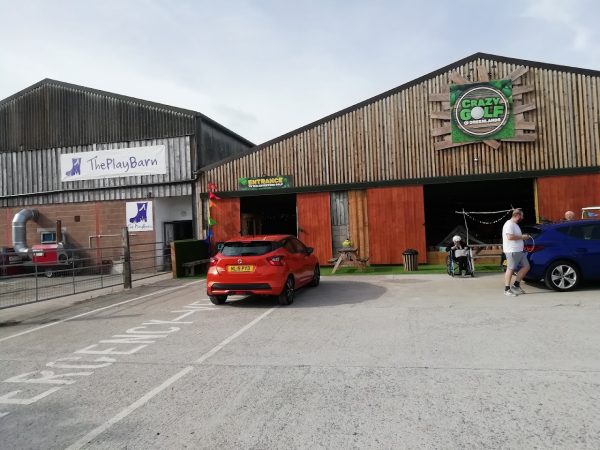
Greenlands Farm Village
Carnforth · ⭐ 4.3
 10 mi
10 mi
Crafty Diane Pottery Painting and Craft Workshops
Garstang · ⭐ 4.8
Camping in Lancaster(9)
All campsites in Lancaster →About camping in Lancaster
Camping around Lancaster means trading city streets for the quieter folds of the Lune Valley and the fringes of the Forest of Bowland, both within a short drive of the centre. As in the rest of England, wild camping without the landowner's permission is not legal here, so pitching up is a matter of booking one of the area's established campsites and caravan parks rather than heading off into the hills with a tent. The countryside itself rewards the effort: the Lune Valley offers gentle riverside pitches and easy access to villages like Caton and Hornby, while sites closer to Bowland put you within reach of proper moorland walking country, including the Trough of Bowland and the fells around Slaidburn.
The camping season here runs broadly from Easter through to October, with the best weather typically arriving in late spring and again in early autumn, when the valley is at its greenest and the fells are quieter than in high summer. Many sites are geared towards families and walkers alike, with a mix of grass touring pitches, hardstanding for caravans and motorhomes, and an increasing number of glamping options, from safari tents and shepherd's huts to fully fitted pods with their own wood-burners, for anyone who wants the setting without the packing list. Facilities vary from simple, basic fields with a standpipe and compost toilet to fuller-service parks with showers, laundry and on-site shops, so it is worth checking what is included before booking, particularly out of the main summer season when some smaller sites reduce their opening hours.
Whichever spot you choose, the appeal is much the same: quick access to genuinely quiet countryside without a long drive from Lancaster itself. Riverside pitches along the Lune offer easy fishing and walking straight from the tent, while sites nearer Bowland make a good base for longer days on the moor. Weather can turn quickly in this part of Lancashire, so it is worth packing for rain even in midsummer, and checking site policies on campfires and dogs, both of which vary considerably between the smaller family-run sites and the larger holiday parks.
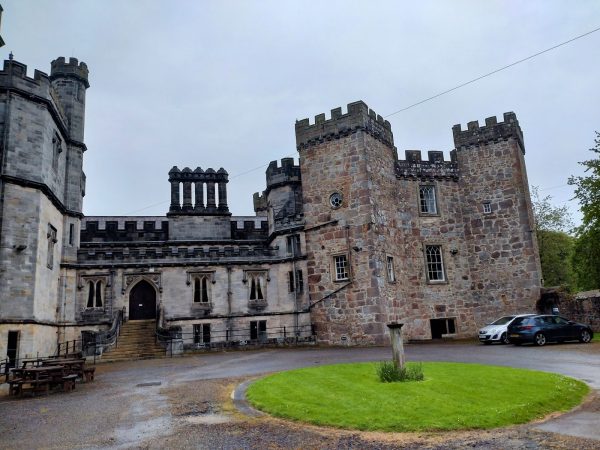
Ashton Hall Caravan Park
⭐ 4.5 · from £39/night
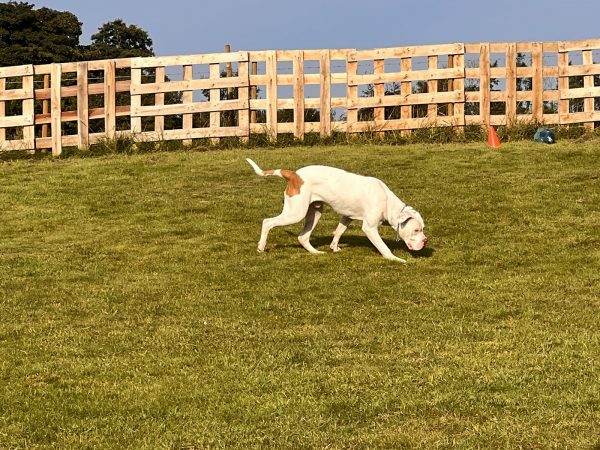
Blossom Tree Camping
⭐ 4.7 · from £66/night
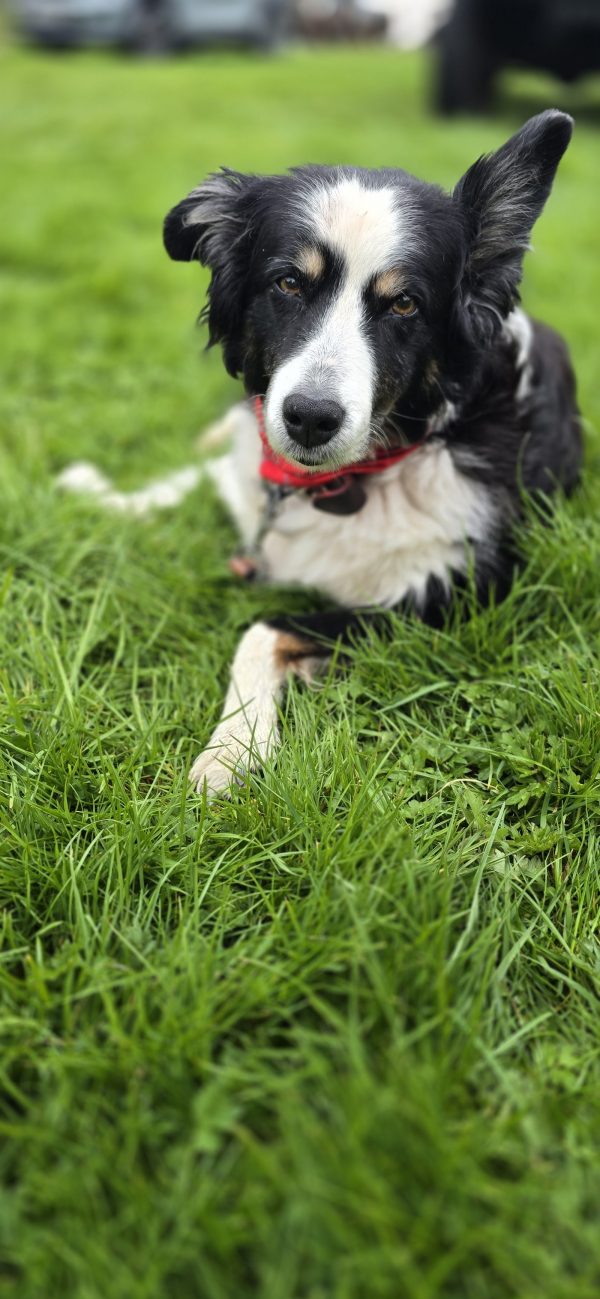
Bridge House Farm Campsite
⭐ 5.0 · from £25/night
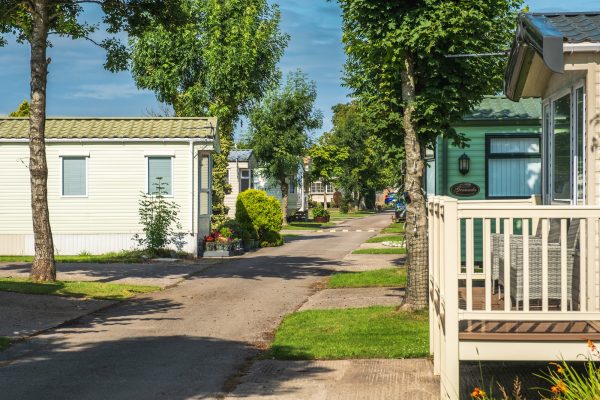
Cockerham Sands
⭐ 4.4 · from £210/night
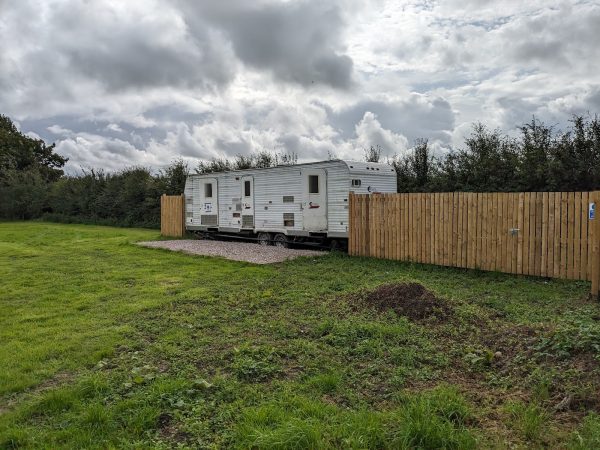
Glasson Dock Campsite
⭐ 4.2 · from £23/night
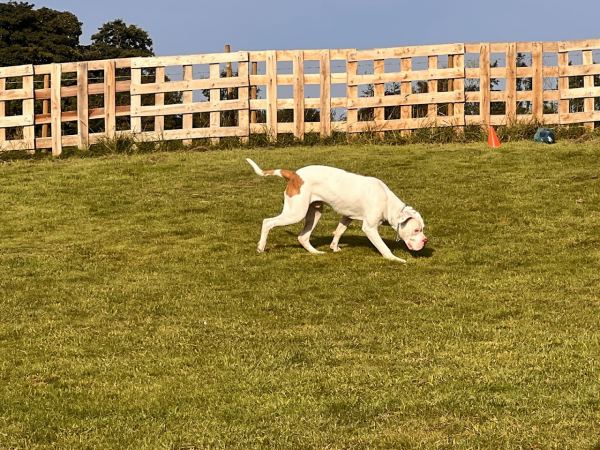
Hare Appletree Farm
⭐ 4.7
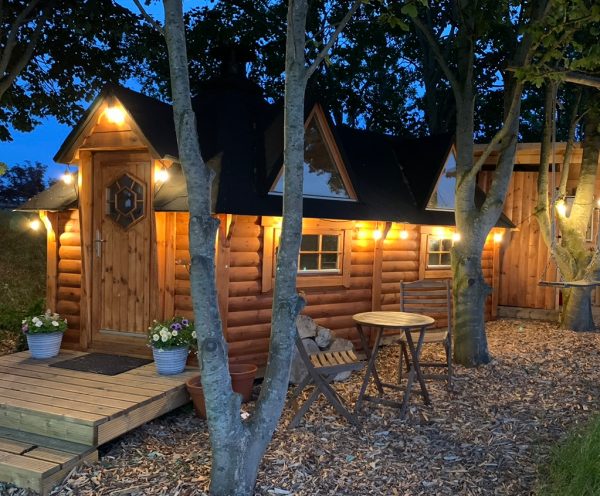
Sandvilla Stays
⭐ 4.9
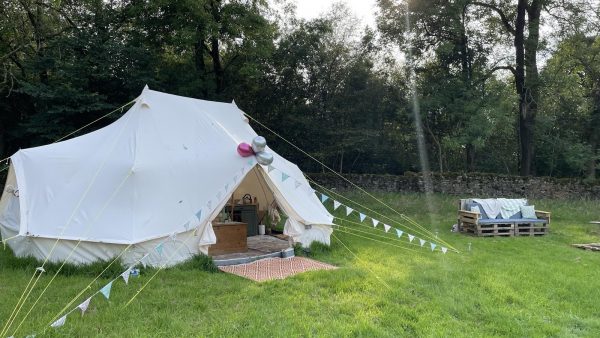
Whinney Hill Farm
⭐ 4.9 · from £20/night
Self-Catering Cottages in Lancaster(70)
All cottages in Lancaster →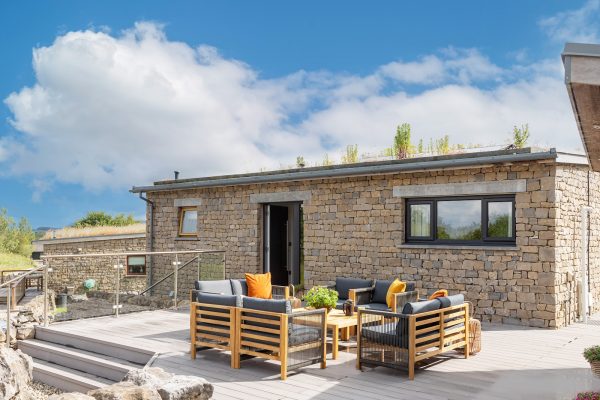
Waterside Retreat
1 bed · sleeps 2 · from £417
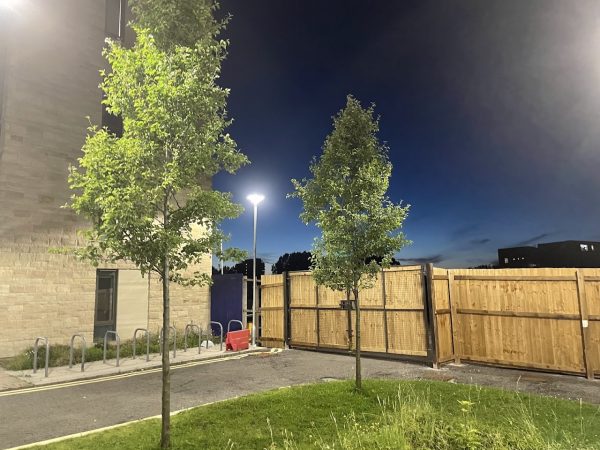
Apartment 14
2 bed · sleeps 4 · from £483
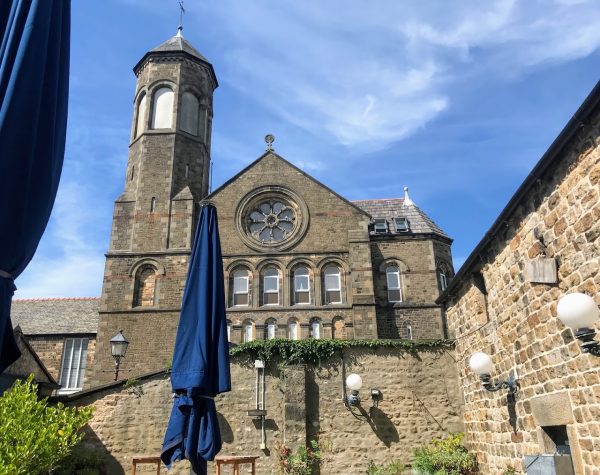
Bordeaux
3 bed · sleeps 6 · from £527
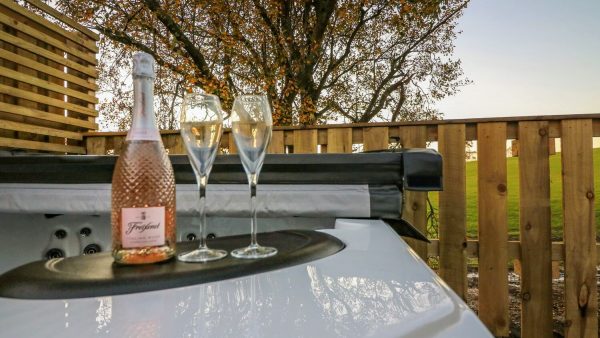
Box Tree Escapes
3 cottages · from £997
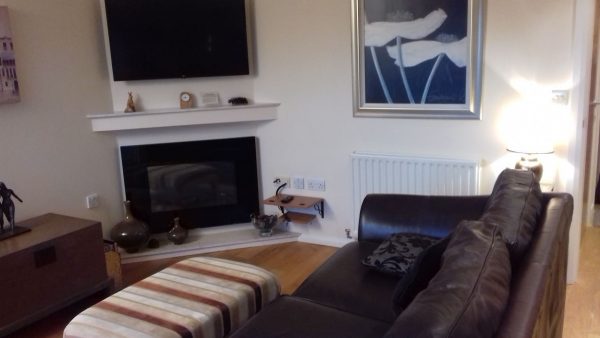
Burrow Meadows
1 bed · sleeps 2 · from £443
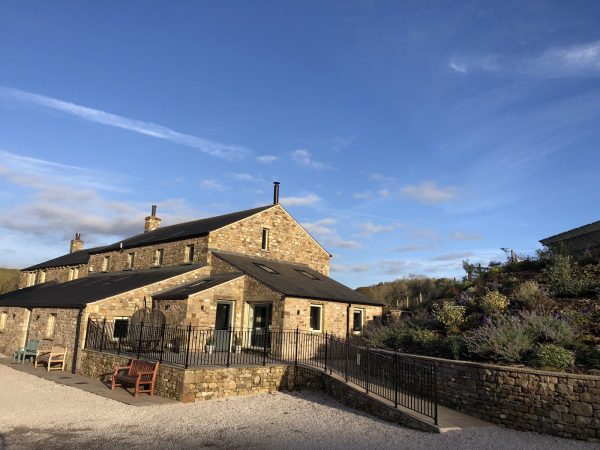
Hay Barn
6 bed · sleeps 11 · from £1,582
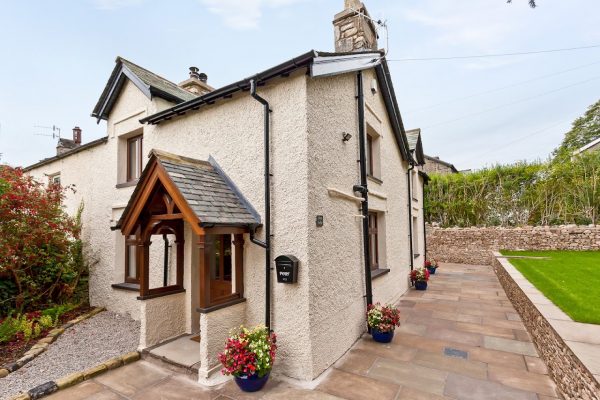
Holgates
2 cottages · from £523
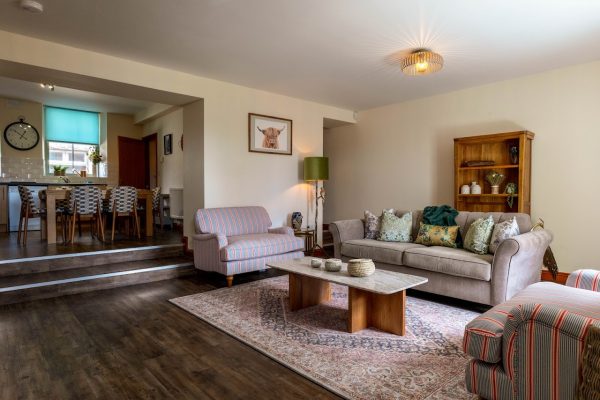
Holgates
2 cottages · from £557
Common questions about Lancaster
How many campsites are there in Lancaster?
We list 9 campsites in and around Lancaster, of which 7 take tents and 3 offer glamping.
Which campsites in Lancaster have electric hook-up?
4 of the 9 campsites we list in Lancaster offer an electric hook-up.
How many holiday cottages are there in Lancaster?
We list 70 self-catering cottages in and around Lancaster.
Can I take a dog to a holiday cottage in Lancaster?
Yes — 43 of the 70 Lancaster cottages we list allow pets.
Are there large holiday cottages in Lancaster for groups?
Yes — the largest cottage we list in Lancaster sleeps 16.
Where can I stay in Lancaster?
We list 23 hotels, B&Bs and guest houses in and around Lancaster.
What is there to do in Lancaster?
We list 12 attractions and things to do in and around Lancaster.
Where can I eat in Lancaster?
We list 27 restaurants, pubs and cafes in and around Lancaster.