Melrose
Borders abbey town beneath the Eildon Hills
Photo © Google Maps contributors, Google Maps
Melrose sits in a bend of the River Tweed at the foot of the Eildon Hills, three volcanic peaks that Sir Walter Scott could see from his desk at nearby Abbotsford and that the Romans once used as a signal station. The town itself is small enough to cross on foot in ten minutes, built from the same warm pink and grey sandstone as its ruined abbey, and it has spent the best part of nine centuries as a stopping point for pilgrims, drovers and now walkers following St Cuthbert's Way. There is no rush to Melrose; its appeal lies in the compactness of a market square ringed with independent shops, a rugby ground that claims to be the birthplace of rugby sevens, and a landscape that opens out into hill and river within minutes of the last house.
The abbey is the reason most visitors first hear of the place. Founded by Cistercian monks in 1136 at the request of King David I, it was rebuilt in the late fourteenth century after Richard II's army burned it, and what survives today is a roofless but still soaring shell of tracery windows, gargoyles and a famous carved bagpipe-playing pig on the roofline. Robert the Bruce's heart is said to be buried beneath the grounds, and the abbey museum next door displays the excavated casket that is thought to have held it. Beyond the abbey, Melrose has built a quieter reputation as a base for exploring the wider Borders: Abbotsford, Scott's baronial home, is a short drive away, and the other three great Border abbeys at Dryburgh, Jedburgh and Kelso sit within easy reach for a day combining several ruins in one trip.
What sets Melrose apart from other small Scottish towns is the immediacy of its hills. The Eildons rise directly from the town's edge, and a well-marked path leaves from Market Square and climbs to all three summits in a loop that takes most walkers three to four hours, with views stretching from the Cheviots to the Lammermuirs on a clear day. That combination of accessible hillwalking, a genuinely historic centre and a river running through the middle of it all gives Melrose a sense of scale that belies how much there is to do.
Getting to Melrose
Melrose has no railway station of its own, the branch line having closed in the 1960s, so the practical rail approach is to Tweedbank, a couple of miles away on the Borders Railway from Edinburgh Waverley. Trains from Edinburgh take around an hour, and a taxi or the connecting bus completes the short final leg into Melrose. Travelling from London, the fastest route is by train to Edinburgh (around four and a half hours on the East Coast line), then across to Tweedbank. By road, Melrose lies just off the A68, the main north-south route through the Borders, roughly forty minutes from Edinburgh and around an hour and a half from Newcastle via the A697 and A68. The A7 connects Melrose southwards towards Carlisle and the M6 for drivers approaching from further south in England. There is no need for a car once in Melrose itself, since the town centre, abbey and hills are all within walking distance of each other, though a car is useful for reaching Abbotsford, the other Border abbeys, or the campsites further out. Free and pay-and-display parking is available around Market Square and the abbey, with additional space at the Trimontium car park on the edge of town. There are no ferry connections relevant to Melrose; the nearest airport is Edinburgh, about an hour's drive north.
Best time to visit Melrose
Spring brings the town's gardens into bloom, with daffodils and blossom around the abbey ruins and the Melrose Sevens rugby tournament held in April drawing crowds for a weekend of noise and colour. Summer is the most reliable season for walking the Eildon Hills and for long evenings along the Tweed, with the abbey grounds and outdoor cafes at their busiest during the school holidays. Autumn turns the wooded banks of the river and the slopes around Dryburgh a deep gold, and cooler, clearer air often makes for the best hill views of the year, alongside noticeably thinner crowds. Winter is quiet and atmospheric, with the abbey ruins looking particularly striking under frost, though some smaller attractions reduce their hours and a number of gardens close for the season; walkers should be prepared for short daylight and changeable hill weather on the Eildons at this time of year.
Where to stay in Melrose(16)
All hotels in Melrose →About staying in Melrose
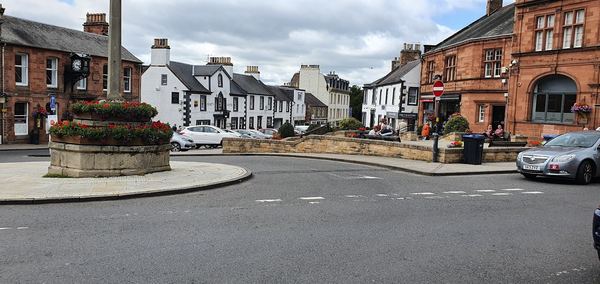
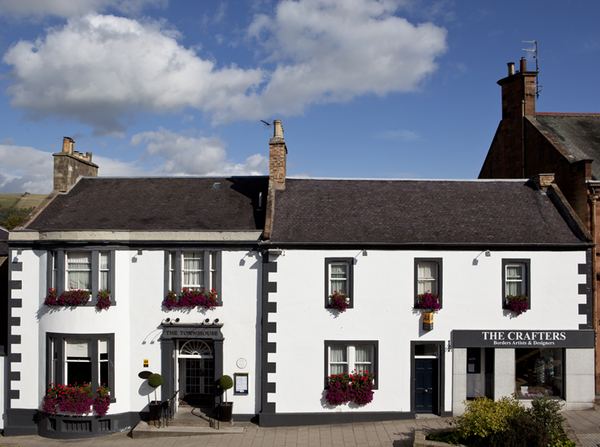
Melrose's accommodation is concentrated around its compact centre, where former coaching inns and townhouses have been run as hotels for generations, several of them still in the hands of the families who built their reputations. Burts Hotel and its sister property The Townhouse both sit on or just off Market Square, putting guests within a few minutes' walk of the abbey, the Eildon Hills path and the town's restaurants, while the George and Abbotsford Hotel occupies a former coaching inn once frequented by Sir Walter Scott himself. These town-centre options suit anyone travelling without a car or planning to spend most of their trip on foot.
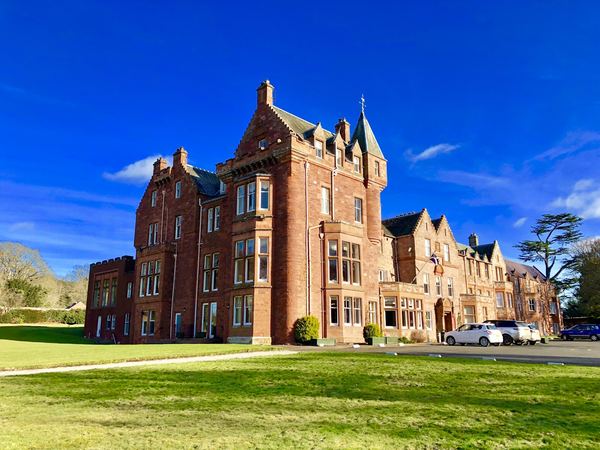
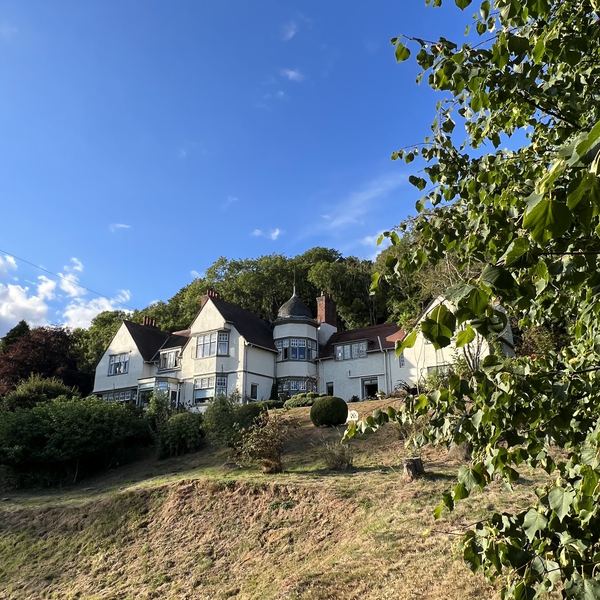
Just outside Melrose, a different style of stay is on offer. Dryburgh Abbey Hotel occupies eleven acres of grounds beside the ruined abbey that gives it its name, a few minutes' drive from town and well suited to a quieter, more country-house pace. Fauhope House, a five-star bed and breakfast in Arts and Crafts style set in bluebell woodland above the Tweed valley, and Bowden House, a boutique B&B directly on St Cuthbert's Way in the neighbouring village of Bowden, both offer a more intimate alternative to a hotel, typically with just a handful of rooms and hosts who know the surrounding walking routes well. The Buccleuch Arms in St Boswells, a few miles downstream, gives a similar village base for those planning to take in Dryburgh Abbey and the wider Tweed valley.
Whichever style suits, most of Melrose's accommodation shares a few things in common: proximity to genuinely good walking straight from the door, kitchens that make a point of using Border beef, lamb and Tweed salmon, and an easy familiarity with the abbey, the Eildon Hills and St Cuthbert's Way that comes from decades of hosting the walkers and history enthusiasts who make up much of the town's visiting public. Booking ahead is worth doing around the Melrose Sevens rugby weekend in April and through the busier summer months, when the town's small stock of rooms fills quickly.
 8.6
8.6
Dryburgh Abbey Hotel
St Boswells, beside Dryburgh Abbey
from £165/night
 9.6
9.6
Fauhope House
Woodland setting above the Tweed, near Gattonside
from £175/night
 8.9
8.9
Burts Hotel
Market Square, Melrose town centre
from £150/night
 8.7
8.7
The Townhouse Hotel
Market Square, Melrose town centre
from £120/night
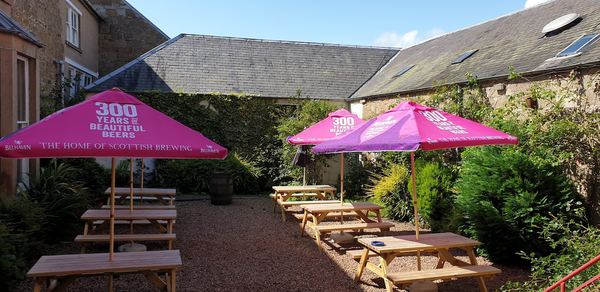 8.3
8.3
George and Abbotsford Hotel
High Street, Melrose town centre
from £110/night
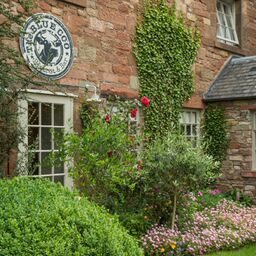 8.5
8.5
Buccleuch Arms Hotel
The Green, St Boswells, near Melrose
from £130/night
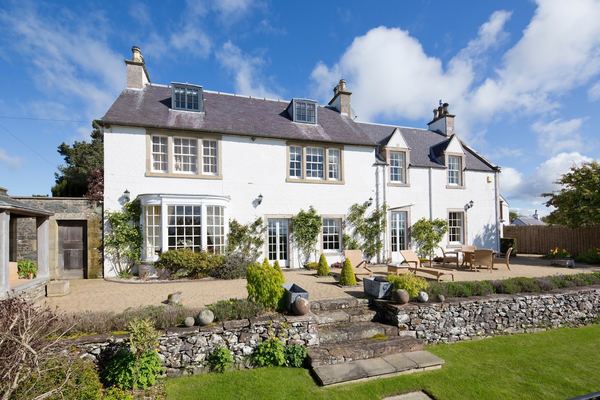 9.4
9.4
Bowden House
Bowden village, on St Cuthbert's Way
from £140/night
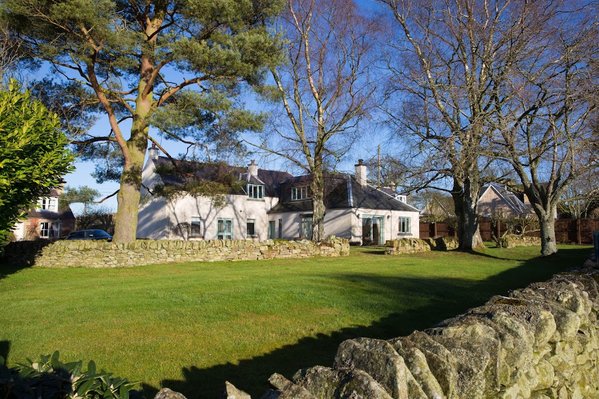
Broomfields Country House
Broomfields, Melrose
Things to Do in Melrose(2)
All attractions in Melrose →Top things to do in Melrose
Melrose rewards visitors who are happy to walk between its attractions rather than drive, since almost everything below sits within the town or a short stroll of it.
- Melrose Abbey is the town's centrepiece, a roofless Cistercian ruin with elaborate stone carving, a small museum of recovered artefacts, and the reputed burial place of Robert the Bruce's heart.
- The Eildon Hills offer a signposted circular walk to all three summits directly from the town centre, with panoramic views over the Tweed valley as the reward for the climb.
- Priorwood Garden and Harmony Garden, both cared for by the National Trust for Scotland, sit either side of the abbey and specialise in dried flowers and orchard fruit respectively, each with views back towards the ruins.
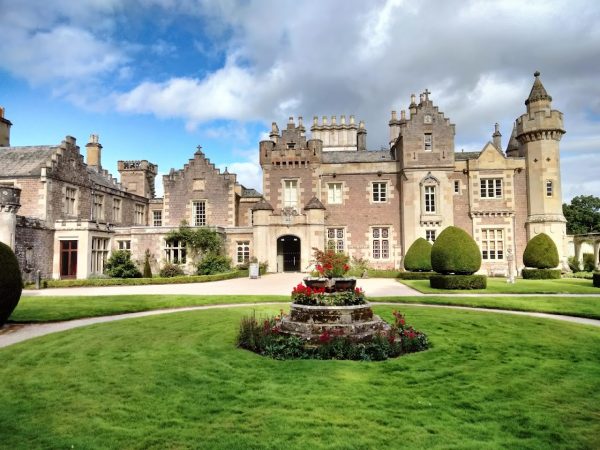
- Abbotsford, Sir Walter Scott's extraordinary home a few miles outside town, can be reached on foot along the river or by a short drive, and its library and turreted rooms are open to visitors for most of the year.
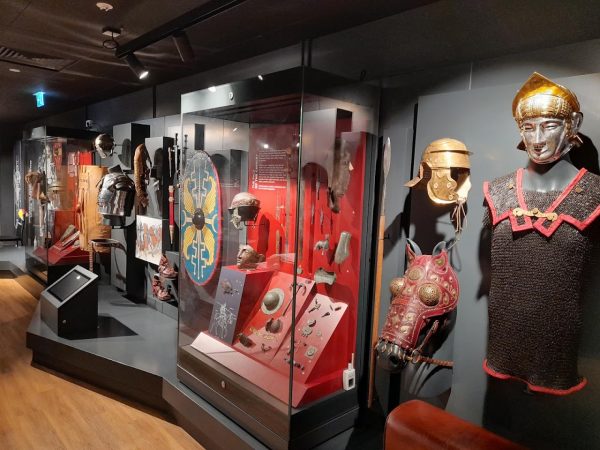
- Trimontium Museum, recently reopened after a major refurbishment, tells the story of the Roman fort that once stood near Melrose and holds one of the best collections of Roman military finds in Scotland.
- St Cuthbert's Way begins in Melrose and threads sixty miles across the Borders and Northumberland to Lindisfarne, and even a short section along the Tweed makes for a pleasant riverside walk.
- Melrose Rugby Football Club, home of the Melrose Sevens tournament held every spring, gives the town a strong claim to being the spiritual home of sevens rugby, and the ground is worth a look even outside match days.
- Dryburgh Abbey, the most romantically sited of the Border abbeys and Scott's actual burial place, lies a short drive from Melrose in a wooded loop of the Tweed.
Where to Eat in Melrose
All restaurants in Melrose →Food and drink in Melrose
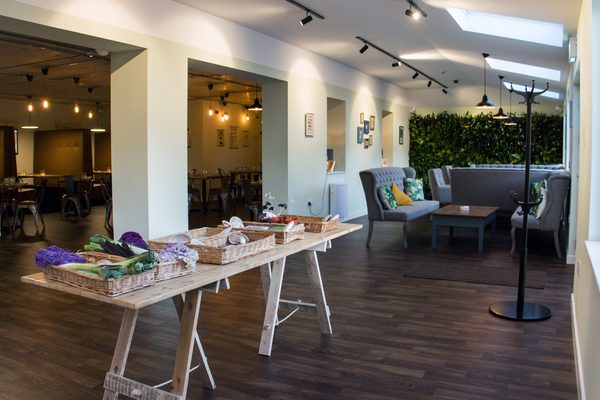
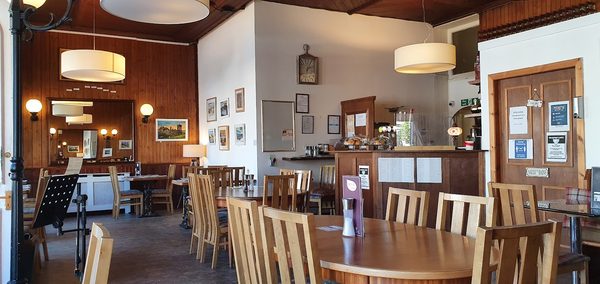
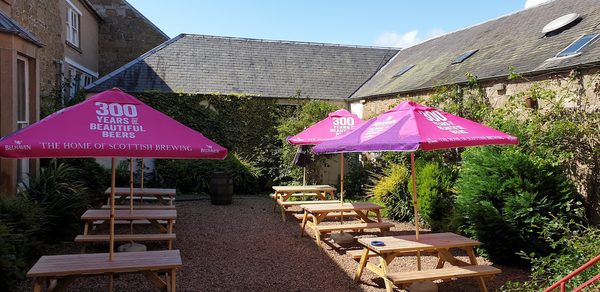
Melrose punches well above its size for food, helped by its position amid prime Border farmland and the salmon-rich waters of the Tweed. Game, Border lamb and Tweed salmon feature strongly on local menus, alongside Scottish Borders cheeses and the soft fruit grown in the fertile ground around the river. The town's longest-standing dining room, at Burts Hotel on Market Square, has held AA Rosettes for its cooking since the mid-1990s and remains the benchmark for a proper Borders dinner. Market Square itself is ringed with independent cafes and delicatessens serving locally baked bread, and the weekly farmers' markets held in the wider Borders region bring Tweed valley produce, preserves and baking into the town on a rotating basis. Pubs such as the George and Abbotsford's bar and the coaching inns of nearby St Boswells serve hearty, unpretentious food built around local meat and game, while a short drive into the surrounding countryside turns up farm shops selling Borders beef, honey and seasonal vegetables direct from the producers.
Attractions Near Melrose
All attractions in Melrose →Worth the trip — within 50 miles of Melrose.
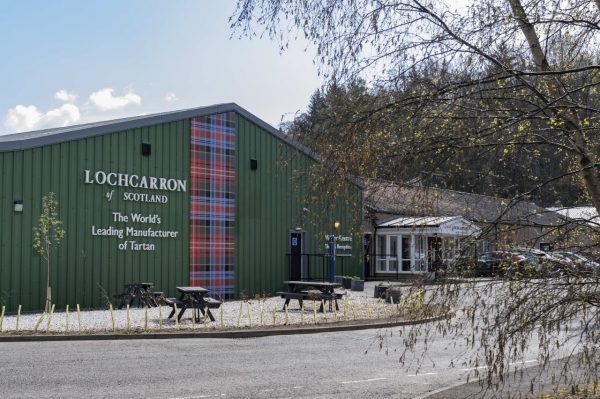 6 mi
6 mi
Lochcarron of Scotland Visitor Centre
Selkirk · ⭐ 4.6
 7 mi
7 mi
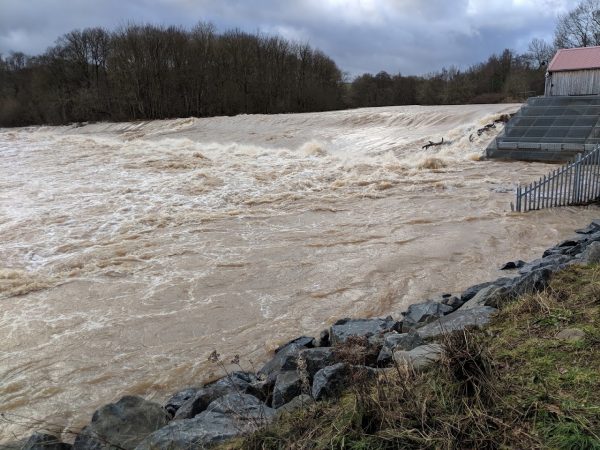
Philiphaugh Salmon Viewing Centre
Selkirk · ⭐ 4.2
 8 mi
8 mi
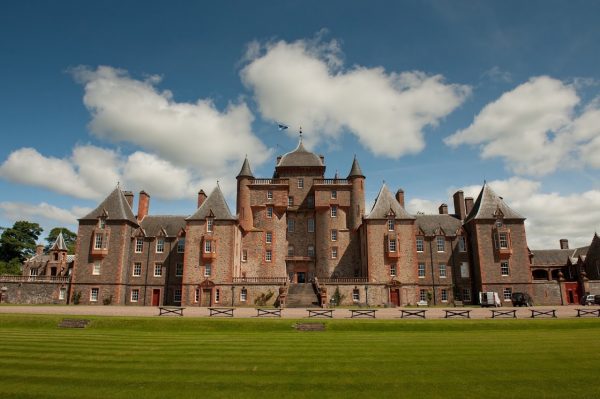
Thirlestane Castle
Lauder · ⭐ 4.6
 8 mi
8 mi
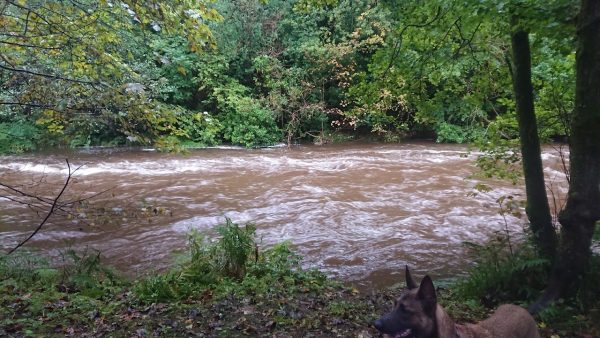
Bowhill Stables
Selkirk · ⭐ 5.0
 8 mi
8 mi
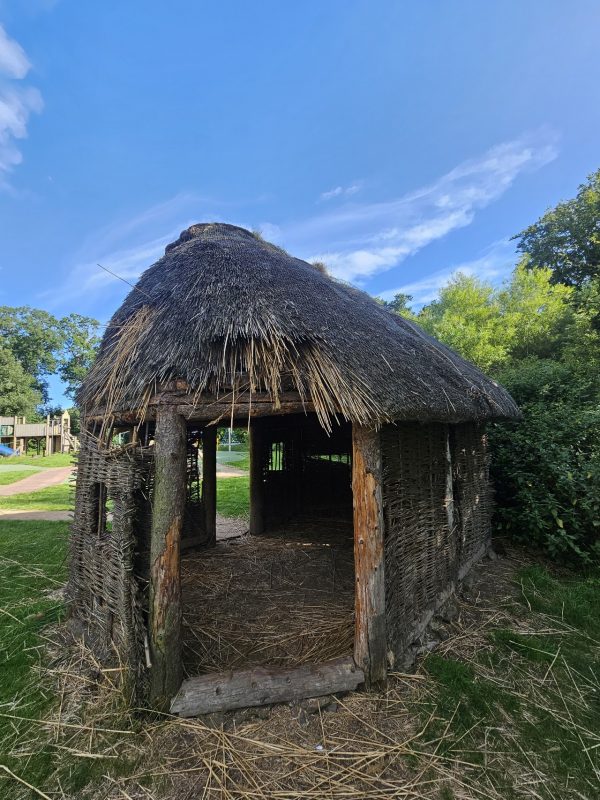
Harestanes Countryside Visitor Centre
Jedburgh · ⭐ 4.4
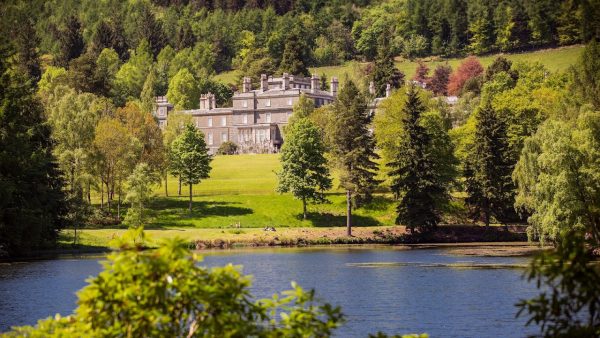 8 mi
8 mi
Bowhill House and County Estate
Selkirk · ⭐ 4.6
Nenthorn Equestrian Centre
Kelso
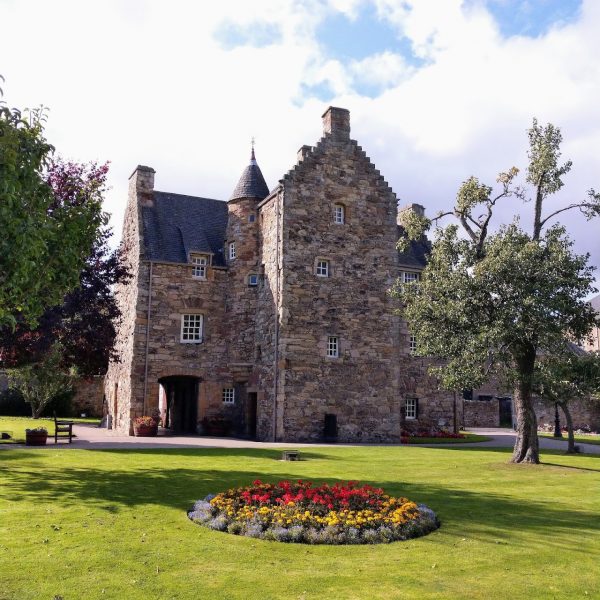 11 mi
11 mi
Mary Queen Of Scots Visitor Centre
Jedburgh · ⭐ 4.6
Camping in Melrose(5)
All campsites in Melrose →About camping in Melrose
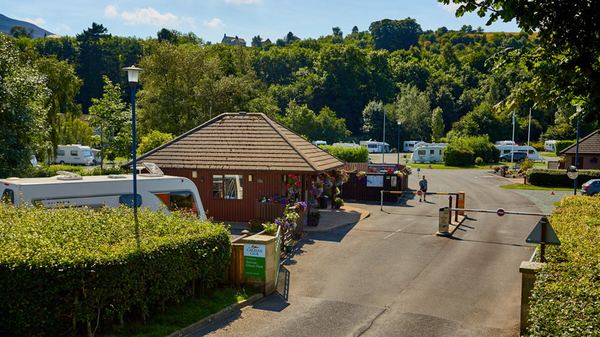
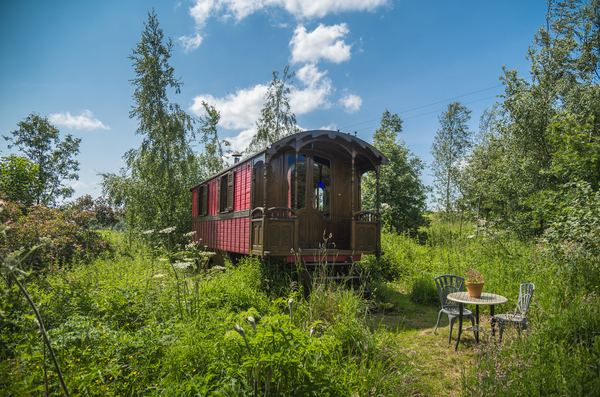
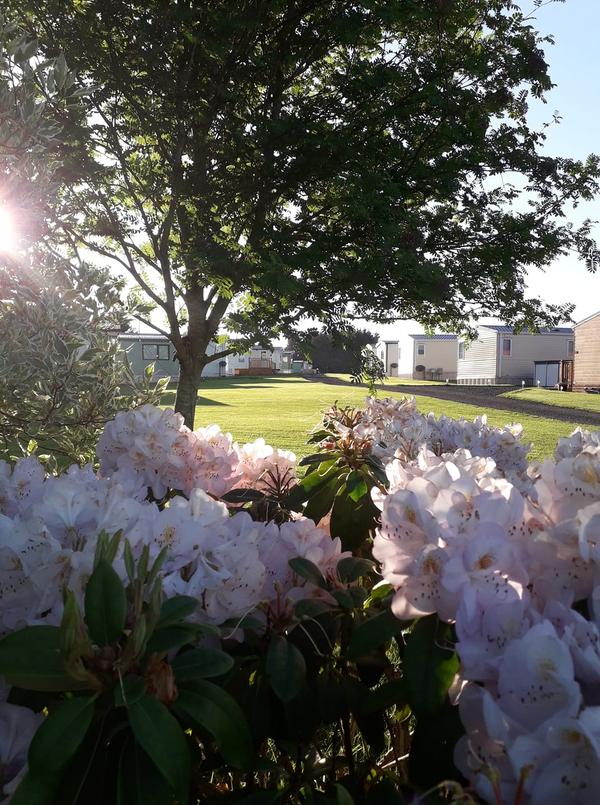
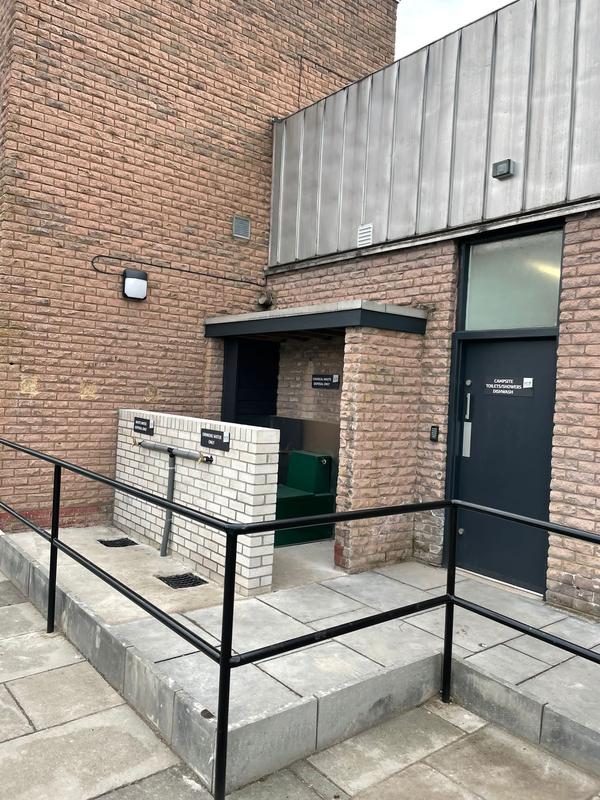
Camping around Melrose means choosing between a pitch within walking distance of the abbey and Eildon Hills, or a short drive out into the quieter parts of the Tweed valley and the rolling countryside towards Lauder and Selkirk. The most convenient option sits on the fringe of Melrose itself, a well-established touring site with the Eildon Hills as a backdrop and the town centre reachable on foot, making it the natural choice for anyone without a car who still wants to camp rather than take a hotel room.
Further afield, the Borders countryside offers campsites set against their own local landmarks. A short drive south towards Lauder brings campers to a touring park within the historic parkland of a working castle estate, while Selkirk, a few miles west along the Ettrick valley, has a well-equipped municipal site attached to the town's leisure centre, useful for anyone wanting a swim or gym session alongside their pitch. Both are comfortably within range for day trips back into Melrose to see the abbey or walk the Eildons.
All three sites listed here take tents, caravans and motorhomes, though pitch mix and facilities vary, so it is worth checking specifics before booking, particularly around electric hook-up availability and dog policies. Given the modest number of sites directly in and around Melrose, booking ahead for peak summer weekends and the Melrose Sevens period is advisable, especially for sites with hardstanding or serviced pitches.
Self-Catering Cottages in Melrose
All cottages in Melrose →Saddlers Cottage
2 bed · sleeps 5 · from £543
Stable Lodge
2 bed · sleeps 5 · from £503
Lower Canterbury House
1 bed · sleeps 2 · from £483
Dingleton 45
2 bed · sleeps 4 · from £561
Leaderfoot Cottage
2 bed · sleeps 4 · from £691
Quarry Green
1 bed · sleeps 2 · from £423
Bridge Cottage
2 bed · sleeps 4 · from £363
Nether Whitlaw Cottage
3 bed · sleeps 6 · from £767
Common questions about Melrose
How many campsites are there in Melrose?
We list 5 campsites in and around Melrose, of which 5 take tents and 1 offer glamping.
Are there dog-friendly campsites in Melrose?
Yes — 3 of the 5 campsites we list in Melrose accept dogs, including Melrose Gibson Park Club Campsite and Thirlestane Castle Caravan and Camping Park.
Which campsites in Melrose have electric hook-up?
3 of the 5 campsites we list in Melrose offer an electric hook-up.
Where can I stay in Melrose?
We list 16 hotels, B&Bs and guest houses in and around Melrose. Prices start from around £110 a night.
What is there to do in Melrose?
We list 2 attractions and things to do in and around Melrose.