St Briavels
A Norman castle, an ancient forest and a very old slice of bread and cheese
Photo © Mark Johnson, Google Maps
St Briavels sits on a limestone plateau roughly 800 feet above the River Wye, on the Gloucestershire bank of the gorge that divides England from Wales. The village grew up around its Norman castle, and the two are still inseparable: narrow lanes of stone and brick cottages fan out from the castle gates, and the whole place has the settled, unhurried feel of somewhere that has never needed to grow much beyond its medieval footprint. To the west, the ground falls away into the Wye Valley, officially recognised as an Area of Outstanding Natural Beauty; to the east lies the Forest of Dean, one of the largest surviving ancient woodlands in England.
It is a village that rewards slow exploration rather than a quick pass-through. There is a single pub, a small deli, a church, two chapels and a scatter of footpaths leading straight from the centre out into farmland and woodland. Walkers use it as a base for the Wye Valley Walk and the Offa''s Dyke Path, both of which pass close by, while the Forest of Dean''s cycle trails and sculpture trail are a short drive away. St Briavels has also held onto a genuinely old tradition, the annual bread and cheese dole, which gives the village a folk-history flavour that few places its size can match.
Getting to St Briavels
St Briavels lies in the Forest of Dean, close to the Gloucestershire-Monmouthshire border. By car it sits just off the B4228, roughly midway between Lydney and Monmouth, and is easily reached from the M48 Severn Bridge crossing or the M50 via Ross-on-Wye. The nearest mainline railway stations are at Lydney and Chepstow, both a short taxi or bus ride away, with connections onto the Gloucester-to-Cardiff line. Local bus services link the village to Lydney, Coleford and the surrounding forest villages, though services are limited, so a car is the most practical way to explore the wider area.
Best time to visit St Briavels
Spring brings bluebells to the Forest of Dean''s woodland floor and the chance to see the bread and cheese dole take place on Whit Sunday. Summer is best for walking the Wye Valley and forest trails in long daylight hours, and for outdoor pursuits along the river at nearby Symonds Yat. Autumn turns the Forest of Dean a deep gold and russet, drawing photographers and walkers to its trails, while winter offers a quieter, mistier version of the valley, with log fires at the village pub and the castle grounds largely to yourself.
Where to stay in St Briavels
All hotels in St Briavels →About staying in St Briavels
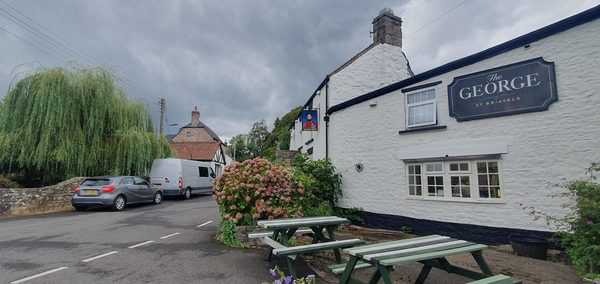
St Briavels makes a characterful base for exploring the Wye Valley and the Forest of Dean, though the village itself has only limited accommodation, so many visitors stay in a mix of village rooms and nearby towns. The George Inn, right opposite the castle on the High Street, offers simple guest rooms above a working pub, putting you a two-minute walk from the castle walls and the parish church. A scatter of farmhouse B&Bs and cottages in the lanes around the village offer a quieter, more rural alternative, often with views down into the Wye Valley or out towards the forest.
For a wider choice of hotels, the market towns of Chepstow, Monmouth, Coleford and Lydney are all within a short drive and offer everything from budget guest houses to more established coaching inns, many with restaurants attached. Chepstow in particular, with its own castle and racecourse, has a good spread of hotel accommodation and is well placed for exploring both the lower Wye Valley and the Severn crossings. Wherever you base yourself, St Briavels rewards a short stay rather than a flying visit: its appeal lies in walking the surrounding footpaths, timing a visit around the Whit Sunday bread and cheese dole if you can, and using the quiet forest and valley trails on your doorstep rather than ticking off a long list of attractions.
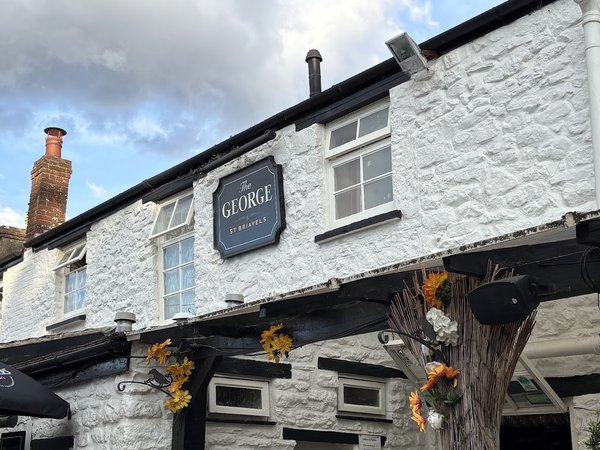
George Inn St Briavels
High Street, Lydney
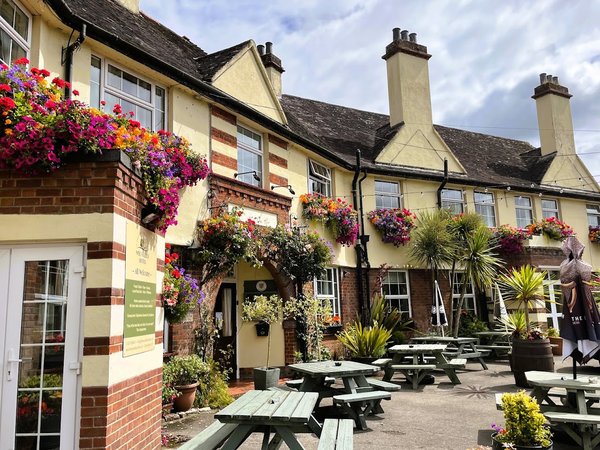
Wye Valley Hotel
Tintern, Chepstow
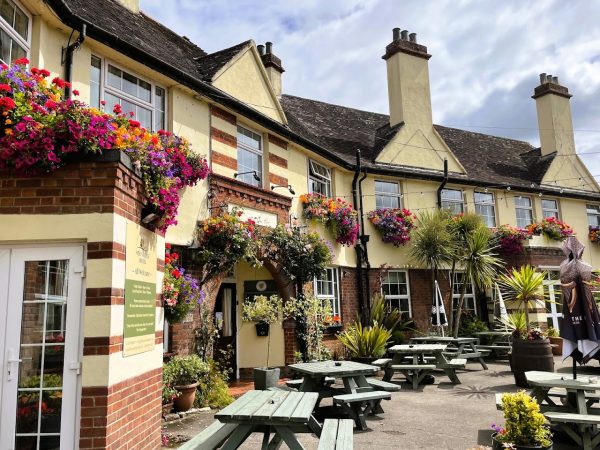
Wye Valley Retreat
Hazelgrove, Chepstow
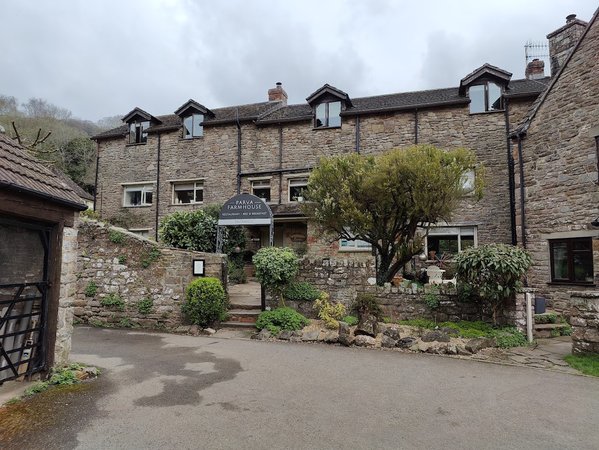
Parva Farmhouse Riverside Guesthouse
Monmouth Road, Tintern
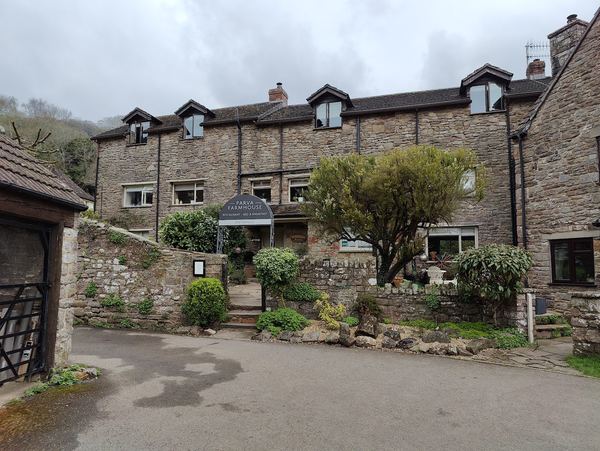 9.0
9.0
Parva Farmhouse
Tintern, Monmouthshire
from £100/night
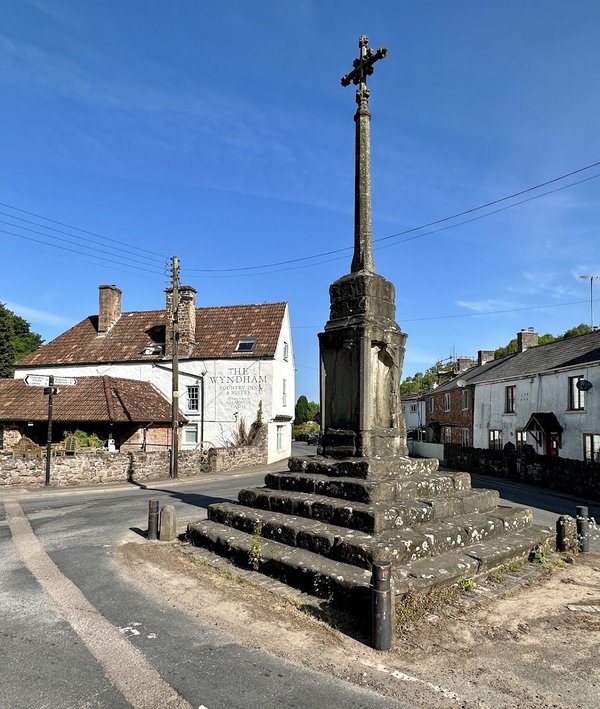
The Wyndham Hotel & Restaurant
The Wyndham The Cross, Clearwell
 9.1
9.1
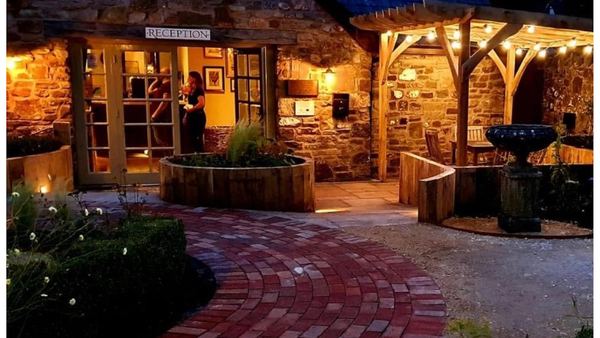
Tudor Farmhouse Hotel
Clearwell, Forest of Dean
from £165/night
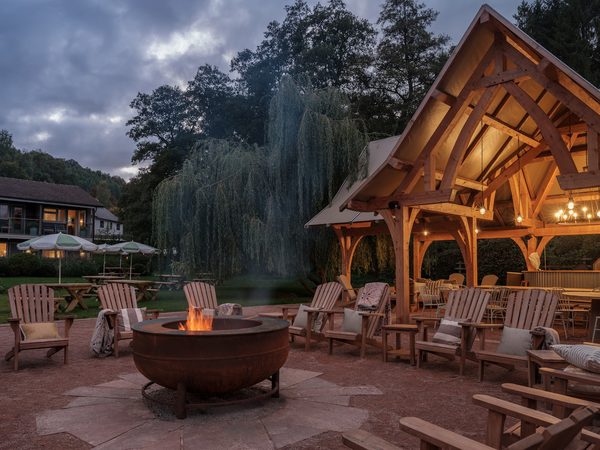
The Royal George
Tintern, Chepstow
Things to Do in St Briavels
All attractions in St Briavels →Top things to do in St Briavels
St Briavels rewards visitors who like their history layered and their walks well signposted. Here are some of the best things to see and do in and around the village.
- St Briavels Castle — This moated Norman castle, begun between 1075 and 1129 as an administrative centre for the Forest of Dean, later became a hunting lodge favoured by King John and, for centuries, the main manufacturing site in England for crossbow bolts. It served as a debtors'' prison into the 19th century before being restored and taken over as a youth hostel in 1948, a role it still fills today under English Heritage ownership. Non-residents can look around the grounds and the exterior.
- The bread and cheese dole — Every Whit Sunday, small pieces of bread and cheese are thrown from the castle wall to a crowd of local "dole claimers", a custom first recorded in 1779 but believed to be far older. Local tradition links it to a grant of land made by King John to protect villagers'' rights to gather firewood in the nearby Hudnalls woodland.
- St Mary''s Church — Standing right beside the castle, this part-Norman parish church has a long, low nave and a squat tower, and is where the bread and cheese ceremony used to take place before it moved outdoors.
- Forest of Dean — One of England''s few surviving ancient forests, with waymarked walking and cycling trails, the Beechenhurst sculpture trail, Puzzlewood, and old mining relics scattered through the trees. It borders the village on its eastern side.
- Wye Valley AONB and the Wye Valley Walk — The river gorge below St Briavels is one of the most scenic stretches of the Wales–England border, with the long-distance Wye Valley Walk running along it and connecting to Tintern, Chepstow and Symonds Yat.
- Offa''s Dyke Path — The Wye Valley section of this national trail runs close to St Briavels, following the line of the ancient earthwork built to mark the historic boundary between England and Wales.
- Hudnalls — An area of ancient semi-natural woodland on the steep valley side below the village, associated with the old firewood rights that may lie behind the bread and cheese custom.
Where to Eat in St Briavels(1)
All restaurants in St Briavels →Food and drink in St Briavels
The George Inn, on the High Street opposite the castle, is the village''s only pub and has been serving travellers for centuries; it offers a bar, restaurant and rooms, with home-cooked menus and local ales. For everyday provisions and locally made treats, The Pantry is the village shop and deli, and a farmers'' market is held in St Briavels on the first Saturday morning of the month, selling local bread, cheese, cider, meat and other produce. For a wider choice of cafes and restaurants, the Forest of Dean towns of Coleford and Lydney, and the Wye Valley town of Chepstow, are all within easy driving distance.
Attractions Near St Briavels
All attractions in St Briavels →Worth the trip — within 50 miles of St Briavels.
 2 mi
2 mi
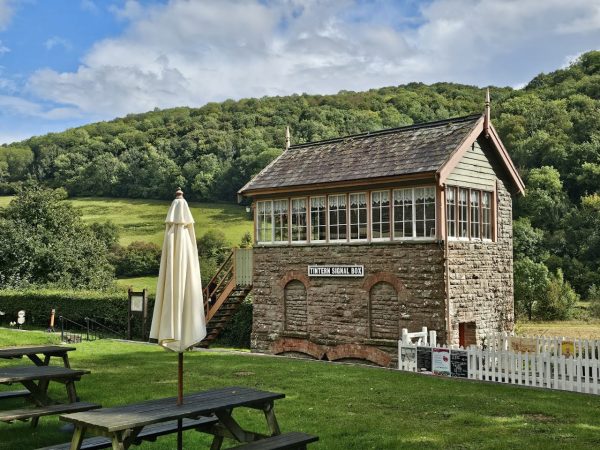
Tintern Old Station
Monmouth · ⭐ 4.5
 3 mi
3 mi
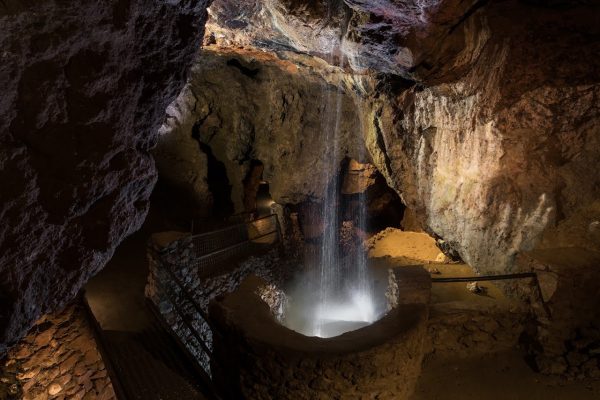
Clearwell Caves Ancient Iron Mines
Coleford · ⭐ 4.6
 3 mi
3 mi
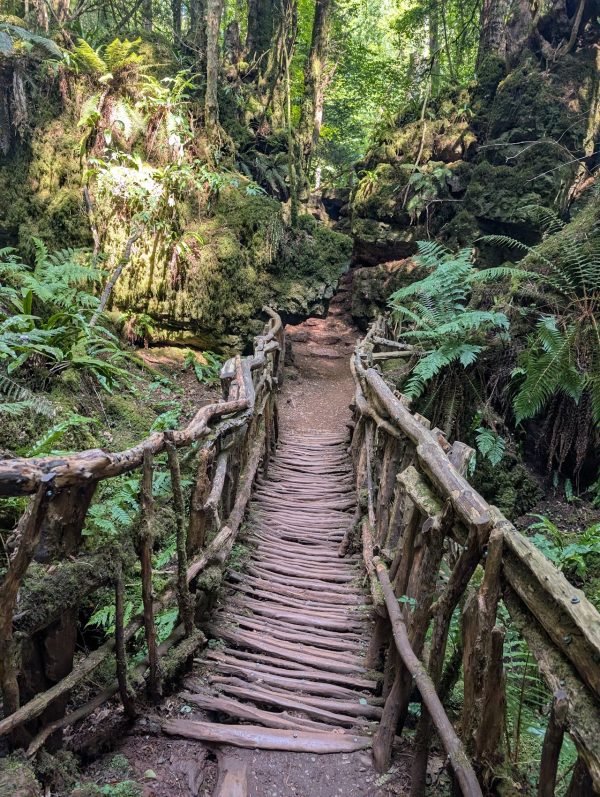
Puzzlewood
Coleford · ⭐ 4.6
 4 mi
4 mi
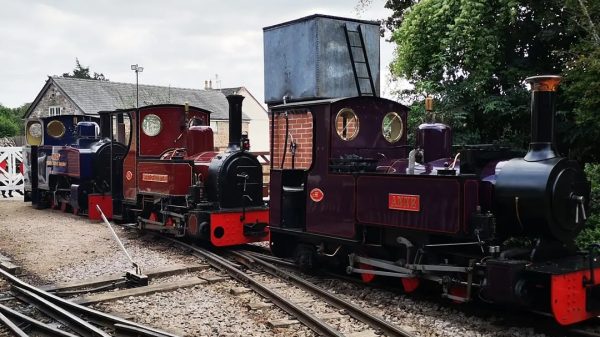
Perrygrove Railway and Treetop Adventure
Coleford · ⭐ 4.5
 4 mi
4 mi
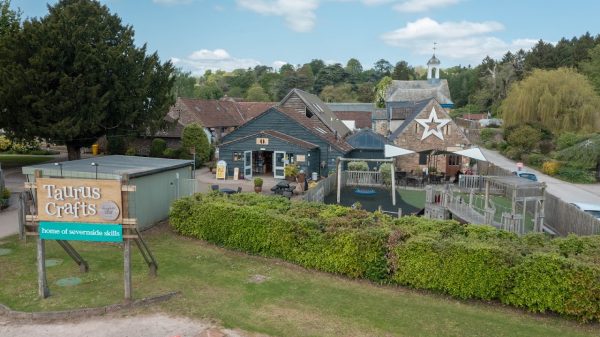
Taurus Crafts
Lydney · ⭐ 4.3
 5 mi
5 mi
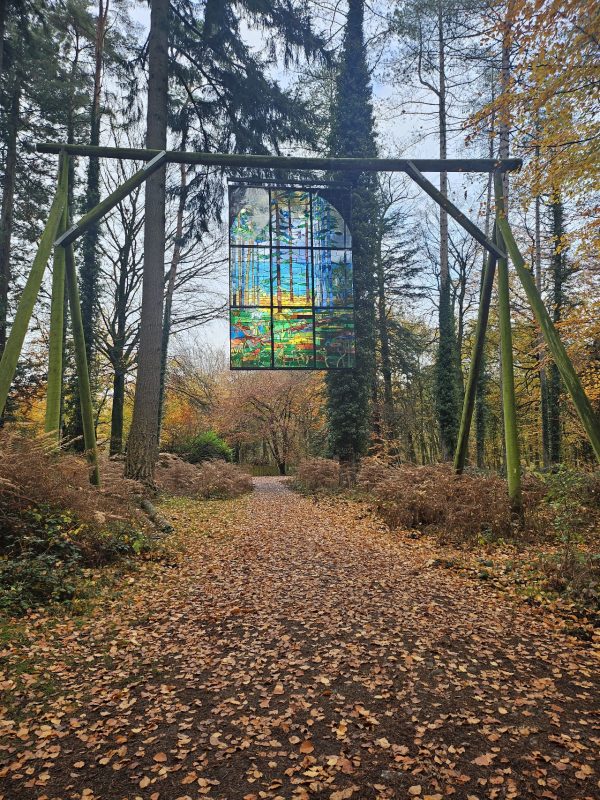
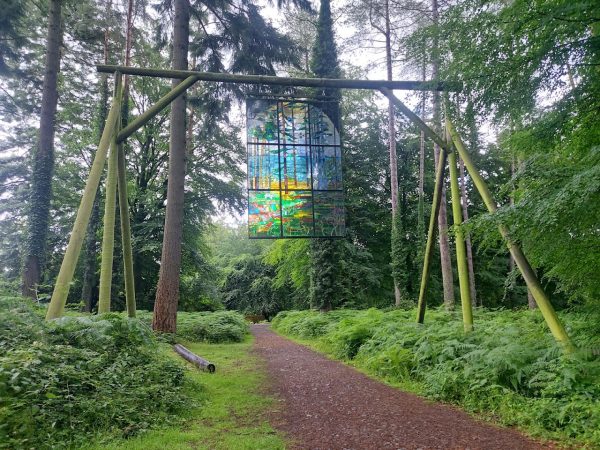
Forest of Dean Sculpture Trail
Coleford · ⭐ 5.0
 5 mi
5 mi
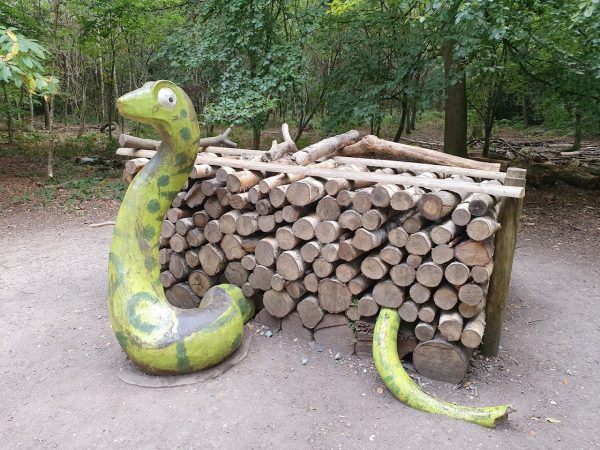
The Gruffalo Trail
Parkend · ⭐ 5.0
 6 mi
6 mi
Beechenhurst
Coleford · ⭐ 4.4
Camping in St Briavels
All campsites in St Briavels →About camping in St Briavels
The Forest of Dean and Wye Valley around St Briavels offer some of the best woodland and valley camping in the Welsh Marches, though as with anywhere in England, wild camping is illegal without the landowner''s explicit permission, so stick to licensed sites. The terrain here is a mix of steep, wooded valley sides dropping to the River Wye and gentler forest plateau above, which means many campsites make a feature of views over the gorge or pitches tucked among mature oak and beech. Small, independent sites and farm campsites are more common here than large holiday parks, reflecting the quieter, more rural character of this corner of Gloucestershire.
Camping season around St Briavels generally runs from Easter through to the end of September, when the forest trails and river paths are driest and most sites are open. Late spring is particularly rewarding, with bluebells carpeting parts of the Forest of Dean and the bread and cheese dole taking place on Whit Sunday, while a settled spell in autumn brings out rich colour in the beech woodland. Ground can be heavy after wet weather given the valley''s clay soils, so a waterproof tent and good boots are worth packing outside the height of summer.
For those who prefer a roof over their heads without giving up the outdoor feel, glamping has taken hold across the Forest of Dean and Wye Valley in the form of shepherd''s huts, safari tents and camping pods, many on small family-run sites with only a handful of pitches. These tend to book up quickly for summer weekends and the Whit Sunday period, so early planning pays off. Whatever type of site you choose, the reward is the same: easy access to the Wye Valley Walk, Offa''s Dyke Path and the forest''s cycling and walking trails, all without needing to move the car once you''ve pitched.
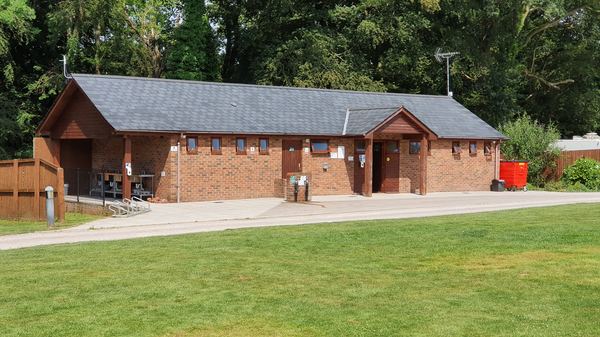
Forest and Wye Valley Camping
⭐ 4.8
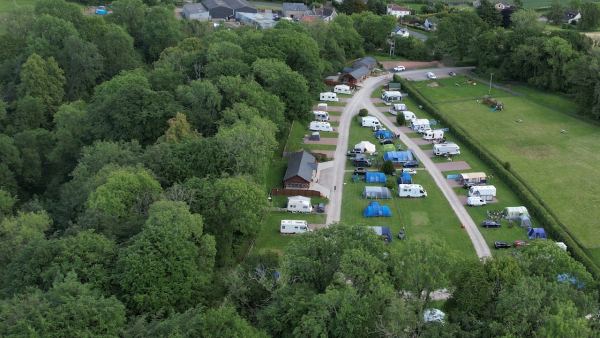
Forest and Wye Valley Camping Site
⭐ 4.8
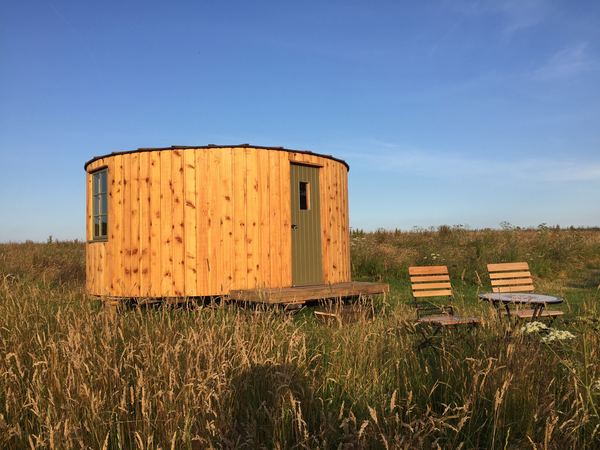
Cadora Woods Glamping
⭐ 5.0 · from £119/night
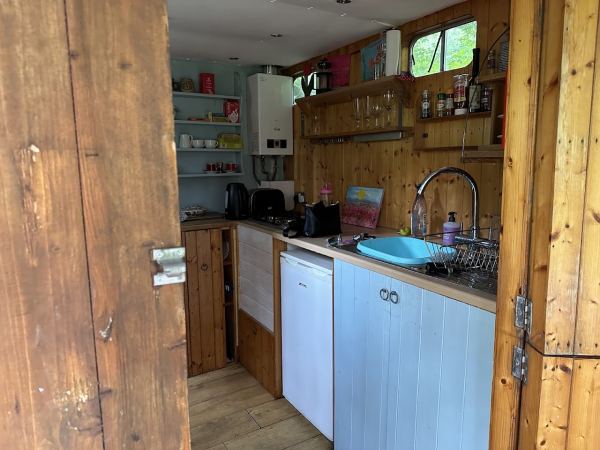
The Hop Garden at Kingstone Brewery
⭐ 4.6
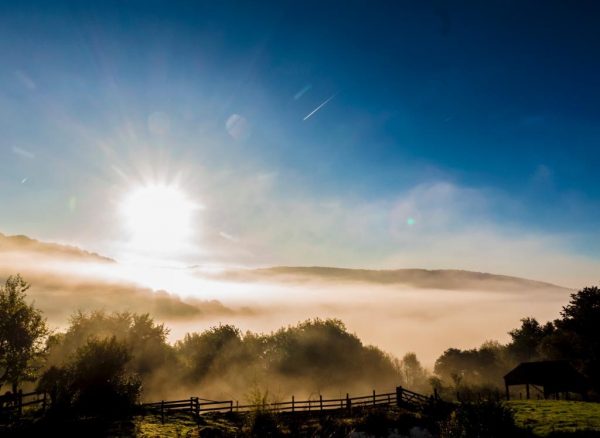
Hill Farm Tintern
⭐ 4.9 · from £150/night
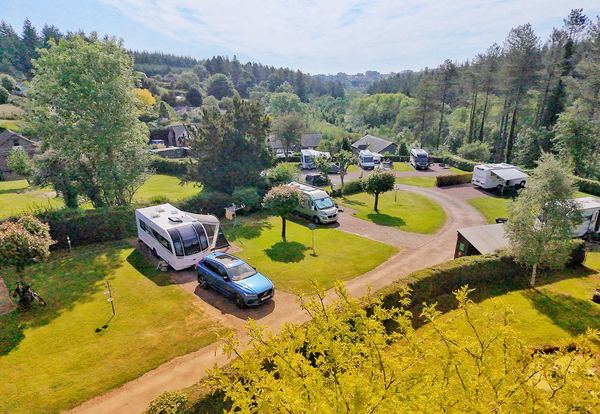
Hawthorne Cottage Caravan Site
⭐ 4.9
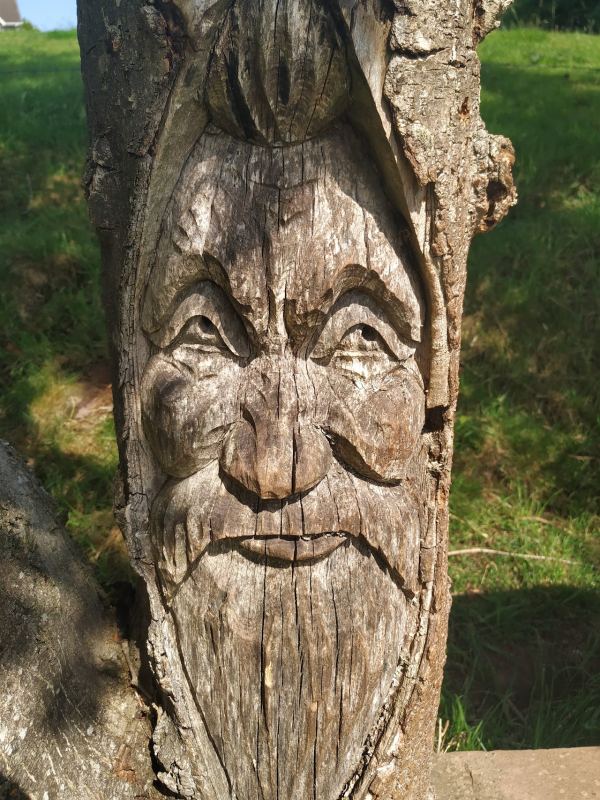
Beanhill Farm
⭐ 4.5 · from £24/night
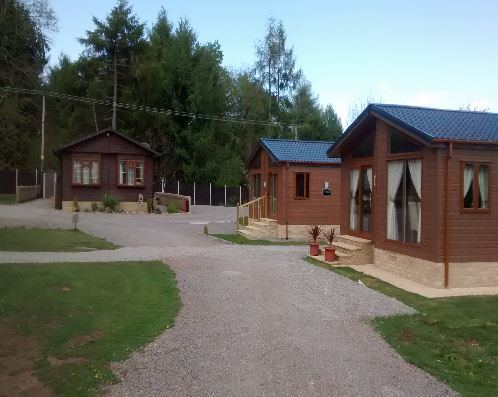
Woodlands View Caravan Park
⭐ 4.5
Self-Catering Cottages in St Briavels
All cottages in St Briavels →Hopewell Barn
3 bed · sleeps 5 · from £1,112
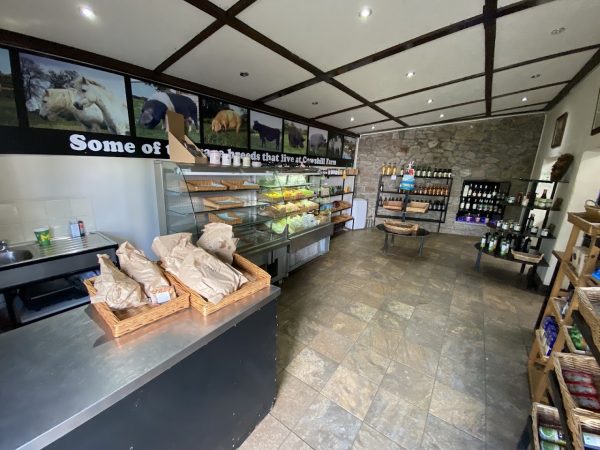
Hewelsfield Court
3 cottages · from £387
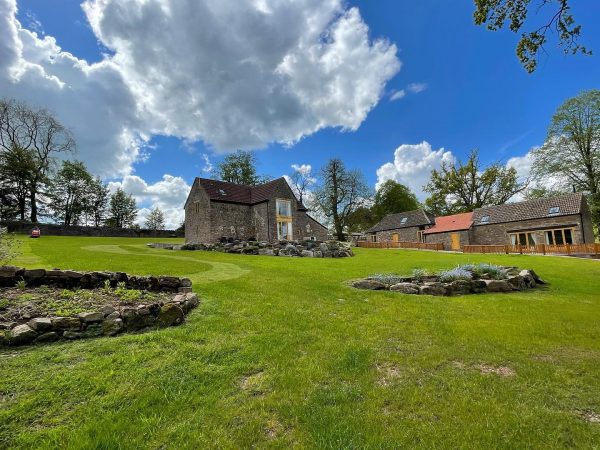
Priors Lodge Barns
3 cottages · from £453
The Trekkers
2 cottages · from £383
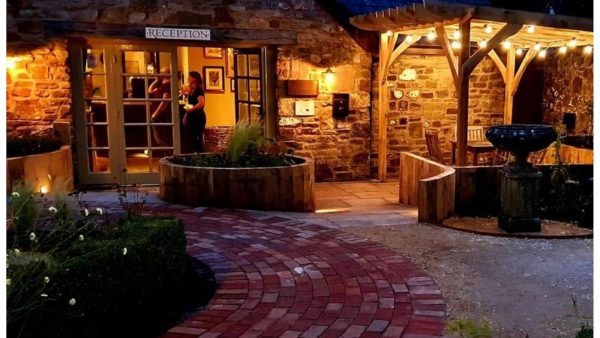
Tudor Farmhouse
7 bed · sleeps 17 · from £4,169
Court Farm Holiday Barns
2 cottages · from £347
Cider Mill Lodge
2 bed · sleeps 4 · from £503
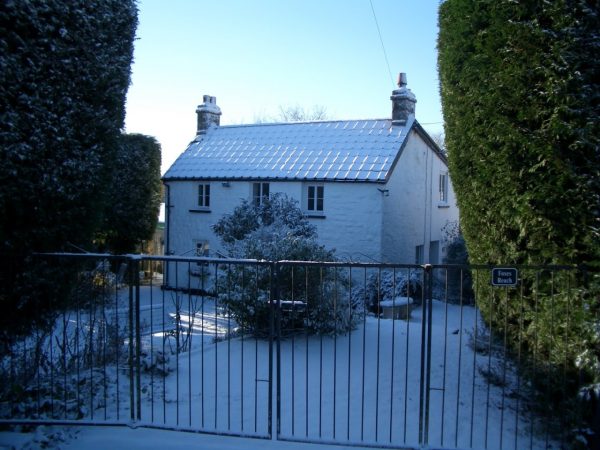
Foxes Reach
4 bed · sleeps 6 · from £937
Common questions about St Briavels
Where can I eat in St Briavels?
We list 1 restaurants, pubs and cafes in and around St Briavels.