Whitebrook
A Michelin star hidden deep in the Wye Valley woods
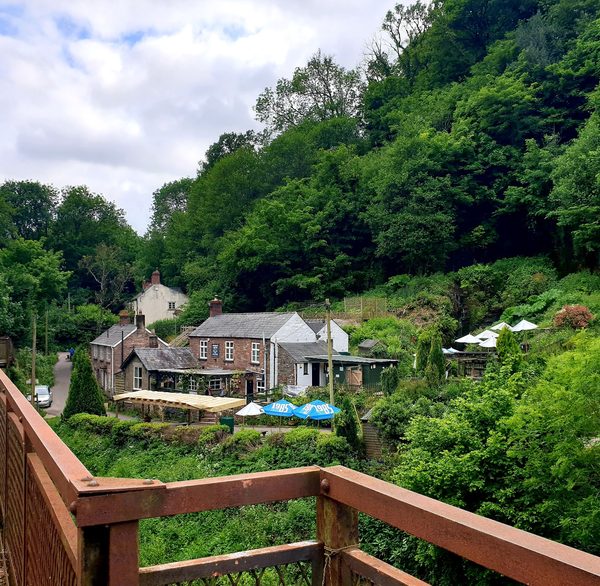
Tucked into a narrow, densely wooded side valley of the River Wye, Whitebrook is one of Monmouthshire's quietest corners, a scatter of stone cottages strung along a lane that climbs steeply from the Wye up through ancient broadleaf woodland. There is no shop, no pub in the traditional sense, and barely a signpost, yet this tiny settlement four miles south-east of Monmouth punches well above its weight: it is home to one of the best restaurants with rooms in Wales, and it sits at the heart of the Wye Valley National Landscape (formerly the Wye Valley Area of Outstanding Natural Beauty), surrounded by some of the finest walking country in the border region.
The village owes its unlikely character to industry rather than agriculture. From the early 1600s a branch of the Tintern wireworks operated here, powered by the fast-flowing brook that gives the settlement its name, and by the mid-18th century a string of paper mills had taken over the same water-powered sites. Terraces of millworkers' cottages were built into the hillside, many of which still stand today, long since converted into private homes. The industry died out by around 1880, leaving behind leats, dams and mill foundations that walkers can still trace in the woods, and the whole valley is now a designated Conservation Area protecting this unusual industrial-in-the-woods heritage.
Getting to Whitebrook
Whitebrook lies just off the B4293, roughly four miles south-east of Monmouth and about six miles north of Chepstow, making it easily reached by car via the A466, the scenic road that hugs the Wye between the two towns. The nearest mainline railway stations are at Chepstow and Lydney, both on the line between Cardiff and Gloucester, from where a car or taxi is needed to complete the journey, as the lane down into Whitebrook itself is narrow and largely unserved by public transport. The village once had its own halt on the Wye Valley Railway, opened in 1876 and closed to passengers in 1959, and the trackbed can still be traced through parts of the valley. For those arriving on foot, both Offa's Dyke Path and the Wye Valley Walk pass within easy reach, making Whitebrook a satisfying, if steep, detour for walkers already following either trail.
Best time to visit Whitebrook
Late spring and early summer, from May to June, bring bluebells and fresh green growth to the steep woodland that hems in the valley, along with the longer daylight needed for the best walking on Offa's Dyke and around Tintern. Autumn, particularly October, is arguably Whitebrook's finest season: the beech and oak woods that climb the valley sides turn deep gold and copper, and the crisp air suits both walking and the kind of unhurried dining the village is known for. Summer is popular for river activities lower down the Wye around Symonds Yat and Monmouth, though Whitebrook itself stays peaceful even in high season thanks to its tucked-away position. Winter has its own appeal for those seeking solitude, log fires and dramatic, mist-filled views over the valley, though some rural roads can be slow going after heavy rain.
Where to stay in Whitebrook
All hotels in Whitebrook →About staying in Whitebrook
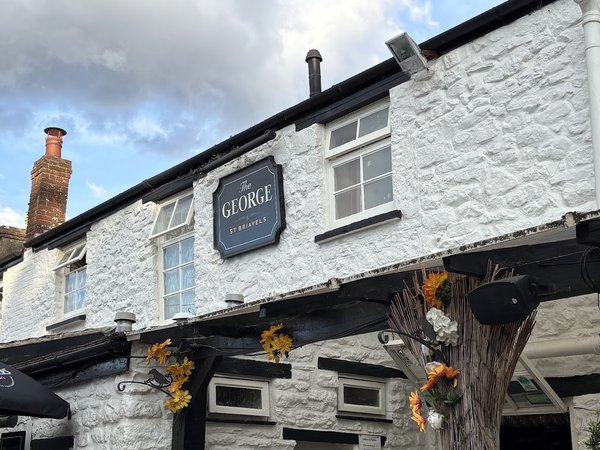
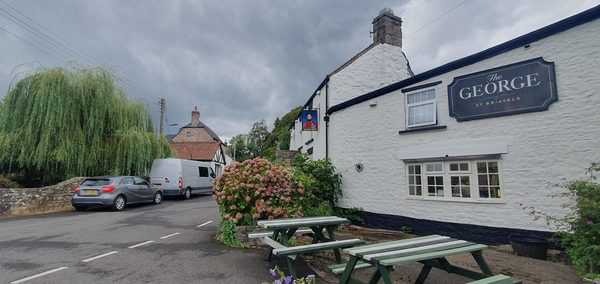
George Inn St Briavels
High Street, Lydney
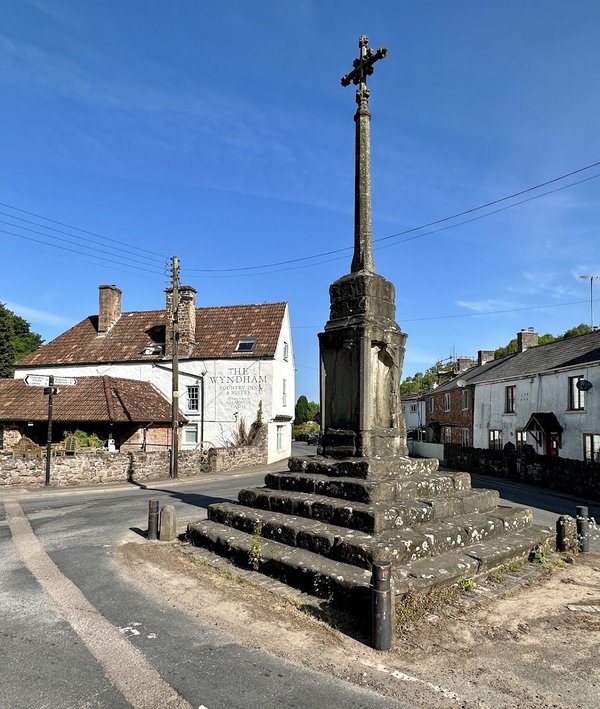
The Wyndham Hotel & Restaurant
The Wyndham The Cross, Clearwell
 9.1
9.1
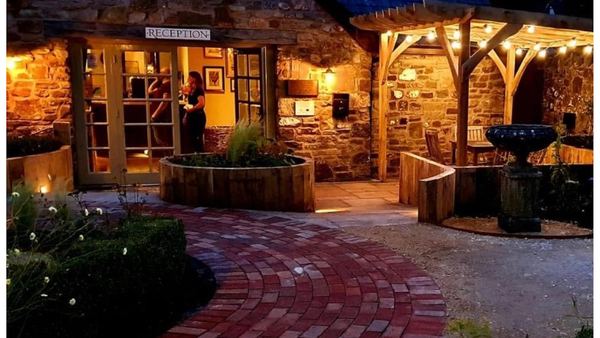
Tudor Farmhouse Hotel
Clearwell, Forest of Dean
from £165/night
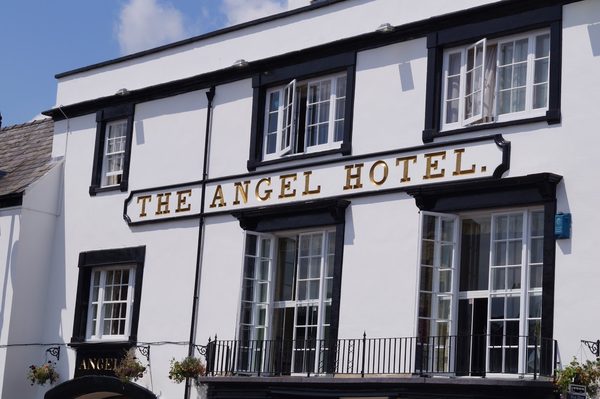
The Angel Hotel
Market Place, Coleford
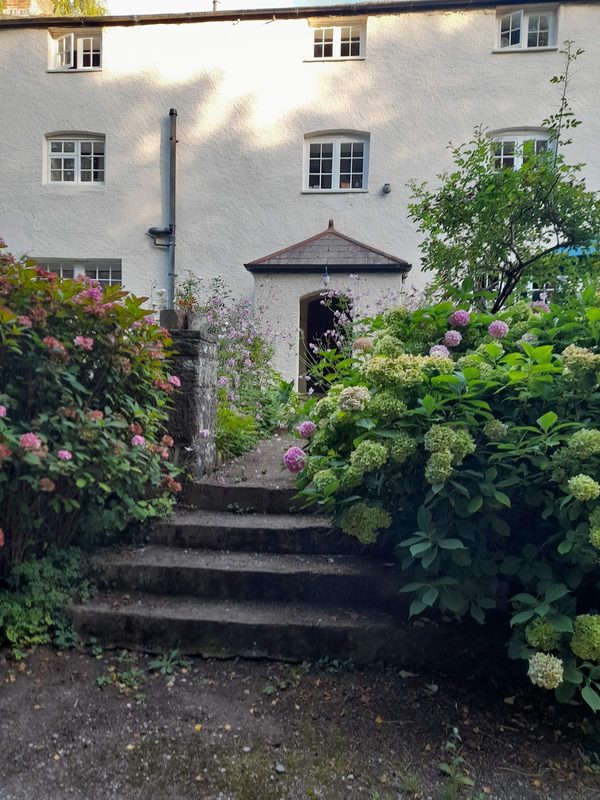
Church Farm Guest House
Mitchel Troy, Monmouth
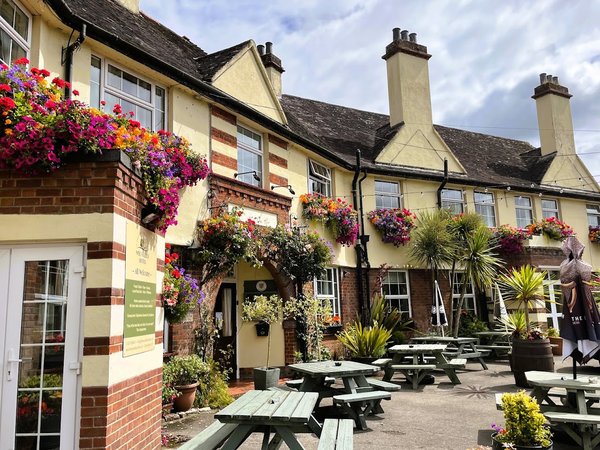
Wye Valley Hotel
Tintern, Chepstow
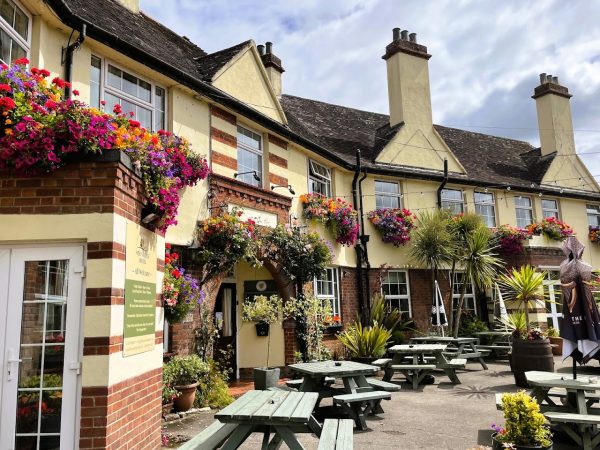
Wye Valley Retreat
Hazelgrove, Chepstow
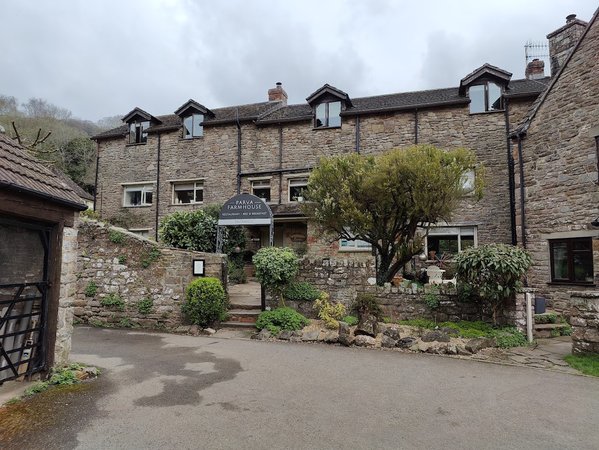
Parva Farmhouse Riverside Guesthouse
Monmouth Road, Tintern
Things to Do in Whitebrook
All attractions in Whitebrook →Top things to do in Whitebrook
Whitebrook is not a place with visitor attractions of its own so much as a quiet base from which to explore some of the best of the lower Wye Valley, all within a few miles.
- Tintern Abbey — the roofless but still magnificent ruins of this 12th-century Cistercian abbey, immortalised by Wordsworth and Turner, lie a scenic drive or walk downstream along the Wye.
- Offa's Dyke Path — the long-distance National Trail runs along the wooded ridge above the valley, with the Whitebrook lane linking up to it via steep footpaths through the trees.
- The Wye Valley Walk — a gentler riverside alternative to Offa's Dyke, following the River Wye itself between Chepstow and Hay-on-Wye, with a access point close to Whitebrook.
- Monmouth — the historic market town, with its fortified 13th-century bridge gate (the only one of its kind still standing in Britain), Nelson Museum, and independent shops, is a short drive north.
- Wyndcliffe and the Eagle's Nest viewpoint — a steep climb rewarded with one of the most celebrated views in the Wye Valley, looking out over the river's great horseshoe bend near St Arvans.
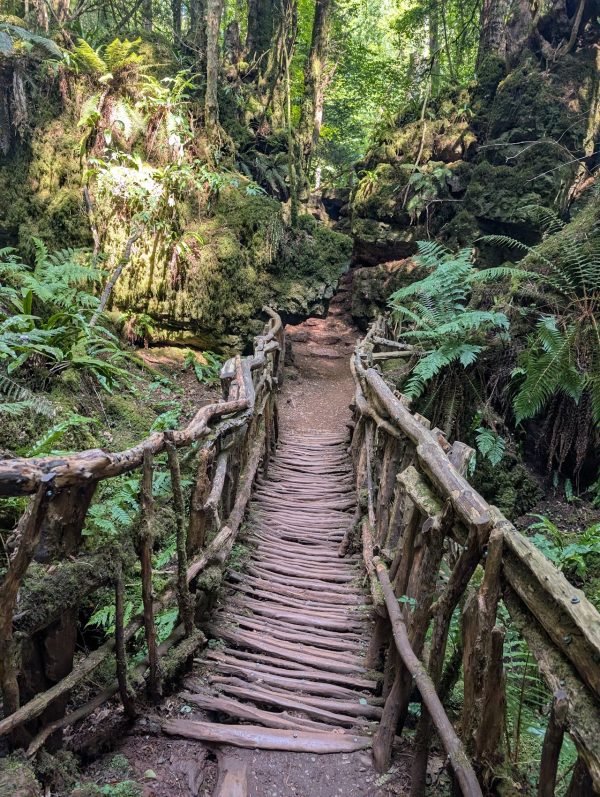
- Puzzlewood — the eerily beautiful ancient woodland near Coleford, riddled with mossy rock formations and old iron workings, used as a filming location for major fantasy productions, is a short drive across the border into the Forest of Dean.
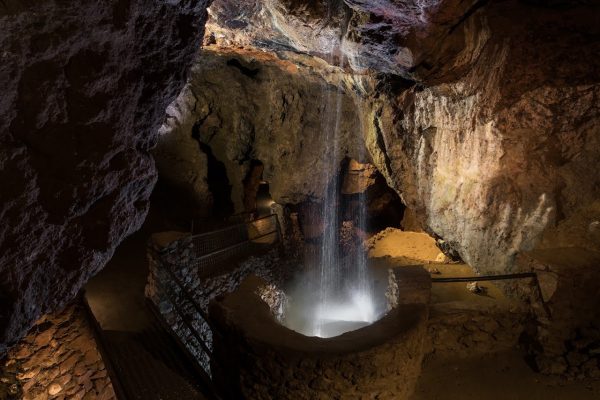
- Clearwell Caves — a network of natural show caves and historic iron ore mines in the neighbouring Forest of Dean, open to visitors for much of the year.
Where to Eat in Whitebrook
All restaurants in Whitebrook →Food and drink in Whitebrook
Whitebrook's culinary reputation far outstrips its size. The Whitebrook, occupying a converted 17th-century drovers' inn on the steep lane through the village, has held a Michelin star since chef Chris Harrod took over the site in 2013, building on a legacy that stretches back to the 1970s and, later, chef James Sommerin, who first won the building a Michelin star in 2007 under its previous name, The Crown at Whitebrook. The kitchen draws heavily on foraged ingredients from the surrounding woods and valley, alongside produce from Wales and the Marches, served in a quietly elegant dining room with views over the wooded hillside. For more casual options, the pubs and cafes of Tintern and Monmouth are both within easy reach, offering a good range of Welsh Marches cooking from traditional Sunday roasts to riverside cream teas.
Attractions Near Whitebrook
All attractions in Whitebrook →Worth the trip — within 50 miles of Whitebrook.
 3 mi
3 mi
Clearwell Caves Ancient Iron Mines
Coleford · ⭐ 4.6
 3 mi
3 mi
Puzzlewood
Coleford · ⭐ 4.6
 3 mi
3 mi
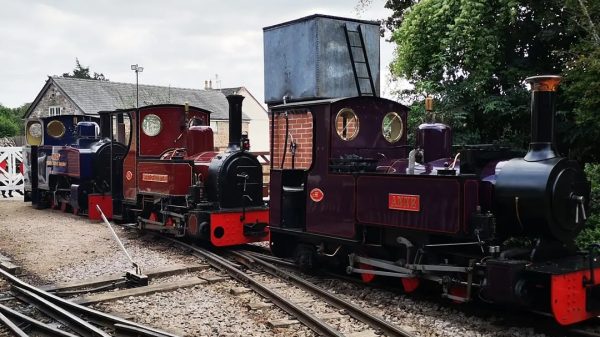
Perrygrove Railway and Treetop Adventure
Coleford · ⭐ 4.5
 4 mi
4 mi
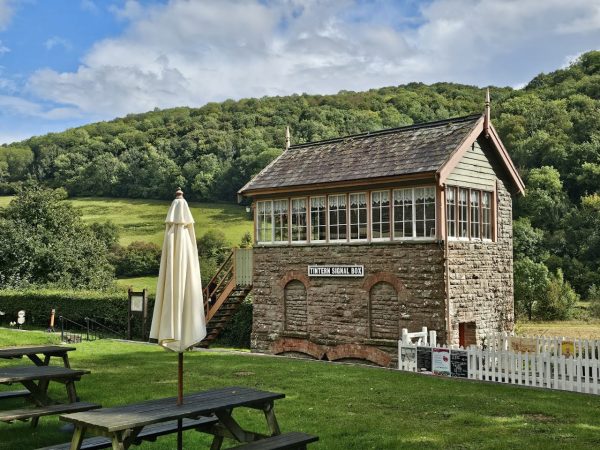
Tintern Old Station
Monmouth · ⭐ 4.5
 6 mi
6 mi
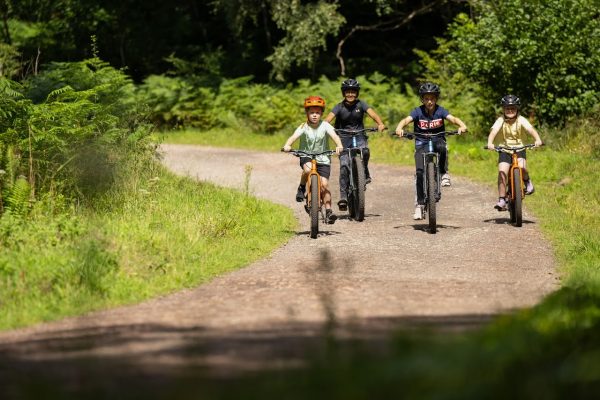
Pedalabikeaway
Coleford · ⭐ 4.5
 6 mi
6 mi
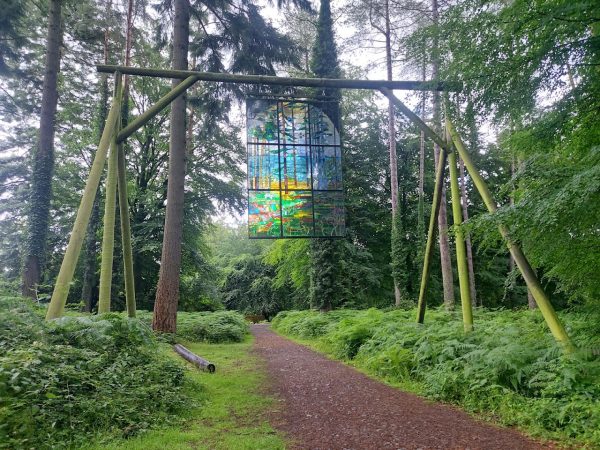
Beechenhurst
Coleford · ⭐ 4.4
 6 mi
6 mi
Go Ape Forest of Dean
Forest of Dean · ⭐ 4.7
 6 mi
6 mi
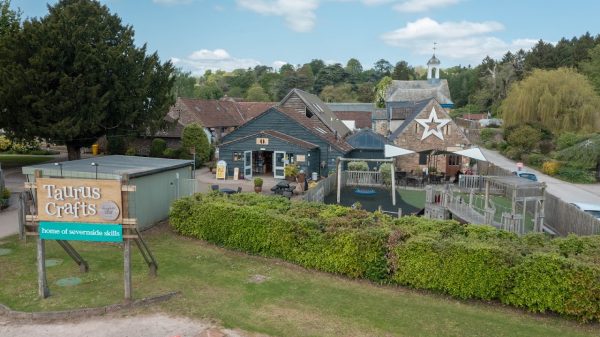
Taurus Crafts
Lydney · ⭐ 4.3
Camping in Whitebrook
All campsites in Whitebrook →About camping in Whitebrook
Whitebrook's steep, thickly wooded valley sides and its position within the Wye Valley National Landscape make it a beautiful but demanding place to camp, and as in the rest of Wales, wild camping without the landowner's express permission remains illegal, so pitching up informally in the woods or fields around the village is not an option. Instead, campers and glampers are best served by looking to established sites in the wider Wye Valley and Monmouth area, where farmers and landowners have opened fields and woodland pitches to visitors legally and often with far better facilities than a wild pitch could offer. The terrain here is a world away from flat lowland campsites: expect steep lanes, dense tree cover, and river-valley mist, which together give this stretch of the Wye a genuinely wild feel even on a licensed, well-run site.
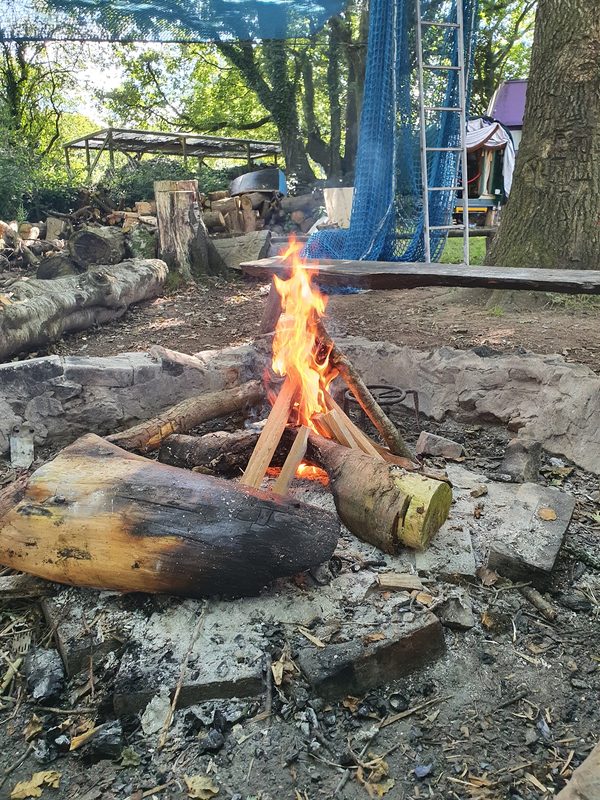
The most comfortable months to camp near Whitebrook are late spring through early autumn, roughly May to September, when the woodland canopy is at its greenest, evenings are light enough for a walk along the river, and the ground has had time to dry out after winter's rain. The valley's heavy tree cover means sites here can feel sheltered and atmospheric but also shadier and slower to dry than open countryside, so sturdy footwear and a decent groundsheet are worth packing whatever the forecast. Fires and barbecues should always be kept off the ground and clear of overhanging trees, and any site's specific rules on open fires followed carefully given how dry the leaf litter can become in a hot summer.
For those who would rather skip the tent altogether, glamping has taken hold across this part of Monmouthshire and the neighbouring Forest of Dean, with shepherd's huts, safari tents and small wooden pods increasingly common on farm sites within a short drive of Whitebrook. These typically offer proper beds, wood-burning stoves and sometimes a private hot tub, while keeping the sense of being tucked away in woodland or river-valley countryside that makes this part of the Wye so appealing. Many combine well with a visit to The Whitebrook itself, or with walking day-trips onto Offa's Dyke Path and around Tintern Abbey, making a short camping or glamping break here an easy way to experience the valley's scenery without needing a hotel.
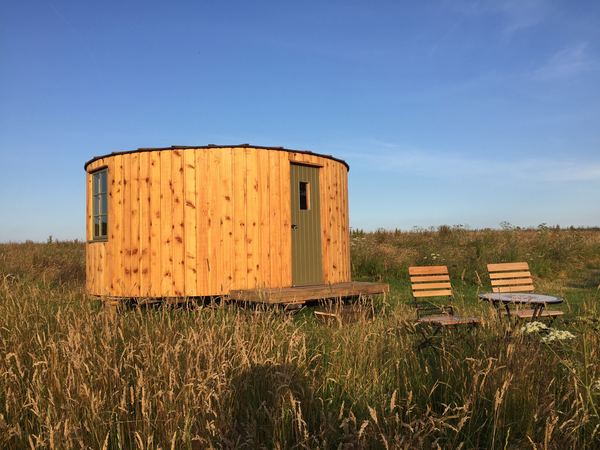
Cadora Woods Glamping
⭐ 5.0 · from £119/night
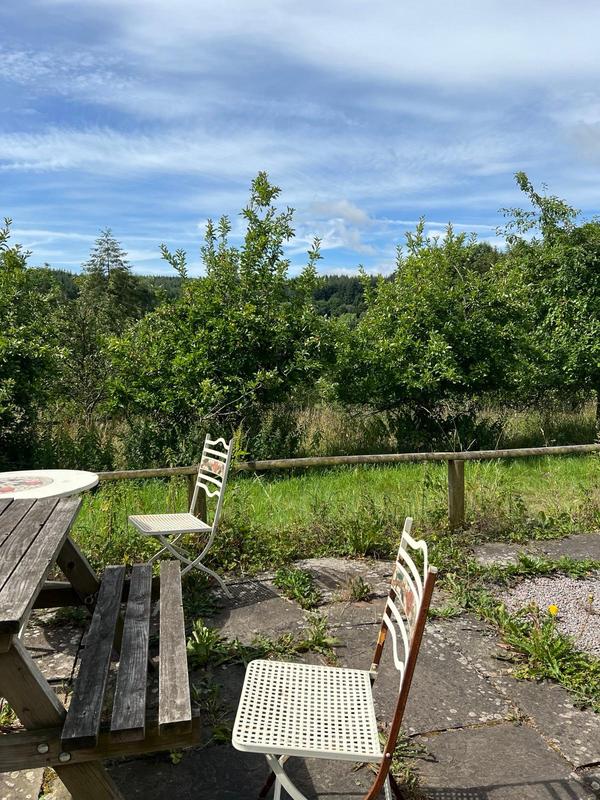
Highlands Holidays Monmouth
⭐ 4.7 · from £20/night
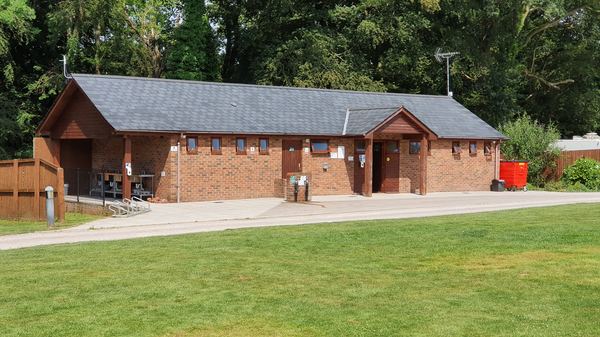
Forest and Wye Valley Camping
⭐ 4.8
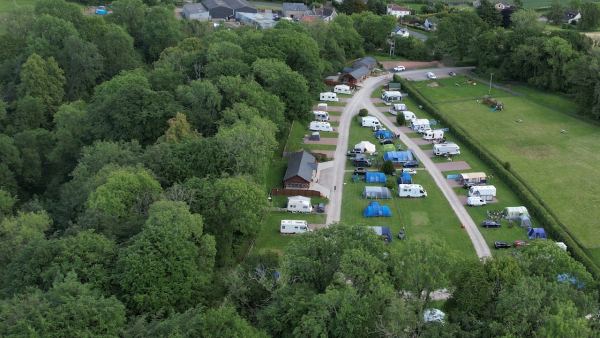
Forest and Wye Valley Camping Site
⭐ 4.8
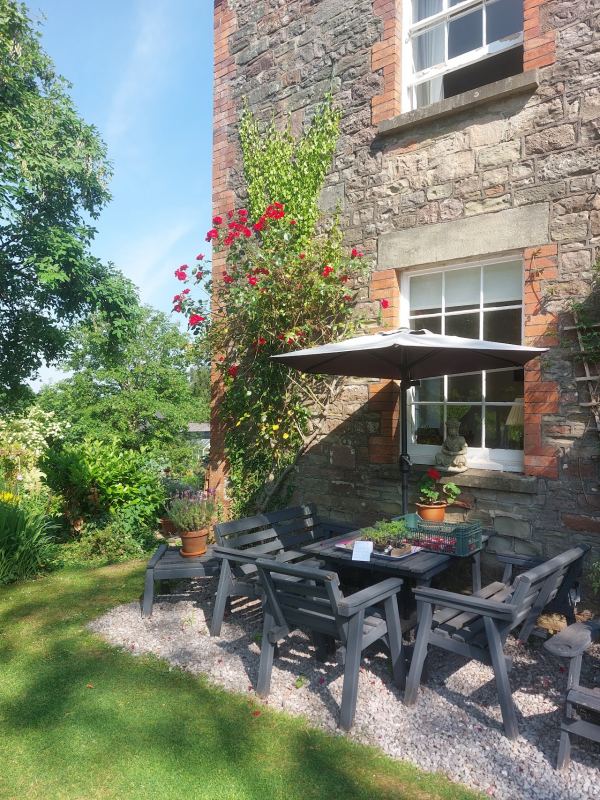
Cherry Orchard Farm
⭐ 4.9
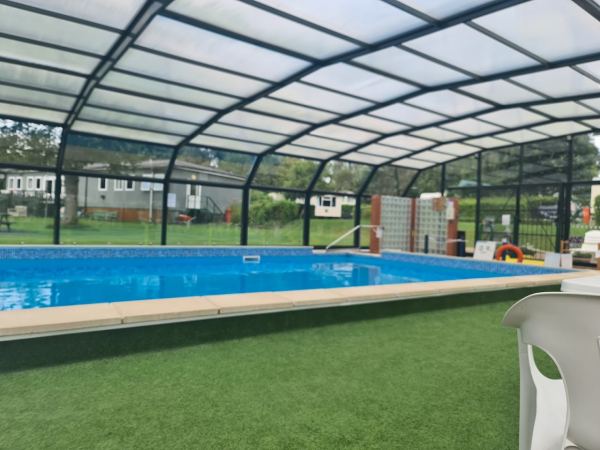
Western Sunfolk Naturist Site
⭐ 5.0
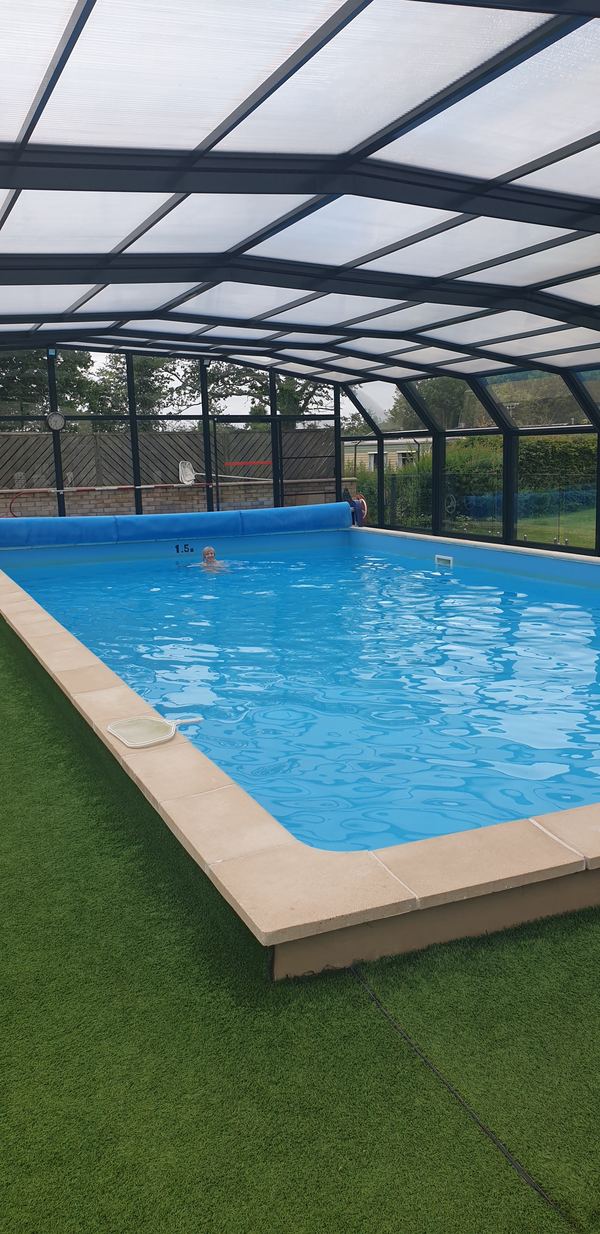
Western Sunfolk Naturist Club
⭐ 5.0
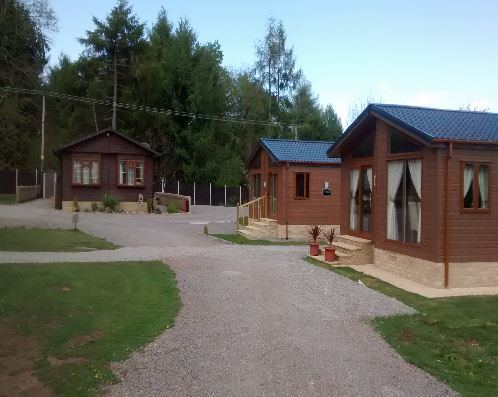
Woodlands View Caravan Park
⭐ 4.5
Self-Catering Cottages in Whitebrook
All cottages in Whitebrook →The Trekkers
2 cottages · from £383
Bridge Cottage
2 bed · sleeps 4 · from £333
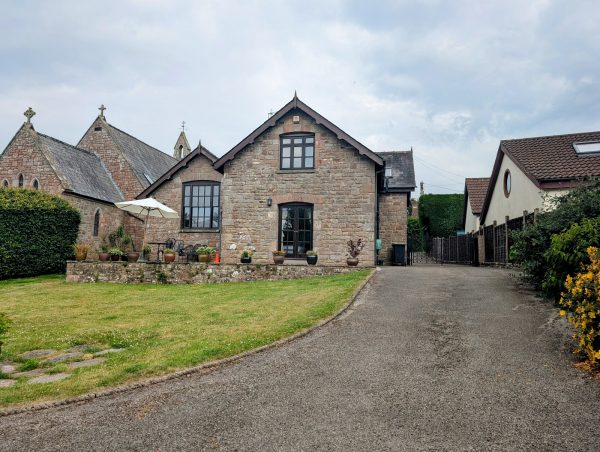
The Old School Penallt
3 bed · sleeps 6 · from £797
Bramble Cottage and Honey Cottage
2 cottages · from £383
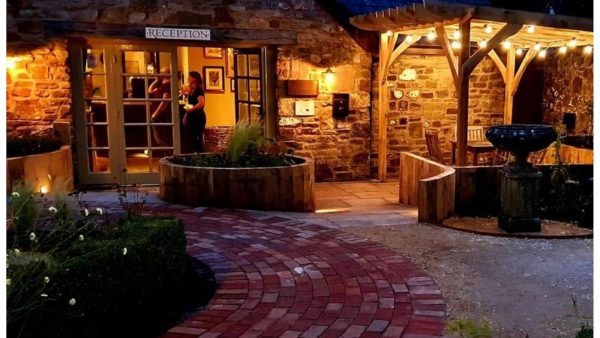
Tudor Farmhouse
7 bed · sleeps 17 · from £4,169
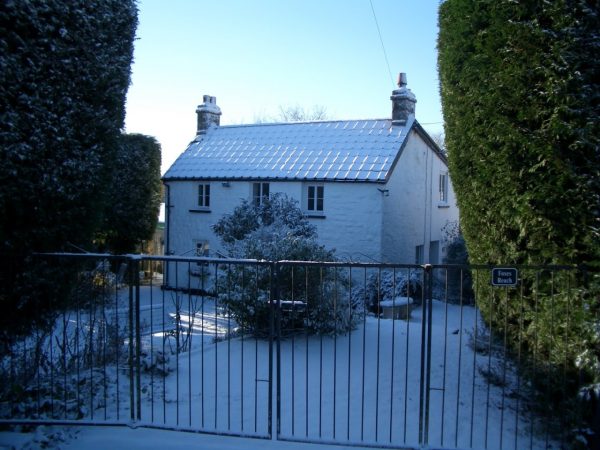
Foxes Reach
4 bed · sleeps 6 · from £937
Hopewell Barn
3 bed · sleeps 5 · from £1,112
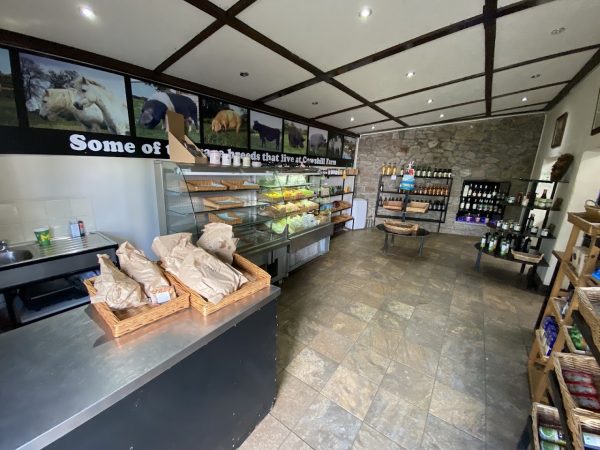
Hewelsfield Court
3 cottages · from £387