Chelmorton
England's highest village, wrapped in ancient fields
Photo © Barry Roberts, Google Maps
Chelmorton sits on the White Peak plateau of the Derbyshire Peak District, a few miles south-east of Buxton, and is widely reckoned to be one of the highest villages in England. Its parish church, St John the Baptist, stands at around 1,200 feet above sea level, and locals like to point out that its 15th-century spire is the highest church spire in the country. The village itself is little more than a single street, Main Street, running gently uphill from the old railway line towards the open moorland of Chelmorton Low, with a cluster of stone cottages, a pub and the church forming its modest centre.
What makes Chelmorton genuinely unusual is not its size but its shape. Look at a map and you can still trace thirteen long, narrow field strips running away from both sides of the village street up onto the surrounding hillsides, a pattern laid out in medieval times, and possibly earlier, when the village farmed its land in open communal strips. Most of England's strip fields were swept away by enclosure centuries ago, but Chelmorton's survived largely because the thin limestone soil was never considered worth the bother of reorganising. The result is one of the best-preserved medieval field systems in the country, still bounded by dry stone walls and still legible from the air or from the flanks of Chelmorton Low above the village.
Getting to Chelmorton
Chelmorton lies just over a mile off the A515 Buxton to Ashbourne road, roughly four and a half miles south-east of Buxton, and is easiest to reach by car, following signs from the A515 down the narrow lane into the village. There is very limited parking in the village itself, so visitors are encouraged to park considerately or use nearby walking routes such as the Monsal Trail car parks and approach on foot. Buxton, the nearest sizeable town, has a rail link to Manchester, and from there Chelmorton can be reached by taxi, bike or on foot via the surrounding footpaths and the Limestone Way. There is no direct bus service into the village, so most visitors arrive under their own steam, which suits Chelmorton's quiet, off-the-beaten-track character.
Best time to visit Chelmorton
Chelmorton's exposed position on the plateau means it can feel the weather more than lower-lying Peak District villages, so late spring through early autumn (May to September) is the most comfortable time to visit, with long daylight hours for walking the surrounding dales and fields. Summer brings the best chance of clear views from Chelmorton Low and Five Wells, while autumn adds colour to the limestone dales nearby. Winter can be atmospheric, with the strip fields dusted in frost or snow, but conditions on the exposed hillside can turn quickly, so visitors should come prepared for wind and cold at any time of year.
Where to stay in Chelmorton
All hotels in Chelmorton →About staying in Chelmorton
Chelmorton itself has no hotels, in keeping with its status as a small, quiet farming village rather than a tourist centre, so most visitors looking for a bed for the night base themselves a short drive away in Buxton or Bakewell. Buxton, the nearest town, has the widest choice, from historic coaching inns in its Georgian centre to smaller guesthouses and budget options, all within about ten to fifteen minutes' drive of Chelmorton. Bakewell, a little further afield, offers a similar spread of country hotels and inns and makes a good alternative base for exploring the wider White Peak, including the Monsal Trail, which passes within a few miles of the village.
For something closer to Chelmorton's own character, keep an eye out for small farmhouse bed and breakfasts and country inns scattered through the surrounding villages, which tend to offer a quieter, more local alternative to staying in a larger town. Wherever you choose to stay, Chelmorton's position just off the A515 and close to the Limestone Way and Monsal Trail makes it an easy stop for a day visit, whether you're based in Buxton, Bakewell, or one of the smaller Peak District villages nearby.
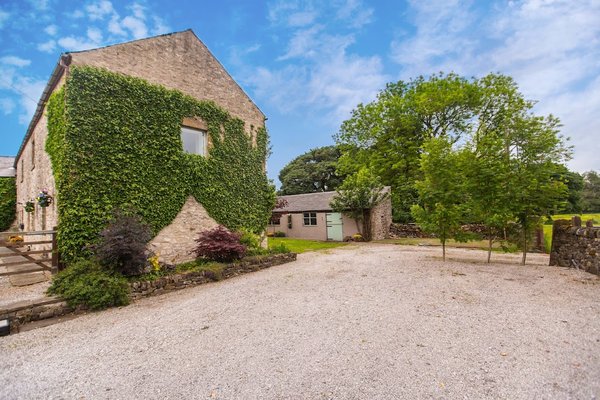
The Old Barn
King Sterndale, Buxton
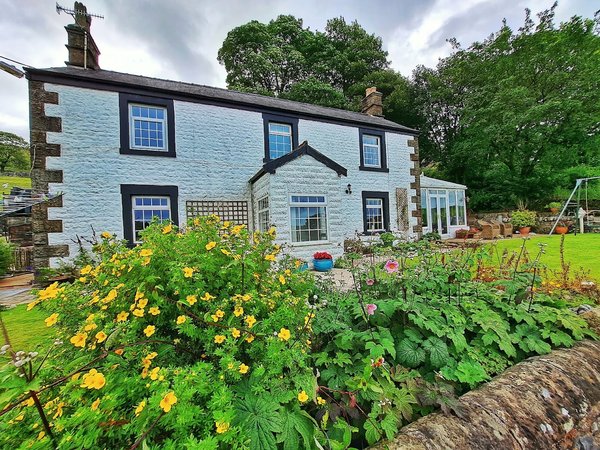
Fernydale Farm Bed & Breakfast
Fernydale Farm, Buxton
Sunnyside Bed and Breakfast
Church Street, Longnor
 8.4
8.4
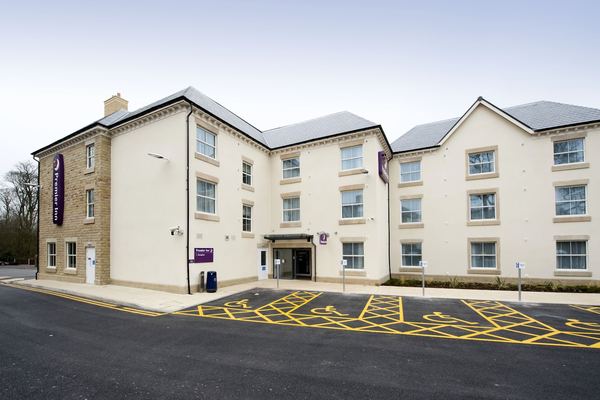
Premier Inn Buxton
London Road, on the southern edge of town
from £65/night
 9.1
9.1
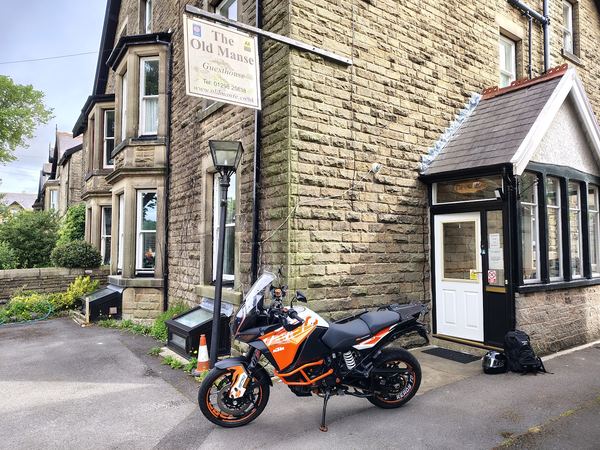
The Old Manse Guest House
Near the Market Square, town centre
from £95/night
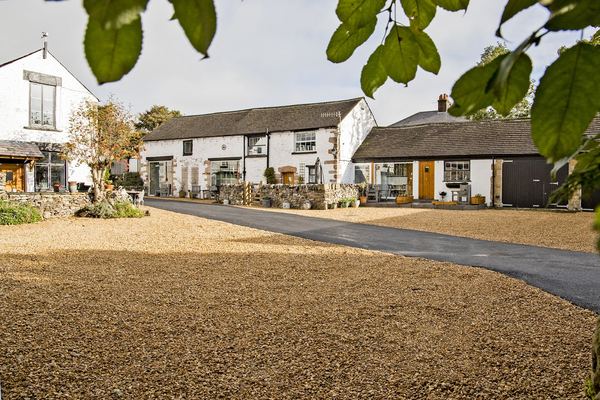 9.0
9.0
Hawthorn Farm Guest House
Fairfield, edge of town
from £95/night
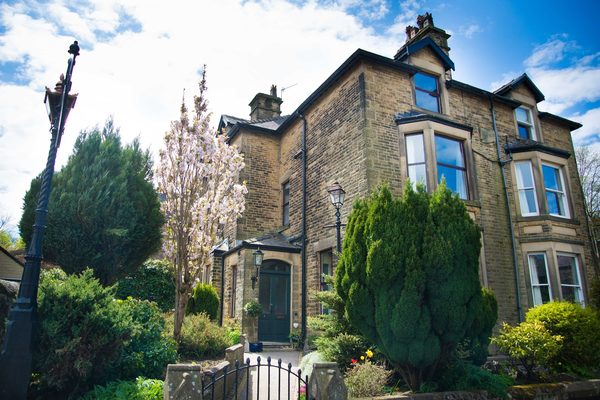
Compton Guest House
4 Compton Road, Buxton
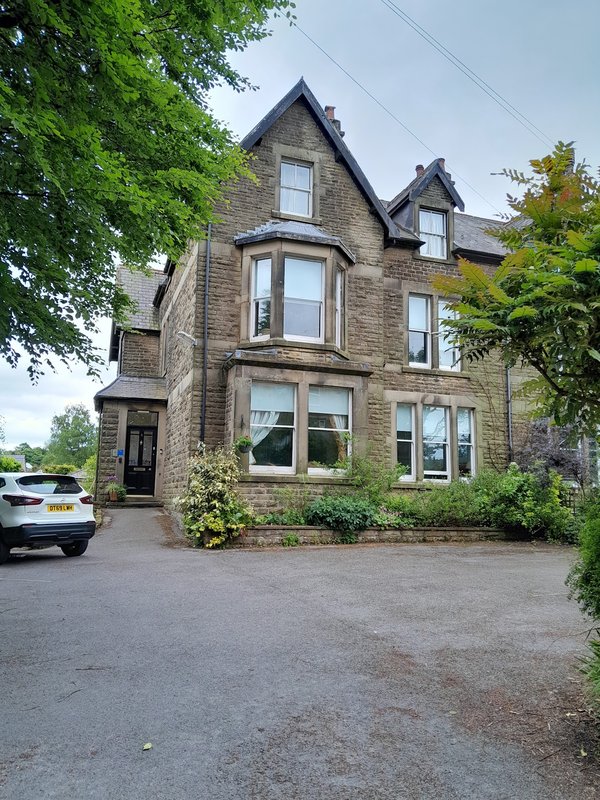
9 Green Lane Bed and Breakfast
9 Green Lane, Buxton
Things to Do in Chelmorton
All attractions in Chelmorton →Top things to do in Chelmorton
Chelmorton is a place to walk, look and pause rather than a destination with a long list of attractions, and it rewards visitors who come for a slow wander through its fields and lanes rather than a packed itinerary.
- The medieval strip fields — Walk up the footpath behind the church onto Chelmorton Low and look back down over the village to see the thirteen ancient field strips radiating from Main Street, one of the clearest surviving examples of this farming pattern in England.
- St John the Baptist's Church — A part-Norman church with a mid-18th-century gritstone tower and spire, said to be the highest church spire in England, plus a 15th-century weathervane shaped like a locust and a porch built from old coffin lids.
- Five Wells Chambered Cairn — A Neolithic burial chamber on the hillside above the village, reputed to be the highest surviving prehistoric tomb in Britain, with two burial chambers still visible and wide views out across the White Peak.
- Chelmorton Low — The open limestone hill rising behind the village, criss-crossed by footpaths and part of the Limestone Way, and a good spot to get your bearings across the surrounding plateau.
- The Church Inn — The village pub, standing opposite the church on the site of a former blacksmith's, and the natural stopping point for walkers passing through.
- Deep Dale and Horseshoe Dale — A pair of quiet limestone dales just outside the village, less visited than Monsal or Miller's Dale but with the same dramatic White Peak scenery, popular with walkers exploring on foot from Chelmorton.
- The Limestone Way — Chelmorton lies directly on this long-distance trail, which threads across the White Peak plateau and makes the village a natural stop for anyone walking a section of the route.
Where to Eat in Chelmorton
All restaurants in Chelmorton →Food and drink in Chelmorton
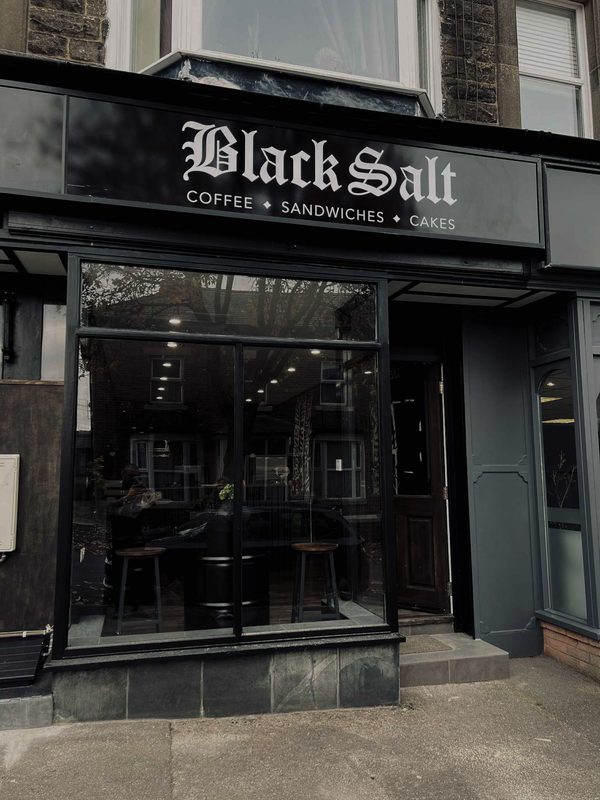
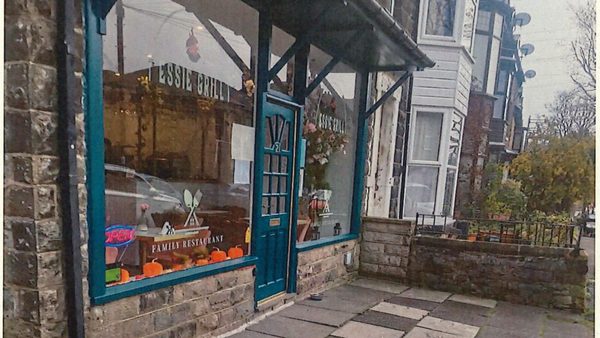
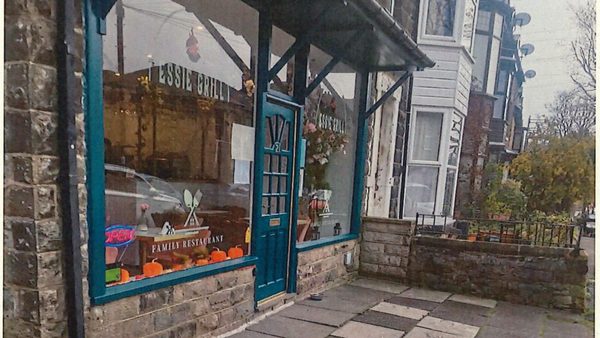
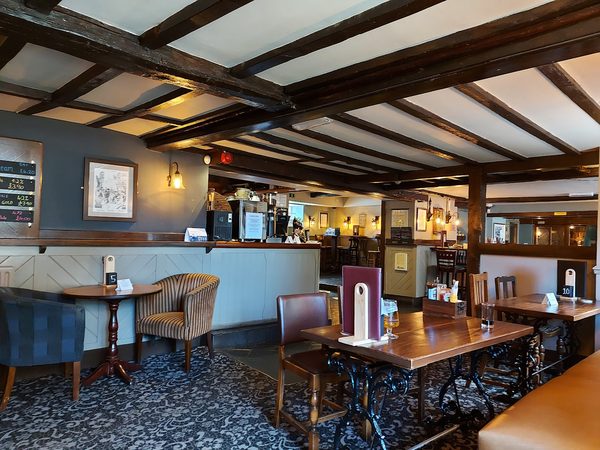
The Church Inn, standing opposite St John the Baptist's Church, is the village's one pub and its main focus for food and drink, serving cask ales and pub meals to locals and walkers passing through on the Limestone Way. Beyond the pub, Chelmorton has no shops or cafés of its own, so visitors wanting more choice generally head into Buxton, which has a good range of cafés, restaurants and independent food shops just a short drive away.
Attractions Near Chelmorton
All attractions in Chelmorton →Worth the trip — within 50 miles of Chelmorton.
 4 mi
4 mi
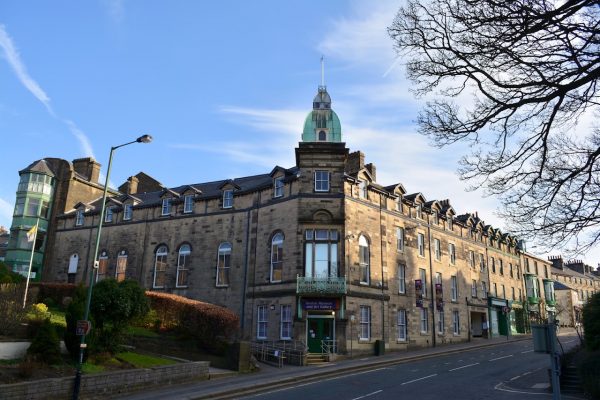
Buxton Museum and Art Gallery
Buxton · ⭐ 4.6
 4 mi
4 mi
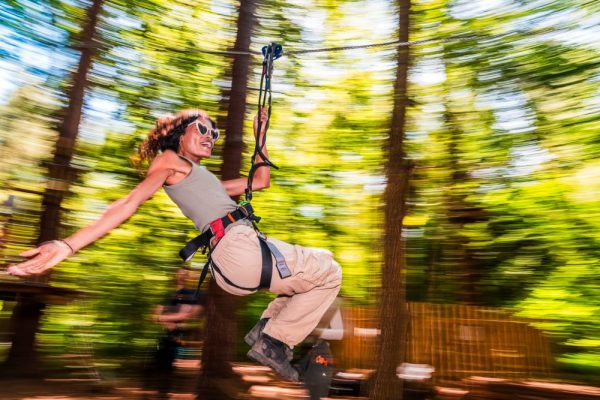
Go Ape Buxton
Buxton · ⭐ 4.8
 4 mi
4 mi
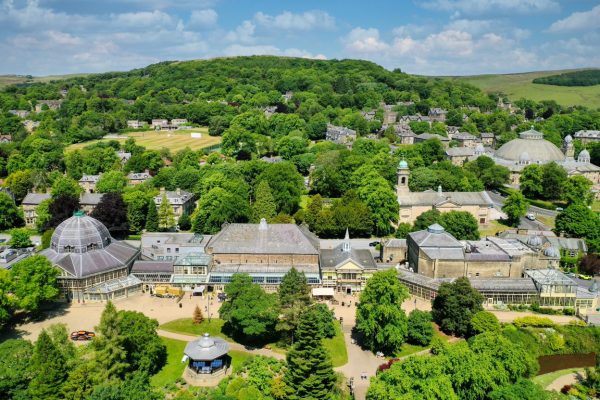
The Pavilion Gardens
Buxton · ⭐ 4.6
 5 mi
5 mi
The Eyam Treasure Trail
Eyam · ⭐ 4.7
 6 mi
6 mi
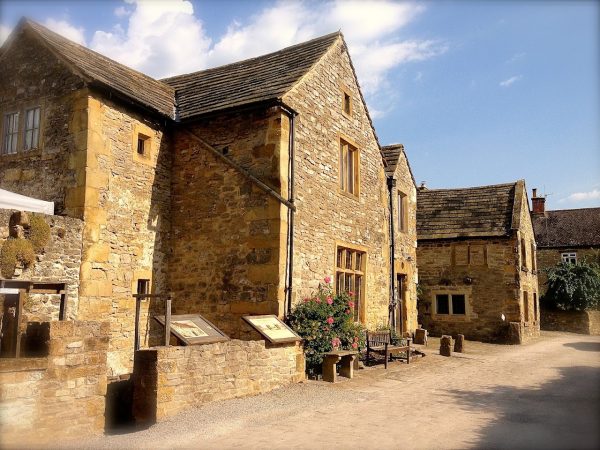
Bakewell Old House Museum
Bakewell · ⭐ 4.6
 7 mi
7 mi
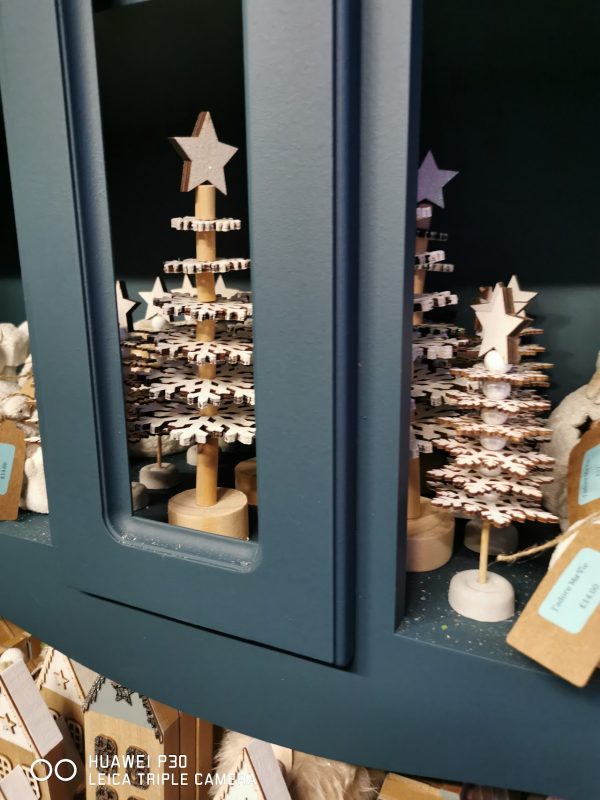
Bakewell Christmas Market
Bakewell · ⭐ 2.0
 7 mi
7 mi
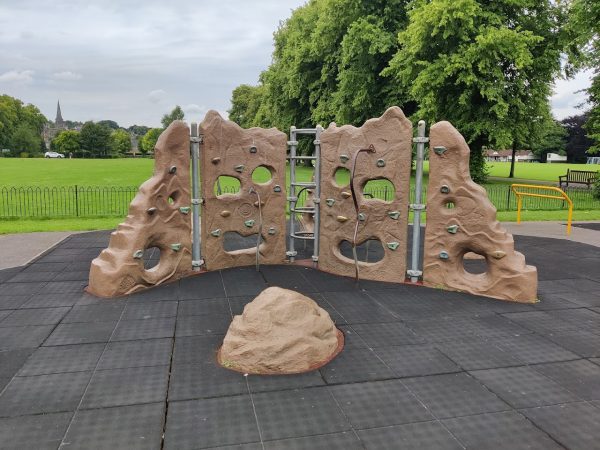
Bakewell Recreation Ground
Bakewell · ⭐ 4.5
 8 mi
8 mi
Speedwell Cavern
Castleton · ⭐ 4.4
Camping in Chelmorton
All campsites in Chelmorton →About camping in Chelmorton
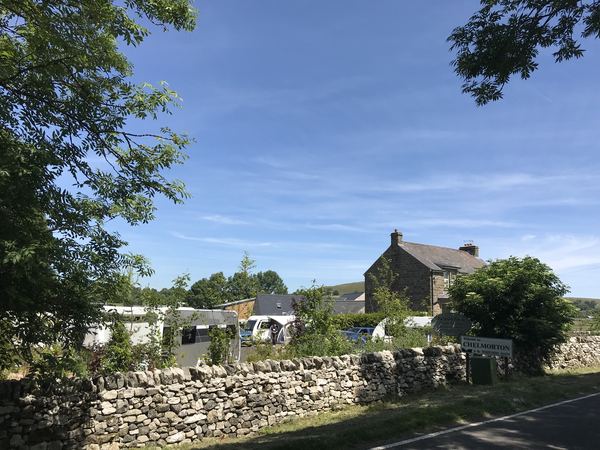
Chelmorton sits high on the White Peak's limestone plateau, and camping here means exposed, breezy pitches with big skies rather than sheltered woodland. Wild camping is not legal in England without the landowner's permission, so pitching a tent on Chelmorton Low, in the strip fields, or anywhere else around the village without asking first is not allowed, however tempting the views. The good news is that the wider Peak District has a strong tradition of small, farmer-run campsites, and several sit within easy reach of Chelmorton, tucked into the dales around Buxton, Monyash and Taddington, offering grass pitches for tents and campervans with the same limestone scenery on the doorstep.
Because the terrain here is high, open and largely treeless, conditions can change quickly: even in summer, evenings on the plateau can turn cold and windy, so a sturdy tent and warm layers are worth packing whatever the season. Late spring through early autumn is generally the most reliable window for camping, when the strip fields are green, the dales are at their most walkable, and daylight lasts long enough for evening strolls up onto Chelmorton Low. Ground can stay wet after rain given the limestone bedrock and thin soils, so pitches with reasonable drainage are worth seeking out, and it's always worth checking conditions directly with a site before travelling.
For those who would rather not bring their own kit, glamping has taken hold across this part of Derbyshire, with pods, shepherd's huts and yurts on farms within a short drive of the village, offering a warmer and more sheltered alternative to canvas while keeping the same walking country right outside the door. Whichever way you camp, Chelmorton's position on the Limestone Way and close to the Monsal Trail makes it a handy base for multi-day walking trips, with the strip fields and Five Wells cairn easily reached on foot from most nearby sites.
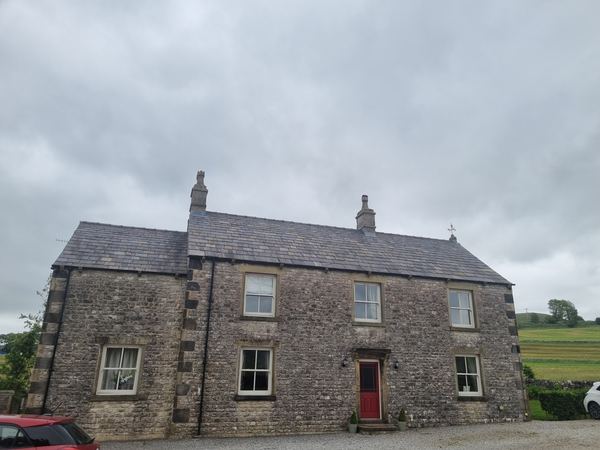
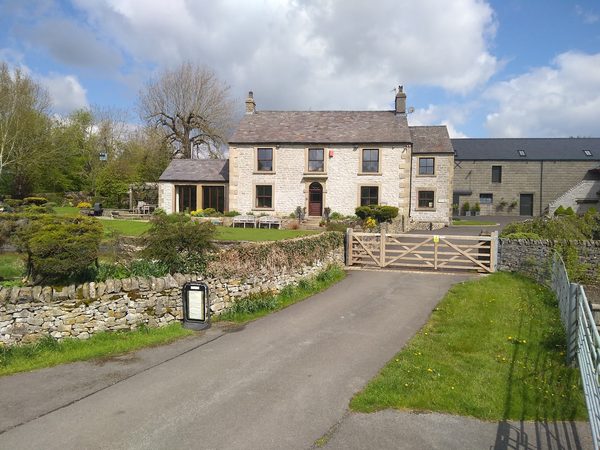
Self-Catering Cottages in Chelmorton
All cottages in Chelmorton →Goulday
3 bed · sleeps 6 · from £707
Highstool View
1 bed · sleeps 2 · from £403
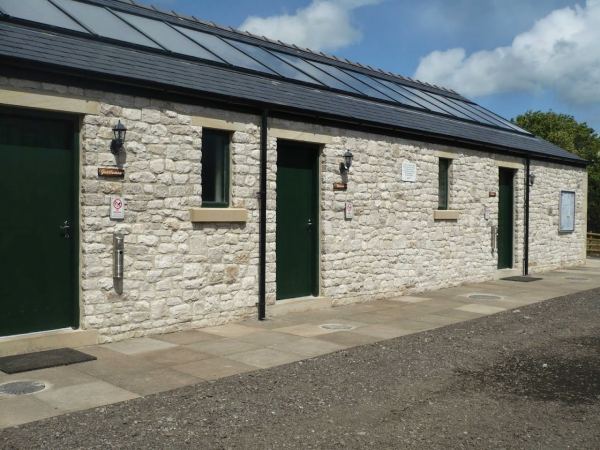
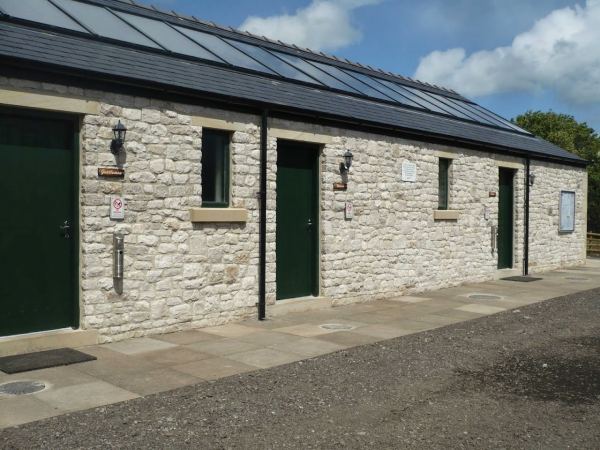
The Calf Shed
1 bed · sleeps 2 · from £393
Low View
3 bed · sleeps 6 · from £533
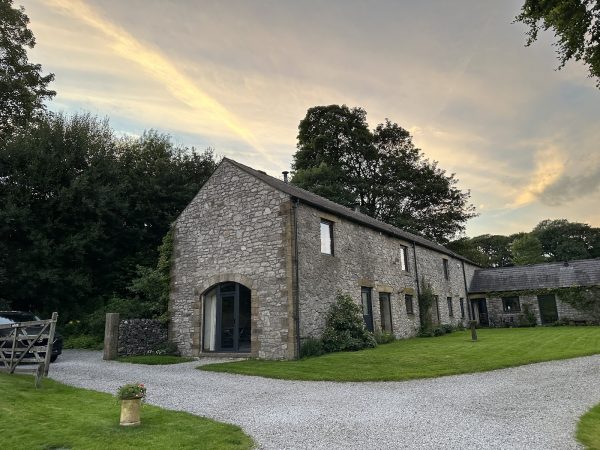
Barn End Cottage
2 bed · sleeps 4 · from £397
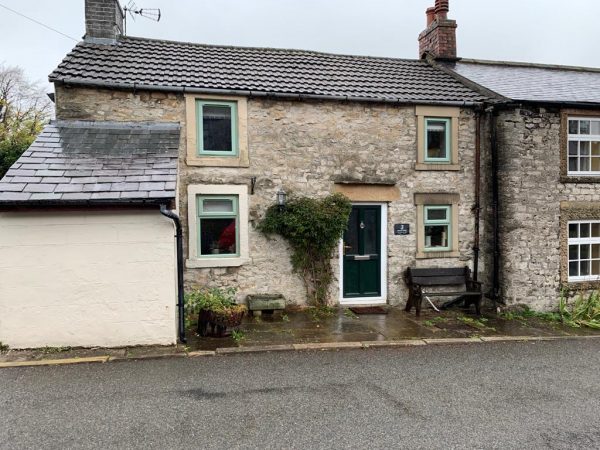
Johnsons Cottage
2 bed · sleeps 4 · from £507
The Quiet Woman - The Loft
1 bed · sleeps 2 · from £353
Crawshaw Cottage
3 bed · sleeps 6 · from £681