Dial Post
A rewilded corner of the Sussex Weald
Dial Post is easy to miss on the map, which is rather the point. This is a hamlet of perhaps a hundred souls, strung along the A24 about eight miles south of Horsham in the heart of the Sussex Weald, where hedgerows, oak woodland and small pasture fields roll gently towards the South Downs. There is no church, no school and, for most of its history, barely a shop, but there has always been a pub, and that pub has always mattered.
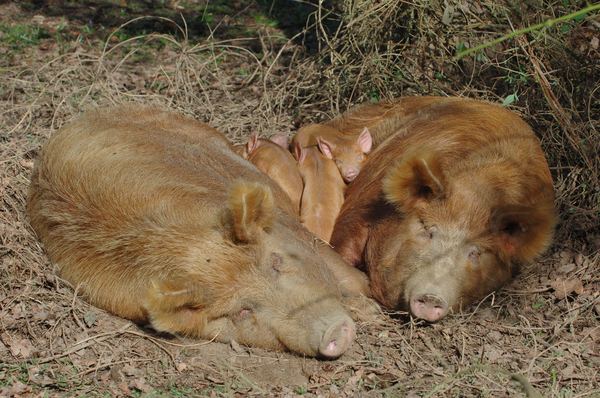
What has changed Dial Post's fortunes in recent years is what lies just beyond its edges rather than within them. The village sits at the gates of the Knepp Estate, the 3,500-acre former arable and dairy farm that has become Britain's best-known rewilding project, drawing visitors from across the world to see free-roaming longhorn cattle, Exmoor ponies, Tamworth pigs and red and fallow deer moving through scrub and wood-pasture that was intensively farmed as recently as the year 2000. It is an unlikely pairing, sleepy hamlet and internationally studied conservation experiment, but it sums up this quiet corner of West Sussex rather well: understated on the surface, remarkable if you look closer.
Getting to Dial Post
Dial Post sits directly on the A24 between Horsham and Worthing, so arriving by car is straightforward, with the A23/M23 reachable via the A264 for connections to London and Gatwick. The nearest mainline railway stations are Horsham, around eight miles north, and Christ's Hospital, both with regular services to London Victoria and the south coast; from either, a taxi or pre-arranged transfer covers the final leg, as bus services through the village itself are limited. Gatwick Airport is roughly 40 minutes away by road, making Dial Post a realistic option for a short countryside break either side of a flight.
Best time to visit Dial Post
Late spring through early autumn is the classic window, when Knepp's rewilded landscape is at its most alive: nightingales and turtle doves in May and June, wildflowers and butterflies through summer, and the estate's deer rut adding drama in September and October. Guided Knepp safaris typically run from spring to autumn, so visitors planning a trip specifically to see the wildlife should check the estate's own calendar before booking accommodation. Winter is quieter, with bare trees and muddy footpaths, but it suits those who prefer village pubs by the fire to long days outdoors, and the Crown Inn is every bit as welcoming out of season.
Where to stay in Dial Post
All hotels in Dial Post →About staying in Dial Post
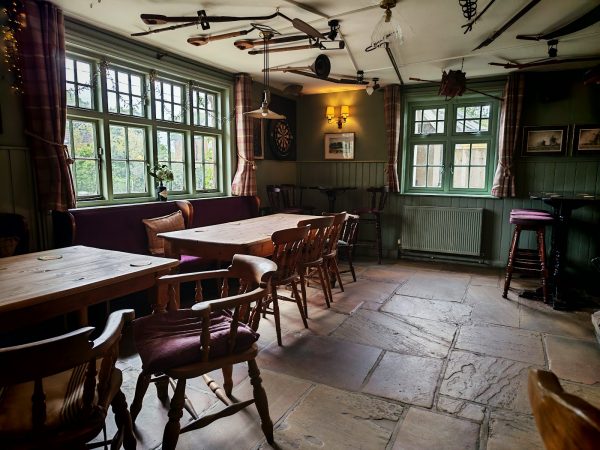
Dial Post is too small to have hotels of its own in the conventional sense, but what it lacks in numbers it makes up for in character. The Crown Inn, a 16th-century pub with rooms set right on the village green, is the obvious choice for anyone wanting to stay in the village itself, offering individually styled bedrooms above the bar along with a couple of self-catering cottages for longer stays or larger groups. Its position, a ten-minute walk from the gates of the Knepp Estate, makes it a natural base for visitors who have come primarily for the rewilding safaris and want to fall straight into a good dinner afterwards.
For a wider choice of hotels, bed and breakfasts and larger country house properties, Horsham is the nearest town with real range, around eight miles to the north and well served by road and rail. Worthing and the coast are a similar distance south, useful for those wanting to combine a countryside stay with a day by the sea. Wherever you base yourself, Dial Post's location just off the A24 means it is rarely more than twenty or thirty minutes from any of these alternatives, so staying slightly further afield need not mean sacrificing easy access to Knepp and the surrounding Weald.
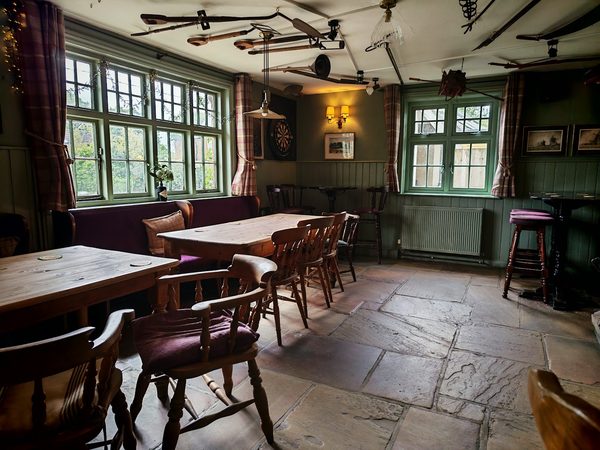
The Windmill Inn
Littleworth Lane,, Horsham
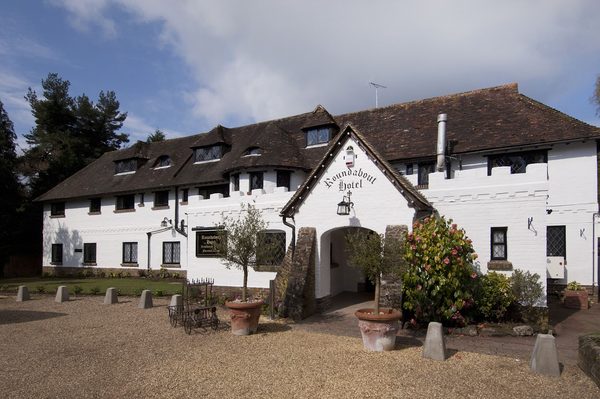
The Roundabout Hotel
Monkmead Lane, Pulborough
The Countryside Annexe
Pickhurst Lane, The Annexe, Pulborough
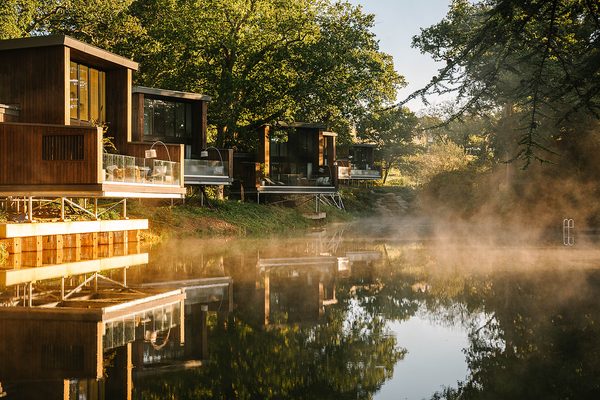
South Lodge
Brighton Road, Horsham
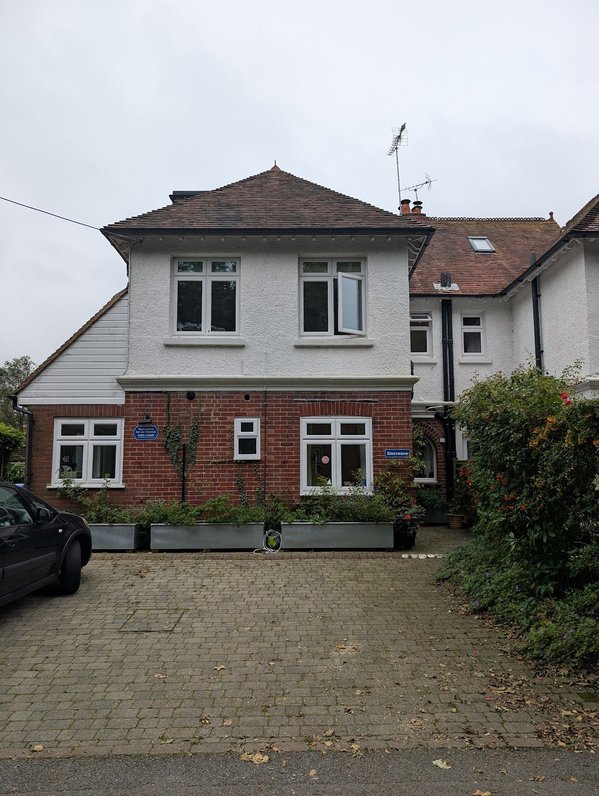
Uppingham
Kings Barn Villas, Steyning
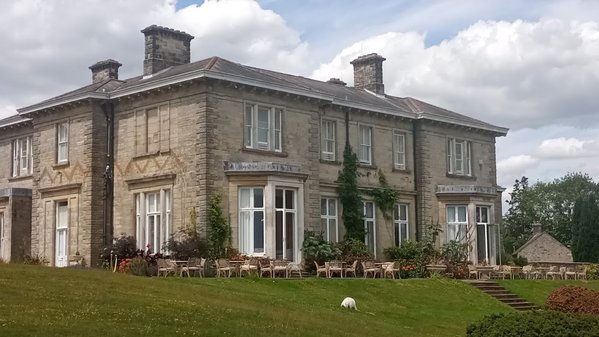
Leonardslee House at Leonardslee Lakes & Gardens
Brighton Road, Horsham
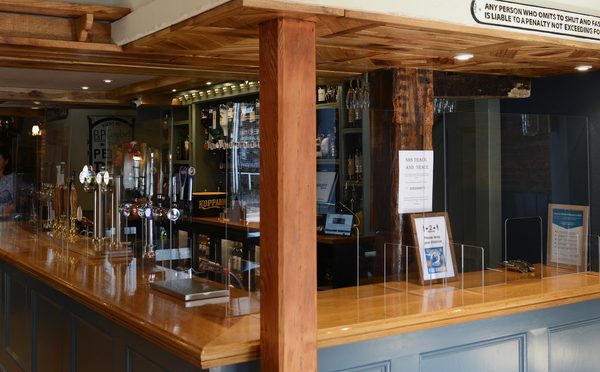
The Kings Head Inn
40 High Street, Billingshurst
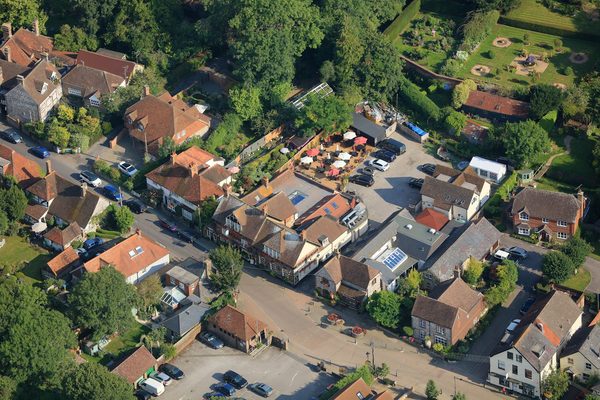
The Castle Inn Hotel
The Street, Bramber, Steyning
Things to Do in Dial Post
All attractions in Dial Post →Top things to do in Dial Post
Dial Post is a base for exploring rather than a destination stuffed with attractions in its own right, but what surrounds it more than makes up for the village's modest size.
- Knepp Estate rewilding safaris — Guided walking safaris and vehicle safaris take visitors deep into the Knepp Wildland to spot free-roaming cattle, ponies, deer, pigs and increasingly rare birds such as turtle doves and nightingales, on a landscape that has been left to find its own way since 2001.
- Knepp Wilding Kitchen — The estate's café and barbecue at Knepp, serving food sourced largely from the wild-grazed herds and the surrounding land, makes a good stop before or after a walk.
- The Repton Park and gardens at Knepp Castle — Landscaped in part by Humphry Repton around the castellated mansion designed by John Nash, with restored walled gardens open on selected days.
- Local walking routes — Public footpaths and bridleways link Dial Post to neighbouring villages such as West Grinstead, Shipley and Ashington, crossing the flat, hedged farmland of the Weald.
- Old Barn Garden Centre — A well-stocked garden centre on the A24 at Dial Post with a plant nursery and café, popular with locals well beyond the village itself.
- Shipley Windmill — A short drive away, the King's Mill at Shipley is a restored smock mill once owned by the writer Hilaire Belloc, open to the public on selected Sundays in summer.
- South Downs National Park — Cissbury Ring and the open chalk downland above Findon and Washington are around a twenty-minute drive south, giving Dial Post easy access to some of Sussex's best long-distance views.
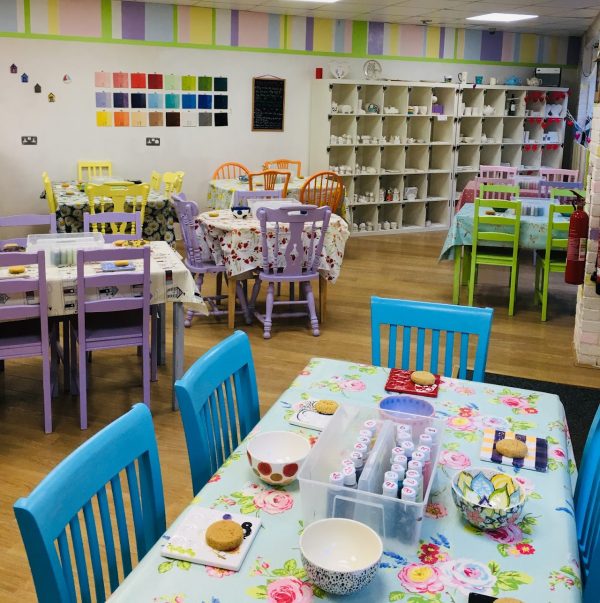
Ceramic Shack Pottery Painting Studio
⭐ 4.9
Little Gems Pottery Painting
⭐ 4.9
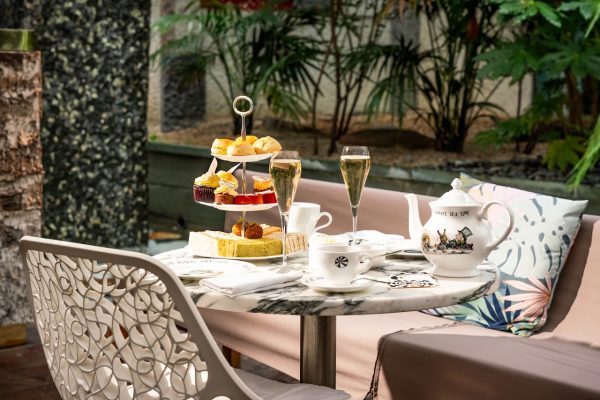
Alice in Wonderland Afternoon Tea
⭐ 5.0
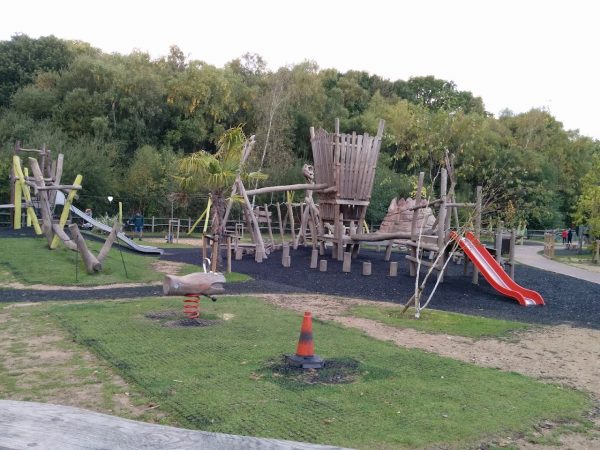
Southwater Country Park
⭐ 4.5

Active Reality Steyning
⭐ 4.9
Woods Mill Nature Reserve
⭐ 4.6
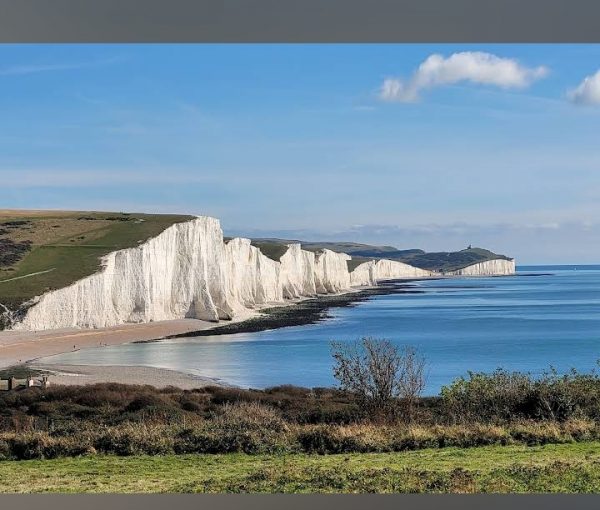
South Downs National Park
⭐ 4.9
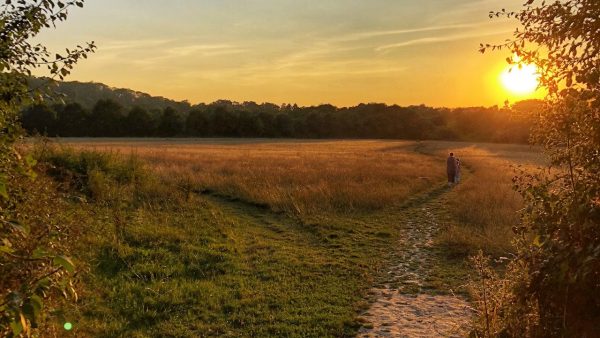
Chesworth Farm
⭐ 4.7
Where to Eat in Dial Post
All restaurants in Dial Post →Food and drink in Dial Post
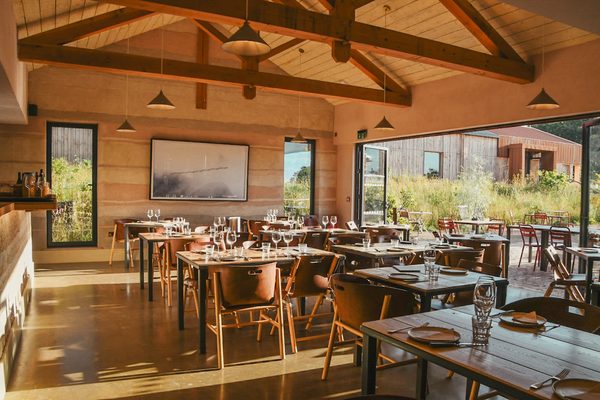
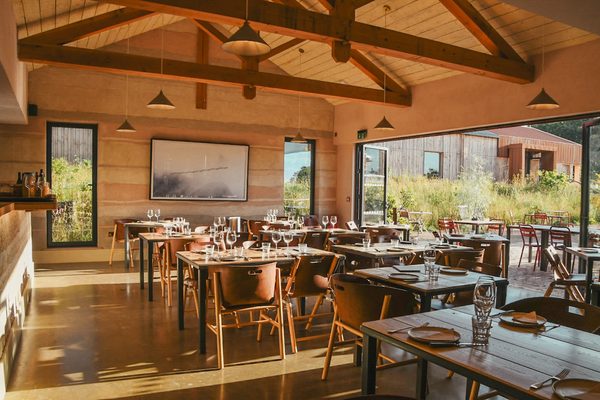
The Crown Inn is the heart of the village and its main reason to visit for food, an award-winning pub with rooms serving a daily-changing menu of pub classics and seasonal dishes cooked by owner and head chef James Middleton Burn, who sources heavily from local Sussex breweries, farmers and foragers. Just up the road, the Knepp Wilding Kitchen serves café food and barbecue built around meat from the estate's own free-roaming herds. Beyond those two, options are limited within Dial Post itself, though Horsham and the surrounding villages offer a broader spread of pubs, cafés and restaurants a short drive away.

Attractions Near Dial Post
All attractions in Dial Post →Worth the trip — within 50 miles of Dial Post.
1 mi
Ceramic Shack Pottery Painting Studio
Horsham · ⭐ 4.9
Little Gems Pottery Painting
Horsham · ⭐ 4.9
3 mi
Alice in Wonderland Afternoon Tea
Crawley · ⭐ 5.0
4 mi
Southwater Country Park
Horsham · ⭐ 4.5
5 mi
Active Reality Steyning
Steyning · ⭐ 4.9
Woods Mill Nature Reserve
Henfield · ⭐ 4.6
6 mi
South Downs National Park
Findon · ⭐ 4.9
7 mi
Chesworth Farm
Horsham · ⭐ 4.7
Camping in Dial Post(1)
All campsites in Dial Post →About camping in Dial Post
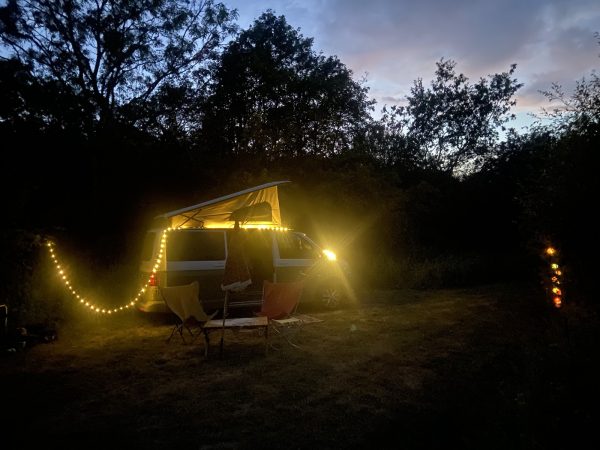
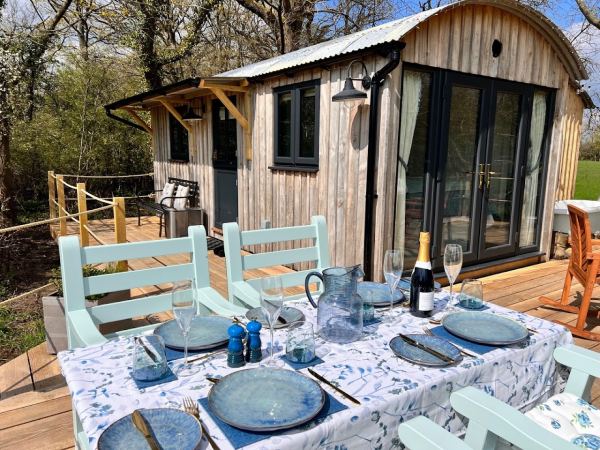
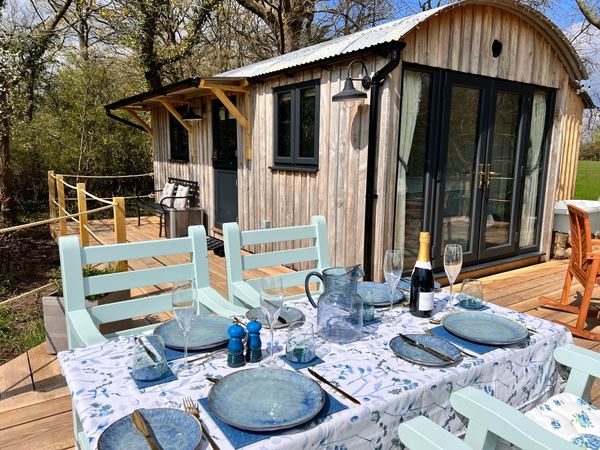
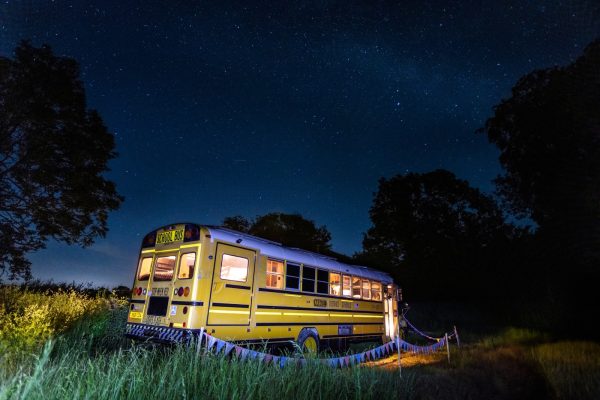
There is no legal wild camping in England without the landowner's permission, and Dial Post is no exception, but the surrounding Sussex Weald and the Knepp Estate itself have made this one of the more interesting parts of the county for anyone who wants to sleep close to nature properly. Knepp runs its own safari tents and glamping accommodation within the rewilded estate, allowing guests to wake up inside the landscape that its cattle, ponies and deer roam through rather than simply visiting for the day, and it remains one of the best-known examples of low-impact, nature-focused camping anywhere in the South East.
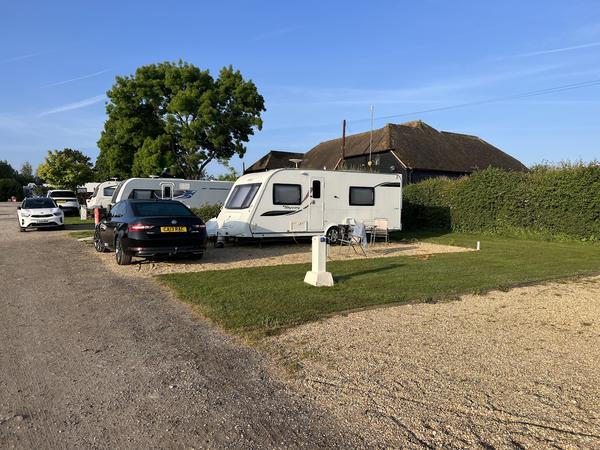
Beyond the estate, the flat, heavily hedged farmland of the Weald around Dial Post is not naturally suited to informal camping in the way that the open chalk downland further south is, so most campers head either to Knepp's own pitches or to small independent campsites and glamping sites scattered across the wider Horsham district, many of them on working farms diversifying into tourism. The terrain here is gentle rather than dramatic: expect oak woodland, scrubby thickets and small pasture fields rather than big views, with the chalk ridge of the South Downs visible on the horizon to the south as a reminder of what lies within easy reach for a day trip.
The best camping season around Dial Post runs from late spring to early autumn, broadly April to September, when the ground is drier, the days are long enough for a proper walk before pitching up, and the Weald's wildlife, from nightingales to butterflies, is at its most active. Midsummer weekends near Knepp can book up quickly given the estate's reputation, so early planning pays off. Glamping rather than traditional tent camping tends to suit this landscape best, given the area's clay-heavy soil, which can turn heavy after rain even outside the depths of winter.
Self-Catering Cottages in Dial Post
All cottages in Dial Post →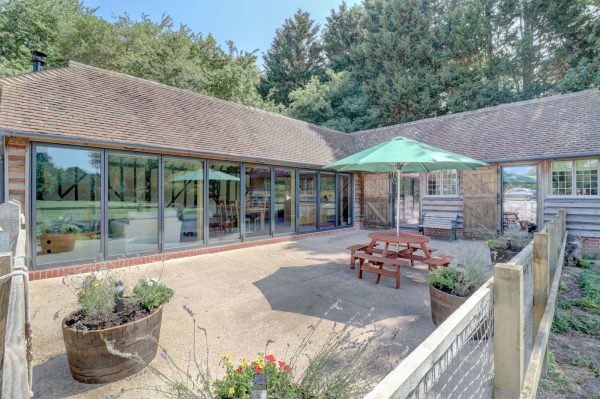
Glebe Stables
2 bed · sleeps 4 · from £611
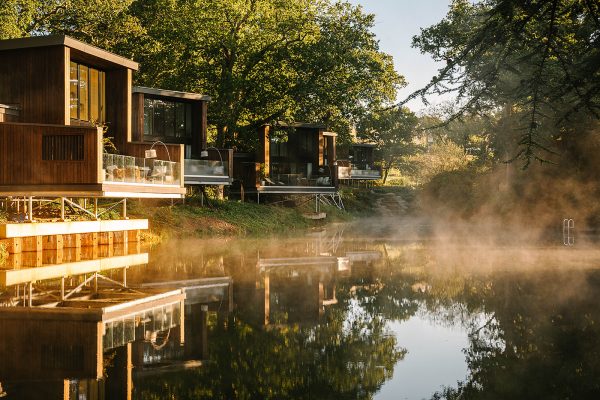
The Lodge
2 bed · sleeps 4 · from £657
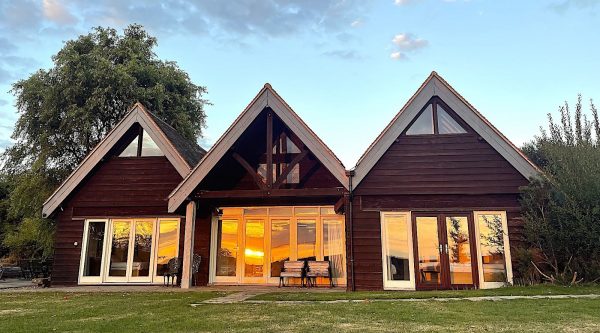
House on the Brooks
4 bed · sleeps 14 · from £2,077
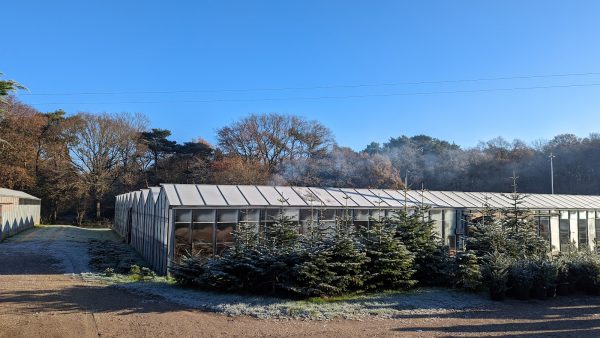
Spithandle Nursery Barn
2 cottages · from £527
Shepherds Loft
1 bed · sleeps 2 · from £832
The Bull’s Box
1 bed · sleeps 2 · from £782
Dairy Byre
2 bed · sleeps 4 · from £847
The Mouse House
1 bed · sleeps 2 · from £782
Common questions about Dial Post
How many campsites are there in Dial Post?
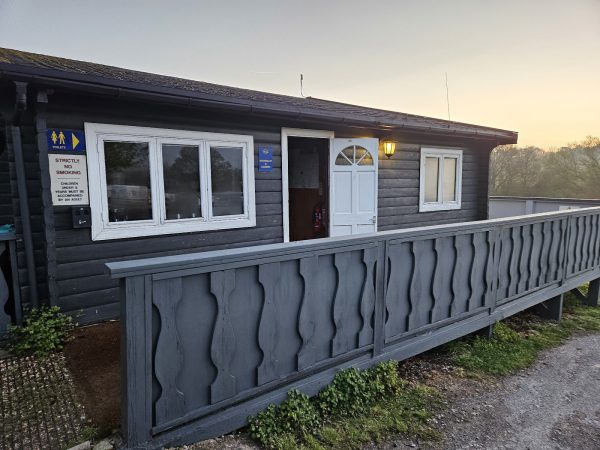
We list 1 campsites in and around Dial Post, of which 1 take tents and 1 offer glamping.