Isle of Skye
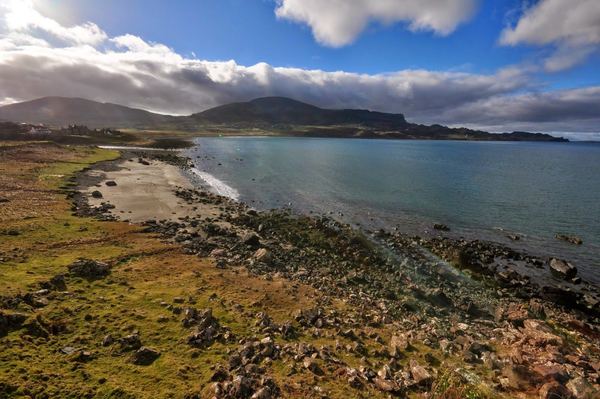
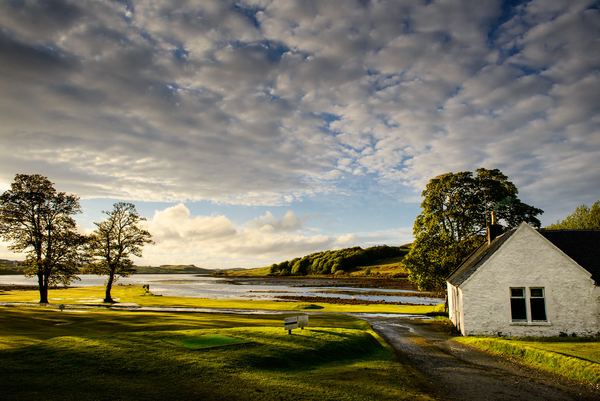
Wild ridges, sea lochs and Hebridean light
Photo © The Lookout Skye, Google Maps
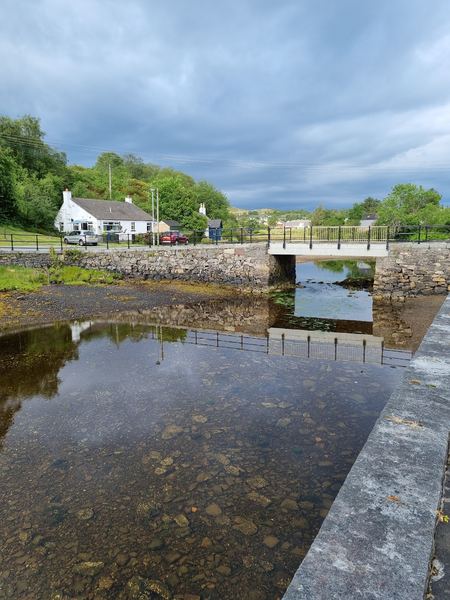
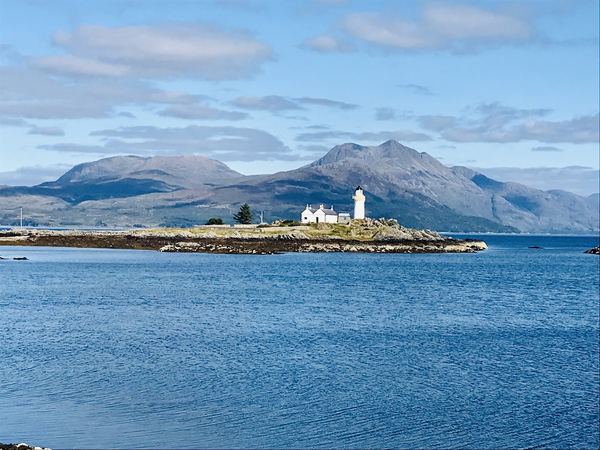
The Isle of Skye is the largest of the Inner Hebrides, a fifty-mile sprawl of peninsulas and sea lochs off Scotland's north-west coast. No point on the island lies more than about five miles from salt water, which is why the map looks less like an island than a hand with its fingers spread. That shape is the reason Skye takes longer to explore than its size suggests: a village visible across a loch can be an hour's drive away around the head of the water.
Two mountain ranges dominate. The Black Cuillin, a horseshoe of gabbro and basalt behind Glen Brittle, is the most serious mountaineering ground in Britain, holding eleven Munros and a summit, the Inaccessible Pinnacle, that cannot be reached without a rope. Across Glen Sligachan the Red Cuillin are gentler, granite domes the colour of rust in late light. To the north, the Trotternish peninsula carries a twenty-mile escarpment created by the largest landslip in Britain, and it is here that the island's two most photographed landmarks stand: the Old Man of Storr and the Quiraing.
Skye is also a working island rather than a museum. Around ten thousand people live here, crofting, fishing, running boats and building a food scene that punches far above the population. Gaelic remains in daily use and Sabhal Mor Ostaig, the Gaelic college, sits on the Sleat peninsula. Clan history is everywhere, most visibly at Dunvegan Castle, held by the MacLeods for eight centuries, and in the Sleat lands of the MacDonalds. Visitor numbers have grown sharply since the Skye Bridge opened in 1995, so the island now asks a little planning in return: book beds early, start walks before nine, and be ready for single-track roads with passing places.
Getting to Isle of Skye
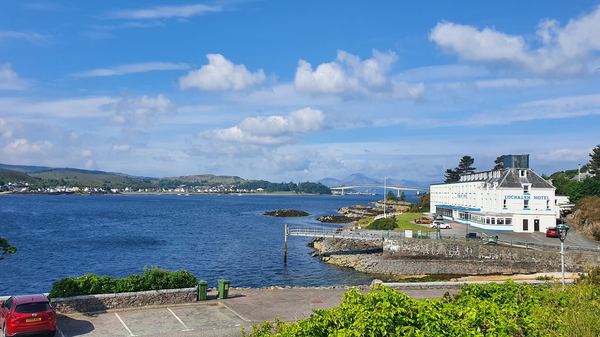
There is no airport on Skye, so almost everyone arrives by road or by a combination of rail and ferry. Driving from London takes eleven to twelve hours over roughly 640 miles, so it is realistically a two-day journey. From Glasgow allow around five hours for the 220 miles to Portree; from Inverness it is about two and a half hours and 110 miles on the A82 and A87. The Skye Bridge at Kyle of Lochalsh has been toll-free since 2004 and takes two minutes to cross.
By rail, the neatest route is London Euston to Glasgow in around four and a half hours, then the West Highland Line from Glasgow Queen Street to Mallaig — a five-hour ride past Rannoch Moor and the Glenfinnan Viaduct — followed by the thirty-minute CalMac ferry from Mallaig to Armadale on Sleat. The alternative runs via Inverness to Kyle of Lochalsh, a scenic two-and-a-half-hour branch line, with a Stagecoach bus onwards over the bridge to Broadford and Portree. The Caledonian Sleeper from Euston to Fort William suits anyone who would rather not lose a day to travel.
The nearest airports are Inverness, about two and a half hours' drive away, and Glasgow, roughly five. Once on the island a car is close to essential: bus service 917 links Portree, Broadford and Armadale, but nothing useful runs to the Quiraing or Glen Brittle. Nearly all the major trailheads now charge for parking, and the Storr, Quiraing and Fairy Pools car parks fill by mid-morning between June and August. Portree's main car park is on Somerled Square. Verge parking is actively discouraged and increasingly enforced.
Best time to visit Isle of Skye
Spring is the island at its best. April and May are statistically the driest months, the daylight is already long, and the midges have not yet hatched — they usually appear in late May and stay until September. Waterfalls still run hard from winter rain and the hills carry snow into April.
Summer brings daylight until well past ten in June, warm-ish seas for swimming and every restaurant open, but also the peak of traffic and the peak of midges on still, damp evenings. Book accommodation for July and August six months ahead if you want a choice. Carry repellent and, if you plan to sit outside, a head net.
Autumn is the quiet reward. September and early October keep most services running while the crowds thin, the bracken turns copper and the light lowers into something photographers travel for. Storms become more frequent from mid-October.
Winter is stark and often superb — empty trails, snow on the Cuillin and genuinely dark skies for the aurora, which is visible from north-facing coasts several times a season. Many smaller B&Bs, campsites and cafes close between November and March, daylight shrinks to around seven hours, and ferry crossings can be cancelled for days at a time.
Where to go
Popular destinations in Isle of Skye
About Isle of Skye’s towns and villages
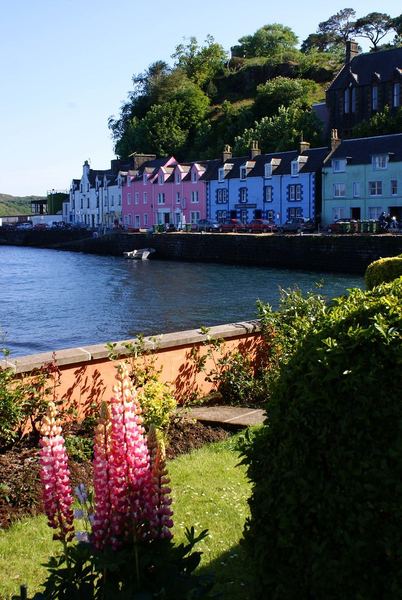
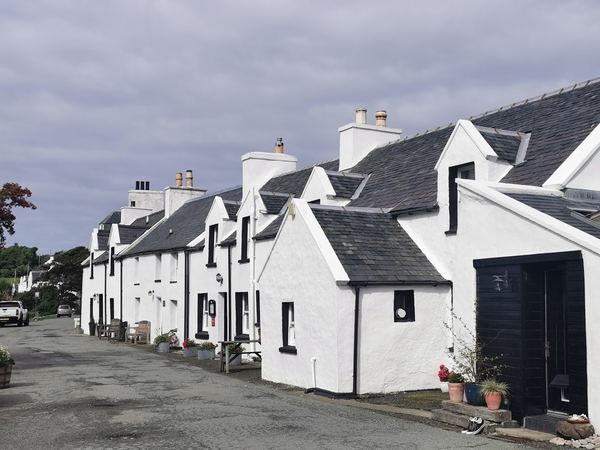
Portree is Skye's capital, a working harbour town with brightly painted houses and the best range of shops, restaurants and accommodation on the island. Broadford and Kyleakin sit near the bridge crossing from Kyle of Lochalsh on the mainland, making them practical bases for arrivals and day trips, while Uig's ferry port looks out towards the Outer Hebrides.
Further north and west, life slows considerably. Staffin and Kilmuir lie beneath the dramatic Trotternish ridge, close to the Quiraing, while Dunvegan draws visitors to its castle and loch. Stein, Carbost, Portnalong and Milovaig are quiet crofting settlements on the western side, ideal for those seeking coastal walks, whisky distilleries and a genuine escape from crowds.
Where to stay in Isle of Skye(127)
All hotels in Isle of Skye →About staying in Isle of Skye
Portree accounts for much of Skye's accommodation, with harbourside guest houses and B&Bs like Heatherfield House and Stonefield House giving easy access to restaurants and boat trips without needing a car for the evening. Staying here also puts the Trotternish loop and Storr within a short drive.
Further north, Staffin and Uig thin out the choice but reward it with proximity to the Quiraing, Kilt Rock and the Uig ferry terminal for those heading to the Outer Hebrides. Places such as An Cnoc Bed & Breakfast and Taransay House suit travellers who want quiet mornings and dramatic views on the doorstep.
Between the two, options range from simple family-run rooms to smarter stays like Abhaig Boutique B&B's cabin suite. Booking ahead matters here, as Skye's small towns fill quickly through the summer season.
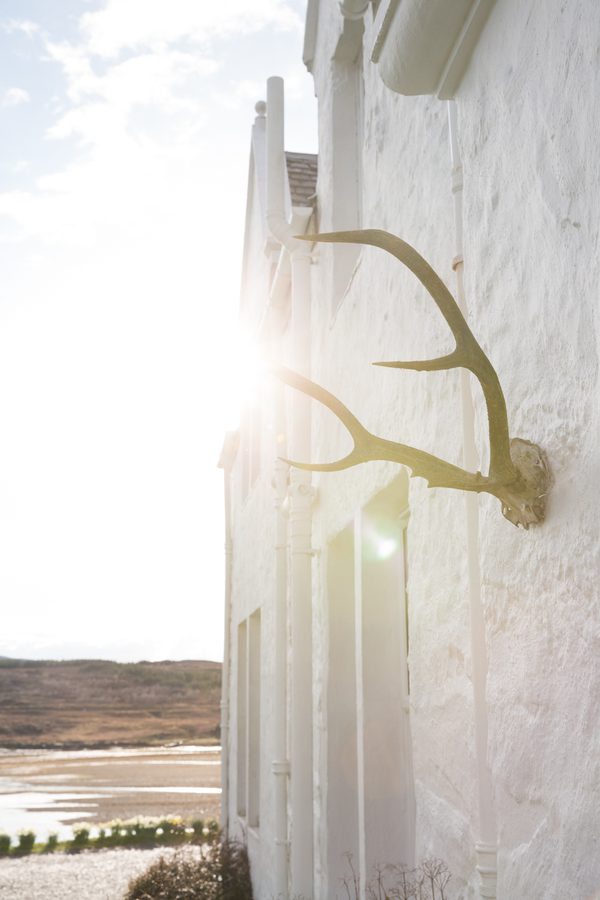 9.2
9.2
Kinloch Lodge
Sleat, southern Skye
from £295/night
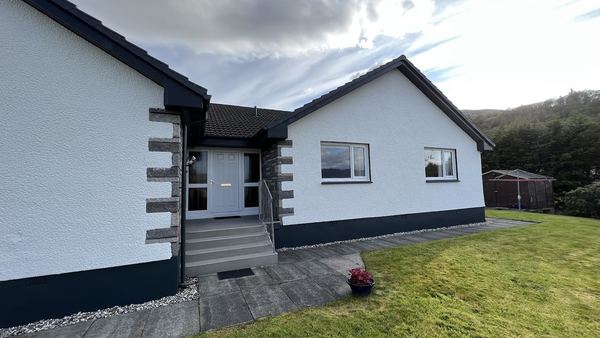 9.1
9.1
The Gables Bed & Breakfast
Viewfield Road, Portree
from £95/night
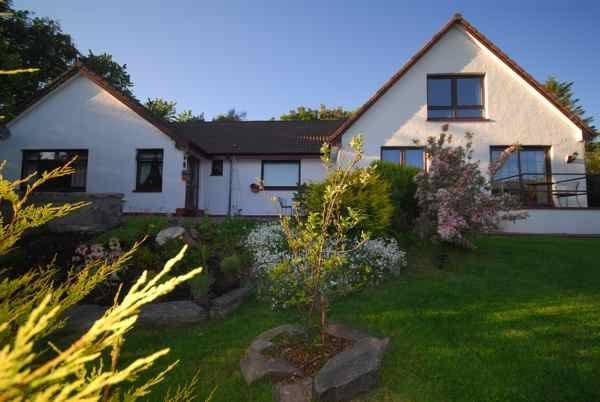
Ardenlea
Church Road, Kyle of Lochalsh
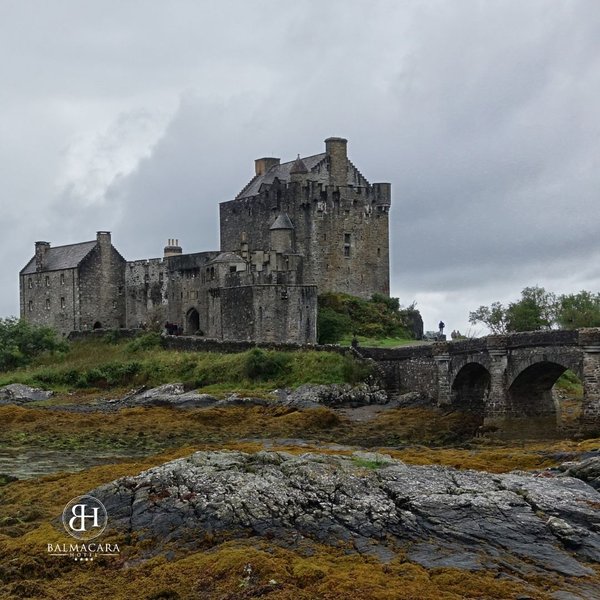
Balmacara Hotel
Balmacara, Kyle of Lochalsh
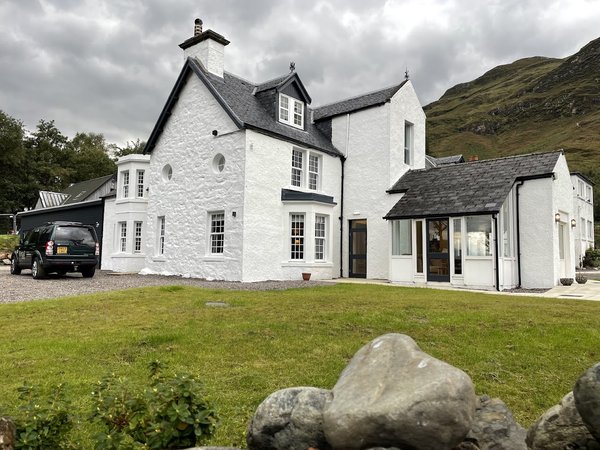
Kintail Lodge Hotel
Glenshiel Bridge, Kyle of Lochalsh
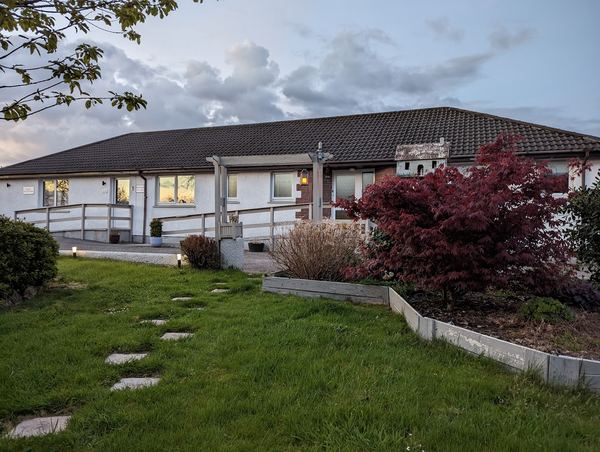
Air Leth Bed & Breakfast
Storr Road, Portree
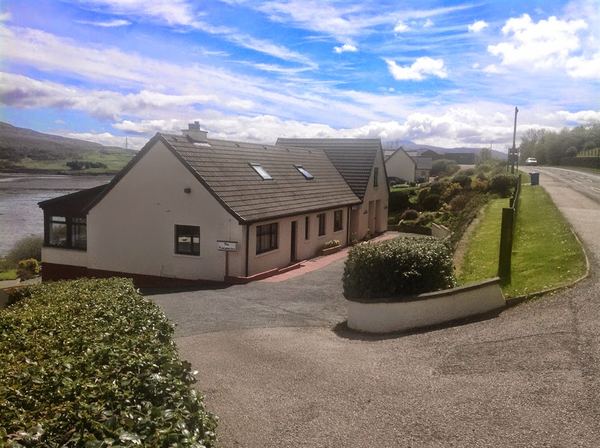
An-Airidh Bed & Breakfast Portree
6 Fisherfield, Portree
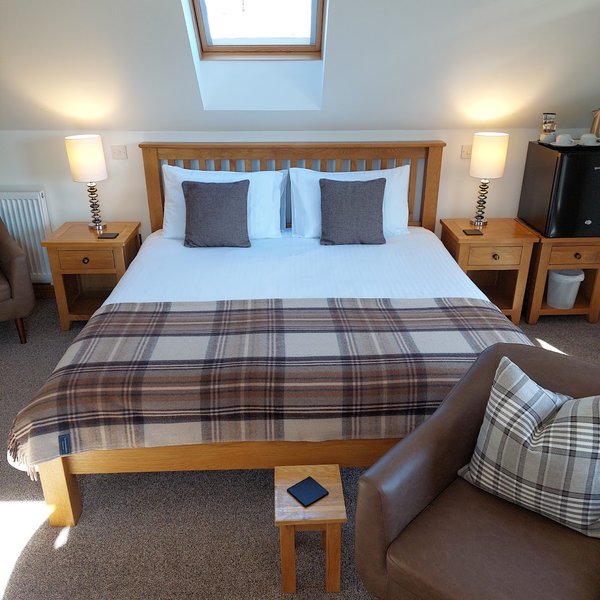
Conusg Bed and Breakfast
Coolin Hills Gardens, Portree
Things to Do in Isle of Skye(8)
All attractions in Isle of Skye →About things to do in Isle of Skye
Skye's attractions range from dramatic landscapes to small museums that explain how the island once worked, and most visitors mix the two. Portree makes a natural base, with its own treasure hunt trail for families, while the wilder sights sit further out towards the coast and glens.
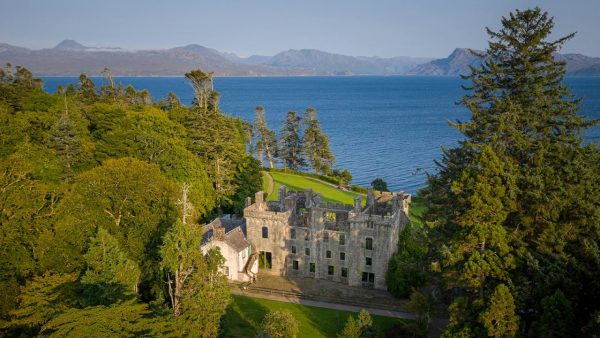
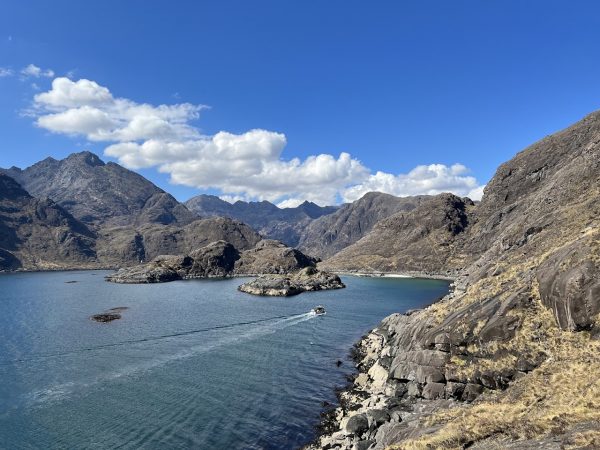
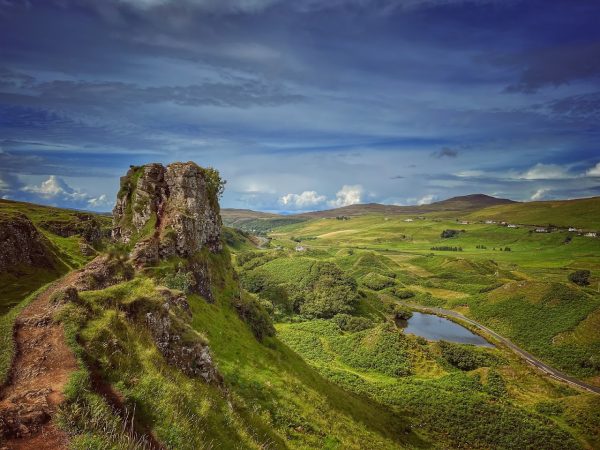
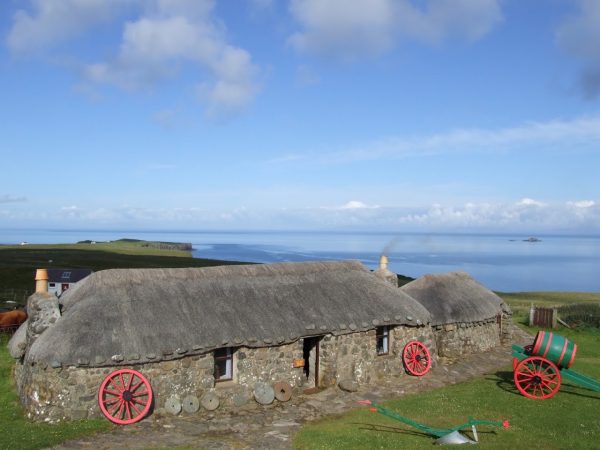
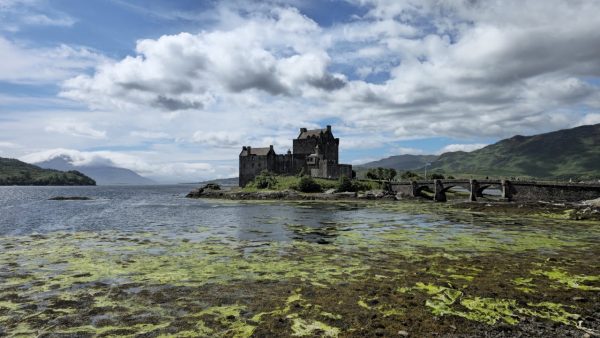
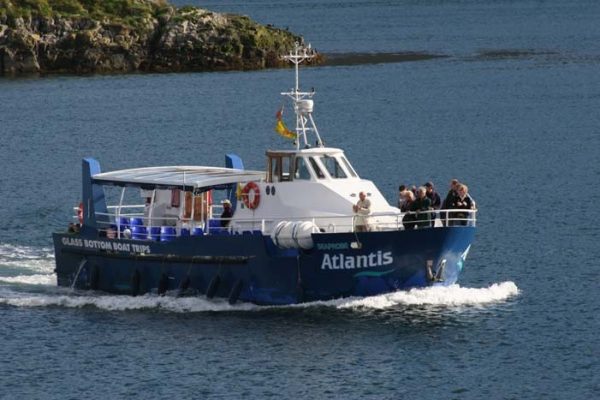
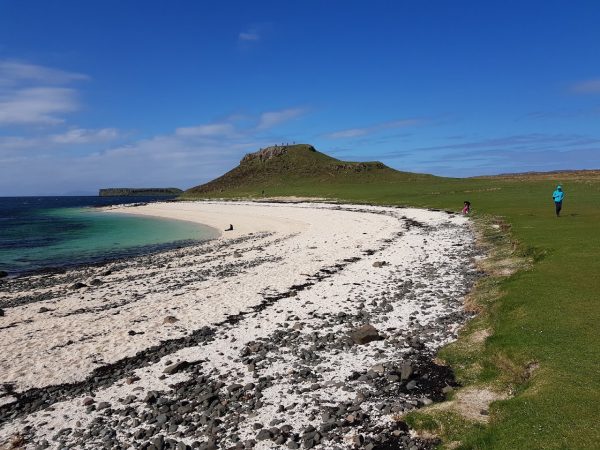
The Coral Beach and Faerie Glen show a gentler side of the island, easily combined with a walk, whereas Armadale Castle & Grounds and the Skye Museum of Island Life give a sense of Highland and clan history. For getting out onto the water, Misty Isle Boat Trips and Seaprobe Atlantis offer different ways to see the coastline and sea life, and Eilean Donan Castle, just over towards Kyle of Lochalsh, is worth building a day around given the drive involved.
Where to Eat in Isle of Skye(63)
All restaurants in Isle of Skye →About eating out in Isle of Skye
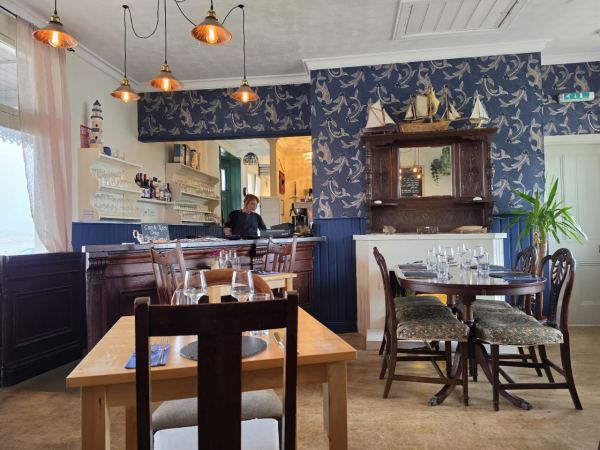
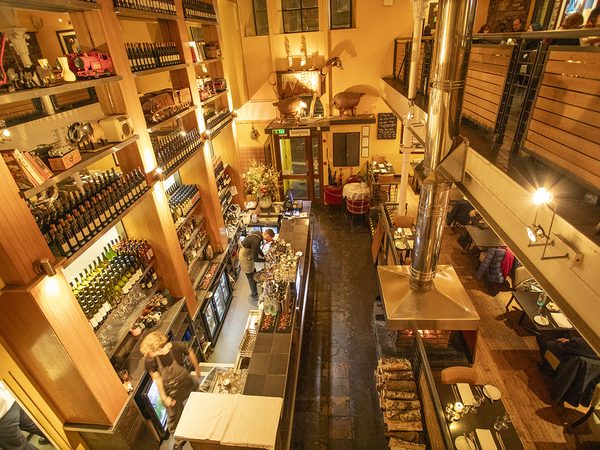
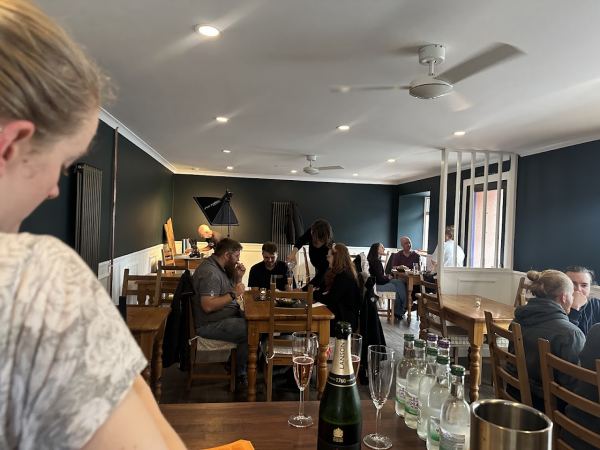
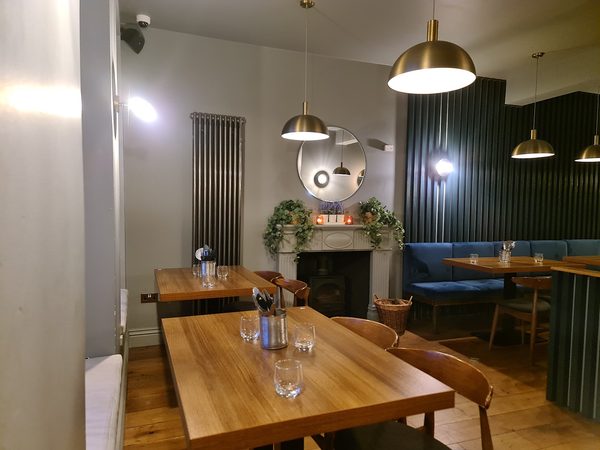
Skye's eating and drinking scene is spread thinly across a large island, so where you're staying often decides where you'll eat. Portree has the biggest concentration, with harbourside restaurants and bars within walking distance of each other, while Carbost, home to the Talisker distillery, offers the Sligachan Hotel and other spots that double as walkers' pubs after a day on the hills.
Further out, places like Glendale and the smaller settlements around the island rely on cafes, tea rooms and community-run venues such as Glendale Community Hall Association to fill the gaps. Expect honest, hearty food geared towards those who've been out on the coastal paths or exploring the Cuillin, plus the odd converted mill or croft turned into a welcoming cafe stop.
Camping in Isle of Skye(21)
All campsites in Isle of Skye →About camping in Isle of Skye
Skye rewards travellers who camp or glamp close to the landscape rather than tucked away in a town. Sligachan Campsite sits beneath the Cuillin with the hills rising straight from the tents, Staffin Caravan & Camping Site puts you near the Quiraing and Kilt Rock, and Portree Campsite gives easy walking access to the harbour and shops if you want a base with more going on around you.
For something more sheltered, wooden pods, huts and bell tents have become the island's answer to unpredictable weather. Glendale Studio Pods, Skye Shepherds Huts, Shulista Croft Wigwams and Skye Eco Bells all offer a warmer alternative to canvas, useful given how quickly conditions can turn here. Clouds Skye Meadow leans towards quieter, open outlooks rather than facilities.
Just off the island, Reraig Caravan and Camping near Kyle of Lochalsh works well as a stop before or after crossing the bridge, particularly if Skye's own sites are full in peak season. Across the island, choosing between north, south or the Kyle side really comes down to which hills, coast or village you want on your doorstep.
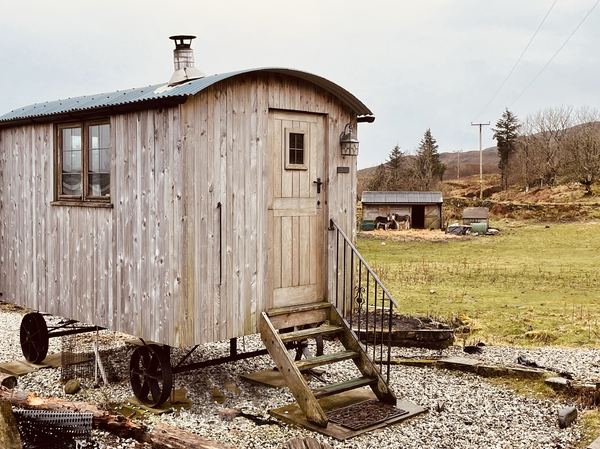
Skye Shepherds Huts
⭐ 5.0
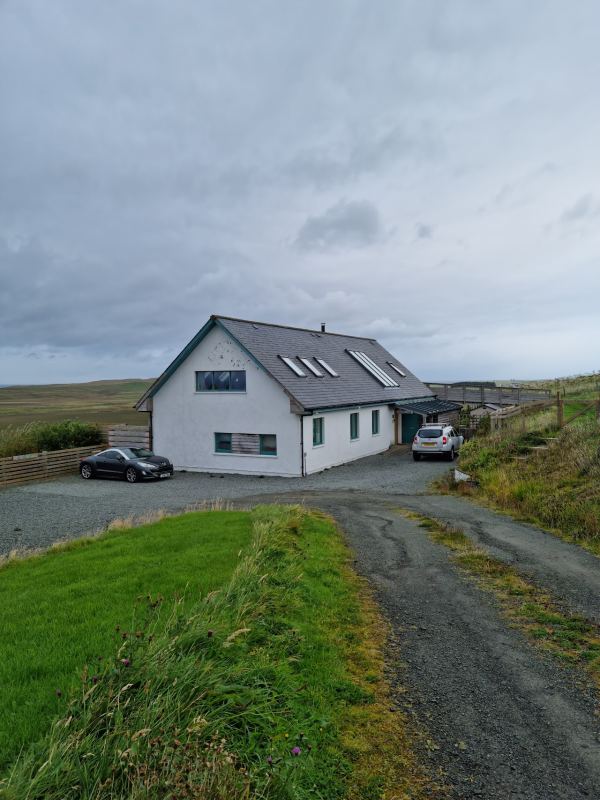
Clouds Skye Meadow
Portree · ⭐ 5.0
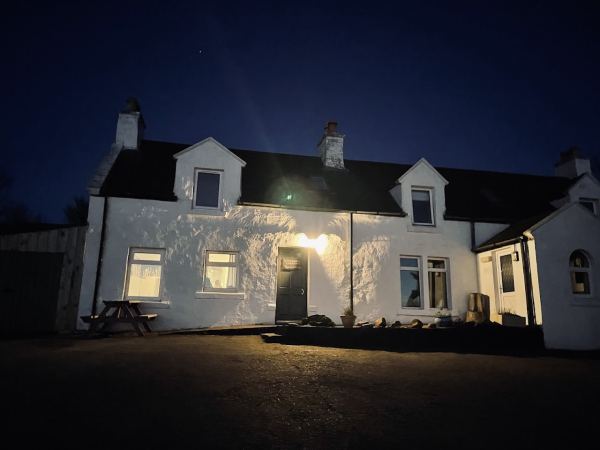
Whitewave Wigwams
Uig · ⭐ 5.0
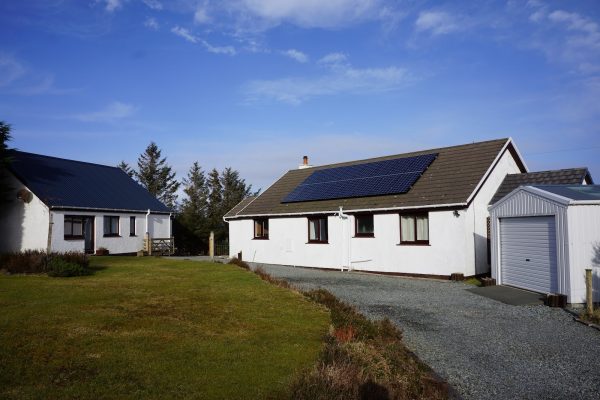
Glendale Studio Pods
⭐ 4.9 · from £240/night
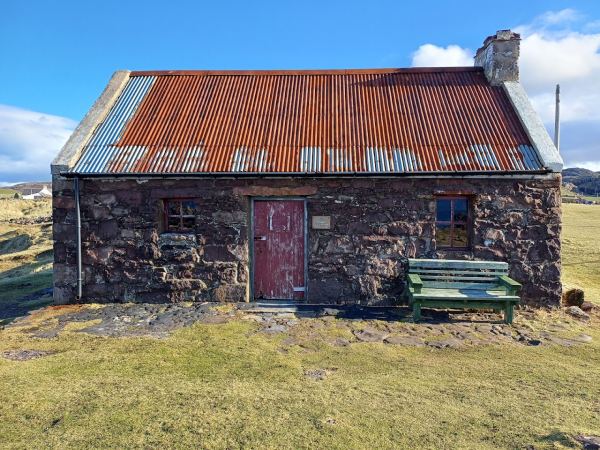
Highland Hangout
Kyle of Lochalsh · ⭐ 4.8
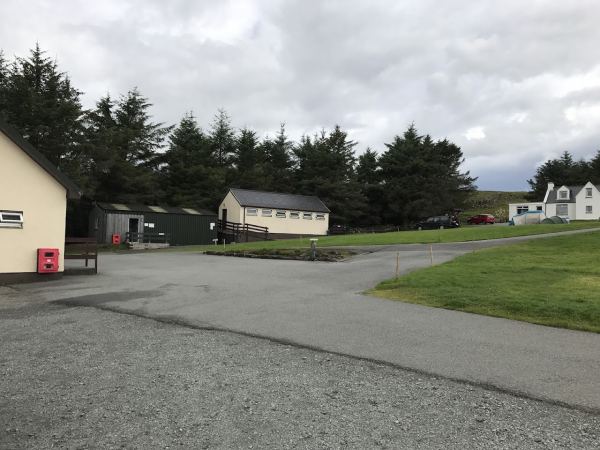
Torvaig Caravan and Camping Site
Portree · ⭐ 4.6
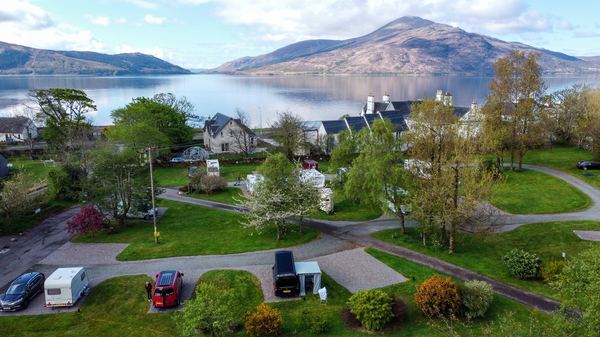
Reraig Caravan and Camping
Kyle of Lochalsh · ⭐ 4.5 · from £25/night
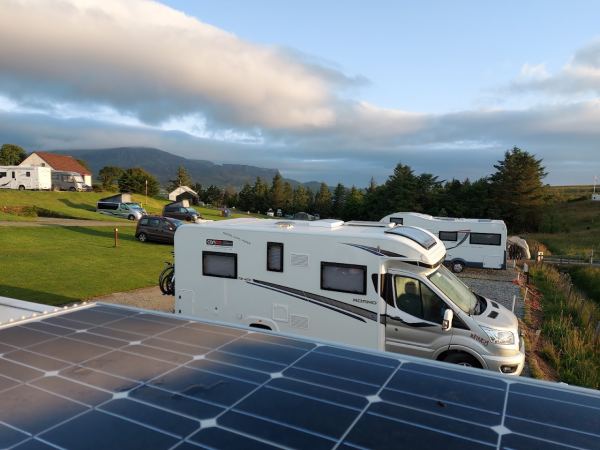
Staffin Campsite
Staffin · ⭐ 4.5
Common questions about Isle of Skye
How many campsites are there in Isle of Skye?
We list 13 campsites in and around Isle of Skye, of which 13 take tents and 3 offer glamping.
Are there dog-friendly campsites in Isle of Skye?
Yes — 7 of the 13 campsites we list in Isle of Skye accept dogs, including Camping Skye and Sligachan Campsite.
Which campsites in Isle of Skye have electric hook-up?
7 of the 13 campsites we list in Isle of Skye offer an electric hook-up.
Where can I stay in Isle of Skye?
We list 8 hotels, B&Bs and guest houses in and around Isle of Skye. Prices start from around £95 a night.
What is there to do in Isle of Skye?
We list 5 attractions and things to do in and around Isle of Skye.
Where can I eat in Isle of Skye?
We list 41 restaurants, pubs and cafes in and around Isle of Skye.