Argyll
Sea lochs, castles and whisky on Scotland's western fringe
Photo © Alex., Google Maps
Argyll unfolds along Scotland's west coast in a tangle of sea lochs, forested hills and island-studded water, stretching from the Cowal peninsula in the south to the fringes of Lochaber in the north. It is a region defined by its coastline: no point in Argyll is more than a few miles from salt water, and the ferries that thread between its peninsulas and islands are as much a part of daily life as the roads. Oban, the self-styled Gateway to the Isles, sits at the heart of it all, a working harbour town whose quaysides send boats out to Mull, Iona, Colonsay and beyond.
Inland, the character shifts from bustling ferry port to quiet glen. Loch Awe, Scotland's longest freshwater loch, cuts a deep trench through the hills, overlooked by the ruined towers of Kilchurn Castle. Kilmartin Glen holds one of the densest concentrations of prehistoric monuments in Britain, a landscape of standing stones, cairns and carved rock that predates Stonehenge. Further south, the Kintyre peninsula stretches nearly sixty miles towards Northern Ireland, while Cowal offers the closest hills to Glasgow, popular with day walkers and cyclists.
What ties the region together is a slower pace and a strong sense of place. Distilleries, fishing boats, sailing clubs and small farms still shape the economy, and the scenery rarely lets up, whether that is the Corryvreckan whirlpool off Jura, the rhododendron gardens at Crarae, or the long views across the Sound of Mull from the coast road north of Oban.
Getting to Argyll
Oban has a direct rail link from Glasgow Queen Street, with the journey taking around three hours through some of the most scenic stretches of line in Scotland, past Loch Awe and over the Falls of Cruachan. From London, the sleeper or daytime services run to Glasgow Central or Queen Street, connecting onward to Oban; the whole journey typically takes eight to nine hours. There is no direct rail service into Kintyre, Cowal or Mid Argyll, so a car is the practical option for those areas.
By road, Oban is roughly two and a half hours from Glasgow via the A82 and A85, a route that runs alongside Loch Lomond and through Glen Orchy. Inveraray and Mid Argyll are reached via the A83, which also serves Kintyre, though the Rest and Be Thankful pass can occasionally close in bad weather, with a diversion signposted via the Old Military Road. Parking in Oban is metered in the town centre but free at the North Pier and further out towards the ferry terminal.
CalMac ferries link the mainland to the islands of Mull, Islay, Colonsay, Coll, Tiree, Lismore and Kerrera, with Oban serving as the main hub. Cowal is reached from Gourock via the short Western Ferries or CalMac crossing to Dunoon, a popular route for visitors coming from Glasgow without the drive around Loch Long.
Best time to visit Argyll
Spring brings carpets of bluebells and rhododendrons to Argyll's gardens, particularly at Crarae and Arduaine, along with quieter roads before the main tourist season begins. Summer is the busiest period, with long daylight hours making the most of boat trips, hillwalking and island days out, though midges can be troublesome on still, damp evenings inland. Autumn colours the woodlands around Loch Awe and Loch Fyne in copper and gold, and it is prime season for spotting red deer during the rut. Winter is quiet and often mild by Highland standards thanks to the Gulf Stream, with storm-watching along the coast and roaring pub fires the main draw, though some smaller attractions and ferry timetables scale back.
Where to stay in Argyll(6)
All hotels in Argyll →About staying in Argyll
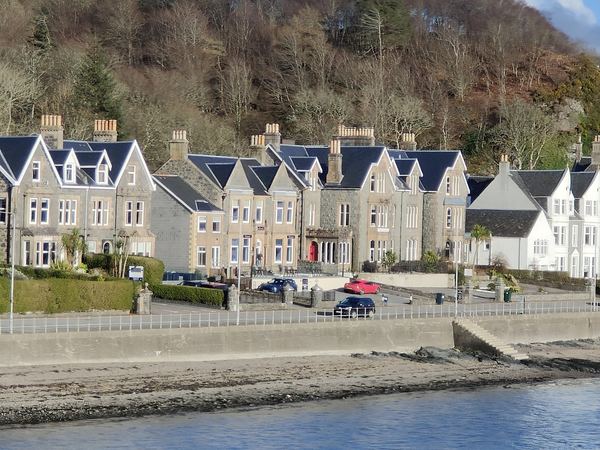
Argyll's hotels range from grand country houses set in their own grounds to harbourside guest houses with views straight out to the islands. Oban has the largest concentration, with seafront properties along the Esplanade and Corran Esplanade offering some of the best sea views in Scotland, alongside a handful of characterful town-centre inns close to the harbour and railway station. A short drive out of town, hotels around Loch Feochan and Loch Melfort trade proximity to the shops for peace, gardens and uninterrupted loch or coastal outlooks.
Inland and to the south, Inveraray's historic coaching inns sit within walking distance of the castle and Loch Fyne shore, making them a natural stop for visitors splitting a trip between Loch Lomond and Oban, or exploring Mid Argyll's prehistoric sites at Kilmartin. Wherever you stay, expect Scottish hospitality built around local produce: dining rooms serving West Coast seafood, whisky bars stocked with drams from the region's distilleries, and log fires that come into their own on cooler evenings.
Below are eight properties we would recommend, spanning country house luxury, well-run mid-range hotels and characterful guest houses, all currently trading and each offering a genuine sense of place rather than a generic Highland stay.
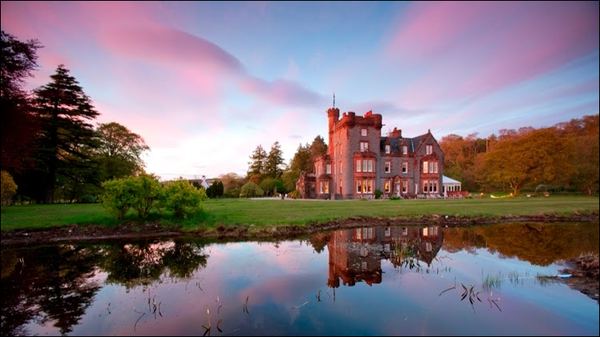 9.4
9.4
Isle of Eriska
Private island near Ledaig, north of Oban
from £395/night
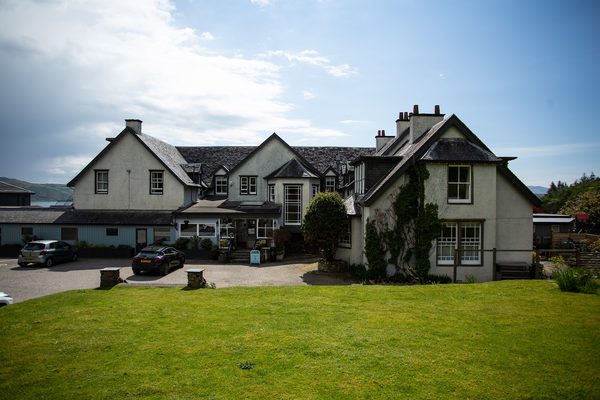 8.8
8.8
Loch Melfort Hotel
Arduaine, on the coast south of Oban
from £165/night
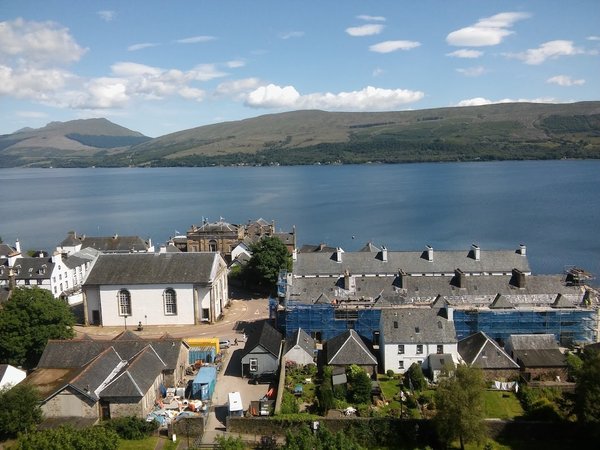 8.4
8.4
The George Hotel
Main Street, Inveraray, on Loch Fyne
from £150/night
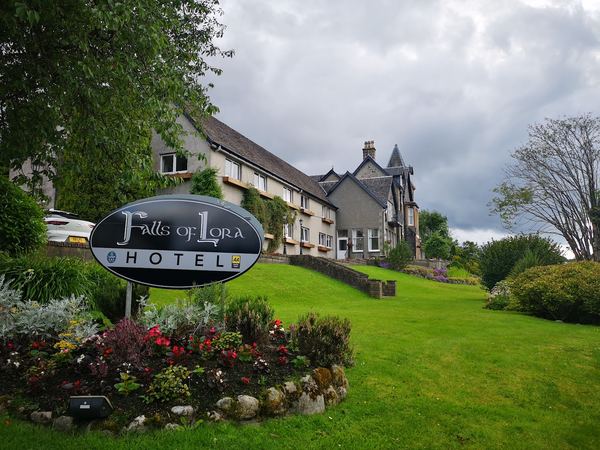 8.1
8.1
Falls of Lora Hotel
Connel, five miles north of Oban
from £110/night
 9.2
9.2
MacKay's Guest House
Corran Esplanade, Oban seafront
from £145/night
 9.0
9.0
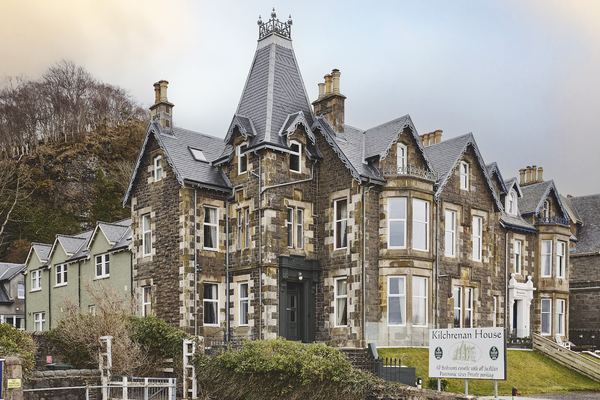
Kilchrenan House
Corran Esplanade, Oban seafront
from £140/night
Things to Do in Argyll
All attractions in Argyll →Top things to do in Argyll
Argyll rewards slow exploration, but these are the sights and experiences most visitors build a trip around.
- Inveraray Castle is the fairy-tale seat of the Duke of Argyll, a Gothic Revival pile on the shores of Loch Fyne with opulent state rooms and an armoury hall lined with muskets and pikes.
- Kilmartin Glen contains over 350 ancient monuments within a six-mile radius, including the linear cemetery at Nether Largie and the fort of Dunadd, once the seat of the kings of Dalriada.
- Oban Distillery, tucked beneath the cliffs in the centre of town, has been producing whisky since 1794 and offers tours explaining the coastal, slightly smoky character of its single malt.
- McCaig's Tower stands above Oban like a half-built Colosseum, an eccentric Victorian folly that gives sweeping views over the bay, harbour and hills of Mull.
- Crarae Garden, on the shore of Loch Fyne, is a National Trust for Scotland woodland garden famous for its rhododendrons, azaleas and a dramatic gorge planted like a Himalayan ravine.
- Kilchurn Castle, at the head of Loch Awe, is one of Scotland's most photographed ruins, a 15th-century tower house reachable by a short walk from the roadside.
- A boat trip to the Corryvreckan whirlpool or out to Staffa and Fingal's Cave gives a proper sense of the wildness of Argyll's waters, alongside good odds of seeing minke whales, basking sharks and porpoises.
- Auchindrain Township preserves a communal tenant farm as it looked before the Highland Clearances, with original thatched longhouses giving a rare, unromanticised view of Highland rural life.
Where to Eat in Argyll
All restaurants in Argyll →Food and drink in Argyll
Seafood dominates menus along this coast, landed daily at Oban's harbour and served simply, whether that is langoustines, mussels or freshly shucked oysters at the town's seafront kiosks. Loch Fyne, long associated with herring and oysters, still supports a working shellfish trade, and smokehouses around the loch sell smoked salmon and kippers to take home. Argyll is also serious whisky country, with Oban Distillery in the town centre and a scattering of smaller producers inland, alongside gin distilleries that have sprung up in recent years using local botanicals. Farmers' markets in Oban and Lochgilphead sell venison, game and cheese from Argyll's hill farms, and the region's many harbourside pubs and hotel dining rooms lean heavily on this local produce, pairing West Coast langoustines or Loch Fyne mussels with a dram from the bar.
Attractions Near Argyll
All attractions in Argyll →Worth the trip — within 50 miles of Argyll.
 2 mi
2 mi
St Conan's Kirk
Lochawe · ⭐ 4.8
 4 mi
4 mi
Cruachan Hollow Mountain
Dalmally · ⭐ 4.6
 9 mi
9 mi
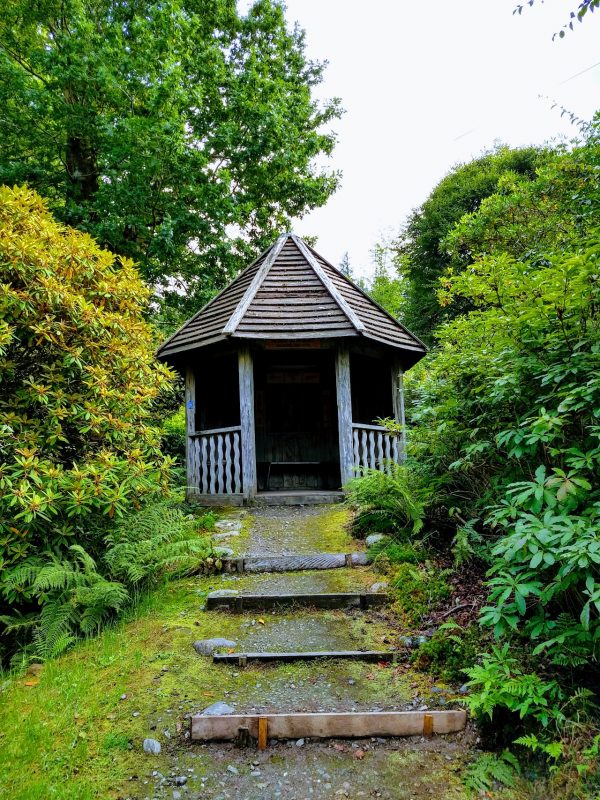
Ardkinglas Woodland Gardens
Cairndow · ⭐ 4.7
 10 mi
10 mi
Inveraray Jail
Inveraray · ⭐ 4.6
 14 mi
14 mi
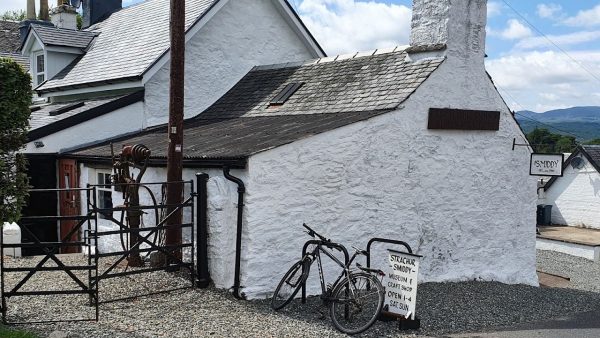
Strachur Smiddy Museum and Craft Shop
Strachur · ⭐ 4.7
 14 mi
14 mi
Auchindrain Township Open Air Museum
Furnace · ⭐ 4.6
 17 mi
17 mi
Atlantis Sport and Leisure Centre
Oban · ⭐ 4.4
 17 mi
17 mi
Ganavan Beach
Oban · ⭐ 4.6
Camping in Argyll(43)
All campsites in Argyll →About camping in Argyll
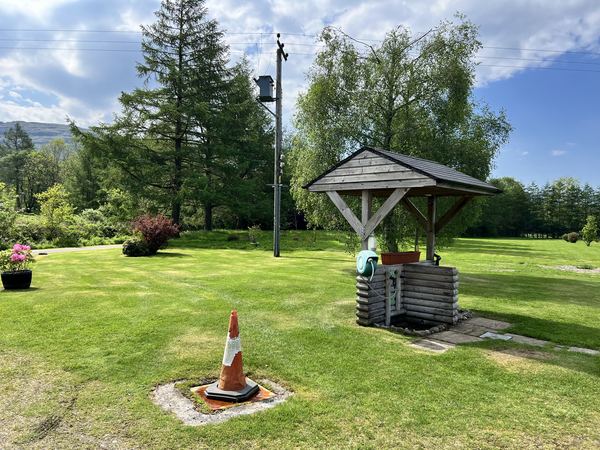
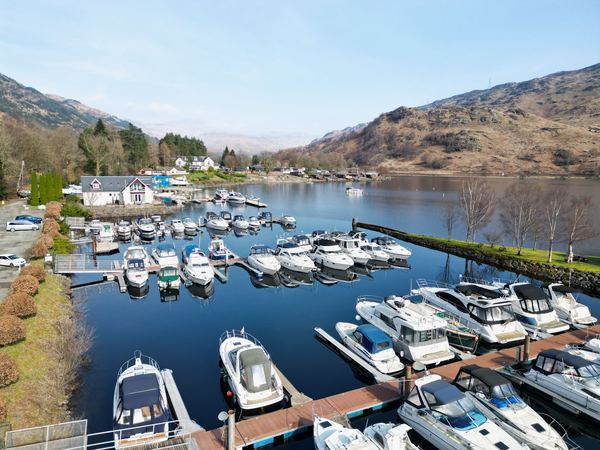
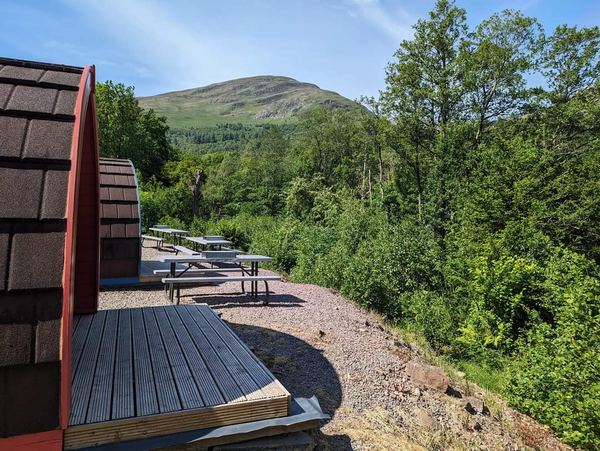
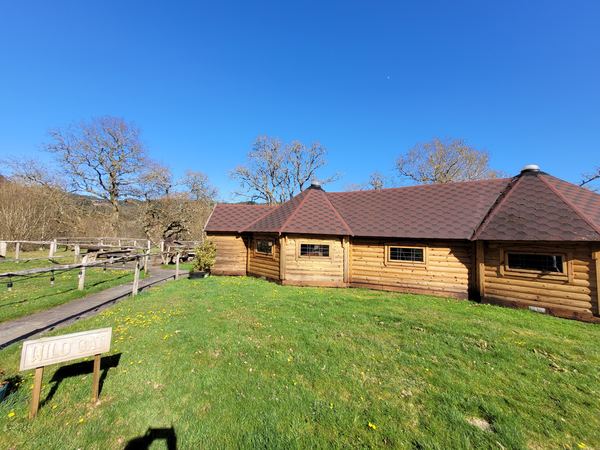
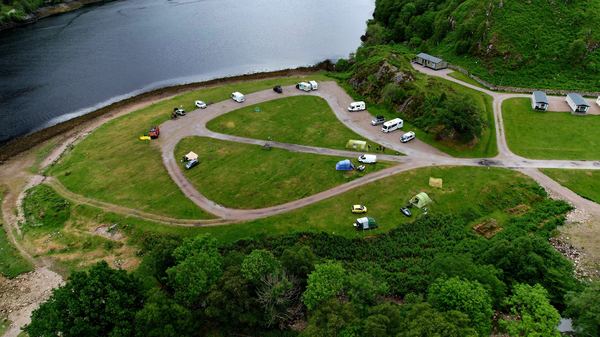
Argyll's campsites make the most of a coastline that rarely disappoints, whether that is grassy pitches looking out towards the Isle of Kerrera, a sheltered wooded site near Loch Creran, or a touring park overlooked by the Crinan Canal in Mid Argyll. Facilities across the region tend towards the practical rather than the luxurious, though several sites now offer glamping pods, hot tub lodges or fully serviced hardstanding pitches for those wanting a more comfortable base for exploring by car or bike.
Oban is the natural hub for campers, with sites clustered a short drive from the harbour, giving easy access to ferries, restaurants and the town's shops while keeping a rural, waterside outlook. Further south, Lochgilphead makes a quieter, more central base for exploring Kilmartin Glen, the Crinan Canal and the Kintyre peninsula, appealing to touring caravan and motorhome owners in particular. Midges can be an issue on still summer evenings, especially at inland or wooded pitches, so it is worth packing repellent alongside the usual camping kit.
The three sites below cover a working farm campsite outside Oban, a Club site tucked into woodland near Loch Creran, and a caravan park in the heart of Mid Argyll, all currently open and taking bookings.


Self-Catering Cottages in Argyll
All cottages in Argyll →Am Bruadar
5 bed · sleeps 8 · from £727
Craig Lora
2 bed · sleeps 4 · from £497
Invernoe Cottage
4 bed · sleeps 6 · from £661
Bonawe House
9 cottages · from £624
Blackmill
2 cottages · from £453
Sithean
4 bed · sleeps 8
Boatman’s Cottage at Inverinan Mor
2 bed · sleeps 3 · from £547
Point Park
3 bed · sleeps 6 · from £1,212
Common questions about Argyll
How many campsites are there in Argyll?
We list 43 campsites in and around Argyll, of which 41 take tents and 22 offer glamping.
Are there dog-friendly campsites in Argyll?
Yes — 14 of the 43 campsites we list in Argyll accept dogs, including Killegruer Caravan Site and Caolasnacon Caravan and Camping Park.
Which campsites in Argyll have electric hook-up?
15 of the 43 campsites we list in Argyll offer an electric hook-up.
Where can I stay in Argyll?
We list 6 hotels, B&Bs and guest houses in and around Argyll. Prices start from around £110 a night.