Pooley Bridge
Gateway to Ullswater's quiet northern shore
Photo © David W, Google Maps
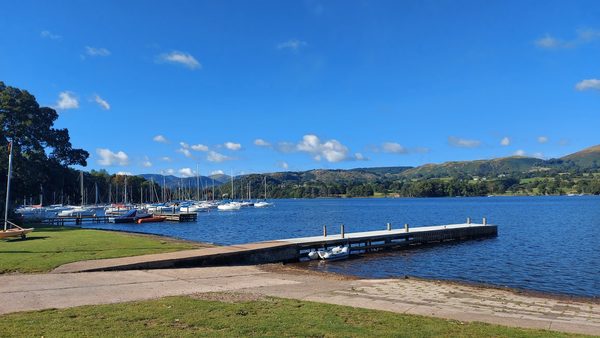
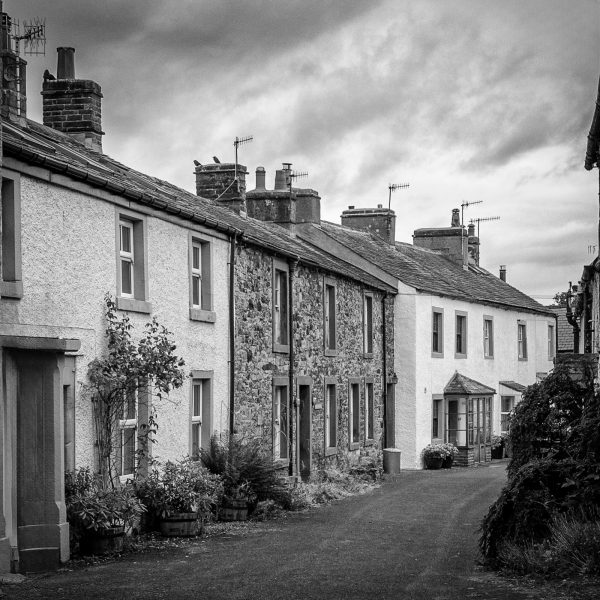
Pooley Bridge sits at the head of Ullswater, the Lake District's second-largest lake, exactly where the water narrows into the River Eamont. It is a small place - a huddle of stone cottages, a handful of shops and pubs, and a church - but its position gives it an outsized role as the northern gateway to one of the National Park's most photographed valleys. The village takes its name from a large pool in the Eamont and from Dunmallard, the conical wooded hill that rises across the river on the site of an Iron Age hill fort.
The bridge itself has a dramatic recent history. A three-arched stone crossing, built in 1764, stood here for two and a half centuries until Storm Desmond tore it away in December 2015, one of the most widely shared images of that flood. It was replaced in 2020 by a striking steel bridge, and the village has since settled back into its usual rhythm: walkers arriving for the Ullswater Way, boat passengers stepping off the steamers, and cyclists and paddleboarders using the shallow, gently shelving shore at the foot of the lake. Fells rise steeply to either side, with Hallin Fell and the Helvellyn range visible to the south and the open moorland of the Eden Valley stretching north towards Penrith.
Getting to Pooley Bridge
Pooley Bridge lies just off the A592, about six miles south of Penrith, which is the easiest approach if you're driving from the M6 (leave at Junction 40). Penrith is also the nearest railway station, with West Coast Main Line services connecting to London, Glasgow and Carlisle; from there it's a short taxi or bus ride to the village. There is no railway station in Pooley Bridge itself, and the village is small enough that once you arrive, most attractions along the lakeshore are easily reached on foot or by boat. Parking in the village is limited, particularly in summer, so arriving early or using the main pay-and-display car park near the pier is worthwhile.
Best time to visit Pooley Bridge
Summer (June to August) brings the busiest crowds, longest daylight and the best chance of calm water for paddling or a steamer cruise, but also the fullest car parks. Spring and autumn are quieter and often just as rewarding, with autumn colour along the lake shore and on the surrounding fells particularly striking in October. Winter is atmospheric and much quieter still, though some boat sailings are reduced and the fells demand proper equipment; this is also, as the 2015 floods showed, a village that takes the weather seriously, so it's worth checking conditions before a winter visit.
Where to stay in Pooley Bridge(4)
All hotels in Pooley Bridge →About staying in Pooley Bridge
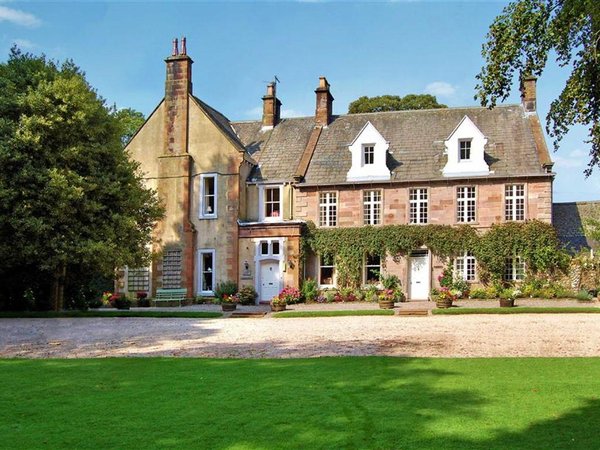
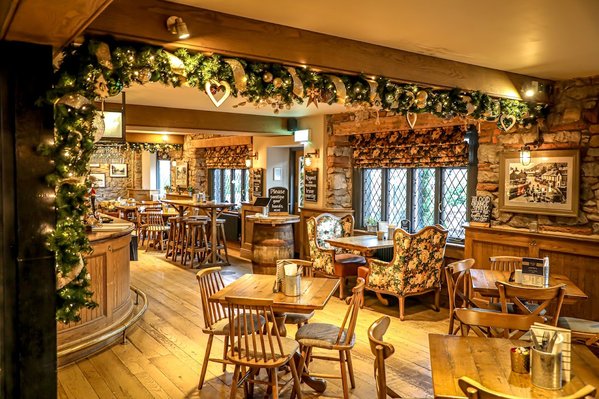
Pooley Bridge itself has only a handful of places to stay, in keeping with its size, so most visitors base themselves either in the village's pubs-with-rooms or spread out along the northern end of Ullswater in Watermillock, or a short drive away in Penrith. What accommodation there is tends to be traditional and lakeland in character - stone-built pubs with a handful of ensuite bedrooms, guesthouses, and self-catering cottages converted from old farm buildings, many with views out over the fells or down towards the lake. The Sun Inn, right in the centre of the village, is a good example, offering eight ensuite rooms above a working pub.
For those wanting more space, or travelling as a family or group, self-catering cottages are the more common option around Pooley Bridge, ranging from compact one-bedroom conversions to larger farmhouses that sleep eight or more, many within easy walking distance of the pier and the start of the Ullswater Way. Hotels with a wider range of facilities - spas, restaurants, extensive grounds - are generally found further round the lake, particularly around Watermillock and Glenridding, or in Penrith itself, which has a wider choice of chain and independent hotels geared towards both tourists and business travellers using the M6 corridor.
Booking ahead is strongly advised for anything in or near the village, especially through the summer months and school holidays, when Ullswater's northern shore is one of the busiest parts of the Lake District. Outside peak season, availability opens up considerably and it's often possible to find good rates at short notice, particularly for midweek stays.
Things to Do in Pooley Bridge
All attractions in Pooley Bridge →Top things to do in Pooley Bridge
For a village this size, Pooley Bridge punches well above its weight when it comes to things to see and do, mostly thanks to its position on Ullswater and its access to the surrounding fells.
- Ullswater Steamers — Vintage-style passenger boats have run on Ullswater since 1859, and Pooley Bridge is one of four piers on the route, with sailings south to Howtown and on to Glenridding. It's a scenic way to reach the start of walks such as the Aira Force waterfall trail or the climb to Helvellyn.
- The Ullswater Way — A 20-mile circular walking route around the entire lake, linking all four steamer piers so you can walk one stretch and cruise back on the boat. The section between Pooley Bridge and Howtown along the eastern shore is one of the quieter and more scenic legs.
- Dunmallard Hill — A short, wooded climb directly opposite the bridge to the site of a small Iron Age hill fort, with views back down over the village and the top of the lake.
- Hallin Fell — A modest but rewarding fell above Martindale, a few miles south of the village, with one of the best viewpoints over Ullswater for relatively little climbing effort.
- Aira Force — A dramatic 65-foot waterfall cared for by the National Trust, reached by road or by steamer to Glenridding and Aira Force pier, then a short woodland walk; the falls were a favourite of William Wordsworth.
- The Cockpit stone circle — A Bronze Age stone circle on open moorland above the village, on the line of the old Roman road High Street, reached via a bracing walk up onto Askham Fell.
- Watersports on Ullswater — The shallow shingle shore at Pooley Bridge is one of the lake's main launch points for paddleboarding, canoeing and open-water swimming, and boats and kayaks can be hired locally.
Where to Eat in Pooley Bridge
All restaurants in Pooley Bridge →Food and drink in Pooley Bridge
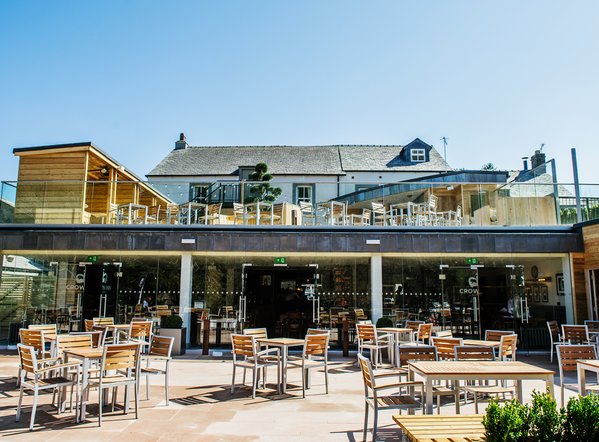
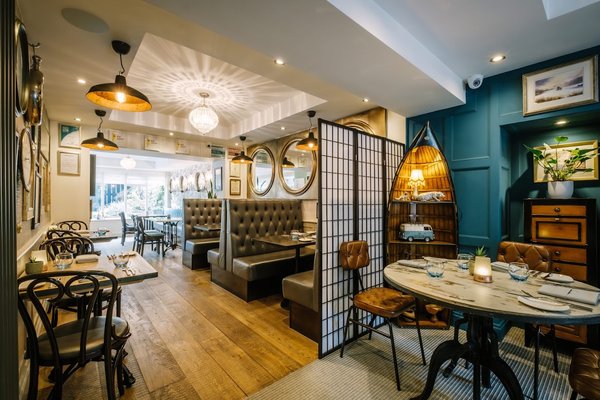
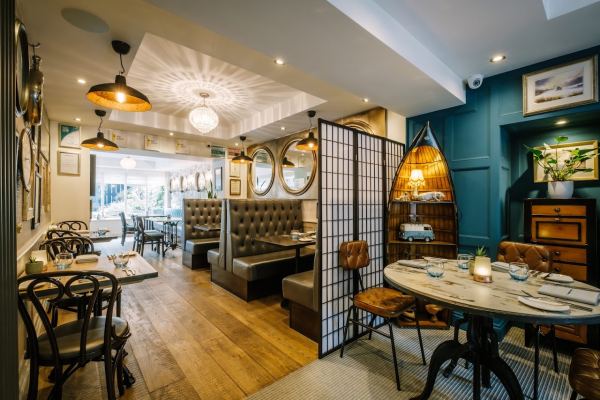
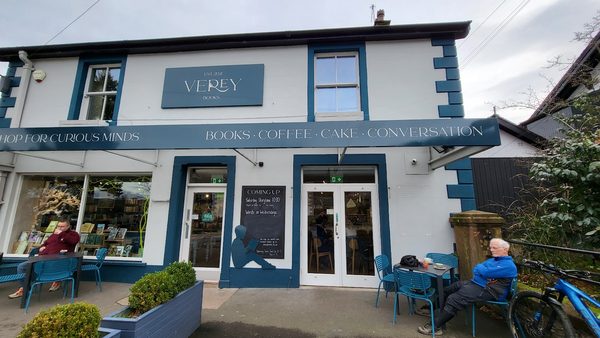
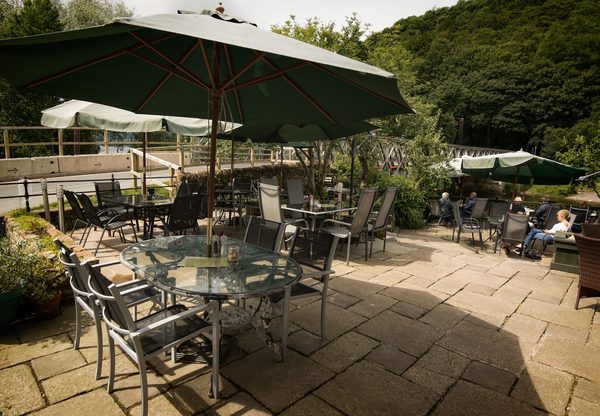
Given its size, Pooley Bridge has a good spread of places to eat for a stopping-off point on the Ullswater Way. The Sun Inn, a former row of 18th-century cottages in the centre of the village, is a family-run, dog-friendly pub serving Jennings ales including Cumberland Ale, with a large beer garden overlooking the countryside. The village also has a handful of cafes and tea rooms geared towards walkers and cyclists refuelling before or after a stretch of the lakeshore path, along with a small general store. It's a village built around passing trade rather than destination dining, so options are honest and unpretentious rather than extensive - most visitors combine a meal here with a walk or a steamer trip rather than making the food the main event.
Attractions Near Pooley Bridge
All attractions in Pooley Bridge →Worth the trip — within 50 miles of Pooley Bridge.
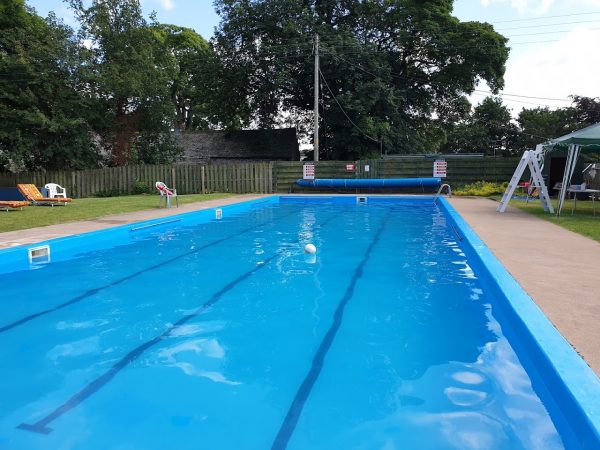 3 mi
3 mi
Askham Outdoor Swimming Pools
Penrith · ⭐ 4.6
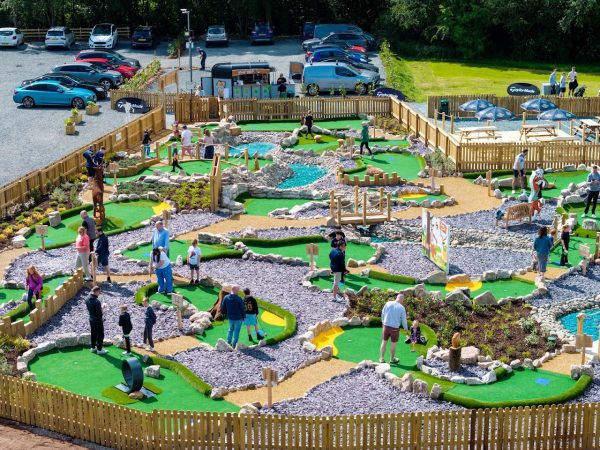 3 mi
3 mi
Foxy's Adventure Golf
Penrith · ⭐ 4.8
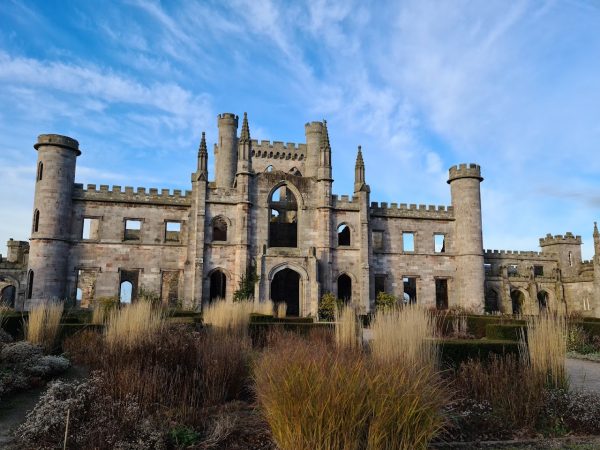 4 mi
4 mi
Lowther Castle & Gardens
Penrith · ⭐ 4.3
 4 mi
4 mi
Penrith Leisure Centre
Penrith · ⭐ 4.0
 4 mi
4 mi
Greystoke and District Outdoor Pool
Penrith · ⭐ 4.8
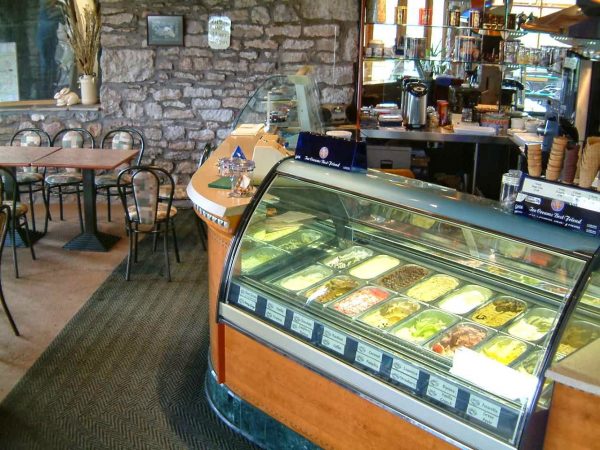 4 mi
4 mi
Abbott Lodge
Penrith · ⭐ 4.7
 5 mi
5 mi
Aira Force
Penrith · ⭐ 4.7
 7 mi
7 mi
Ullswater Steamers
Glenridding · ⭐ 4.7
Camping in Pooley Bridge(4)
All campsites in Pooley Bridge →About camping in Pooley Bridge
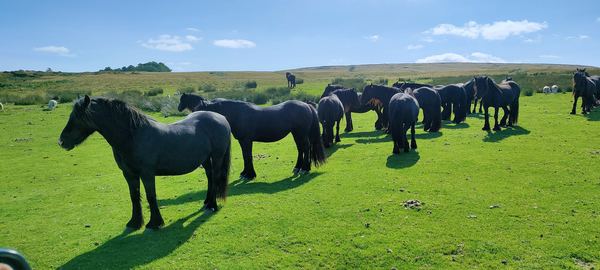
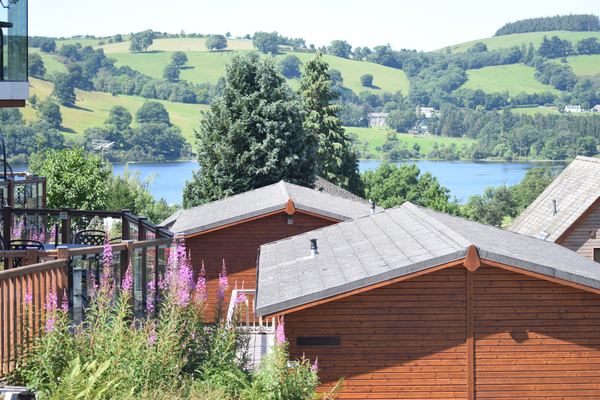
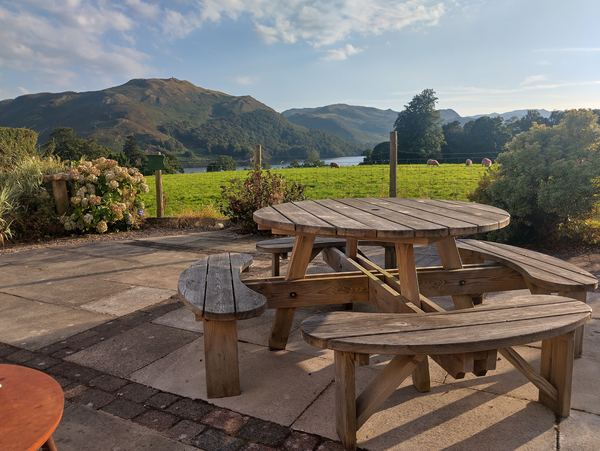
Pooley Bridge and the northern end of Ullswater are well provided for when it comes to camping, with several well-established sites making the most of the flat, sheltered land where the lake meets the River Eamont. As with anywhere in England, wild camping without the landowner's permission is not legal, so it's worth sticking to one of the recognised campsites in the area rather than pitching up on open fell or lakeshore land - the exception being the small, historically tolerated pockets of wild camping permitted on some high fells elsewhere in the Lake District, which do not extend to the low-lying land around Pooley Bridge.
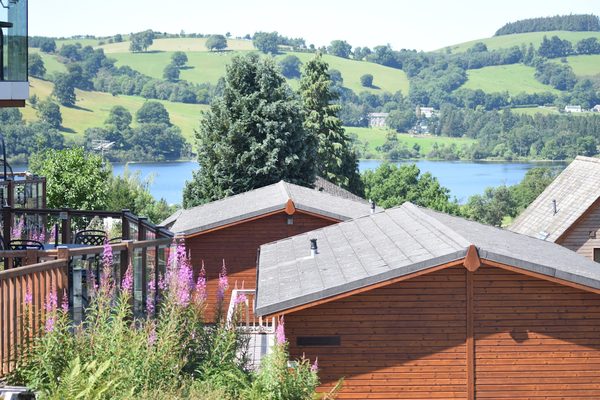
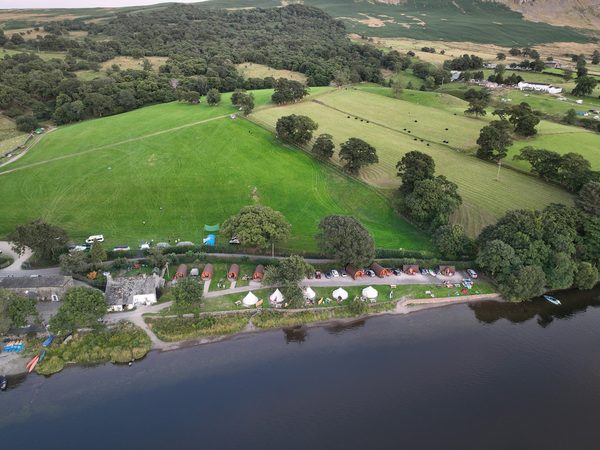
The best-known option is Waterside House, a family-run campsite on a working farm about a mile from the village on Ullswater's northern shore, offering grass and hard-standing pitches for tents, campervans and caravans, several with lake views, alongside glamping tipis, rowing boat and kayak hire, and direct access to the water for paddling or swimming. Its position at the foot of Barton Fell also makes it a good base for walking and mountain biking. Other farm sites and small caravan parks are dotted around the wider Eden Valley and along the lake's northern and eastern shores, generally quieter and more basic than the larger holiday parks found further south around Ullswater.
Terrain around Pooley Bridge is gentler than much of the central Lake District - rolling farmland and low fells rather than high crags - which makes it a comfortable spot for families and less experienced campers, while still giving easy access to tougher walking on Hallin Fell, the Helvellyn range and beyond. The camping season here runs broadly from Easter to the end of October, with July and August the busiest and best for warm-water swimming and paddleboarding, while spring and early autumn offer quieter pitches, cooler nights and often clearer views across the lake. Given the region's reputation for changeable weather, it pays to come prepared for rain whatever the season, and to book ahead for peak weekends.
Self-Catering Cottages in Pooley Bridge
All cottages in Pooley Bridge →Holly House
5 bed · sleeps 10 · from £1,226
Yew Tree
1 bed · sleeps 2 · from £768
Fell Croft
3 bed · sleeps 6 · from £487
The Nook Pooley Bridge
2 bed · sleeps 4 · from £591
Dunmallet
3 bed · sleeps 6 · from £1,634
Windy Nook
2 bed · sleeps 4 · from £493
Finkle Cottage
3 bed · sleeps 6 · from £641
Quince Tree
3 bed · sleeps 6 · from £1,284
Common questions about Pooley Bridge
How many campsites are there in Pooley Bridge?
We list 4 campsites in and around Pooley Bridge, of which 4 take tents and 1 offer glamping.
Are there dog-friendly campsites in Pooley Bridge?
Yes — 2 of the 4 campsites we list in Pooley Bridge accept dogs, including Waterside Farm Campsite and Park Foot Holiday Park.
Which campsites in Pooley Bridge have electric hook-up?
2 of the 4 campsites we list in Pooley Bridge offer an electric hook-up.
Where can I stay in Pooley Bridge?
We list 4 hotels, B&Bs and guest houses in and around Pooley Bridge.