Penrith
Cumbria's crossroads town, with Ullswater and the high fells on its doorstep
Penrith doesn't try to be the Lake District – it's the town you pass through, stock up in, or base yourself in on the way to it. Built from the same pink-red sandstone as its ruined 14th-century castle, it sits just off Junction 40 of the M6 in the Eden Valley, a gentler, greener landscape than the crags further west, with the Pennines rising to the east and Ullswater and the high fells only a short drive south. That position has made it a market town for centuries, and it still feels like one: a Tuesday and Saturday market, independent shops around the pedestrian core, and a working high street rather than a tourist strip.
What sets Penrith apart from the honeypot villages of Windermere or Ambleside is that it's a real town first and a gateway second. There's a Georgian and Victorian streetscape, a genuinely useful railway station on the West Coast Main Line, and none of the summer gridlock that clogs the central lakes. From here you can reach Ullswater in fifteen minutes, Dalemain's historic gardens in ten, and the restored Lowther Castle in a similarly short hop, while the town itself keeps its own identity rather than existing purely to service day-trippers.
It's also a genuine crossroads: the A66 heads west towards Keswick and the northern lakes, the A6 threads south through the Eden Valley, and the old drove roads and packhorse routes that once brought Scottish cattle south still show up as footpaths and bridleways across the surrounding fells. That mix of practicality and proximity to genuine wilderness is Penrith's real appeal.
Getting to Penrith
Penrith sits directly on the West Coast Main Line, and Avanti West Coast runs around four direct trains a day from London Euston, with a journey time of roughly two and a half hours. TransPennine Express connects Penrith to Manchester Piccadilly and Manchester Airport, with a typical journey of around ninety minutes and services running from before 6am to late evening on weekdays. Northern and CrossCountry services also call, giving reasonably frequent links north to Carlisle and south towards Oxenholme and Lancaster.
By road, Penrith is built around Junction 40 of the M6, making it one of the most accessible Lake District towns for drivers: the A66 runs west from the same junction towards Keswick and the central lakes, while the A6 heads south through the Eden Valley towards Shap and Kendal. It's a straightforward run of around three hours from Birmingham and four from London on the motorway network, and the town's position right on the interchange means you're parked up within minutes of leaving the M6, rather than facing the narrow lanes that slow the approach to Windermere or Keswick.
The nearest airports are Newcastle and Manchester, both roughly ninety minutes to two hours by car, with Manchester also reachable by direct train. Carlisle Lake District Airport offers a handful of seasonal routes but isn't a realistic option for most visitors.
Parking in the town centre is manageable rather than scarce: there are pay-and-display car parks dotted around the centre, supermarket parking for shoppers, and free on-street disc parking in some zones outside an 8am–6pm window. Unlike Bowness or Ambleside in August, Penrith rarely feels overwhelmed by traffic, though the roundabouts at Junction 40 itself can back up on Friday evenings and bank holiday Saturdays as lakes-bound traffic funnels through.
Best time to visit Penrith
Spring (April–May) is arguably the best window: Aira Force and the wider Ullswater shoreline are at their best with daffodils and bluebells, Dalemain's marmalade festival runs in late February into March, and the fells are green without the midsummer crowds. Weather is unpredictable but the light is often spectacular after rain.
Summer (June–August) brings the busiest roads and fullest car parks around Ullswater and the more famous lakes further west, though Penrith town itself, away from the honeypots, stays comparatively calm. This is peak season for the Ullswater Steamers and for walking the higher fells, with long daylight hours making it possible to combine a lake cruise with an afternoon climb.
Autumn (September–October) is a quieter, increasingly popular choice: bracken turns copper across the fells, Ullswater's reflections are at their most photogenic on still mornings, and accommodation prices ease back from summer peaks while the weather often holds reasonably well into early October.
Winter (November–March) is genuinely cold and can bring snow to the higher ground and ice on the fell paths, but it's also when Penrith feels most like itself: a working market town with log fires in its pubs, low visitor numbers, and dramatic short-lived light over Ullswater on clear days. Some seasonal attractions and cafes reduce their hours or close, so it's worth checking ahead.
Where to stay in Penrith(54)
All hotels in Penrith →About staying in Penrith
Where to base yourself around Penrith depends mostly on whether you want convenience or scenery. The town centre itself is the practical choice: a short walk from the station, close to the M6, with a decent spread of B&Bs and small hotels and none of the parking stress of the more famous lakeside towns. It suits anyone touring by car or train who wants a comfortable, well-connected base rather than a lakeside view, and it's consistently better value than Windermere, Keswick or Ambleside for a similar standard of room.
If lake views and immediate access to walking trails matter more than convenience, Glenridding and Pooley Bridge on Ullswater are the obvious alternative, though rooms here are pricier and considerably scarcer, particularly for July, August and any bank holiday weekend – booking two to three months ahead is sensible for peak season, while a couple of weeks' notice usually suffices outside it. Families are often better served by the holiday parks and lodge sites scattered around Penrith's edges and towards Ullswater, which combine self-catering flexibility with playgrounds and on-site facilities, useful when travelling with young children or dogs.
Expect double rooms in and around Penrith from roughly £80–£120 a night outside peak season, rising notably through summer and around events like Dalemain's marmalade festival or any bank holiday. Rural B&Bs scattered through the Eden Valley villages tend to undercut both the town and the lakeside options, though they generally require a car to reach anything beyond the immediate village.
Practical considerations worth checking before booking: many Penrith-area hotels and B&Bs are dog-friendly, reflecting the area's walking culture, but policies and extra charges vary, so confirm directly. Parking is rarely an issue in the town itself but can be tight or chargeable at popular Ullswater guesthouses in peak season, and given the region's rainfall, it's worth asking whether a property offers proper boot-drying or storage space if you're planning to walk the fells.
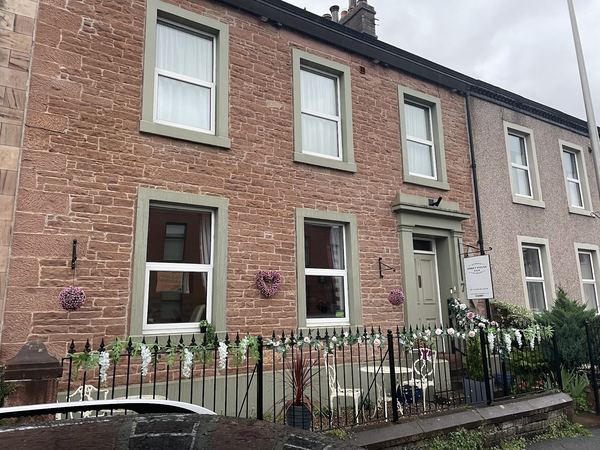
Abbey House B&B
Victoria Road, Penrith
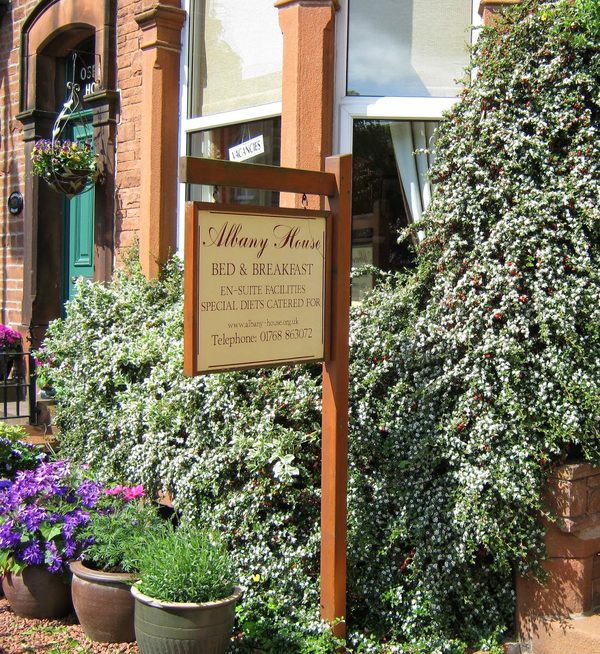
Albany House
5 Portland Place, Penrith
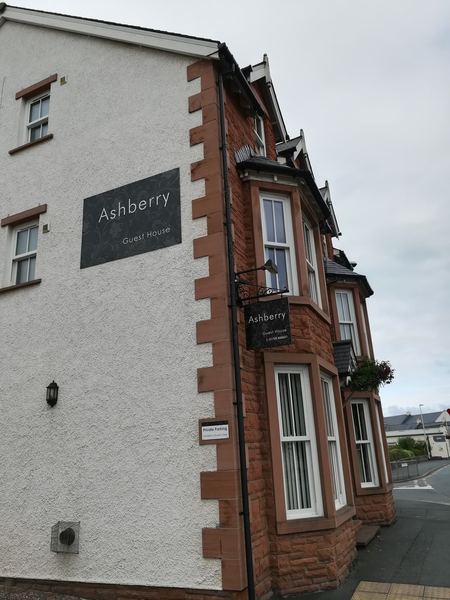
Ashberry Guest House
Victoria Road, Penrith
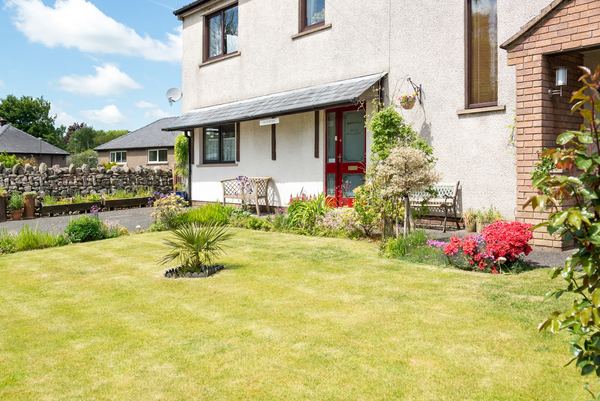
B&B Meadow View
Tirril, Penrith
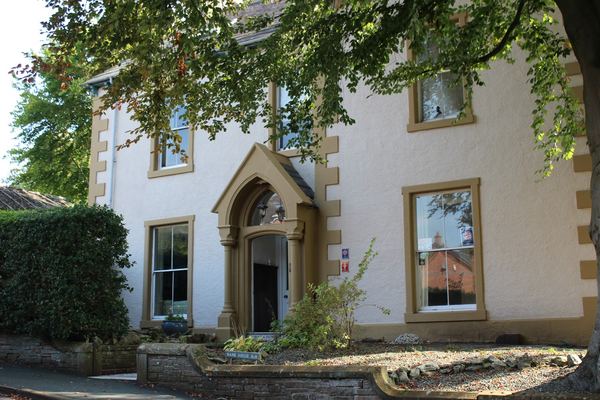
Bank House Bed and Breakfast
Graham Street, Penrith
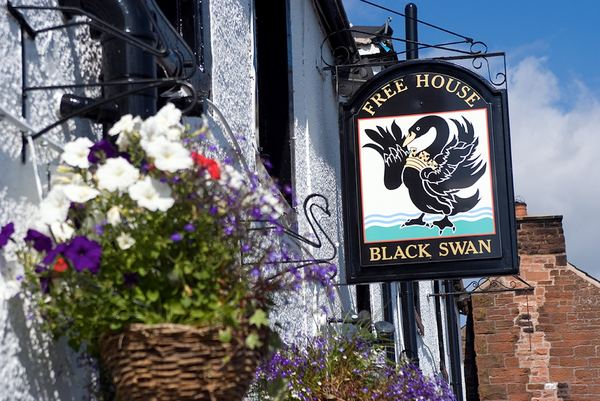
Black Swan
Culgaith, Penrith
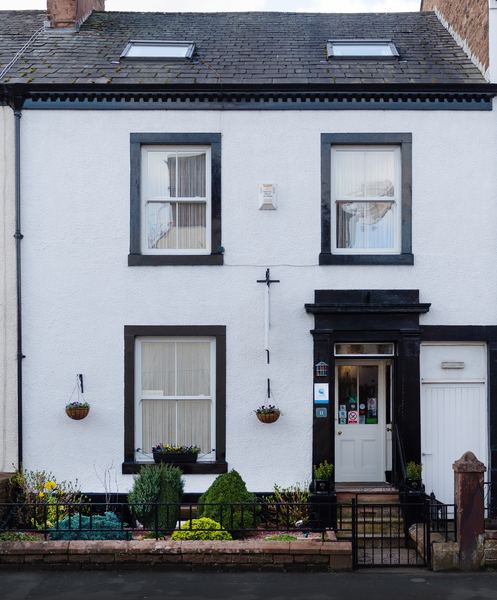
Blue Swallow
11 Victoria Road, Penrith
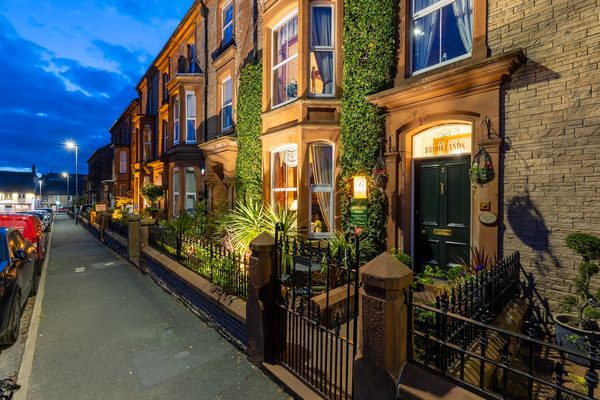
Brooklands Guest House
2 Portland Place, Penrith
Things to Do in Penrith(12)
All attractions in Penrith →Top things to do in Penrith
Penrith itself has more to detain you than its reputation as a mere services stop suggests, and the surrounding Eden Valley and Ullswater add substantially more within a short drive.
- Penrith Castle — the ruined 14th-century castle built for the Neville family and later strengthened under Richard III sits in its own public park right by the railway station, with walls still standing to their original height in places and free access to wander the grounds.
- Rheged Centre — a striking grass-roofed visitor centre built into a former quarry just off Junction 40, with a giant-screen cinema, changing exhibitions, an indoor climbing area, local food shops and cafes; a good wet-weather option and a genuine piece of contemporary Cumbrian architecture.
- Ullswater and the Ullswater Steamers — England's self-proclaimed most beautiful lake, a fifteen-minute drive from town, with steamers that have sailed since 1859 linking Glenridding, Howtown and Pooley Bridge; hop off at Howtown and walk the lakeshore path back to Glenridding for one of the classic half-day Lake District walks.
- Aira Force — a 20-metre waterfall on the Ullswater shore, reached via a short National Trust woodland walk, and the spot said to have inspired Wordsworth's "Daffodils"; arrive early in spring to beat the crowds and the coach parties.
- Dalemain Mansion and Historic Gardens — a part-medieval, part-Georgian country house near Dacre, ten minutes from Penrith, with terraced gardens, a deer park and a tea room known for its marmalade festival each February.
- Lowther Castle and Gardens — a spectacular Regency-era shell, deliberately left as a ruin after decades of dereliction, with restored formal gardens, adventure play areas and open parkland; roughly fifteen minutes south of Penrith and one of Cumbria's more unusual historic attractions.
- Brougham Castle — a well-preserved 13th-century ruin on the banks of the River Eamont just outside town, built on the site of a Roman fort, with a keep you can still climb and far fewer visitors than the better-known lakeland castles.
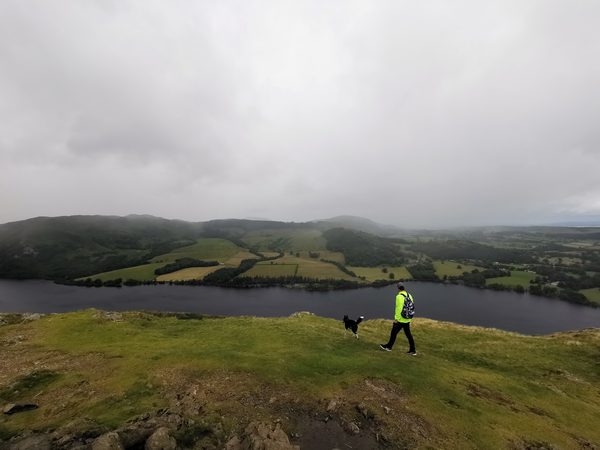
- Hallin Fell and Penrith Beacon — two contrasting short climbs: Hallin Fell above Howtown is a steep 45-minute pull rewarded with a full panorama over Ullswater, while Penrith Beacon on Beacon Hill, a gentler walk from the town centre, gives sweeping views back across the Eden Valley.
- The C2C cycle route — Penrith is a designated staging point on the Sea to Sea Cycle Route, the 140-mile coast-to-coast trail linking the Irish Sea to the North Sea across the Lake District and North Pennines, and a good starting point for shorter loops into the fells.


Where to Eat in Penrith(106)
All restaurants in Penrith →Food and drink in Penrith
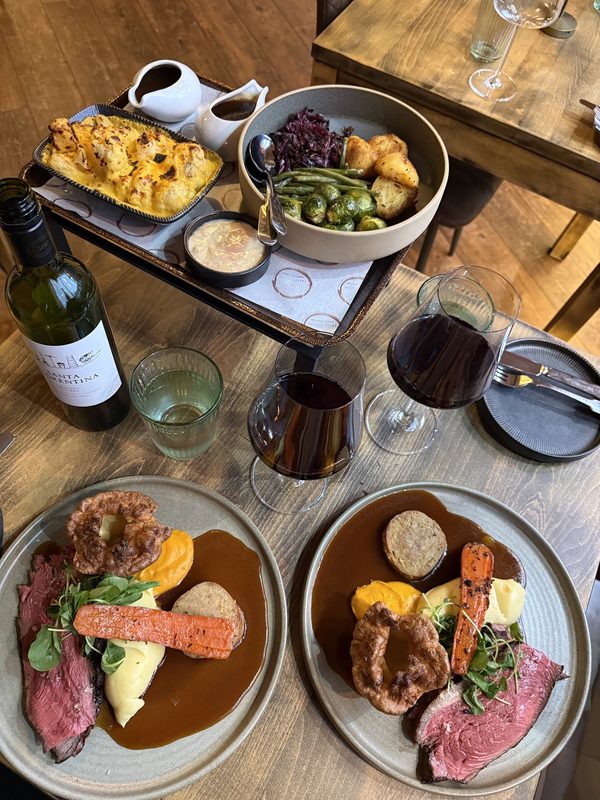
Penrith's food scene reflects its farming hinterland rather than a lakes tourist trade: expect proper Cumbrian ingredients – Herdwick lamb, Cumberland sausage, local cheeses and Morecambe Bay shrimps – rather than a purely seasonal offer. The town's Farmers' Market runs on the third Tuesday of the month from March to December, with stallholders selling meat, cheese, bread and preserves direct from Eden Valley farms, alongside the regular Tuesday and Saturday general market in the town centre.
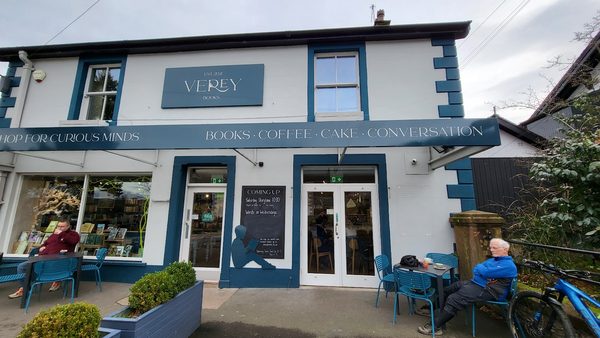
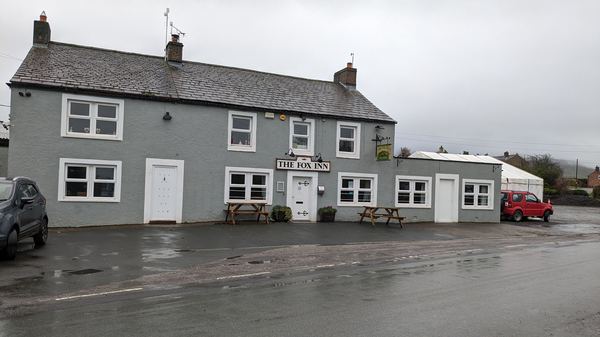
The George Hotel and several long-standing pubs around the town centre serve solid, unfussy Cumbrian pub food, while independent cafes and tea rooms cluster around Devonshire Street and the market square. Rheged, just outside town, has a food hall stocking Cumbrian producers alongside its cafe, useful for picking up local cheese, chutneys and baked goods to take away. Dalemain's tea room is well known locally for its marmalade, tied to the house's annual marmalade festival, and is worth the short drive out even outside festival dates.
For a proper pint, the Eden Valley and fells around Penrith have a handful of small breweries and the town's pubs generally carry a decent range of Cumbrian cask ales rather than mass-market lager. It's not a food-tourism destination in the way Cornwall or the Cotswolds have become, but what's on offer is honest, locally sourced and reasonably priced compared with the more heavily visited lakeside towns.

Attractions Near Penrith
All attractions in Penrith →Worth the trip — within 50 miles of Penrith.
 11 mi
11 mi
Hunt Fun Appleby in Westmorland
Appleby-in-Westmorland · ⭐ 4.8
 11 mi
11 mi
Ullswater Steamers
Glenridding · ⭐ 4.7
 12 mi
12 mi
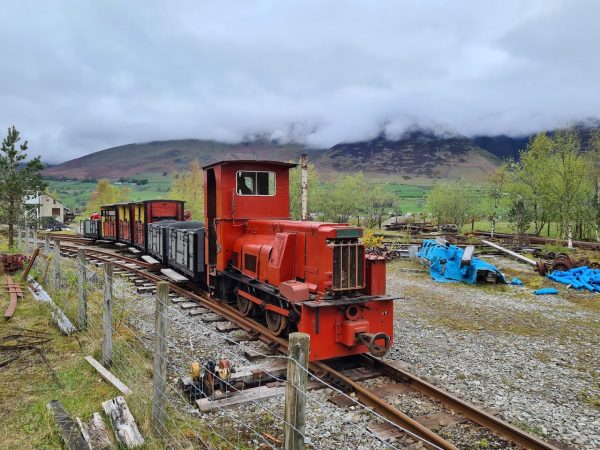
Threlkeld Quarry and Mining Museum
Keswick · ⭐ 4.6
 14 mi
14 mi
King Kong Climbing Centre
Keswick · ⭐ 4.6
 14 mi
14 mi
Keswick Climbing Wall
Keswick · ⭐ 4.6
 16 mi
16 mi
Fitz Park BMX Track and Playground
Keswick · ⭐ 4.9
 16 mi
16 mi
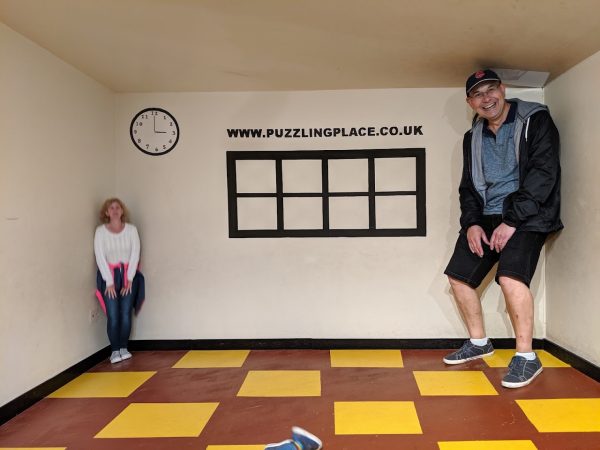
The Puzzling Place
Keswick · ⭐ 4.4
 16 mi
16 mi
Derwent Pencil Museum
Keswick · ⭐ 4.4
Camping in Penrith(34)
All campsites in Penrith →About camping in Penrith
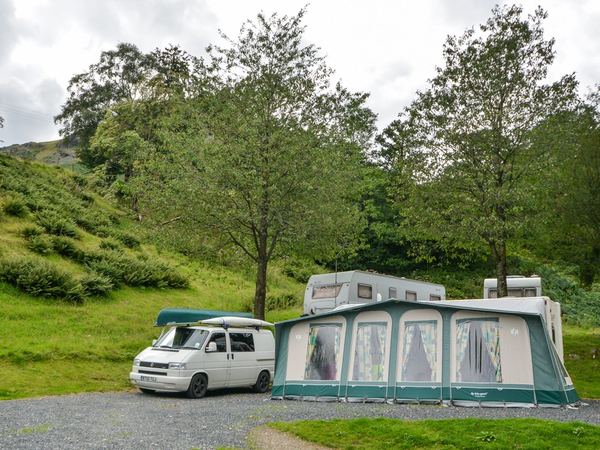
Camping around Penrith means fell-and-valley terrain rather than coastal exposure: expect grassy, often gently sloping pitches in the Eden Valley and around the lower reaches of Ullswater, giving way to steeper, rockier ground the further you head into the fells proper. Ground can stay damp well into late spring after a wet Cumbrian winter, so a groundsheet and a pitch with reasonable drainage matter more here than they might further south. Established sites around Penrith and towards Ullswater – places like the holiday parks near the River Lowther – tend to offer a mix of hardstanding, grass touring pitches and tent areas, which is worth checking before you arrive if you're relying on level, well-drained ground.
Weather is the defining variable. Cumbria receives significantly more rainfall than most of England, and the Lake District's fells generate their own microclimate, so a fine forecast in Penrith town doesn't guarantee dry conditions on Ullswater's shores or up on the higher ground. Layered kit, a genuinely waterproof tent, and flexibility around your plans pay off more here than almost anywhere else in England. That said, when the weather does hold, the combination of lake, fell and valley scenery makes for some of the best camping settings in the country.
As with anywhere in England, wild camping is not a legal right and requires the landowner's permission – this is one of the most commonly misunderstood points for visitors arriving from Scotland, where the right to roam extends to responsible wild camping. The Lake District has some informal high-fell tolerance in specific remote spots away from roads and villages, generally for a single night and left spotless, but pitching in valleys, on farmland, or anywhere visible from a road or path without asking first risks a knock on the tent at best. Established campsites remain the reliable, legal option, and there are plenty within a short drive of Penrith around Ullswater, the Eden Valley and towards the Pennines.
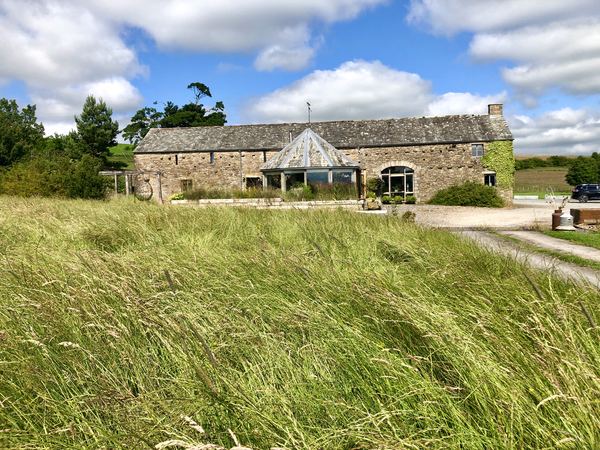
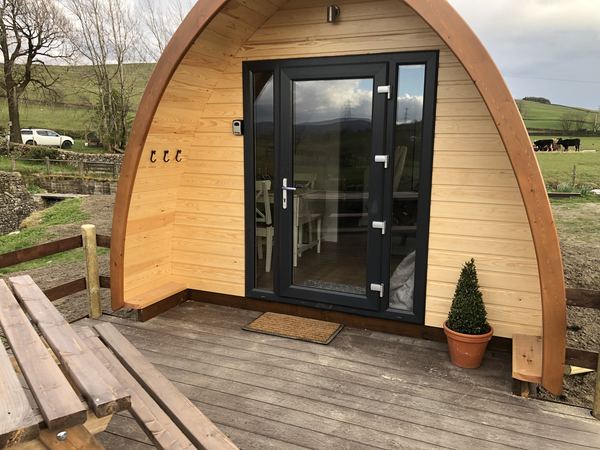
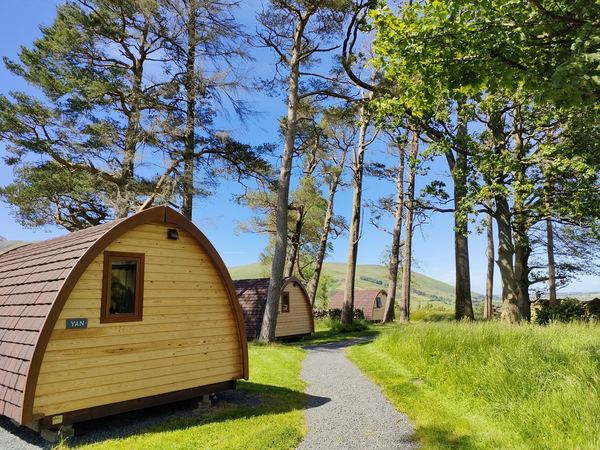
Late spring through early autumn (May to September) is the realistic camping season here; ground conditions, daylight hours and temperatures all favour this window, with June and July typically driest on average, though "typical" in Cumbria still means packing for rain. For those who want the scenery without the risk of a soaked tent, glamping options – pods, yurts and safari tents – have multiplied around Ullswater and the wider Penrith area in recent years, offering a fixed roof and often a wood burner while keeping you close to the lake and fells.
Self-Catering Cottages in Penrith
All cottages in Penrith →Rookery
2 bed · sleeps 3 · from £1,211
Sanygate
2 bed · sleeps 4 · from £1,533
North Lakes Town House
3 bed · sleeps 5 · from £523
Castlegate
3 bed · sleeps 6 · from £497
Coppice View
4 bed · sleeps 8 · from £1,284
Blue Cherry Cottage
3 bed · sleeps 5 · from £691
Clementi Novena Retreats - Clementi
1 bed · sleeps 2 · from £357
Clementi Novena Retreats - Novena
1 bed · sleeps 2 · from £403
Common questions about Penrith
How many campsites are there in Penrith?
We list 34 campsites in and around Penrith, of which 29 take tents and 19 offer glamping.
Are there dog-friendly campsites in Penrith?
Yes — 17 of the 34 campsites we list in Penrith accept dogs, including Bank House Farm and Near Howe Certificated Location.
Which campsites in Penrith have electric hook-up?
17 of the 34 campsites we list in Penrith offer an electric hook-up.
Where can I stay in Penrith?
We list 54 hotels, B&Bs and guest houses in and around Penrith.
What is there to do in Penrith?
We list 12 attractions and things to do in and around Penrith.
Where can I eat in Penrith?
We list 106 restaurants, pubs and cafes in and around Penrith.