Winster
A lead-mining village frozen in Peak District limestone
Photo © Claire Hallam, Google Maps
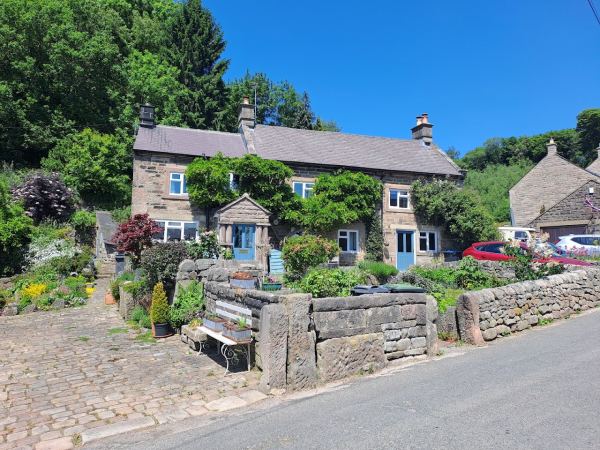
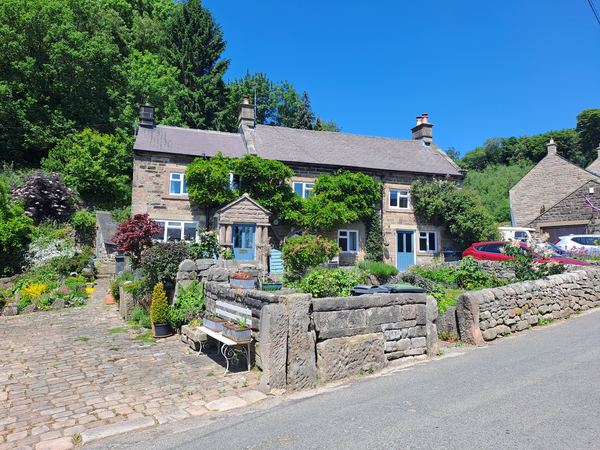
Winster sits five miles west of Matlock in the heart of the Derbyshire Peak District, a long, narrow village of reddish-brown limestone houses strung along one main street between the hills. It first appears in the Domesday Book of 1086 as 'Winsterne', and grew up where an ancient trade route called The Portway crossed other pack-horse roads heading into the White Peak. That accident of geography brought traffic and, eventually, wealth.
The wealth came from lead. Romans worked the deposits nearby, but it was the 18th-century mining boom that transformed Winster into one of Derbyshire's busiest and most prosperous towns, with a population that peaked above 2,000 people crammed into a settlement that today numbers around 650. Flooding shut the richest workings down in stages through the 19th century, the last mine closing in 1938, and Winster quietly shrank back into the hillside. What it kept was the housing stock: 69 listed buildings packed into a compact parish, giving the village a density of good architecture well out of proportion to its size.
Getting to Winster
Winster lies just off the B5056 between Matlock and Bakewell/Ashbourne, in the Derbyshire Dales. By car it is around 20 minutes from Matlock, 20 minutes from Bakewell, and roughly an hour and a quarter from Sheffield or Derby. The nearest mainline railway stations are at Matlock and Cromford on the Derwent Valley Line from Derby, from where a taxi or occasional bus service covers the remaining few miles. There is no direct rail link into the village itself, and public transport by bus is limited, so most visitors arrive by car; parking in the village is on-street and can be tight during summer weekends.
Best time to visit Winster
Late spring through early autumn (May to September) gives the most reliable weather for walking the surrounding dales and exploring on foot, with long daylight hours useful for reaching outlying footpaths. Winster's Pancake Race in February/March (Shrove Tuesday) is worth timing a visit around if you want to see village tradition in action, though the village itself is quiet outside that one afternoon. Autumn brings good colour to the wooded dales nearby, while winter can be atmospheric but many rural footpaths get muddy and some seasonal attractions in neighbouring towns close or reduce hours.
Where to stay in Winster
All hotels in Winster →About staying in Winster
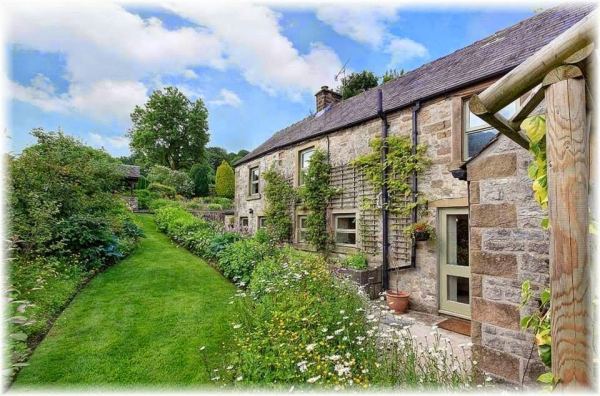
Winster itself has no hotels in the conventional sense, which is part of its appeal for visitors wanting to get away from busier Peak District towns. What accommodation exists in the village comes as self-catering cottages, several converted from the reddish limestone miners' and merchants' houses that line the main street, along with occasional rooms above one of the two village pubs. These suit couples or small groups looking for a genuinely quiet base surrounded by walking country, rather than travellers wanting restaurant choice or leisure facilities on the doorstep.
For a wider range of hotels and guest houses, Matlock and Matlock Bath are around 20 minutes away by car and offer everything from budget stays to Victorian hydro hotels overlooking the Derwent Valley, plus the Heights of Abraham cable cars as an added attraction. Bakewell, a similar distance in the other direction, has a good spread of coaching inns and boutique hotels alongside its famous pudding shops, and makes a practical touring base for Chatsworth House and the wider White Peak. Ashbourne, to the south, offers a further cluster of options including some well-regarded country house hotels.
Wherever you base yourself, Winster works well as a half-day stop or a short stay in its own right: expect narrow lanes, limited on-street parking, and an emphasis on walking rather than driving between sights once you arrive.
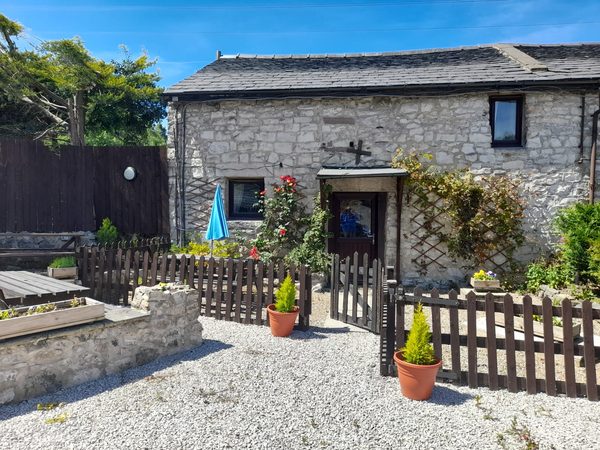
Hollybush Inn
Hollybush Inn, Matlock
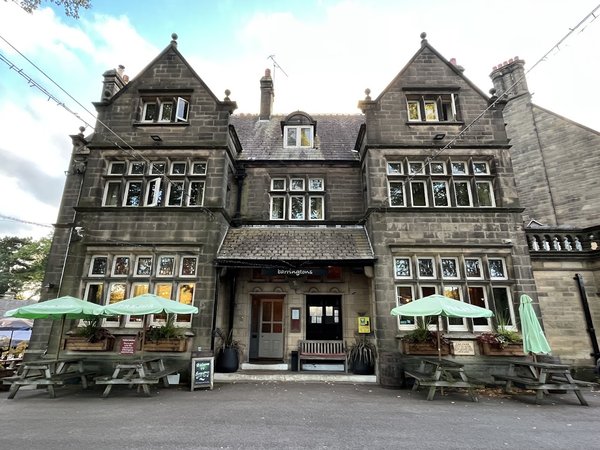
Barringtons
Station Road, Matlock
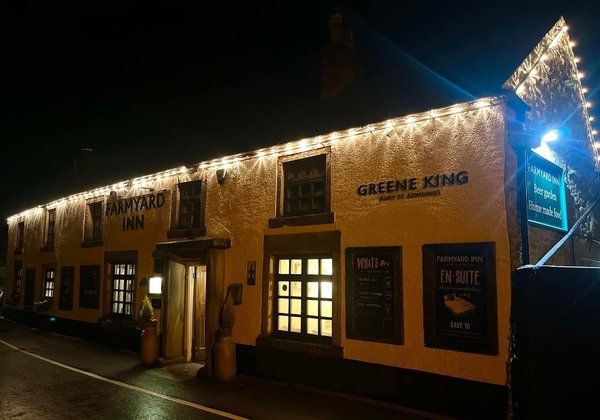
The Farmyard Inn
Main Street, Bakewell
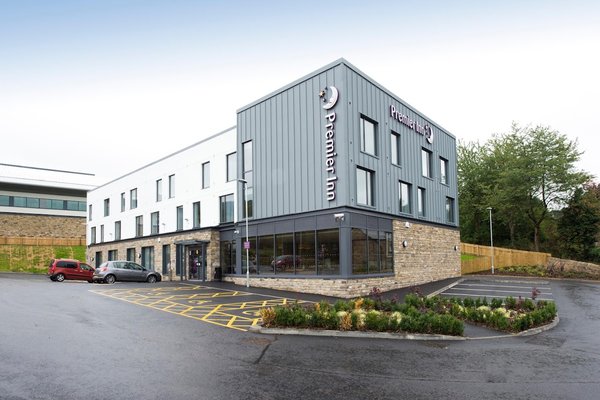
Premier Inn Matlock
Bakewell Road, Matlock
Pig of Lead - B&B
Via Gellia Road, Matlock
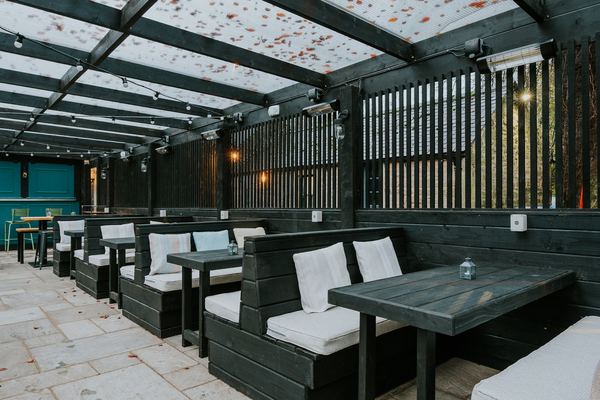 7.8
7.8
Grouse & Claret
Rowsley, on the A6, four miles from Matlock Bath
from £75/night
Sycamore Cottage
Bakewell Road, Matlock
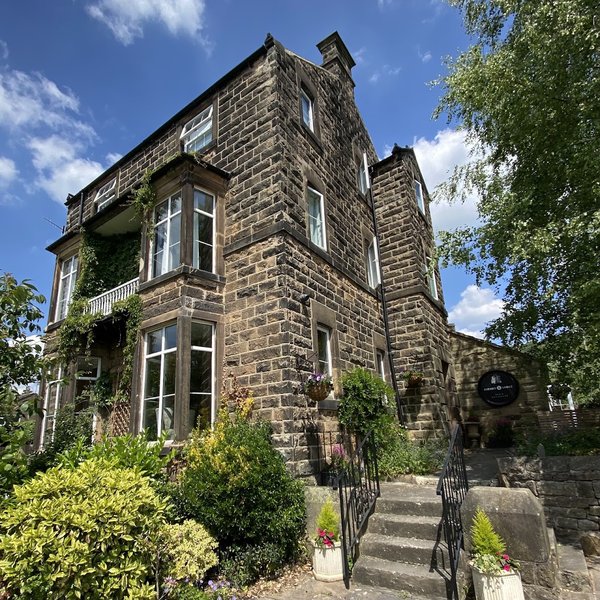
Sheriff Lodge
51 Dimple Road, Matlock
Things to Do in Winster
All attractions in Winster →Top things to do in Winster
Winster rewards slow exploration on foot more than any single big attraction, but there is real substance here for a short stay.
- Winster Market House — A 17th-century brick market hall on the main street, notable as the National Trust's first acquisition in the Peak District, bought for £50 in 1906. The upper floor holds a small exhibition on the village's history and a scale model of Winster as it once was.
- Peak District National Park — Winster sits inside the White Peak, the gentler limestone half of the national park, with dry-stone-walled fields, dales and disused quarries within easy walking distance.
- Lead-mining heritage trail — Old shafts, hillocks and the remains of ore-processing sites, including a well-preserved ore house, survive around Islington Lane near the site of the former Portway Mine.
- Winster Pancake Race — Held every Shrove Tuesday along the main street from the Dower House to the Market House, a village tradition dating back to the Second World War that now draws a genuine local crowd.
- The Dower House and Winster Hall — Grand survivors from the village's mining-boom heyday, standing among the terraces of miners' cottages as a reminder of how much money once passed through here.
- Matlock and Matlock Bath — A short drive east brings you to the Heights of Abraham cable cars and the Derwent Valley gorge scenery of Matlock Bath.
- Bakewell — Roughly seven miles away, home of the Bakewell pudding, a busy market town and a good base for exploring Chatsworth and the wider Peak District.
- Elton and Youlgreave walks — Neighbouring villages linked by public footpaths across typical White Peak farmland, good for a half-day circular walk starting from Winster itself.
Where to Eat in Winster
All restaurants in Winster →Food and drink in Winster
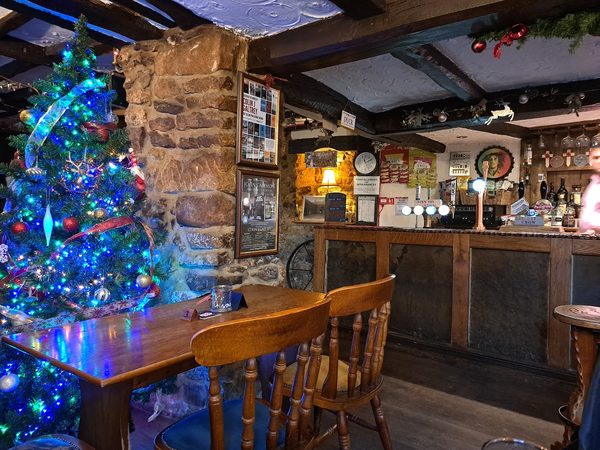
Winster has two historic pubs serving as the village's social hub. The Miners Standard, a 17th-century building on Bank Top believed to have started life as a farmhouse around 1653, serves real ales and a home-cooked menu including Sunday lunch, with wood-burning stoves and a genuinely old interior. The Old Bowling Green, dating back to 1472 and run as a traditional free house, sits at the other end of the village and offers a similarly traditional pub experience. Beyond the village, Matlock and Bakewell both have a broader spread of cafes, restaurants and, in Bakewell's case, the bakeries competing over the town's famous pudding.
What's For Catering at HJ Enthoven
⭐ 4.3
Peak Rail Catering Activities
⭐ 4.6
Barringtons
⭐ 4.4
Shalimar Indian Restaurant
⭐ 4.8
Bonsall Luncheon Club
⭐ 5.0
The Ginger Nut Shop & Tea Rooms
⭐ 4.7
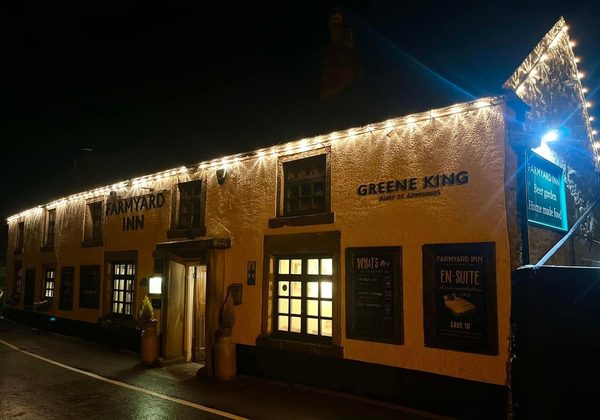
Rivendale Lodge Retreat
⭐ 4.6
McDonald's
⭐ 3.9
Attractions Near Winster
All attractions in Winster →Worth the trip — within 50 miles of Winster.
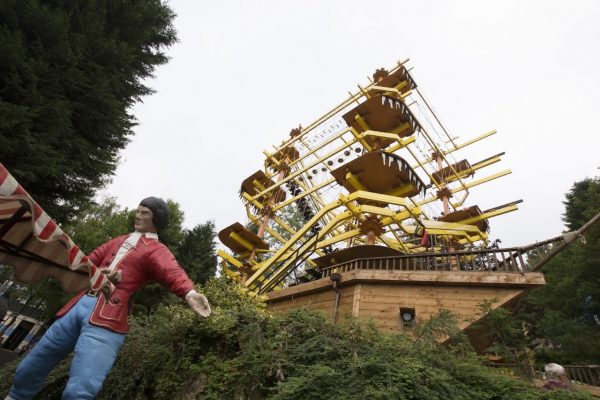 1 mi
1 mi
Gulliver's Kingdom
Matlock Bath · ⭐ 4.7
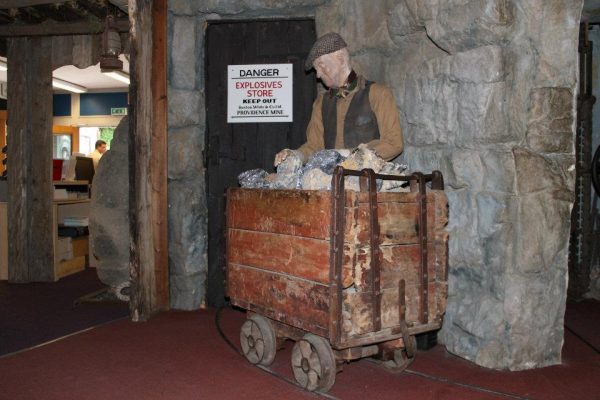 2 mi
2 mi
Peak District Lead Mining Museum
Matlock · ⭐ 4.6
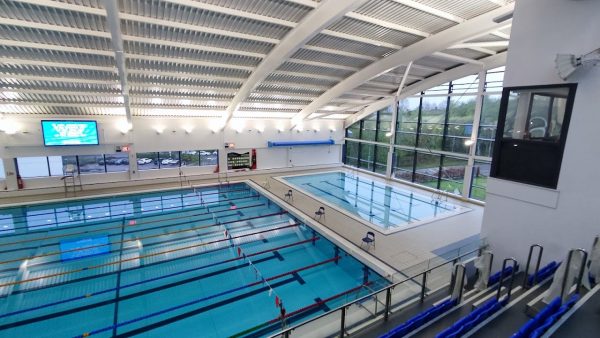 3 mi
3 mi
Arc Leisure
Matlock · ⭐ 4.2
The Play Mill
Bonsall · ⭐ 4.5
Peak Rail
Matlock · ⭐ 4.4
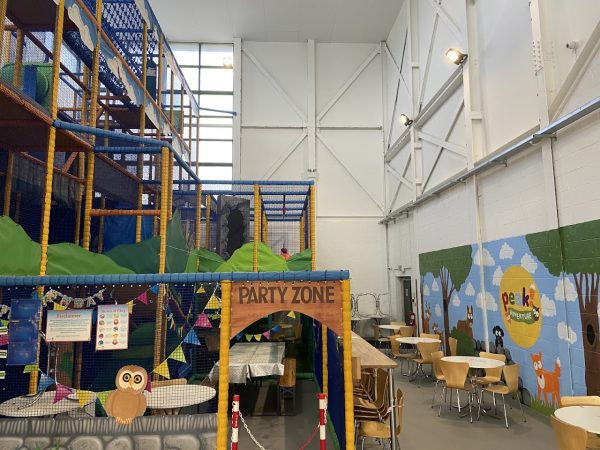 4 mi
4 mi
Peak Adventure
Rowsley · ⭐ 4.4
 4 mi
4 mi
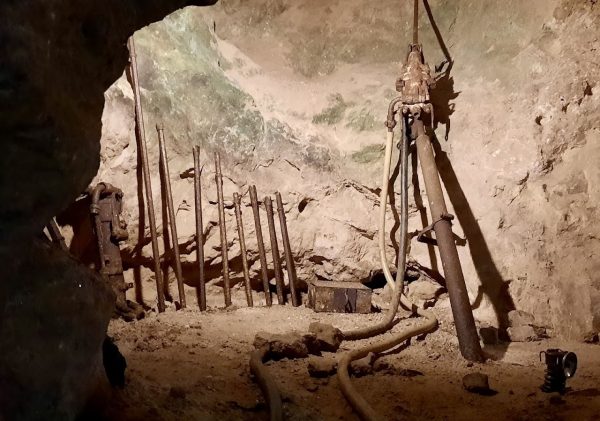
Temple Mine
Matlock Bath · ⭐ 4.9
 4 mi
4 mi
Matlock Bath Aquarium
Matlock Bath · ⭐ 4.3
Camping in Winster
All campsites in Winster →About camping in Winster
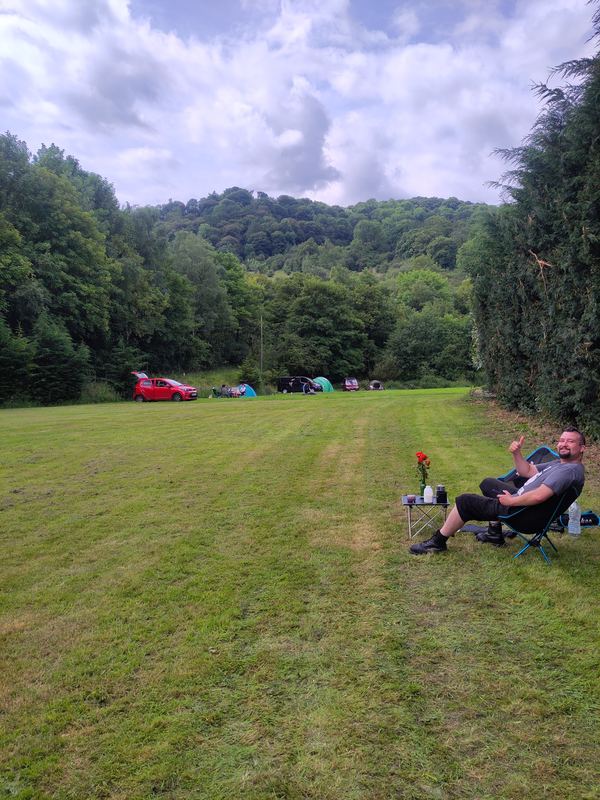
Winster sits in the White Peak, the gentler, greener half of the Peak District National Park, where limestone dales and dry-stone-walled fields make for some of the most approachable camping and glamping country in the region. As with everywhere else in England, wild camping without the landowner's permission is illegal, so pitch only at a recognised campsite or with explicit agreement from whoever owns the land; the Peak District's popularity means informal camping is actively discouraged and can result in a fine.
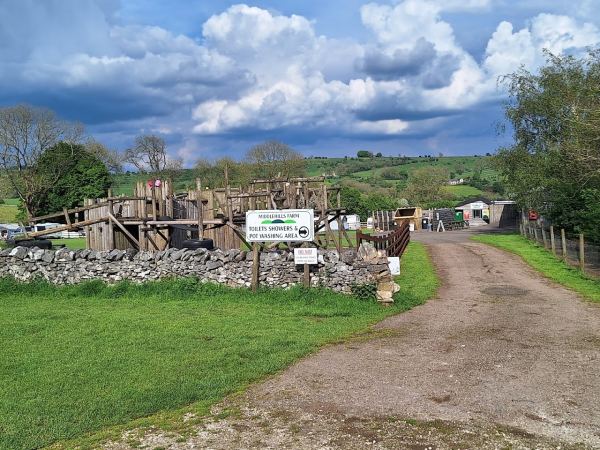
The terrain around Winster is a mix of exposed hilltop fields and more sheltered valley pitches lower down towards the Derwent, so it is worth checking a site's elevation and aspect before booking if you want shelter from Peak District weather, which can turn quickly even in summer. Campsites in the surrounding villages tend to be small, family-run affairs rather than large holiday parks, often on working farms, which suits visitors after a quieter, more rural experience than the bigger sites nearer Matlock Bath or the honeypot villages further into the park.
The best camping season runs from late spring to early autumn, broadly May to September, when day-time temperatures are mild enough for evenings outdoors and the ground is drier underfoot; the White Peak's limestone soil drains reasonably well but paths and pitches can still get heavy after prolonged rain. Outside those months, nights turn cold quickly at this altitude and many smaller sites close for the winter altogether, so check opening dates before planning an off-season trip.
Glamping has grown steadily around the Peak District in recent years, and the area near Winster is no exception, with shepherd's huts, safari tents and converted farm buildings offering a warmer alternative to canvas for visitors who still want a rural, off-grid-feeling stay. These tend to book up well ahead of school holidays and the Bank Holiday weekends that bring the heaviest demand across the national park, so early booking is worthwhile if travelling in peak season. Whichever option you choose, Winster's network of footpaths and quiet lanes make it a genuinely good base for walkers looking to explore the dales on foot straight from their tent or pitch.
Self-Catering Cottages in Winster
All cottages in Winster →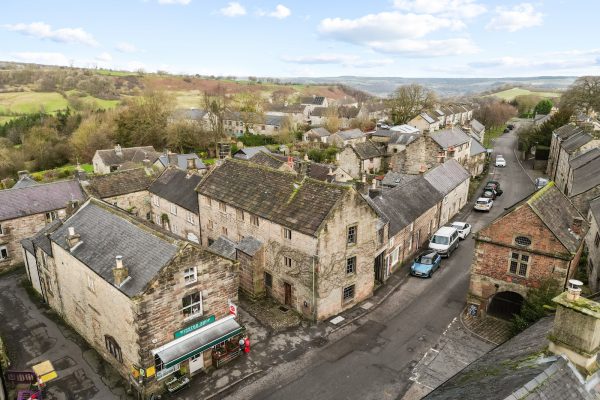
The Old Angel
6 bed · sleeps 18
East Meadow
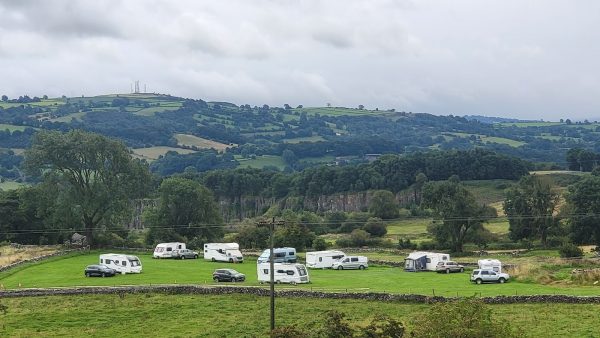
sleeps 4 · from £517

The Lookout Loft
1 bed · sleeps 2
The Stable View
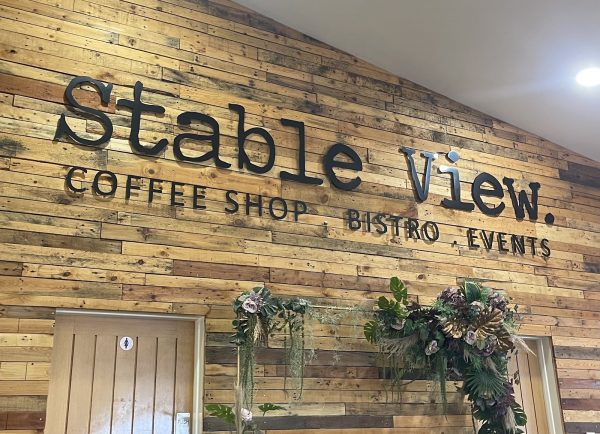
1 bed · sleeps 2
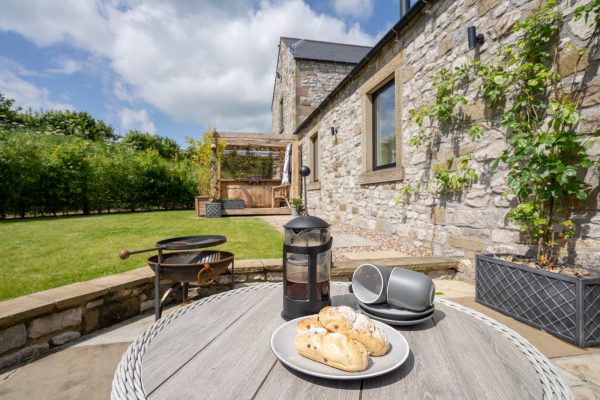
Westhills Courtyard - The Cottage
1 bed · sleeps 2 · from £1,453
Westhills Courtyard - The Loft
1 bed · sleeps 2 · from £1,390
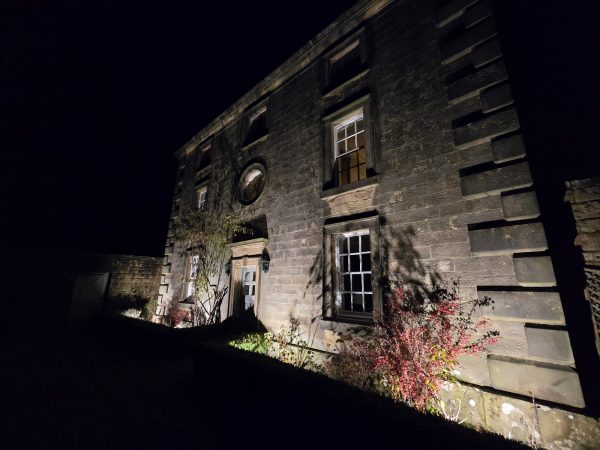
Bradley Hall
4 bed · sleeps 8 · from £1,372
Rock Cottage
2 bed · sleeps 2 · from £547