Brecon Beacons
Big skies, high moorland and waterfall country
Photo © slavomir rapavy, Google Maps
The Brecon Beacons, known officially since 2023 by its Welsh name Bannau Brycheiniog, is a national park covering roughly 520 square miles of mid and south Wales. It stretches from the English border near Hay-on-Wye westward almost to Llandeilo, a long band of high ground squeezed between the industrial valleys to the south and the farmland of Powys to the north. Most visitors arrive from the M4 corridor or the Midlands, and the change is abrupt: within twenty minutes of leaving Merthyr Tydfil or Abergavenny you are on open moorland with sheep on the road and no phone signal.
The park divides into four distinct areas. The Black Mountains in the east are a set of long parallel ridges above narrow valleys, quieter and more pastoral than the rest. The central Beacons contain the famous summits: Pen y Fan at 886m, Corn Du beside it, and Cribyn, all sharing the same flat-topped, steep-sided profile carved from Old Red Sandstone. West of the A470 lies Fforest Fawr, a broad plateau of grassland and limestone that hides the park's waterfalls and caves. Furthest west is the Black Mountain, singular and confusingly named, the emptiest and most demanding ground in the park.
What ties it together is water. Rain falls heavily on these hills and drains south through the Usk, Taff, Neath and Mellte, cutting gorges through limestone and gritstone and producing the concentration of falls that gives Waterfall Country its name. The same rain fills the reservoirs that once supplied Cardiff and Merthyr and now form some of the park's most photographed views. Bannau Brycheiniog was also designated an International Dark Sky Reserve in 2013, and on a clear moonless night the Milky Way is genuinely visible from the car park at Libanus.
Getting to Brecon Beacons
There is no railway station inside the national park, which shapes almost every journey. The two useful railheads are Abergavenny, on the Newport to Hereford line, and Merthyr Tydfil, at the end of a branch from Cardiff. From London Paddington, allow around three and a half hours to Merthyr Tydfil via Cardiff Central, or a little under three hours to Abergavenny via Newport. Cardiff Central to Abergavenny takes about 40 minutes on a direct service, and Cardiff to Merthyr Tydfil roughly an hour.
From the railheads, the T4 and T14 TrawsCymru bus services connect Merthyr Tydfil, Brecon, Abergavenny and Hay-on-Wye, and a summer walkers' service runs to trailheads on the A470. Buses are useful but infrequent outside the main corridors, so check timetables before committing to a car-free trip. Bus stops outside campsites at Pencelli and along the Usk valley are genuinely handy.
By road, the A470 runs north to south through the middle of the park from Merthyr Tydfil to Brecon and is the fastest route from the M4. The A40 runs along the Usk valley from Abergavenny through Crickhowell to Brecon and on to Llandovery, and the A465 Heads of the Valleys road gives access to the southern edge. Driving from London takes roughly three and a half hours in normal traffic. Parking at popular trailheads, particularly Storey Arms and Ystradfellte, fills by mid-morning at weekends and in school holidays; most car parks charge and several are card-only. Cardiff Airport is the nearest airport at about an hour from Brecon, with Bristol around ninety minutes.
Best time to visit Brecon Beacons
Spring is arguably the best season. April and May bring lengthening days, bluebells in the woods around Crickhowell and the Wye valley, lambs on the hillsides and the driest month of the year in a region that is otherwise persistently wet. Waterfalls still run full from winter rain. Hay Festival in late May fills accommodation across the eastern park, so book well ahead if you are travelling then.
Summer brings the warmest weather, with July averaging around 20C, and the longest daylight for big ridge walks. It also brings crowds on Pen y Fan, full campsites and heavy traffic on the A470. Early starts solve most of this. Rivers and lakes are at their most inviting for swimming, though water in the mountain pools stays cold all year.
Autumn is the quiet season and a good one. September often holds settled weather, the beech woods of the Black Mountains turn in October, and the falls run hard again after the first sustained rain. Bracken dies back and colours the hillsides rust brown. Nights lengthen, which suits stargazing under the dark sky reserve.
Winter is cold, wet and short on daylight, but the high tops occasionally hold snow and the ridges above 700m can look genuinely alpine. Conditions turn serious quickly: ice on the summit ridge of Pen y Fan catches out walkers every year. Come prepared, start early, and use the shorter days as an excuse for pubs with fires.
Where to stay in the Brecon Beacons(8)
All hotels in Brecon Beacons →About staying in the Brecon Beacons
Places to stay in the Brecon Beacons range from country house hotels with acres of grounds to town-centre inns handy for the hills. Around Brecon itself, The Coach House and The Castle of Brecon Hotel put you within walking distance of the market town and its cathedral, while Peterstone Court and Nant Ddu Lodge combine spa facilities with easy access to the peaks.
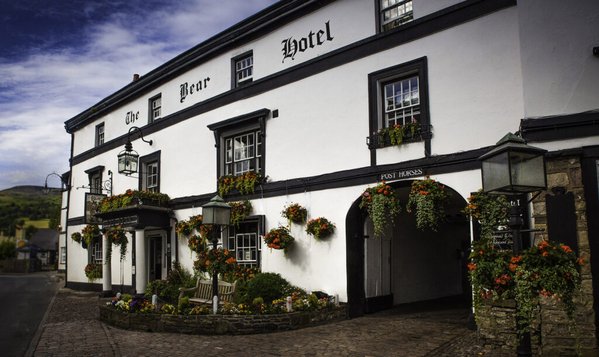
Further out, the Usk valley has some of the grandest options: Gliffaes and Glangrwyney Court sit in mature gardens above the river, and Llangoed Hall offers a more formal country house experience. The Felin Fach Griffin and The Bear Hotel in Crickhowell lean towards the pub-with-rooms style, good for walkers wanting a proper meal and a comfortable bed after a day on the trails. Choice really comes down to whether you want a base near the mountains or one closer to the valley towns.
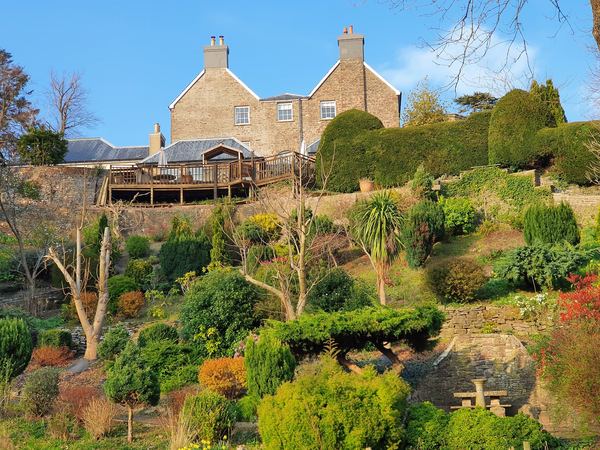 8.8
8.8
Peterstone Court Country House & Spa
Llanhamlach, near Brecon
from £165/night
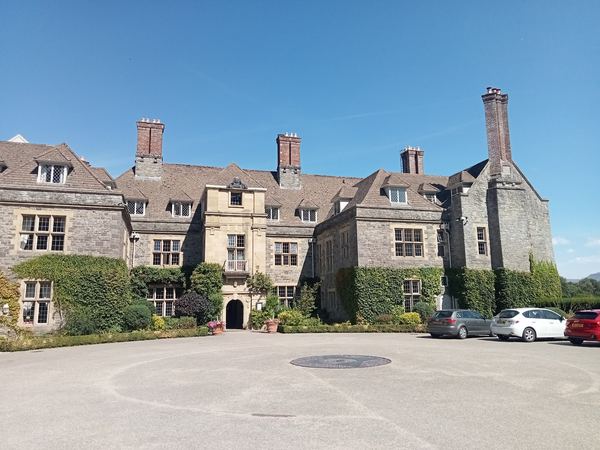 9.1
9.1
Llangoed Hall
Llyswen, near Brecon, Wye Valley
from £265/night
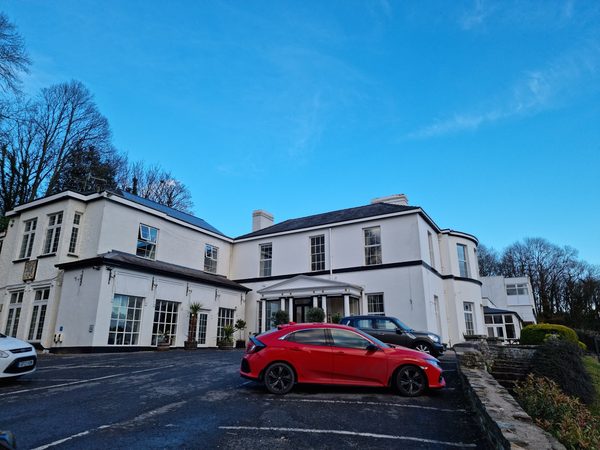 8.8
8.8
Gliffaes Country House Hotel
Near Crickhowell, Usk valley
from £160/night
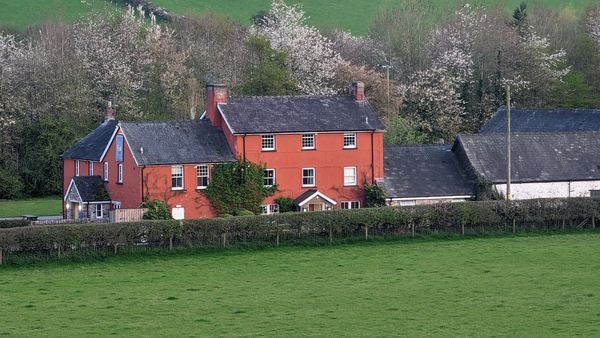 9.0
9.0
The Felin Fach Griffin
Felin Fach, between Brecon and Hay-on-Wye
from £185/night
 8.9
8.9
The Bear Hotel
High Street, Crickhowell
from £132/night
 8.3
8.3
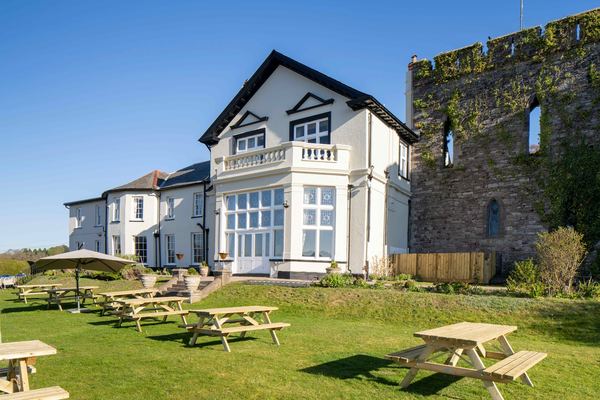
The Castle of Brecon Hotel
Castle Square, Brecon town centre
from £89/night
 8.4
8.4
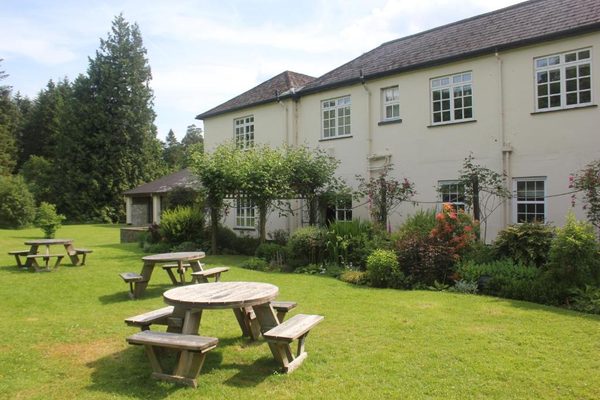
Nant Ddu Lodge Hotel & Spa
Cwm Taf, between Brecon and Merthyr Tydfil
from £110/night
 9.4
9.4
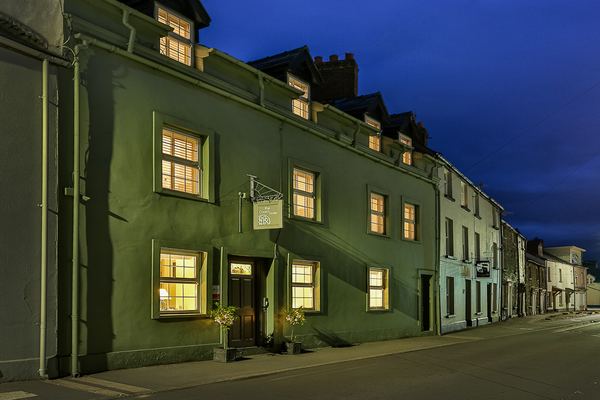
The Coach House Brecon
Orchard Street, Brecon
from £115/night
Things to Do in the Brecon Beacons
All attractions in Brecon Beacons →Top things to do in Brecon Beacons
The park rewards walkers above all, but there is plenty here for people who would rather not spend a day on a ridge.
- Pen y Fan is the highest point in southern Britain and the reason most first-time visitors come. The direct route from the Storey Arms lay-by on the A470 takes about two hours return but is busy year-round; the horseshoe from Cwm Gwdi or the approach from Neuadd reservoirs is longer, harder and far quieter.
- Sgwd yr Eira is the best known of the Waterfall Country falls, near Ystradfellte, and the one you can walk behind along a ledge in the rock. The Four Waterfalls Walk that links it with Sgwd Clun-Gwyn and its neighbours takes around three hours and involves steep, slippery steps.
- National Showcaves Centre for Wales at Dan-yr-Ogof opens up the limestone underworld near Abercraf, with three show caves, an Iron Age farm and a field of concrete dinosaurs that children take far more seriously than adults expect.
- Hay-on-Wye sits at the park's north-eastern corner and has built its identity on second-hand books, with shops crammed into an old market town below a ruined castle. The Hay Festival each May and June brings writers and audiences from across the world.
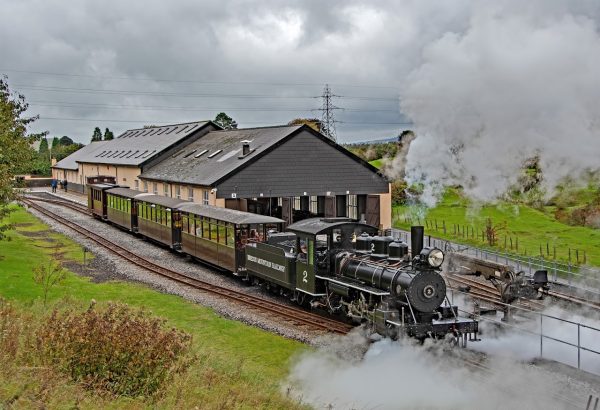
- Brecon Mountain Railway runs narrow-gauge steam trains from Pant, near Merthyr Tydfil, alongside the Pontsticill and Taf Fechan reservoirs and up towards Torpantau, with a stop for walks by the water.
- Llangorse Lake is the largest natural lake in south Wales, good for paddleboarding, sailing and birdwatching, and home to a reconstructed crannog, an artificial island dwelling of a kind rare outside Ireland and Scotland.
- The Monmouthshire and Brecon Canal gives a completely level alternative to the hills. Day boats and longer hires run from Brecon and Goytre Wharf through Talybont-on-Usk and Llangynidr, and the towpath makes easy cycling.
- Carreg Cennen Castle, near Trapp on the western edge, stands on a limestone crag above the Cennen valley. A passage cut into the rock leads down to a cave beneath the walls; take a torch, as they are not always for hire.
Where to Eat in the Brecon Beacons
All restaurants in Brecon Beacons →Food and drink in Brecon Beacons
Welsh lamb from these hills is the obvious starting point, and it appears on menus everywhere from farm cafes to serious restaurants. Welsh Black beef, venison and river trout are common too. Look for cawl, a slow-cooked lamb and vegetable broth served with bread and cheese, and for Welsh cakes and bara brith in bakeries and tearooms across the park.
The Felin Fach Griffin, between Brecon and Hay, is the best known dining pub in the area, holding a Michelin Bib Gourmand and drawing much of its produce from its own kitchen garden. Crickhowell punches above its weight, with the Bear Hotel long established for pub food and a run of independent delis and bakeries along the high street. The Black Mountains Smokery at Crickhowell smokes salmon, trout and duck and has a shop worth a detour.
Brecon holds a market in the Market Hall several days a week, with a farmers' market on the second Saturday of the month bringing in local cheese, meat and preserves. Talybont-on-Usk is known for its apple juice and cider, and the Brecon Beacons has a growing set of small producers in gin, beer and cheese. Abergavenny, just outside the park, hosts one of Britain's leading food festivals each September, with two days of producers, demonstrations and tastings that fill the town.
Dwy Mynydd
Powys · ⭐ 4.8
Depot 65
Powys · ⭐ 5.0
Gorkha & Khukuri
Brecon · ⭐ 4.7
West End Service Station
Powys · ⭐ 4.3
Theatr Brycheiniog Cyf
Powys · ⭐ 4.5
Bo Country
Powys · ⭐ 4.0
Morgannwg House
Powys
ESS Compass Contract Services (UK)
Brecon
Attractions Near the Brecon Beacons
All attractions in Brecon Beacons →Worth the trip — within 50 miles of Brecon Beacons.
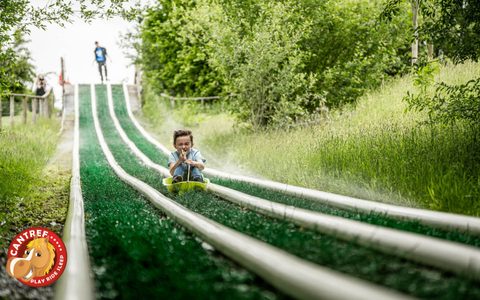 4 mi
4 mi
Cantref Adventure Farm
Brecon · ⭐ 4.4
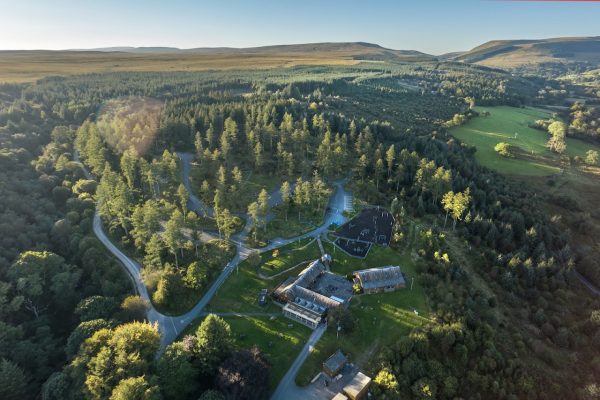 5 mi
5 mi
Garwnant Visitor Centre
Merthyr Tydfil · ⭐ 4.4
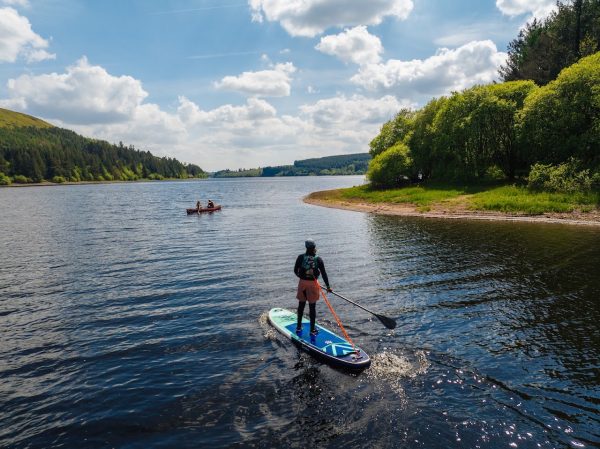 5 mi
5 mi
Parkwood Outdoors Dolygaer
Merthyr Tydfil · ⭐ 4.7
 8 mi
8 mi
Brecon Mountain Railway
Merthyr Tydfil · ⭐ 4.6
 9 mi
9 mi
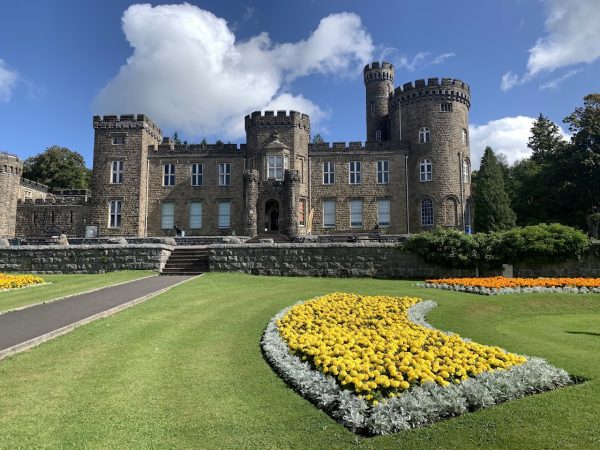
Cyfarthfa Castle Museum and Art Gallery
Merthyr Tydfil · ⭐ 4.5
 9 mi
9 mi
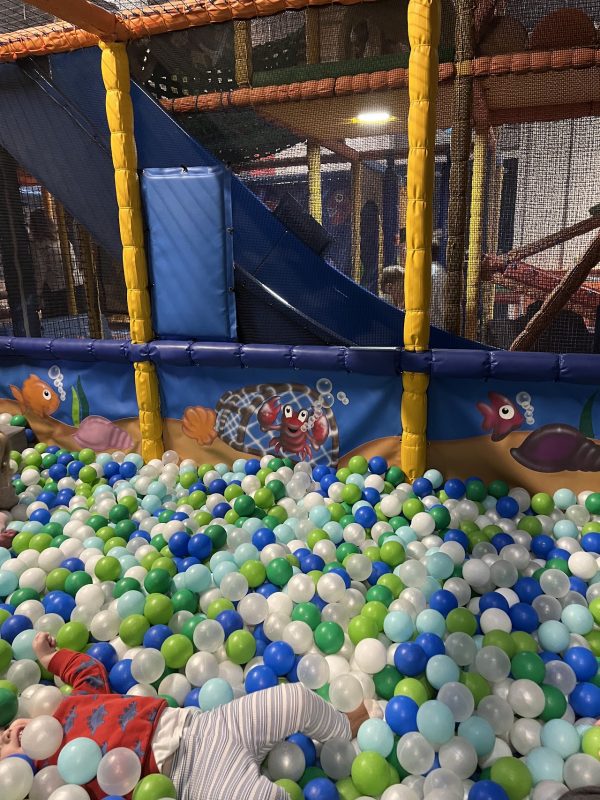
PlayZone Trago
Merthyr Tydfil · ⭐ 4.4
 9 mi
9 mi
Llangorse Multi-Activity Centre
Brecon · ⭐ 4.7
 10 mi
10 mi
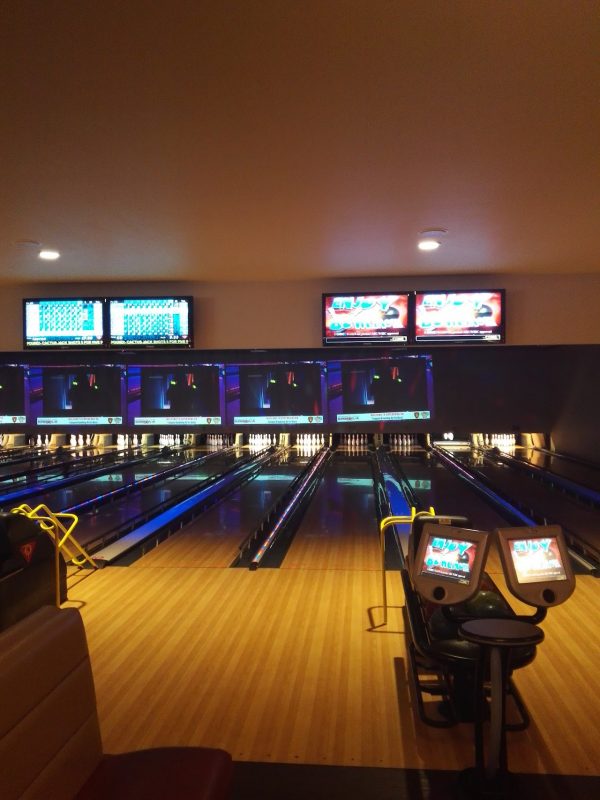
Superbowl UK Merthyr
Merthyr Tydfil · ⭐ 4.1
Camping in the Brecon Beacons(1)
All campsites in Brecon Beacons →About camping in the Brecon Beacons
Camping in the Brecon Beacons means accepting that it rains here, often and hard. The hills catch weather coming in off the Atlantic and annual rainfall on the tops is several times what falls on the coast. Sites in the Usk valley and around Brecon sit on reasonably free-draining river terraces, but higher ground and old pasture can hold water for days after heavy rain. A groundsheet, a decent flysheet and pegs that will hold in soft ground are worth more than any luxury.
Most established campsites are strung along the valleys rather than on the hills: the Usk between Brecon and Crickhowell, the Taff Fechan valley north of Merthyr Tydfil, and the lanes around Llangorse Lake. That means level pitches, good access and generally sheltered ground, with the hills a short drive or walk away. Sites near the A470 and the main trailheads book up early for summer weekends.
Wild camping is not permitted as of right in the national park. Around seventy per cent of the land is privately owned, and legally you need the landowner's permission. In practice, discreet high-level camping above the wall line is often tolerated if you arrive late, leave early, camp in ones and twos, light no fires and leave nothing behind. Never assume it is allowed near the honeypot summits, where the park authority actively discourages it.
The practical season runs from Easter to the end of September, with May, June and September offering the best balance of weather, daylight and space. Many sites close from November to March. Bring warm layers whatever the month: clear nights on the valley floor can drop close to freezing well into May, and midges appear near still water in high summer.
Glamping has spread quickly here, with pods, safari tents and shepherd's huts on many farms, and it makes a sensible compromise if you want the dark skies without the risk of a soaked tent. The park is an International Dark Sky Reserve, so on a clear night the stars alone justify the trip.
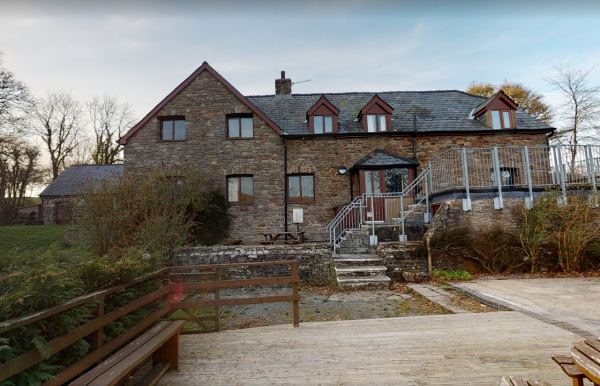
Argoed Lwyd Outdoor Education Centre
Brecon · ⭐ 4.9 · from £448/night
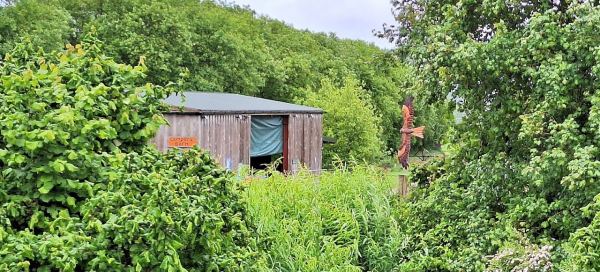
Pwllyn Farm Camping
Brecon · ⭐ 4.9 · from £25/night
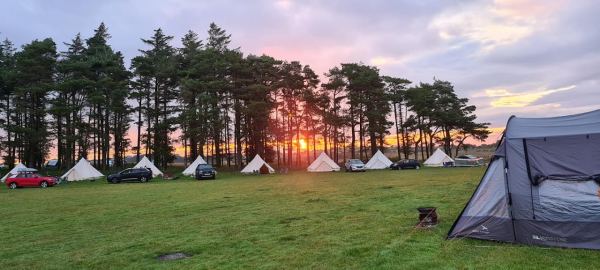
The Dragons Back
Brecon · ⭐ 4.6
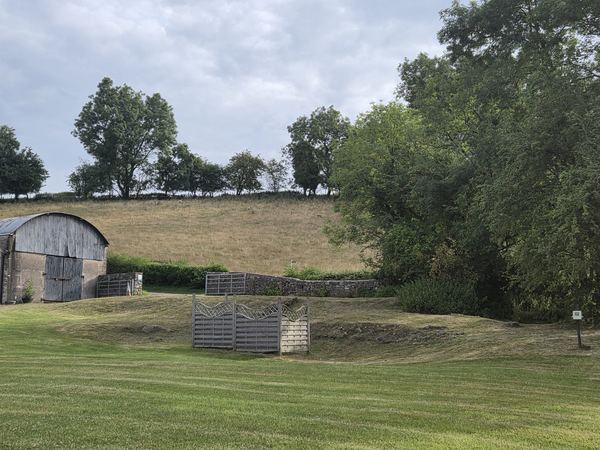
Ca's Camping
⭐ 4.5 · from £25/night
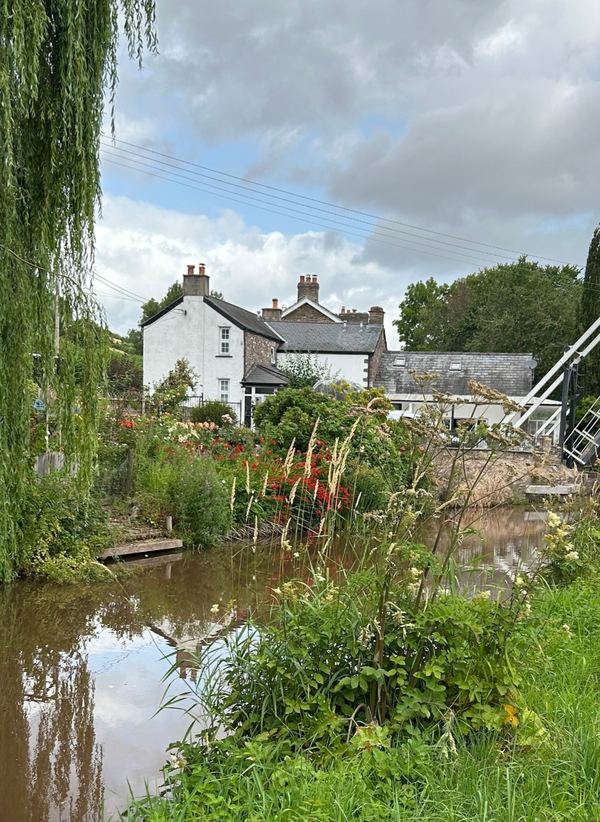
Rhydywernen Farm Camping Site
⭐ 4.9 · from £22/night
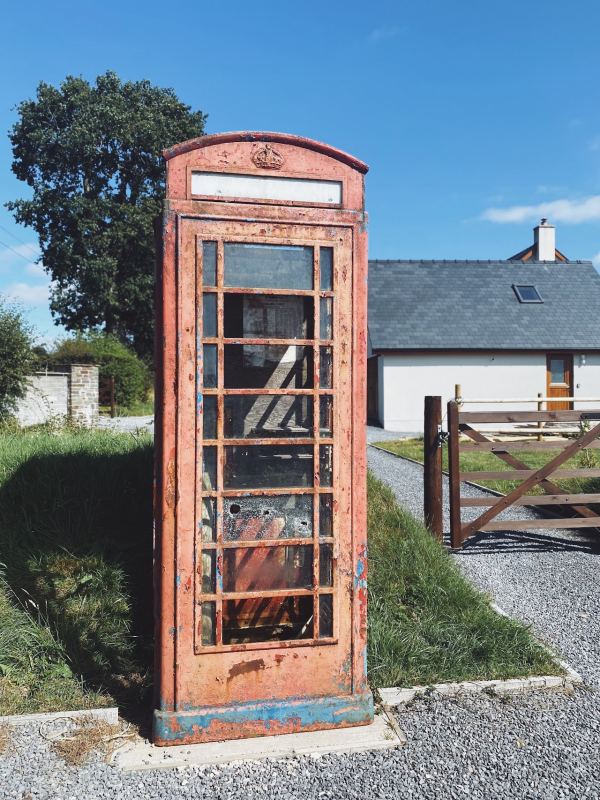
Open Fire Camping
Brecon · ⭐ 4.7
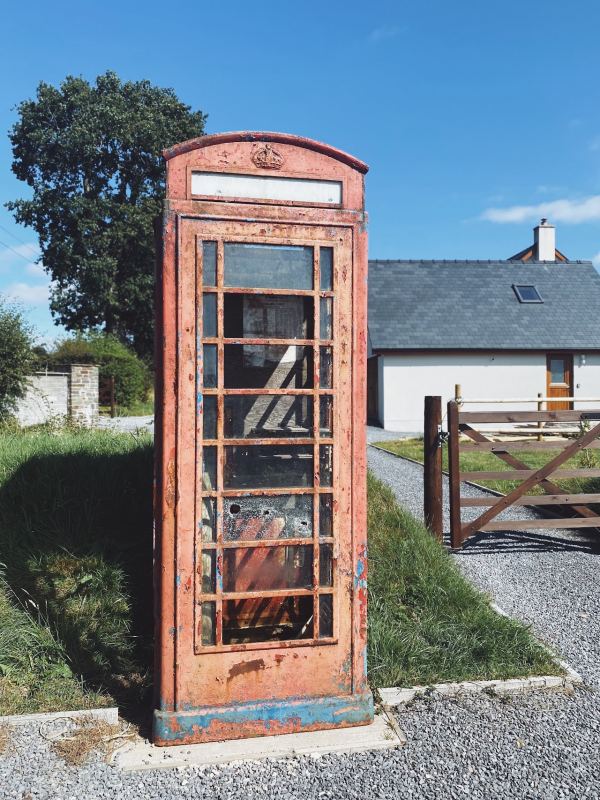
Popcorn Camping Brecon
Brecon · ⭐ 4.7
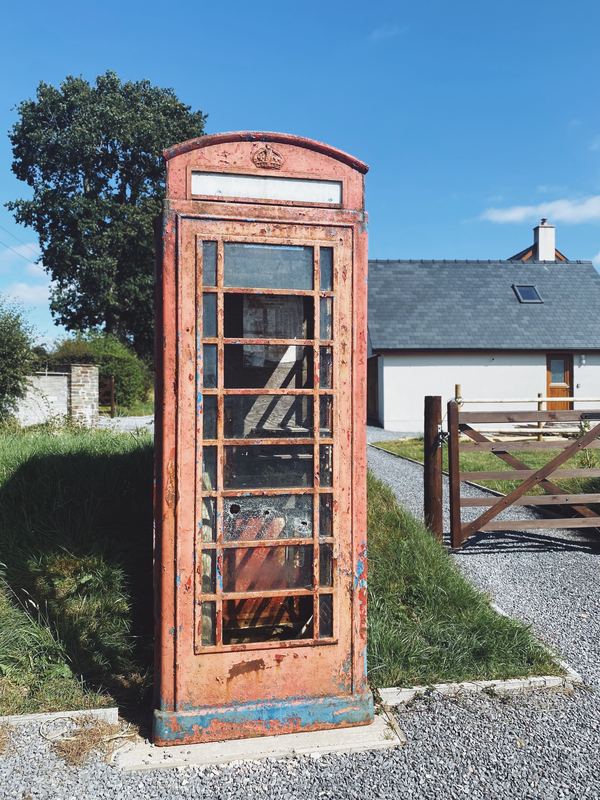
Cefn Cantref Campsite
⭐ 4.7
Self-Catering Cottages in the Brecon Beacons
All cottages in Brecon Beacons →The Apartment
3 bed · sleeps 5 · from £523
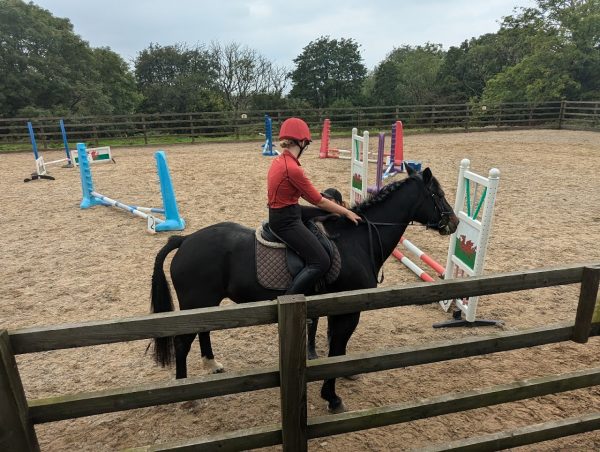
Havard Stables
3 cottages · from £513
Kookaburra Lodge
3 bed · sleeps 6 · from £937
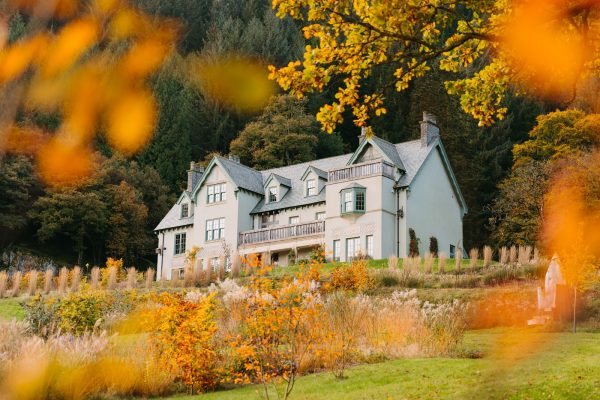
The Driftwood Retreat
Rhayader · 2 bed · sleeps 4 · from £604
Kookaburra Cottage
2 bed · sleeps 4 · from £791
Brynich Villa
6 bed · sleeps 12 · from £1,136
Swn Y Nant
2 bed · sleeps 4 · from £1,402
Ty Gwenyn
1 bed · sleeps 2 · from £313
Common questions about Brecon Beacons
How many campsites are there in Brecon Beacons?
We list 1 campsites in and around Brecon Beacons, of which 1 take tents.
Are there dog-friendly campsites in Brecon Beacons?
Yes — 1 of the 1 campsites we list in Brecon Beacons accept dogs, including Grawen Caravan & Camping Park.
Which campsites in Brecon Beacons have electric hook-up?
1 of the 1 campsites we list in Brecon Beacons offer an electric hook-up.
Where can I stay in Brecon Beacons?
We list 8 hotels, B&Bs and guest houses in and around Brecon Beacons. Prices start from around £89 a night.