Colne
Pennine mill town on the doorstep of Pendle Hill
Photo © D B D of Nelson, Google Maps
Colne sits at the far eastern edge of Lancashire, tucked into the Pennine foothills just a few miles from the Yorkshire border. It is the last town before the hills roll upward into open moor, and that position has always shaped its character: a hardy former textile town with a main street that climbs steeply from the valley, surrounded on almost every side by farmland, drystone walls and the kind of big, changeable Pennine sky that draws walkers and photographers back again and again.
Like its neighbours Nelson and Burnley, Colne grew rich on cotton in the 19th century, and the terraces, chapels and grand civic buildings around its centre still tell that story. But Colne is older than the mills — there has been a settlement here since before the Norman Conquest, and the parish church of St Bartholomew has stood on its hilltop site for centuries. Today the town trades on a quieter appeal: it is a gateway to Pendle Hill and Pendle Witch country, to the wild little valley of Wycoller, and to the Forest of Trawden, one of the least-known pockets of countryside in Lancashire.
Getting to Colne
Colne sits at the very end of the M65 motorway, which connects it to Burnley, Blackburn, Preston and the M6 to the south-west, making the town straightforward to reach by car from most of the North West. Colne railway station is the terminus of a branch line with services to Preston via Nelson, Burnley and Blackburn, giving connections onward to the wider rail network. The town is also on regular bus routes linking it to Nelson, Burnley and the Yorkshire towns of Keighley and Skipton just across the border, useful for those exploring both Lancashire and the southern Dales without a car.
Best time to visit Colne
Late spring through early autumn is the best window for walking the moors and valleys around Colne, when the drystone-walled fields and Trawden Forest are at their greenest and the longer evenings suit an after-dinner stroll. Autumn brings rich colour to Wycoller and the wooded cloughs nearby, while winter, though often wet and blustery on the tops, has its own appeal for those who like a bracing hilltop walk followed by a fire and a pint. Colne also hosts the Great British Rhythm & Blues Festival, a long-running August bank holiday event that fills the town's pubs and streets with live music and is worth timing a visit around if you enjoy a lively atmosphere.
Where to stay in Colne(2)
All hotels in Colne →About staying in Colne
Colne makes a sensible, well-connected base for exploring the eastern edge of Lancashire and the southern Yorkshire Dales, and its hotels and guesthouses reflect that practical appeal rather than aiming for the boutique market. Expect a mix of traditional coaching inns with rooms above the bar, small independent B&Bs in Victorian terraces, and a scattering of country guesthouses in the villages just outside town, several offering views out towards Pendle Hill or the Trawden valley. Prices are generally modest compared with more heavily touristed parts of Lancashire, and many places are geared towards walkers, offering drying rooms, packed lunches and local trail advice.
Because Colne sits right at the end of the M65 and on a direct rail branch to Preston, it also works well as a low-cost alternative base for visiting Skipton and the Yorkshire Dales, both a short drive or bus ride away across the county border. Families and groups after more space often look to the self-catering cottages converted from old weavers' terraces in and around the town, while those wanting a quieter, more rural stay tend to head a mile or two out to Trawden, Foulridge or Wycoller, where farmhouse B&Bs and small inns sit right on the doorstep of open moorland. Booking ahead is worthwhile around the August bank holiday, when the town's long-running rhythm and blues festival brings a noticeable uplift in visitor numbers.
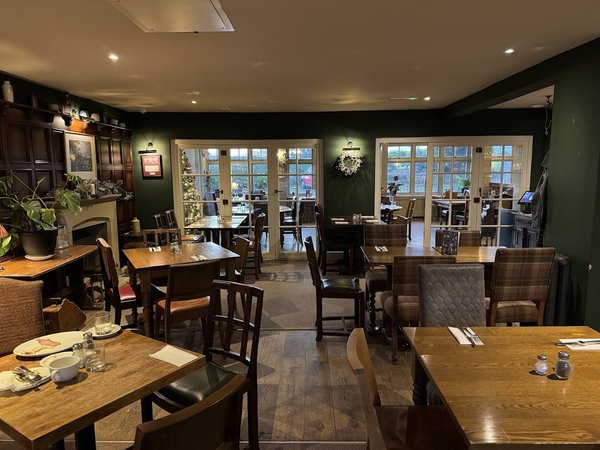
Rye-Flatt Bed and Breakfast
20 School Lane, Colne
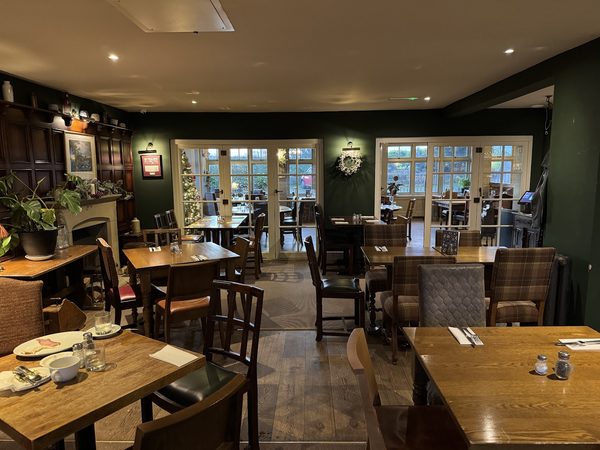
The Alma Inn
Emmott Lane, Colne
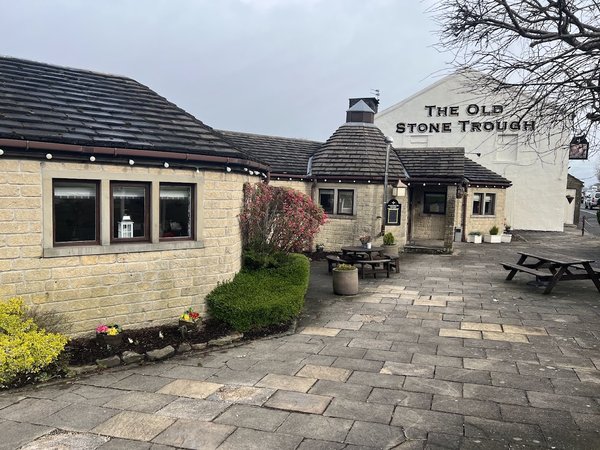
The Old Stone Trough
Colne Road, Barnoldswick
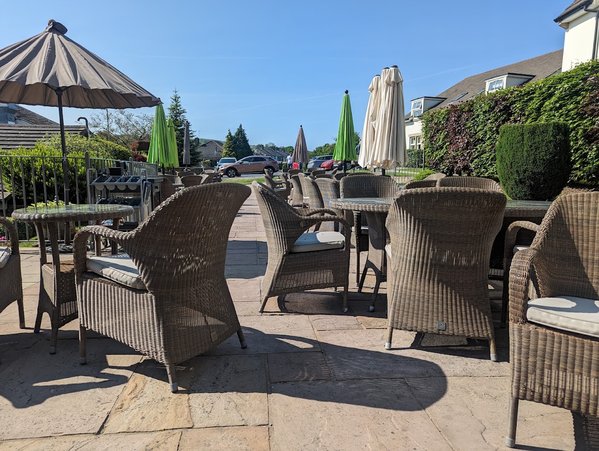
The Craven Heifer Inn
400 Colne Road, Kelbrook
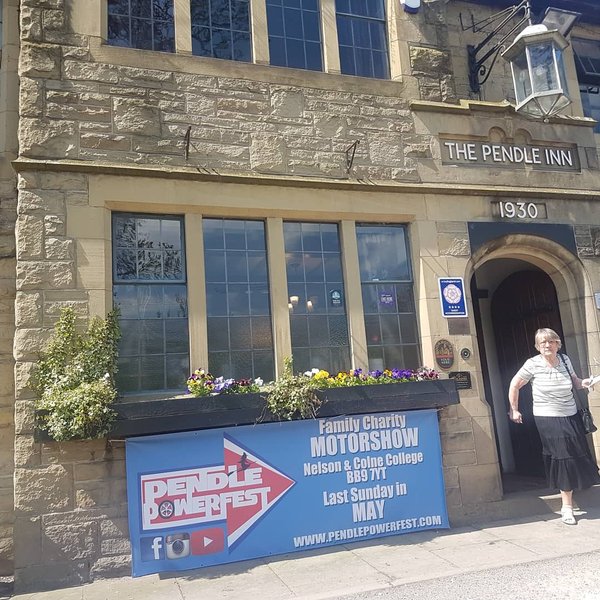
The Pendle Inn
Barley, Burnley
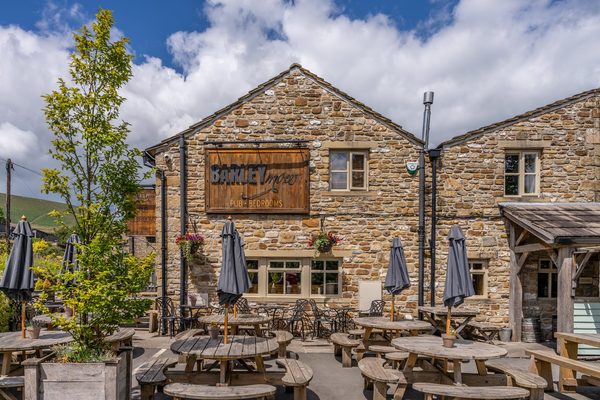
The Barley Mow
Barley Village, Burnley
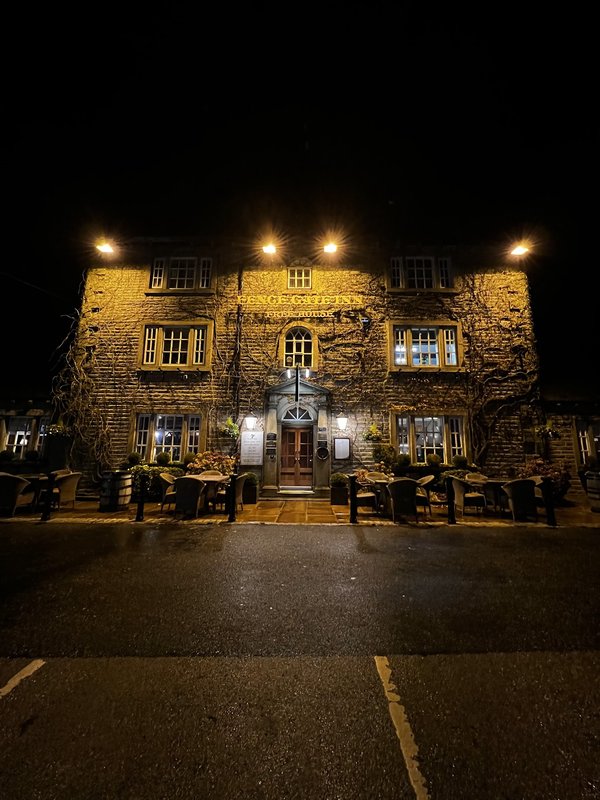
Fence Gate Lodge
593 Wheatley Lane Road, Burnley
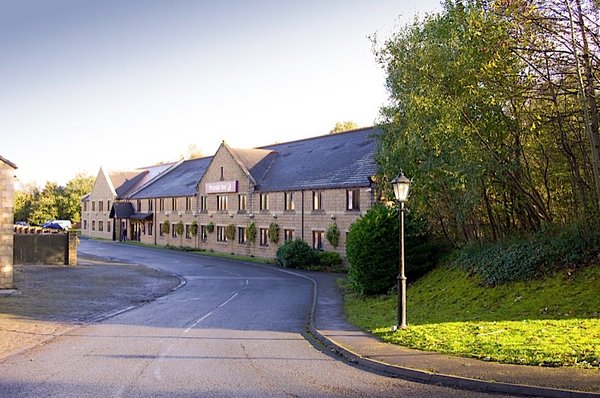
Premier Inn Burnley
Queen Victoria Road, Burnley
Things to Do in Colne(1)
All attractions in Colne →Top things to do in Colne
Colne rewards anyone willing to get out on foot, but it also has a handful of genuinely distinctive indoor attractions for a town of its size.
- British in India Museum — a small, unusual museum housed on Sun Street with an extensive collection of uniforms, medals, photographs and memorabilia relating to the British presence in India, built up from decades of private collecting.
- Wycoller Country Park — a car-free hamlet of ruined and restored buildings set around a clapper bridge and beck, a few miles from Colne. Wycoller Hall is thought to have inspired Ferndean Manor in Charlotte Brontë's Jane Eyre, and the surrounding park is one of the prettiest short walks in the district.
- Pendle Hill and the Pendle Way — Colne lies close to the start of the 45-mile Pendle Way, and Pendle Hill itself, forever associated with the 1612 Pendle witch trials, rises a few miles to the south-west.
- Forest of Trawden — a large area of farmland, woodland and reservoir (Lake Burwain) on the Yorkshire border, criss-crossed with quiet footpaths and bridleways and largely overlooked by visitors to the wider Pendle area.
- Wallace Hartley Memorial — a monument in the town to Wallace Hartley, bandmaster of RMS Titanic, who was born nearby and is buried in Colne cemetery; his memorial is a point of local pride and pilgrimage for Titanic history enthusiasts.
- Foulridge Canal Wharf — a couple of miles north of the town centre, where narrowboat trips run along a tranquil stretch of the Leeds & Liverpool Canal, including through the long Foulridge Tunnel.
- Pendle Hippodrome Theatre — a long-standing community theatre in the town centre staging a year-round programme of drama, pantomime and live music.
- Colne Heritage Centre — a compact local museum covering the town's textile and social history, useful background for anyone exploring the wider area.
Where to Eat in Colne(8)
All restaurants in Colne →Food and drink in Colne
Colne's food and drink scene reflects its role as a proper working market town rather than a tourist honeypot, which suits those after an unpretentious pint and a good meal. The Church, on Church Street, is a well-regarded gastropub serving modern British food in a converted church building. Bierhaus on Market Street is popular for its range of craft beers and relaxed atmosphere, while the Craft & Vine on Albert Road has built a reputation locally for its wine and small-plates menu. For a classic Lancashire pub experience, the Admiral Lord Rodney and several other long-standing locals around the town centre serve real ale and hearty pub food, and Colne's Wednesday and Saturday markets are a good spot to pick up local produce.

Attractions Near Colne
All attractions in Colne →Worth the trip — within 50 miles of Colne.
 2 mi
2 mi
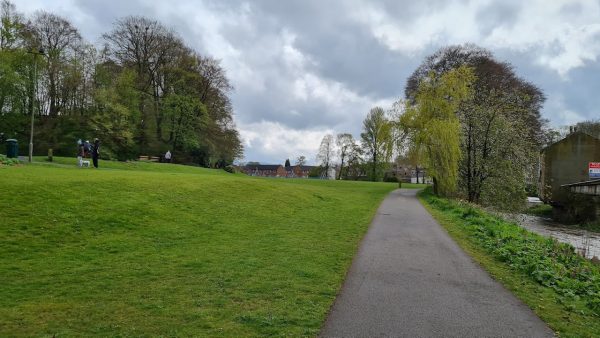
Barrowford Park
Barrowford · ⭐ 4.5
 2 mi
2 mi
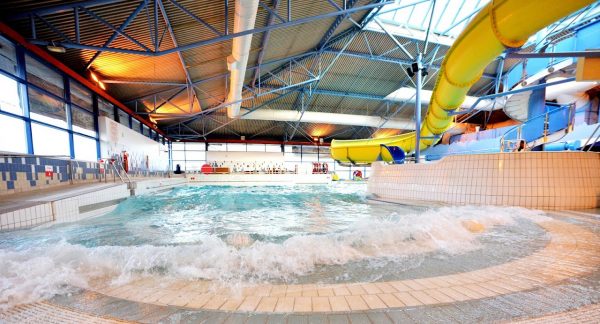
Pendle Wavelengths Swimming Pool
Nelson · ⭐ 4.2
 3 mi
3 mi
Pendle Witches Mystery Treasure Trail
Barrowford · ⭐ 4.7
 3 mi
3 mi
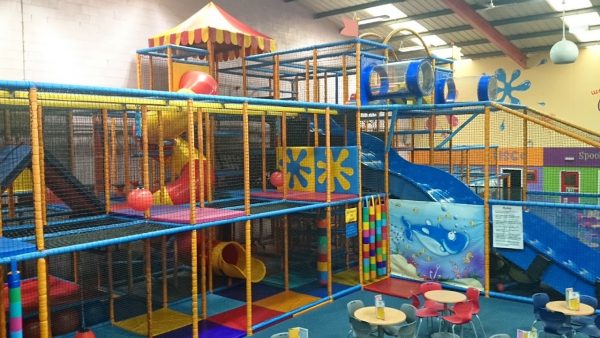
Giddy Kippers Indoor Soft Play
Nelson · ⭐ 4.2
 3 mi
3 mi
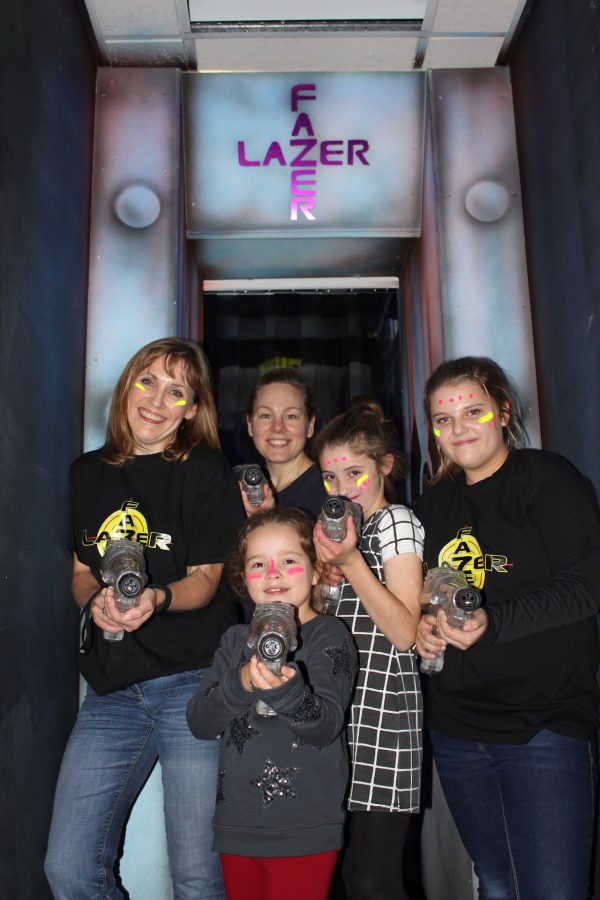
Lazer Fazer
Nelson · ⭐ 4.7
 3 mi
3 mi
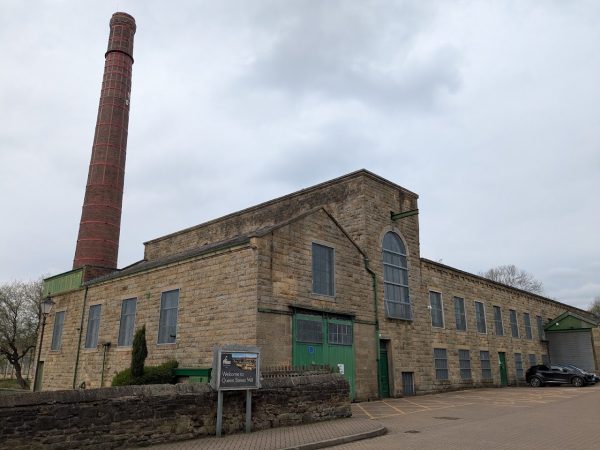
Queen Street Mill Textile Museum
Burnley · ⭐ 4.8
 5 mi
5 mi
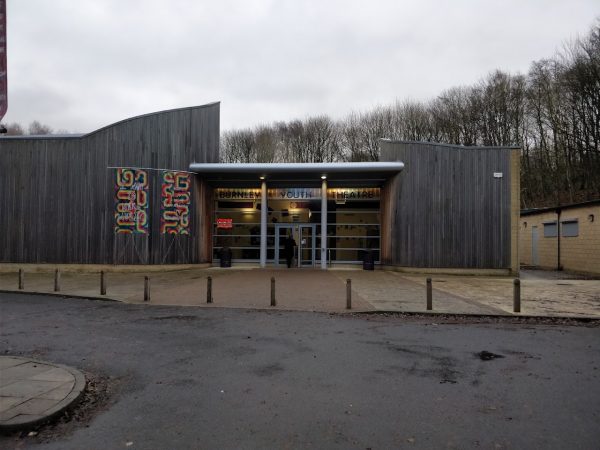
Burnley Youth Theatre
Burnley · ⭐ 4.8
 5 mi
5 mi
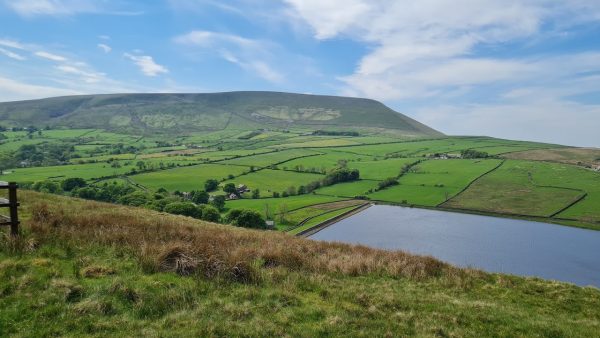
Pendle Hill
Barley · ⭐ 4.9
Camping in Colne(1)
All campsites in Colne →About camping in Colne
The moors and valleys around Colne offer some genuinely rewarding camping country, though it is worth being clear from the outset: wild camping is illegal in England without the explicit permission of the landowner, and this applies as much to the open fell around Pendle Hill and Trawden Forest as anywhere else. Anyone wanting to sleep out under a Pennine sky should book a proper site or seek permission directly from a farmer or landowner rather than pitching up unannounced on the moor.
That said, the terrain here suits camping well. The land around Colne rises steadily from the town into the Pennine foothills, with Trawden Forest to the east offering gentler, greener countryside around Lake Burwain, and Pendle Hill itself dominating the skyline a few miles to the south-west. Small, family-run campsites and caravan parks are dotted through the villages surrounding Colne — Trawden, Foulridge and further out towards Barley and Downham on the Pendle Hill side — typically offering grass pitches for tents alongside hookups for tourers and motorhomes. Several also have a handful of glamping options, from simple bell tents to insulated pods and shepherd's huts, which suit visitors who want to be close to the hills without relying entirely on their own kit, particularly useful given how quickly Pennine weather can turn.
The best camping season here runs from late spring to early autumn: the ground is drier underfoot, the evenings are long enough for a walk up onto the tops after pitching, and the moorland around Pendle and Trawden is at its most colourful, with gorse and heather adding a real lift to the landscape. Spring and early summer bring the added bonus of lambing season across the surrounding farmland, while a settled September can give some of the clearest long-distance views from the higher ground. Winter camping is possible at some sites with all-weather facilities, but conditions on the exposed moorland can turn quickly, so it suits only those properly equipped for cold, wet and windy nights. Whatever the season, Colne's position at the end of the M65 and on a direct rail line makes it an easy base to combine a night or two under canvas with exploring the town, Wycoller Country Park and the wider Pendle Witch Country on foot.
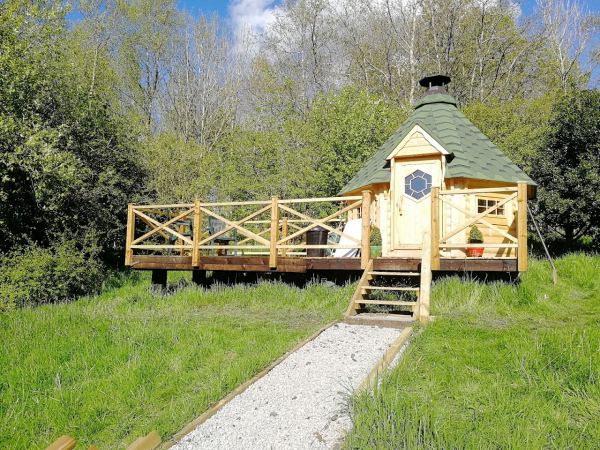
Trawden Forest Glamping
⭐ 5.0 · from £144/night
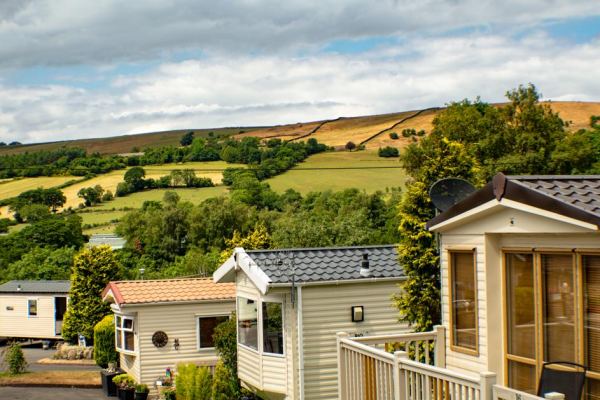
Forest of Pendle Leisure Park
⭐ 4.2
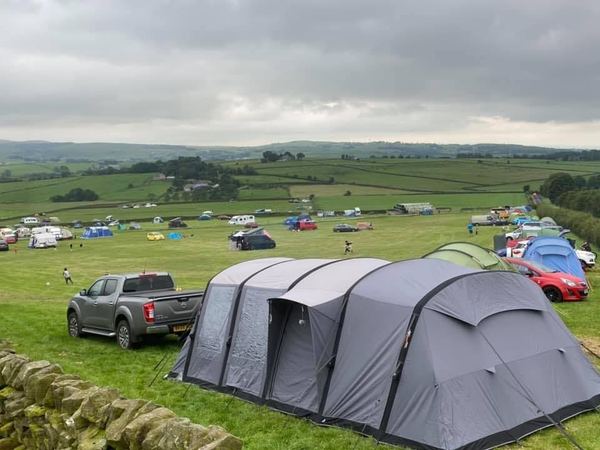
Shay Gate Farm Campsite
⭐ 4.6 · from £20/night
Lower Cockden Farm Certificated Location
⭐ 5.0
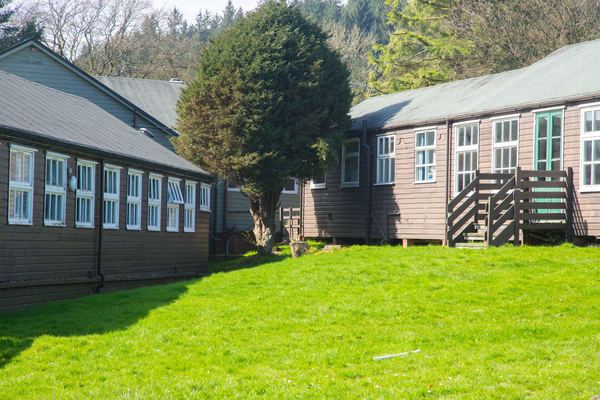
Whitehough Outdoor Centre
⭐ 4.5 · from £20/night
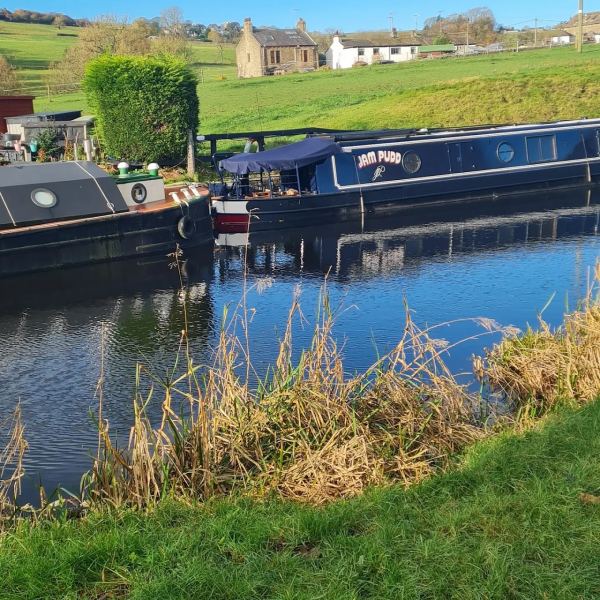
Lower Green Hill Caravan Park
⭐ 4.5
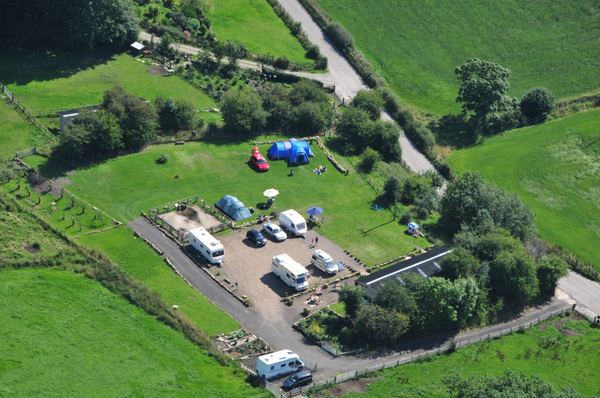
Smithson Farm Camping and Caravan Park
⭐ 3.7
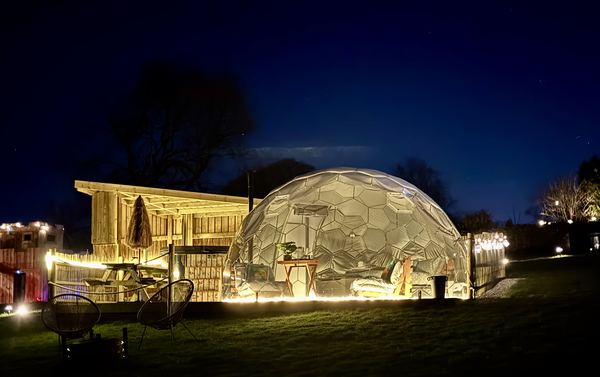
Deerstone Glamping
⭐ 4.8
Self-Catering Cottages in Colne
All cottages in Colne →River Cottages
3 cottages
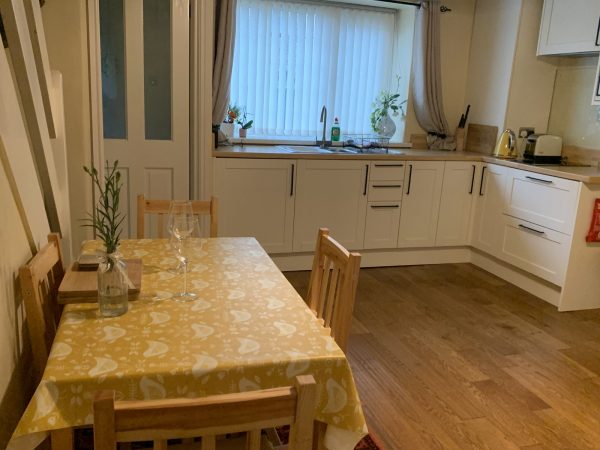
Tilly Cottage
2 bed · sleeps 4 · from £427
Whiteoak Cottage
3 bed · sleeps 6 · from £981
Fox and Wolf Retreats
2 cottages · from £357
Admergill Lodge
2 bed · sleeps 4 · from £1,176
Hollin Bank Cottage
3 bed · sleeps 5 · from £393
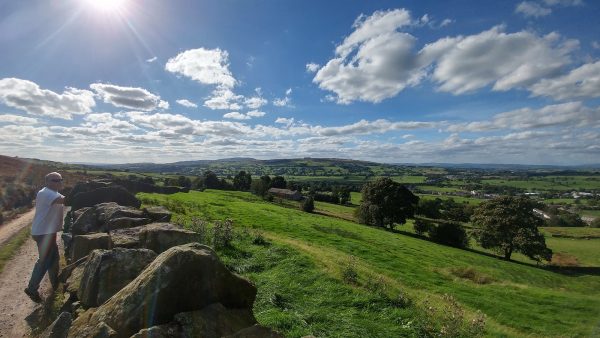
Moorgate Farm
2 cottages · from £747
Caterpillar Cottage
1 bed · sleeps 2 · from £527
Common questions about Colne
How many campsites are there in Colne?
We list 1 campsites in and around Colne, of which 1 take tents.
Are there dog-friendly campsites in Colne?
Yes — 1 of the 1 campsites we list in Colne accept dogs, including Shay Gate Farm Campsite.
Where can I stay in Colne?
We list 2 hotels, B&Bs and guest houses in and around Colne.
What is there to do in Colne?
We list 1 attractions and things to do in and around Colne.
Where can I eat in Colne?
We list 8 restaurants, pubs and cafes in and around Colne.